Why Mahogany Furniture Is Worth the Investment and Where to Source It Well
If you have ever walked into a well-designed dining room and felt the warmth of the space before you even looked at the walls or the lighting, there is a good chance the furniture played a larger role than you realized. Solid wood furniture has a presence to it. And among the options available to buyers who want something that will genuinely last, mahogany consistently sits at the top of the list.
This guide covers what makes mahogany worth considering, what to look for when evaluating quality, and how sourcing from a high quality furniture supplier from Indonesia can give you access to pieces that simply are not available through mass-market retail channels.
What Makes Mahogany Stand Out Among Wood Types
Mahogany (Swietenia macrophylla) has been a favored material in fine furniture-making for centuries. The reasons are practical as much as aesthetic.
The grain is fine and even, which means it machines and finishes cleanly. A well-prepared mahogany surface accepts stain or paint with a consistency that many other hardwoods cannot match. The result is furniture that looks intentional and refined rather than variable or uneven.
Structurally, mahogany is stable. It has a low shrinkage rate compared to many other hardwoods, which means it handles changes in humidity reasonably well. For furniture that lives inside a home, this matters more than most buyers realize. Wood that moves excessively with seasonal humidity changes will loosen joints over time, no matter how good the original construction was.
The color is another point of appeal. Raw mahogany has a warm, reddish-brown tone that deepens with age. Unlike oak or pine, which can look casual or rustic depending on the application, mahogany reads as inherently warm and elevated, making it versatile across traditional, transitional, and even some contemporary interior styles.
Indoor vs. Semi-Outdoor: Where Mahogany Works
One question that comes up regularly is whether mahogany can be used outside. The short answer is: in covered outdoor areas, yes. In fully exposed conditions, it is not the best choice.
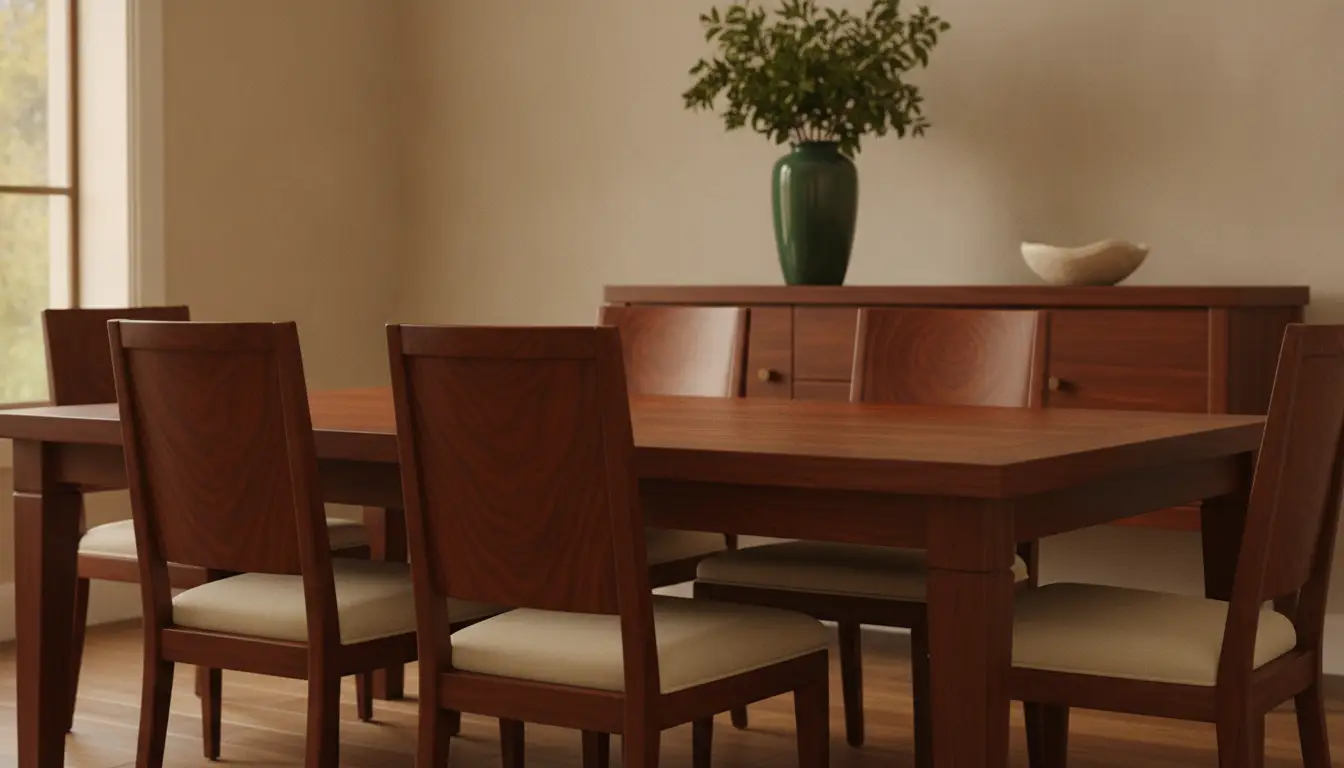
For indoor spaces, mahogany is one of the most reliable choices available. Dining tables, dining chairs, sideboards, coffee tables, and bedroom furniture all translate well in mahogany. The material is heavy enough to feel substantial without being unworkably dense, and the surface finish options are wide.
For semi-outdoor spaces such as covered verandas, pergolas with overhead protection, or enclosed patios, mahogany with the right finishing system performs well. The key is that it needs to be protected from direct rain and prolonged sun exposure. If your outdoor space is sheltered, mahogany can work beautifully there too.
For fully exposed outdoor environments, teak is the better material choice because of its higher natural oil content and weather resistance.
What Separates Well-Made Mahogany Furniture From the Rest
When you are comparing pieces across different suppliers or price points, a few things are worth looking at carefully.
Kiln drying. This is the single most important production step that buyers rarely ask about. Wood that has not been properly kiln-dried before use in furniture will move, warp, and stress joints over time, regardless of how it looks when new. A manufacturer who kiln-dries as a standard part of their process, not as an optional upgrade, is building with more stability built in from the start.
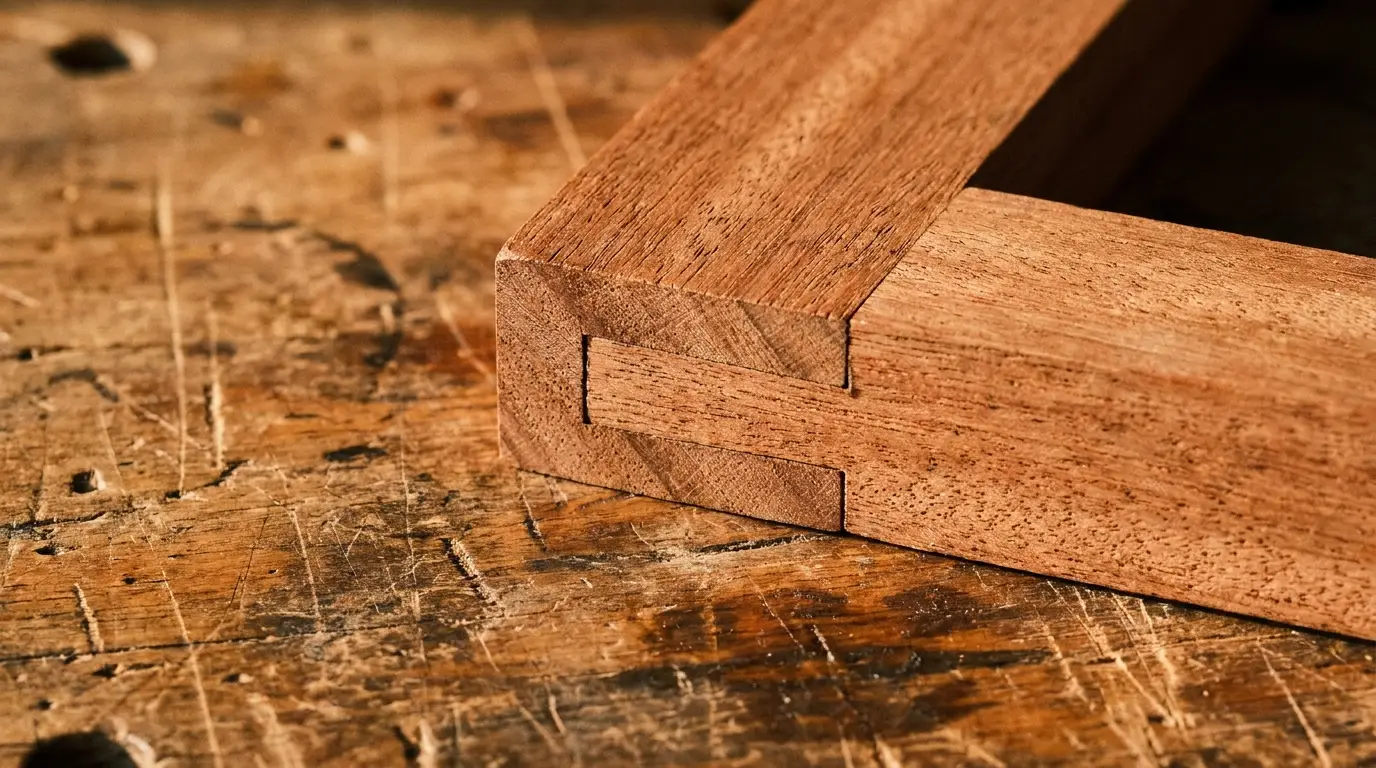
Joinery construction. How a chair or table is put together matters enormously for longevity. Traditional joinery methods like mortise and tenon create a mechanical bond between components. Furniture that relies on glue or dowels alone will not hold up under the repeated stress of daily use, especially in seating.
Finishing consistency. A good finish protects the wood and defines the look of the piece. What to look for is even coverage with no visible sanding marks, drips, or variation in sheen. This is an area where factory-made furniture from a tightly controlled production environment tends to outperform small workshops where finishing is done inconsistently.
Batch-to-batch reliability. If you are furnishing a dining room and need six matching chairs, they need to be consistent with each other in color, sheen, and dimension. This is something that becomes particularly relevant when sourcing from overseas manufacturers, where your order is one of many in simultaneous production.
Why Indonesian Mahogany Furniture Is Worth Considering
Indonesia is one of the world’s largest producers of solid wood furniture, and mahogany is one of the materials it does very well. The country has access to plantation-grown mahogany timber, a skilled manufacturing workforce with generational experience in woodworking, and a well-established export infrastructure that supports buyers in the US, Europe, and Australia.
The category of Indonesian mahogany furniture covers a wide range of styles and applications, from classic dining sets to more contemporary pieces with mixed material details. What makes it particularly interesting for buyers who care about quality is that Indonesia’s leading furniture factories operate at a level of production control and precision that is genuinely competitive with European manufacturers, at a significantly different price point.
The key distinction to understand is that not all Indonesian furniture is equal. There is a meaningful difference between a factory that operates with in-house production from timber to finished product, and one that assembles components sourced from multiple suppliers. The former gives buyers much more predictable quality and finish consistency across production batches.
How to Approach Sourcing Mahogany Furniture
Whether you are buying a single dining table or outfitting an entire home, a few practical steps will help you make a better decision.
Request samples or finish swatches before committing to a full order. This applies especially when buying from a manufacturer you have not worked with before. A physical sample lets you assess the actual feel, weight, and finish quality rather than relying on photography.
Ask specifically about the kiln-drying process. Any reputable manufacturer will have a clear answer. If the answer is vague or the question gets redirected, that is useful information.
Understand lead times upfront. Factory-direct mahogany furniture typically requires 45 to 75 days from order confirmation to shipment, depending on whether you are ordering standard products or custom pieces. Planning ahead avoids disappointment, especially if you are working around a renovation schedule or a move.
Think about finish longevity, not just initial appearance. A piece that photographs beautifully but uses a thin finishing system will look worn within a few years of regular use. Ask what finishing process is used and whether it is UV-stable for pieces that will be near windows.
Final Thoughts
Mahogany furniture earns its reputation the old-fashioned way: through material quality, manufacturing precision, and a look that holds up across decades and design trends. It is not the cheapest option, but for buyers who are thinking about furniture as a long-term investment rather than a short-term purchase, the cost-per-year value works out favorably compared to replacing lower-quality pieces every few years.
If you are at the stage of actively comparing options and want to see what factory-direct Indonesian mahogany furniture looks like at a serious manufacturing level, it is worth taking the time to explore what the category actually offers. The gap between mass-market and direct-from-factory quality is larger than most buyers expect until they see it for themselves.