The Home Maintenance Habits That Actually Keep Pests Out Year-Round
Most homeowners think about pest control reactively, an ant trail in the kitchen, a scratching sound in the attic, a spider web in the corner that finally gets addressed. The homes that actually stay pest-free year-round tend to get there through a different route entirely: a handful of routine maintenance habits treated as seasonal upkeep rather than emergency response.
Our own piece on where household pests come from and how to stop them covers the broader entry points and attractants worth knowing, and pairing that awareness with a genuine maintenance routine is what actually keeps a home protected across every season rather than just after the fact. For issues that go beyond routine prevention, a professional Milton pest control visit fills the gap that DIY maintenance alone can’t fully close.
The Seasonal Habits Worth Building In
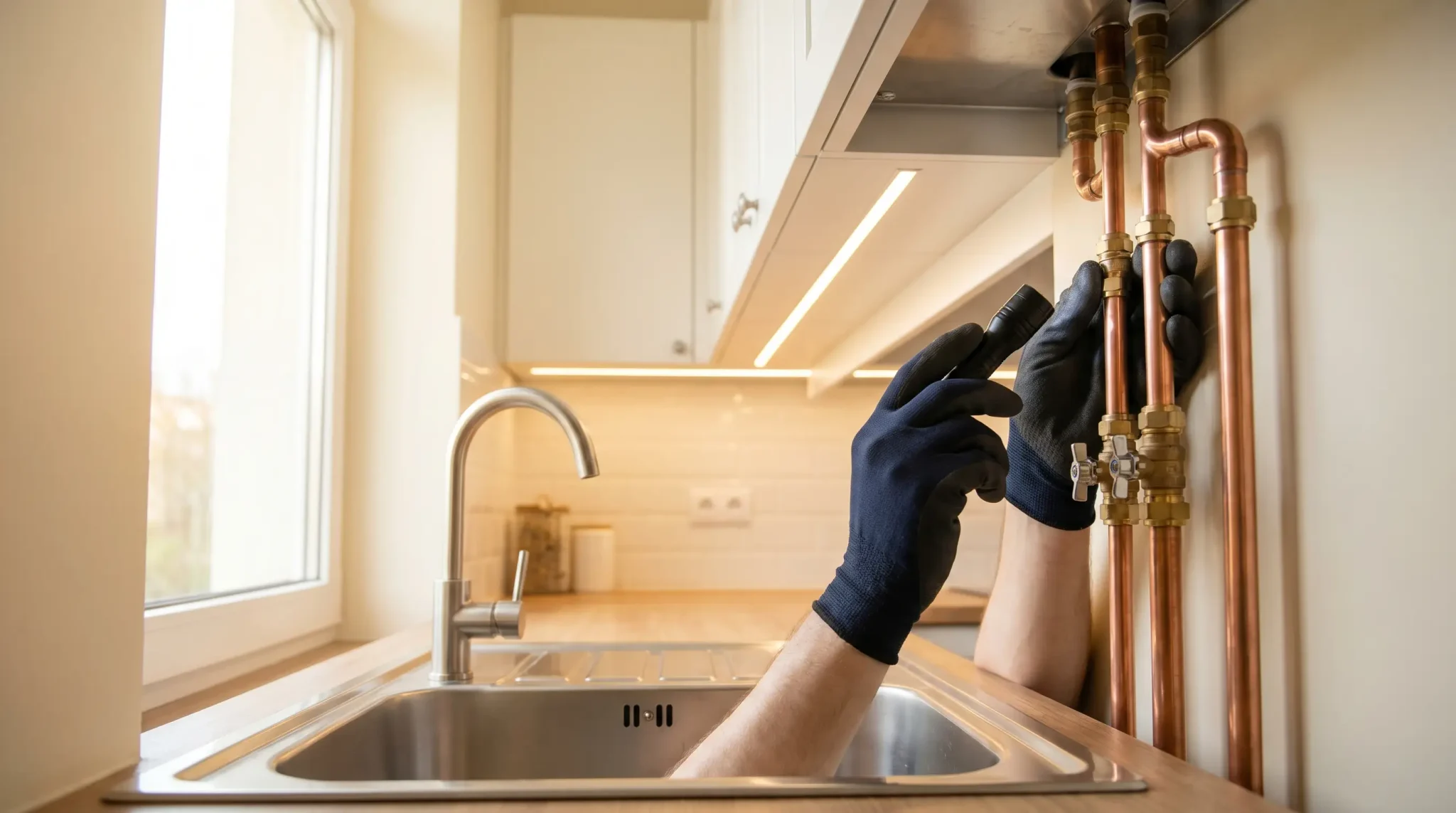
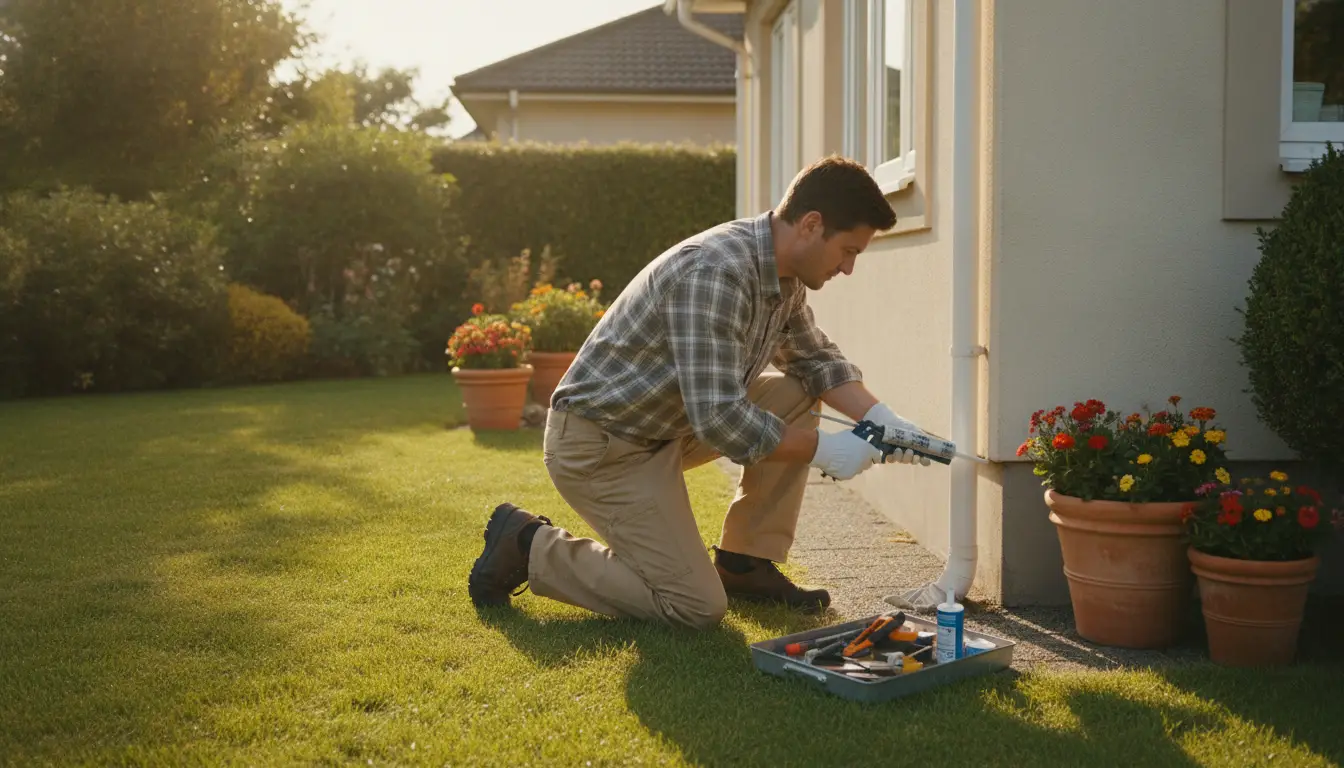
Spring is the season for exterior inspection: checking foundation cracks, resealing gaps around utility penetrations, and clearing gutters that overwintered debris tends to clog. Summer calls for attention to standing water, birdbaths, clogged drainage, unused planters, since mosquitoes and other moisture-loving pests thrive precisely where water sits stagnant for more than a few days.
Fall is when rodents and other pests actively seek entry as temperatures drop, which makes checking weatherstripping and sealing any gaps around doors and windows especially valuable before the first cold snap. Winter maintenance is quieter but still matters, mainly making sure firewood is stored well away from the foundation, since woodpiles are a favorite overwintering spot for a wide range of pests looking for shelter close to a food source.
Why Routine Beats Reaction
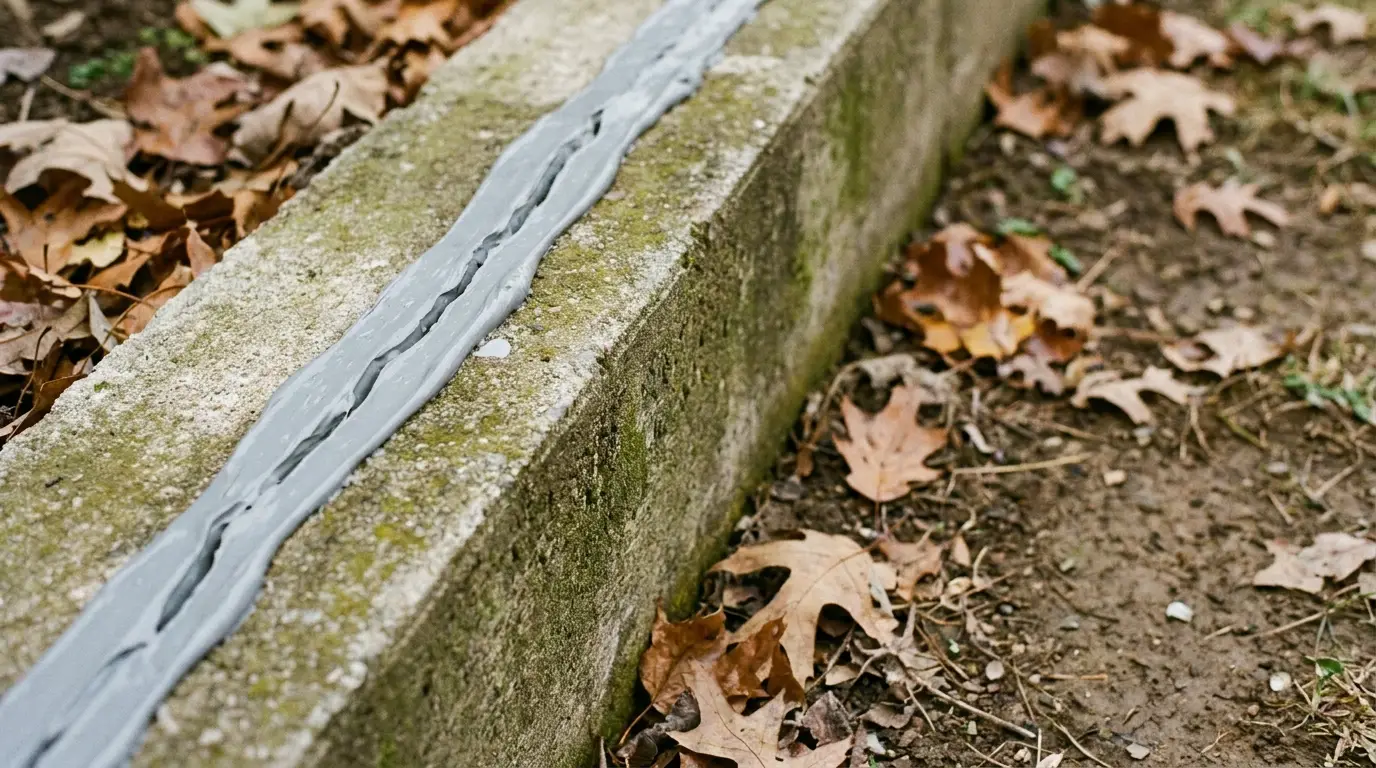
A home that gets this kind of seasonal attention rarely experiences the sudden, visible infestations that prompt an emergency call. Instead, small issues get addressed while they’re still small: a single ant scout gets intercepted before it recruits a colony, a minor gap gets sealed before rodents find it useful. That difference in timing is really the entire difference between routine maintenance and crisis management, and it tends to cost significantly less in both money and stress over the course of a year.
The Industry Behind This Kind of Ongoing Care
Pest prevention and treatment has grown into a substantial, well-established industry, reflecting how many households ultimately need professional support even with good maintenance habits in place. According to IBISWorld’s industry analysis, the U.S. pest control industry is valued at $29.7 billion in 2026, spread across more than 34,000 businesses nationwide.
|
Metric |
Figure |
|
U.S. pest control industry size (2026) |
$29.7 billion |
|
Number of U.S. pest control businesses |
34,076+ |
|
Industry revenue CAGR (2021 to 2026) |
3.4% |
|
Projected 2026 revenue growth |
~1.8% |
That scale reflects a reality worth accepting rather than resisting: even the most diligent homeowner benefits from periodic professional support, ideally scheduled proactively rather than called in only once a problem is already visible.
Building the Habit, Not Just the Fix
The households that stay ahead of pest problems treat seasonal maintenance as routine as changing HVAC filters or cleaning gutters, not as an optional extra reserved for when something goes visibly wrong. That shift in mindset, from reactive to routine, is what actually keeps a home pest-free across every season rather than just temporarily quiet between visible problems.