How to Choose the Right AC System for Your Home
Keeping your home comfortable during the warmest months of the year depends on selecting an air conditioning system tailored to your space and needs. Many factors influence this decision, from the specifics of your property to desired energy efficiency. For those considering AC replacement in Cincinnati, OH, understanding the available options and what’s best for your situation is key to making a worthy investment.
Homeowners often find themselves choosing between central systems, ductless models, and more portable solutions. Navigating this decision requires knowledge about system sizing, layout compatibility, and integration with your home’s current infrastructure. Informed choices can lead to improved comfort and long-term savings.
It is also essential to evaluate energy efficiency standards when purchasing a new or replacement AC system. Higher efficiency means greater comfort and reduced ongoing costs, plus it can lessen your environmental impact. In addition, understanding upfront and long-term budgets will ensure you stay within your means while maximizing convenience.
Before selecting a system, be sure to consider installation requirements and the annual maintenance needed for optimal performance. Long-term reliability and ease of servicing are factors in choosing a system you will be happy with for years to come.
Assess Your Home’s Size and Layout
Evaluating your home’s size and interior layout is the vital first step in selecting a new AC system. An undersized system will run constantly and be unable to sufficiently cool your living areas, causing discomfort and higher energy usage. On the other hand, an oversized unit can lead to frequent cycling, resulting in inconsistent temperatures and potential humidity issues. To calculate the optimal system size, you need to account for your home’s square footage, window placement, insulation levels, and ceiling heights.
Understand Different Types of AC Systems
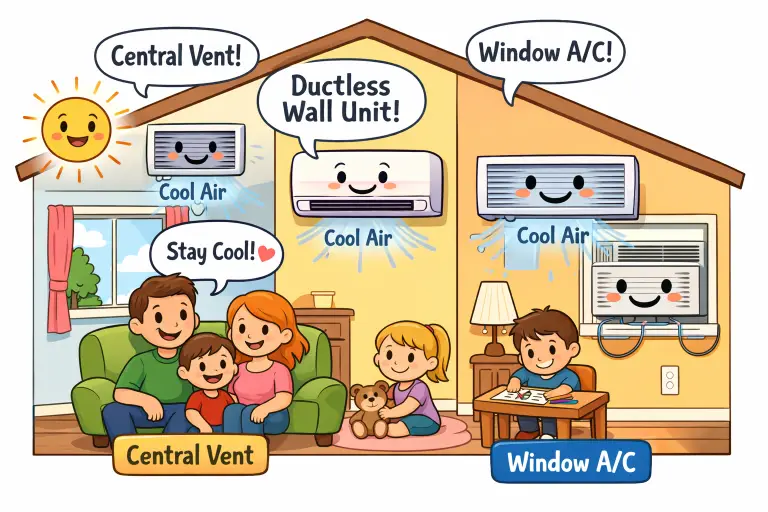
Not all air conditioning systems are created equal. Your home may benefit most from one of the following types:
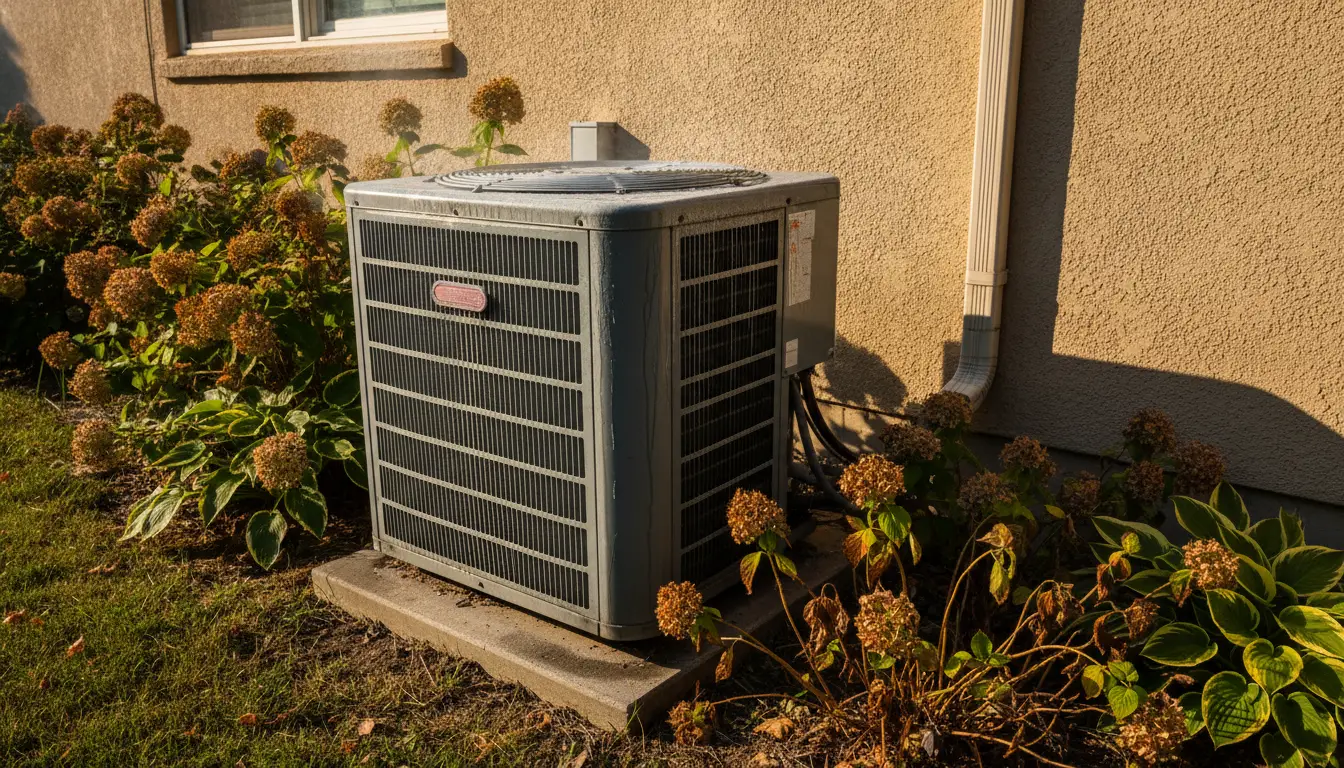
- Central Air Conditioning: Ideal for homes with existing ductwork. Central air provides uniform cooling throughout multiple rooms, delivering a consistent indoor climate for larger properties.
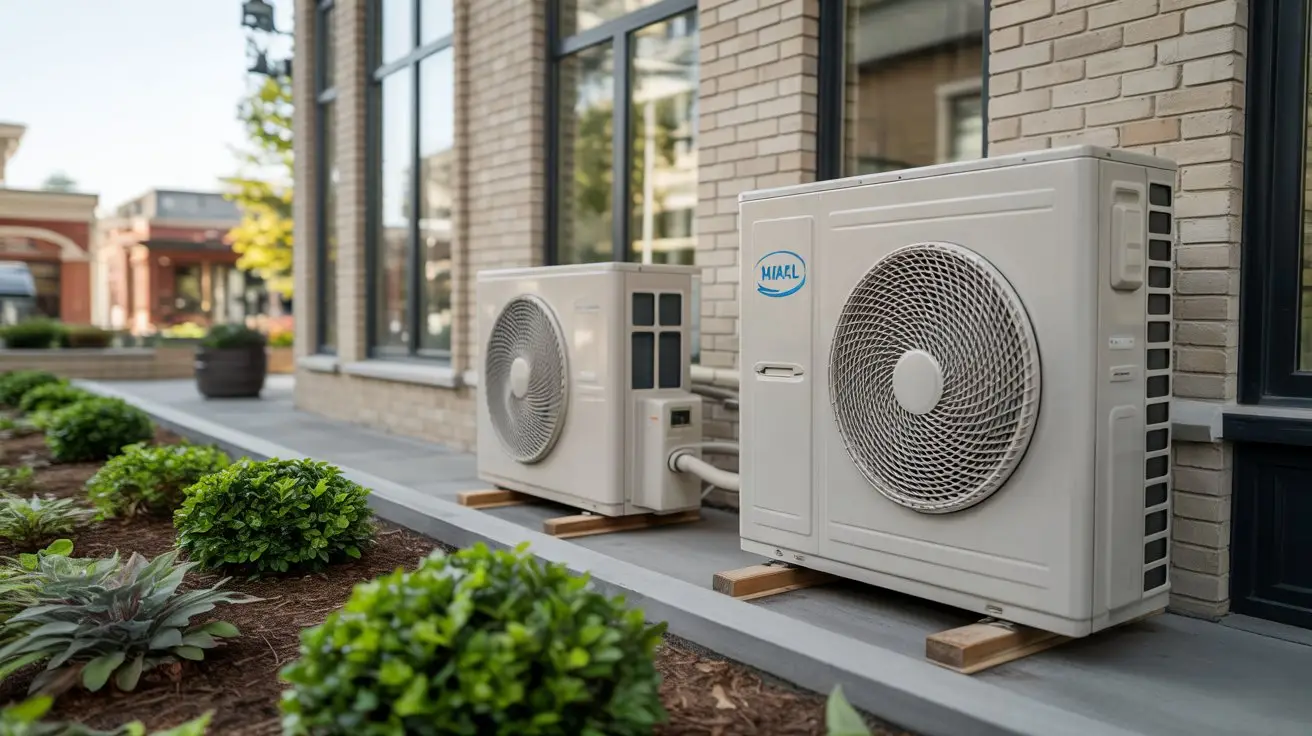
- Ductless Mini-Split Systems: These are ideal for homes without ducts or where adding ductwork would be costly or difficult. Mini-splits offer targeted cooling for specific zones, reduce energy waste, and offer enhanced installation flexibility.
- Window Units: Inexpensive and simple to install, window ACs are designed for cooling single rooms. However, they are less efficient for larger living spaces or open floor plans.
- Portable Air Conditioners: Easy to move and install, these units are suitable for renters or for addressing specific hot spots. Keep in mind that their cooling capacity is generally less than that of other systems, and they can be noisier.
Consider Energy Efficiency Ratings
Energy efficiency plays a prominent role in both reducing your utility bills and supporting a sustainable home. Most air conditioning units come with a Seasonal Energy Efficiency Ratio (SEER) rating. A higher SEER rating indicates more efficient operation. Some newer systems may also have Energy Star certification, which further verifies their performance standards. Choosing an energy-efficient model helps ensure that your investment pays off with lower energy costs over time and minimizes your household’s carbon footprint.
Evaluate Installation and Maintenance Requirements
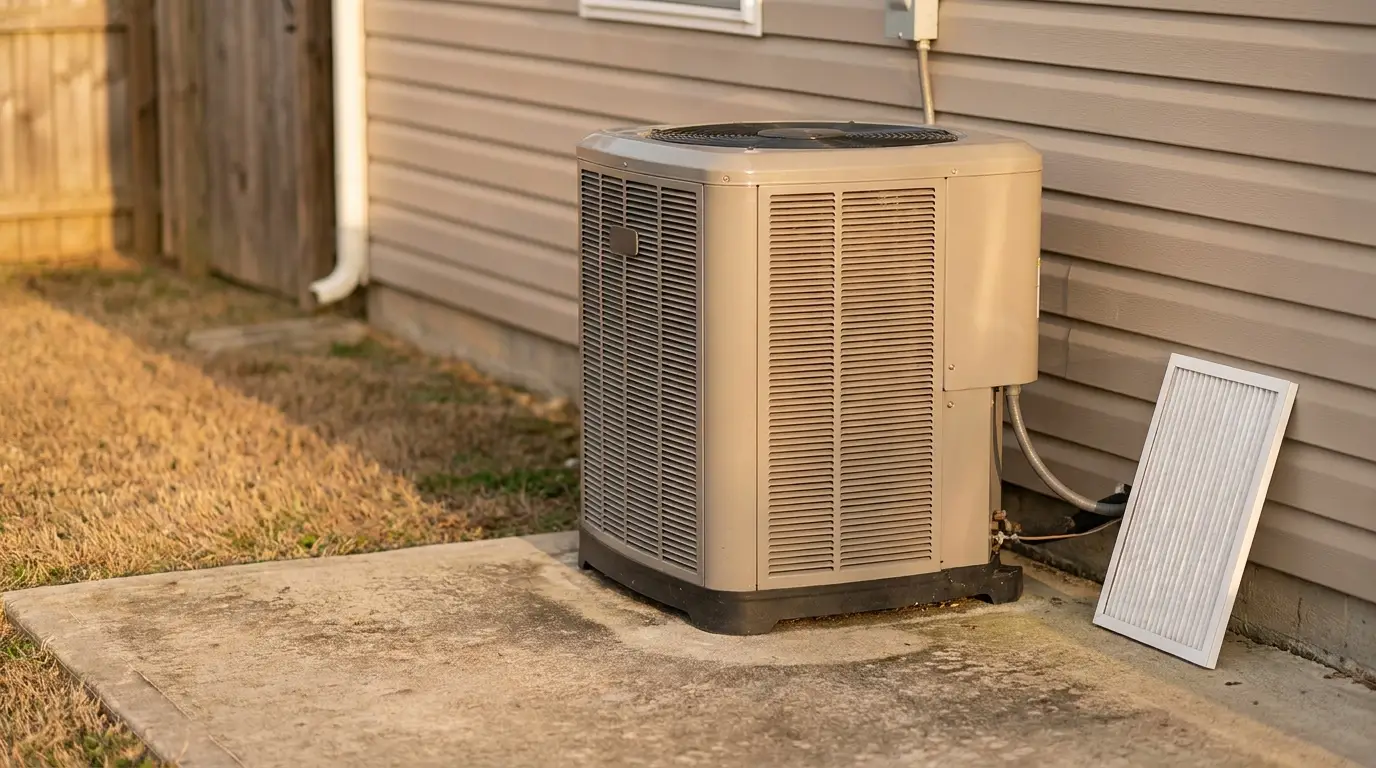
Proper installation is just as important as choosing the right AC unit. Having certified HVAC professionals handle the installation ensures the system operates at its peak efficiency and meets all building codes. Key concerns during installation include making sure ductwork (if present) is sealed correctly and that refrigerant is charged to the manufacturer’s specifications. After installation, routine maintenance such as filter replacement, coil cleaning, and periodic inspections is necessary to keep your AC running smoothly and extend its lifespan.
Factor in Budget and Long-Term Costs
When shopping for a new AC system, the initial purchase price is only one part of the financial equation. More energy-efficient systems may cost more upfront, but can provide significant long-term savings by reducing energy use. It’s also important to account for ongoing maintenance, possible repairs, and expected lifespan. Analyzing both short-term expenses and projected energy savings will help you arrive at a solution that offers value and performance.
Consult with HVAC Professionals
Before finalizing your decision, it’s smart to get personalized advice from a qualified HVAC technician. They can assess your unique home environment, recommend the correct system size and type, and answer any concerns about installation or ongoing costs. Contractors with experience in your area are also familiar with local climate considerations and code requirements, leading to a more seamless process and reliable comfort.
Final Thoughts
Careful planning and attention to these essential aspects will help ensure you choose an AC system that is effective, efficient, and dependable for many years. By investing time in this decision, you protect your home comfort and financial well-being, while also making a positive environmental choice.