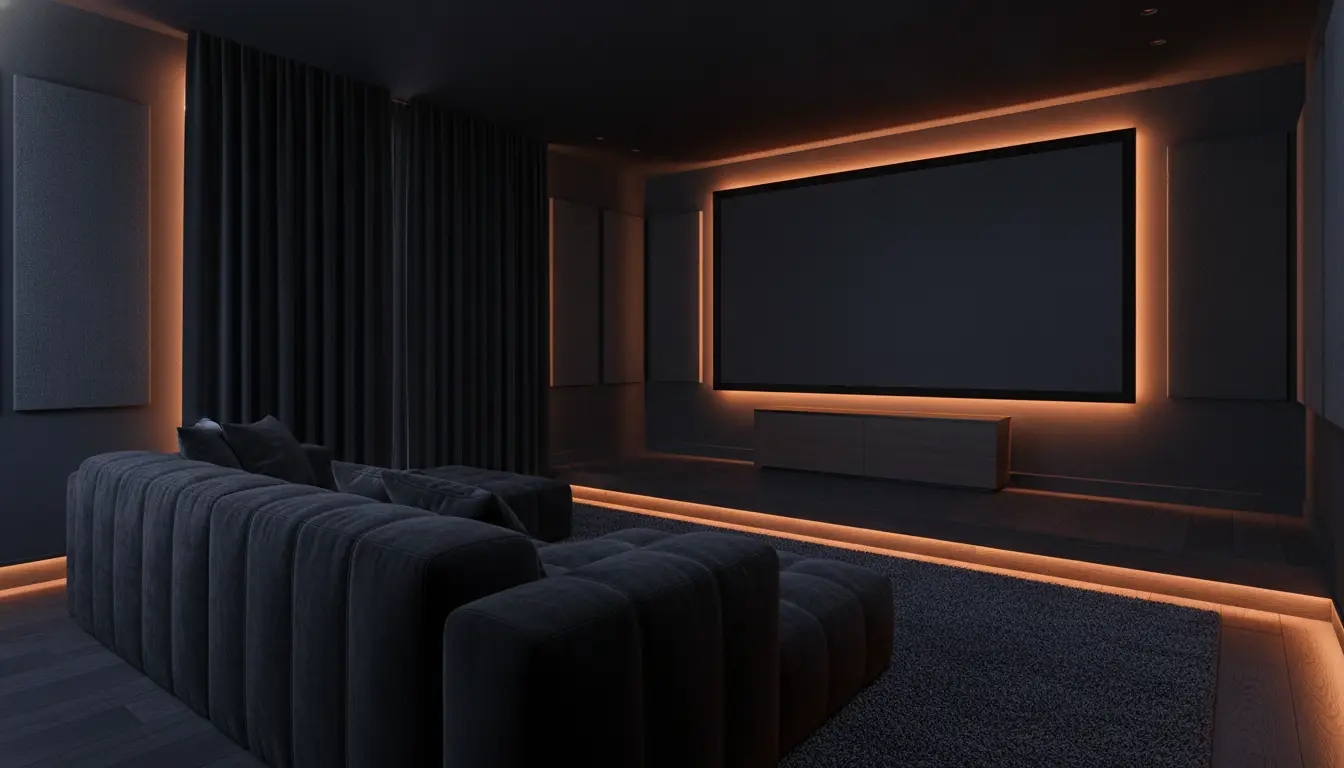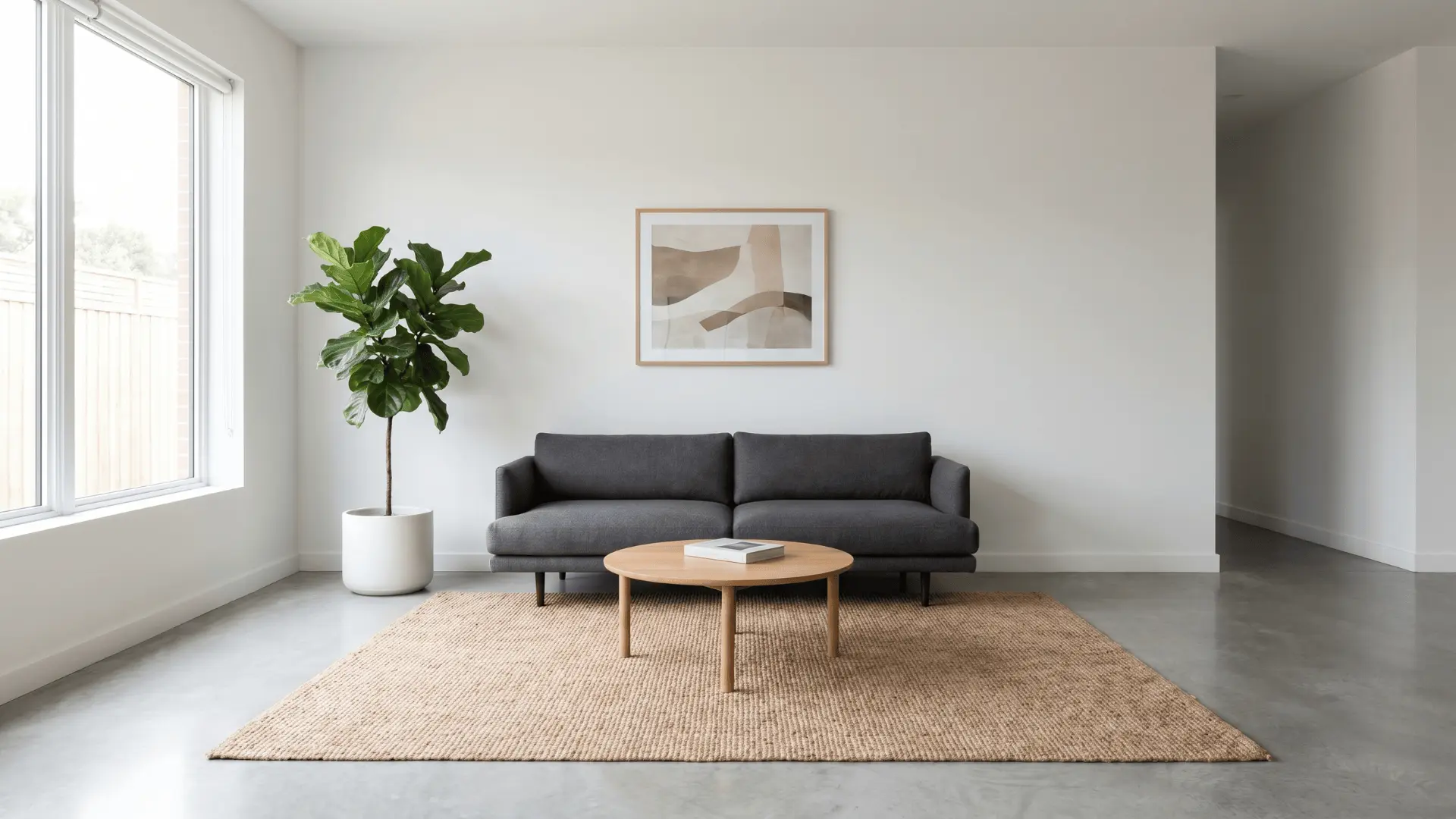
Minimalist Living Room Design Tips for a Simple Home
Your living room should feel like a place to breathe, not a space you constantly need to tidy up.
Yet for most people, it slowly fills with extra furniture, scattered decor, and items that no longer serve a purpose.
The result is a room that looks busy, feels heavy, and never quite settles into a comfortable state.
A minimalist living room flips that pattern on its head. It works on a different principle, one where every piece earns its spot, and nothing competes for attention.
What follows is a closer look at the choices that shape such a space, and why they make a bigger difference than most people expect.
What is a Minimalist Living Room?
A minimalist living room is designed around simplicity, function, and purpose, focusing on keeping only what is truly needed while removing extra furniture and decor that create clutter.
The idea follows the “less is more” approach, where every item has a clear use or adds value instead of just filling the space.
Instead of overcrowding the room, the focus stays on a few well-chosen pieces that keep the space clean, practical, and easy to use.
Unlike a typical living room that collects items over time, a minimalist space is planned carefully and kept simple from the start.
Clean lines, soft colors, and open space help create a room that feels calm, bright, and comfortable.
Key Features of a Minimalist Living Room
| Feature | Description |
|---|---|
| Clean and Clutter-Free Layout | Only the things you actually need are kept, so the room feels easier to manage and less messy. |
| Neutral Color Palette | Colors like white, beige, and grey help the space look calm, simple, and easy on the eyes. |
| Simple Furniture | Furniture is basic and practical, so it’s comfortable to use without making the room feel crowded. |
| Functional Decor | A few selected items are added that actually serve a purpose or mean something to you. |
| Open and Airy Space | Enough space is left between furniture, and natural light helps the room feel more open and fresh. |
Benefits of a Minimalist Living Room
A minimalist living room offers more than just a clean look, it improves how you live and feel daily.
Here are the key benefits worth knowing:
- Easy to Maintain: Fewer items mean quicker cleaning and less time spent organizing each week.
- Makes Space Look Bigger: Open layouts and reduced furniture create a roomier, more breathable visual feel.
- Reduces Stress: Clutter-free surroundings calm the mind and lower daily mental fatigue at home.
- Improves Focus: A clean room limits distractions and helps you stay present during daily tasks.
- Boosts Resale Appeal: Neutral, uncluttered spaces attract more buyers and photograph well during home listings.
These benefits show how a minimalist setup supports both better living and smarter long-term home management.
How to Design a Minimalist Living Room?
Designing a minimalist living room is about making thoughtful and practical choices that keep the space clean, functional, and comfortable for daily use.
By focusing on essential elements and avoiding unnecessary items, you can create a room that feels open, calm, and easy to maintain over time.
Step 1: Start with Decluttering
Begin by removing items that you don’t use regularly, including extra furniture, decor pieces, and things that don’t serve a clear purpose.
This step helps create a clean starting point, making it easier to plan your layout and avoid clutter building up again in the future. A well-decluttered space also makes the room feel lighter and more organized.
Step 2: Choose Essential Furniture
Select only the furniture pieces that are truly needed for daily use, such as a comfortable sofa, a simple table, and basic storage.
Each piece should have a clear purpose and fit well within the available space without making the room feel crowded. Keeping furniture minimal also improves movement and makes the room easier to use.
Step 3: Use Neutral Colors
Stick to neutral shades like white, beige, or grey to create a simple and balanced look throughout the space.
These colors help reflect light, making the room feel brighter and more open while also creating a calm and relaxing atmosphere. A neutral base also makes it easier to add small accents without overwhelming the design.
Step 4: Keep Decor Minimal
Choose a few decor items that add value, such as a plant, a piece of art, or a simple accessory that fits the overall theme.
Avoid adding too many decorative elements, as this can make the space feel cluttered and take away from the clean look. Keeping decor minimal helps maintain a clear and balanced appearance.
Step 5: Focus on Natural Light
Make the most of natural light by keeping windows open and avoiding heavy curtains or dark coverings that block sunlight.
Natural light helps brighten the room, making it feel more spacious and comfortable during the day. It also improves the overall look of the space and reduces the need for artificial lighting.
Best Colors for a Minimalist Living Room
Colors play an important role in creating a clean and calm minimalist space.
Simple and soft shades help keep the room looking balanced, bright, and easy to live in. Here’s a quick look at the best options:
| Color | Best For |
|---|---|
| White | Small or low-light rooms |
| Beige | Cozy and balanced setups |
| Grey | Contemporary interiors |
| Light Brown | Rustic or warm themes |
| Muted Green | Relaxing, nature-inspired rooms |
| Clay Tones | Boho or organic styles |
| Soft Taupe | Versatile, timeless setups |
Minimalist Living Room Furniture Ideas
A minimalist living room comes together when you choose the right mix of furniture and decor that serves a clear purpose without adding unnecessary clutter.
1. Low-Profile Sofas
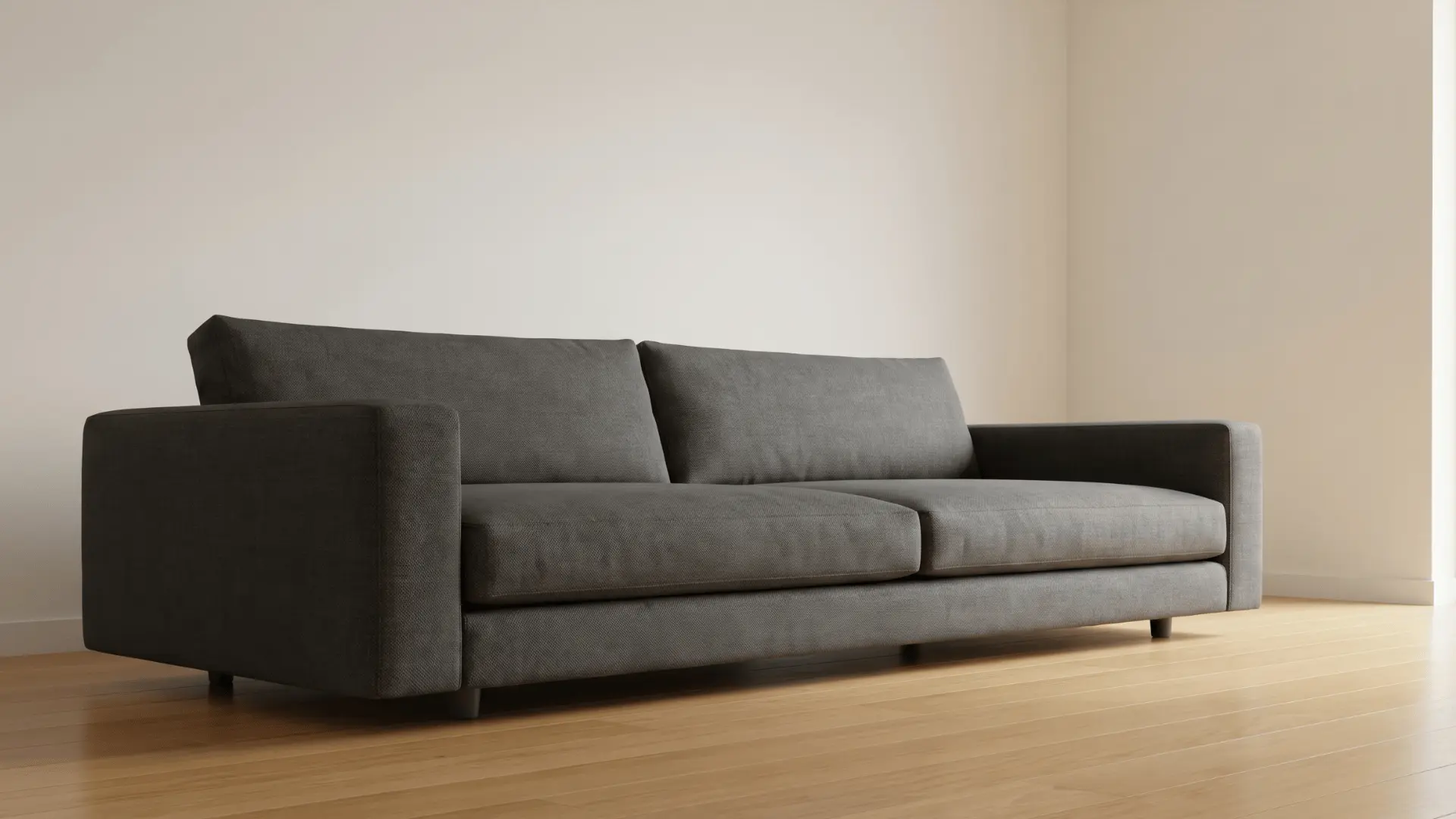
Low-profile sofas sit closer to the ground, which helps create a clean and modern look in the living room.
They also make the space feel more open and less crowded, especially when you are working with a smaller layout.
2. Simple Coffee Tables

Choose coffee tables with clean lines and a basic design that avoids extra detailing or heavy structures.
This helps maintain a neat appearance while still giving you a useful surface for everyday items like books or drinks.
3. Open Shelving
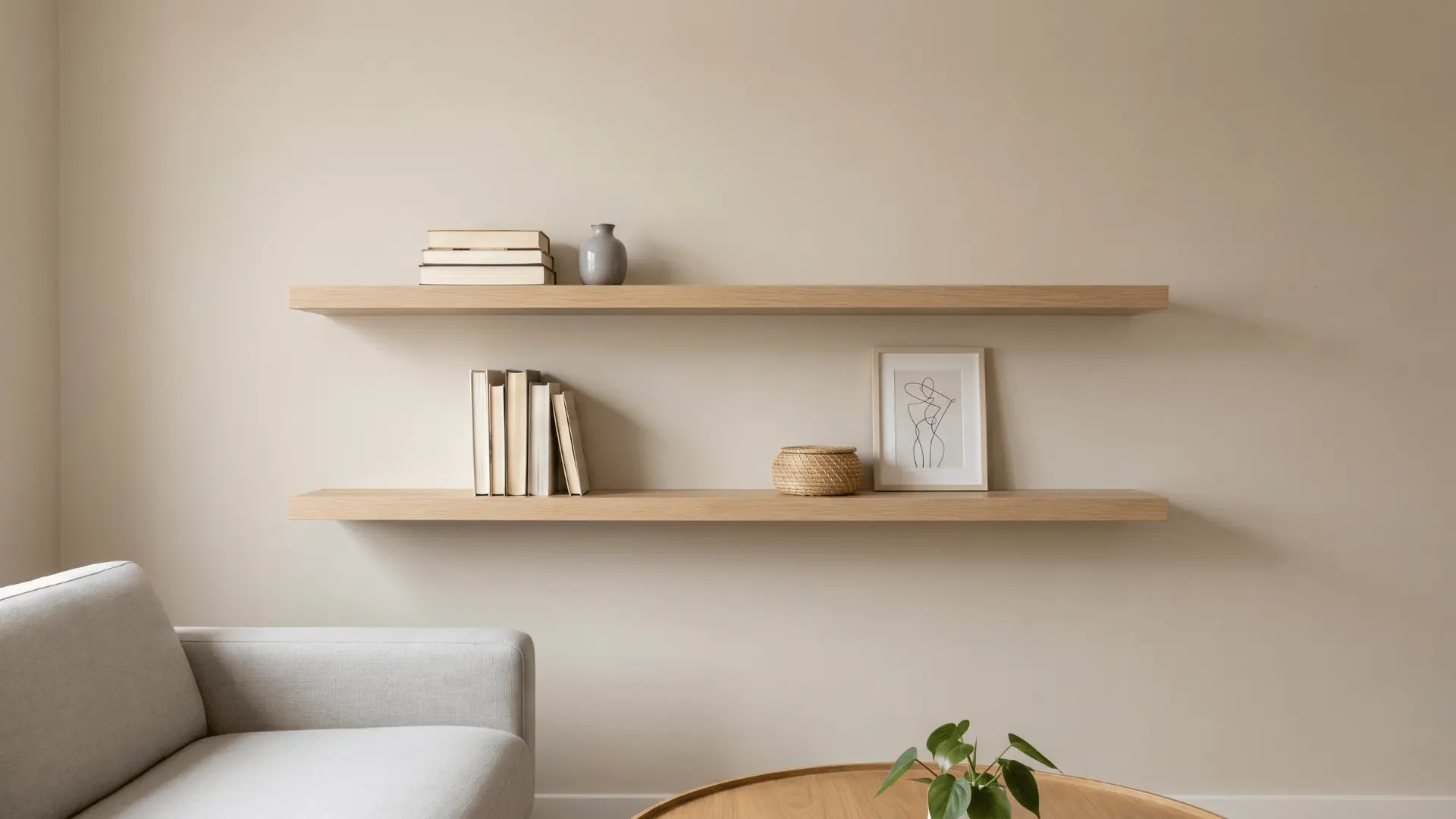
Open shelving allows you to display a few carefully selected items without making the room feel heavy or cluttered. It also makes it easier to access everyday items while keeping the overall space organized and visually light.
4. Multi-Purpose Furniture

Furniture that serves more than one purpose can help save space and reduce the need for extra pieces. Options like storage ottomans or foldable tables add function while keeping the room simple and uncluttered.
Minimalist Living Room Decor Ideas
Smart decor choices add character to your minimalist living room without breaking its clean, simple, balanced look.
5. Indoor Plants
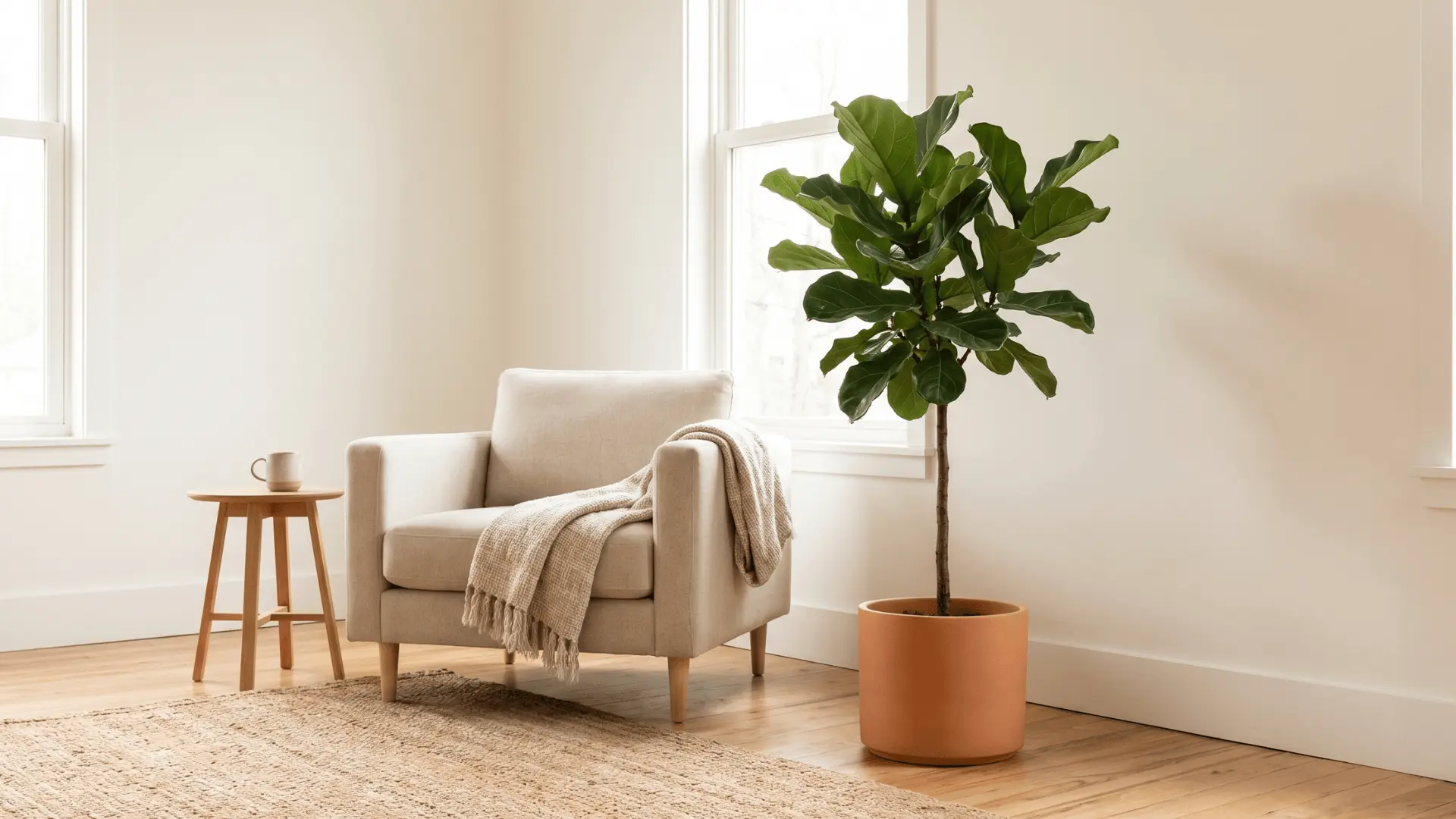
Indoor plants add a natural touch and bring life into the room without overwhelming the overall design.
Choosing simple and low-maintenance plants helps maintain the clean look while adding a fresh and calming element to the space.
6. Simple Wall Art
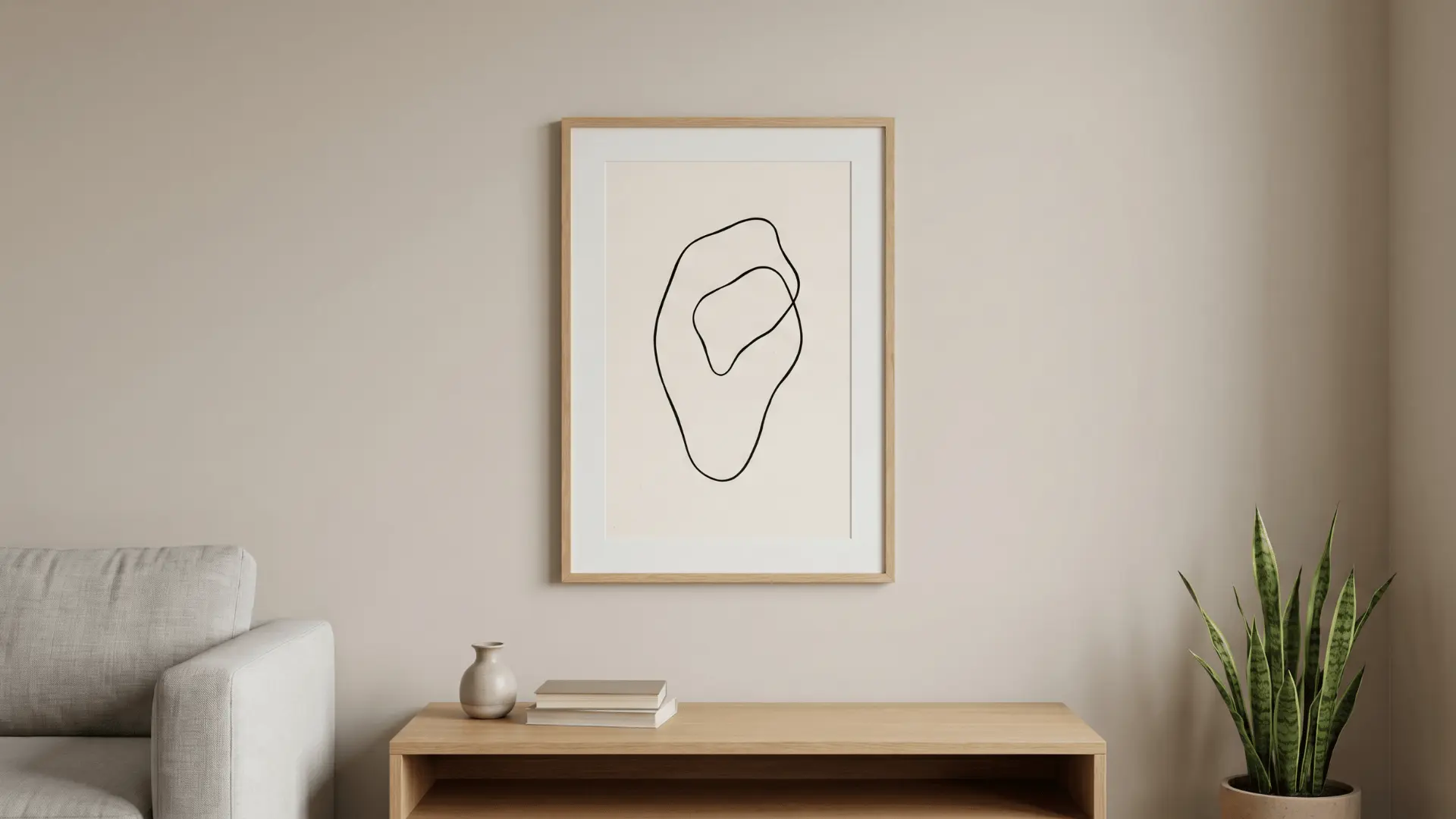
Wall art should be minimal and avoid bold or overly busy designs that can distract from the clean layout.
A single piece or a small set of simple artwork can add character and visual interest without making the wall feel cluttered.
7. Neutral Rugs
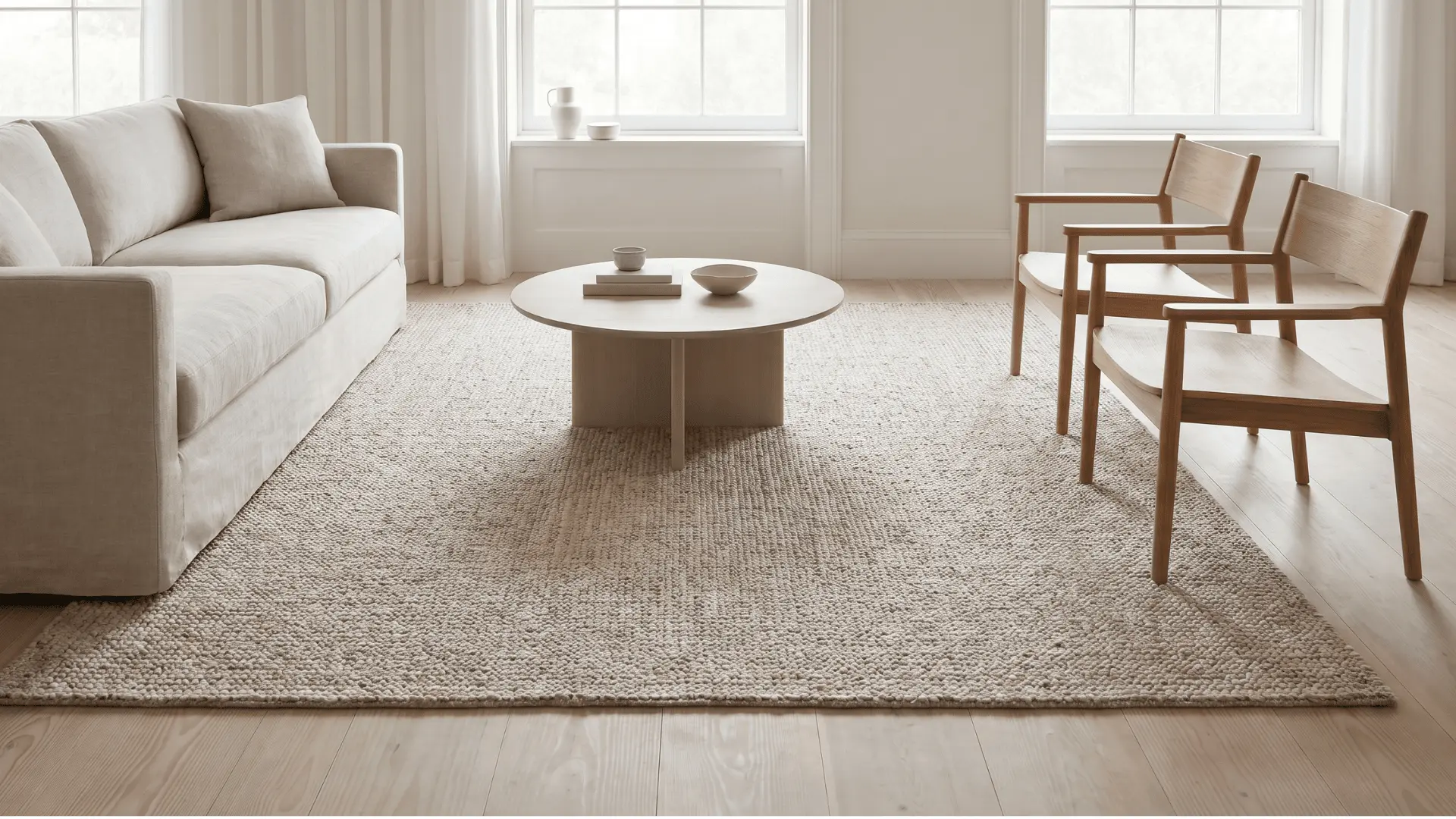
Neutral rugs help bring the whole space together while keeping the overall look soft, balanced, and easy on the eyes.
They also add comfort underfoot while blending smoothly with the rest of the room without drawing too much attention.
8. Soft Lighting
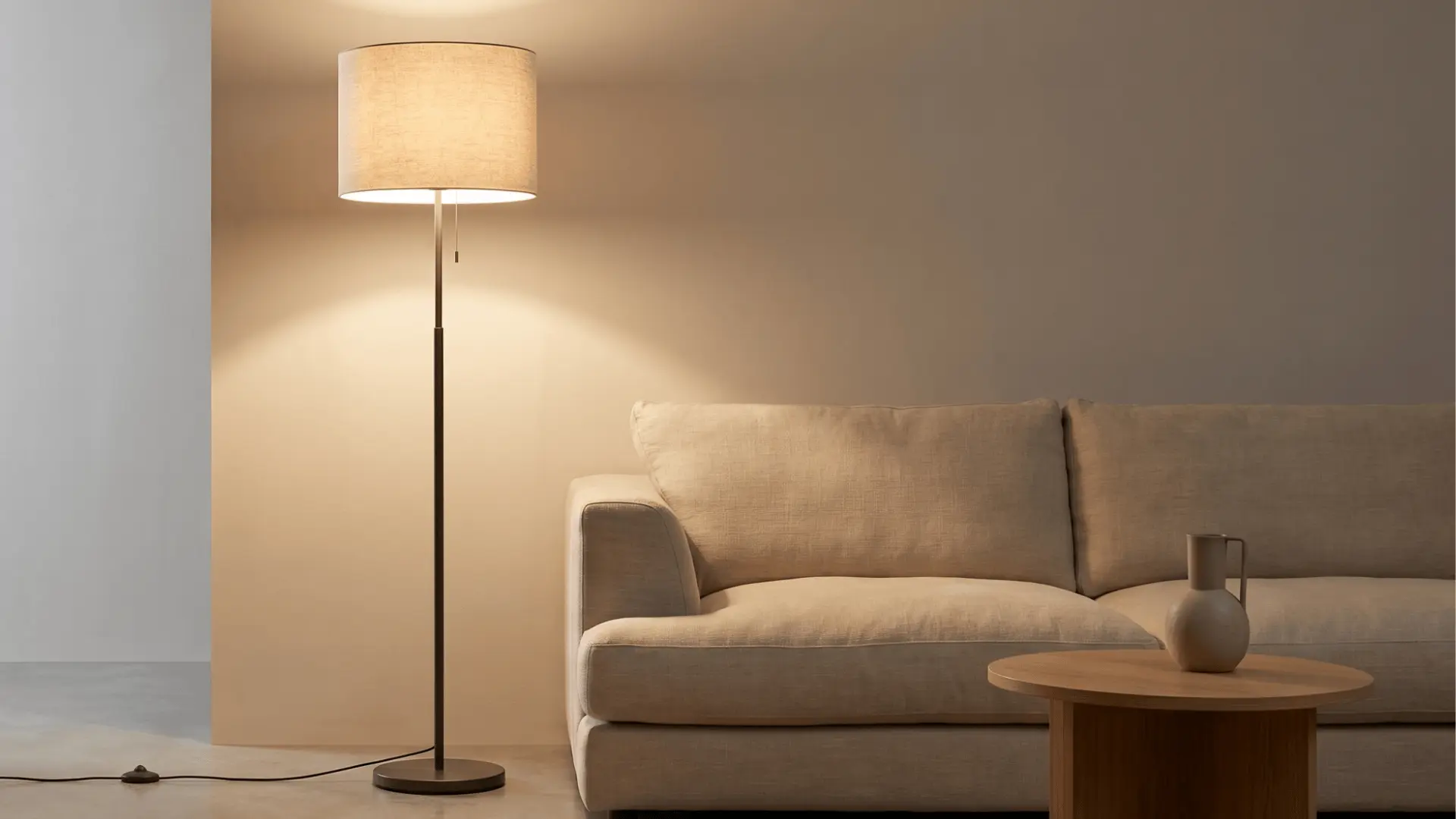
Soft lighting helps create a warm and comfortable atmosphere in the living room, making the space feel more inviting.
Using simple lamps or warm-toned lights can improve the overall feel of the room while still maintaining a clean and minimal look.
Common Mistakes to Avoid
Even small missteps can disrupt the calm, balanced feel of a minimalist living room and make it look cluttered or uncomfortable to use daily.
Watch out for these common mistakes:
- Over-Decorating: Too many decor items quickly ruin the clean, simple look.
- Using Too Many Colors: A mixed palette makes the space feel busy and unbalanced.
- Ignoring Storage: Without smart storage, clutter builds up faster than you expect.
- Skipping Lighting Plans: Poor lighting makes even a clean room feel dull and flat.
- Leaving Walls Empty: Bare walls can feel cold without one or two thoughtful accents.
Conclusion
A well-designed minimalist living room is not about simply having fewer items, but about making thoughtful choices that improve how your space works and feels on a daily basis, allowing you to focus more on comfort, movement, and clarity without the distraction of unnecessary clutter.
The real value comes from creating a space that supports your routine while remaining easy to manage over time.
Even small changes, such as reducing excess items or adjusting the layout, can make a noticeable difference in both the look and function of the room.
Start with simple steps and build gradually based on what suits your needs, and take action today to create a living room that feels calm, practical, and easy to enjoy every day.
Frequently Asked Questions
Is a Minimalist Living Room Expensive?
No, it can actually save money since you buy fewer items and avoid unnecessary decor. You can also use what you already have and upgrade slowly over time.
Can Minimalist Design Feel Cozy?
Yes, it can feel cozy with the right lighting, textures, and simple decor. A few soft elements, like rugs or cushions, can make the space warm and comfortable.
How Do I Start a Minimalist Living Room?
Start by decluttering and removing items you don’t use. Then add only essential furniture and keep the design simple.