14 Backyard Transformation Ideas That Actually Work
Your backyard is more than just outdoor space. It’s an extension of your home that can be used daily with the right setup.
Most yards go unused because they lack structure, comfort, or a clear purpose. A proper backyard transformation changes that.
Whether a small patch or a large open area, the right improvements make a real difference. You don’t need a massive budget to get started.
This blog covers everything from practical upgrade ideas and budget planning to common mistakes that cost homeowners time and money.
Each section is built to help you make confident decisions and avoid expensive errors. Read on to find out exactly what it takes to turn your backyard into a space worth using.
Key Features of a Successful Backyard Transformation
A great backyard doesn’t happen by accident. It comes down to a few key design decisions made early on.
- Functional zoning separates seating, dining, and greenery, creating a seamless outdoor living experience.
- Balanced hardscape and planting prevent visual clutter while ensuring long-term structural durability.
- Proper drainage and ground prep protect your investment by preventing erosion and water damage.
- Low-maintenance materials and plants reduce ongoing upkeep without sacrificing style or curb appeal.
- Shade and lighting elements extend usability, making your backyard comfortable from morning through evening.
Practical Ideas to Upgrade Your Outdoor Space
Upgrading your outdoor space doesn’t have to be overwhelming. The right improvements make your yard more usable, not just more attractive.
Every idea below serves a practical purpose. Your best choices will depend on your space, budget, and how you plan to use the area:
1. Install a Patio as the Base Structure
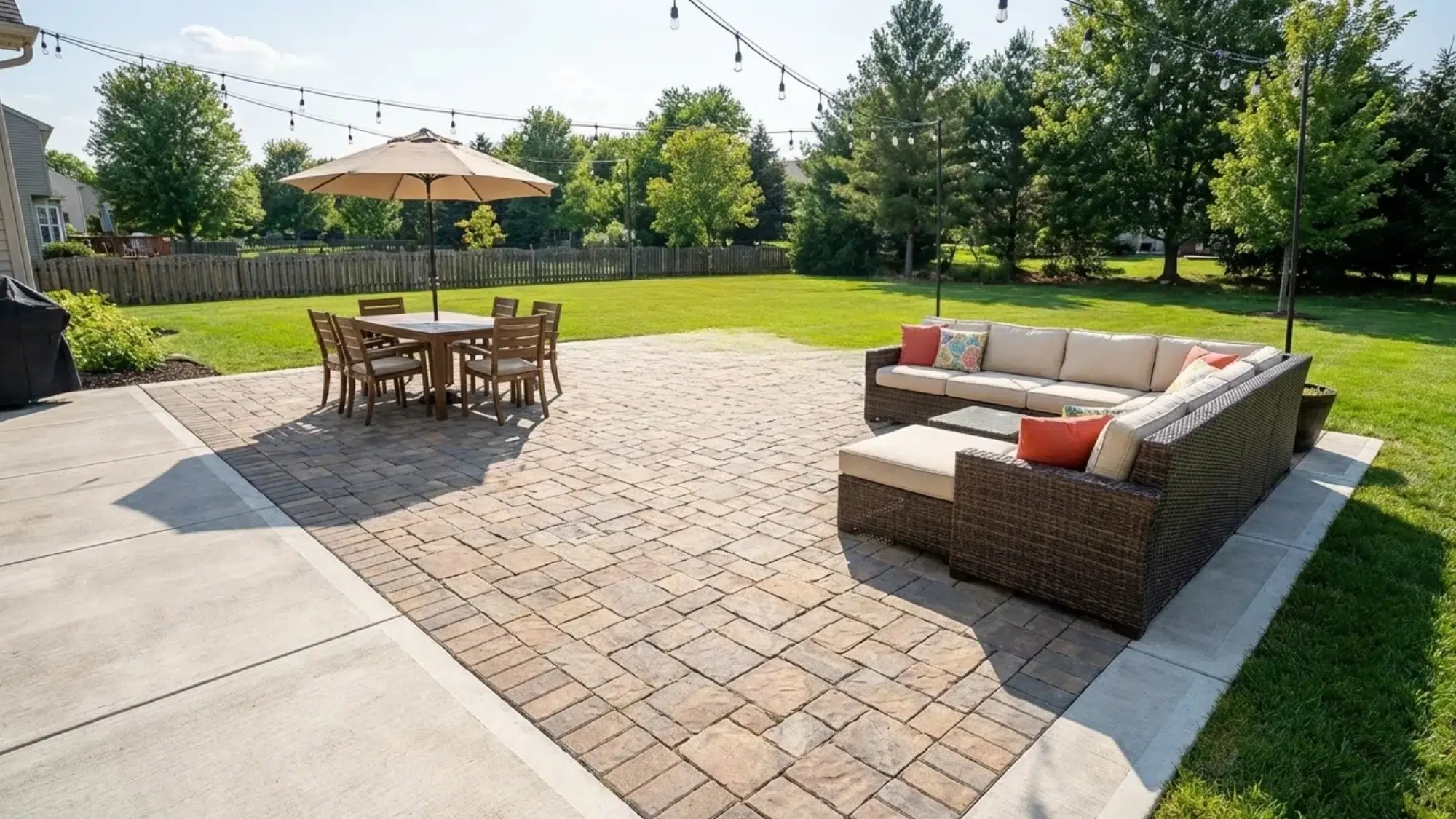
A patio acts as the foundation for almost every other outdoor activity. Concrete, stone, or pavers are the most common and durable material choices.
Proper leveling and drainage are non-negotiable during installation. A weak base leads to cracking, water pooling, and expensive repairs over time.
2. Add a Fire Pit for Gathering
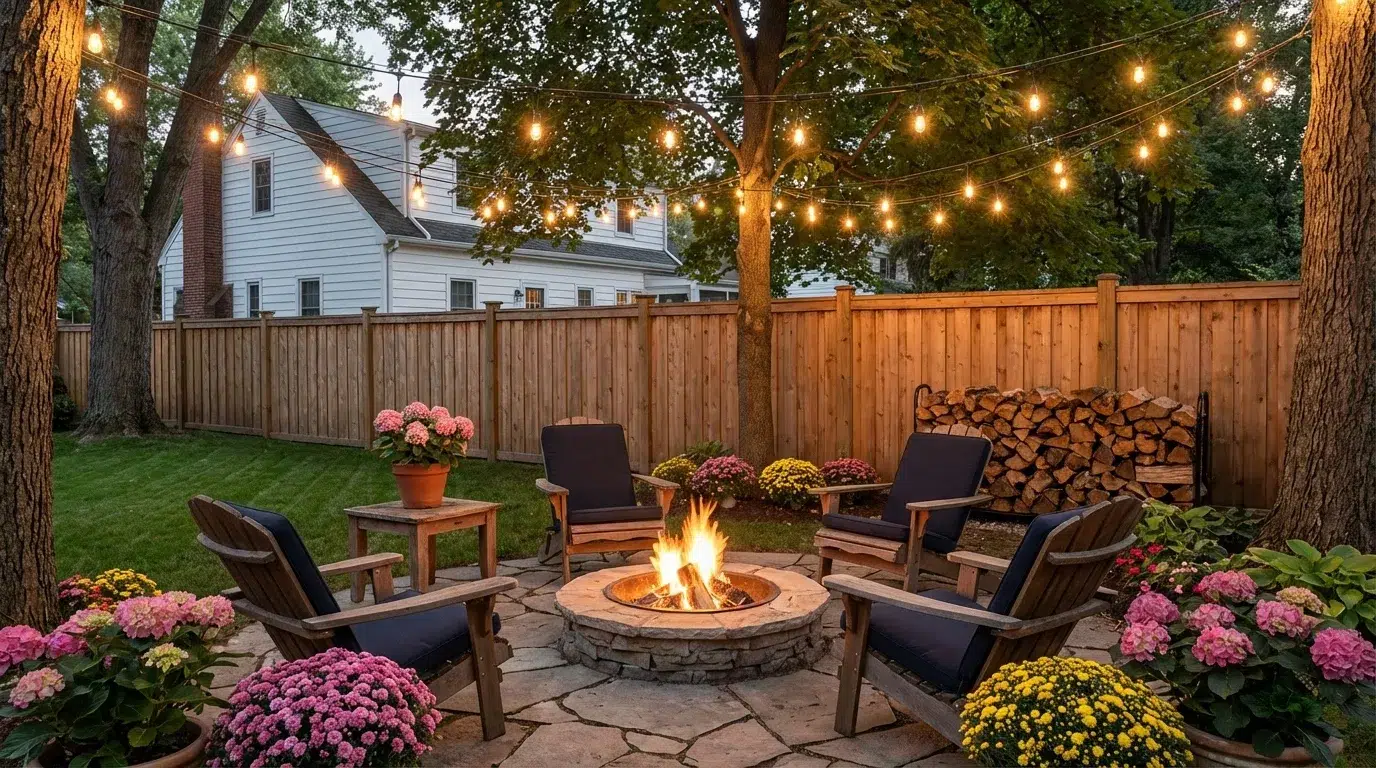
A fire pit instantly becomes the focal point of any social backyard layout. Place it at a safe distance from structures, fences, and overhanging trees.
It works best in open, well-ventilated spaces with enough room for seating around it. In tight or enclosed yards, it creates more problems than comfort.
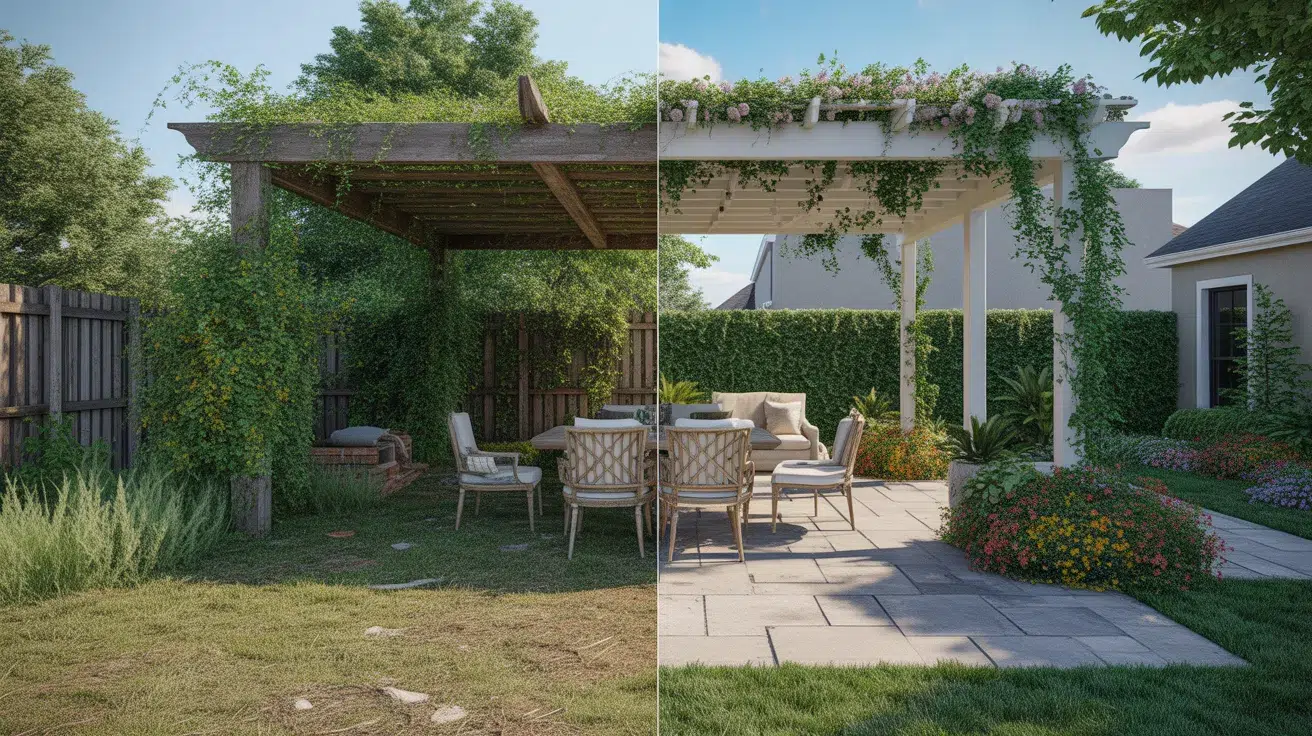
3. Build a Pergola for Shade and Structure
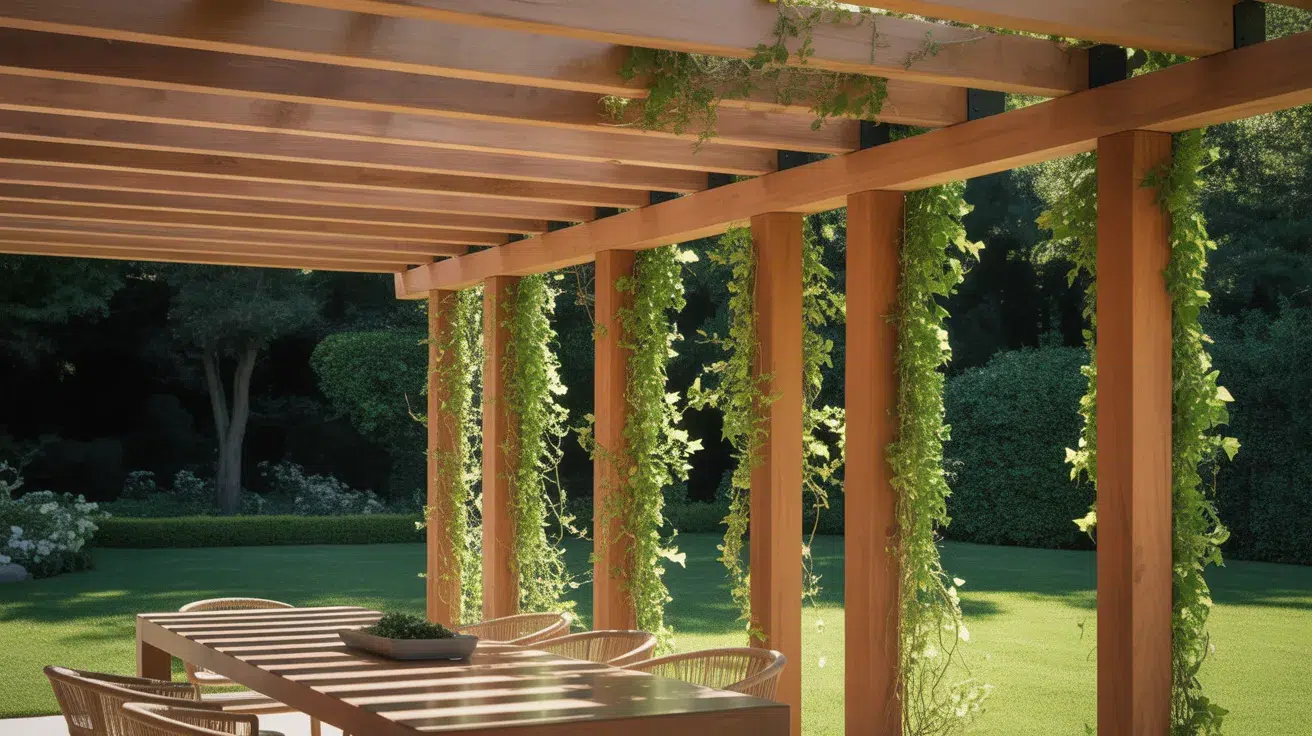
A pergola adds overhead structure and shade to your seating or dining area. Choose between wood for a natural look or metal for longer-lasting durability.
More shade means more time spent outdoors, especially in warmer months. Check local regulations first, as some locations require permits before building.
4. Use Gravel Paths to Improve Movement
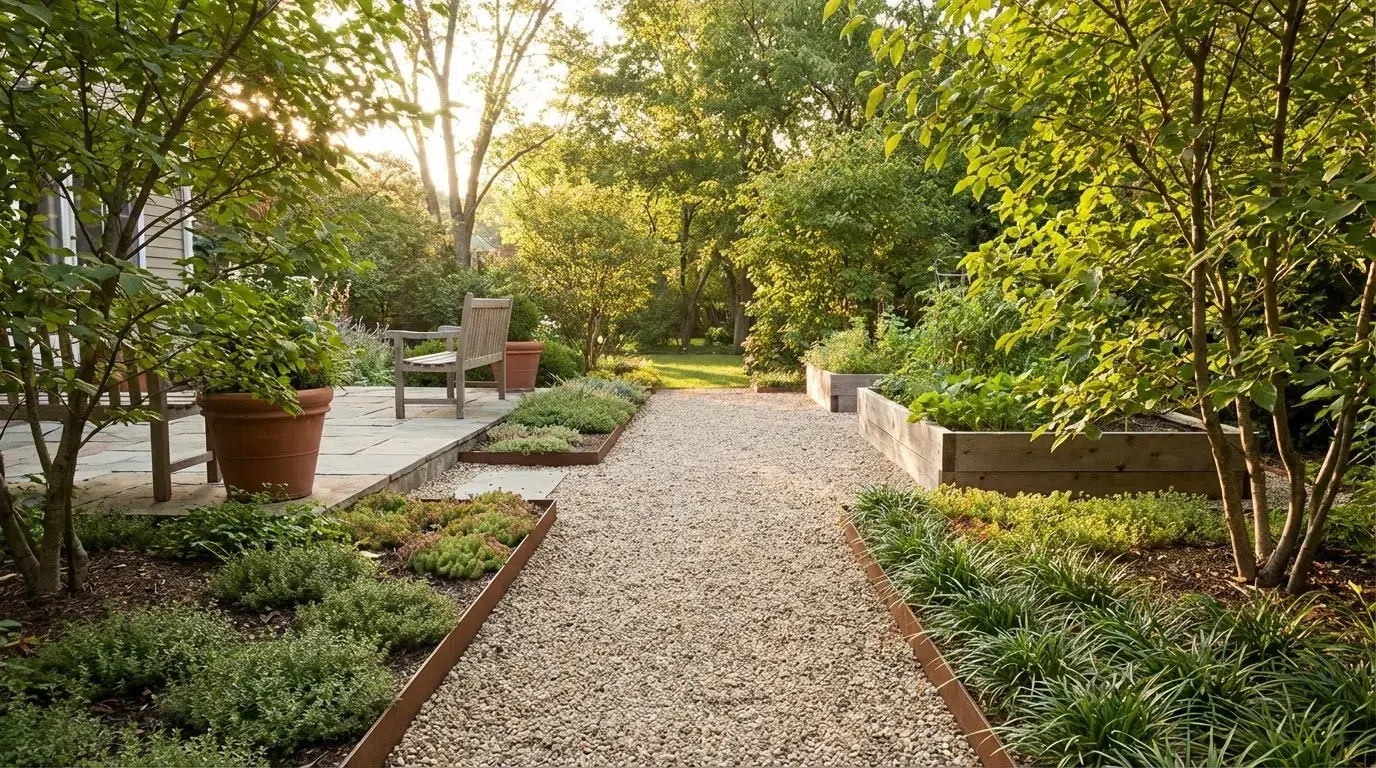
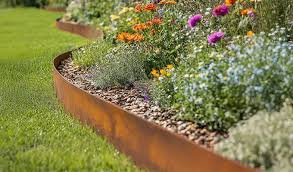
Gravel paths connect different zones, making your yard easier to navigate. They’re one of the most budget-friendly ways to improve outdoor flow and accessibility.
Without proper edging, gravel spreads across the yard, creating a maintenance issue. Install clean borders to keep paths defined and tidy over time.
5. Replace Lawn with Low-Maintenance Landscaping
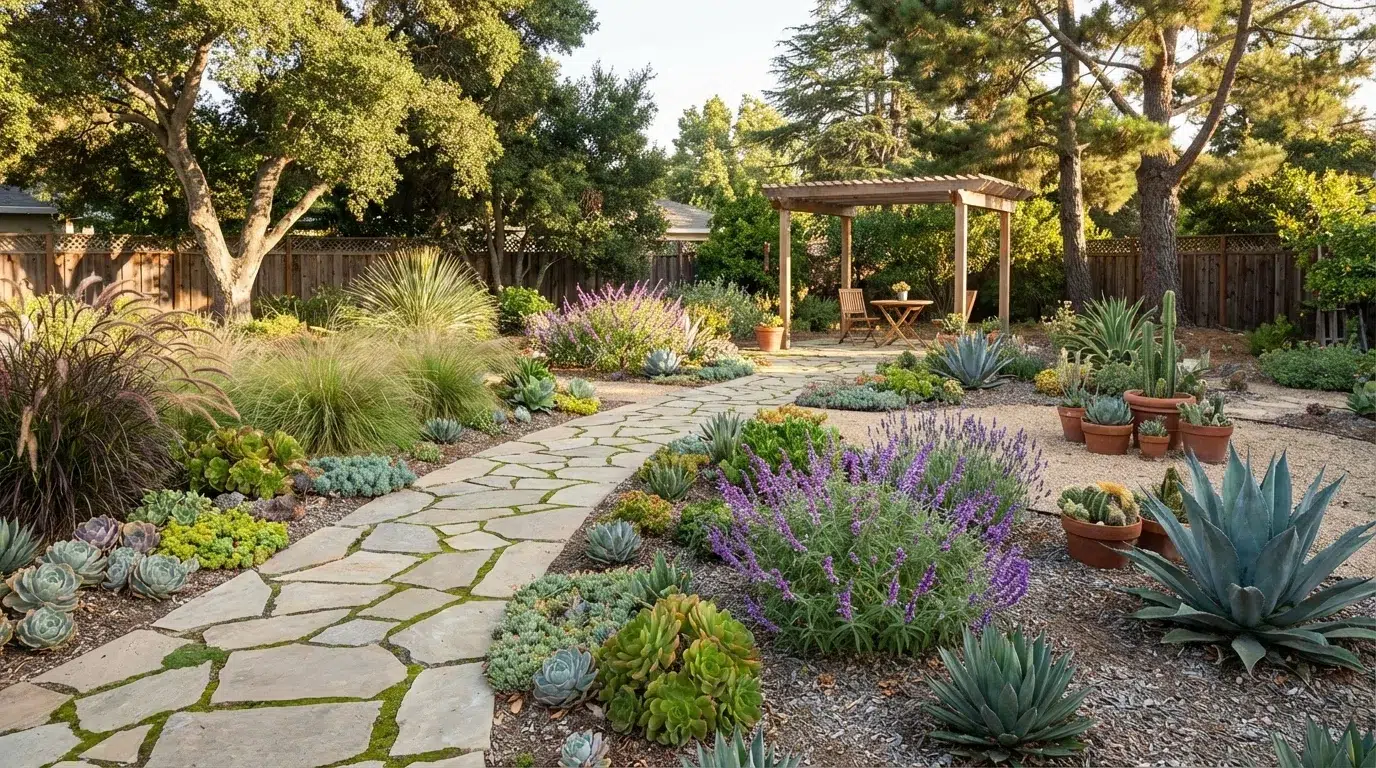
Swapping grass for mulch, stones, or drought-tolerant plants reduces water use and weekly upkeep. This approach works especially well in dry or low-rainfall climates.
The key is choosing the right plants for your specific environment. Wrong plant choices can actually increase maintenance rather than reduce it.
6. Add Raised Garden Beds
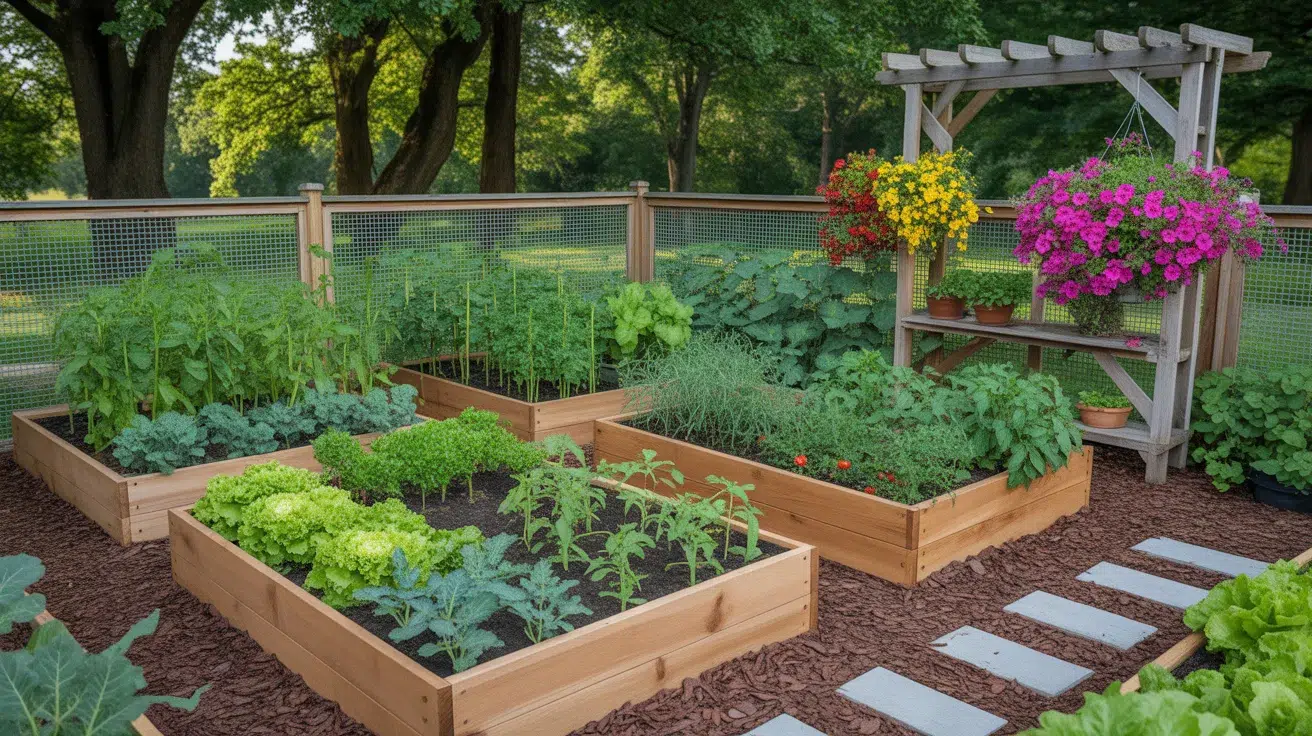
Raised beds improve soil quality, drainage, and give you more control over what you grow. They work well in both small and large yards without taking over the space.
Poor sunlight planning is the most common reason raised beds fail. Before building, map out where sunlight hits your yard throughout the day.
7. Install Outdoor Lighting
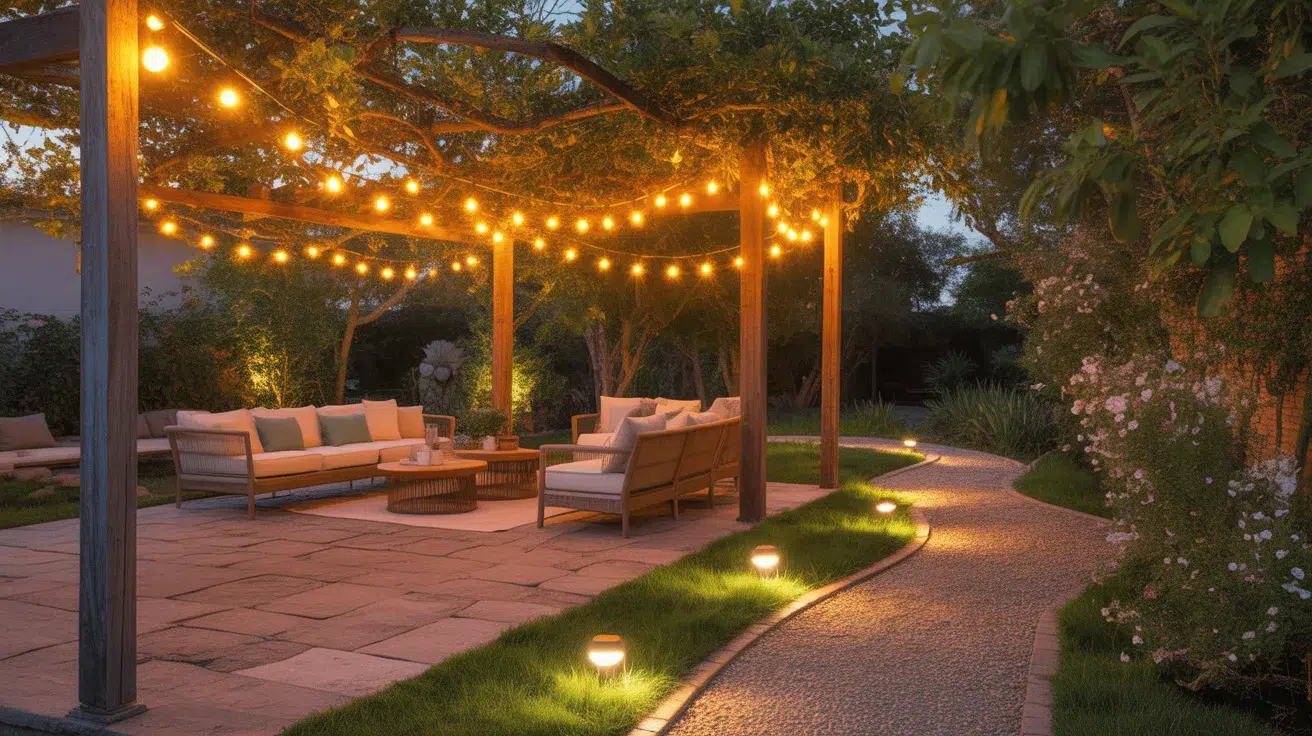
Good lighting improves both safety and the usability of your yard after dark. String lights and pathway lights are popular, affordable options that work in any yard size.
Placement matters more than quantity. Overlit or poorly positioned lights create glare and take away from the overall atmosphere.
8. Create a Dining Area Outdoors
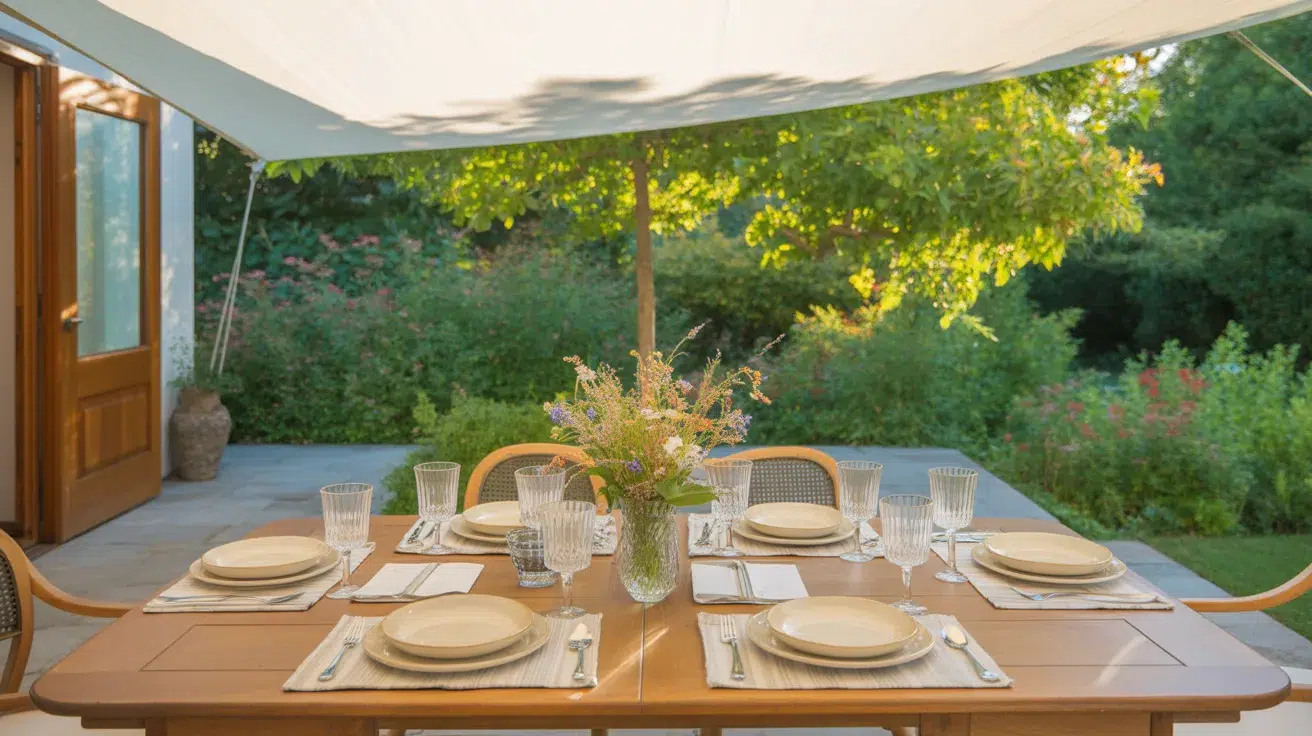
An outdoor dining area placed close to the house makes daily use much more convenient. It encourages regular meals outside and adds real function to your yard.
Shade coverage is essential for comfort during daytime use. Without weather protection, the space will be used only on perfect days.
9. Add a Water Feature for Sound and Cooling
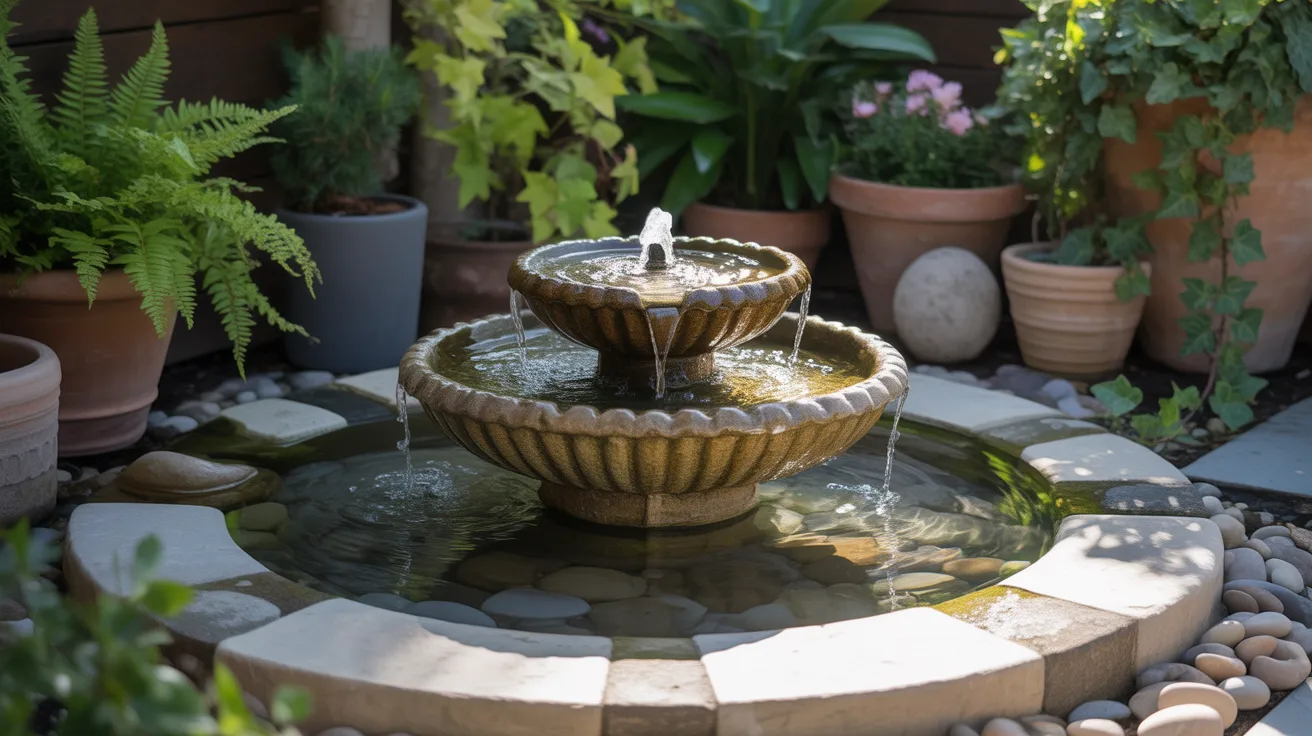
A fountain or small pond adds a calming sound element and helps soften outdoor noise. This works particularly well in urban yards surrounded by street or neighbor noise.
Water features do require ongoing maintenance to stay clean and functional. Factor in that upkeep before committing to the installation.
10. Build a Deck
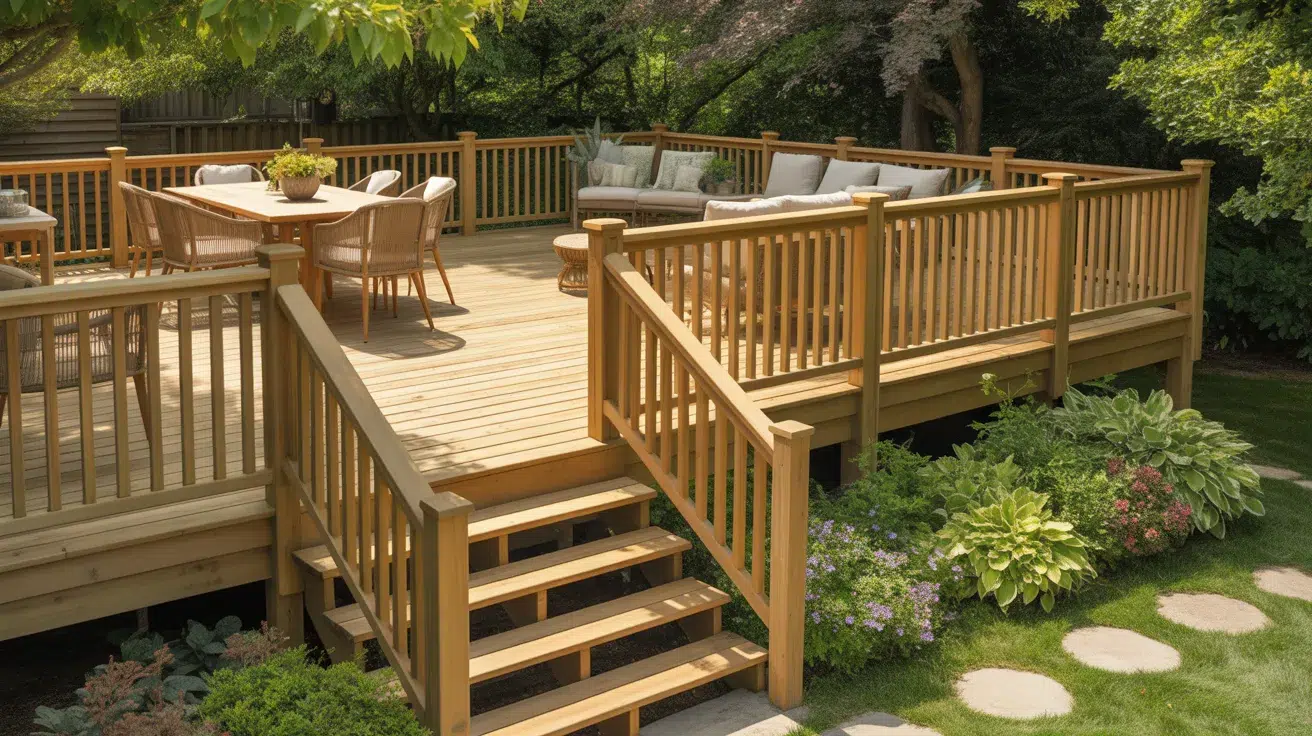
A deck is the best solution for sloped or uneven yards where a flat patio isn’t practical. It adds layout flexibility and expands your usable outdoor area.
Structural support must be built correctly from the start. Weak framing creates serious safety risks that only get worse over time.
11. Install Artificial Turf for Easy Maintenance
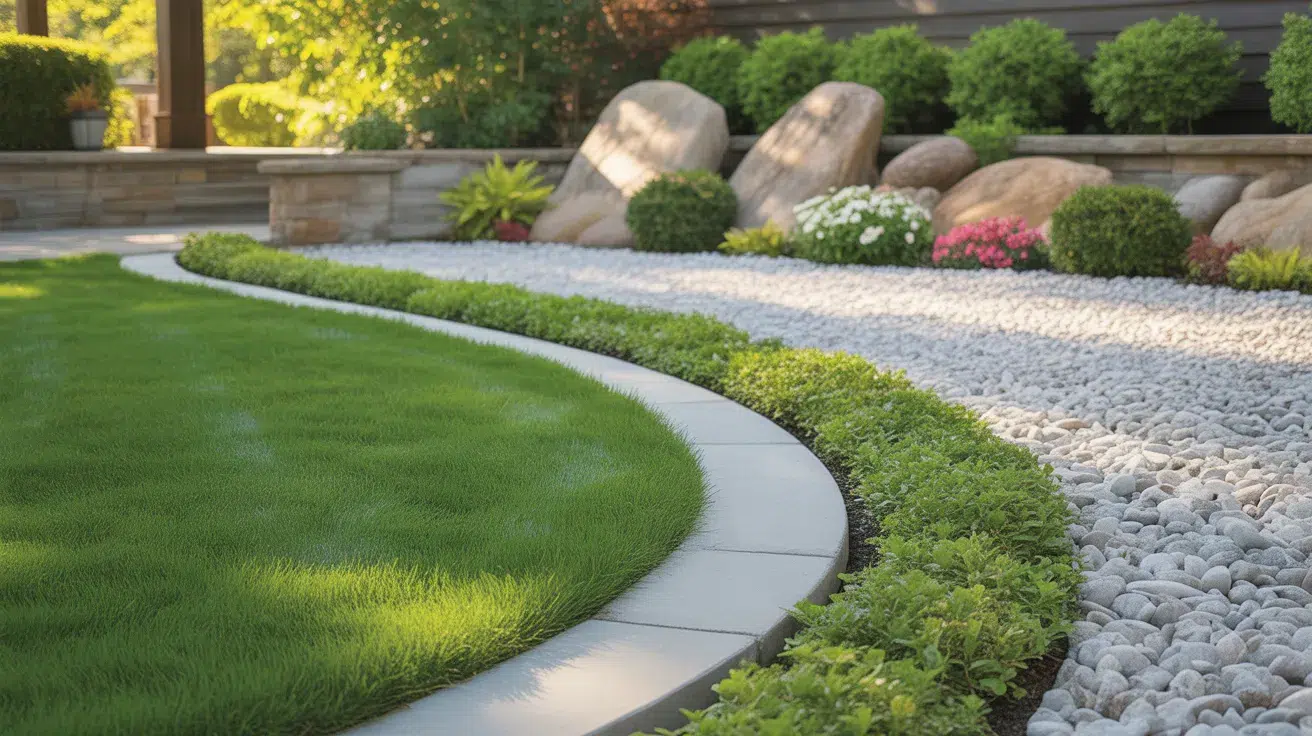
Artificial turf eliminates the need for watering, mowing, and seasonal reseeding. It holds up well in high-traffic areas where natural grass struggles to survive.
Drainage is the most critical part of the installation process. Ignoring it leads to water buildup, odor, and an unpleasant surface.
12. Add Privacy with Fencing or Hedges
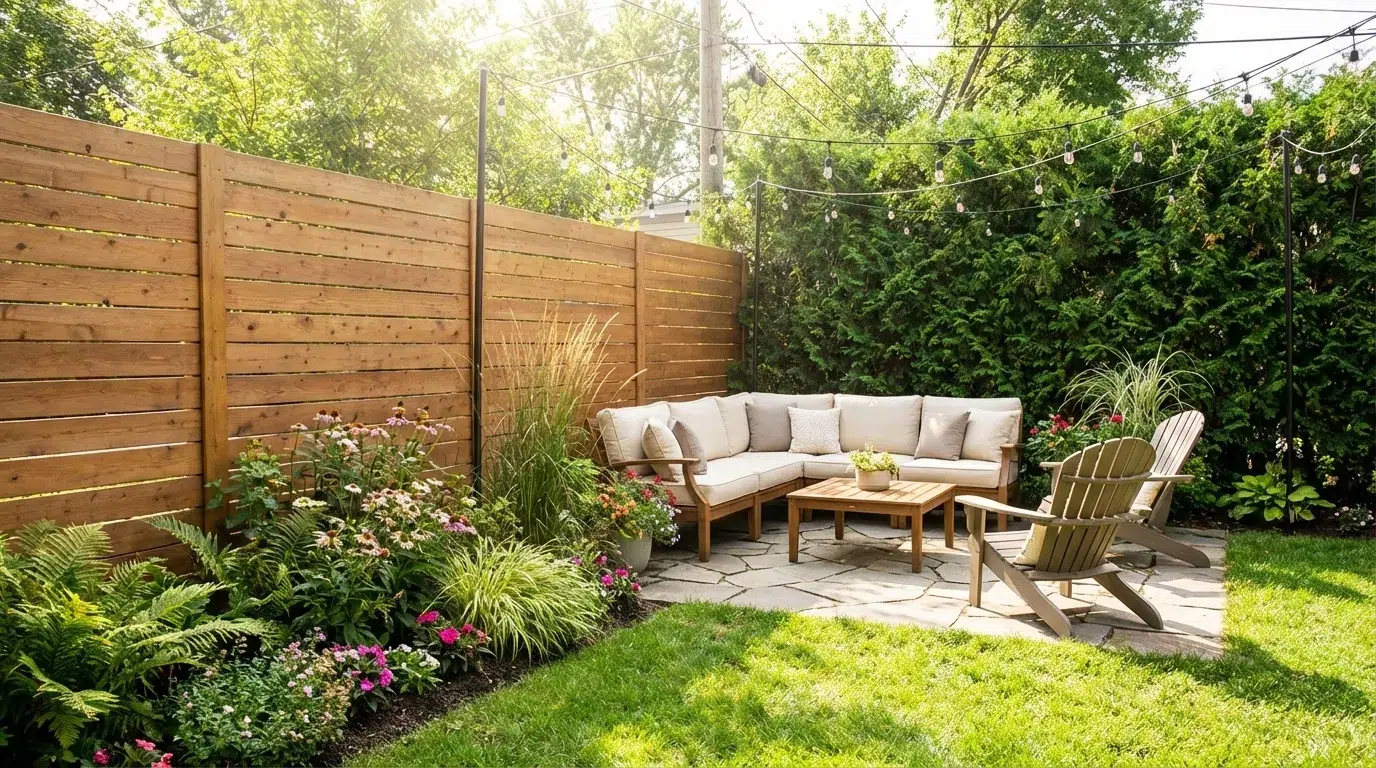
Privacy makes an outdoor space feel more comfortable and personal. Wood fencing, garden walls, or dense hedging are all effective options depending on your budget.
Always check local building rules before starting any fencing project. Blocking too much airflow or natural light can make the yard feel closed in rather than protected.
13. Outdoor Kitchen or BBQ Area
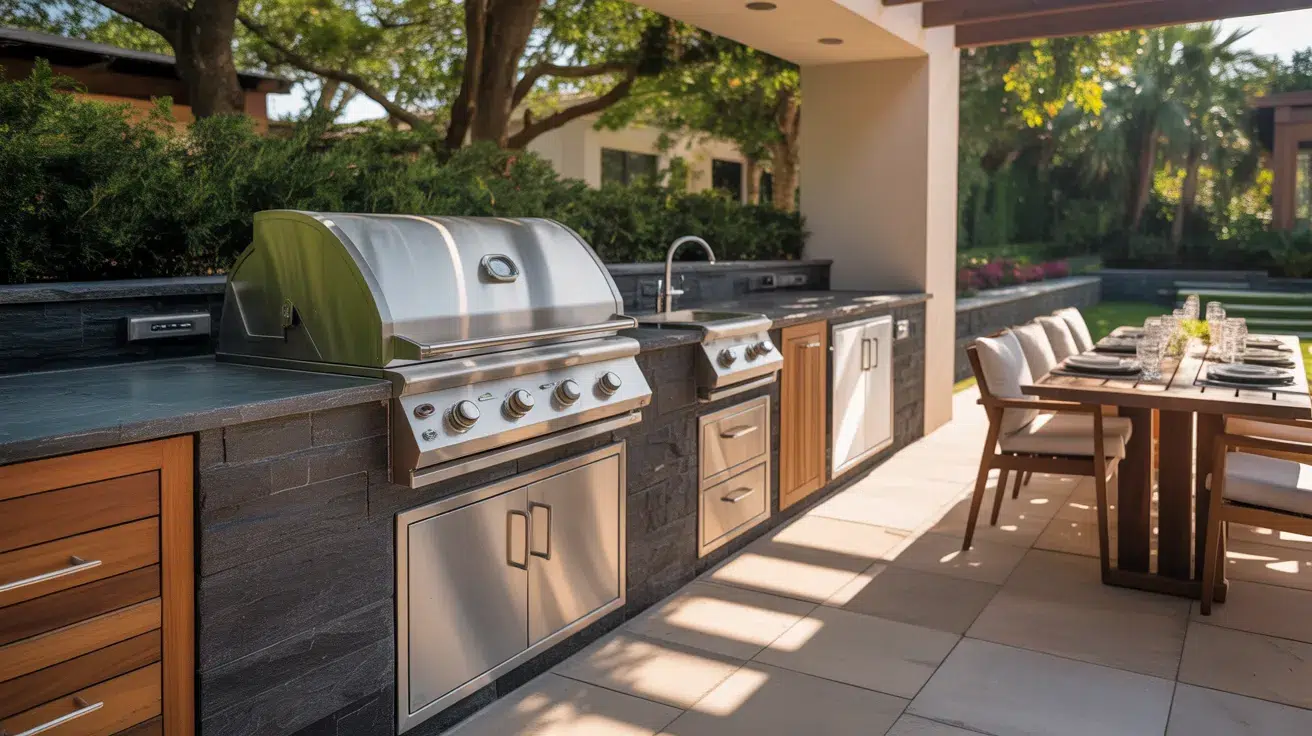
An outdoor kitchen or dedicated BBQ station increases how often and how practically you use your yard. Positioning it near existing utilities keeps setup costs manageable.
This is a higher-cost investment, so it’s worth planning carefully before committing. If it won’t get regular use, simpler cooking setups will serve you better.
14. Use Vertical Gardening for Small Spaces
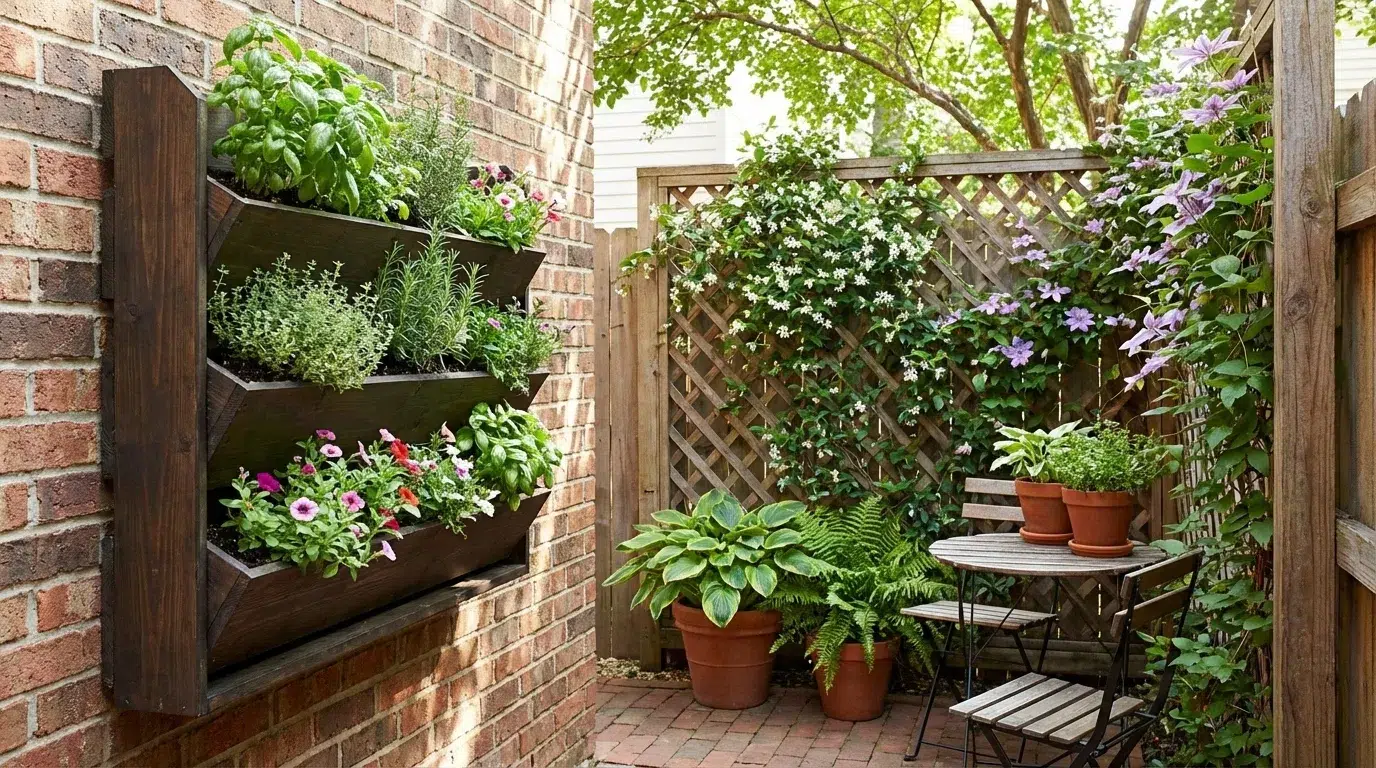
Wall planters and trellises bring greenery into compact yards without using up ground space. Vertical gardening is one of the smartest solutions for small or narrow outdoor areas.
Like any garden setup, it requires regular maintenance to stay healthy and attractive. Plan for watering and pruning before installation to avoid neglect later.
Cost Breakdown and Budget Planning
Planning your budget before starting saves you from costly surprises. Knowing where the money goes helps you make smarter decisions from day one.
Take a look at what different backyard projects typically cost and what factors affect the final price:
| Budget Level | Estimated Cost | What’s Included | DIY or Pro |
|---|---|---|---|
| Basic | $1,000 – $10,000 | Gravel paths, mulch beds, basic seating | DIY-friendly |
| Mid-Range | $10,000 – $35,000 | Patio, pergola, lighting, raised beds | Mix of both |
| Premium | $35,000 – $75,000 | Deck, outdoor kitchen, water feature | Professional |
| High-End | $75,000 – $100,000+ | Pool, full outdoor living, custom hardscape | Professional |
Poor budgeting is one of the most common reasons backyard projects stall halfway. Always set aside a 10–15% buffer for unexpected costs to keep your project on track.
Common Mistakes That Ruin Backyard Transformation
Most backyard projects don’t fail because of bad ideas. They fail because of avoidable mistakes made early in the process.
Knowing what to watch out for can save you significant time, money, and frustration.
- Skipping the planning stage leads to poor layout, wasted space, and features that don’t work well together. Always map out your zones before breaking ground.
- Ignoring drainage is one of the most damaging oversights. Water pooling causes flooding, erosion, and long-term structural damage to patios and foundations.
- Choosing the wrong plants for your climate or soil type results in high upkeep and frequent replacements. Research before you plant, not after.
- Overcrowding with too many features makes a yard feel cluttered and harder to maintain. Prioritize what you’ll actually use and build from there.
- Underestimating the budget leaves projects half-finished. Always include a buffer for unexpected costs before committing to any major upgrade.
Avoiding these mistakes doesn’t require expert knowledge. It just requires slowing down, planning carefully, and making decisions based on your specific space and needs.
Conclusion
A successful backyard transformation doesn’t happen overnight. It starts with a clear plan, a realistic budget, and the right priorities.
Focus on function first. Comfort, style, and features can follow once the foundation is solid.
The ideas and tips covered in this blog are designed to help you avoid common pitfalls and make the most of your outdoor space, regardless of size or budget.
Start small if needed. Even one or two well-executed changes can completely shift how you use your yard.
The key is to take action rather than wait for the perfect moment. Your outdoor space has more potential than you think.
Drop your backyard transformation questions or ideas in the comments below.
Frequently Asked Questions
What Time of Year Is Best To Start a Backyard Transformation?
Spring and early fall are ideal. Mild temperatures make outdoor work easier, and plants establish better. Avoid peak summer heat or winter frost. Starting in spring also gives your yard a full growing season to settle before heavier use begins.
How Long Does a Full Backyard Transformation Take?
Timeline depends on project scale. Basic upgrades take a few weekends. Mid-range builds with patios and landscaping can take four to eight weeks. Larger projects involving decks, kitchens, or pools may take 3 to 6 months, especially with permit approvals.
Do I Need a Permit for Backyard Work?
It depends on your location and project type. Structures like decks, pergolas, and fences often require permits. Landscaping and furniture changes usually do not. Always check with your local council or building authority before starting any permanent outdoor construction.