How to Choose the Right Residential HVAC, Plumbing, and Electrical Services for Your Home
Selecting a reliable home service provider affects your comfort, safety, energy efficiency, and long-term repair costs.
Binsky Home Service provides 24/7 HVAC, plumbing, and electrical services, from summer AC service to winter heating checks.
This guide explains what to look for when hiring a residential service company, including licensing, emergency availability, warranties, and maintenance plans.
Understanding Residential Home Service Needs
Most homes rely on three major systems: HVAC, plumbing, and electrical.
- HVAC: Controls heating and cooling.
- Plumbing: Manages water and drainage.
- Electrical: Powers outlets, lighting, appliances, panels, and generators.
A failure in any system can affect comfort, safety, and property value. Leaking water heaters can damage floors, while electrical issues can create fire hazards.
Understanding these systems helps homeowners ask informed questions, notice warning signs, and choose a provider capable of repairs, maintenance, and upgrades safely.
HVAC Services
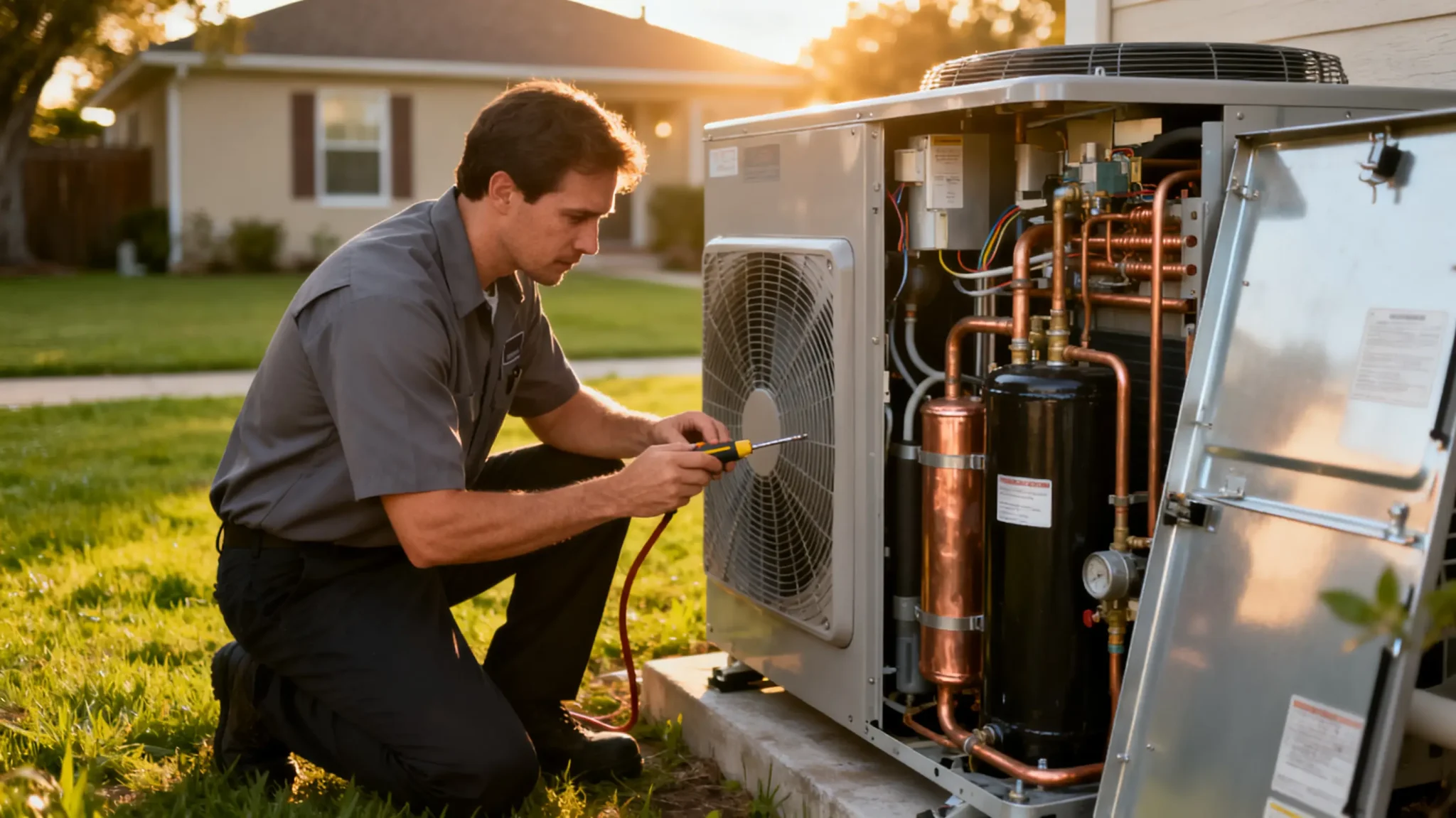
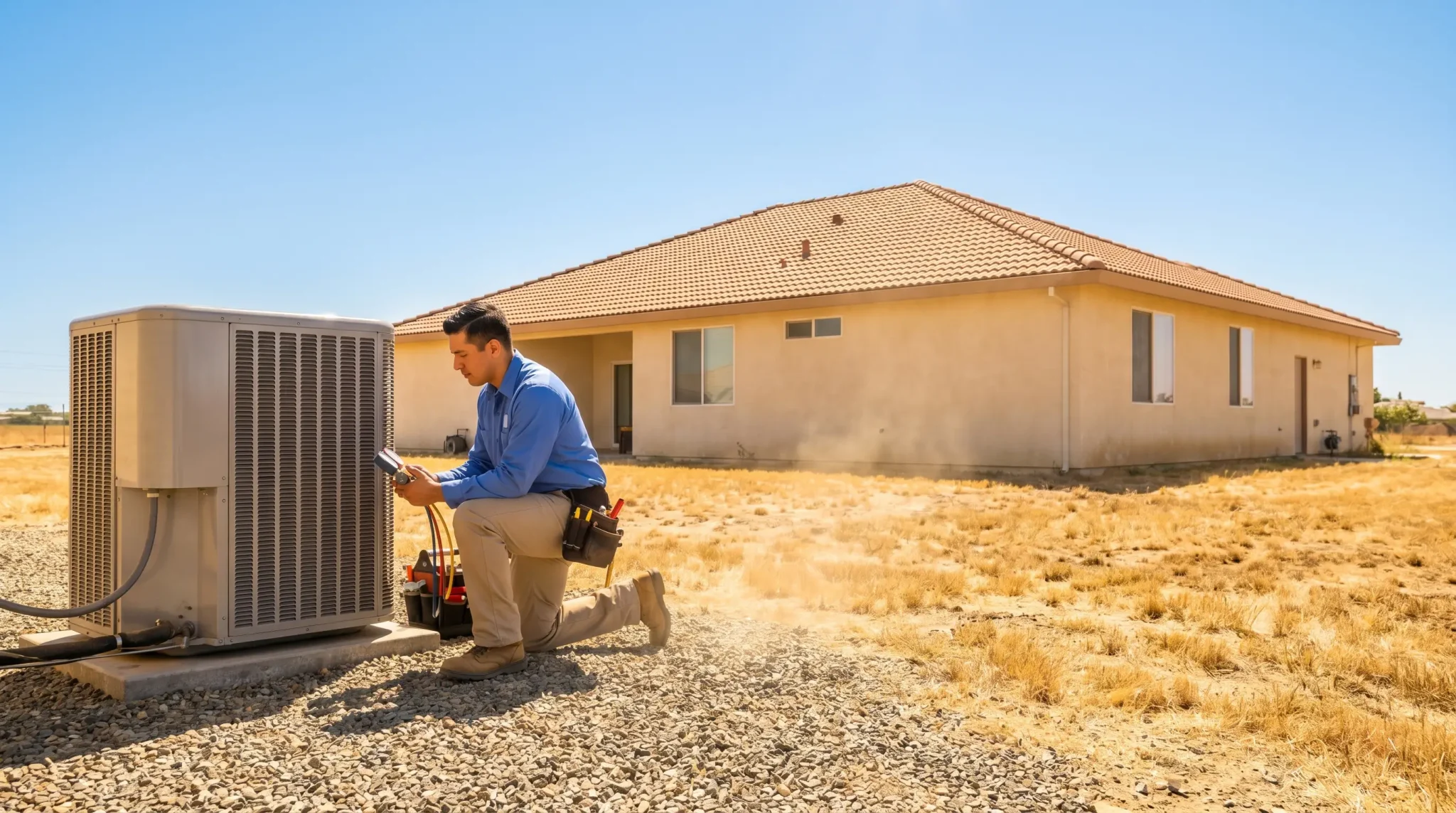
HVAC services include AC installation, heating repair, furnace maintenance, boiler service, seasonal inspections, and efficiency checks.
Plumbing Services
Plumbing services cover leak repair, pipe issues, drain problems, water heater service, preventive maintenance, and emergency plumbing.
- Electrical Services
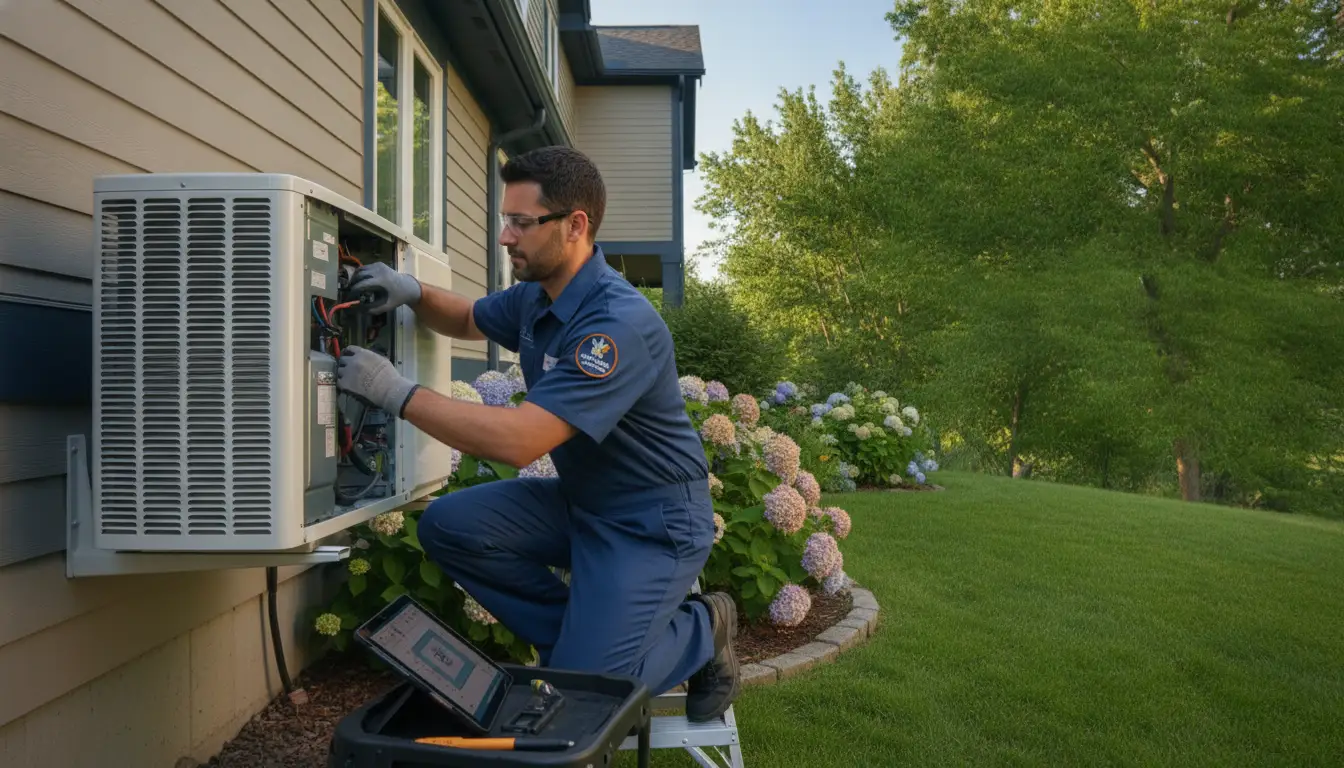
Electrical services include wiring work, outlet installation, panel upgrades, generator installation, and home safety inspections.
Why Choosing the Right Home Service Provider Matters

A qualified provider can find the root cause, explain your options, and prevent repeat problems. This helps reduce breakdowns, improve efficiency, and extend system life.
It also protects your home from risks such as electrical hazards, hidden water damage, poor heating performance, and inefficient cooling.
What to Look for When Choosing Residential HVAC, Plumbing, and Electrical Services
- Licensing and insurance: Licensing shows the provider meets local requirements, while insurance helps reduce the risk of damage, injury, or accidents during the job.
- Experience and certifications: Choose a company experienced in the exact services you need, such as AC repair, plumbing, wiring, or generator installation.
- Reputation and reviews: Check reviews, referrals, and local reputation. Look for patterns in punctuality, work quality, pricing, and communication.
- Transparent pricing: A reliable provider should explain the issue clearly and, when possible, offer a written estimate.
- Emergency service availability: A provider with 24/7 emergency service can help limit damage and restore comfort faster.
- Maintenance programs and warranties: Maintenance plans help prevent seasonal problems, while warranties show what is covered for parts, labor, or equipment.
Questions Homeowners Should Ask Before Hiring
Before hiring a provider, ask about licensing, insurance, emergency service, warranties, and written estimates.
You should also confirm who will perform the work and which maintenance options are available.
Clear answers show professionalism, while vague answers can signal poor communication or rushed service.
Common Mistakes Homeowners Make
Homeowners often make avoidable mistakes when hiring residential HVAC, plumbing, and electrical service providers. Being aware of these pitfalls can help prevent safety risks, unexpected costs, and recurring problems.
Choosing Based Only on Price
Selecting a provider solely based on the lowest cost can backfire. Cheap services may compromise on quality, use inexperienced technicians, or cut corners on materials. This can lead to repeated repairs and higher long-term costs.
Ignoring Reviews and Customer Feedback
Failing to check online reviews, referrals, or customer testimonials can result in hiring a provider with poor reliability, punctuality, or workmanship. Patterns in reviews reveal how trustworthy and professional a company truly is.
Hiring Unverified Contractors
Hiring contractors without verifying licensing, certifications, or insurance puts your home at risk. Unverified workers may cause property damage, safety hazards, or fail to meet local regulations, leaving you liable for accidents.
Delaying Maintenance Until Something Breaks
Waiting for systems to fail before scheduling maintenance often leads to costly emergency repairs. Regular inspections for HVAC, plumbing, and electrical systems prevent major breakdowns and extend system life.
Skipping Inspections for Critical Systems
Neglecting regular checks for furnaces, boilers, AC units, water heaters, electrical panels, and older plumbing systems can allow minor issues to escalate. Routine inspections catch problems early, ensuring safety, efficiency, and uninterrupted home comfort.
Maintaining Home Comfort Throughout the Year

Home comfort depends on seasonal maintenance.
Schedule AC checks in spring or summer, heating inspections before winter, and plumbing reviews before leaks become serious.
Electrical safety should be monitored year-round, especially with tripping breakers, flickering lights, warm outlets, or generator issues. Routine checks help prevent surprise breakdowns.
Conclusion
Choosing the right residential HVAC, plumbing, and electrical services goes beyond convenience.
Qualified providers protect your home, improve comfort, reduce safety risks, and control long-term costs. They make preventive maintenance easier, handle emergencies faster, and keep systems reliable year-round.
A good provider helps you decide between repair or replacement.
Check licensing, insurance, reviews, warranties, emergency availability, and technician experience to make safer choices.
This ensures home systems run efficiently with fewer problems and costly breakdowns.
Frequently Asked Questions
How often should HVAC systems be serviced?
Most HVAC systems should be serviced at least once a year. Many homes benefit from separate AC and heating inspections.
When should water heaters be replaced?
Water heaters may need to be replaced if they leak, make noise, produce rusty water, or stop providing steady hot water.
What are the signs that I need emergency plumbing service?
Call for help if you have a burst pipe, sewer backup, major leak, overflowing fixture, or water near electrical components.