How to Choose the Right Air Conditioning System for Your Hill Home
Living in the hills comes with plenty of advantages. The views are impressive, the air often feels fresher, and there’s usually a greater sense of privacy and space. However, hill homes can also present unique heating and cooling challenges. Higher elevations often experience stronger winds, greater temperature fluctuations, and home designs that can be more difficult to heat and cool efficiently.
Choosing the right air conditioning system is not simply about selecting the most popular option. Homeowners need to consider the local climate, the layout of the property, energy efficiency, and long-term comfort requirements before making a decision.
Consider the Different System Types Available
No single air conditioning system is suitable for every hill home. Each option offers different benefits depending on the size, layout, and design of the property.
Split Systems
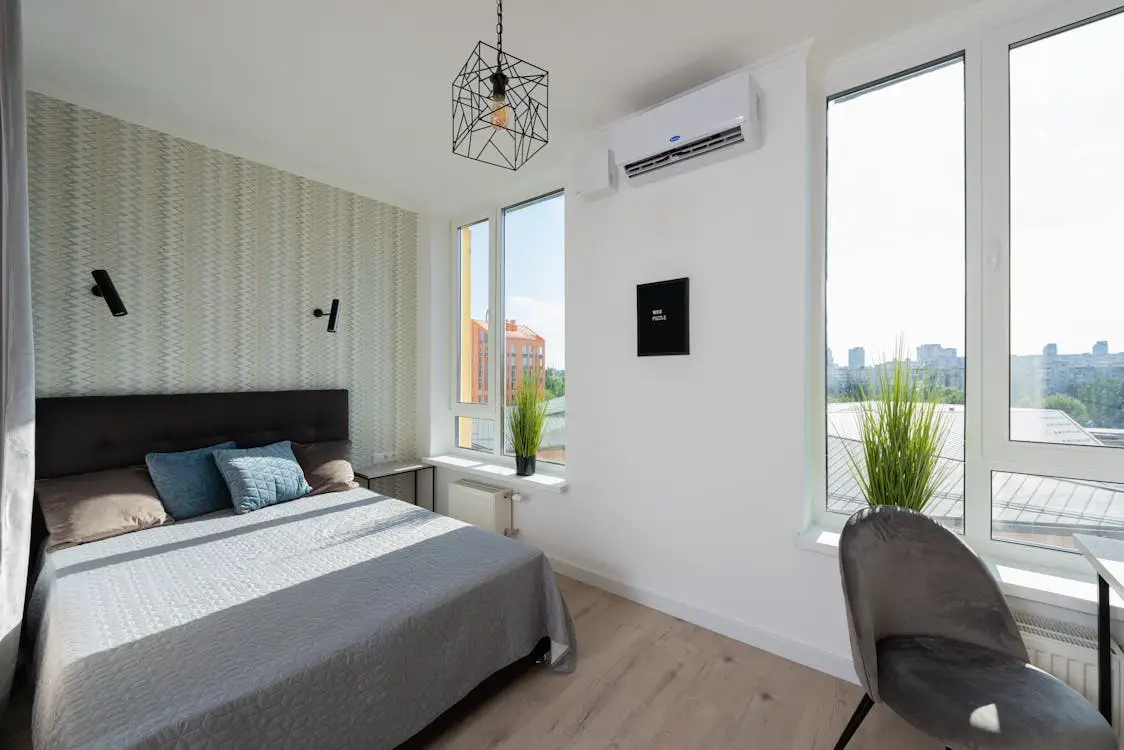
Split systems remain one of the most popular choices for residential homes. They consist of an indoor unit connected to an outdoor compressor and are well suited to cooling or heating individual rooms or open-plan living spaces.
For hill homes with multiple levels or separate living areas, split systems allow homeowners to control temperatures in specific zones without using energy in unused parts of the house. This can improve both comfort and energy efficiency throughout the year.
Multi-Head Split Systems
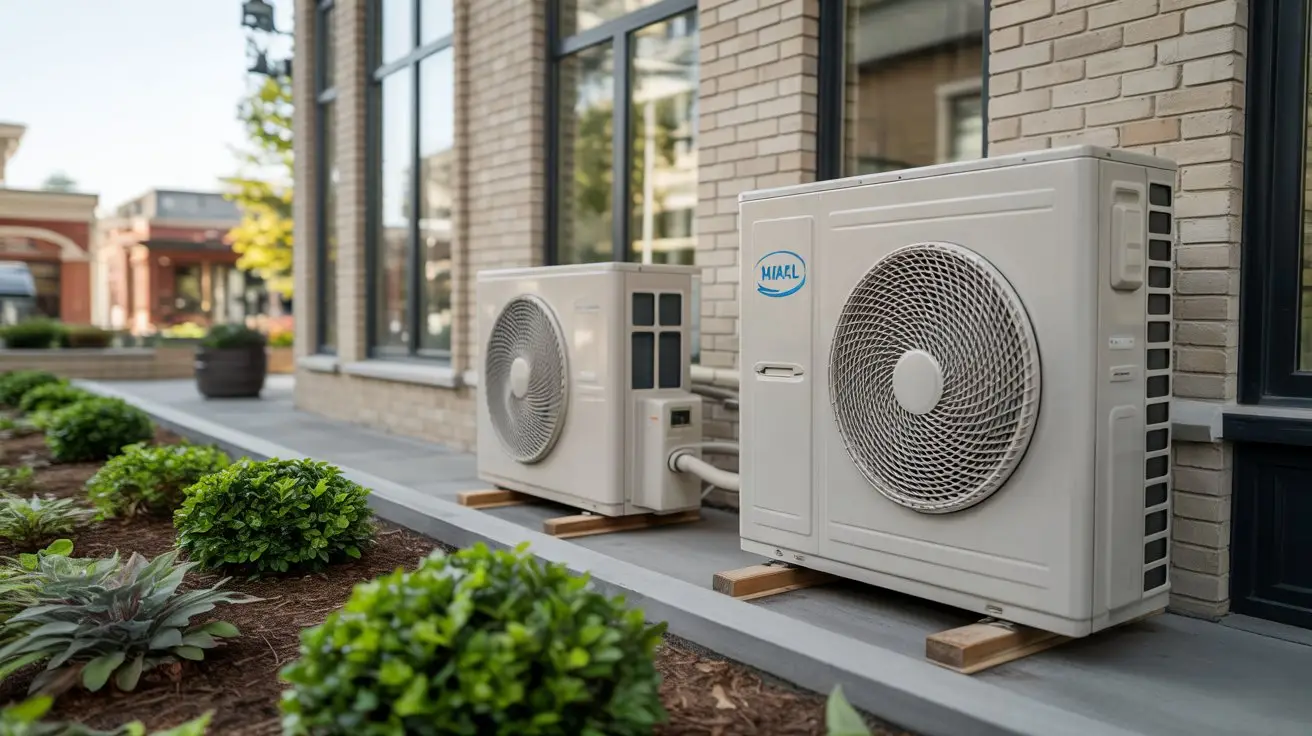
A multi-head split system connects several indoor units to a single outdoor compressor. This option provides the flexibility of multiple split systems while reducing the number of outdoor units required around the property.
For homes with limited outdoor space or a strong focus on exterior appearance, multi-head systems can offer a cleaner and more practical solution. They are particularly useful in hill homes where installation space may be restricted by landscaping, retaining walls, or steep block designs.
Homeowners throughout the Central Coast region, including those researching air conditioning Bateau Bay services, often benefit from consulting local specialists who understand how different systems perform in homes with varying elevations and layouts.
Ducted Systems
Ducted air conditioning systems use concealed ducts installed in the ceiling or floor to distribute heating and cooling throughout the home. This setup is ideal for larger homes where consistent temperature control across multiple rooms is important.
If your hill home includes several bedrooms, large entertaining areas, or open-plan living spaces, a ducted system can provide even comfort throughout the property while maintaining a streamlined appearance.
Many modern ducted systems also include zoning features that allow homeowners to control temperatures in individual rooms or sections of the house. This can help reduce unnecessary energy use and improve overall running costs.
Understand How Hill Living Affects Your Cooling Needs
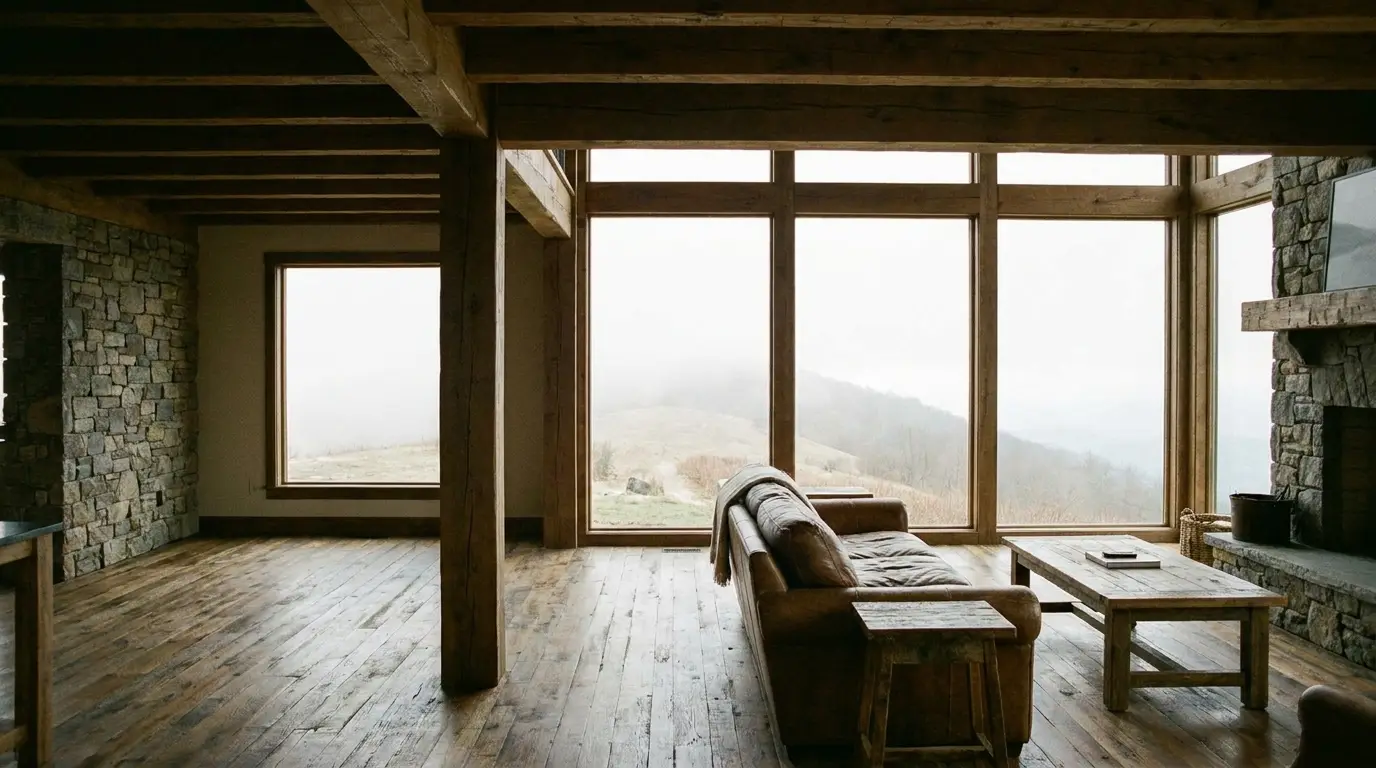
Homes located on elevated land often experience microclimates that differ noticeably from nearby suburban areas. While hill homes may enjoy cooler summer temperatures, they can also face colder winters and stronger winds.
Features such as roof design, ceiling height, window placement, thermal mass, and home orientation all influence how heat moves throughout the property. Open-plan layouts and timber ceilings, which are common in hill homes, can also make temperature control more challenging.
Before choosing a system, it is important to identify which rooms become hottest during summer and which areas feel coldest during winter. Understanding these patterns will help you select a system capable of maintaining reliable comfort across changing seasonal conditions.
Factor in Energy Efficiency and Running Costs
Energy efficiency should play a major role when selecting an air conditioning system. Heating and cooling costs can account for a significant portion of household energy bills, particularly in homes that require year-round climate control.
Choosing a unit with a strong Energy Star rating can help reduce electricity usage while maintaining effective performance. According to Energy Rating Australia, each additional star on an appliance’s energy rating may reduce running costs by up to 10% over time.
If your hill home already has solar panels installed, pairing them with an energy-efficient inverter system can further reduce electricity expenses and improve long-term savings.
Inverter technology is especially beneficial for residential properties. Unlike traditional fixed-speed systems that repeatedly switch on and off, inverter systems continuously adjust their output to maintain a stable temperature. This technology makes inverter units quieter, helps rooms reach the desired temperature faster, and reduces energy consumption over time.
Think About Installation Complexity
Installing air conditioning in hill homes can be more complex than in standard suburban properties. Steep rooflines, uneven surfaces, restricted roof cavities, and longer pipe runs can all influence installation costs and system performance.
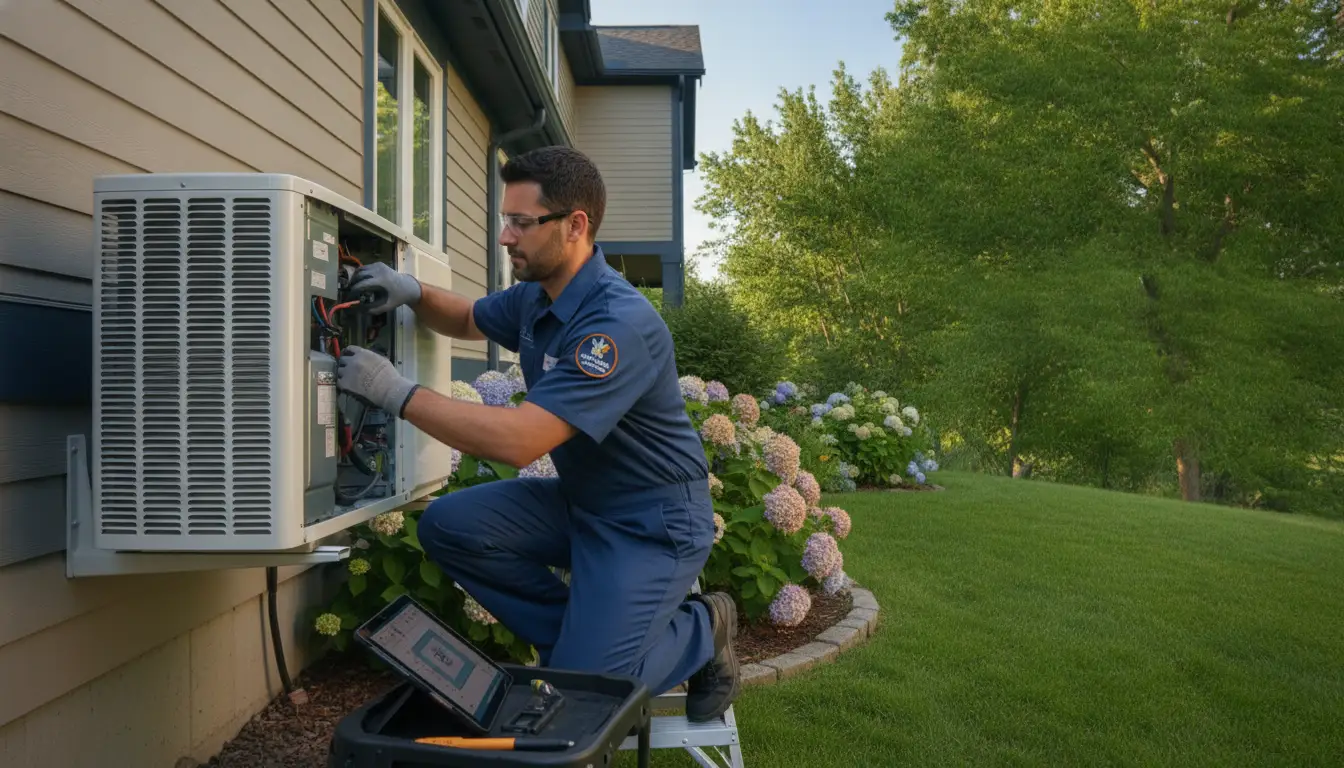
Choosing an experienced and licensed installer is essential. A qualified technician who understands the challenges of hill properties can recommend suitable unit placement, manage drainage requirements correctly, and ensure the system operates efficiently from the beginning.
Proper installation also has a direct impact on the long-term reliability and lifespan of the system. Poor positioning or incorrect installation can reduce efficiency, increase energy consumption, and contribute to avoidable maintenance problems in the future.
Prioritise Noise Levels and Aesthetics
Noise can be an important consideration in quieter hill environments. Some outdoor compressors generate noticeable sound, particularly when positioned near bedrooms, entertaining areas, or neighbouring properties.
Before purchasing a system, check the manufacturer’s noise ratings and speak with your installer about ways to minimise sound transfer. Strategic placement and proper installation can make a considerable difference to overall comfort.
Visual appearance may also influence your decision. Large indoor units can sometimes clash with the natural materials and open architectural styles commonly found in hill homes. Slimline wall-mounted units, ceiling cassette systems, or concealed ducted options can provide a cleaner and more integrated appearance.
Final Thoughts
Selecting the right air conditioning system is an investment in the long-term comfort and efficiency of your home. The ideal solution should suit your property’s layout, respond effectively to local climate conditions, and deliver reliable heating and cooling throughout the year.
Taking the time to evaluate your home’s specific requirements, energy goals, and installation considerations can help you choose a system that provides lasting comfort, improved efficiency, and lower running costs over time.