How to Get Paint Out of Carpet: Simple Methods that Work!
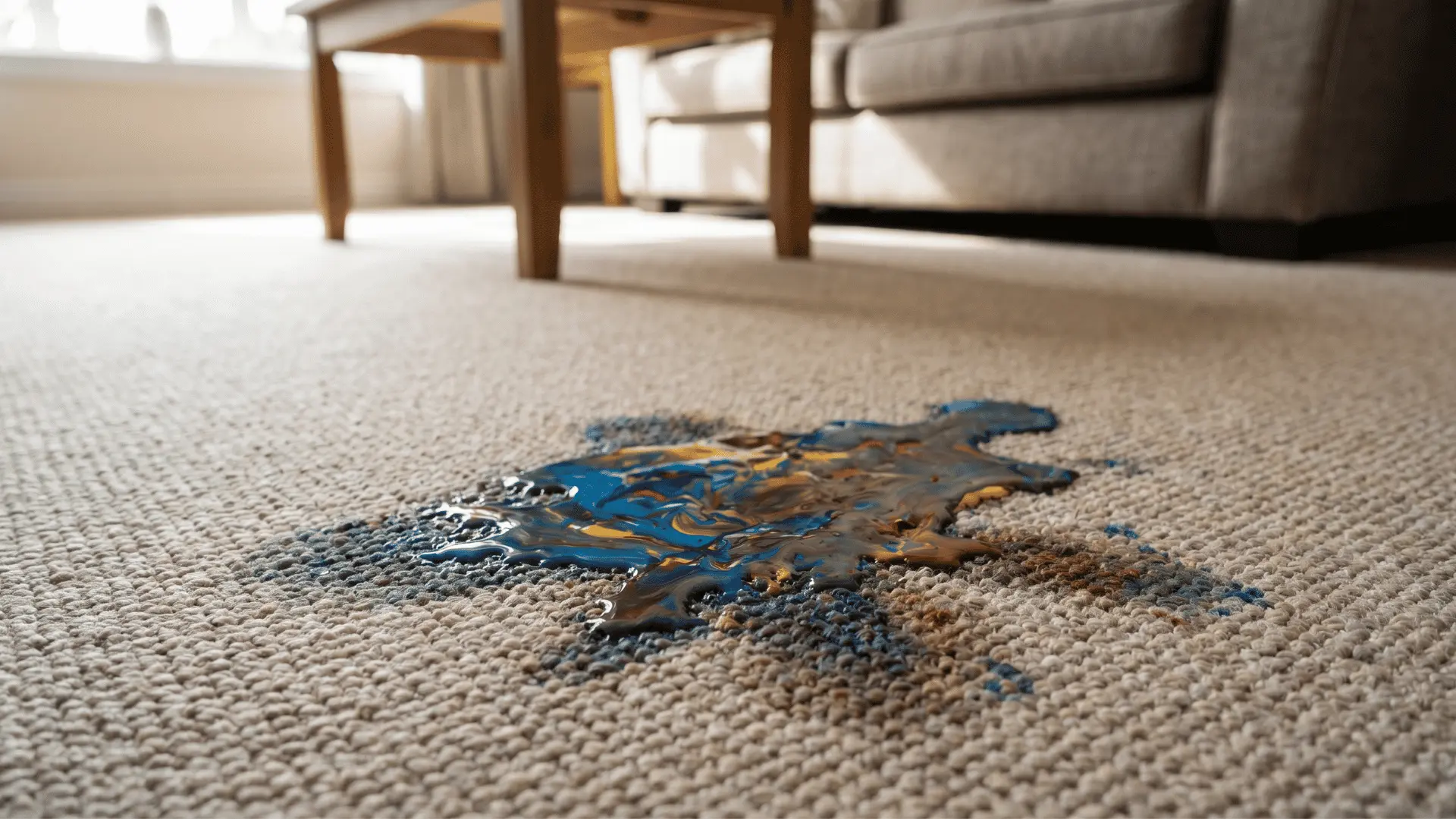
Paint spills on carpets are quite common and can feel stressful, especially when they happen suddenly and start soaking into the fibers.
Taking quick action can make a big difference in how easily the stain can be removed and how well your carpet stays protected from damage.
This guide walks you through simple and effective methods to handle both wet and dried paint stains, so you can deal with the situation with more confidence.
What You Need to Know Before You Start
The type of paint and how dry it is will decide which method works and which can make the stain worse, so identifying both before you begin is very important.
There are three common paint types you may be dealing with:
- Latex paint – it is water-based and easy to clean when wet, but becomes harder to remove as it dries and forms a layer
- Acrylic paint – although water-based, it creates a strong bond with carpet fibers once dry, which makes quick action important
- Oil-based paint – it is not water-soluble at any stage, so it always requires a solvent for removal
You can check the paint can for cleanup instructions to confirm the type, or rely on smell, as oil-based paint has a much stronger chemical odor than latex or acrylic.
Avoid using strong solvents like alcohol on fresh stains, because plain water works better at that stage and helps prevent the stain from spreading further.
Tools and Materials Needed
Having everything ready before you start means you won’t have to pause mid-treatment.
| Tool / Material | What It’s For |
|---|---|
| Spoon or dull knife | It scrapes up excess paint before any liquid treatment begins, so you’re not pushing it deeper into the fibers. |
| Clean white cloths | They’re used for blotting white is important because colored cloths can transfer dye onto a damp carpet. |
| Mild dish soap | It breaks down water-based paints without damaging carpet fibers or stripping color from the pile. |
| Warm water | It dilutes dish soap, rinses between applications, and rehydrates dried paint before scrubbing. |
| Rubbing alcohol | It dissolves the bond between dried acrylic and latex paint from carpet fibers when water alone stops working. |
| WD-40 or lubricant | It loosens stubborn dried paint that has bonded tightly to fibers. |
| Commercial paint remover | It’s a stronger option reserved for dried oil-based paint or failed household solvent attempts. |
| Vacuum cleaner | It removes dry paint flakes before you introduce moisture, preventing them from turning into a paste. |
How to Get Wet Paint Out of Carpet
For wet paint, act quickly within the first few minutes to prevent it from settling into the carpet fibers.
The method depends on the paint type, since water-based paints (latex and acrylic) respond to mild cleaning solutions, while oil-based paint requires a solvent from the start.
Step 1: Scoop Up the Excess
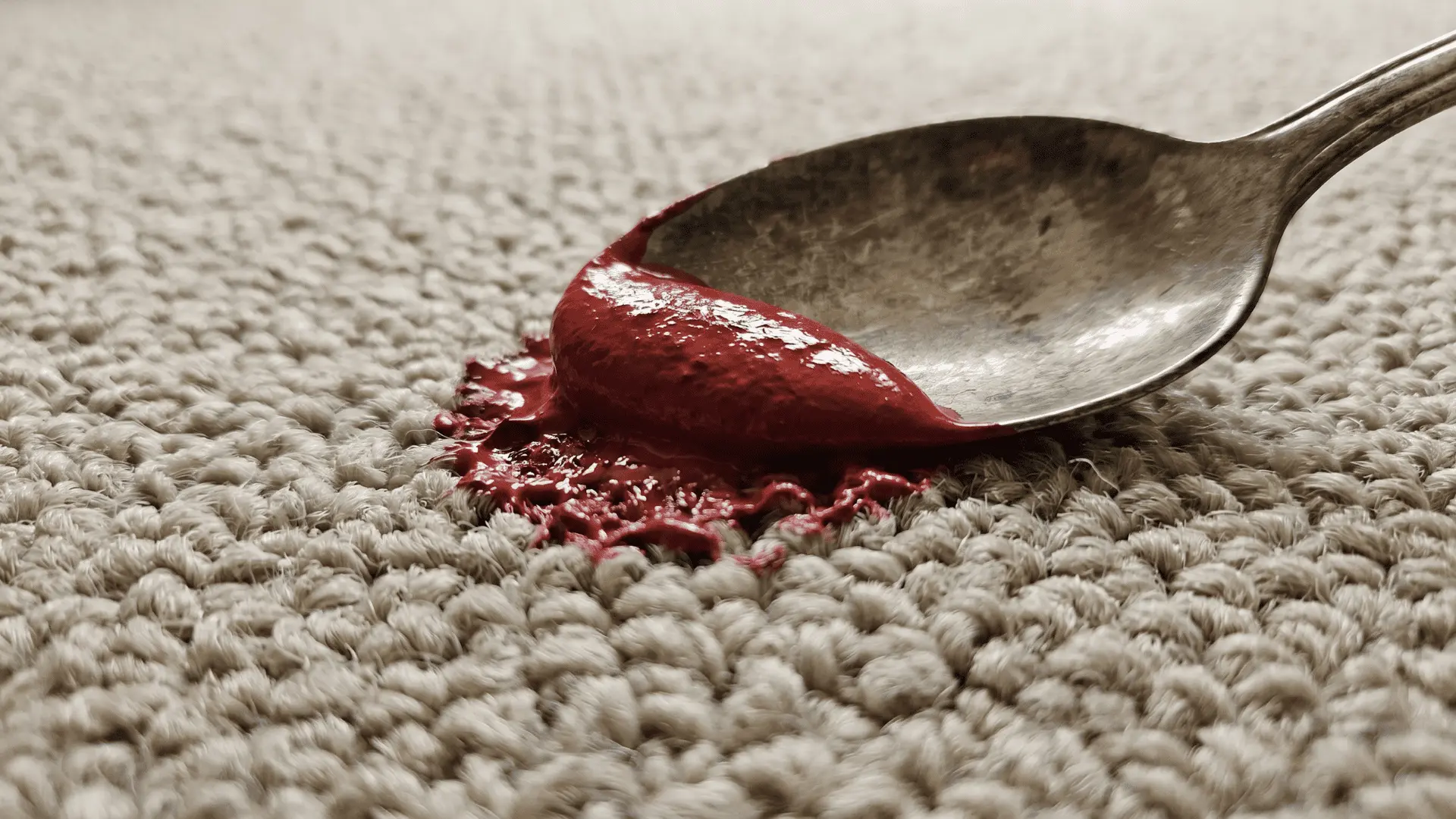
Use a spoon or putty knife to gently lift as much wet paint as possible from the carpet surface. Start at the outer edge of the spill and move inward so the paint does not spread.
Avoid pressing the tool deep into the carpet, as that can push paint farther into the fibers.
Step 2: Blot, Do Not Rub
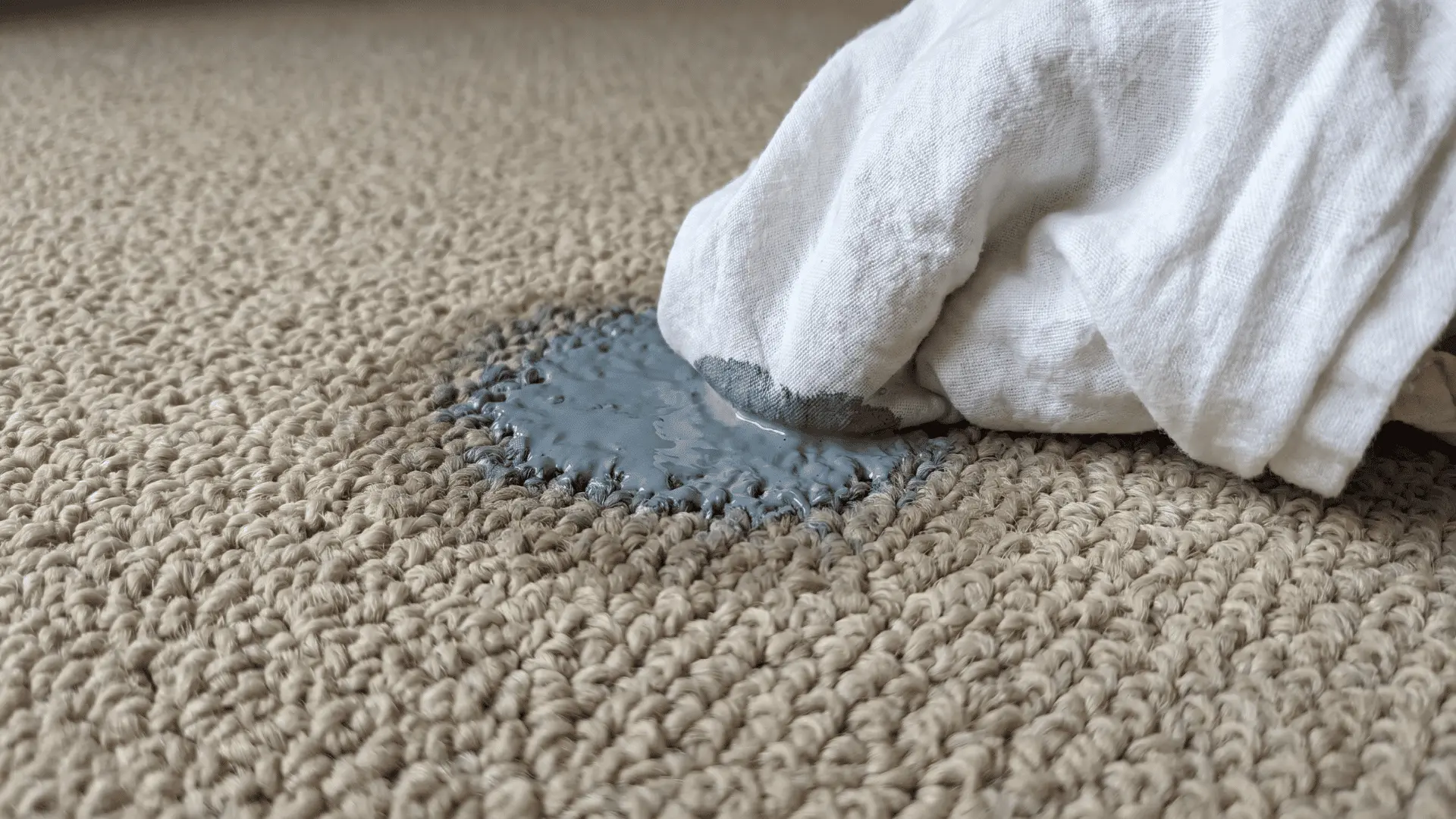
Press a clean white cloth onto the stain and lift straight up instead of wiping side to side. Work from the outside of the stain toward the center to keep it contained.
Switch to a clean part of the cloth as paint transfers onto it, and avoid rubbing because it can spread the stain.
Step 3: Apply the Right Solution
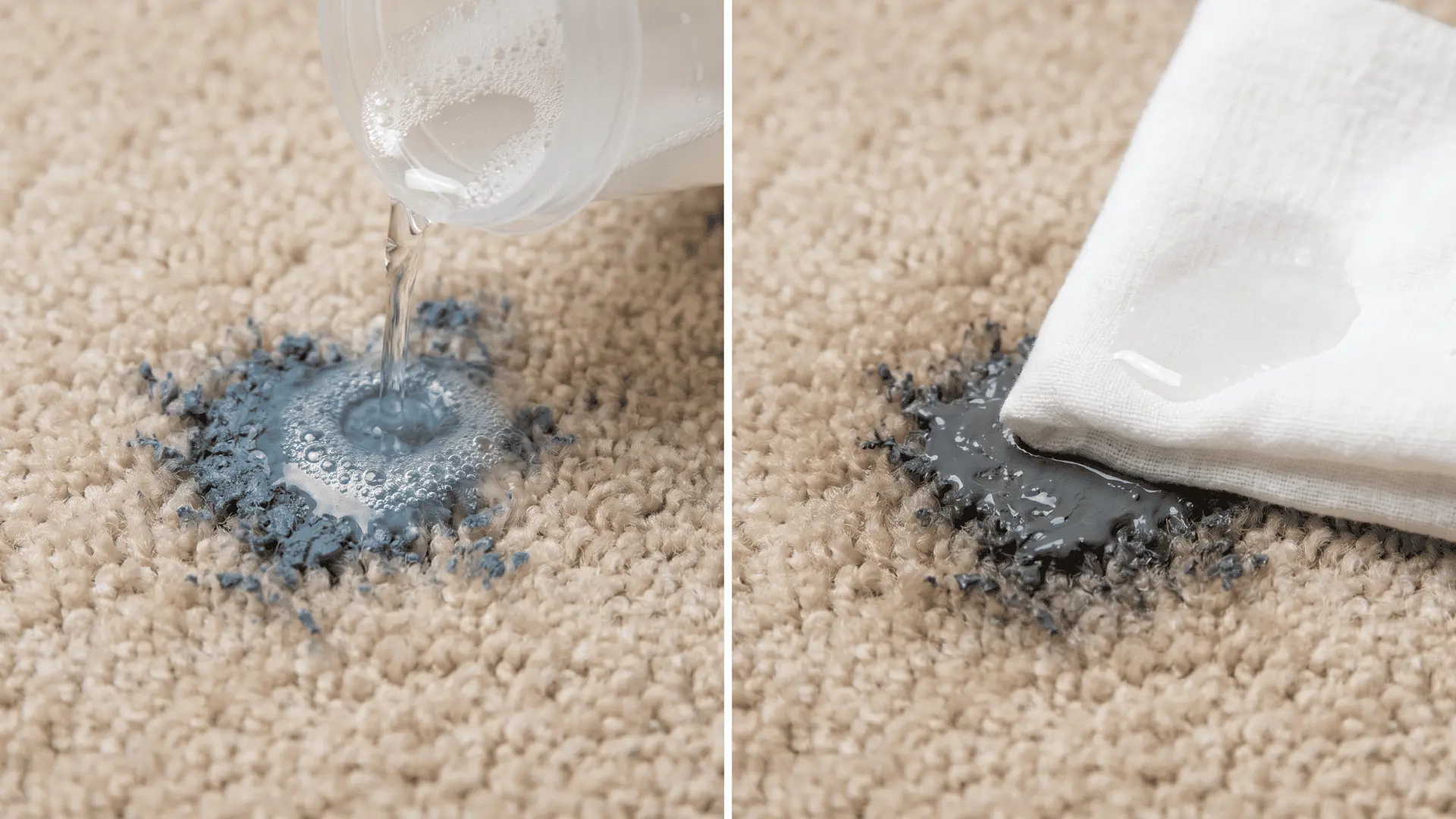
- For latex or acrylic paint: apply a dish soap solution (1 tablespoon dish soap + 2 cups warm water) directly to the stain
- For oil-based paint: apply mineral spirits or paint thinner to a cloth and blot gently
Step 4: Blot and Extract
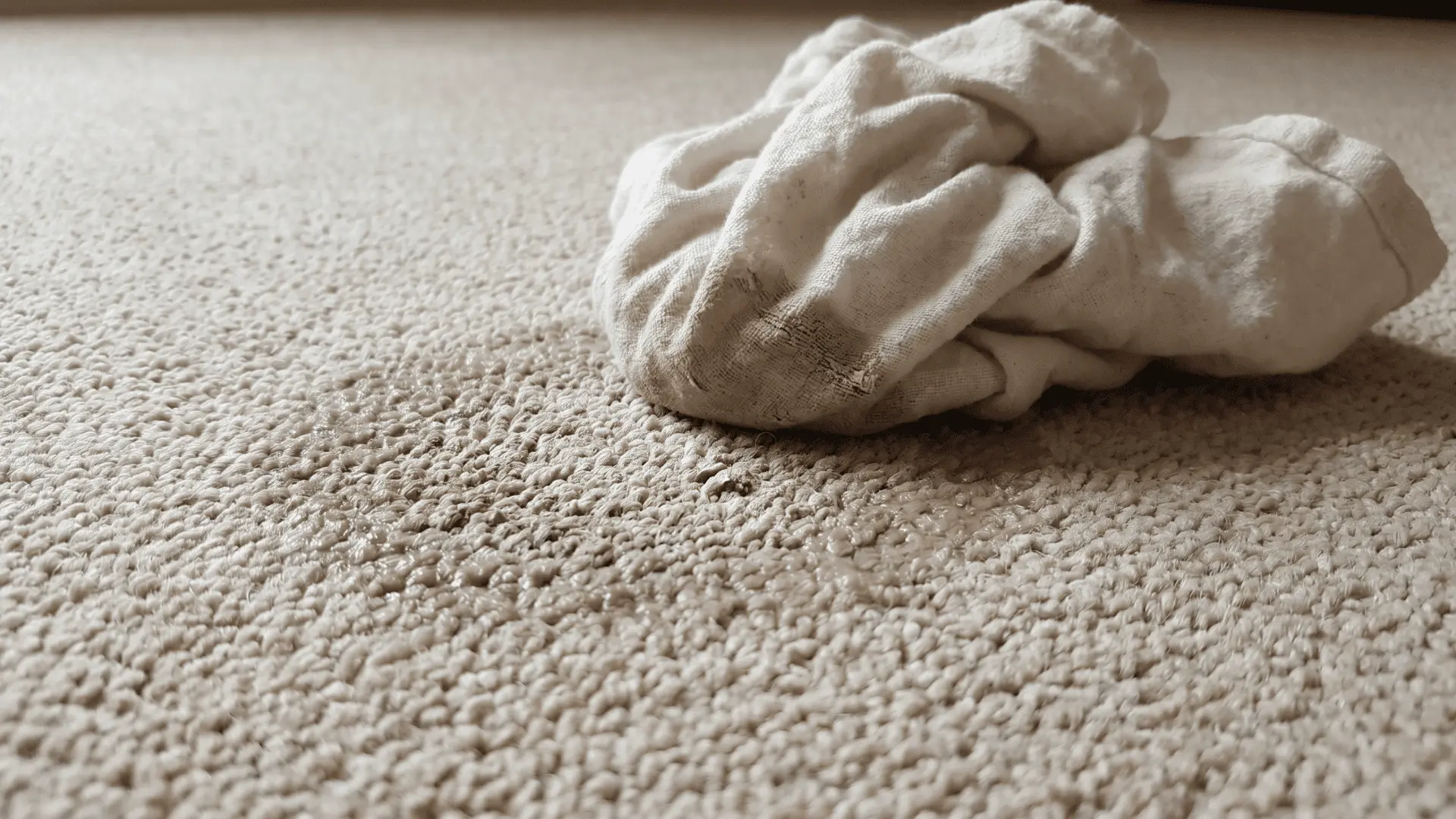
Blot the area with a fresh cloth to lift the loosened paint from the carpet fibers. Keep using clean sections of the cloth so the paint does not transfer back onto the carpet.
A wet/dry vacuum can help pull out moisture and residue from deeper fibers.
Step 5: Clean the Area
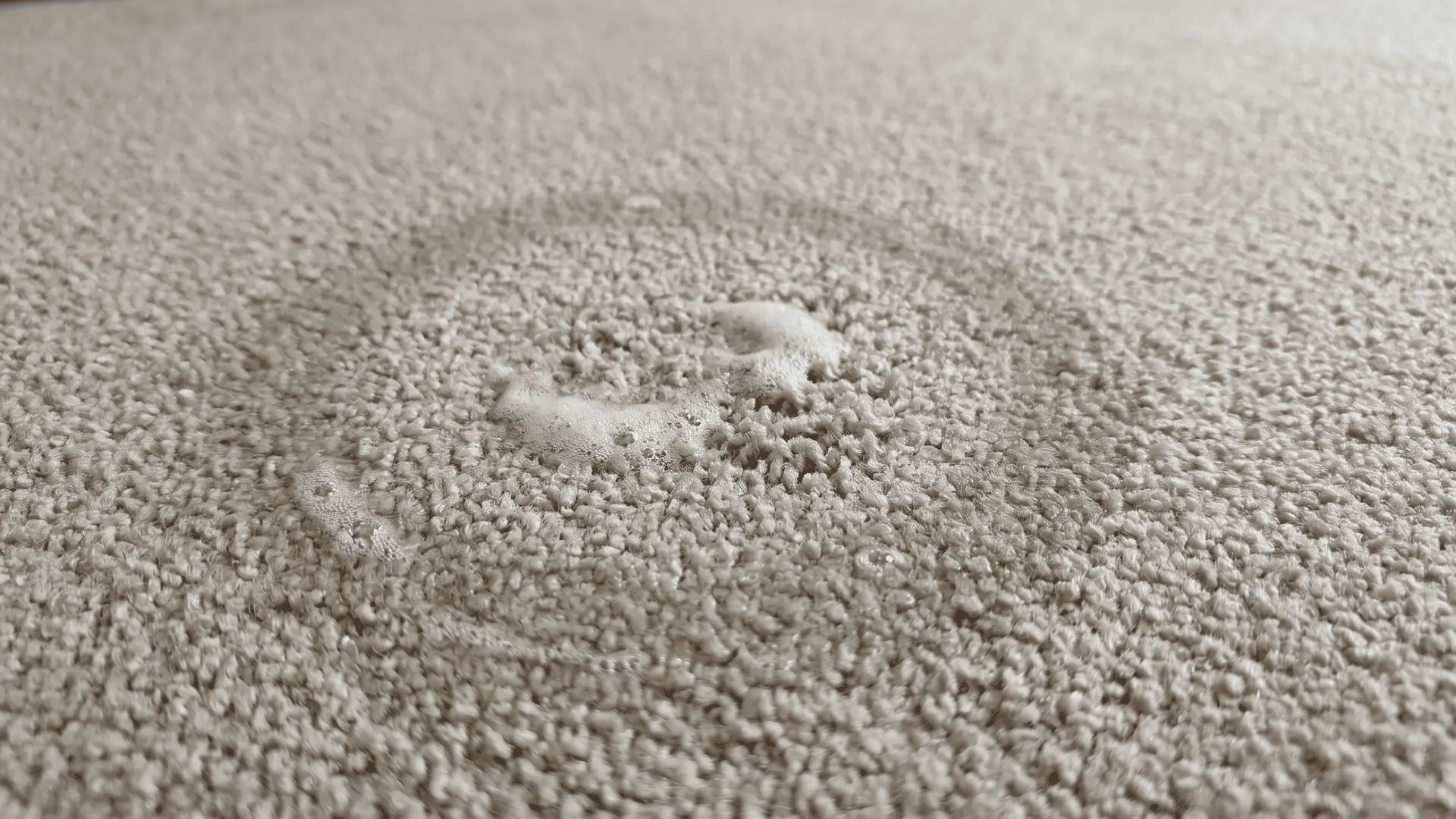
For water-based paint, lightly clean the spot again with the dish soap solution to remove leftover paint residue. Use a clean cloth and avoid soaking the carpet with too much liquid.
Blot often so the carpet does not stay overly wet or feel soapy.
Step 6: Rinse and dry
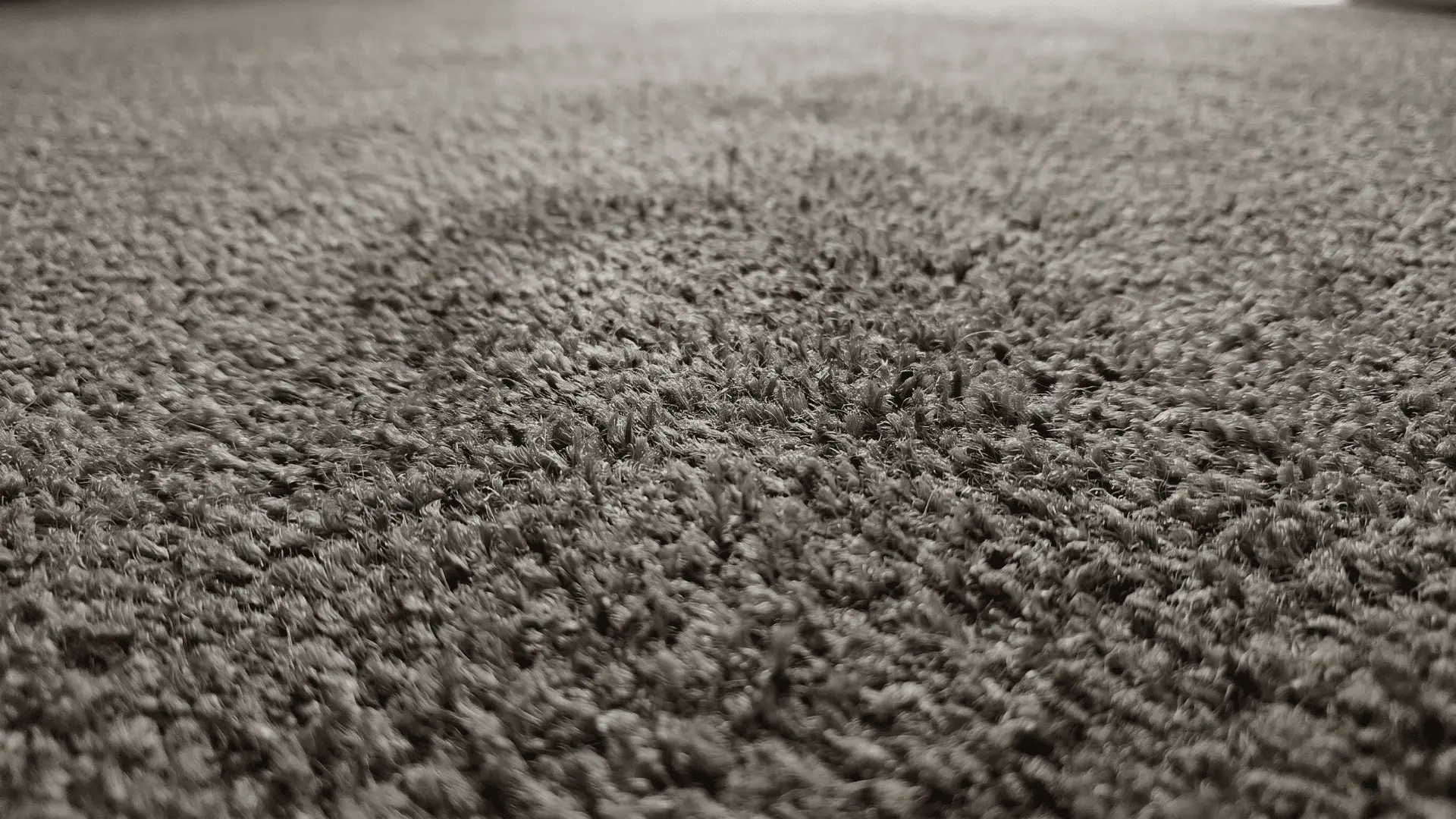
Rinse with clean water, blot thoroughly, and allow the carpet to air dry completely before walking on it.
- For Latex and Acrylic Paint (Water-Based): Do not use strong solvents like rubbing alcohol on fresh stains, as a simple dish soap solution works better at this stage. Act quickly, because once dried, acrylic especially can bond strongly with carpet fibers
- For Oil-Based Paint: Do not use water or dish soap alone, as they will not break down the stain. Always use a solvent like mineral spirits from the beginning for effective removal
How to Get Dried Paint Out of Carpet
To get dried paint out of carpet, scrape off as much hardened paint as possible first, then apply the right softening agent for your paint type.
Latex and acrylic stains can often be improved with household products, while oil-based paint requires stronger solvents.
Step 1: Scrape and Remove Loose Paint
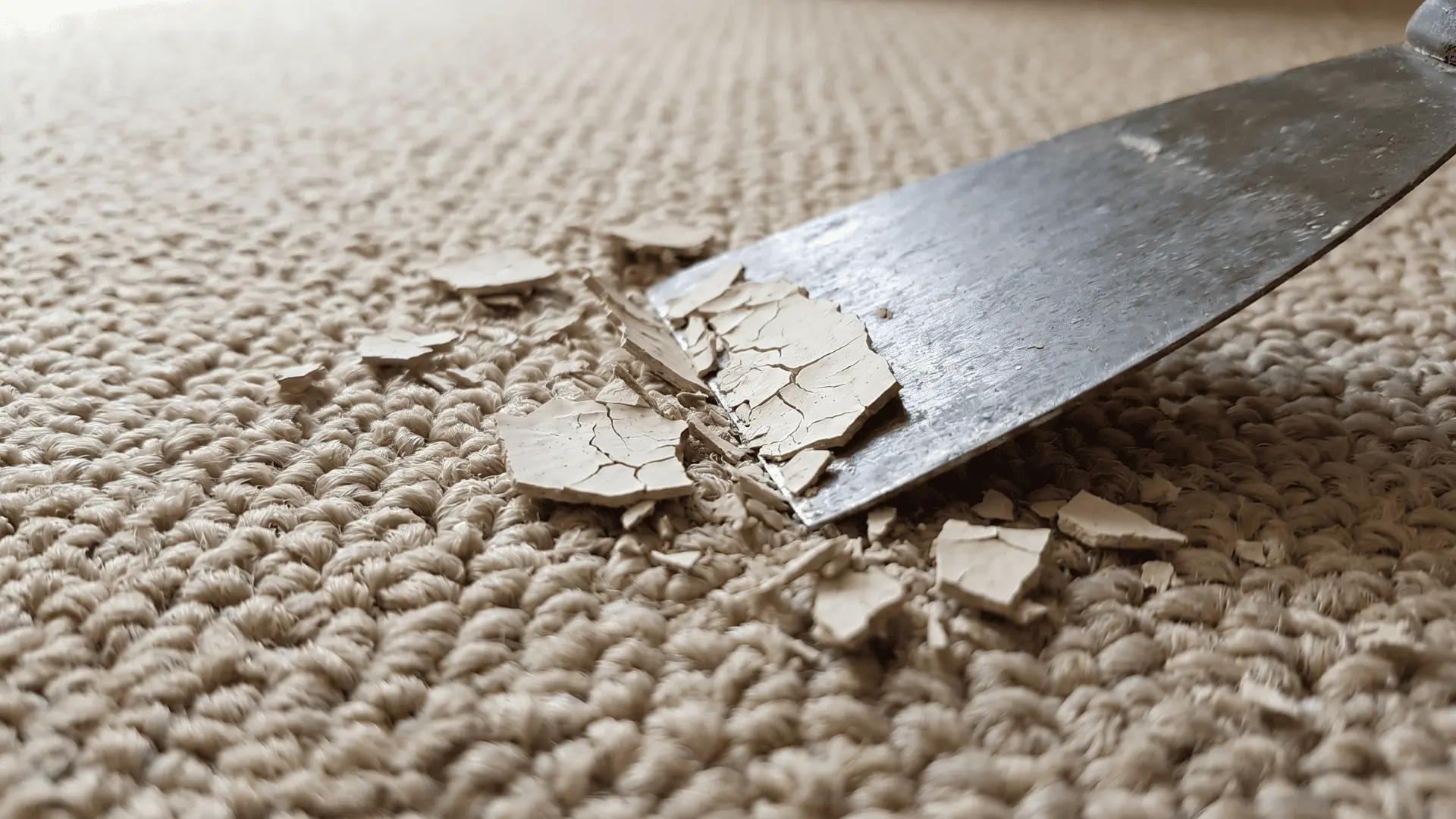
Use a putty knife or stiff brush to break up the dried paint carefully.
Work slowly so you do not pull or damage the carpet fibers. Vacuum the loose flakes before adding liquid, as this keeps the paint pieces from turning into paste.
Step 2: Apply the Right Softening Solution
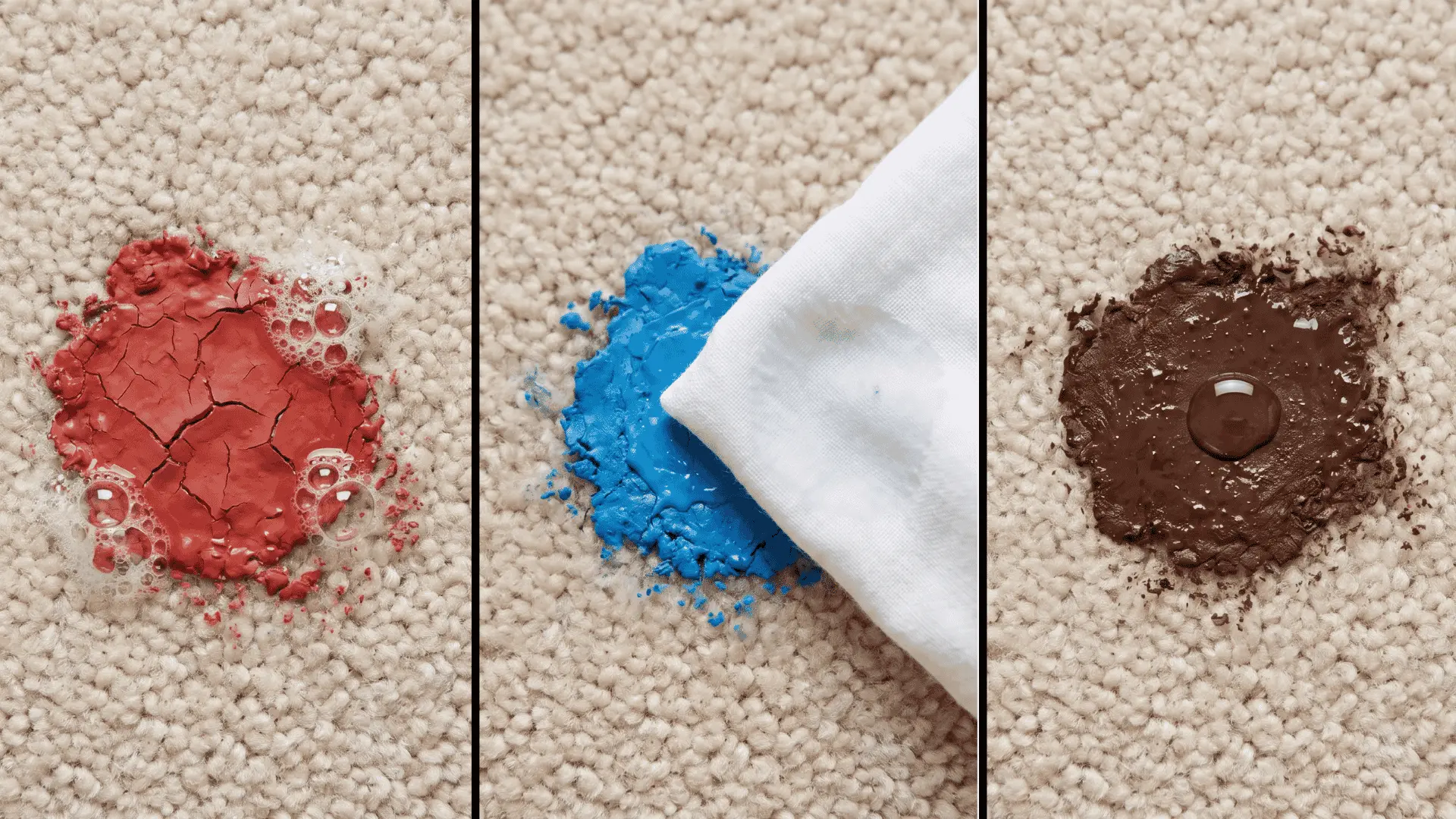
- For latex paint: apply a dish soap and warm water solution
- For acrylic paint: use rubbing alcohol on a cloth
- For oil-based paint: use mineral spirits or paint thinner
Let the solution sit for a few minutes so it can soften the paint.
Step 3: Work the Stain
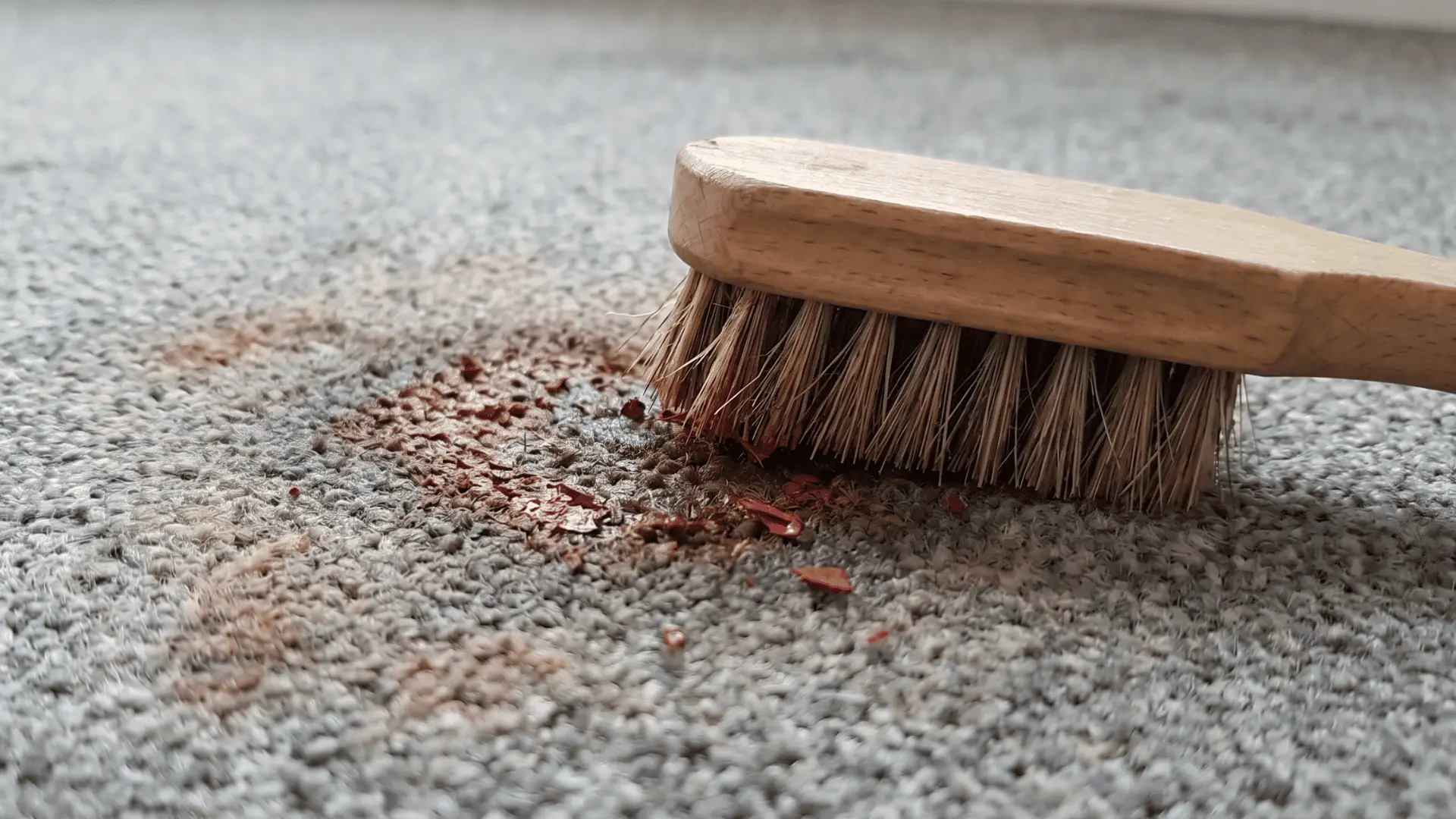
Gently scrub the softened area with a stiff brush in a circular motion. Keep the pressure light so the carpet fibers do not fray or loosen. Start at the outer edge and move inward, then blot between scrubbing passes to lift the paint as it breaks down.
Step 4: Blot and Extract
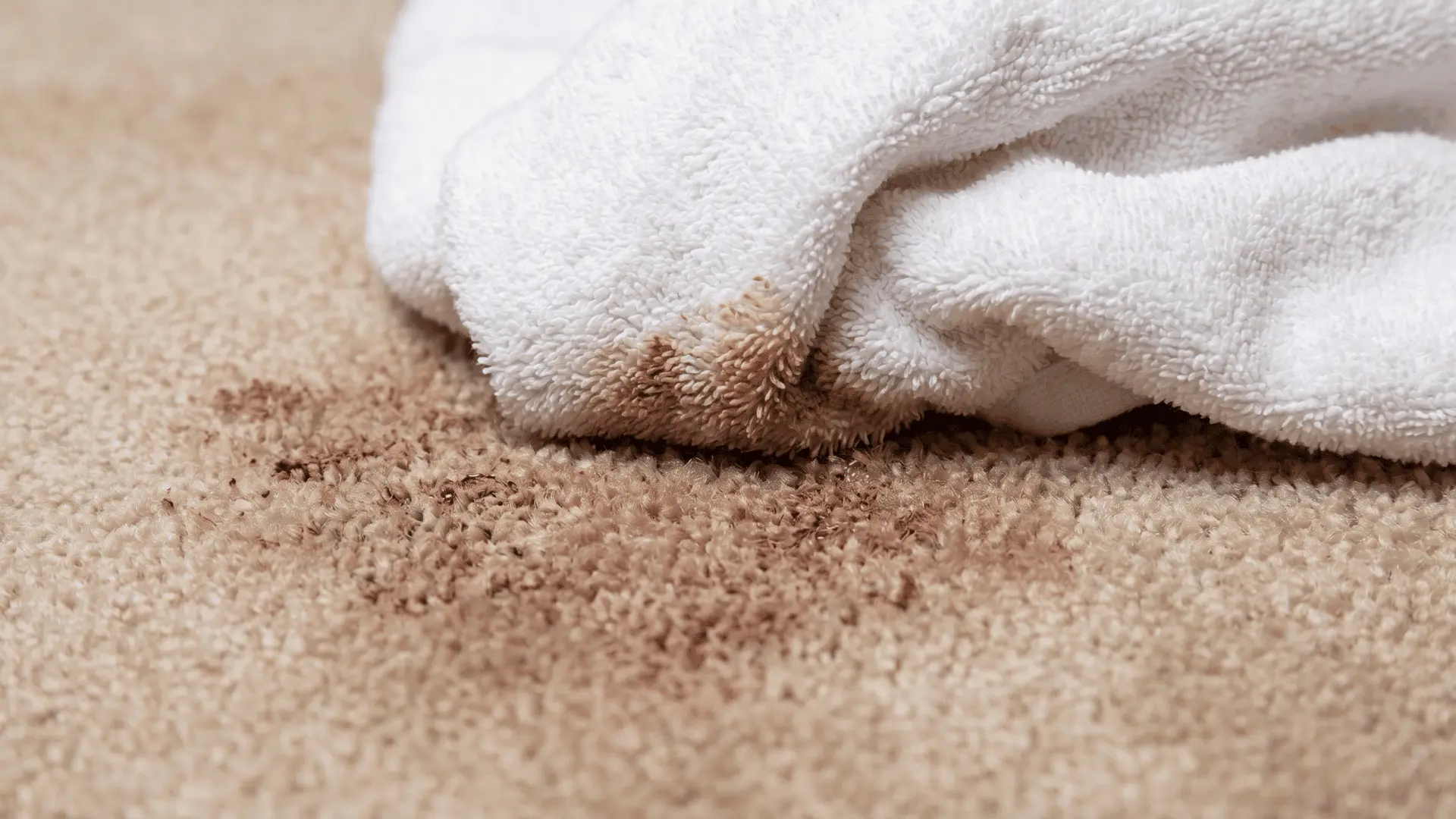
Blot the stain with a clean cloth to pull up the loosened paint. Use a fresh section of cloth each time the paint transfers so it does not go back into the carpet. A wet/dry vacuum can help remove residue from deeper in the fibers.
Step 5: Clean the Area
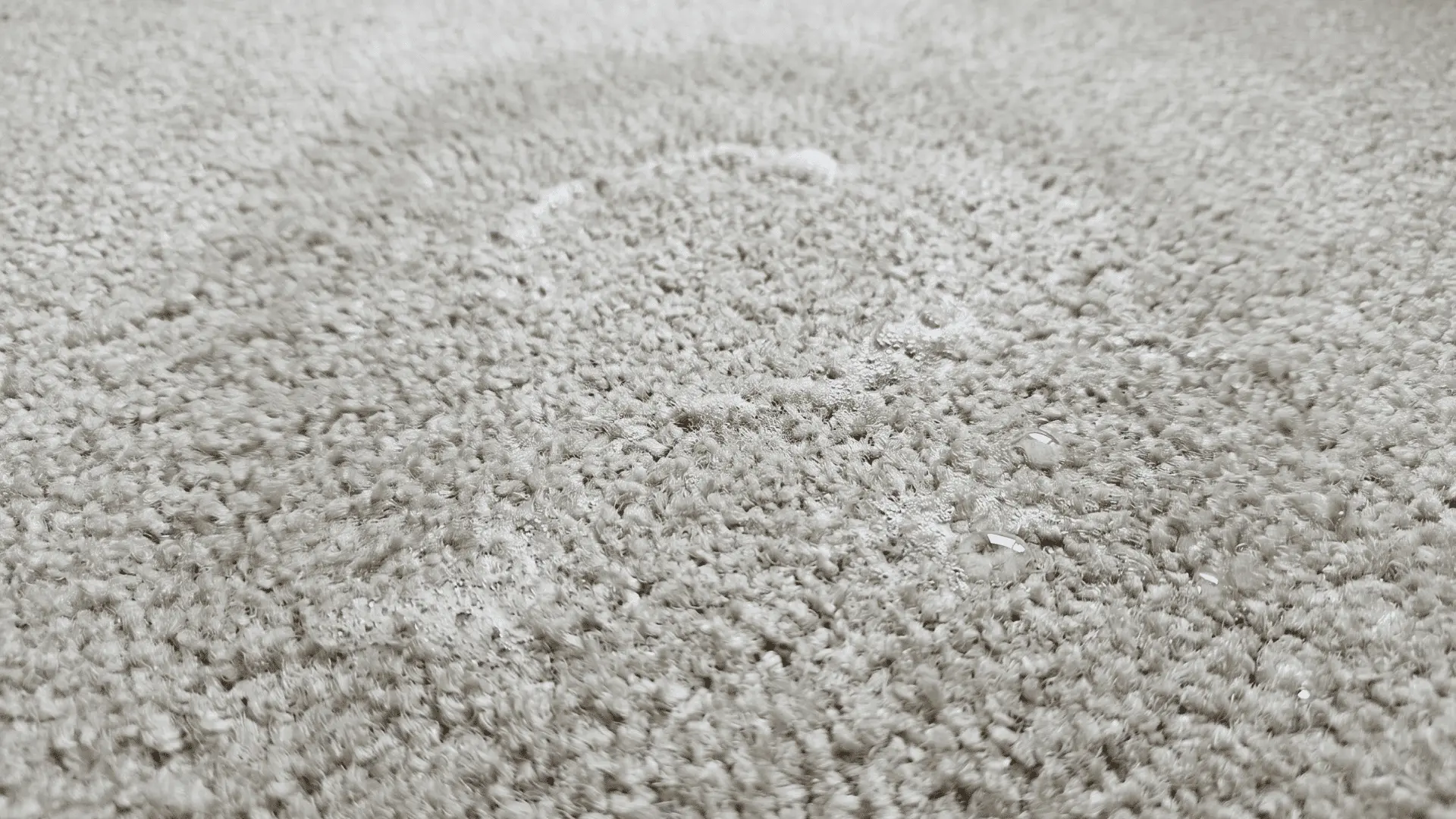
Apply a dish soap solution with warm water to clean away leftover paint, solvent, or cleaner residue. Blot the area with a damp cloth, then follow with a dry towel. Let the carpet air dry completely before vacuuming the spot.
Step 6: Rinse and Dry
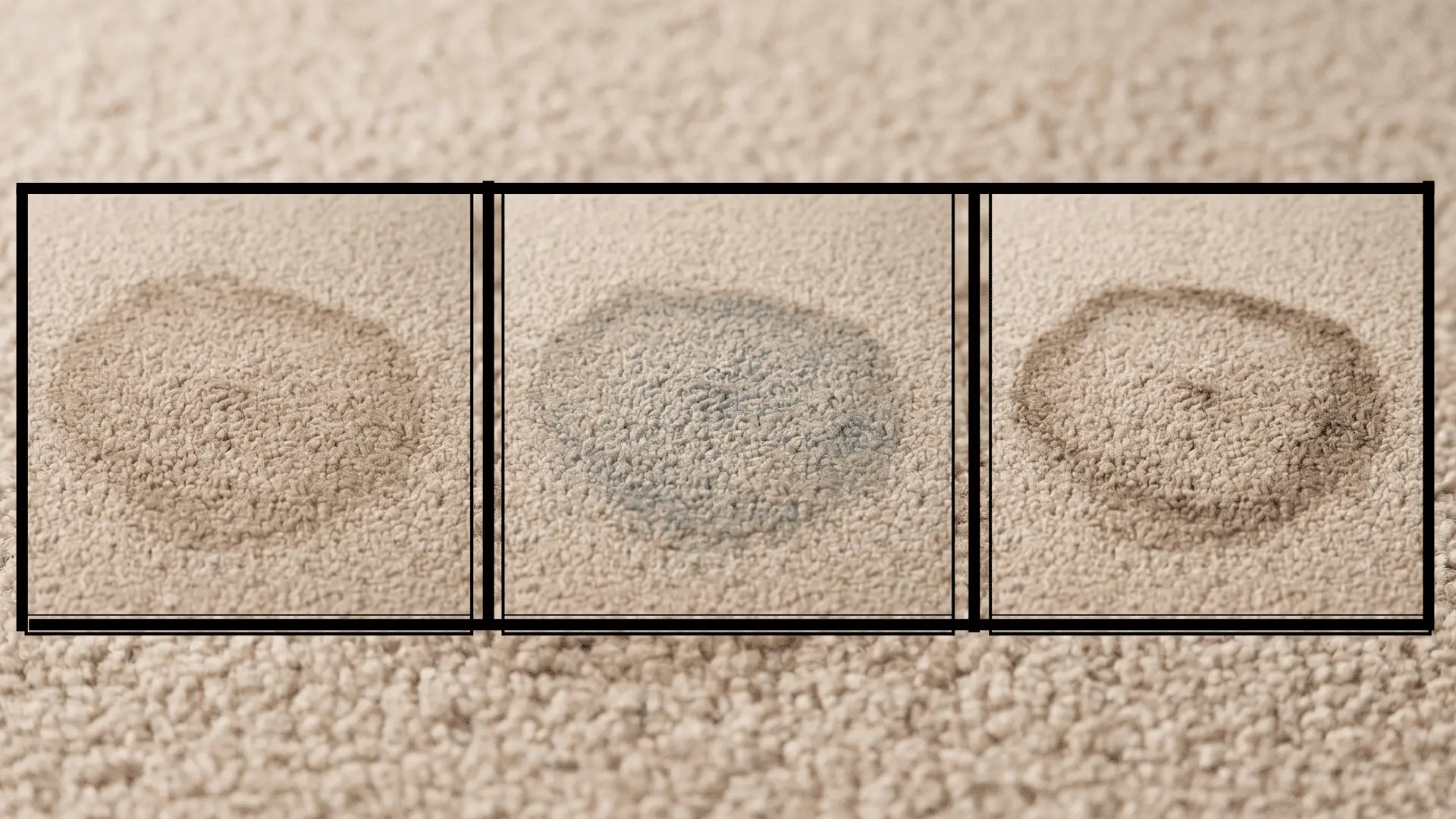
Rinse with clean water, blot thoroughly, and allow the carpet to air dry completely.
- For dried latex paint, apply a mix of dish soap and warm water and let it sit for a few minutes before blotting, and if needed, follow up with white vinegar for better results.
- For dried acrylic paint, test rubbing alcohol on a hidden spot first, then press a damp cloth on the stain for a few minutes, and use acetone carefully only if needed.
- For dried oil-based paint, use mineral spirits and blot gently from the edges inward, and if the stain remains, switch to a carpet-safe paint remover.
Alternate Ways to Get Acrylic Paint Out of Carpet
Some acrylic paint stains need a little extra help, especially after the paint starts to dry. These alternate methods can help loosen the stain without rubbing the carpet too hard.
1. Rubbing Alcohol with a Toothbrush
Rubbing alcohol can help loosen dried acrylic paint, while a toothbrush helps reach the fibers near the base of the stain. This method works best when the paint has started to harden but has not fully settled deep into the carpet.
A toothbrush drives rubbing alcohol directly into the base of the stain, where a cloth alone can’t reach.
2. Nail Polish Remover (Acetone)
Acetone dissolves the plastic-like binder that makes dried acrylic difficult to lift, but use it only after rubbing alcohol hasn’t fully worked.
Always test on a hidden area first, ventilate the room, and apply it to a cloth rather than directly onto the carpet.
3. Steam Cleaner
Steam loosens dried acrylic that’s already been broken down by a solvent, but applying heat before solvent treatment can permanently set the stain.
Use it only as a finishing step, keep the steam head moving, and blot immediately so the loosened paint doesn’t resettle.
Conclusion
Paint spills on carpets can feel stressful, but they don’t have to leave a lasting mark when handled with the right method and proper care.
Understanding different paint types, including acrylic, helps you choose a safe and effective cleaning approach without damaging the carpet fibers.
Acting quickly with gentle techniques can greatly improve stain removal and reduce the need for expensive professional cleaning later.
Knowing how to get paint out of carpet gives you confidence to handle unexpected messes, and with patience, even stubborn stains can be improved over time.
Frequently Asked Questions
Can I use vinegar to remove dried paint from carpet?
Yes, vinegar can help soften dried water-based paint like acrylic. Apply, wait a few minutes, then gently blot or scrape.
How do I remove dried paint that’s been there for weeks?
Scrape off the dried paint first, then use a suitable cleaner based on the paint type. Repeat the process as older stains take time.
Can acrylic paint permanently stain carpet?
Yes, it can stain if left untreated, but many stains can still be reduced with proper cleaning.