What Saratoga Springs Homeowners Need to Know About Pest Control
Saratoga Springs is one of New York’s most beloved communities, known for its mineral springs, historic architecture, vibrant arts scene, and the energy of the racing season that draws visitors from across the country every summer.
It is also, thanks to its location between the Adirondack foothills and the broader Capital Region, a place where homeowners face a genuinely diverse range of pest pressures across every season of the year.
The mix of older historic homes, newer residential developments, dense green spaces, and a climate that brings cold winters and humid summers creates ideal conditions for pests of all kinds.
The Seasonal Pest Cycle in Saratoga Springs
Pest activity in Saratoga Springs follows a clear and predictable seasonal pattern, and homeowners who understand that cycle are far better positioned to stay ahead of problems rather than react to them after the fact.
Spring arrives with a surge of activity as ants, carpenter ants, termites, and stinging insects become active after winter.
Termite swarms in particular are common across the Capital Region from spring through fall, with colonies targeting the moisture-damaged wood and older timber framing found in many of Saratoga’s historic properties.
Summer brings its own set of challenges, driven largely by the region’s heat and humidity. Mosquitoes thrive in standing water and wooded areas, ticks become a serious concern for families spending time outdoors, and wasps and bees establish nests in eaves, wall voids, and landscaping features throughout residential neighbourhoods.
As temperatures drop in autumn, the pest landscape shifts dramatically. Mice, rats, and other rodents begin seeking warmth inside homes, exploiting gaps around pipes, foundation cracks, and deteriorating weatherstripping to gain entry.
Squirrels, bats, and raccoons also become more aggressive in seeking attic access as they prepare for colder months.
Winter does not mean a pest-free home for Saratoga Springs residents. Rodents that have already established themselves inside walls and attic spaces remain active, and the damage they cause by gnawing on wiring, insulation, and structural materials continues regardless of the temperature outside.
The Most Common Pests in Saratoga Springs Homes
Mice and rats are among the most frequently reported pest problems in Saratoga County, and for good reason.
These rodents carry dozens of diseases, contaminate food and surfaces with their droppings, and chew through wiring, pipes, and building materials with a consistency that can cause significant structural damage over time.
Ants are another persistent issue, with carpenter ants posing a particular threat to older Saratoga homes where ageing trees, landscape timber, and moisture-damaged wood provide ideal nesting conditions.
Unlike common pavement ants, carpenter ants excavate wood to build their colonies, causing damage that can go undetected for years before becoming structurally significant.
Bed bugs have become an increasingly common problem in Saratoga Springs, driven in part by the city’s thriving tourism industry.
The racing season, the performing arts calendar, and the steady stream of visitors to hotels, vacation rentals, and short-term accommodations all create conditions where bed bugs can hitchhike from property to property and eventually find their way into permanent residences.
Ticks represent a genuine public health concern for Saratoga County residents. The region accounts for a significant proportion of Lyme disease cases reported annually in New York State, and families who spend time in wooded areas, parks, or even their own backyards are at meaningful risk during the warmer months without appropriate preventive measures in place.
Wildlife, including squirrels, raccoons, bats, and skunks, regularly creates problems for Saratoga Springs homeowners.
These animals access attics, crawl spaces, and wall voids, causing insulation damage, leaving behind contaminated droppings, and creating entry points that invite secondary pest infestations once they have been removed.
Why DIY Pest Control Often Falls Short
The appeal of handling a pest problem with a shop-bought spray or a handful of traps from the hardware store is understandable, particularly when a problem appears minor at first glance.
The reality is that most pest infestations are significantly larger and more entrenched than the visible signs suggest, and surface treatments rarely address the source.
Rodents, for example, are highly adaptive and cautious by nature. A mouse that avoids a trap is not simply unlucky. It has recognised the disruption to its territory and adjusted its behaviour accordingly.
Without a systematic approach that targets the colony, blocks entry points, and removes the attractants drawing rodents to the property in the first place, the population will recover quickly after any partial intervention.
The same principle applies to stinging insects, ants, and bed bugs. Treatment without proper identification of species, nesting locations, and entry pathways frequently results in temporary reduction followed by a return of the problem, often in a more dispersed and harder-to-treat form than the original infestation.
What to Look for in a Saratoga Springs Pest Control Provider
Choosing the right pest control provider in the Saratoga Springs area requires more than comparing prices on a quick internet search.
The company you hire should have genuine familiarity with the specific pest pressures of the Capital Region, including the wildlife species, climate patterns, and property types that shape how infestations develop and spread locally.
Look for a provider that begins with a thorough inspection rather than immediately proposing a treatment.
A quality inspection identifies the pest species present, locates entry points and nesting areas, assesses contributing conditions such as moisture or structural gaps, and forms the basis for a customised plan rather than a generic spray programme applied without regard for your property’s specific situation.
Year-round protection plans are worth considering for most Saratoga Springs homeowners, given the region’s multi-season pest activity.
A programme that addresses each phase of the seasonal pest cycle with targeted treatments and regular follow-up visits is far more effective than booking a single treatment in response to an active infestation.
Exclusion services, which involve physically sealing the entry points that pests use to access a home, are one of the most valuable and enduring forms of pest protection available.
Chemical treatments control active populations, but exclusion prevents new ones from establishing, making it an important component of any long-term pest management strategy for a Capital Region home.
For Saratoga County homeowners ready to take pest protection seriously, working with a trusted local provider likepest control in Saratoga Springs, NY, makes all the difference.
Prevention Steps Every Saratoga Springs Homeowner Should Take
Professional pest control works most effectively when smart habits and basic prevention measures at the property level support it.
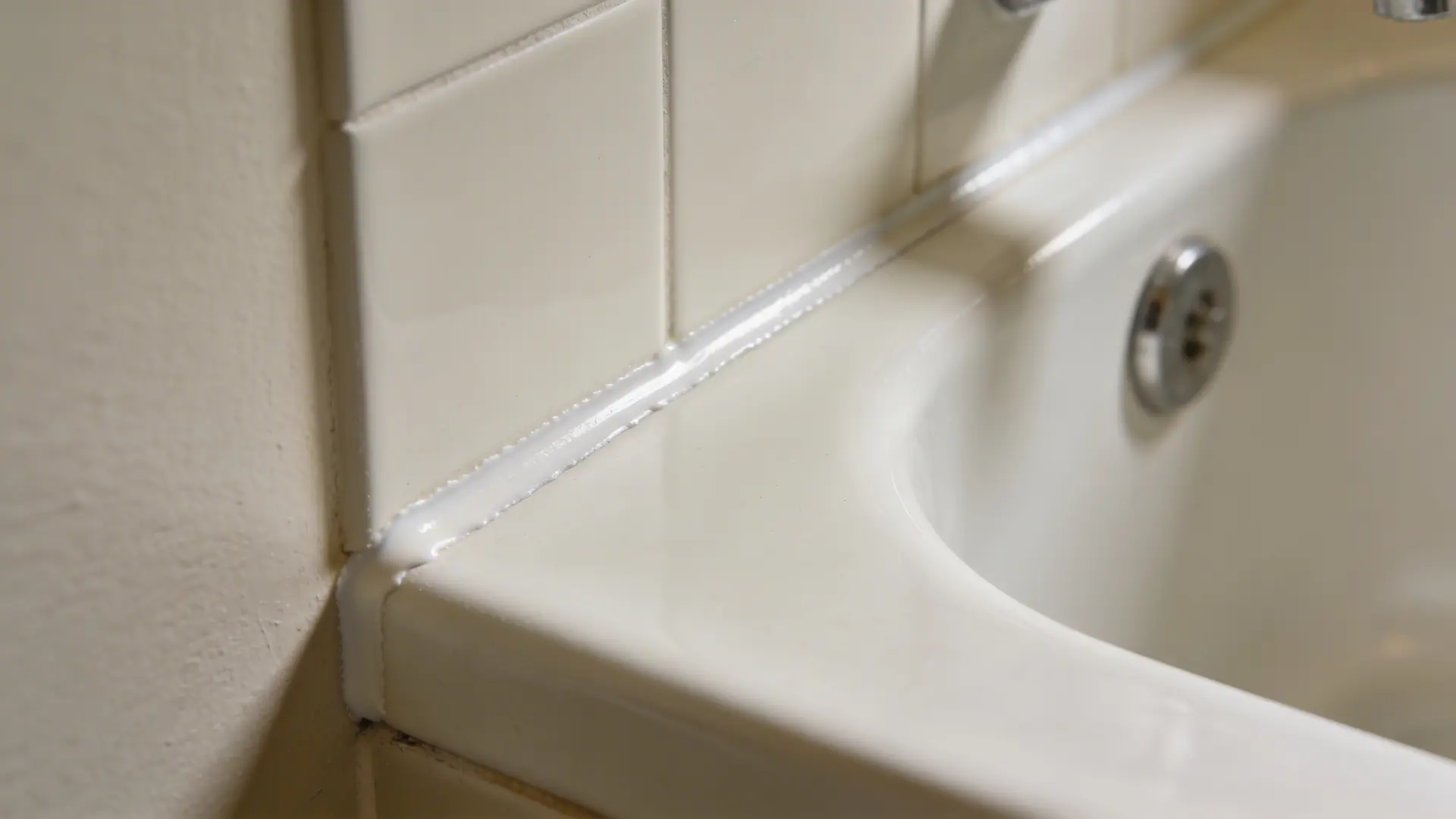
Sealing gaps around utility penetrations, weatherstripping doors and windows, keeping firewood stored away from the home’s exterior, and eliminating standing water in the yard all reduce the attractiveness of your property to the pests most common in the Saratoga area.
Attic and basement inspections should be part of any homeowner’s seasonal routine in this region.
These are the spaces where rodents and wildlife most commonly establish themselves, and catching activity early through regular visual checks significantly reduces the scale and cost of any required remediation.
Landscaping choices also play a role in pest pressure. Trees and shrubs in direct contact with the roofline or exterior walls provide a bridge that squirrels, carpenter ants, and other climbing pests use to access the home.
Keeping vegetation trimmed back from the building removes that pathway and reduces the likelihood of entry.
Saratoga Springs is a wonderful place to own a home, and protecting that investment from the pest pressures that come with the region’s climate, landscape, and housing stock is one of the most practical things a homeowner can do.
With the right professional support and a year-round prevention mindset, keeping pests out of your home is entirely achievable.