Settling Cracks in House: When to Worry and When to Relax
That thin crack you noticed might seem small, but it can raise big questions. Settling cracks in house walls and ceilings are part of how homes adjust over time, yet not all cracks mean the same thing
Some stay harmless for years, while others quietly signal deeper movement below the surface. The tricky part is knowing which is which.
Today, I’ll help you understand why these cracks appear, how to read their patterns, and what subtle changes you should never ignore. By the end, you’ll feel more confident spotting what matters and what doesn’t.
What House Settling Cracks Mean
Houses don’t stay perfectly still. Over time, the ground beneath them shifts, moisture levels rise and fall, and natural forces slowly affect the structure.
When this movement happens unevenly, it puts pressure on the foundation. That pressure looks for an escape point and usually shows up as cracks around weaker areas like window corners, door frames, or drywall seams.
Most homes develop a few cracks as they age. In many cases, these are only surface-level changes and don’t affect safety.
The key is knowing how to tell a normal settling crack from one that signals a deeper issue.
What Causes Settling Cracks
Cracks don’t appear randomly. They form because of ongoing changes happening both below and within your home.
Soil plays a major role. It expands when it absorbs water and shrinks as it dries, creating a constant push-and-pull effect on your foundation.
If the soil wasn’t evenly compacted during construction, some sections of the home settle faster than others. That uneven settling transfers stress upward into the walls and ceilings.
Materials inside the home also respond to seasonal changes. Concrete, wood, and drywall expand in heat and humidity, then contract as conditions cool and dry. Over time, this repeated movement weakens joints.
When pressure builds up in one area, whether from soil movement, uneven support, or material changes, cracks form as a natural release.
Types of Settling Cracks and What They Indicate
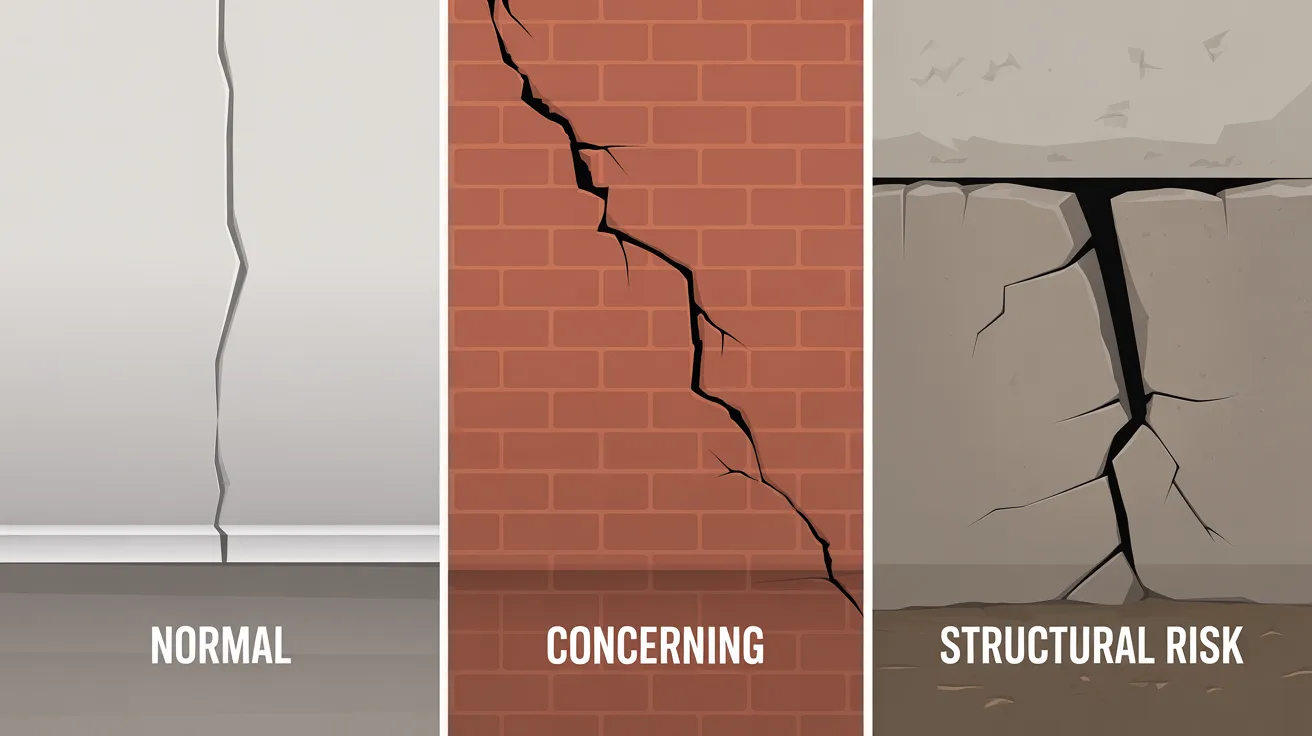
Not all cracks are created equal. Understanding what type you’re dealing with helps you act quickly, or relax completely.
1. Normal Settling Cracks
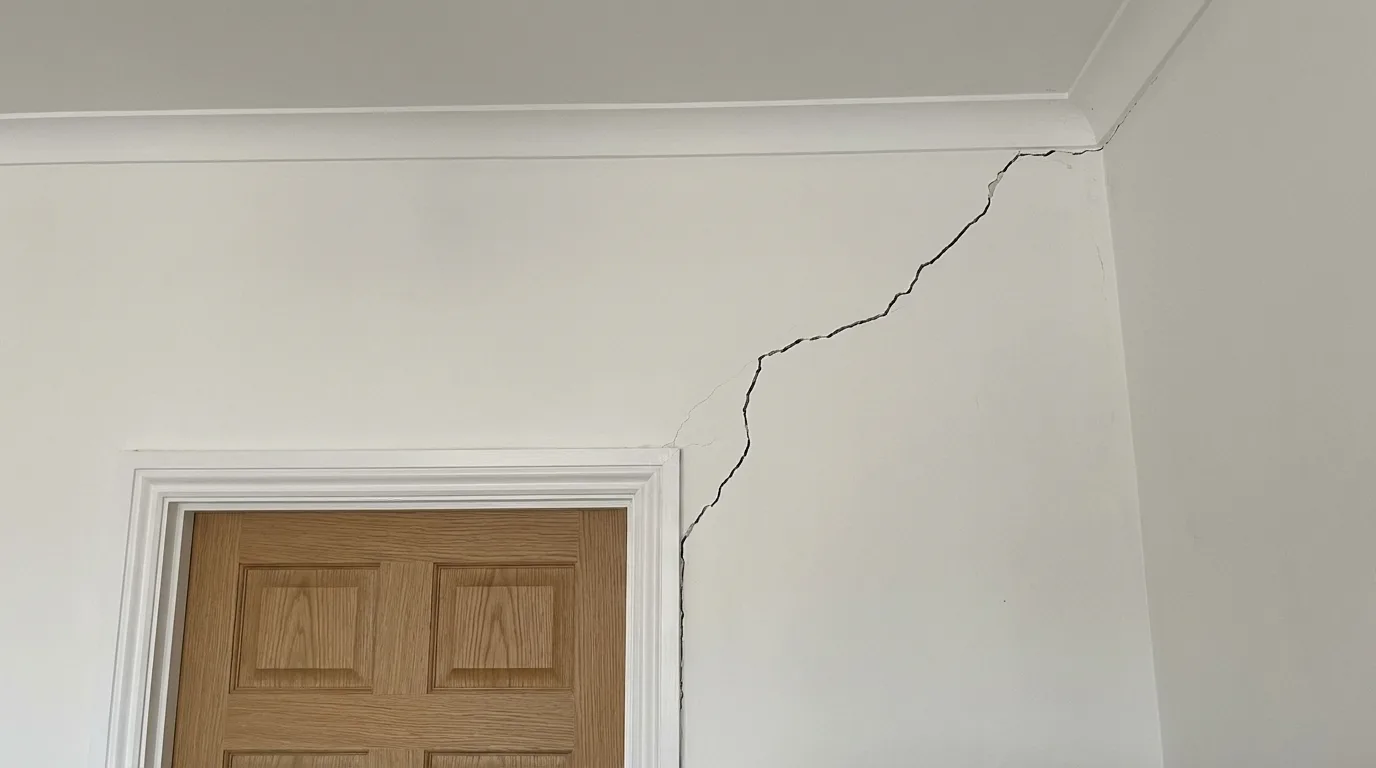
These are the cracks most homeowners will come across at some point. They’re thin hairline lines, less than 1/16 inch wide, running vertically or at a slight diagonal.
You’ll spot them in drywall, plaster, or above door and window frames. They stay stable over time and don’t grow or spread, purely cosmetic and nothing to worry about.
2. Concerning Cracks
These go beyond normal settling and deserve a closer look. They’re wider than 1/8 inch, often running diagonally or in stair-step patterns along walls or brick joints.
They typically appear near foundation edges or load-bearing walls and tend to spread over time. If the crack is changing, the underlying movement likely hasn’t stopped.
3. Structural Risk Cracks
These require immediate attention and a professional evaluation.
Look for horizontal cracks in foundation walls, visible displacement where one side sits higher than the other, or large gaps forming at joints.
Cracks that reappear shortly after repair are also a red flag. These indicate active movement that can compromise load-bearing elements and affect your home’s overall stability.
How to Read a Settling Crack in Your Home
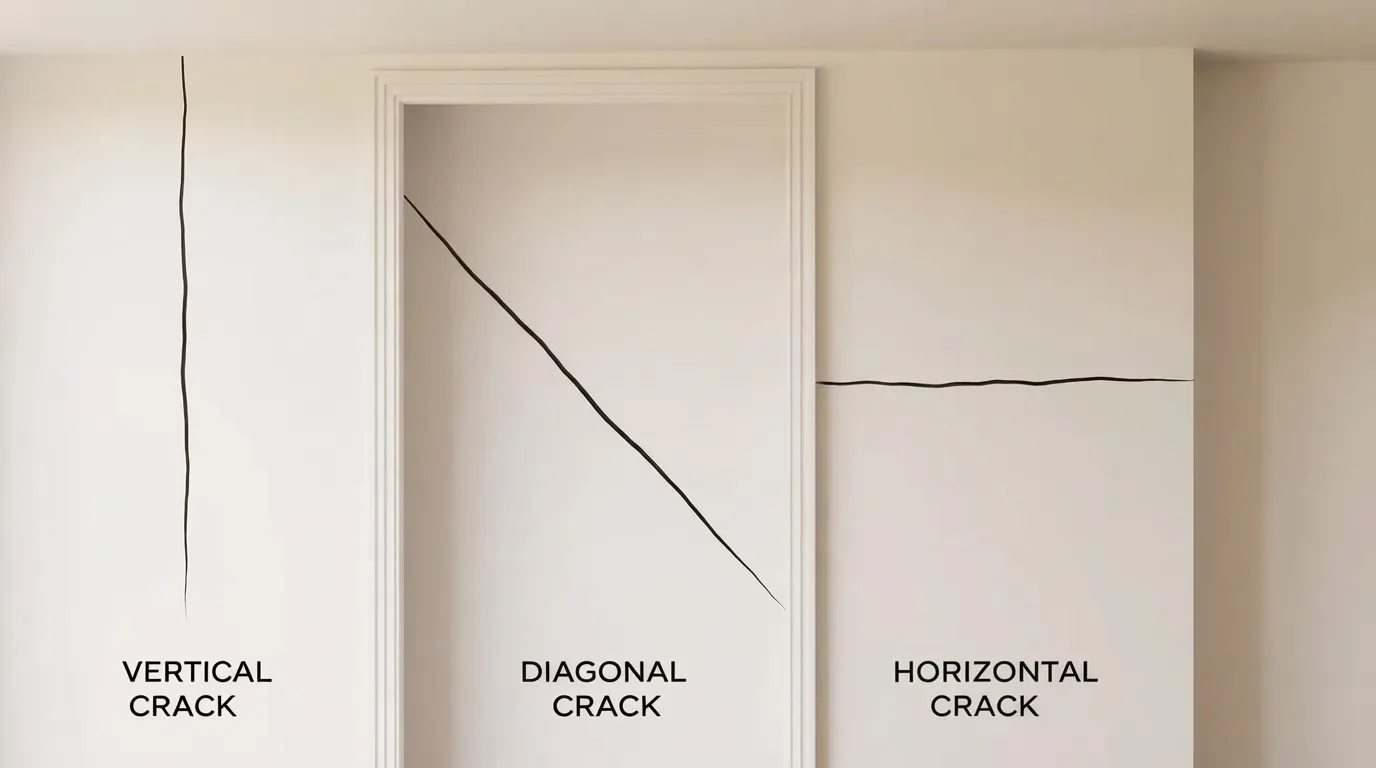
Cracks can tell you a lot about what’s happening in your home. You just need to look at the right details. Focus on three things: direction, size, and location. Together, they help you understand whether the crack is minor or something more serious.
Direction
The direction of a crack is your first clue. It shows how stress is moving through the structure.
- Vertical cracks usually mean low stress and are often just surface-level changes.
- Diagonal cracks suggest uneven settling under the foundation, where one part of the home is shifting more than another.
- Horizontal cracks are the most concerning. These often point to pressure from soil pushing against your walls, especially in foundation areas.
In most cases, the more horizontal the crack, the higher the risk.
Size
The width of a crack tells you how much movement is involved. Even small changes in size can matter over time.
- Under 1/16 inch: Common and usually linked to minor shrinkage or normal settling.
- Between 1/16 and 1/8 inch: Shows moderate stress and should be monitored regularly.
- Over 1/8 inch: Indicates stronger movement and needs professional evaluation.
Size gives you a quick snapshot, but it shouldn’t be your only measure.
Location
Where the crack appears helps you understand how it affects the structure.
- Above doors and windows: These are natural weak points, so cracks here are common and often low risk.
- Along foundation walls or load-bearing areas: These deserve closer attention since they can affect structural support.
- Recurring cracks in the same spot: A strong sign that movement is still active beneath the surface.
A common mistake is assuming small cracks are always safe. In reality, a small crack that keeps growing is more concerning than a larger crack that stays unchanged.
Signs the Cracks Indicate a Bigger Problem
Cracks alone don’t always tell the full story. These accompanying signs suggest that something deeper may be at work.
- Doors or windows that stick, jam, or no longer close properly
- Visible gaps forming between walls and the floor or ceiling
- Floors that feel uneven, bouncy, or slope in one direction
- Cracks that return shortly after being filled or repaired
- Stair-step cracking along exterior brick or mortar joints
- Walls visibly bowing, leaning, or pulling away from the structure
One symptom on its own may not be alarming. But when multiple signs appear together, they point to ongoing movement in the foundation, not just normal settling.
How to Tell if a Crack is Active or Stable
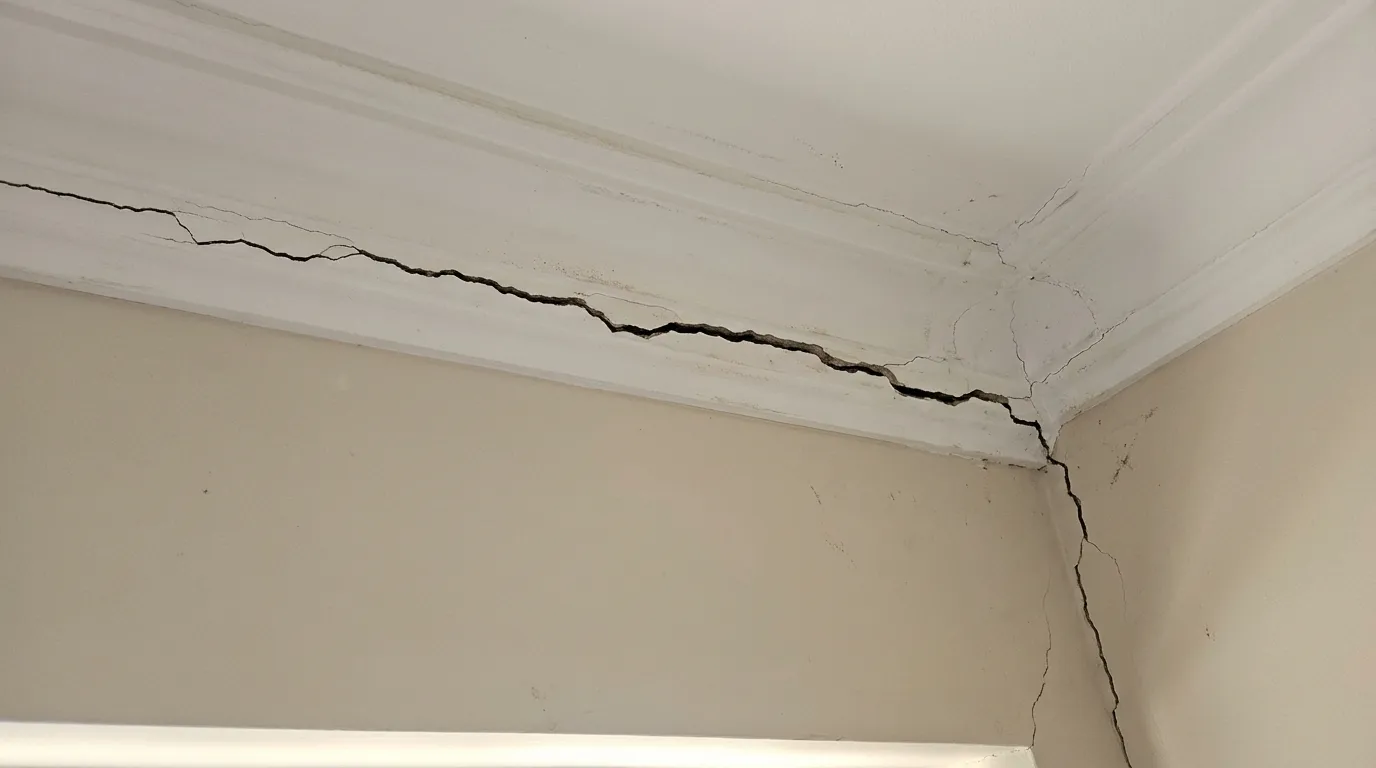
Not every crack needs urgent action. The real question is simple: Is it still moving, or has it stopped?
The easiest way to find out is to track it over time. Start by marking both ends of the crack with a pencil and writing the date next to it. Check it again every few weeks to see if anything has changed.
You don’t need tools or expertise. Just a few basic checks can tell you a lot.
Here’s what to watch for:
- Width changes: Measure the crack from time to time. If it gets wider, even slightly, it points to ongoing movement.
- Length growth: If the crack extends past your original marks, it means the stress is still active.
- New cracks nearby: Fresh cracks close to the original one suggest the issue is spreading.
- Reappearing cracks: If you fill a crack and it comes back, the underlying cause hasn’t been resolved.
A stable crack stays exactly the same. No change in width, no increase in length, and no new activity around it.
An active crack behaves differently. It slowly grows, spreads, or returns after repair. That’s a sign the movement beneath your home is still happening and may need professional attention.
If you’re unsure, take clear photos and note the date each time. Over a few weeks or months, this creates a simple record that makes changes easy to spot and easier to explain if you bring in an expert.
When to Be Concerned
Not all cracks need immediate attention, but some shouldn’t be ignored. These clear thresholds will help you decide when it’s time to take action:
| Warning Sign | What It Means | Action Required |
|---|---|---|
| Crack wider than 1/8 inch | Significant stress on the structure | Get a professional inspection |
| Horizontal or stair-step pattern | Lateral pressure or uneven settlement | Inspect immediately |
| Crack grows after monitoring | Active movement still ongoing | Don’t delay, call a specialist |
| Multiple cracks across the house | Widespread foundation stress | Full structural assessment needed |
| Cracks return after repair | Underlying cause unresolved | Professional diagnosis required |
| Doors, floors, or walls showing symptoms | Structural movement beyond surface level | Treat as urgent |
The longer active cracks go unaddressed, the more stress accumulates in the foundation. What starts as a minor issue can escalate into costly structural damage over time.
Common Misconceptions About Settling Cracks
Many homeowners brush off cracks based on assumptions that aren’t always true. These myths can lead to delayed action, and that delay often makes things worse.
1. All cracks are normal.
Some indicate serious structural stress needing immediate attention.
2. Only new homes settle.
Older homes shift too, often more unpredictably over time.
3. Small cracks are always safe.
A growing crack, however small, signals ongoing movement.
4. Fixing the crack fixes the problem.
Patching the surface doesn’t stop the underlying cause.
Taking cracks at face value can lead to bigger, costlier problems down the line.
The safest approach is to stay informed, monitor changes, and never assume a crack is harmless just because it looks minor. When something looks off, it’s always worth a closer look.
Conclusion
Not every crack is a problem, but every crack tells you something. Settling cracks in house walls and ceilings become easier to handle once you know what signs to watch for and how they behave over time.
The real advantage comes from paying attention early instead of reacting late. A small shift today can stay minor if you catch it, or turn costly if ignored.
What matters most is staying aware, tracking changes, and trusting what you see in your home. Take a few minutes to inspect your space today, note anything unusual, and act early if something feels off.
Frequently Asked Questions
Can Settling Cracks in a House Affect Its Resale Value?
Cosmetic cracks rarely impact value, but structural ones can lower offers or derail sales entirely. Buyers and inspectors both flag foundation cracks. Addressing visible issues before listing protects your asking price and builds buyer confidence.
Are Settling Cracks Covered Under Homeowners Insurance?
Most standard policies don’t cover settling cracks since they result from gradual movement. Coverage depends on the cause. Some policies include foundation issues from specific events. Always check your policy details directly with your insurer.
How Often Should a Home Be Inspected for Foundation Cracks?
Every three to five years is a reasonable baseline. Homes in areas with expansive soil or heavy rainfall may need annual checks. Early detection consistently reduces long-term repair costs.
Do Basement Walls Develop Different Cracks than Above-Ground Walls?
Yes. Basement walls face direct soil and water pressure, making horizontal cracks more common and serious. Above-ground walls typically show diagonal or vertical stress cracks. The same pattern carries different risk levels depending on location.