How to Create a Calmer Home for Pets Recovering From Injury or Aging
When a pet begins recovering from an injury or starts slowing down with age, the atmosphere inside the home changes almost immediately. People lower their voices instinctively. Movement around the house becomes more careful. Furniture gets rearranged slightly. Walks become slower and more intentional. Families start paying attention to details they barely noticed before because comfort suddenly matters in a much more emotional way.
What many owners discover during this period is that recovery is not only physical. Pets respond strongly to stress levels, noise, routine changes, and how safe movement feels inside the home itself. A calmer environment can make a noticeable difference in confidence, mobility, and overall emotional comfort, especially for dogs struggling with weakness, arthritis, surgery recovery, or long-term mobility challenges.
The goal is rarely creating a perfect recovery setup overnight. The most supportive homes usually improve through smaller adjustments that gradually make everyday life easier and less stressful for the animal.
Floors Affect Confidence More Than People Expect
One of the first things aging or recovering pets struggle with is footing. Slippery hardwood, tile, and laminate floors can quickly create anxiety because dogs begin worrying about losing balance every time they stand up or turn suddenly.
Owners often focus entirely on pain or weakness while overlooking how emotionally stressful unstable footing becomes throughout the day. Dogs start hesitating before walking into certain rooms. Some avoid standing unless necessary. Others move too cautiously because they no longer trust the floor beneath them.
Adding rugs, runners, textured mats, or softer walking surfaces can immediately reduce some of that tension. The change seems simple, but pets usually notice quickly once movement starts feeling safer again.
Calmer movement creates calmer behavior overall because the dog no longer feels physically uncertain every few steps.
Mobility Support Helps Pets Stay Emotionally Engaged
One difficult part of recovery or aging is that dogs still want involvement even when their bodies become less reliable. They still want to follow family members, spend time outside, greet visitors, and participate in routines they recognize emotionally.
Mobility support can help preserve that connection. Products fromhttps://walkinpets.com/ are designed around helping animals remain active and included instead of becoming isolated by physical limitations. That emotional inclusion matters heavily because pets often become frustrated or withdrawn once movement starts feeling impossible.
For dogs needing more complete support because of front and rear leg weakness, recovery from neurological issues, or severe mobility decline, systems such as a 4-wheel dog wheelchair can help reduce strain while allowing continued movement through familiar routines and environments.
The emotional shift can be surprisingly significant once pets regain some independence again.
Quiet Layouts Reduce Stress
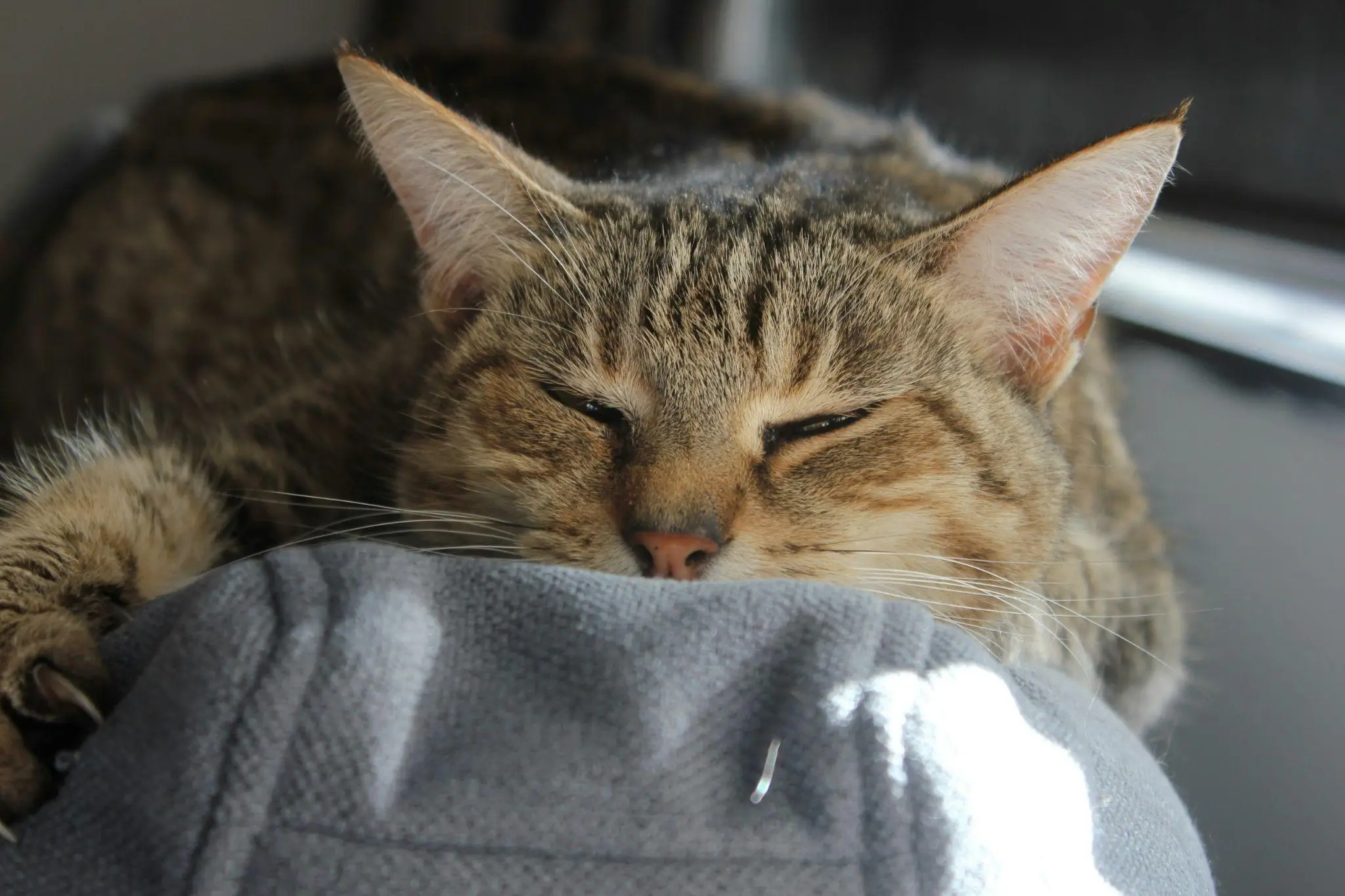
Another thing people begin noticing during pet recovery is how overstimulating homes sometimes become without anyone realizing it. Loud televisions, cluttered pathways, sudden movement, and constant foot traffic can quietly increase stress levels for animals already struggling physically.
Simplifying room layouts often helps more than expensive upgrades. Clear walking paths reduce hesitation. Softer lighting creates calmer evenings. Dedicated resting spaces allow pets to relax without constantly adjusting around household movement.
Open, functional home layouts also make navigation easier for dogs using mobility aids or recovering from surgery. Homes emphasizing comfort, accessibility, and livable design principles similar to environments associated withhttps://www.urbnlivn.com/ naturally tend to feel less chaotic for both pets and humans.
The calmer the environment feels physically, the less emotionally exhausting daily movement becomes for the animal.
Routine Stability Helps Recovery
Pets rely heavily on predictability, especially during periods of physical vulnerability. Stable feeding times, familiar walking schedules, and consistent sleep environments help reduce anxiety because the dog knows what to expect throughout the day.
Owners sometimes unintentionally create additional stress by constantly changing routines after injuries occur. Over-monitoring, emotional tension, or excessive stimulation can overwhelm pets already trying to adapt physically.
Calmer consistency usually works better. Gentle routines, manageable activity levels, and quiet reassurance allow dogs to rebuild confidence gradually without feeling pressured constantly.
Even small rituals matter emotionally. Sitting outside together at the same time each evening, maintaining familiar sleeping arrangements, or continuing short neighborhood walks can create strong feelings of safety and normalcy.
Recovery Spaces Should Feel Included, Not Isolated
One common mistake is placing recovering pets too far away from household activity in the name of “rest.” While quiet recovery areas matter, most dogs still want to remain emotionally connected to the family environment.
Pets usually recover better when they can still observe daily life without being overwhelmed by it. Beds positioned near common living spaces often work better than isolating dogs completely in separate rooms for long periods.
The emotional balance matters. Dogs need rest, but they also need reassurance that they still belong inside ordinary household routines. Inclusion helps prevent frustration, boredom, and emotional withdrawal during slower recovery periods.
That emotional connection becomes especially important for aging dogs whose mobility changes gradually over time.
Slower Homes Usually Feel Better for Everyone
One unexpected thing families often notice during pet recovery is that calmer routines benefit humans too. Slower evenings, quieter movement, softer spaces, and more intentional pacing can change the emotional atmosphere of the entire household.
People become more patient. Conversations feel less rushed. Outdoor time becomes more meaningful. Small routines carry more emotional weight once everyone slows down enough to notice them.
Aging and recovering pets quietly reshape homes around comfort, patience, and emotional presence rather than speed or efficiency. The strongest recovery environments are rarely the most expensive or technically advanced. They are the homes where movement feels safe, routines feel stable, and pets still feel emotionally included in ordinary daily life every single day.