Granite Kitchen Sink Buying Guide for Homeowners
The granite kitchen sinks give your space a solid, premium feel while handling daily cooking and cleaning with ease. Homeowners who upgrade from stainless steel often notice less noise, fewer visible scratches, and a more seamless look with stone or quartz benchtops. This guide walks you through the key decisions so you can buy with confidence. You will learn the difference between granite composite and natural granite, how to choose the right size and bowl layout, and which installation style suits your benchtop. We will also cover durability, finishes, and cleaning. Use these tips to select a granite sink that looks stunning and works hard for years.
What Should You Know Before Buying a Granite Sink?
Understanding Granite Composite vs Natural Granite
Granite sinks usually come in two main types: natural carved granite and engineered granite composite. Natural granite sinks are cut from single stone blocks. They look unique and luxurious, but they can be heavy, porous, and more prone to staining if you skip regular sealing. Granite composite blends crushed granite or quartz with resin. This mix creates a dense, non‑porous surface that resists stains, scratches, and thermal shock. A granite quartz stone undermount sink, for example, combines real stone with modern engineering for long‑lasting performance. Most homeowners choose composite because it offers consistent color, easier maintenance, and better impact resistance at a more affordable price point.
Choosing the Right Sink Size and Bowl Configuration
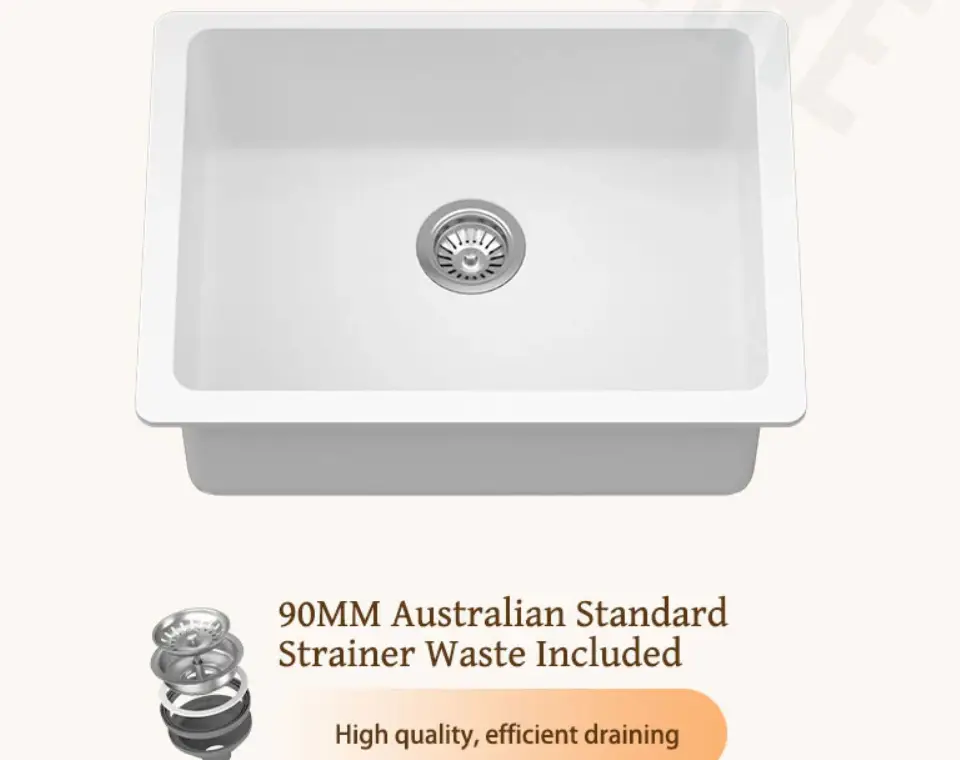
Sink size should match your cabinet width, bench depth, and how you actually cook and clean. Measure the base cabinet first; many standard cabinets fit sinks around 600–800mm long. A single bowl granite quartz stone sink with a 565mm by 415mm bowl, inside a 635mm overall length, offers a large, uninterrupted space for baking trays, pots, and even laundry tasks. Double bowls help when you want to separate washing and rinsing, but each bowl becomes smaller. Consider your dishwasher use, family size, and bench space. Larger sinks feel luxurious but reduce usable countertop. Balance generous capacity with enough room left for food prep and appliances.
Installation Types: Undermount vs Drop-In
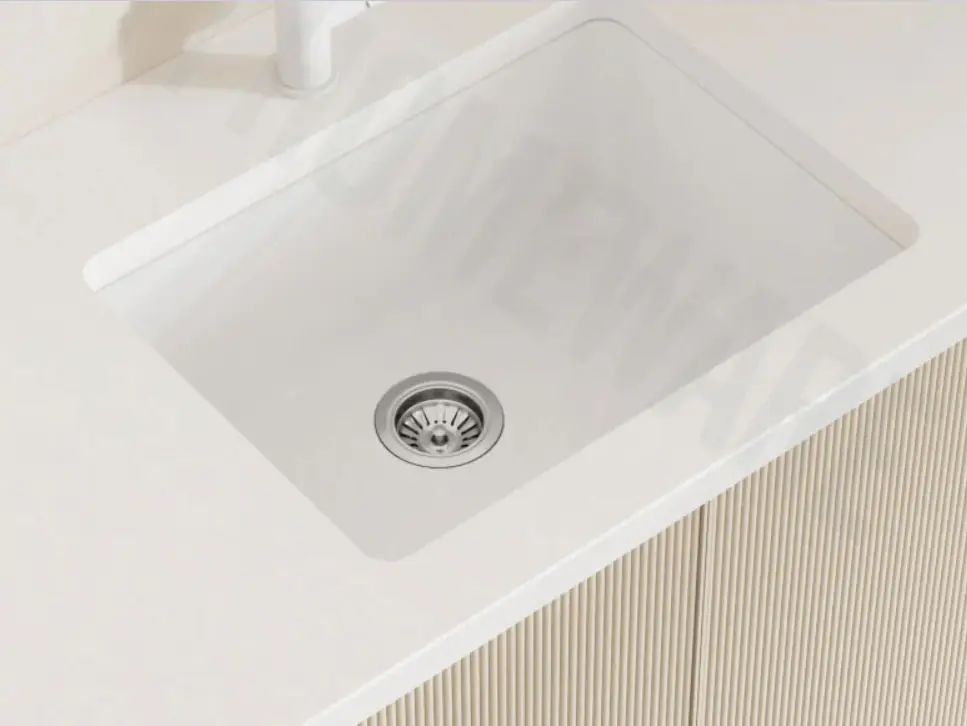
Undermount granite sinks sit below the benchtop, fixing to the underside of stone, quartz, or solid surfaces. This style gives a clean, modern line and lets you wipe crumbs straight into the bowl with no rim in the way. A granite quartz stone undermount single bowl is ideal for this seamless look and easy cleaning. Drop‑in, or top‑mount, sinks rest on the countertop with a visible lip. They are easier to install, often cheaper, and can suit laminate benchtops that cannot take undermount cuts. However, the rim can collect grime and breaks the smooth counter flow. Choose undermount for sleek design, drop‑in for simpler fitting or retrofits.
Key Features to Look for in a Granite Kitchen Sink
Durability, Heat Resistance, and Scratch Protection
A good granite sink should withstand heavy daily use without losing its finish. Check the composition and thickness of the material. Granite quartz stone composite sinks offer impressive strength because the stone content and resin bond form a dense, solid structure. This makes them highly resistant to impacts from pots and pans. Look for heat resistance that handles hot cookware and boiling water without warping or discoloring. Thermal shock resistance is vital; quality granite composite sinks tolerate sudden temperature changes better than cheaper plastics. Scratch resistance also matters. A robust granite surface will not show utensil marks easily and helps maintain a pristine appearance for years, even in busy family kitchens and laundry rooms.
Color Options, Finishes, and Design Styles
Color and finish decide how well your new sink blends with cabinets, benchtops, and appliances. Popular granite sink colours include classic white, warm greys, and bold Matt Black. A white granite quartz stone undermount sink suits light stone or Hamptons‑style kitchens, creating a bright, fresh feel. Matt Black pairs beautifully with timber, concrete, and modern monochrome schemes for strong contrast. Check whether the finish is smooth, satin, or lightly textured, because that affects how water spots and fingerprints show. Single bowl undermount designs deliver clean, contemporary lines, while double bowls or models with drainboard areas suit more traditional or utility‑focused setups. Select a style that enhances your kitchen’s character yet remains timeless.
Maintenance Needs and Cleaning Requirements
Granite composite sinks are low‑maintenance, but they still need consistent care. For daily cleaning, use a soft cloth or sponge with mild dish soap and warm water to remove grease and residue. Avoid harsh abrasives and steel wool that can dull the finish. A well‑made granite quartz stone sink resists stains, yet dark liquids or dyes can still sit on the surface; rinse and wipe quickly after contact. For deeper cleaning, use non‑abrasive cream cleansers approved for stone composites. Hard water marks respond to equal parts water and white vinegar, followed by a thorough rinse. Do not leave bleach or strong chemicals soaking in the bowl. Proper care preserves color, luster, and protective properties.
How to Choose the Best Granite Sink for Your Kitchen?
Start with your base cabinet size, plumbing position, and benchtop material. These factors narrow the sink dimensions and installation method. If you have stone or quartz benches, an undermount granite quartz stone single bowl creates a flush, easy‑clean transition. Next, think about function. Large families or avid cooks may benefit from a generously sized 565mm by 415mm bowl, which fits bulky pots and oven trays. Decide whether you prefer a single, uninterrupted space or a divided bowl for multitasking. Then match color and finish with your kitchen palette: white for bright, airy spaces or Matt Black for a sleek, dramatic touch. Check durability, heat and scratch ratings, and warranty terms. Finally, confirm your tap hole layout and accessories, such as strainers, baskets, and drain covers.
Conclusion
Choosing a granite kitchen sink becomes simple when you break the decision into clear steps. Understand the benefits of granite composite over natural stone, measure carefully for cabinet and bench fit, and pick the installation style that suits your surface and design goals. A solid granite quartz stone undermount single bowl sink in White or Matt Black delivers strength, stain resistance, and a smooth, modern look that elevates both kitchen and laundry spaces. Focus on durability, color, and cleaning needs so the sink stays beautiful under daily use. With thoughtful planning, your new granite sink will anchor the room and support every task for many years.