
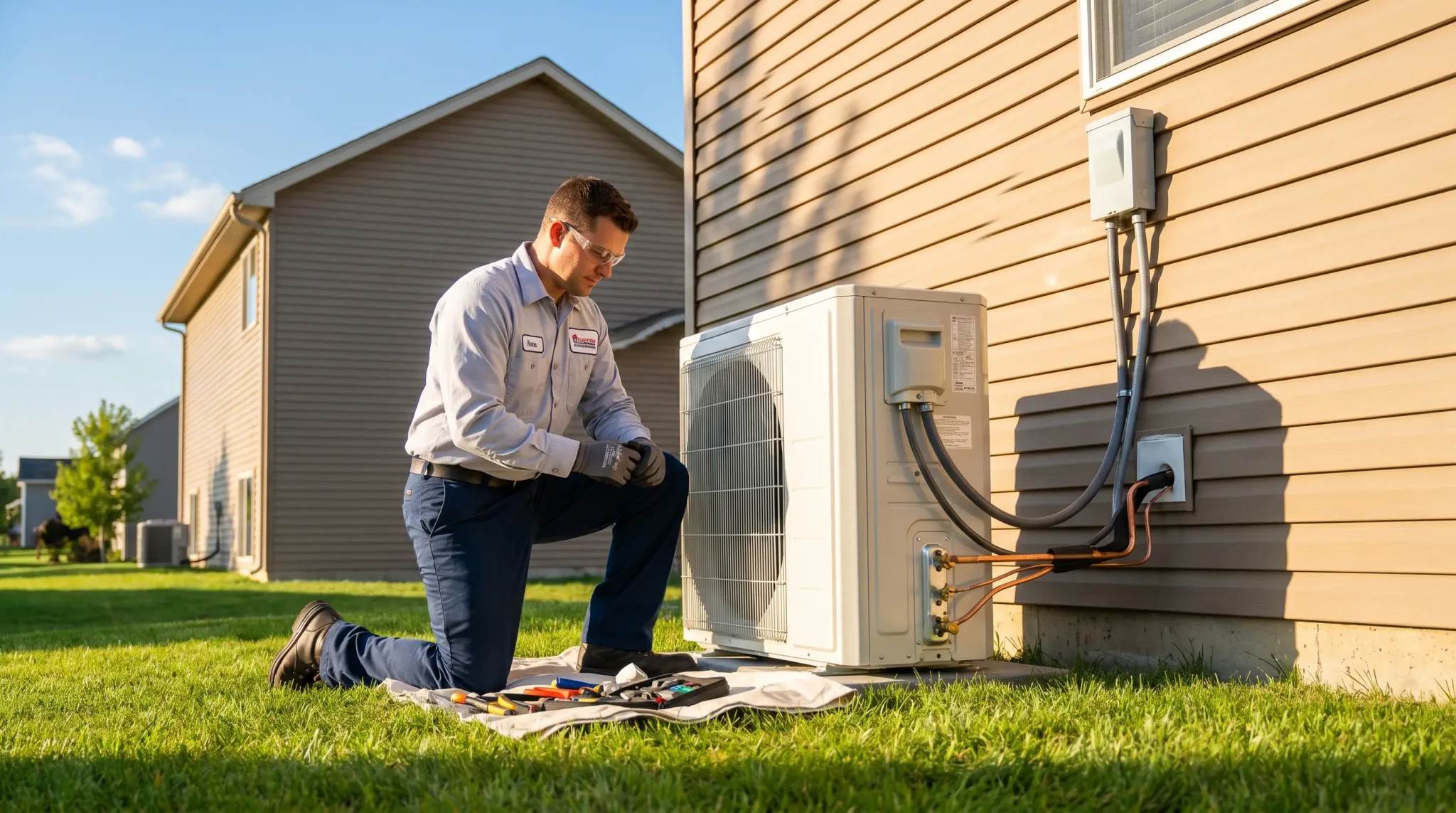
How to Replace Your Air Conditioner Unit
When summer heat becomes too much, a working air conditioner is essential for your comfort and health. But what if your AC unit starts to fail? It might be time to replace it. Replacing an air conditioner can seem overwhelming, but it is a simple process with the right information.
Let’s learn more about how to replace your air conditioner unit.
Know When to Replace
Knowing when to replace an air conditioner is important. Most units last 10 to 15 years. If yours is getting old, it may be less efficient, leading to higher energy bills. Frequent repairs can also add up, making a new unit a better choice.
Watch for signs that your unit needs to be replaced. If it makes loud noises or doesn’t cool effectively, consider a replacement. Also, if repair costs exceed half the price of a new unit, buying a new one may save you money in the long run.
Choosing Your New Air Conditioner
After deciding to replace your unit, you need to choose a new one. Consider the size of your space and your heating and cooling needs. An HVAC professional can help you find the right size. A unit that’s too small won’t cool your home, while one that’s too big will waste energy by cycling on and off too often.
Check the energy efficiency ratings. Units with higher SEER (Seasonal Energy Efficiency Ratio) ratings can save you money on energy bills. Research different brands, read reviews, and weigh your options carefully. Each model has unique features, so pick one that fits your comfort needs and budget.
Air Conditioner Installation
Don’t rush the installation of your new air conditioner. While some may want to do this themselves, it’s usually better to hire professionals. Incorrect installation can lead to issues such as poor cooling and unit damage.
A qualified technician will properly help with your air conditioner installation, sealing ducts and ensuring all parts work together. They will also check for required permits and comply with local codes, preventing future problems. Professional installation helps you get the most out of your new unit, keeping your home cool for years.
Preparing for the Installation
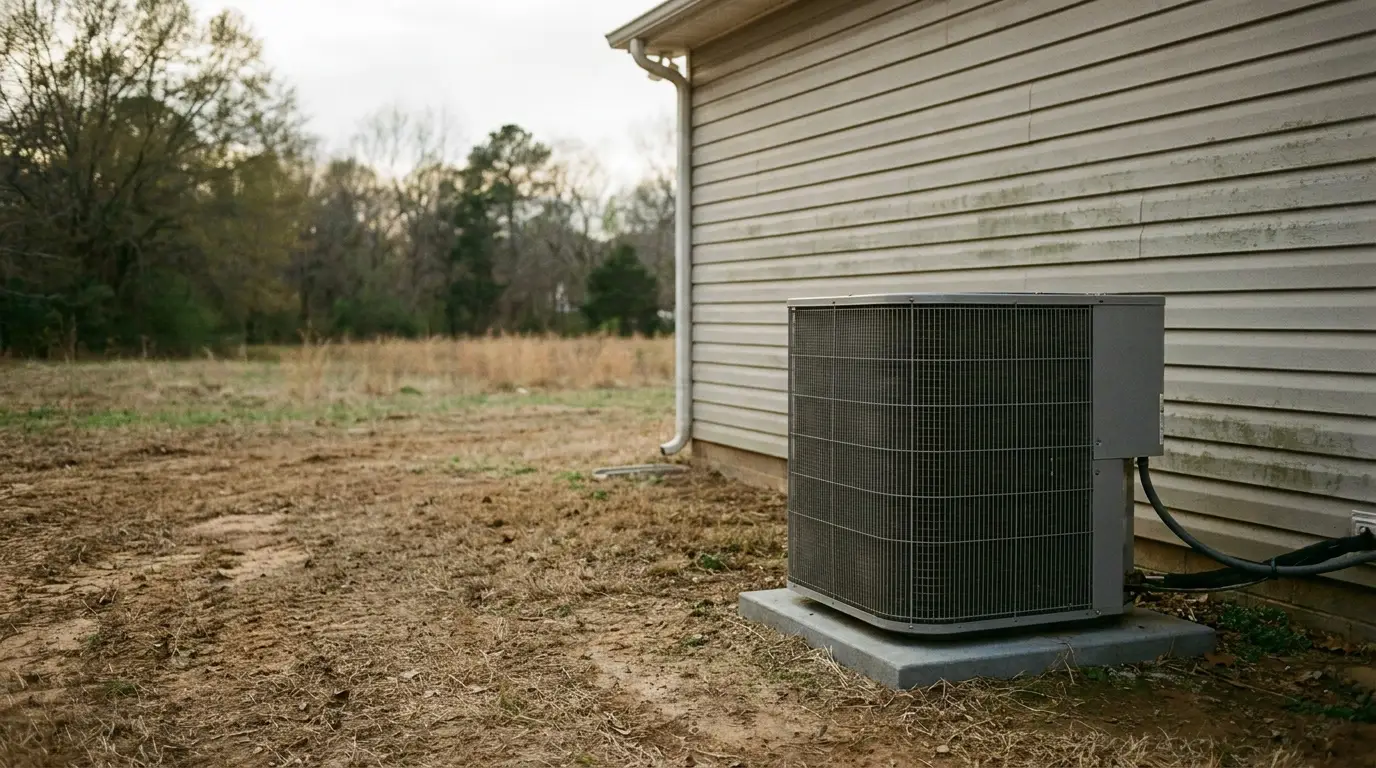
After selecting your AC unit and scheduling the installation, prepare the area. Clear both the indoor and outdoor spaces. The outdoor compressor should have no obstructions, such as shrubs or furniture, blocking airflow.
Also, plan for the installation day. It may take several hours, so consider how it will affect your home, especially if it’s warm. Keep pets out of the work area to keep them safe and allow technicians to move around easily.
Finishing Touches and Maintenance
After you install your new air conditioner, take some time to learn how to use it, especially the thermostat. Knowing how it works will help you stay comfortable and save energy.
To keep your air conditioner running well and lasting longer, perform regular maintenance. This means changing the filters regularly and scheduling yearly check-ups with your HVAC technician. A well-maintained air conditioner will work better and help prevent breakdowns during the hottest days.
Understanding Different Types of Air Conditioners
Before you choose an air conditioner, learn about the different types available. Central air conditioning systems cool your whole home and work well for larger spaces. These systems need ductwork, so if your home doesn’t have ducts, consider ductless mini-split systems. These are efficient and let you control the temperature in each room.
Portable and window air conditioners are suitable for smaller spaces and are usually more affordable. However, they may not cool as effectively as central or ductless systems. Think about your needs, space, and budget to find the best option for you.
Financing and Rebates
Buying a new air conditioner can be costly, so look into financing options or rebates. Many utility companies offer incentives for buying energy-efficient units, helping reduce upfront costs. Some retailers and manufacturers also provide payment plans to help you buy your new air conditioner over time.
Check for local or federal tax credits for energy-efficient home improvements, which can ease your financial burden. By doing some research, you can find ways to make your new air conditioner more affordable while enjoying the latest technology.


