The Importance of Addressing Small Water Issues Before They Escalate
It usually starts with something minor that is easy to dismiss. A tiny damp patch on the wall, a faint musty smell after a rainy day, or a small puddle that appears in the same corner every few weeks. Many homeowners assume these are harmless inconveniences that can wait until the next home improvement project.
I’ve learned that water rarely fixes itself. Even the smallest signs of moisture often point to a larger issue developing behind the walls, beneath floors or around the foundation. Acting early doesn’t just save money, it protects your home’s structure, comfort and long-term value. This post examines why small water problems rarely stay small, common early warning signs and more.
Why Small Water Problems Rarely Stay Small
Water has a way of finding the path of least resistance. Once it enters your home, it can spread through porous materials like drywall, wood, insulation and concrete. What seems like a cosmetic issue today can quietly become a structural concern months later.
I’ve spoken with homeowners who postponed fixing a minor leak because it didn’t seem urgent. By the time they decided to investigate, they were dealing with warped flooring, mold growth and costly repairs that could have been avoided with early intervention.
Common Early Warning Signs
Knowing what to watch for makes all the difference. Some warning signs are obvious, while others are surprisingly subtle. Look out for:
- Persistent musty odors
- Water stains on ceiling or walls
- Peeling paint or bubbling wallpaper
- Damp spots on basement floors
- White, chalky residue on concrete surfaces
- Small cracks that appear to collect moisture
- Increased indoor humidity without a clear reason
None of these symptoms automatically indicate a major problem, but each deserves attention before it has a chance to worsen.
The Hidden Costs of Waiting
One mistake homeowners make is assuming they’ll save money by delaying repairs. Unfortunately, the opposite is often true. Small water issues can lead to:
- Mold and mildew growth
- Rotting wooden framing
- Damaged insulation
- Foundation deterioration
- Electrical hazards
- Reduced property value
- Higher repair bills over time
Addressing the source early is almost always less expensive than repairing widespread damage later.
Don’t Overlook Your Basement
Basements are particularly vulnerable because they’re surrounded by soil that naturally holds moisture. Seasonal rainfall, melting snow, poor grading and clogged drainage systems can all increase pressure against foundation walls.
If you notice recurring dampness below ground level, it’s worth consulting professionals who understand regional conditions. Homeowners researching basement waterproofing Minnesota solutions often discover that preventive measures are far more affordable than repairing years of accumulated water damage. Proper waterproofing keeps moisture out and helps preserve your home’s structural integrity for decades.
Prevention Is Always Better Than Restoration
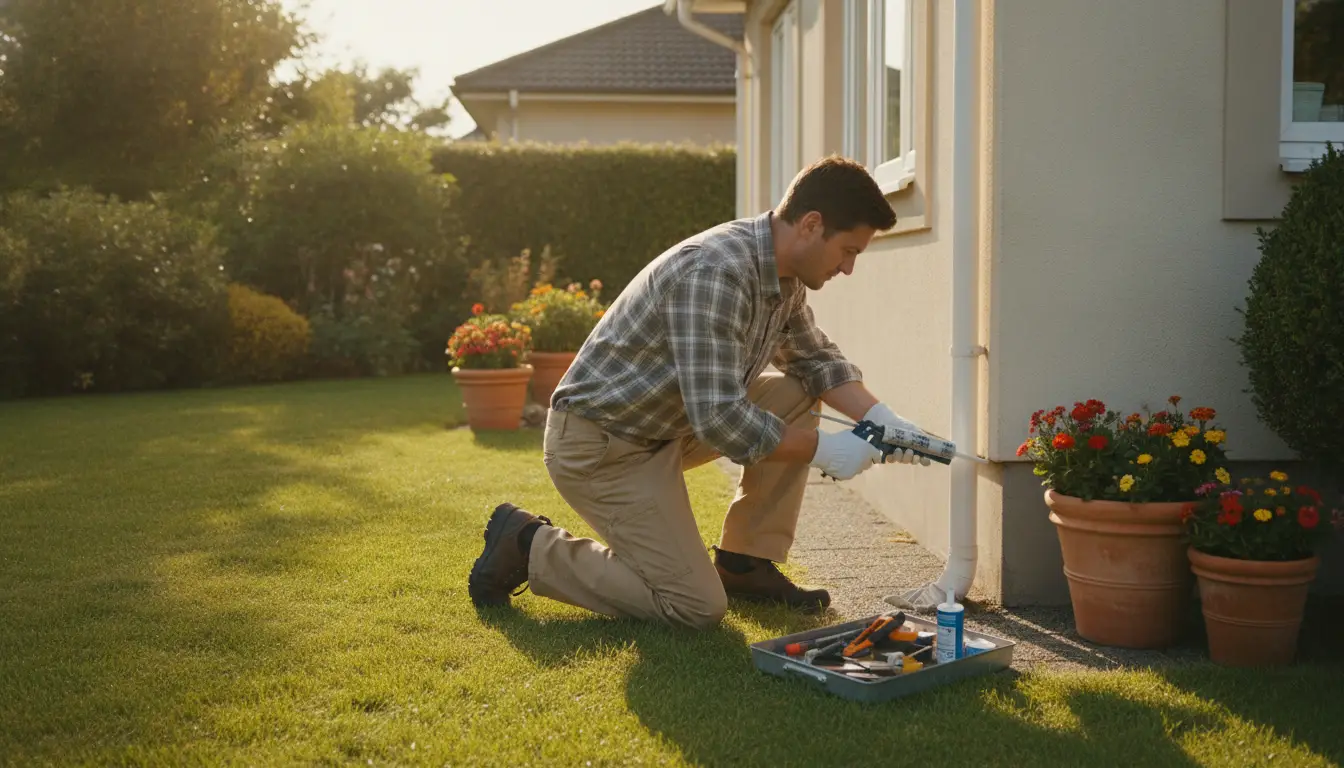
One habit I’ve developed over the years is performing quick seasonal inspections around my home. They don’t take long, but they’ve helped me catch several small issues before they become expensive repairs. A few preventive steps include:
- Cleaning gutters regularly
- Ensuring downspouts direct water away from the foundation
- Inspecting exterior grading after heavy rain
- Checking plumbing connections for slow leaks
- Monitoring basement humidity levels
- Sealing visible foundation cracks when appropriate
- Scheduling professional inspections if recurring moisture appears
These simple tasks provide peace of mind and significantly reduce the likelihood of larger problems developing.
Water Doesn’t Just Damage Structures
One aspect that’s often overlooked is how moisture affects everyday living. Excess humidity can make your home feel uncomfortable even when temperatures are pleasant. Damp environments encourage allergens, unpleasant odors and mold spores that may affect indoor air quality. Furniture, stored belongings, family keepsakes and important documents can all suffer damage from prolonged exposure to moisture.
I once stored several boxes of old photographs in a basement that seemed perfectly dry. After an unusually wet season, I discovered moisture had seeped into one corner of the room. Fortunately, the damage was limited, but it reminded me that water doesn’t need a flood to ruin valuable possessions.
Professional Help Can Save Time and Money
While homeowners can handle many maintenance tasks themselves, recurring water issues deserve professional evaluation. Experienced specialists can identify problems that aren’t immediately visible, including hidden leaks, drainage deficiencies, foundation vulnerabilities and moisture pathways that would otherwise go unnoticed.
Rather than simply treating visible symptoms, professionals focus on identifying and correcting the underlying cause. That comprehensive approach reduces the likelihood of future repairs and provides lasting protection.
Building Long-Term Confidence in Your Home
Homeownership always comes with maintenance responsibilities, but not every issue needs to become a major project. Paying attention to small warning signs allows you to stay ahead of potential problems instead of reacting after significant damage has already occurred.
I’ve found that regular inspections, prompt repairs and a willingness to investigate unusual signs create a much less stressful ownership experience. Instead of wondering whether a damp spot will disappear on its own, taking action provides certainty and protects one of the biggest investments.
Endnote
Your home works hard to protect you and your family every day. Giving it the same level of care through consistent maintenance and early intervention helps ensure it remains safe, comfortable and valuable for many years to come.