How to Clean a Suede Couch without Damaging It
A suede couch looks soft and feels comfortable, but it can be tricky to keep clean. Even small spills or dust can leave marks if not handled the right way.
I’ve seen how quickly the fabric can change when cleaned too harshly or with too much moisture. That’s why using the right method matters from the start.
Here, you’ll learn how to clean a suede couch safely without damaging its texture. You’ll also understand what makes suede different so you can take better care of it over time.
What is a Suede Couch?
A suede couch is upholstered with a soft fabric that has a smooth, velvety surface made of fine, brushed fibers.
This gives it a gentle, matte look and a comfortable feel. The top layer, known as the nap, shifts with touch, which is why you may notice light and dark patches on the surface.
Because of this texture, suede can show marks more easily and absorb liquids quickly. It’s also sensitive to moisture and rough cleaning, so it needs gentle care to maintain its soft feel and appearance.
Natural Suede vs. Microfiber Suede
There are two main types of suede used on couches. Each one reacts differently to water and cleaning products, so knowing the difference helps you choose the right method.
| Feature | Natural Suede | Microfiber Suede |
|---|---|---|
| Material | Animal hide | Synthetic fibers |
| Water Resistance | Low | Higher |
| Cleaning Difficulty | More delicate | Easier |
| Durability | Less durable | More durable |
| Stain Resistance | Stains easily | More stain-resistant |
| Cost | More expensive | More affordable |
| Maintenance | Requires more care | Low maintenance |
Why Suede Requires Special Cleaning
Suede needs gentle care because the fabric reacts fast to moisture and pressure. The fibers can lose their look if handled the wrong way, so the cleaning process has to stay light and controlled.
Here are the main reasons suede needs special care:
- It absorbs liquids quickly, which can lead to spots that are hard to fix.
- The fibers flatten easily, making the couch look worn if brushed the wrong way.
- Strong cleaners or rough tools can damage the texture and leave marks.
Keeping these points in mind helps you clean the couch without causing harm.
Things to Check Before Cleaning a Suede Couch
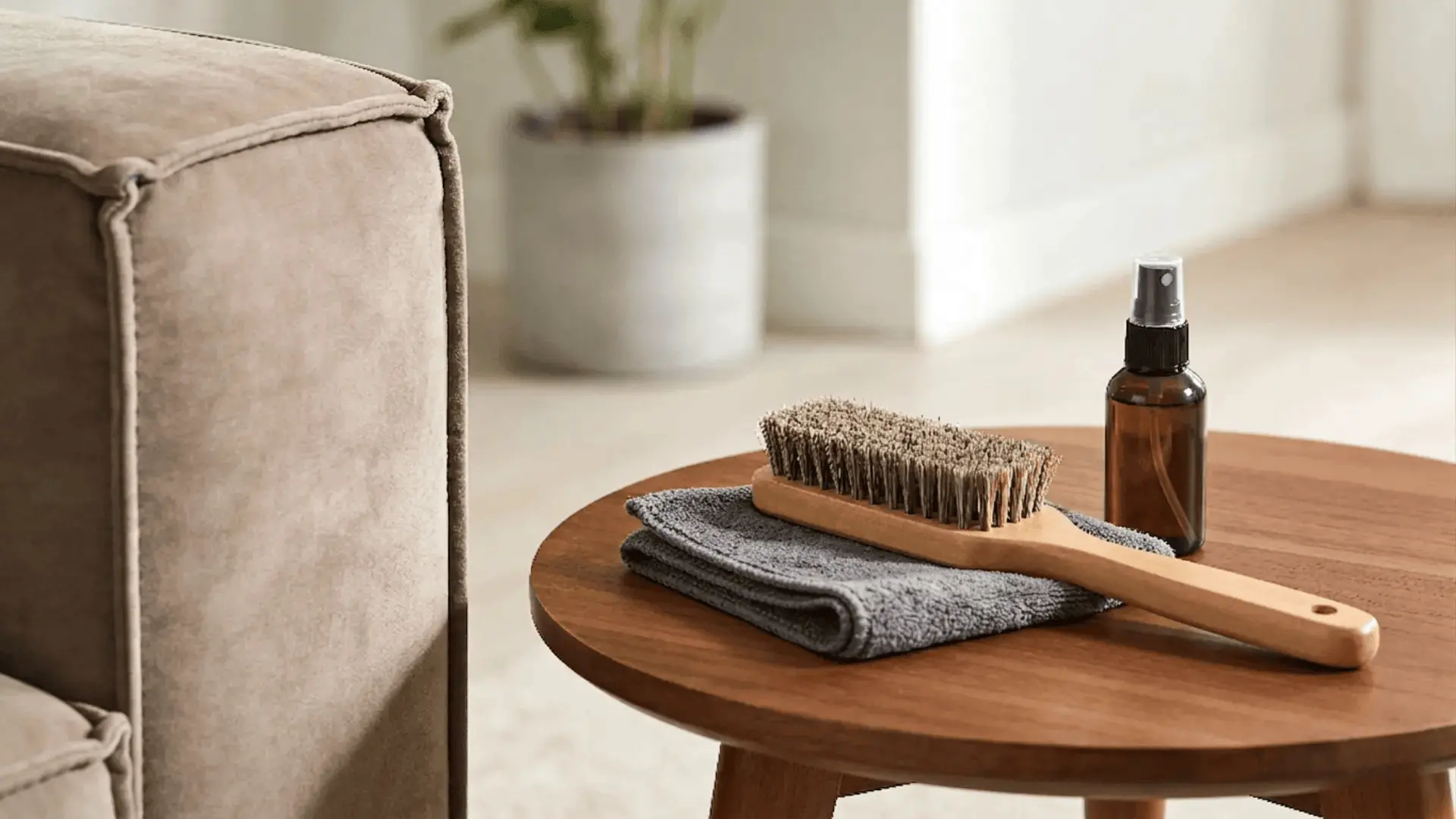
Prepare before you start cleaning. A few quick checks can prevent damage and make sure you use the right method for your couch.
1. Check the Upholstery Cleaning Code
Most suede couches have a small tag with a letter code. This code tells you what type of cleaner is safe to use.
Here’s what each code means:
| Code | Meaning |
|---|---|
| W | Water-based cleaners allowed |
| S | Solvent-based cleaners only |
| W/S | Both types allowed |
| X | Vacuum or brush only |
Knowing this code helps you choose the safest cleaning method.
2. Test the Cleaning Method First
Before using any cleaner on the full couch, test it on a hidden spot. This helps you avoid stains or color changes.
Follow these steps:
- Choose a hidden area.
- Apply the cleaner lightly.
- Wait 10–15 minutes.
- Check for discoloration or texture change.
If the spot looks normal, the cleaner should be safe to use.
3. Cleaning Tools and Supplies
Having the right tools ready makes the job easier and safer. Each item helps you clean the couch without harming the fabric.
You may need:
- Vacuum with upholstery attachment
- Suede brush
- White microfiber cloth
- White vinegar
- Rubbing alcohol
- Baking soda or cornstarch
- Mild detergent
- Suede eraser
These tools help handle dirt, stains, and upkeep without putting stress on the fabric.
Materials and Cleaning Products to Avoid on Suede
Some products can harm suede and leave marks that won’t come out. It’s important to know what to avoid so you don’t damage the couch while trying to clean it.
Before using anything on suede, keep these items off the list:
- Bleach: It strips color and weakens the fabric, leaving light spots behind.
- Ammonia Cleaners: These can break down the fibers and cause uneven color changes.
- Steam Cleaners: The heat and moisture can soak into the fabric and cause it to tighten or form spots.
- Excess Water: Too much moisture can make the suede stiff and change the way it looks once dry.
- Stiff Brushes: Hard bristles can scratch the surface and push the fibers out of place.
Sticking to safe cleaners helps keep the fabric smooth and even.
How to Clean a Suede Couch (Step-by-Step Method)
This simple process works well for routine cleaning. It helps remove dirt, refresh the fabric, and keep your suede couch in good shape without causing harm.
Step 1: Vacuum the Couch Thoroughly
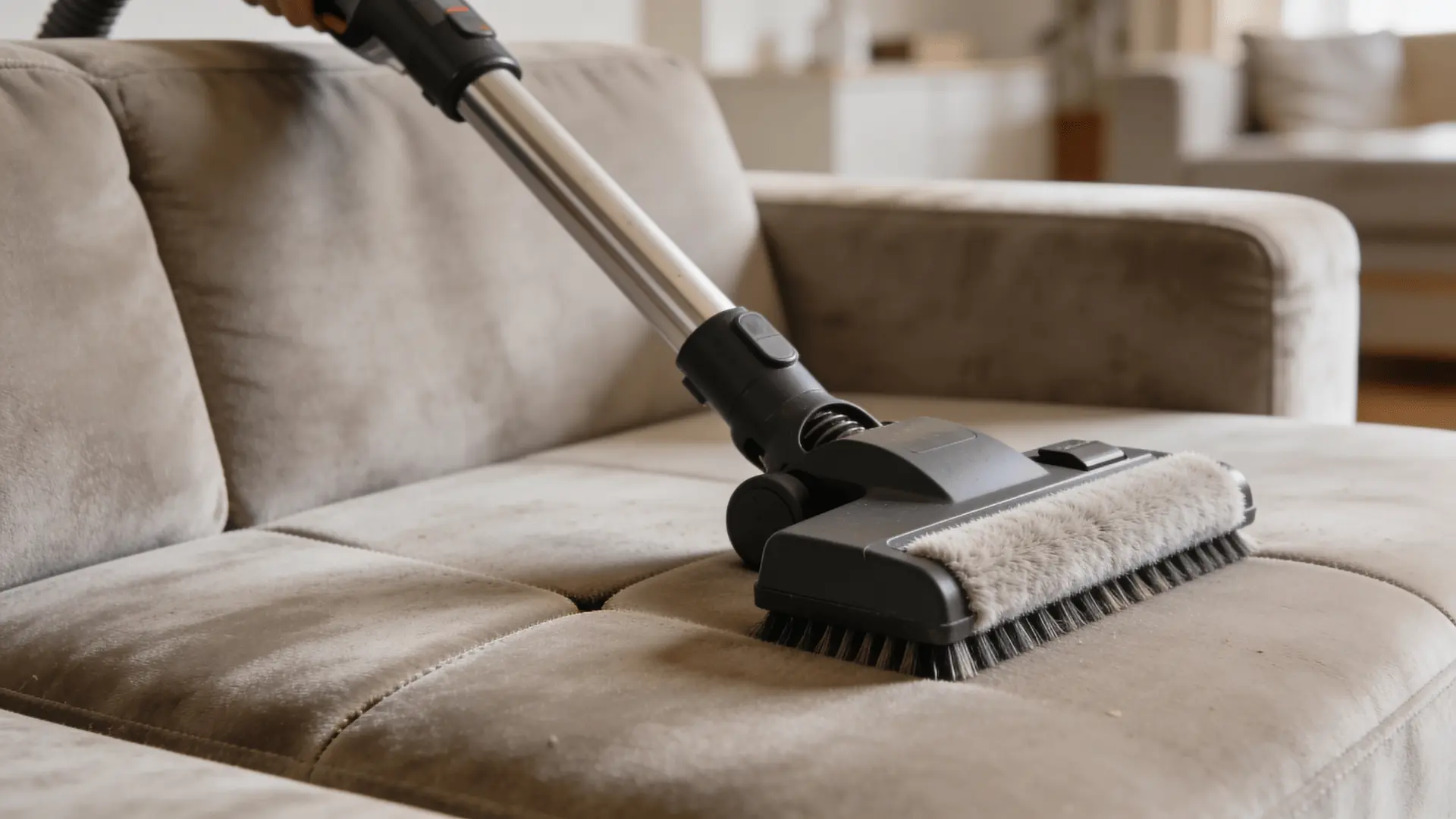
Start by removing all loose dirt from the surface. Use a vacuum with a soft brush attachment to pick up dust, crumbs, and pet hair without damaging the fabric.
Pay close attention to crevices, seams, and areas under the cushions where debris tends to collect.
This step is important because any leftover dirt can get pushed deeper into the fabric during cleaning.
Step 2: Brush the Suede Fabric
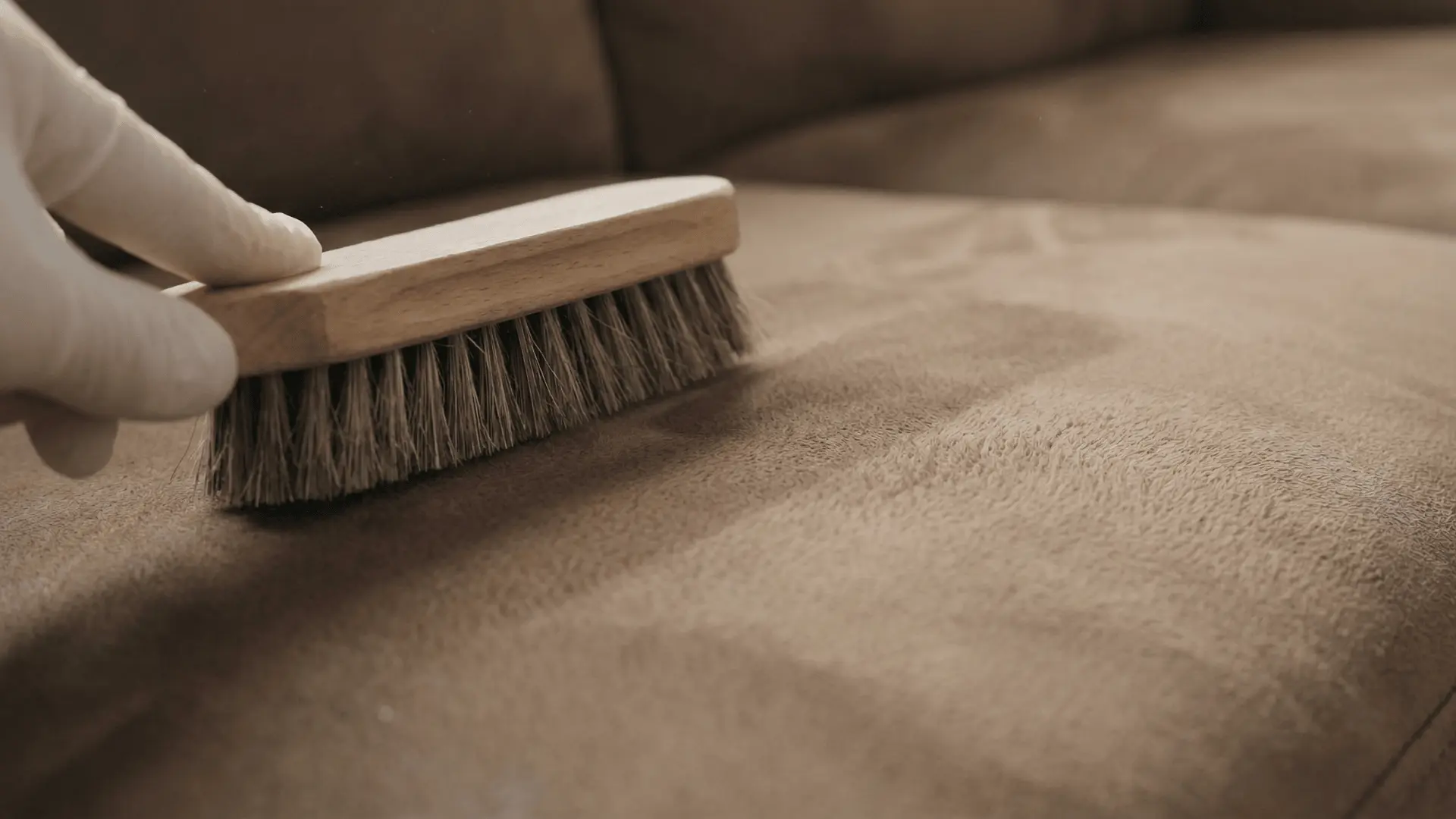
After vacuuming, lightly brush the surface using a suede brush. This helps lift the fibers, also known as the nap, and brings back the couch’s soft texture.
Brushing also makes it easier to spot areas that need extra cleaning, as marks and stains become more visible once the fibers are raised.
Step 3: Spot Clean Dirty Areas
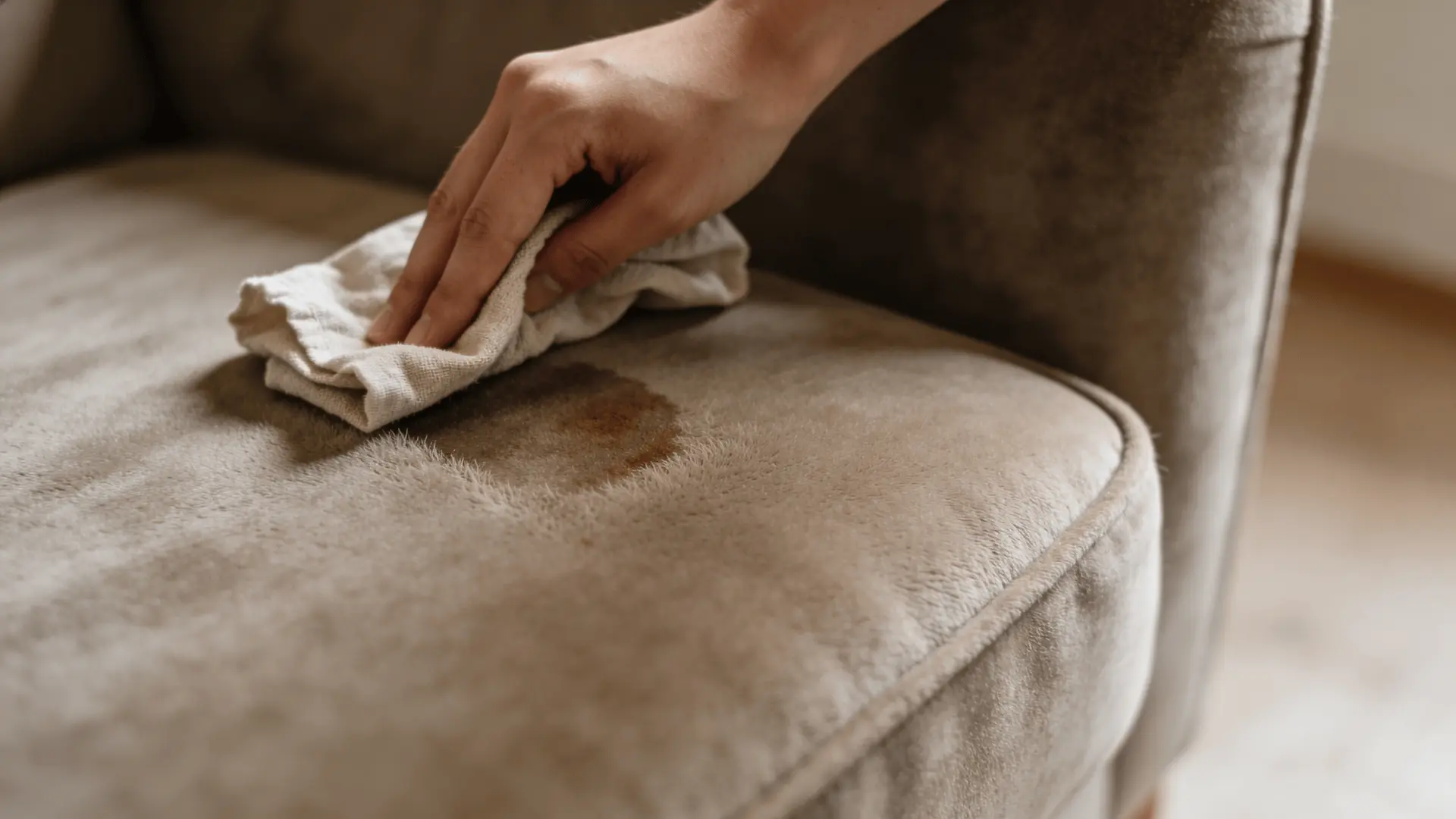
Focus on stained or dirty spots using a gentle cleaner that matches your couch’s care code.
Apply a small amount of solution, such as vinegar, rubbing alcohol, or a mild detergent for microfiber suede, onto a clean cloth rather than directly onto the couch.
Work slowly and carefully so the fabric does not absorb too much moisture.
Step 4: Blot Instead of Scrubbing
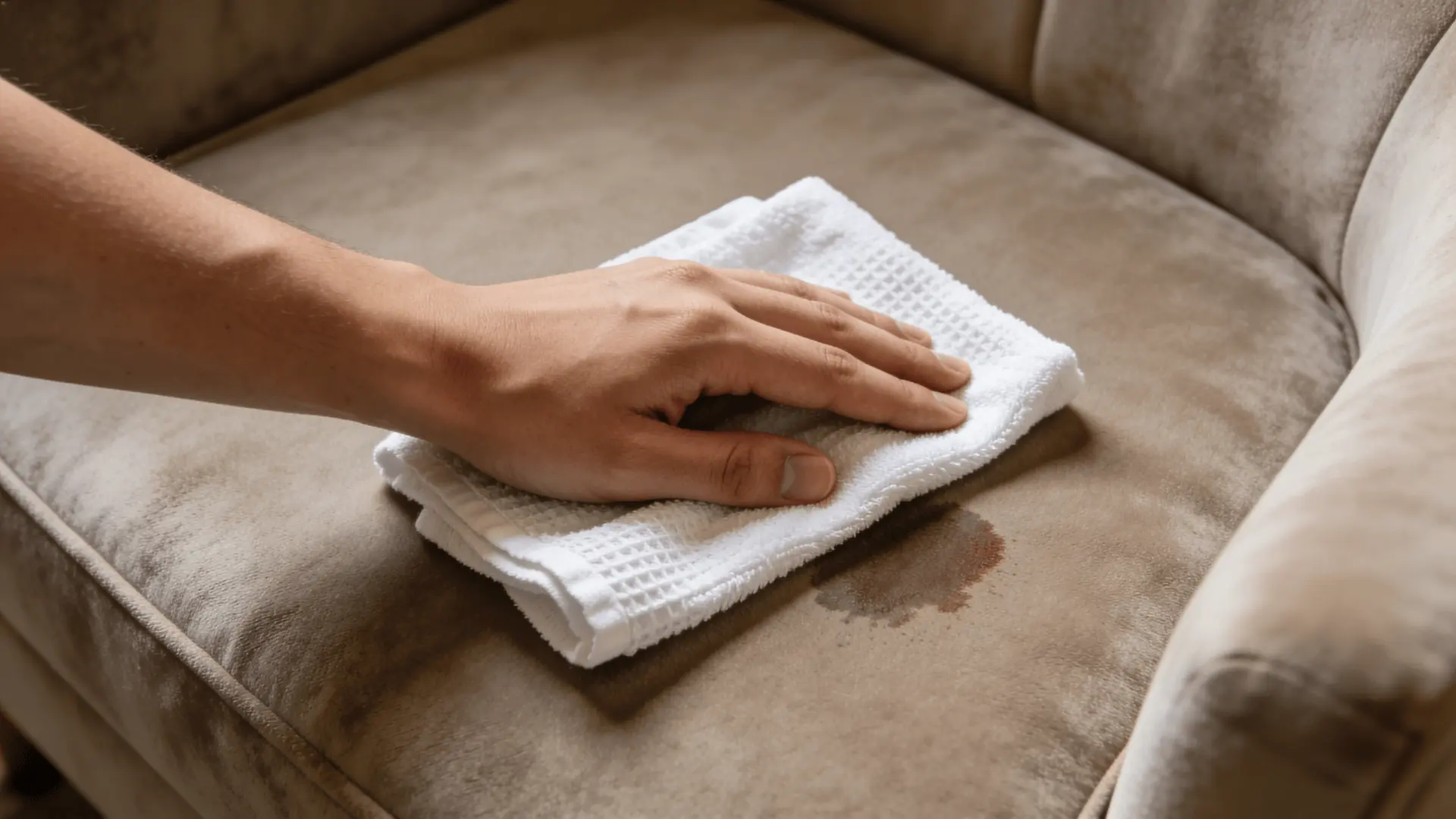
When treating a stain, always blot the area instead of scrubbing it. Use a clean, dry cloth to gently press against the stain and lift it gradually.
This method helps absorb the stain without spreading it or pushing it deeper into the fibers.
Scrubbing can damage the nap and create uneven patches, so keeping your movements gentle and controlled is key.
Step 5: Allow the Couch to Air Dry
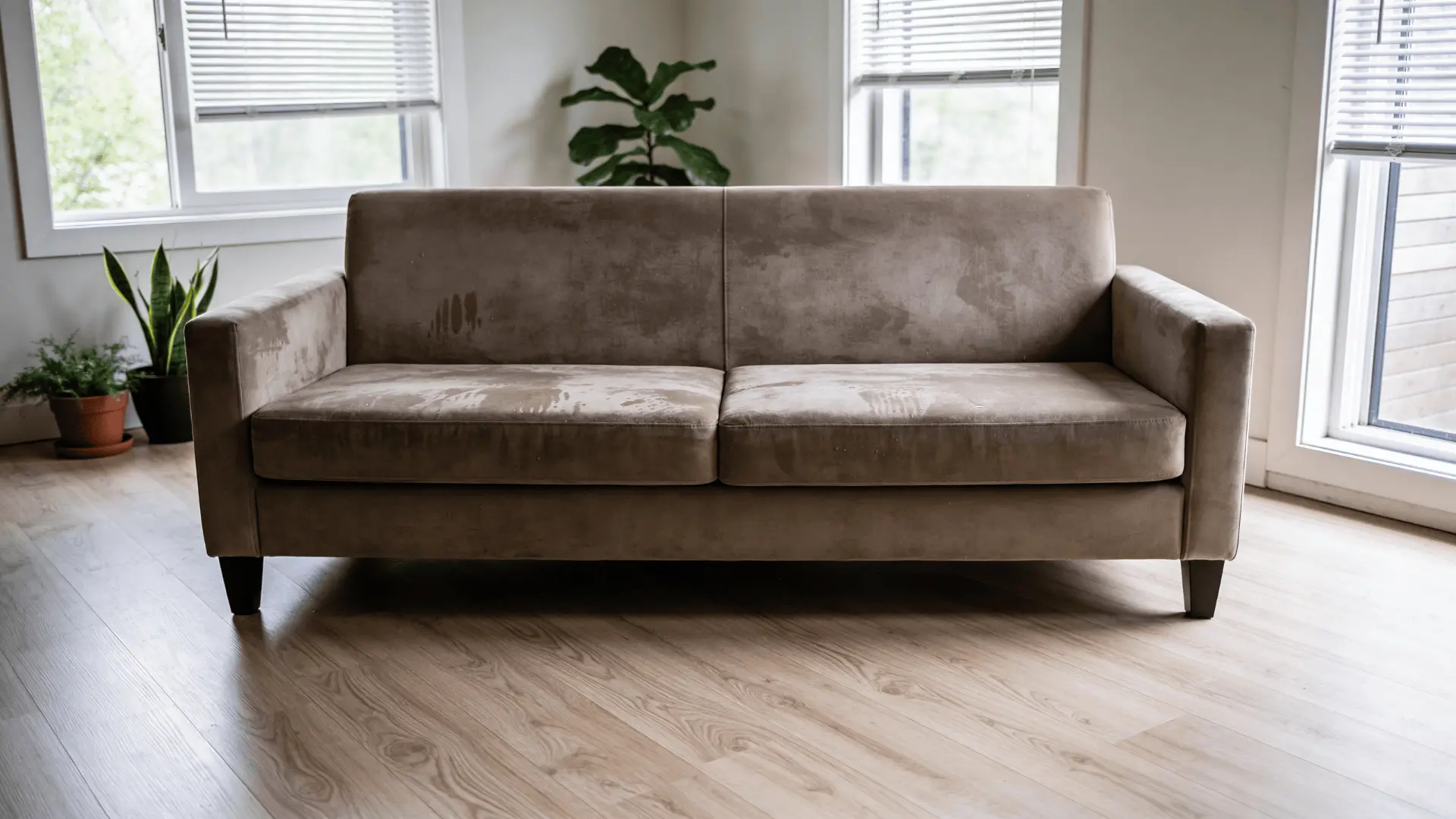
After cleaning, let the couch dry naturally without applying any heat. Avoid using hair dryers, heaters, or placing the couch in direct sunlight, as this can stiffen the fabric or cause discoloration.
Instead, keep the couch in a space with good airflow so it dries evenly. Proper drying prevents water marks and helps maintain the fabric’s original texture.
Step 6: Brush Again to Restore Texture
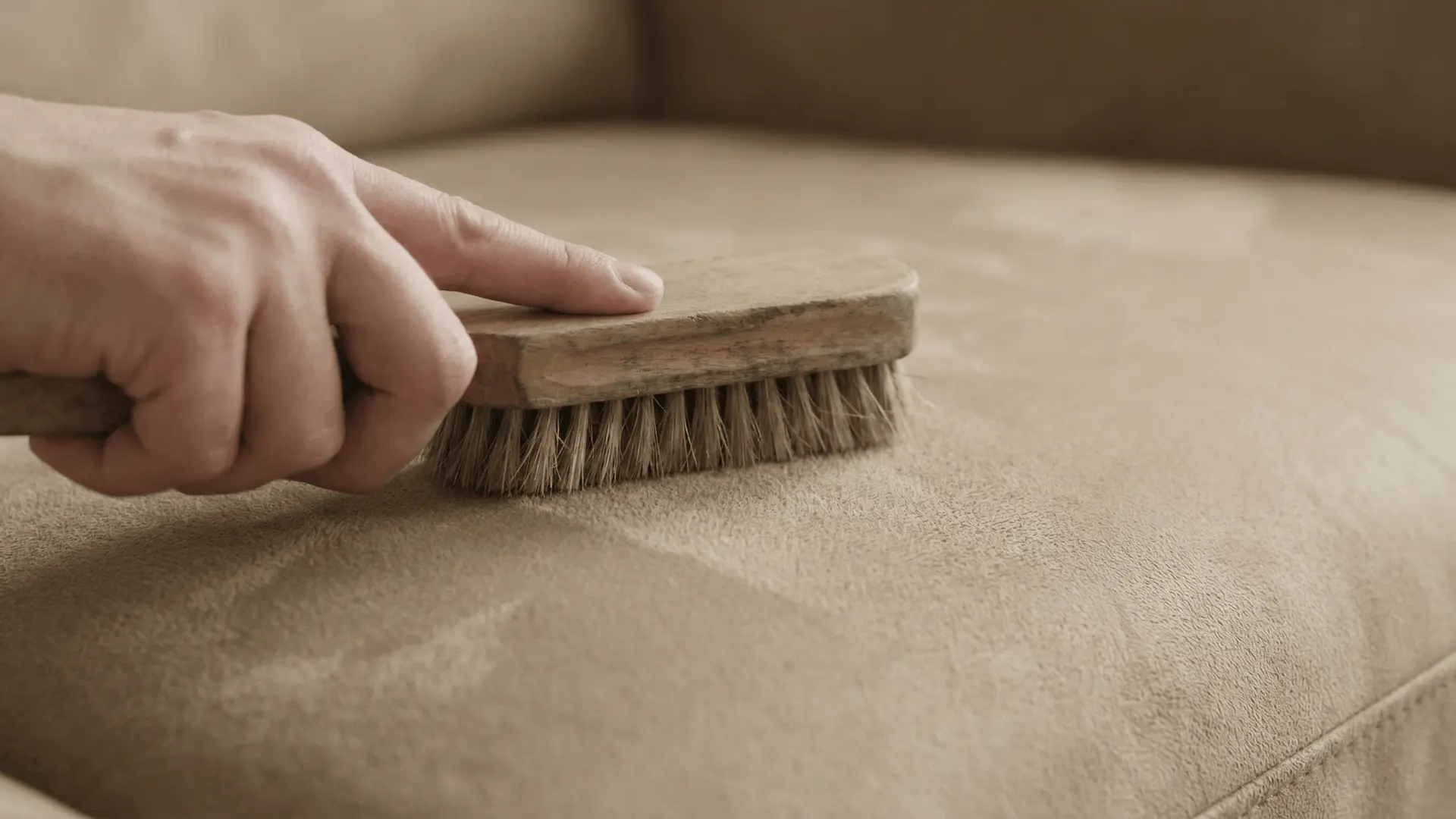
Once the couch is fully dry, use a suede brush to gently restore the nap. Light brushing helps realign the fibers, smooth out any rough areas, and bring back the soft, even finish.
This step also improves the overall look of the couch, making it appear fresh and well-maintained after cleaning.
Following these steps regularly helps keep your suede couch clean, soft, and even-looking. With gentle care, you can maintain its texture and avoid long-term damage.
Quick Suede Couch Cleaning Checklist
| Step | Action | Purpose |
|---|---|---|
| 1 | Vacuum | Remove loose dirt |
| 2 | Brush | Lift fibers (nap) |
| 3 | Spot clean | Treat stains safely |
| 4 | Blot | Avoid spreading stains |
| 5 | Air dry | Prevent damage |
| 6 | Brush again | Restore texture |
How to Remove Common Stains from a Suede Couch
Different stains need different cleaning methods. The fabric reacts quickly to moisture and pressure, so using the right steps helps prevent marks and buildup.
1. Oil and Grease Stains
Oil stains need a dry method because liquids can make them spread. Work slowly to lift the stain without rubbing it deeper.
Follow these steps:
- Blot excess oil with a dry cloth.
- Apply baking soda or cornstarch over the stain.
- Leave it for several hours so it can absorb the oil.
- Brush away the powder with a suede brush.
This method helps pull out the oil without adding moisture.
2. Food and Drink Stains
These stains respond well to a light cleaner. Keep the cloth damp, not wet, to avoid soaking the fabric.
- Dab the spot with a vinegar solution.
- Blot gently with a clean cloth until the stain lifts.
Work with small amounts so the fabric stays dry.
3. Ink and Crayon Stains
These stains can sit on the surface, so a light touch helps remove them without spreading the mark.
- Use rubbing alcohol on a cotton swab.
- Or use a suede eraser to lift the stain.
Stay close to the stained area and avoid rubbing beyond the spot.
4. Mud and Dirt Stains
Mud needs to dry fully before you clean it. This keeps it from smearing into the fabric.
Steps:
- Let the mud dry completely.
- Brush away the dry pieces.
- Spot clean any leftover marks with a light cleaner.
This keeps dirt from working its way deeper.
5. Water Stains
Water can leave rings on suede, so the goal is to even out the moisture level across the area.
- Lightly dampen the entire area around the stain.
- Brush the fabric as it dries to keep the fibers lifted.
This helps the whole section dry at the same rate.
6. Pet Stains and Odors
Pet accidents need quick attention to avoid lasting smells.
- Use a vinegar solution to treat the spot.
- Blot gently and brush after drying.
This helps remove the stain while keeping the fabric’s surface smooth.
Other Methods to Clean a Microfiber Suede Couch
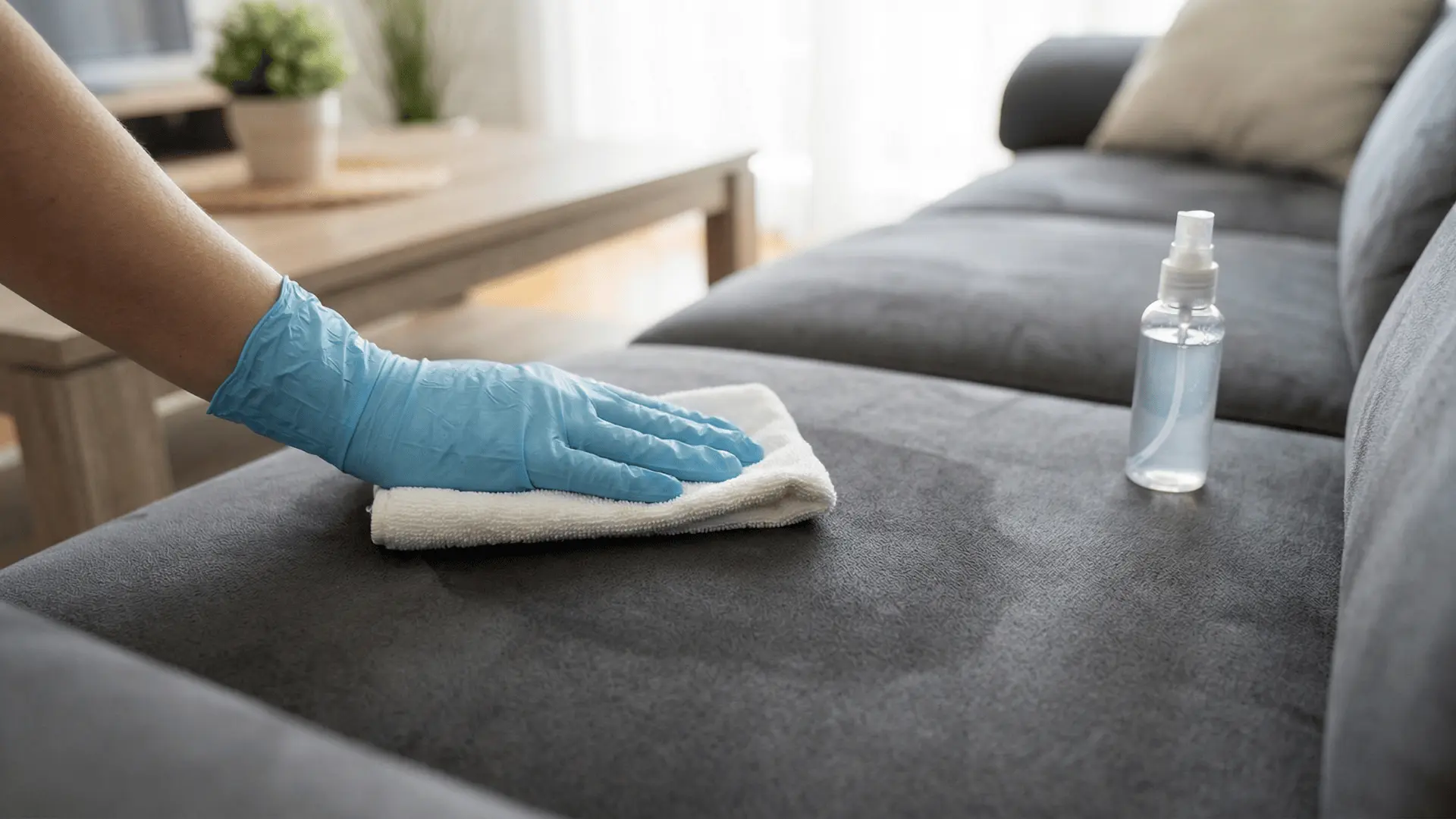
Microfiber suede is easier to clean than natural suede because it handles light moisture better. You can use gentle cleaners without risking stiff spots or marks, as long as you avoid soaking the fabric.
Cleaning with Soap and Water
This method works well for general cleaning or light stains. Keep the cloth damp, not wet, to protect the fabric.
Follow these steps:
- Mix mild detergent with warm water.
- Dab the surface gently with a clean cloth.
- Blot any leftover residue with a dry cloth.
This helps lift dirt without pushing moisture into the fabric.
Cleaning with Alcohol
Alcohol dries fast, making it a safe option for microfiber because it won’t leave wet marks.
- Spray a small amount of rubbing alcohol onto the cloth or surface.
- Use light brushing to lift the stain and bring back the soft feel.
This method works well for stains that need a bit more strength without adding water.
Best Household Cleaners for Suede Furniture
Some cleaners remove stains from suede without damaging the fabric. Choosing the right one helps clean effectively while keeping the texture safe.
Here’s a quick guide to safe cleaners and what they work best on:
| Cleaner | Best For |
|---|---|
| White vinegar | Food stains |
| Rubbing alcohol | Ink stains |
| Baking soda | Oil stains |
| Cornstarch | Grease stains |
| Suede eraser | Scuffs |
Using the right cleaner for each stain keeps the couch looking smooth and helps avoid damage.
How Often Should You Clean a Suede Couch?
A simple cleaning schedule helps keep your suede couch in good shape. Regular care prevents dirt from settling in and makes deep cleaning easier over time.
Here’s a helpful guide to follow:
| Task | Frequency |
|---|---|
| Vacuuming | Weekly |
| Brushing | Monthly |
| Spot cleaning | As needed |
| Deep cleaning | Every 3–6 months |
Sticking to this routine keeps the fabric fresh and lowers the chance of long-term stains.
How to Maintain a Suede Couch
Routine care helps your suede couch stay clean and smooth for a long time. Small steps done often can stop stains, reduce wear, and keep the fabric in good shape.
Here are a few helpful maintenance tips:
- Vacuum regularly to lift dust before it settles into the fabric.
- Brush the fabric monthly to keep the fibers raised and even.
- Clean spills right away so they don’t soak in or leave marks.
- Rotate cushions to spread out wear and prevent dents.
- Keep the couch away from direct sunlight to reduce fading.
- Apply a suede protection spray to help block stains and moisture.
These steps make the couch easier to care for and help it stay in good condition over time.
Common Mistakes to Avoid When Cleaning Suede
- Using Too Much Water: Extra moisture can soak into the fabric and create stiff or uneven spots.
- Scrubbing Too Hard: Strong pressure can push stains deeper and flatten the fibers.
- Skipping Patch Tests: A cleaner may cause discoloration if you don’t test it first.
- Using Colored Cloths: Dyes from the cloth can transfer to the suede.
- Applying Heat to Dry Suede: Heat can tighten the fabric and leave visible marks.
Suede can react quickly to the wrong cleaning steps. Even small errors can leave marks or change the way the fabric feels. Avoiding these mistakes makes cleaning easier and keeps the couch looking smooth.
When to Hire a Professional
Some situations call for expert help. Deep stains or damage can be hard to fix at home, and trying the wrong method may make the problem worse.
A professional cleaner can handle tough spots and protect the fabric. You may want to call a professional if you have:
- Large stains that won’t lift
- Deep oil stains
- Expensive suede furniture that needs careful care
- Strong odors that linger
- Fabric damage that needs repair
Estimated Cost for Professional Suede Couch Cleaning
| Service Type | Estimated Cost (U.S.) | What It Includes |
|---|---|---|
| Basic Cleaning | $75–$150 | Light cleaning, surface dirt removal, minor stains |
| Deep Cleaning | $150–$300 | Full cleaning, stain treatment, odor removal |
| Heavy Stain Removal | $200–$400+ | Treatment for oil, ink, or set-in stains |
| Full Couch Cleaning (Large/Sectional) | $250–$500+ | Deep cleaning for larger furniture pieces |
Getting expert help in these cases can save the couch from further harm.
Wrapping Up
Keeping a suede couch clean comes down to using gentle methods and staying consistent with care. Small actions done the right way can protect the fabric and help it stay smooth over time.
Once you understand how to clean a suede couch safely, it becomes easier to manage stains and maintain its look without stress.
The key is to avoid excess moisture, use the right cleaners, and handle the fabric with care. Regular upkeep also makes a big difference in preventing buildup and wear.
Try these methods on your couch and notice the results. If you have any questions or tips, feel free to share them in the comments section below.
Frequently Asked Questions
Can You Clean a Suede Couch with Water?
You can use a small amount of water only if your couch has a W or W/S care code. Use a lightly damp cloth; never soak the fabric to avoid damage.
Can Vinegar Damage Suede?
Vinegar is safe when used in small amounts. Always test it on a hidden spot first. Use a damp cloth only, as excess liquid can affect texture.
Can You Steam Clean a Suede Couch?
No. Steam adds heat and moisture, which can cause tightening, marks, or color changes. It may damage fibers and leave the surface uneven or stiff.