How to Create a Water Damage Emergency Plan Before Your Home Needs One
Many property owners hardly think about water damage until they are facing it. By the time they have to act, the destruction is already there, and their valuables are gone. Flooding can happen within hours of heavy rains or pipe leakage. Fortunately, reducing or stopping the damage does not have to be complicated. Below are simple ways to create a solid water emergency plan that offers long-term protection to your valuable investment.
Know How to Stop the Water Quickly
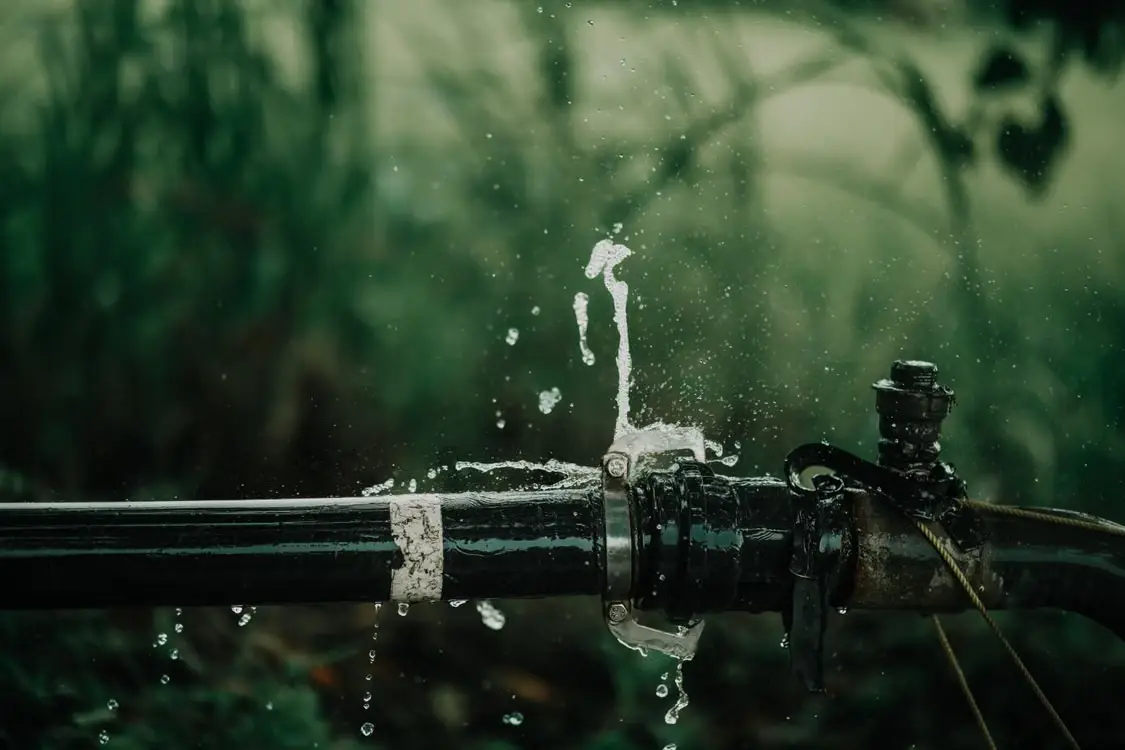
Controlling the source of water is one of the important parts of an emergency plan. Every minute of unmanaged water flow increases the likelihood of water damage within a home. That means you should act as quickly as possible to stop the flow and address all the leaks. Your damage preparation should start with how to find the main water shutoff valve. This is usually near the water meter or the main line that gets water to your home.
You should also map out all individual valves under sinks, behind toilets, and near washing appliances. Label each one and ensure everyone in the house knows how to use them in times of need. Do not forget to turn each valve to confirm if it actually works. That is because water systems in older houses can stop functioning after sitting for a long time without being used.
Prepare an Emergency Contact List
Water spreading across your floor is not the right time to start looking for a plumber’s phone number. Put the list together now and keep it somewhere easy to find. It should cover your insurance company with your policy number written down, a licensed plumber, a water damage restoration company, and your local emergency line. You should also add a neighbor with an extra key who can check and quickly fix the problem when you are not around.
Think beyond the immediate response, too. If water gets into your basement or sits against the foundation long enough, surface cleanup may not cover the full extent of the damage. Knowing someone who provides foundation repair and waterproofingservices in advance means you will not be guessing contacts at the worst times. Ensure everybody knows how to contact each other and where to meet if the problem gets serious enough to leave.
Protect Important Documents and Valuables
The documents you need most during a recovery are probably the ones that get destroyed in a water event. These include insurance policies, mortgage deeds, identification, medical records, and financial account details. Therefore, store originals in a waterproof and fireproof unit and a set of copies somewhere outside your home. They can stay with a family member or in a safe deposit box.
Storing digital copies in a password-protected format on a removable drive gives you access to everything you need, even if your home is not. Beyond documents, take a few minutes to walk you through your home and record a video of each room. That footage is what supports an insurance claim if you ever need to file one. A free emergency financial first aid kitalso gives you a checklist of what to gather and how to store it properly.
Keep an Emergency Response Kit Ready
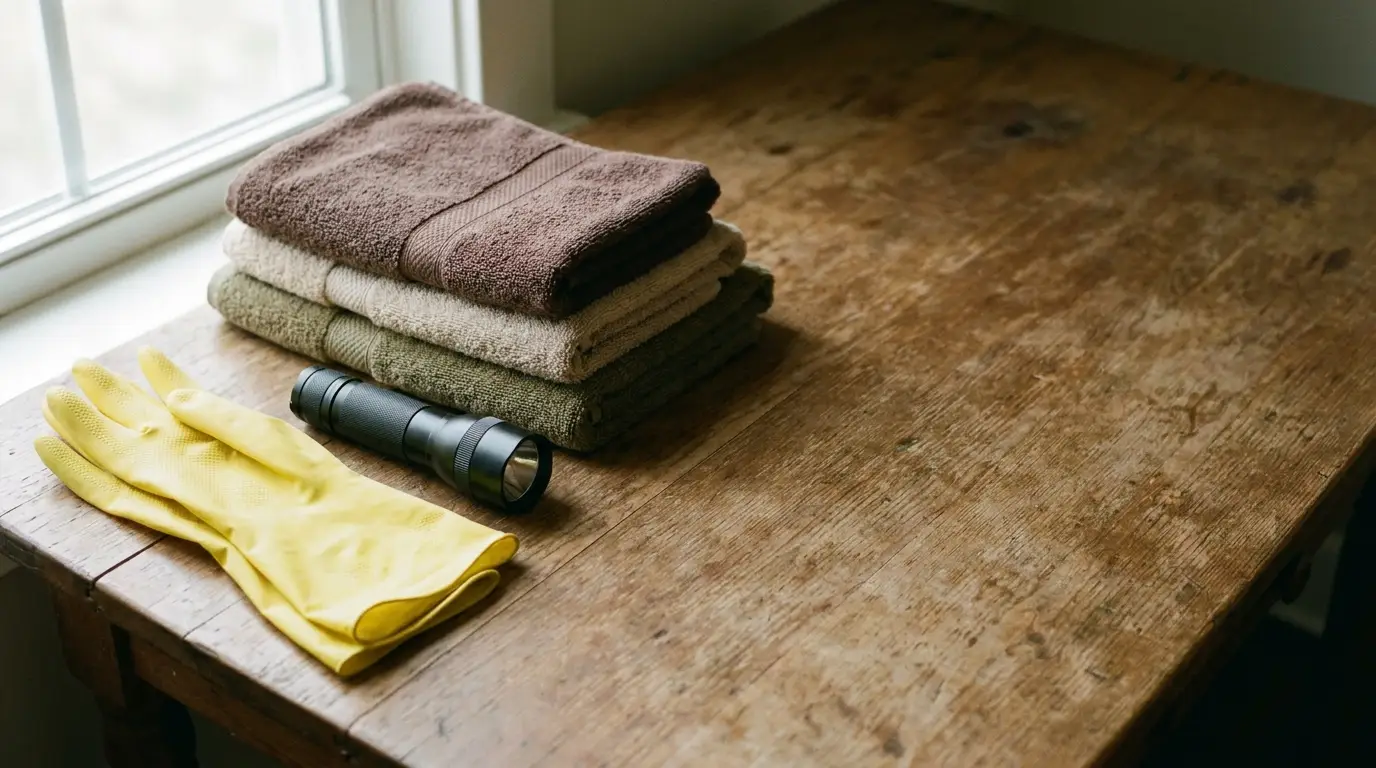
Preparing an emergency response kit does not mean buying new items each year. A small but well-packed response kit includes what you need to act quickly and safely within the first hour. Ensure you have rubber gloves, a flashlight, and heavy absorbent towels or a wet and dry vacuum. You should also add plastic sheeting to cover your important stuff and a printed copy of your contact list.
If your home has a sump pump, keep the power cord within reach and test the pump before the wet season each year. Then, store the kit where you can actually get to it fast. A flashlight buried under holiday decorations does not help much during a midnight pipe burst. Go through everything once a year and replace whatever is missing or worn out.
Use Technology to Detect Problems Early
Many water problems start as something small that grows with time. It can be a slow drip under a sink or the main line wearing thin behind the wall. None of these announces itself, and the damage is always done by the time you catch them. Smart leak sensors address this directly. They sit in risky spots around the house, pick up moisture the moment it appears, and send an alert to your phone within seconds.
Install them where the problem is likely to occur. This can be under sinks, near the water heater, or in the basement. Some connect to automatic shutoff valves that cut the water supply even before you get to the point.
According to the Insurance Information Institute, water damage and freezing account for nearly one in four homeowner insurance losses, with average claims getting over $13, 000. A sensor that costs a small fraction of that is one of the more sensible investments a homeowner can make.
Endnote
Water damage catches homeowners unaware simply because they are not prepared. You can avoid that by spending a few hours drafting an emergency plan that protects your home from any flooding or water system malfunction. None of these steps above takes long to put together. Walk through your home, identify all risky points, and involve everyone in the house to ensure the plan is easy to execute.