Moss Garden Guide: How to Plant, Grow, and Care for It
A patchy lawn under tall trees can wear you down. Grass keeps thinning, and nothing seems to fix it. That’s where a moss garden comes in. It grows well in the shade grass hates, needs no mowing, and stays green most of the year.
In this article, you’ll learn what a moss garden is and which moss types work best. You’ll also learn how to plant one step by step and keep it healthy for years.
What Is a Moss Garden?
A moss garden is a garden bed or lawn area planted with moss instead of grass. Moss forms a low, soft carpet that stays green in shade where grass often fails.
It has no true roots and no flowers. Instead, tiny thread-like parts called rhizoids hold it to soil, rock, or wood. It takes in water straight through its surface.
Moss has grown on earth for more than 390 million years, long before flowering plants existed. That long history helps it handle tough, shady spots.
Types of Moss for Garden Use
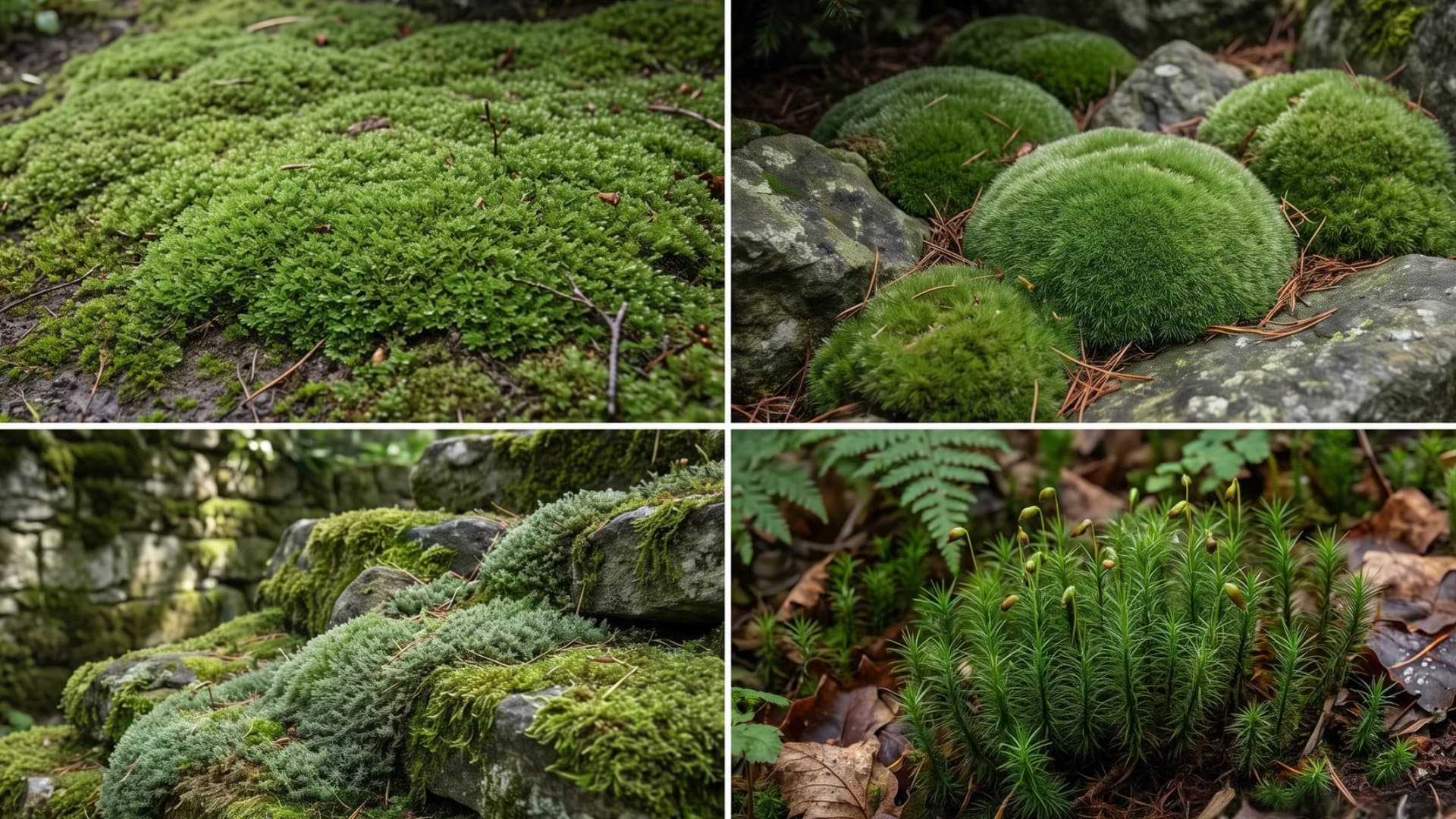
Not all moss looks or grows the same way. Here are four common types to help you pick the right one for your space.
|
Moss Type |
Light Needs |
Texture |
Best Use |
|---|---|---|---|
|
Sheet moss |
Part shade |
Flat, spreading mat |
Lawns and open ground cover |
|
Cushion moss |
Full shade |
Rounded, mounded clumps |
Rock gardens and borders |
|
Rock cap moss |
Sun to part shade |
Low, clinging mat |
Stone, boulders, and walls |
|
Hair cap moss |
Full shade |
Upright, feathery blades |
Woodland beds and containers |
How to Make a Moss Garden (Step by Step)

Making a moss garden is simpler than most people expect. Follow these steps in order for the best results.
Step 1: Choose the Right Spot
Look for a spot with partial to full shade. Moss struggles in strong, direct sun. Make sure the area drains well and doesn’t stay flooded after rain. Under trees, along a fence, or beside a shaded path all work well.
Step 2: Test and Prepare the Soil
Moss prefers acidic soil, around pH 5.0 to 5.5. A basic soil test kit will tell you where you stand. If your soil runs too alkaline, Clemson Cooperative Extension explains how to lower pH safely. Clear the area of grass, weeds, and loose debris before planting.
Step 3: Source Your Moss
Buy moss sheets or plugs from a nursery or online moss grower. You can also transplant moss already growing on your own property. Avoid pulling moss from public land or parks without permission, since the rules on that are strict.
Step 4: Plant the Moss
Press the moss firmly onto bare soil so it makes full contact. Pat it down by hand or walk over it gently. For rocks or logs, try a moss slurry instead. Blend moss with plain yogurt or buttermilk and water, then brush the mix onto the surface.
Step 5: Water It In
Mist the moss well right after planting. Keep the soil evenly moist for the first three to four weeks. After that, moss needs less frequent watering, especially through cool, damp seasons.
Is It Legal to Harvest Moss?
In most cases, no. Harvesting moss from national parks and other protected public land is illegal under federal law. 36 CFR 2.1(c) bans removing plants, including moss, from their natural state on that land.
The National Park Service enforces this rule nationwide. Local and state parks often carry similar limits.
The safer path is to buy moss from a nursery or get written permission on private land. You can also use moss already growing on your own property.
Best Plants and Flowers to Grow With Moss
Moss pairs well with plants that enjoy the same shady, moist ground. These companions round out a full moss garden design.
-
Ferns: Add height and texture without blocking the light moss needs.
-
Hostas: Broad leaves fill gaps while staying shallow-rooted.
-
Hellebores: Bring winter and early spring color to a shaded bed.
-
Wild ginger: Spreads low and slow, much like moss itself.
-
Heuchera: Adds leaf color without crowding the moss below.
-
Astilbe: Brings feathery pink or white blooms to damp shade.
-
Bleeding heart: Offers early spring flowers in the same cool, moist soil.
Moss Garden Design Ideas

Moss works in far more settings than a plain lawn replacement. Here are a few ways to use it around your property.
1. Woodland Shade Garden
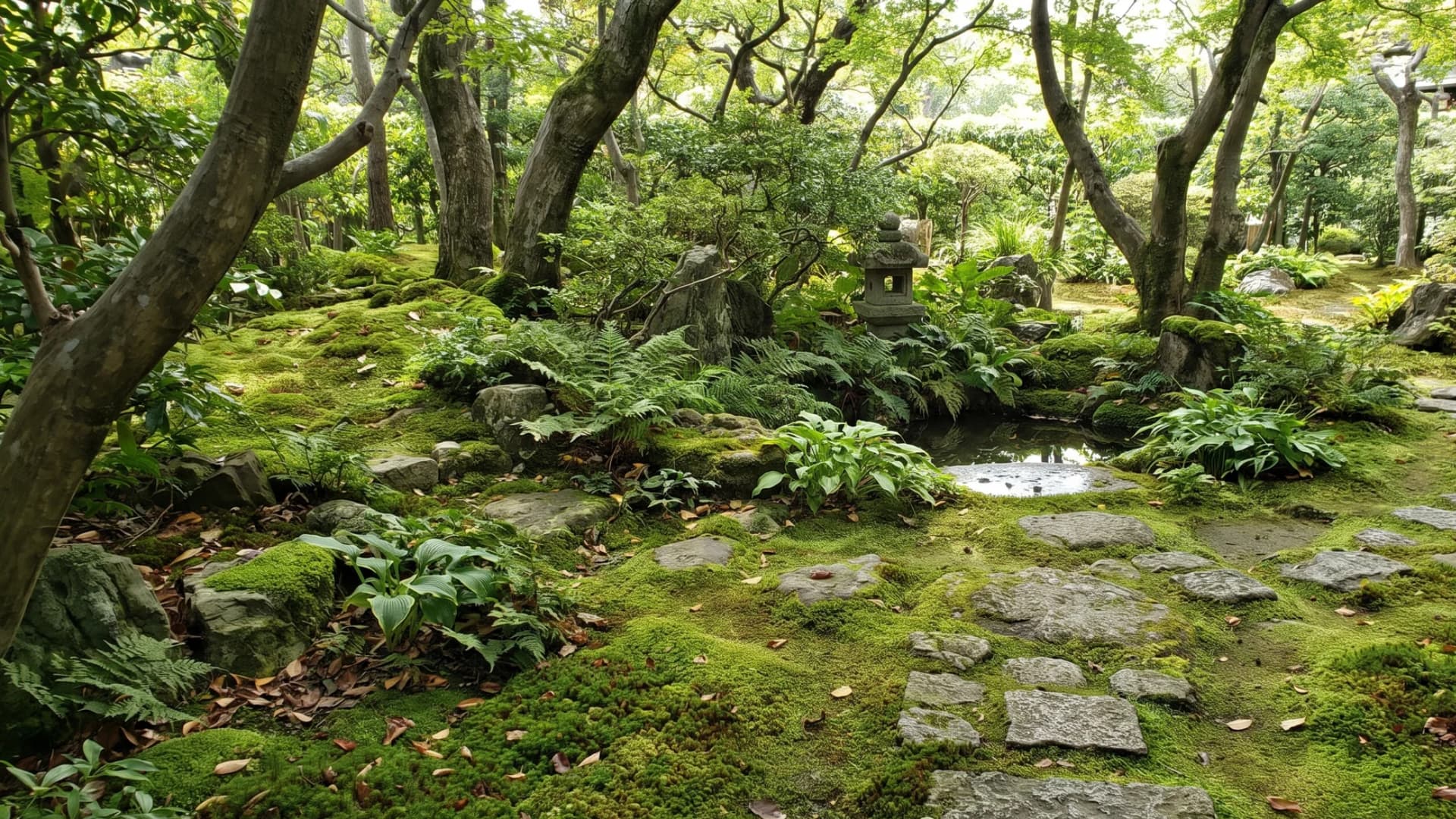
Let moss spread under trees alongside ferns and hostas. This mimics how moss grows in nature. It needs almost no upkeep once it fills in.
2. Japanese-Inspired Garden
Pair moss with smooth rocks, gravel, and trimmed shrubs. This style leans on calm, simple lines. Moss softens the hard edges of stone.
3. Container or Terrarium Garden
Grow moss in a shallow bowl or glass container. This works well indoors or on a shaded patio. It’s a low-cost way to try moss before planting a full bed.
4. Moss Pathway Accents
Let moss fill the gaps between stepping stones or pavers. It softens the look of a hard path. Keep foot traffic light in these spots.
5. Full Lawn Alternative
Replace a struggling, shaded lawn with a full moss carpet. It skips regular mowing and fertilizer. Give it a year or two to fill in completely.
How to Care for a Moss Garden
Moss needs less work than grass, but it still needs care. These few habits will keep it healthy year-round.
-
Watering: Keep soil moist through dry spells, especially in the first year.
-
Debris removal: Clear leaves and twigs often with a blower, not a rake.
-
Weeding: Pull competing weeds and grass by hand as they appear.
-
Foot traffic: Walk lightly on new moss and avoid heavy, repeated use.
-
Seasonal changes: Expect some color shift or dormancy in extreme heat or cold.
How Long Does Moss Live?
A single moss shoot lives only a few years before it dies back. A moss colony works differently. New shoots keep growing as older ones fade, so the colony renews itself again and again.
That’s why healthy moss colonies can last for decades, and some undisturbed patches survive for centuries. Age is rarely what ends a colony.
Drought, pollution, and heavy disturbance, like erosion or constant foot traffic, are the more common causes.
Moss Garden vs. Grass Lawn: Quick Comparison
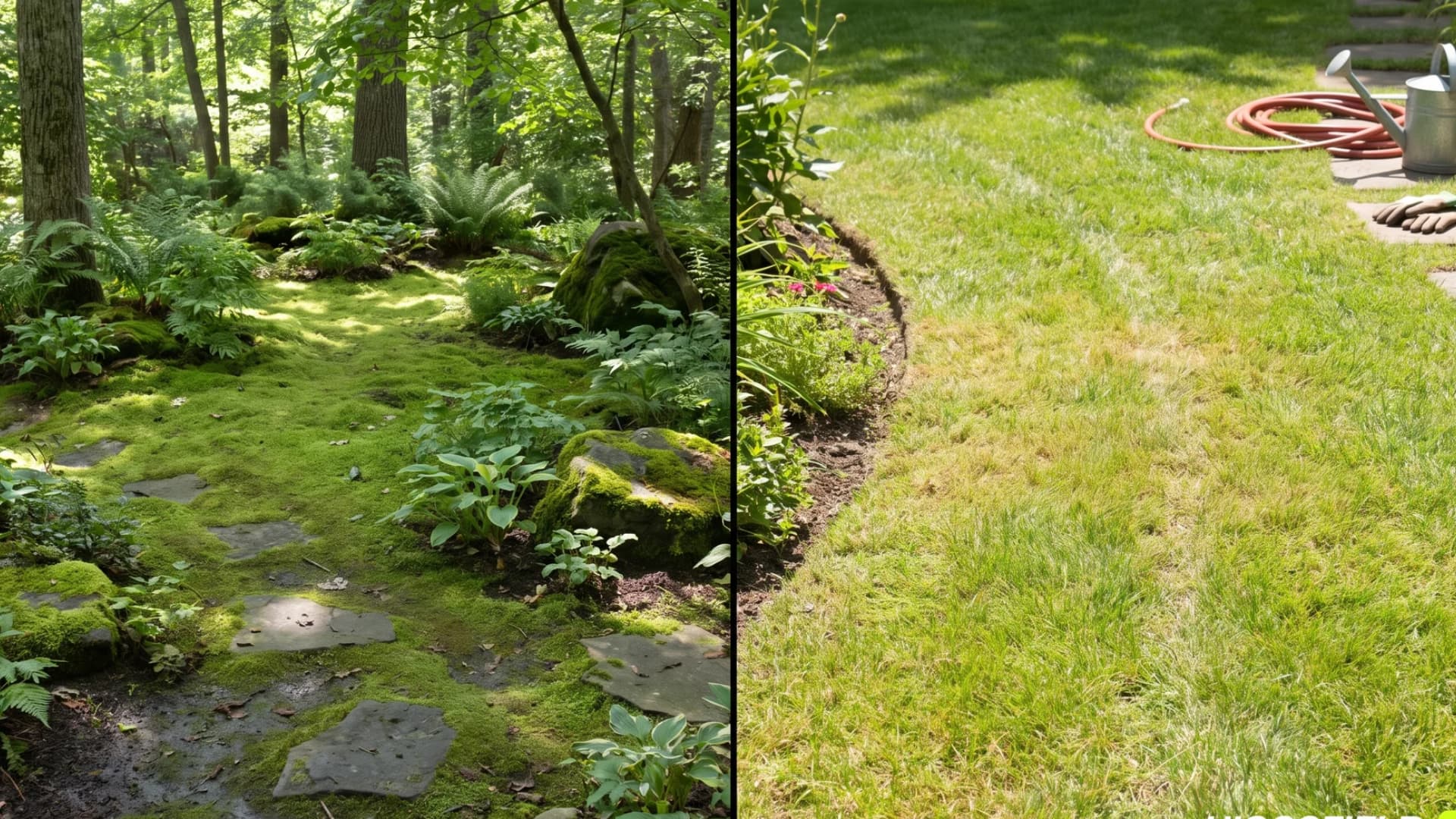
Still deciding between moss and grass? This side-by-side view can help you choose.
|
Factor |
Moss Garden |
Grass Lawn |
|---|---|---|
|
Maintenance |
Low, no mowing needed |
High, regular mowing and edging |
|
Water needs |
Low once established |
Moderate to high, especially in summer |
|
Shade tolerance |
Grows well in shade |
Struggles or thins out in shade |
|
Foot traffic |
Low, easily damaged |
High, built for regular use |
|
Setup cost |
Higher upfront cost |
Lower upfront cost with seed or sod |
|
Time to establish |
12 to 18 months for full cover |
A few weeks to a few months |
Common Moss Garden Mistakes to Avoid
The first time I tried growing moss, I picked a spot with too much afternoon sun.
Within weeks, it turned crisp and pale. That mistake taught me how much shade really matters. Other common slips include skipping a soil test and raking leaves instead of blowing them off.
Walking on new moss before it roots in causes trouble too. So does letting water pool on the surface instead of soaking in evenly. Give your moss shade, gentle care, and a little patience, and most of these problems stay away.
Conclusion
A moss garden rewards patience more than effort. Once it takes hold, you get a soft green space that needs little water, no mowing, and almost no fuss. Start small if you’re unsure.
Test a shady corner, watch how the moss settles in, then expand from there. Check your soil, pick a moss type suited to your shade, and give it time to root.
Try it this season, and see how different your yard looks with its own moss garden.
Frequently Asked Questions
How do I make a moss garden?
Choose a shaded spot and test your soil pH. Adjust it to about 5.0 to 5.5, then clear away grass and debris. Press moss firmly into the soil and water it well. Keep it moist for the first few weeks while it roots in.
What are the downsides of having a moss yard?
Moss costs more to set up than grass seed and needs shade, acidic soil, and steady moisture to grow well. It also takes 12 to 18 months to fill in fully. It cannot handle heavy foot traffic the way a grass lawn can.
What do I fill a moss pole with?
Most moss poles are filled or wrapped with sphagnum moss. Soak the moss in water until it softens and becomes pliable. Pack it around a bamboo stake or PVC pipe. Secure it with string, twine, or floral wire.
What flowers can grow in moss?
Moss itself never flowers, but shade flowers like hellebores, astilbe, and bleeding heart grow well right beside it. They share the same cool, moist, acidic soil that moss prefers.
What plants grow well on a moss pole?
Climbing houseplants like monstera, pothos, philodendron, and syngonium grow well on a moss pole. The damp moss gives their aerial roots something to grip as they climb upward.
Is moss good to have in a garden?
Yes, for the right spot. Moss adds year-round green color, needs very little upkeep, and handles shade where grass often struggles. It just is not a fit for sunny lawns or areas with heavy foot traffic.
How many years does moss live?
An individual moss shoot lives only a few years. But the colony it belongs to renews itself with new growth again and again. Healthy colonies can survive for decades, and some undisturbed ones live for centuries.