How to Get Rid of Moss in Lawn Properly
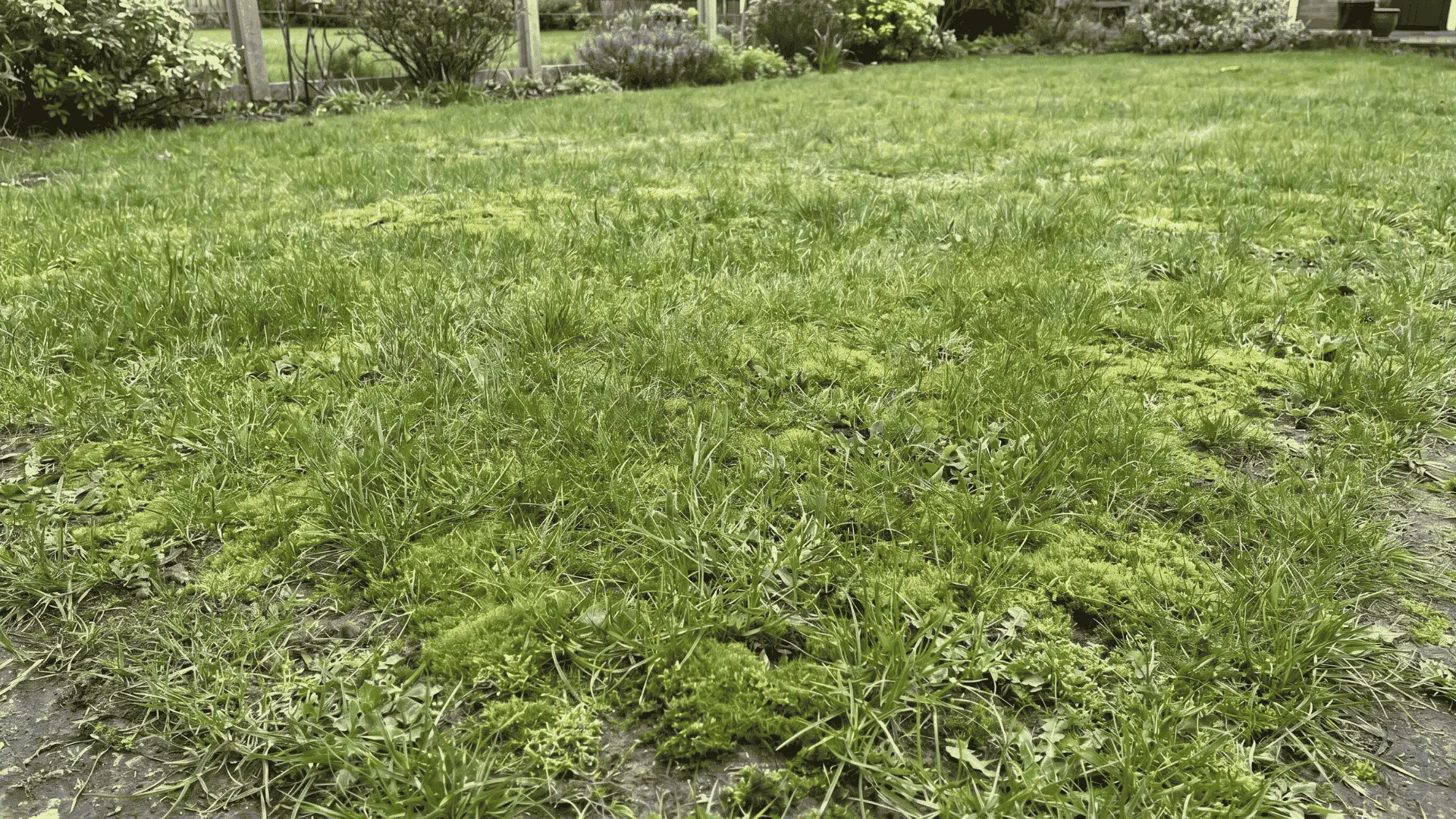
Moss isn’t the real problem in most lawns. It shows up when grass can’t grow well, then slowly takes over the gaps. That’s why simply removing it rarely works for long.
Understanding how to get rid of moss in a lawn starts with fixing the conditions underneath, not just clearing the surface.
In practice, lawns treated without addressing soil, light, or moisture often see moss return within weeks. Results depend on what’s causing the issue, not just how it’s removed.
Once that’s clear, the process becomes much easier to follow.
Why Does Moss Grow in Lawns in the First Place?
Moss is not the problem. It is a sign that your lawn conditions are not right for grass. When grass struggles to grow, it leaves gaps behind.
Moss moves into those gaps because it can survive where grass cannot. If you only remove the moss, you are treating the surface.
The real issue stays underneath. That is why moss keeps coming back. To stop it for good, you need to understand what is happening below the surface first.
Common Lawn Conditions that Trigger Moss
- Shade: Grass needs several hours of sunlight. In shaded areas, it becomes thin and weak, leaving space for moss.
- Soil Compaction: Hard soil blocks air and root growth. Grass weakens while moss stays unaffected.
- Poor Drainage: Wet soil reduces oxygen levels. Grass roots suffer, but moss thrives in moisture.
- Low PH (Acidic soil): Grass struggles in acidic conditions, while moss tolerates them better.
These conditions often appear together. For example, compacted soil can also lead to poor drainage. This makes the problem worse over time.
What Moss Needs vs. What Grass Needs
- Grass: needs sunlight, air in the soil, nutrients, and good drainage
- Moss: grows with low light, poor soil, and excess moisture
Grass needs deep roots, air, and space to grow. Compacted or wet soil limits this, so it weakens. Moss grows on the surface and needs less. It thrives where grass struggles, giving it an advantage.
Why Moss Keeps Coming Back After Removal
Moss returns because the conditions that helped it grow are still there. Here is how the cycle works:

This cycle continues until the underlying conditions change. Moss doesn’t harm grass. It fills gaps where grass can’t grow. Fix the conditions, and strong grass will naturally push it out.
What is the Correct Process to Get Rid of Moss in a Lawn?
To get rid of moss, follow this order: kill it, remove it, repair the lawn, then prevent it. Changing the order reduces results, and skipping steps leads to quick regrowth.
Step 1: Kill the Moss (Chemical or Natural Options)
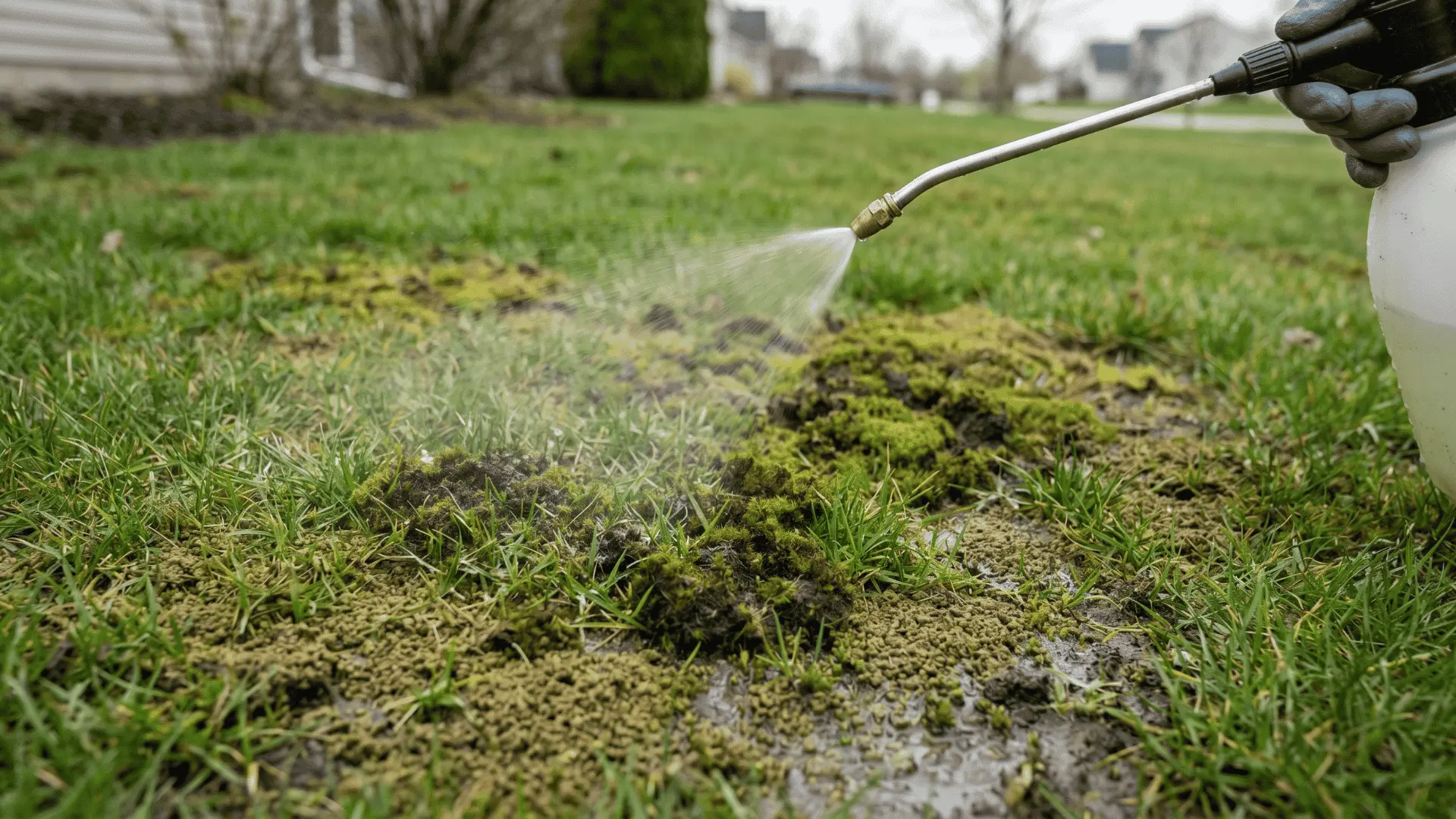
Start by killing the moss so it stops spreading and becomes easier to remove. Iron-based moss killers, especially those with ferrous sulfate, are the most effective.
They dry out the moss and turn it black within a few days, making it easy to identify and remove. When used correctly, these products do not harm grass.
Soap-based solutions can work on light moss but are less reliable for heavy growth. Apply on slightly damp grass so it spreads evenly and works better.
Step 2: Remove Dead Moss (Scarifying or Raking)
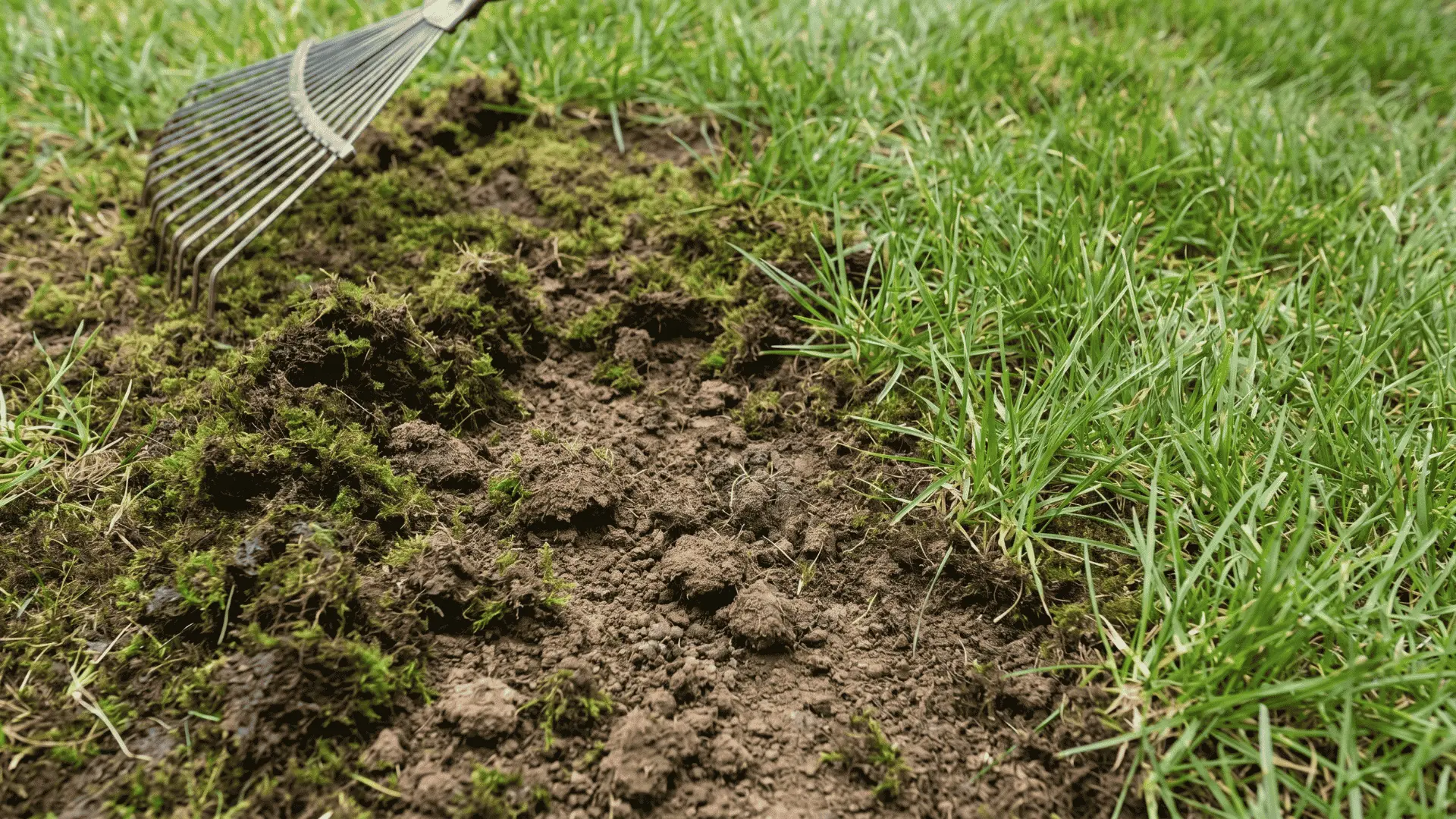
After the moss has died, it needs to be physically removed from the lawn. This is usually done using a scarifier, dethatcher, or a spring-tine rake for smaller areas.
Work across the lawn with firm strokes to pull out the dead moss and loosen the surface layer.
In areas with thick buildup, going over the same patch in different directions helps lift more material. If you leave the dead moss in place, it blocks grass from growing and slows down recovery.
Step 3: Repair the Lawn (Overseeding and Feeding)
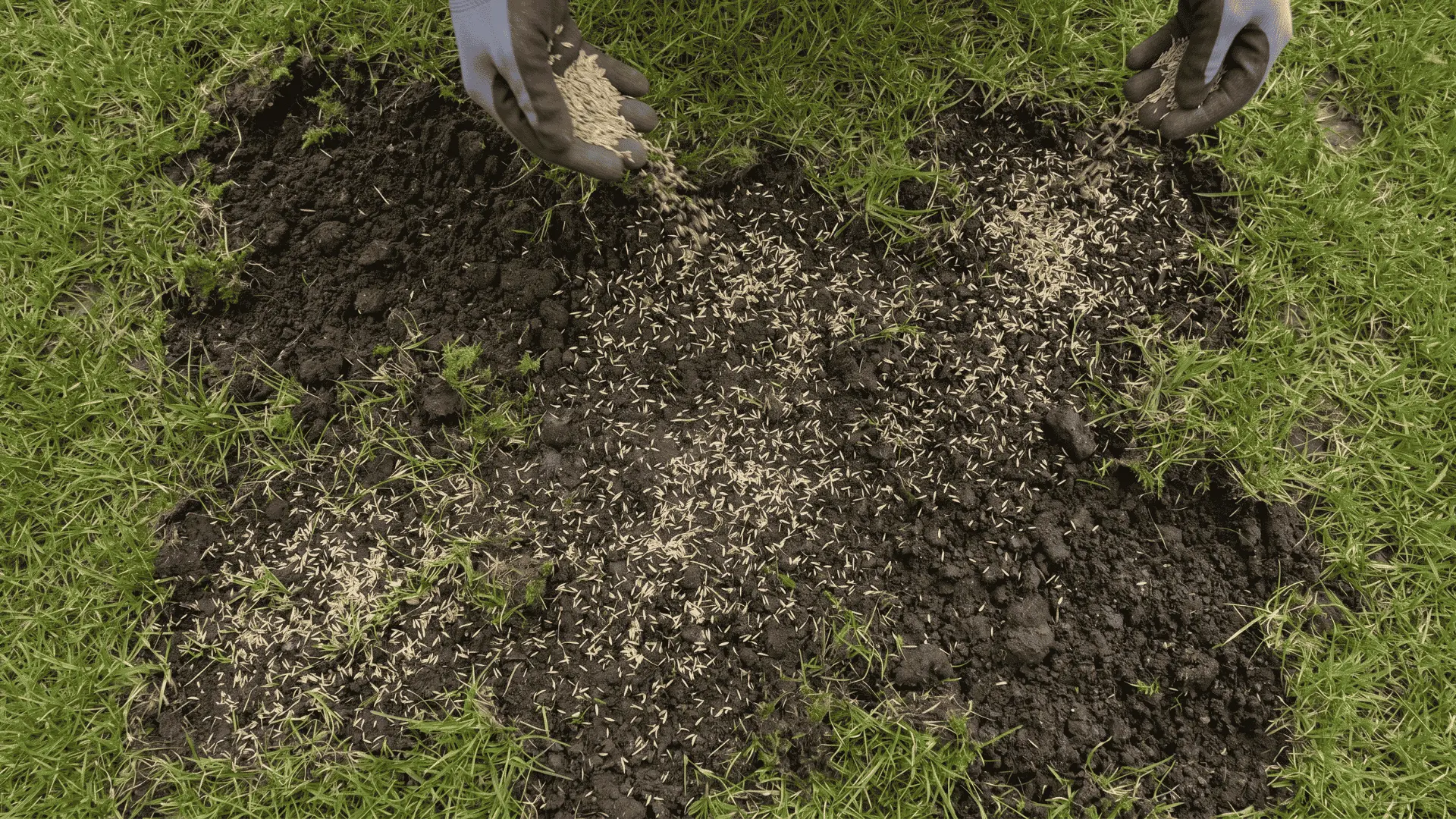
Once the moss is removed, the lawn will have thin or bare patches. These need to be filled quickly to stop moss from returning.
Overseeding helps rebuild grass density by spreading new seed across exposed soil. Adding fertiliser supports faster growth and strengthens existing grass.
This step is what turns a cleared lawn into a healthy one. Without it, empty spaces remain open for moss to come back.
Step 4: Prevent Regrowth (Fix Conditions)
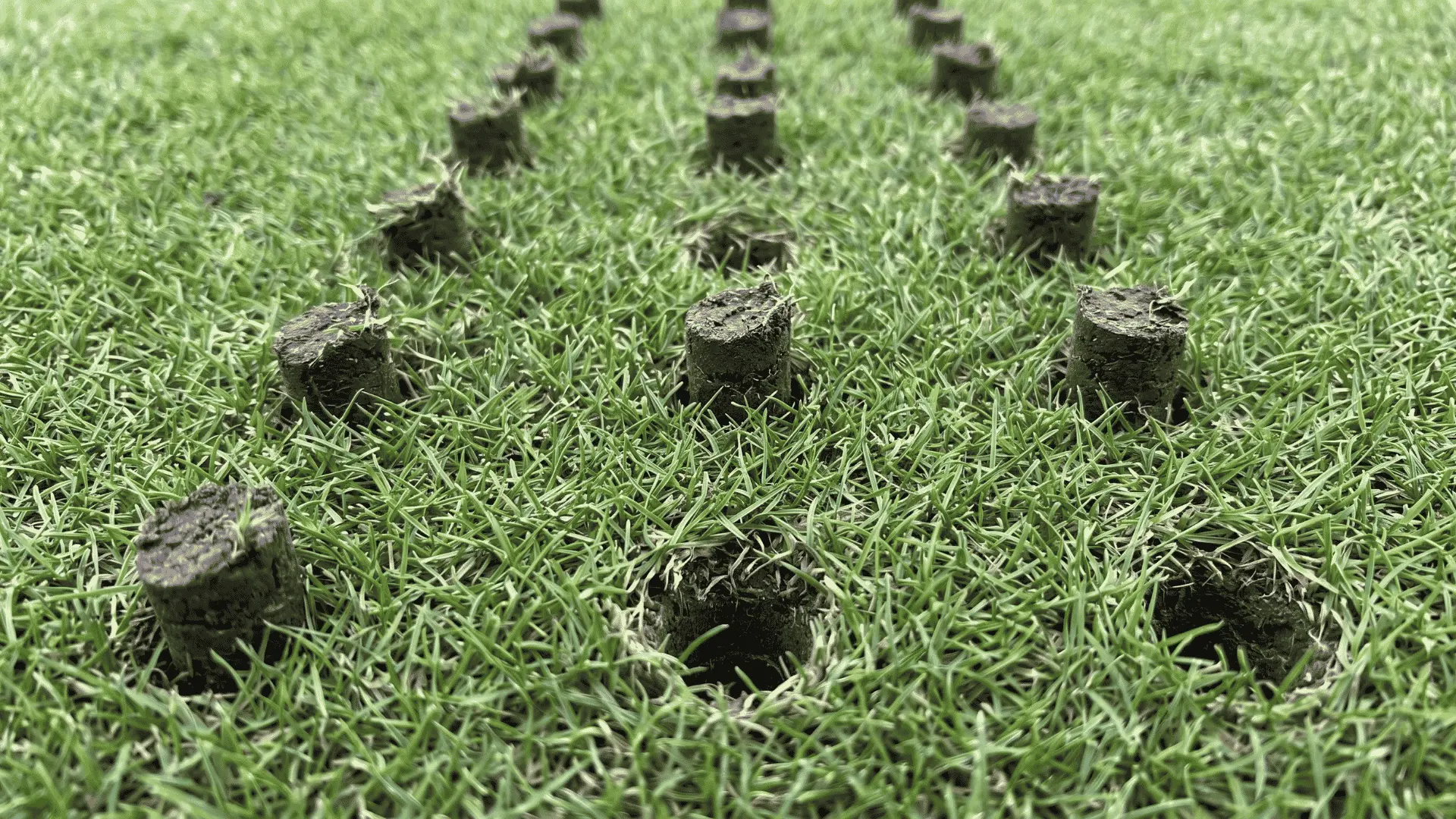
The final step is to stop moss from returning by improving the conditions in your lawn. Focus on reducing excess moisture, improving airflow in the soil, and increasing sunlight where possible.
These changes help grass grow stronger and more competitive. Killing moss only removes what you see.
Long-term results depend on making the lawn a place where grass can thrive and moss cannot.
How Do You Kill and Remove Moss without Damaging Grass?
Kill moss, then remove it gently during active growth. Overuse or aggressive removal can damage grass.
| Method | How It Works | Important Tip |
|---|---|---|
| Iron-Based Moss Killers | Dries out moss quickly so it turns black and becomes easier to remove. | Apply evenly on slightly damp grass and avoid overapplying. |
| Natural Moss Treatments | Uses soap or baking soda to weaken light moss growth. | Works best for small patches and may need repeated use. |
| Manual Removal (Raking) | Pulls dead moss from the lawn surface using steady strokes. | Rake gently to avoid tearing healthy grass roots. |
| Scarifying | Lifts thick moss and thatch from larger lawn areas more deeply. | Change direction in dense patches for better removal. |
| Avoiding Removal at the Wrong Time | Prevents stress on weak or dormant grass. | Remove moss only when grass is actively growing in spring or early fall. |
| Post-Removal Recovery | Helps grass fill bare spots after moss is cleared. | Water, overseed, and improve drainage to reduce moss return. |
Fixing the Lawn Conditions that Cause Moss
Fix the conditions so grass can grow thick and fill gaps. Most lawns have combined issues, so fixing just one is not enough.
- Improving Soil Structure (Aeration and Compaction Relief): Compacted soil blocks air and water, weakens roots, and traps moisture near the surface, so aeration helps open the soil and support stronger grass growth
- Correcting Soil PH (using Lime if Needed): Acidic soil limits grass growth while moss tolerates it, so lime can help balance pH when needed, but it works best with other fixes
- Improving Drainage and Moisture Balance: Excess moisture reduces oxygen in soil and weakens roots, so improving drainage helps grass grow better and reduces moss-friendly conditions
- Managing Shade (trimming or Grass Selection): Low light weakens grass and creates gaps, so trimming or using shade-tolerant grass like fine fescue helps improve coverage
How to Repair Bare Spots After Removing Moss
After removing moss, the lawn is exposed. Bare patches allow moss to return, so the goal is to grow dense grass that fills the space and blocks it out.
1. Overseeding Correctly
Spread grass seed evenly over exposed soil so it makes direct contact, which helps it grow properly.
The best time is spring or early autumn. Lightly rake after seeding so it settles in. If you skip this, empty patches remain and moss returns quickly.
2. Choosing the Right Grass Type
Use grass types that match your lawn conditions. In shaded areas, fine fescue performs better because it tolerates lower light.
In sunnier areas, regular lawn mixes work well. Choosing the right type helps maintain even coverage and reduces gaps.
3. Feeding and Early Care
Apply a balanced fertiliser to support new growth and strengthen existing grass. Water regularly but avoid soaking the soil.
Keep foot traffic low until the grass establishes. As the grass thickens, it fills the space and prevents moss from taking hold again.
Conclusion
Moss returns when the lawn conditions stay the same, not because removal fails. Lasting results come from improving soil, light, and moisture so grass can grow thick and fill gaps naturally.
Each step only works when it supports the next, not in isolation. Once the lawn becomes stronger, moss has no space to return.
Understanding how to get rid of moss in a lawn is about fixing the environment, not just clearing it. Start with the right process and adjust conditions early for better results.
Frequently Asked Questions
What Kills Moss in a Lawn Quickly?
Iron-based moss killers (ferrous sulfate) work fastest. They dry moss within days, turning it black for easy removal. They only treat the surface, so moss returns if conditions stay the same.
Do You Need to Remove Moss Before Overseeding?
Yes, moss must be removed before overseeding. It blocks seed-to-soil contact, which stops germination. Clearing it ensures seeds reach soil and grow evenly across the lawn.
Will Lime Get Rid of Moss Permanently?
Lime helps only if acidic soil is the cause. It will not fix shade or drainage issues. For long-term results, you need to correct all conditions that allow moss to grow.