How to Soundproof a Room: Effective Methods and Tips
Noise doesn’t just bother you, it drains you. If it’s a loud neighbor, street traffic, or sound leaking between rooms, it affects your sleep, focus, and peace of mind.
The fix isn’t always expensive or complicated. Learning how to soundproof a room the right way can make a huge difference, without tearing down walls.
This blog covers everything from sealing gaps to advanced techniques, with budget-friendly options in between.
Understand the Fundamentals of Soundproofing a Room
Before you spend a single rupee or dollar, you need to understand how sound actually works. Skipping this step is the #1 reason most DIY soundproofing fails.
What is soundproofing? Soundproofing means reducing the amount of sound that enters or leaves a space. It’s not about eliminating all noise; it’s about reducing it to a comfortable level.
Two types of noise you’re dealing with:
- Airborne noise: Sound that travels through the air, like voices, music, or TV. It passes through walls, gaps, and thin surfaces.
- Impact noise: Sound caused by physical contact, like footsteps, dropped objects, or furniture dragging. It travels through solid structures like floors and ceilings.
Knowing which type you’re dealing with helps you choose the right fix.
Effective Ways to Seal Gaps and Block Sound

1. Sealing Gaps and Air Leaks
This is the first and most important step because sound travels through even the smallest openings. Gaps around doors, windows, outlets, baseboards, and wall edges act like open pathways that let noise pass through easily.
Use acoustic sealant along cracks and wall edges, weatherstripping around door frames, and door sweeps at the bottom of doors. These materials block air gaps and reduce sound leakage quickly without major renovation work.
Sealing gaps is affordable, simple, and often makes a noticeable difference immediately. Many people skip this step and move straight to foam panels, but untreated gaps are usually the main reason soundproofing fails.
2. Adding Mass to Block Sound
Once gaps are sealed, the next step is making walls, doors, or floors heavier so sound has a harder time passing through them. Dense materials absorb vibration energy better and reduce airborne noise like voices, music, or TV sound.
Adding an extra drywall layer is one of the most effective long-term solutions for permanent spaces. Mass Loaded Vinyl (MLV) is another option that works well for renters because it is flexible and easier to install on walls, floors, or doors.
This method works best for blocking airborne sound rather than impact noise like footsteps. Sealing and added mass work together; using only one method limits the overall result.
3. Using Sound Absorption Materials
Blocking sound and controlling echo are two different things. Absorption materials reduce sound reflections inside a room, making the space quieter and less echo-heavy.
Acoustic foam panels, thick rugs, carpets, acoustic blankets, and corner bass traps all help absorb sound energy instead of reflecting it around the room. These materials work best on large flat surfaces like walls, ceilings, and floors.
Absorption improves sound quality inside the room, but it does not fully stop outside noise from entering. For effective soundproofing, absorption needs to be combined with sealing and mass blocking.
4. Installing Soundproof Insulation Inside Walls
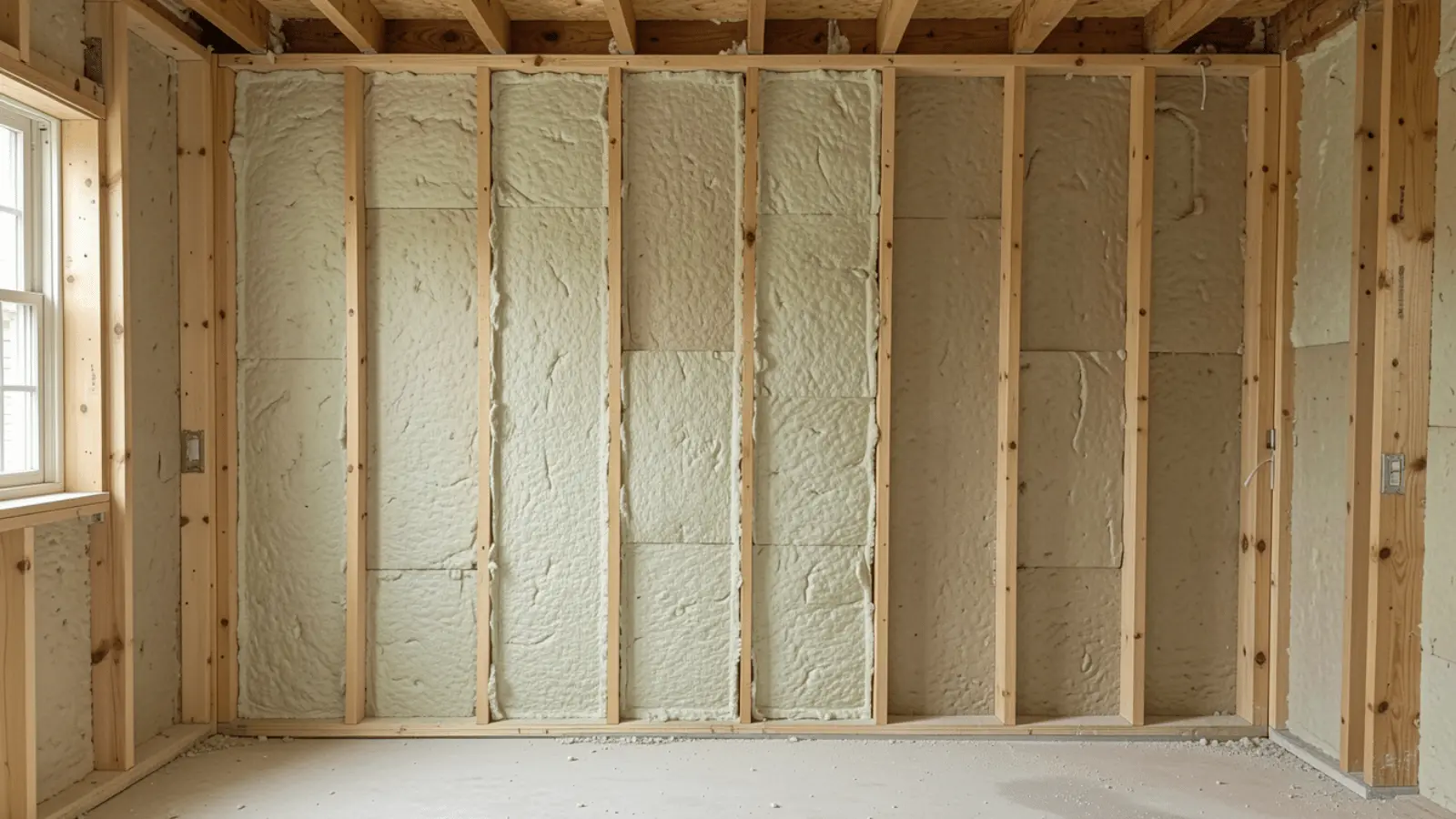
For stronger soundproofing, insulation can be added inside wall cavities to absorb sound within the structure itself. Dense materials like Rockwool or fiberglass insulation reduce sound transfer much better than empty wall spaces.
This method usually requires opening walls, so it works best during construction or renovation projects. Rockwool is often preferred because it is denser and performs better acoustically than regular fiberglass insulation.
Insulation alone is not enough, but combined with drywall and sealing, it greatly improves overall sound reduction.
5. Building a Decoupled “Room Within a Room.”
This is one of the most advanced soundproofing methods and is commonly used in recording studios or music rooms. The idea is to build a second structure inside the existing room so sound vibrations cannot travel directly through connected surfaces.
Decoupling breaks the physical path that sound normally uses to move through walls, ceilings, and floors. Even small structural connections between the two layers can reduce effectiveness, which is why installation must be done carefully.
This method provides extremely high sound isolation but is also one of the most expensive and labor-intensive options.
6. Using Budget-Friendly Soundproofing Fixes
Not every soundproofing project needs major construction. Several low-cost methods can still reduce everyday noise noticeably, especially in apartments or rental spaces.
Moving blankets, heavy curtains, rugs, carpets, bookshelves against shared walls, and DIY acoustic panels all help absorb or soften sound. Thick curtains reduce outside noise through windows, while rugs help reduce echoes and impact noise on hard floors.
These methods will not completely soundproof a room, but they are affordable, renter-friendly, and useful for moderate noise problems.
Common Soundproofing Mistakes and How to Avoid Them
Small errors can make your entire soundproofing effort useless. Here are the most important ones to avoid.
- Using egg cartons as acoustic treatment: They have almost no density and do very little acoustically. They can also be a fire hazard.
- Relying on just one method: Sealing, adding mass, and absorbing sound must work together for real results.
- Not testing after each step: Make one change at a time so you know exactly what’s working and what isn’t.
Fix the process, not just the walls, and your results will speak for themselves.
Conclusion
Soundproofing doesn’t have to feel overwhelming. This blog gave you everything, from sealing gaps to advanced noise isolation, to take real action.
Start small, layer your methods, and build from there. The biggest takeaway? No single fix works alone.
Combining the right techniques always delivers better results. Even budget-friendly steps bring noticeable relief. And remember, how to soundproof a room effectively comes down to understanding your noise problem first, then picking the right fix.
If you found this helpful, check out other home improvement and DIY blogs. Your quieter room is closer than you think.
Frequently Asked Questions
Can you soundproof a room without doing any construction?
Yes, to a good extent. Using heavy curtains, rugs, moving blankets, door sweeps, and weatherstripping can reduce noise without any major work.
Does soundproofing also work for ceilings?
Yes. Ceilings are a common path for impact noise, especially footsteps from the floor above. Adding a second layer of drywall with a damping compound or installing acoustic ceiling tiles can help.
How much does it typically cost to soundproof a room?
It depends on the size of the room and the methods used. Budget DIY fixes can cost as little as a few hundred dollars. A more complete professional soundproofing job can run anywhere from $1,000 to $3,000 or more.