A Practical Guide to Choosing the Right Heating System for Your Home
Published On:
Selecting a heating system has become one of the most important decisions for modern homeowners across Australia today.
Whether you are upgrading an older property or fitting out a new build, the choice directly impacts comfort, energy bills, and long-term running costs.
Today’s market offers a wider range of options than ever before, from sleek wall-mounted panels to whole-house ducted systems.
Understanding how each one works is the first step toward making a confident, well-informed investment in your living space.
Why Your Heating Choice Matters
A heating system is not just about staying warm during winter; it is about how a home feels and functions every single day of the year.
The right setup can transform a draughty living space into a sanctuary that genuinely supports rest, productivity, and family life.
Beyond comfort, heating represents a significant share of household energy use in most Australian states.
Choosing wisely can mean lower power bills, a smaller carbon footprint, and a more resilient home for many years to come.
Wall-Mounted Electric Heaters
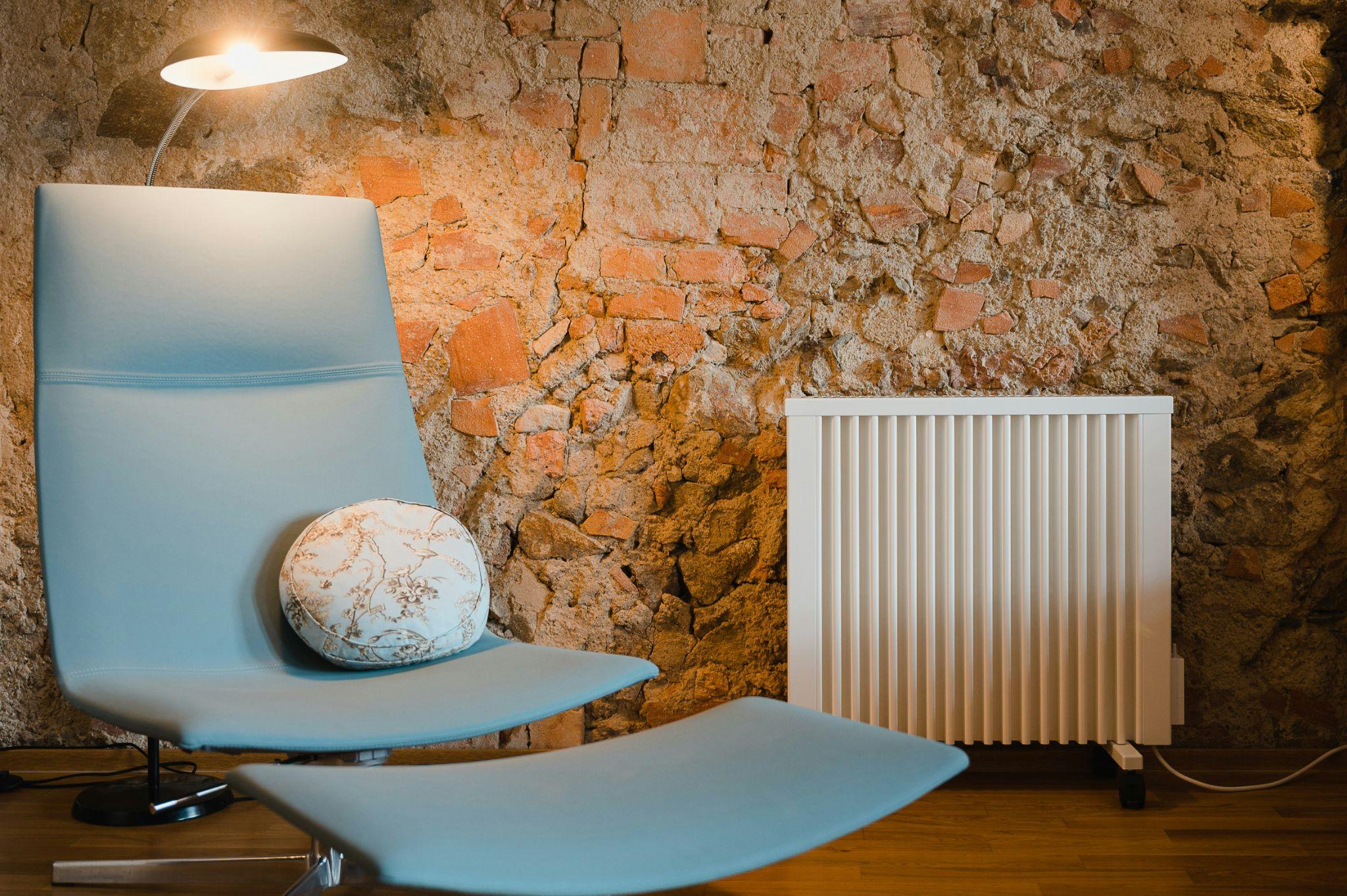
Electric wall heaters have evolved dramatically over the past decade, moving far beyond the bulky models of earlier generations.
Modern panel heaters are slim, stylish, and packed with smart features that suit contemporary interiors and design sensibilities.
These units mount directly to the wall and require no plumbing or complex ductwork to operate efficiently.
Their compact form makes them ideal for apartments, studies, bedrooms, and other smaller rooms where space is genuinely at a premium.
Many of today’s models include Wi-Fi connectivity, programmable timers, and built-in thermostats for precise room-by-room temperature control.
This level of customisation gives users the ability to heat only what they need, when they need it, instead of warming the entire property unnecessarily.
For those who appreciate design as much as performance, premium retailers offer European-made panels that double as architectural features.
You can shop electric wall heater solutions that blend German engineering with minimalist aesthetics to create a truly modern home environment.
Hydronic Heating Systems
Hydronic heating uses warm water circulating through pipes to deliver gentle, even warmth throughout a property.
The system is quiet, allergen-friendly, and well-suited to homes with young families or sensitive household members.
Underfloor hydronic systems are particularly popular in new builds because they eliminate visible radiators while providing luxurious warmth from beneath the surface.
Wall-mounted hydronic panels offer a stylish alternative for retrofits where lifting flooring would be impractical or excessively costly.
Gas Heating Options
Gas heating remains a trusted option in many Australian homes, particularly in colder southern regions like Melbourne and Hobart.
It heats spaces quickly, runs reliably during peak winter demand, and connects easily to existing supply infrastructure in most established suburbs.
While gas prices and emissions concerns have shifted some homeowners toward electric alternatives, modern high-efficiency gas units still offer excellent performance.
Choosing a properly sized appliance is essential to balance running costs with consistent day-to-day warmth across the colder months.
Smart Controls and Modern Conveniences
The rise of smart home technology has transformed how we interact with heating systems in recent years.
App-based controls, voice assistant integration, and learning thermostats now make it easy to manage warmth from almost anywhere in the world.
These features help reduce wasted energy by adjusting temperatures based on occupancy, weather forecasts, and personal preferences.
Even older properties can benefit significantly from smart upgrades that extend the life and efficiency of existing heating equipment.
Reverse Cycle and Ducted Systems
Reverse cycle technology delivers both heating and cooling from a single appliance, offering year-round comfort with one well-chosen investment.
These units extract warmth from the outside air during winter and simply reverse the process to cool the home during summer.
When paired with ducting, reverse cycle systems can quietly heat or cool every room from one centrally located unit.
This integrated approach is increasingly popular in larger family homes and modern open-plan layouts across Australian capital cities.
Ducted systems are particularly effective for whole-house climate control because they distribute conditioned air evenly through ceiling or floor vents.
Properly designed zoning lets families heat only the rooms in active use, reducing wasted energy considerably over the course of a typical winter.
For homeowners considering this approach, partnering with seasoned specialists for ducted split system installation ensures the design, sizing, and installation are all completed correctly.
Quality workmanship at this stage prevents costly performance issues from emerging later down the track.
Energy Efficiency Considerations
Energy efficiency should be near the top of every homeowner’s checklist when comparing different heating options on the market.
The most efficient systems convert nearly all the energy they consume into usable heat, while older or poorly maintained units can waste significant amounts of power and money each season.
Star ratings, government rebate programs, and independent reviews can all help identify products that punch above their weight.
Smaller details like insulation quality, double glazing, and room sealing also play a major role in how efficient any heating system can ultimately become.
Balancing Upfront and Long-Term Costs
The cheapest system to buy is rarely the cheapest system to run over its full working life. A higher upfront investment in a well-engineered, energy-efficient unit usually delivers better value through lower bills and fewer breakdowns over the years.
Homeowners should always ask installers for an estimate of typical running costs alongside the purchase price.
Government rebates and energy upgrade programs can also significantly reduce the real cost of switching to a more efficient solution.
Looking After Your Heating System
Even the best heating system will lose performance if it is neglected over time. Annual servicing keeps internal components clean, ensures safe operation, and helps identify minor issues before they turn into expensive repair bills down the line.
Filter cleaning, vent inspections, and thermostat calibration are simple tasks that make a measurable difference to running costs.
A short maintenance visit each year typically pays for itself many times over through extended equipment life and reliable winter performance.
Matching the System to Your Home
Every property has unique characteristics that influence which heating solution will work best for the occupants inside.
Ceiling height, layout, insulation, climate zone, and the way each room is used all factor heavily into the ideal choice.
A small inner-city apartment may thrive with two or three smart electric panels, while a sprawling suburban family home might need a ducted system with multiple zones.
Speaking with a qualified heating specialist helps clarify these decisions early and avoid expensive mistakes during the selection process.
Final Thoughts
The best heating system is the one that fits your home, lifestyle, and budget rather than simply what is most popular at the moment.
Taking time to compare options now means greater comfort and lower running costs for many winters ahead.
Investing in quality equipment and professional installation always pays off in long-term performance, durability, and peace of mind.
Whether you choose elegant wall panels, gas, hydronic, or a comprehensive ducted setup, the goal is the same: a warm, welcoming home all season long.
Isaiah Warren is an expert in home improvement with a degree in Civil Engineering from the University of Texas and has guided homeowners through renovation planning since 2011. He brought his wealth of experience to various websites, offering insights into effective and efficient renovation planning.
His approach is characterized by a blend of creativity and functionality, ensuring style and practicality in home transformations. In his downtime, he enjoys restoring classic furniture, further honing his skills in home refurbishment. He is also a DIY enthusiast, often undertaking personal renovation projects.