How to Plant Cucumbers and Grow a Bigger Harvest
Starting cucumbers can feel difficult when seeds fail to grow or plants stop producing properly. Many beginners struggle with watering mistakes, weak soil, or poor planting conditions.
Learning how to plant cucumbers correctly helps plants grow healthier.
This article covers planting, watering, harvesting, and common mistakes to avoid. You’ll learn simple steps to keep cucumber plants healthy all season long.
How to Plant Cucumbers Successfully as a Beginner
Cucumbers grow quickly and can start producing within a couple of months. This makes them a rewarding choice for beginner gardeners.
They grow well in raised beds, containers, and regular garden soil. Warm soil and proper sunlight help plants grow steadily.
Cucumber plants can produce fresh harvests throughout the summer season. Regular picking encourages the plant to keep producing more fruit.
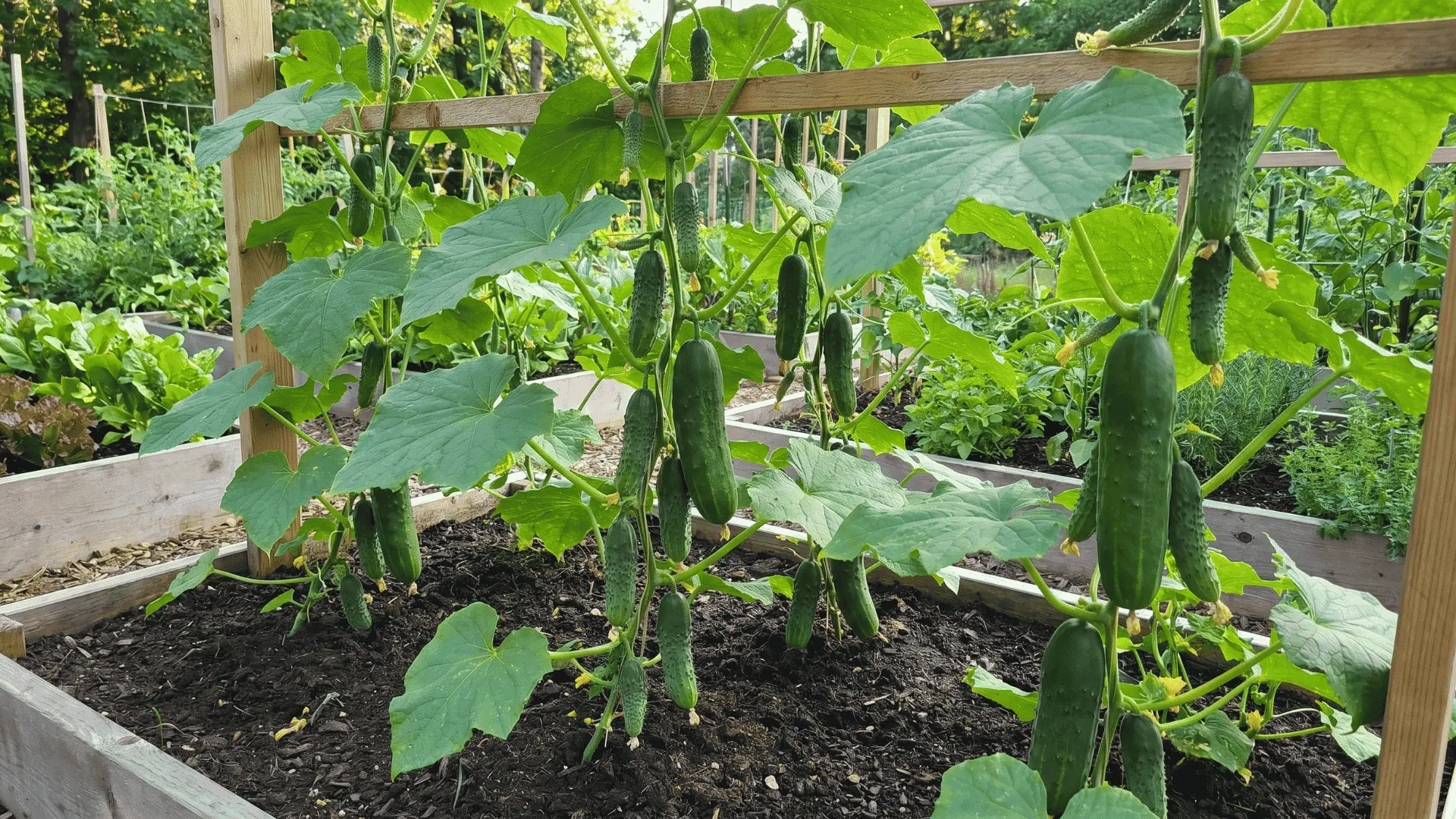
Most cucumber varieties grow well on trellises or vertical supports. Vertical growing saves space and makes harvesting much easier.
Ideal Growing Conditions for Cucumbers
| Growing Factor | Ideal Condition |
|---|---|
| Temperature | 65°F–85°F |
| Sunlight | 6–8 hours daily |
| Soil Temperature | At least 65°F |
| Water Needs | Consistently moist soil |
| Support | Trellis for climbing vines |
| Harvest Time | 50–70 days after planting |
Best Soil Conditions
Healthy soil helps cucumber plants grow faster and produce better harvests. Warm, nutrient-rich soil also improves seed germination and root development.
- Use loose, well-draining soil so roots can spread easily and avoid water buildup.
- Keep soil temperature around 65°F or higher before planting cucumber seeds.
- Mix compost into the soil to improve nutrients and moisture retention naturally.
- Avoid heavy or compact soil because it can slow root growth and drainage.
- Choose a planting area with soil that stays moist but does not become soggy.
- Test soil moisture regularly to maintain healthy growing conditions throughout the season.
Good soil conditions help cucumber plants establish quickly and stay healthier longer. Healthy roots also improve fruit production and reduce common growing problems.
Step-by-Step: How to Plant Cucumbers
Planting cucumbers becomes much easier when you follow the right growing steps from the beginning. Proper timing, sunlight, soil, and watering all help cucumber plants grow healthier and produce better harvests.
Step 1: Choose the Right Planting Time
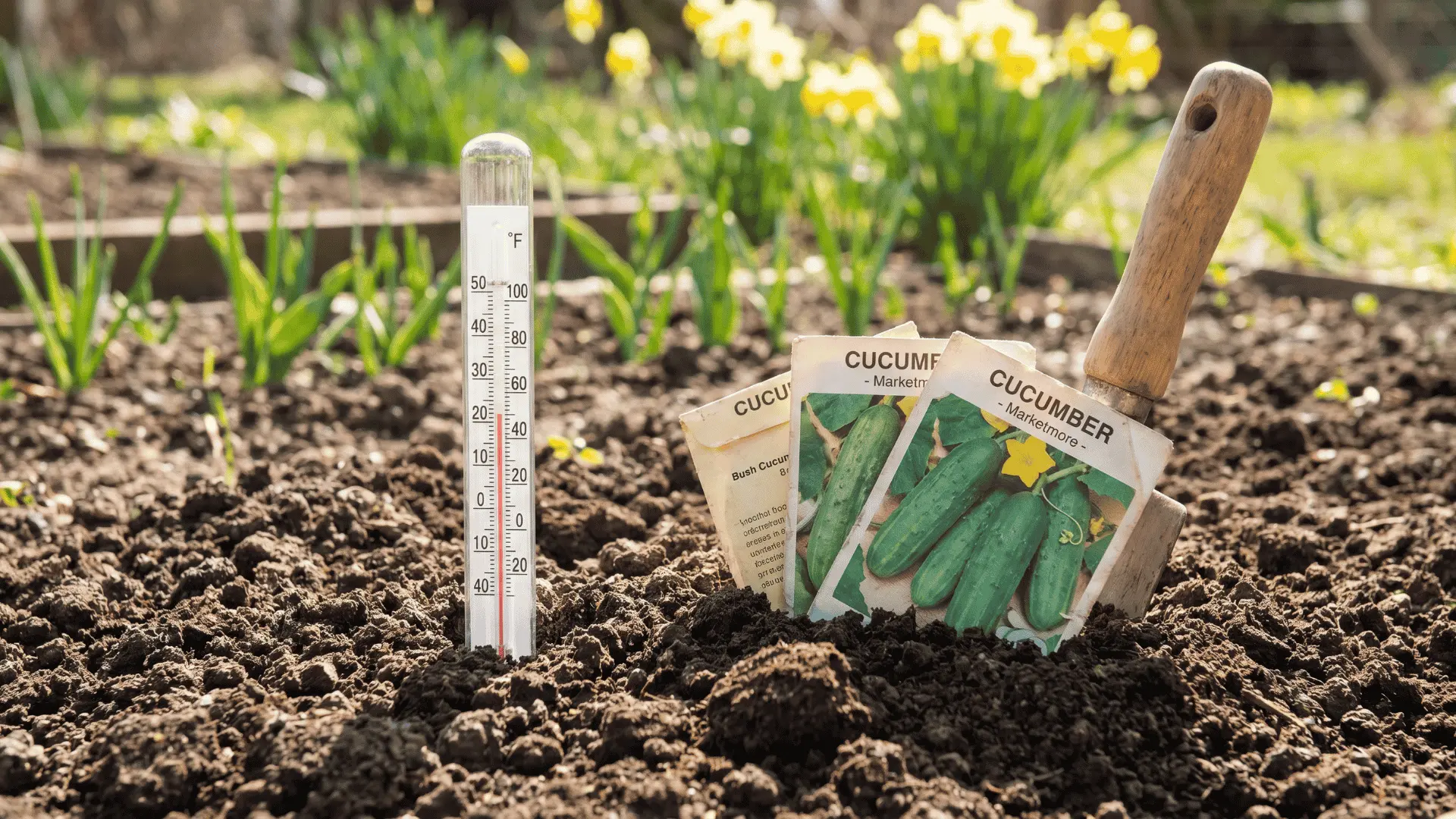
Plant cucumbers only after the last frost has passed in your area. Cold soil and low temperatures can slow down growth or damage seedlings.
Make sure the soil temperature is at least 65°F before planting seeds. Warm conditions help cucumber seeds germinate faster and grow properly.
Step 2: Pick a Sunny Spot

Choose a planting area that gets 6 to 8 hours of direct sunlight daily. Cucumber plants grow best in warm and bright growing conditions.
Good sunlight helps vines grow stronger and improves fruit production. Too much shade can lead to weak plants and smaller harvests.
Step 3: Prepare the Soil
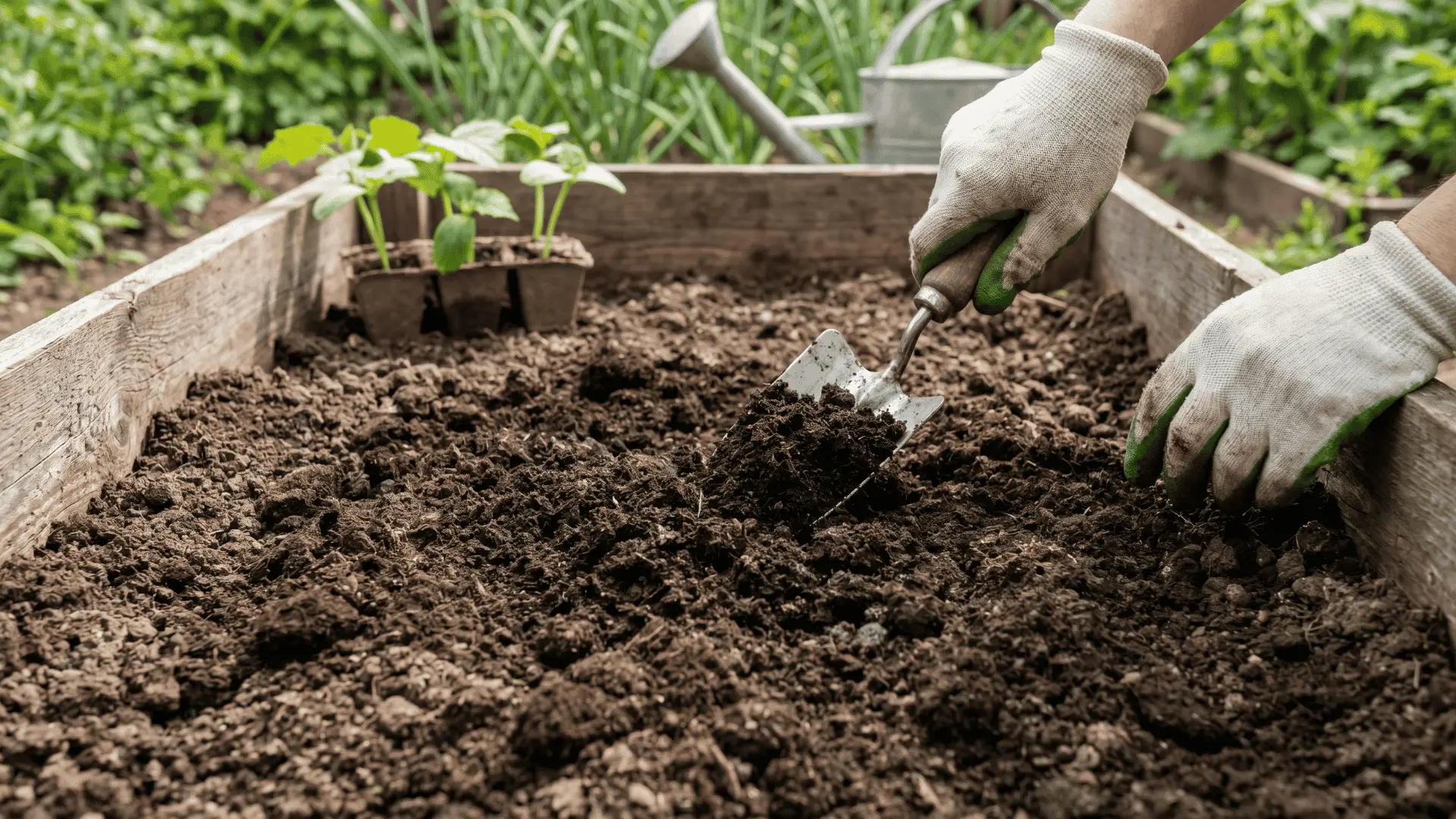
Use loose, rich, and well-draining soil for healthy root development. Good soil structure helps roots absorb water and nutrients more easily.
Mix compost into the soil before planting cucumber seeds or seedlings. Compost improves soil fertility and supports steady plant growth.
Step 4: Plant the Seeds
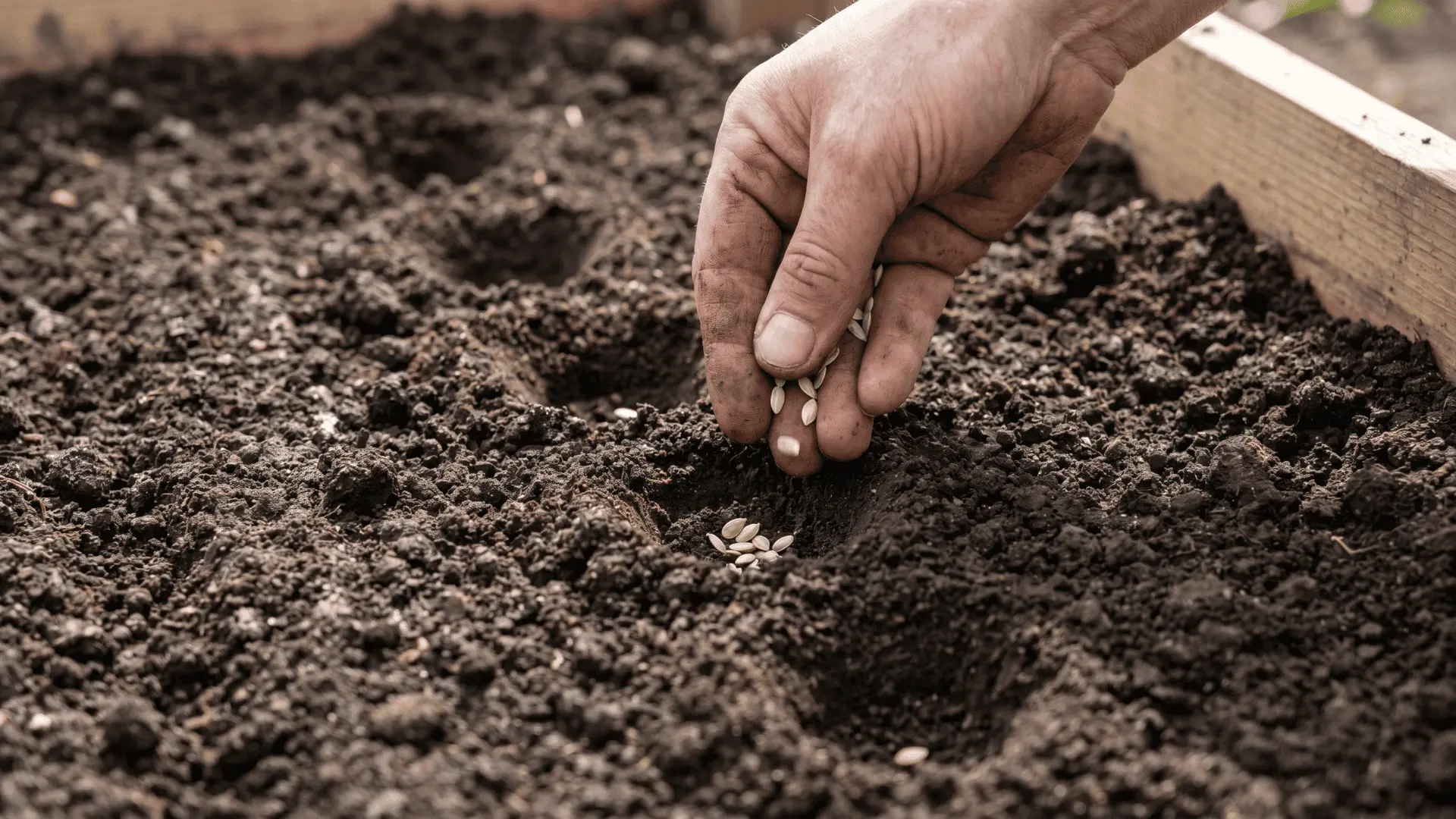
Sow cucumber seeds about ½ to 1 inch deep into warm soil. Planting too deeply can slow down seed germination and growth.
Leave enough space between seeds so plants can spread properly. Proper spacing improves airflow and reduces disease problems.
Step 5: Water After Planting
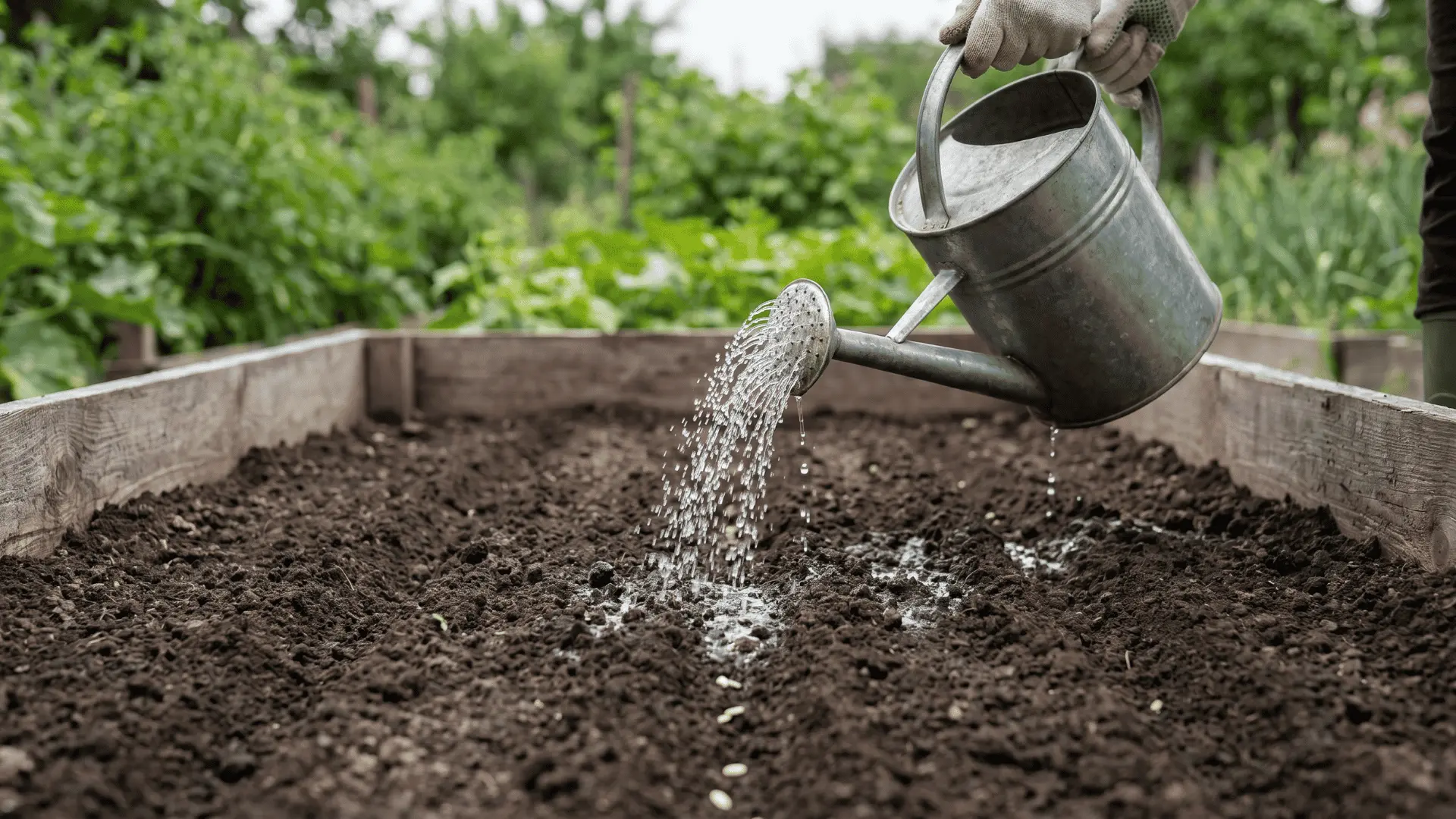
Water the soil gently right after planting cucumber seeds. Moist soil helps seeds sprout evenly and establish healthy roots.
Keep the soil consistently moist during the germination stage. Avoid overwatering because soggy soil can damage young roots.
Step 6: Add Support
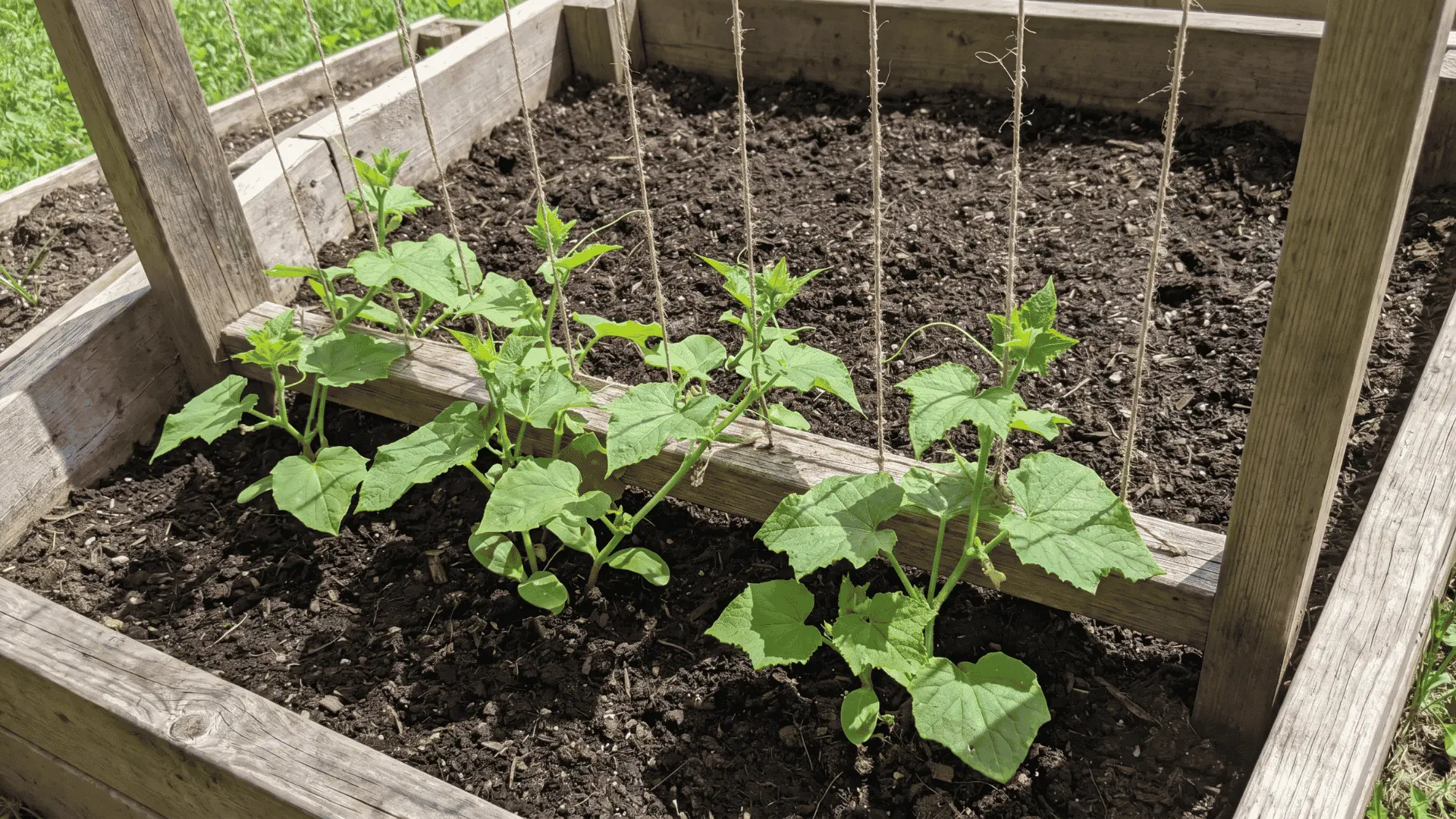
Place a trellis, cage, or fence near cucumber plants for support. Vertical growing helps vines stay organized and easier to manage.
Growing cucumbers upward also improves airflow around the leaves. This can help reduce disease problems and save garden space.
Step 7: Care for Young Plants
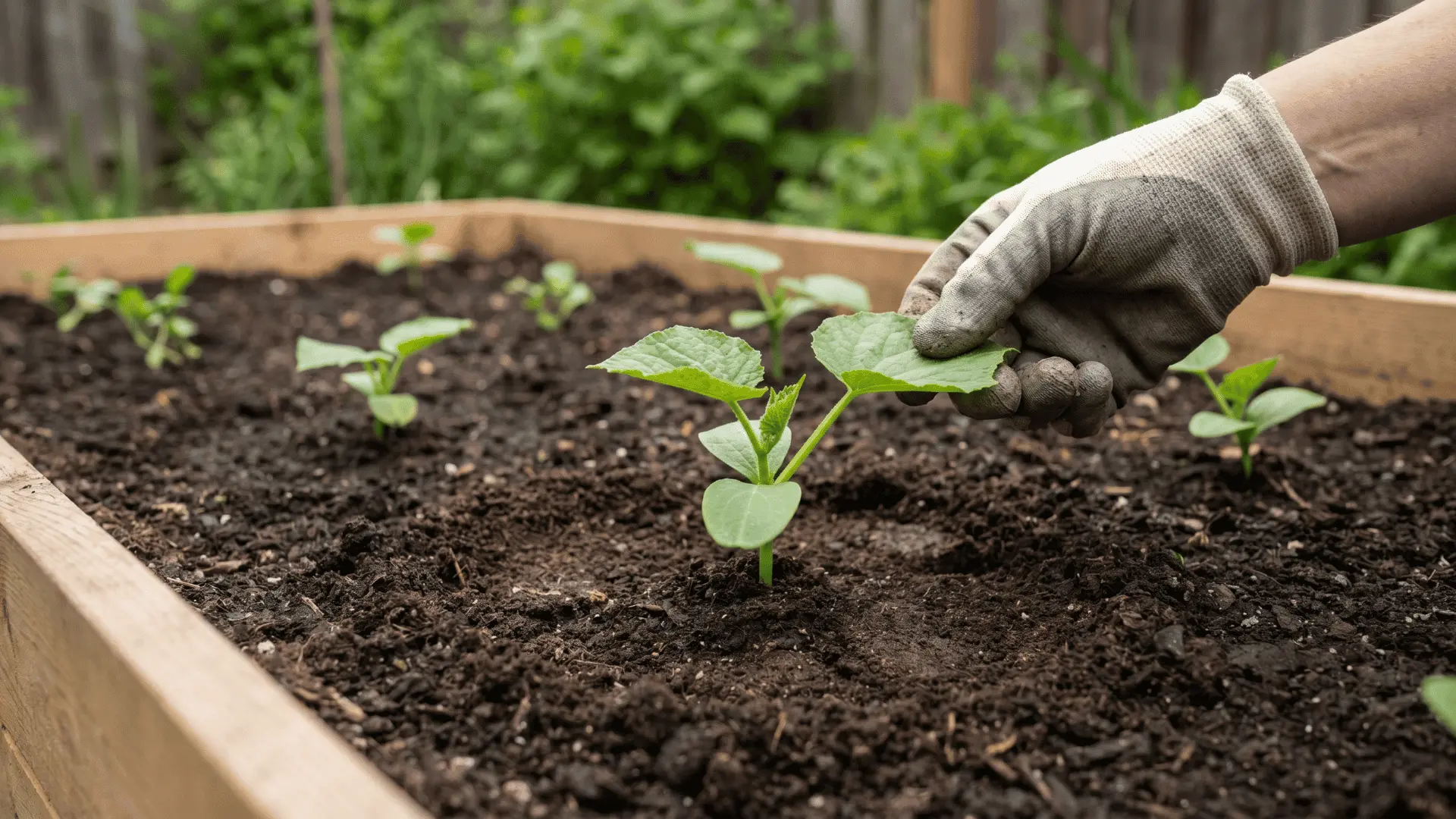
Thin out weaker seedlings if multiple seeds sprout too close together. This gives healthy plants more room to grow and spread.
Continue watering regularly and check plants for pests or yellow leaves. Early care helps cucumber plants stay healthy throughout the season.
Choosing the Right Cucumber Variety
Different cucumber varieties grow differently and serve different purposes.
Choosing the right type makes growing and harvesting easier for beginners.
| Cucumber Type | Features | Best Use |
|---|---|---|
| Slicing Cucumbers | Long, smooth, and crisp | Salads and fresh eating |
| Pickling Cucumbers | Small, firm, and crunchy | Pickles and preserving |
| Bush Cucumbers | Compact and space-saving | Containers and small gardens |
| Vining Cucumbers | Climbing plants with larger harvests | Trellises and bigger garden beds |
The right cucumber variety depends on your space and how you plan to use the harvest. Beginner-friendly varieties are usually easier to grow and maintain.
Should You Use Trellis?
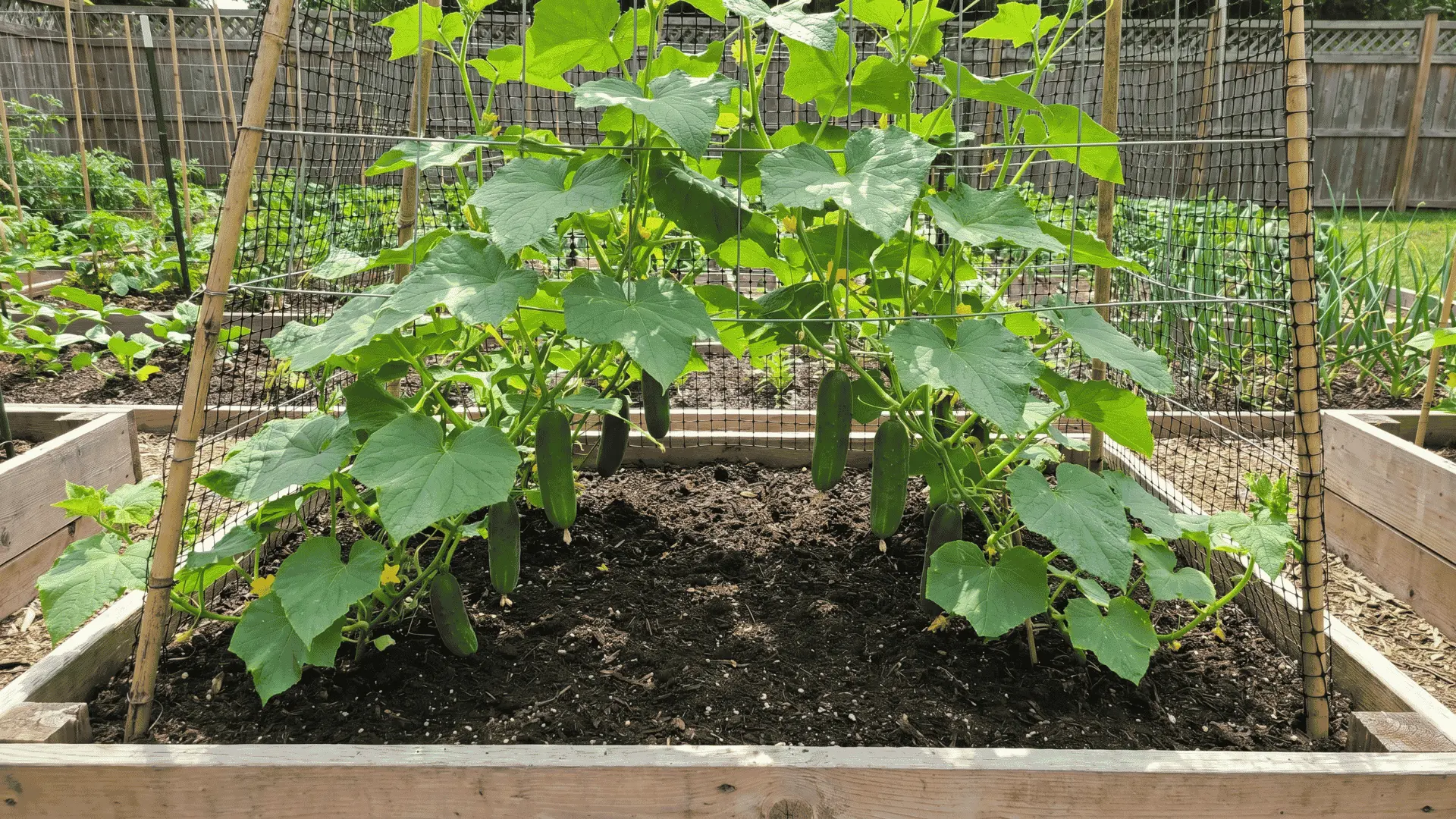
Using a trellis helps cucumber plants grow upward instead of spreading across the ground. This keeps the garden area cleaner and easier to manage throughout the season.
Vertical growing improves airflow around the leaves and reduces moisture buildup. Better airflow can help lower the risk of mildew and other plant diseases.
Trellised cucumber plants are easier to harvest because fruits stay visible and cleaner. Keeping cucumbers off the soil also helps reduce rot and pest problems.
Simple supports like fence panels, bamboo stakes, or garden netting work well for cucumbers. A strong trellis also makes watering, pruning, and plant care much easier.
Nutrients Cucumber Plants Need to Grow Well
Cucumber plants need regular nutrients to support healthy vines and fruit production.
Proper feeding helps improve plant growth and harvest quality.
- Best Nutrients for Growth: Nitrogen supports healthy leaf and vine growth during the early stage. Phosphorus helps plants produce stronger flowers and healthier cucumbers.
- Organic Fertilizer Options: Compost improves soil quality and slowly adds nutrients to the plants. Worm castings and liquid fertilizers support healthy roots and steady growth.
Regular feeding keeps cucumber plants healthy throughout the growing season. Balanced nutrients also help improve flowering, fruit quality, and overall harvest size.
Common Cucumber Problems and Fixes
Cucumber plants can sometimes face growing problems during the season.
Most issues are easy to manage once you identify the signs early.
| Problem | Common Cause | Simple Fix |
|---|---|---|
| Yellow Leaves | Overwatering, poor nutrients, or lack of sunlight | Improve drainage, feed the plant, and make sure it gets enough sun |
| Bitter Cucumbers | Inconsistent watering and heat stress | Keep soil evenly moist and water regularly during hot weather |
| Flowers but No Fruit | Poor pollination or only male flowers appearing | Attract pollinators or hand-pollinate female flowers |
| Powdery Mildew | Poor airflow and excess moisture on leaves | Space plants properly and avoid watering leaves late in the day |
| Cucumber Beetles | Beetles feeding on leaves and spreading disease | Use row covers, hand-pick beetles, or apply organic pest control methods |
Checking plants regularly can help catch problems before they spread. Healthy watering, spacing, and sunlight reduce many common cucumber issues.
Common Cucumber Pests and How to Prevent Them
Cucumber plants can attract a few common garden pests during the growing season. Checking plants regularly helps prevent damage and keeps vines healthier for longer.
- Cucumber beetles feed on leaves and can spread plant diseases quickly.
- Aphids gather under leaves and weaken plants by sucking out moisture and nutrients.
- Spider mites can cause yellow spots and dry-looking cucumber leaves during hot weather.
- Slugs and snails may damage young cucumber seedlings and tender leaves overnight.
- Using row covers and keeping the garden clean can help reduce pest problems naturally.
- Hand-picking pests early and spraying plants with water can help control small infestations.
Healthy plants are usually better at handling minor pest problems during the season. Regular watering, spacing, and airflow also help reduce pest activity around cucumber plants.
Harvesting Cucumbers the Right Way
Harvesting cucumbers at the right time helps improve flavor, texture, and future production.
Regular harvesting also keeps the plant producing throughout the growing season.
- When to Harvest: Pick cucumbers before they become overripe to keep them crisp and flavorful.
- How Often to Harvest: Harvest cucumbers frequently because regular picking encourages the plant to produce more fruit.
- Best Harvesting Tips: Use clean pruners or scissors to avoid damaging the plant while harvesting. Harvest cucumbers in the morning when fruits are cooler and fresher.
Picking cucumbers on time helps maintain healthy vines and better-quality harvests. Frequent harvesting also prevents oversized cucumbers from slowing down production.
Final Thoughts
Growing cucumbers becomes easier when you focus on proper timing, watering, and sunlight. Healthy plants can produce fresh cucumbers throughout the summer season.
Learning how to grow cucumbers the right way helps prevent common growing problems. Simple care steps can improve both plant growth and harvest quality.
Start with beginner-friendly cucumber varieties for an easier gardening experience. Raised beds, containers, and trellises all work well for growing cucumbers.
Plant in warm soil, water consistently, and harvest regularly for the best results. With the right care, you can enjoy fresh homegrown cucumbers straight from your garden.
Frequently Asked Questions
Can Cucumber Plants Grow without a Trellis?
Yes, cucumber plants can grow on the ground without support if enough space is available.
However, using a trellis usually keeps plants healthier and makes harvesting easier.
Why are My Cucumber Leaves Turning White?
White patches on cucumber leaves are often caused by powdery mildew or sun stress.
Improving airflow and avoiding overhead watering can help reduce the problem.
How Deep Should Cucumber Seeds Be Planted?
Cucumber seeds should usually be planted about ½ to 1 inch deep in warm soil.
Planting too deeply can slow germination and weaken young seedlings.