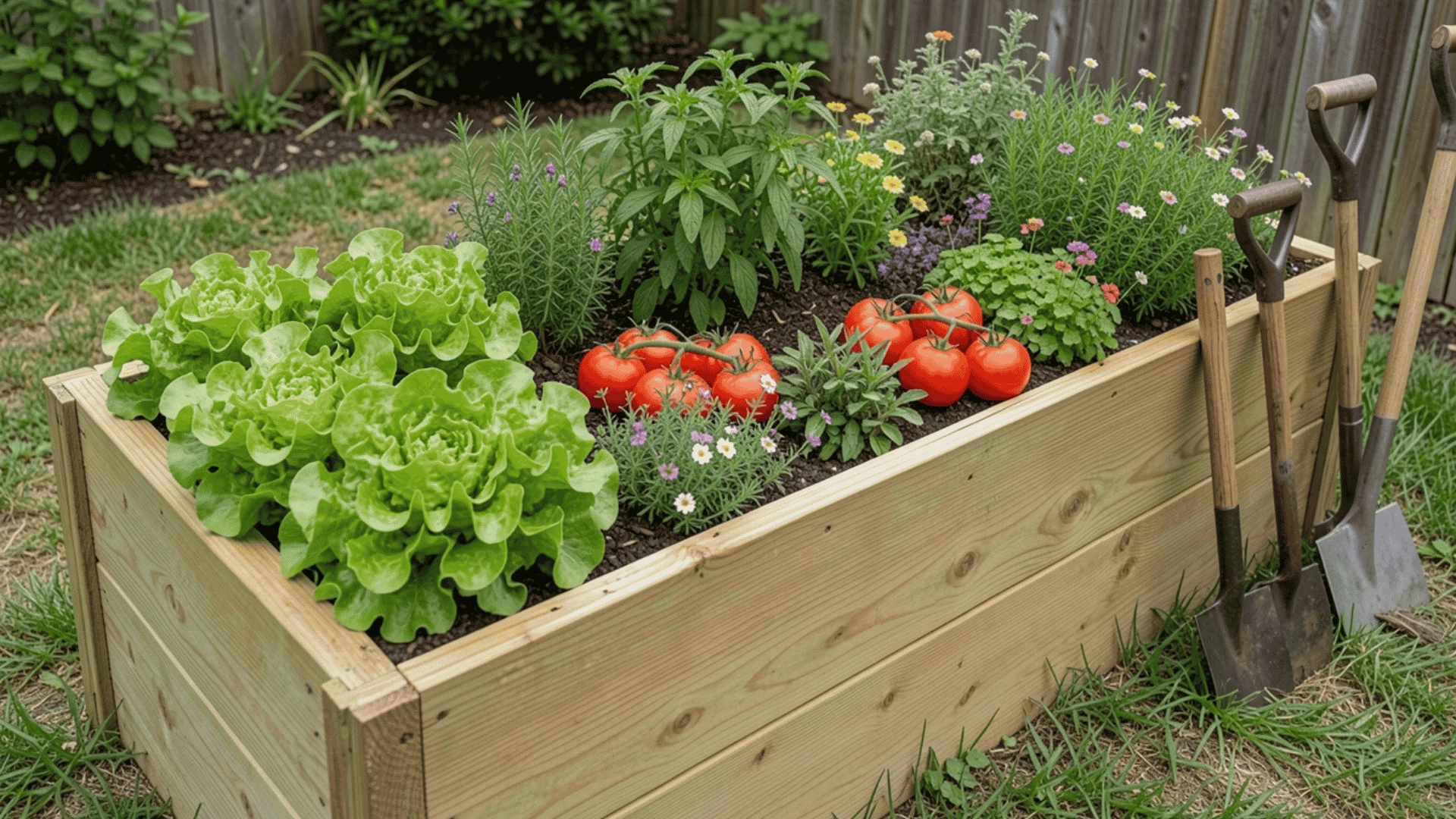
Basil Companion Plants: What to Plant with Basil?
The right basil companion plants do more than boost flavor. They help protect a herb that struggles fast under poor growing conditions and stress.
Most gardeners treat companion planting as folklore, repeated each season without much real scrutiny behind the practice or its results.
The real value lies in airflow, moisture balance, and root compatibility. These factors quietly decide whether basil thrives or struggles.
Companion planting supports basil but never replaces consistent watering and well-prepared soil. Get those basics right first, always.
Understanding Basil’s Role in the Garden
Basil is one of the most widely grown culinary herbs, popular for its strong aroma and versatile use across cuisines ranging from Italian to Southeast Asian.
Despite being easy to start from seed or cutting, basil isn’t low-maintenance once planted. It reacts quickly to changes in light, water, and airflow.
Many gardeners only notice this sensitivity after the fact, when leaves suddenly yellow or wilt despite seemingly normal watering and sunlight exposure.
This underlying sensitivity is exactly why companion planting matters so much for basil, since the right neighbors can shield it from heat and pests, while the wrong ones can quietly undo that progress.
Growing Conditions for Basil
Basil grows best when basic environmental needs stay consistent. Companion plants mainly sit around basil and do not replace these core requirements.
| Growing condition | Basil requirement |
|---|---|
| Sunlight | Strong sunlight for most of the day |
| Temperature | Warm conditions, sensitive to cold |
| Soil | Well-drained, lightly moist soil |
| Water | Regular moisture without waterlogging |
| Airflow | Open space around leaves |
Basil continues to depend on its core needs, such as sunlight, water, and airflow, for healthy growth. Companion plants just help create a more organized planting space without disturbing basil’s natural growth conditions.
Why Basil Needs a Companion?
Basil rarely thrives when left completely on its own, since its shallow roots and thin leaves react quickly to poor conditions.
Growing it alongside the right plants creates a more balanced environment, supporting steadier growth and reducing everyday stress.
- Pest control support: Some plants help reduce pests around basil. They either repel insects or attract beneficial insects that keep pest levels low.
- Better growing conditions: Tall plants can give basil partial shade. This protects basil leaves from heat stress and keeps soil moisture more stable.
- Soil and space balance: Different root depths reduce nutrient competition. This allows basil to grow without crowding or resource pressure.
Overall, companion planting helps basil achieve healthier growth, stronger flavor development, and better resistance to pests.
None of these benefits happen by accident; they come from choosing companions with basil’s specific needs in mind.
What Best Grows Together with Basil?
Common combinations include vegetables, herbs, and flowering plants that fit together without competing heavily for resources.
These pairings share similar water, sunlight, or soil needs, making them easy to manage within the same garden space.
1. Tomatoes

Tomatoes are one of the best basil companions, sharing similar warmth and watering needs, making care simple for both plants.
They also cast a light shade that shields basil from intense heat stress, helping it stay healthy through the hottest parts of the season.
2. Peppers

Basil and peppers make an easy pair in the garden, both settling into the same warm, sunny spot without much extra fuss or effort.
In containers or raised beds, peppers also add height and structure, giving the bed a sturdier layout around basil’s softer, leafier growth.
3. Eggplant

Eggplants pair well with basil largely because of overlapping pest issues, and basil helps deter insects like aphids and spider mites.
Both thrive in the same warm growing season, making them simple to plant together without changing established care routines.
4. Asparagus

Asparagus works well with basil in long-term planting systems, growing as a perennial crop while basil fills in seasonally around it.
This pairing adds garden diversity and helps maintain soil balance, supporting a more stable growing environment over time.
5. Carrots

Basil stays on the surface while carrots quietly develop underground, so the two barely cross paths below the soil at all.
This makes carrots one of the more space-efficient pairings for tight beds, and basil may even help keep carrot fly away naturally.
6. Beets

Beets pair well with basil in compact garden spaces, quietly growing below ground while basil spreads its leaves above the soil surface.
This layered approach makes smart use of limited space, making the pairing especially ideal for small gardens seeking better productivity.
7. Radishes

Radishes are fast-growing and fit easily alongside basil, making them a practical choice within mixed planting systems overall.
They mature quickly and get harvested early, freeing up space for basil to expand nicely in staggered, well-timed planting setups.
8. Chives

Chives pair well with basil thanks to their strong scent, which naturally helps repel nearby aphids and other common pests.
Both are compact, low-maintenance herbs that share similar watering needs, making them easy to grow together in beds or pots.
9. Oregano

Basil and oregano are practically built for the same herb bed, tolerating the same dry stretches and warm, sunny afternoons well.
Oregano’s strong scent does double duty too, masking basil from some pests that would otherwise home in on it quickly.
10. Parsley

Parsley is a steady, low-maintenance herb that grows well alongside basil without much fuss or difficulty at all.
It does not compete heavily for space or nutrients, and since both herbs are often used fresh, they make practical kitchen garden companions.
11. Marigolds

Marigolds are widely valued for pest control in basil gardens, releasing natural compounds that help reduce harmful soil pests effectively.
They also work to repel damaging insects while attracting beneficial ones nearby, improving overall garden health and balance.
12. Strawberries

Strawberries can grow near basil in carefully controlled environments where spacing and conditions are managed well.
Both plants can comfortably share space when properly arranged, making this pairing work best in containers or raised beds.
13. Chamomile

Chamomile doesn’t ask for much from the surrounding soil, and that’s exactly why it works so well tucked in near basil.
Its flowers draw in pollinators and beneficial insects, adding a layer of biodiversity that basil alone wouldn’t naturally attract.
14. Cosmos

Cosmos are strong, pollinator-friendly flowers that attract helpful insects and boost overall garden activity.
They naturally help reduce pest populations, making cosmos especially useful in mixed gardens where basil grows alongside vegetables and herbs.
Summary: Plants that grow well with basil are those that share similar sunlight and water needs, or support nearby growth through natural interactions.
What Should You Not Plant Next to Basil?
These herbs are common in the kitchen, but that doesn’t make them good garden neighbors for basil. Keeping them separate protects basil’s moisture balance, leaf quality, and steady development.
- Sage thrives in dry soil with minimal watering, while basil needs steady moisture to stay healthy. When grown together, basil usually suffers first, showing wilting or slower growth.
- Fennel releases compounds into the soil that suppress nearby plant growth, basil included. It has a reputation for growing poorly beside most herbs and vegetables.
- Rue contains strong natural chemicals that interfere with nearby plant development, including basil’s roots. These compounds build up over a season, weakening basil’s growth.
Basil Companion Plants by Purpose Overview
This table sorts basil companion plants by the specific benefit they offer, making it easier to plan a bed with clear goals in mind.
Some support growth and shade, others tackle pests or improve soil, and a few boost pollinators and flavor conditions nearby.
| Purpose | Plants |
|---|---|
| Growth support | Tomatoes, Peppers, Eggplant, Asparagus |
| Pest resistance | Marigolds, Oregano, Chamomile, Cosmos |
| Soil & space efficiency | Carrots, Beets, Radishes |
| Pollinator attraction | Cosmos, Chamomile, Marigolds |
| Flavor & stability | Tomatoes, Oregano, Parsley |
Choosing companions by purpose makes planning simpler, letting each plant earn its place instead of being added on habit alone.
Pair a few from different categories, and basil gets support on multiple fronts, from healthier soil to fewer pest problems overall.
Tips to Grow Basil Companion Plants
A few practical habits make the difference between basil that struggles and basil that thrives in a shared garden bed.
These small choices around spacing, watering, and plant selection add up quickly, shaping how basil performs across the season.
- Spacing: Proper distance supports airflow and reduces stress.
- Matching needs: Pair basil with similar sun, soil, and water needs.
- Natural shade: Grow near taller plants like tomatoes for shade.
- Pest support: Add flowering plants, such as marigolds, to enhance pest resistance.
- Consistent watering: Avoid pairing with plants of different moisture needs.
Good spacing and the right pairings reduce stress on basil, while matching water and light needs keeps growth steady throughout the bed.
Simple, thoughtful placement often decides how well basil performs, turning a mixed planting setup into a genuinely productive garden space.
Wrapping Up
Basil grows better overall when placed with plants that match its basic needs and support its surrounding conditions well.
Choosing suitable vegetables, herbs, and flowers helps maintain steady growth, manage pests naturally, and improve space use.
Proper pairing also reduces unnecessary competition between plants, keeping development more stable across changing seasonal conditions.
Share your experience with basil companion plants in the comments below, and mention which combinations worked best in your garden.
Drop a comment below, we’d love to hear what’s thriving in your garden.
Frequently Asked Questions
Do Basil Like to be Crowded?
Basil doesn’t like to be crowded. Give each plant 12–18 inches of space so roots and leaves get enough air, light, and nutrients to grow well.
What Herbs Should Not Be Potted Together?
Avoid mixing basil with herbs like sage and rosemary. They prefer drier soil, which does not match basil’s needs. This can affect plant growth in the same pot.
Do Coffee Grounds Help Basil Grow?
Small amounts can improve soil, but too much can harm drainage. Basil grows best in light, well-drained soil.