15 Cottage Garden Ideas for a Full, Natural Look
A cottage garden can look full and natural, but without a clear plan, it often turns messy instead of balanced. You might add plants, colors, and features you like, yet the space still feels off or overcrowded.
The difference comes down to how everything is arranged. Small layout and planting decisions shape the final look more than the plants themselves.
In this guide, you’ll find simple, practical ideas that help you plan the space, place plants correctly, and keep the garden feeling relaxed while still staying organized and visually full.
What Defines a Cottage Garden Style?
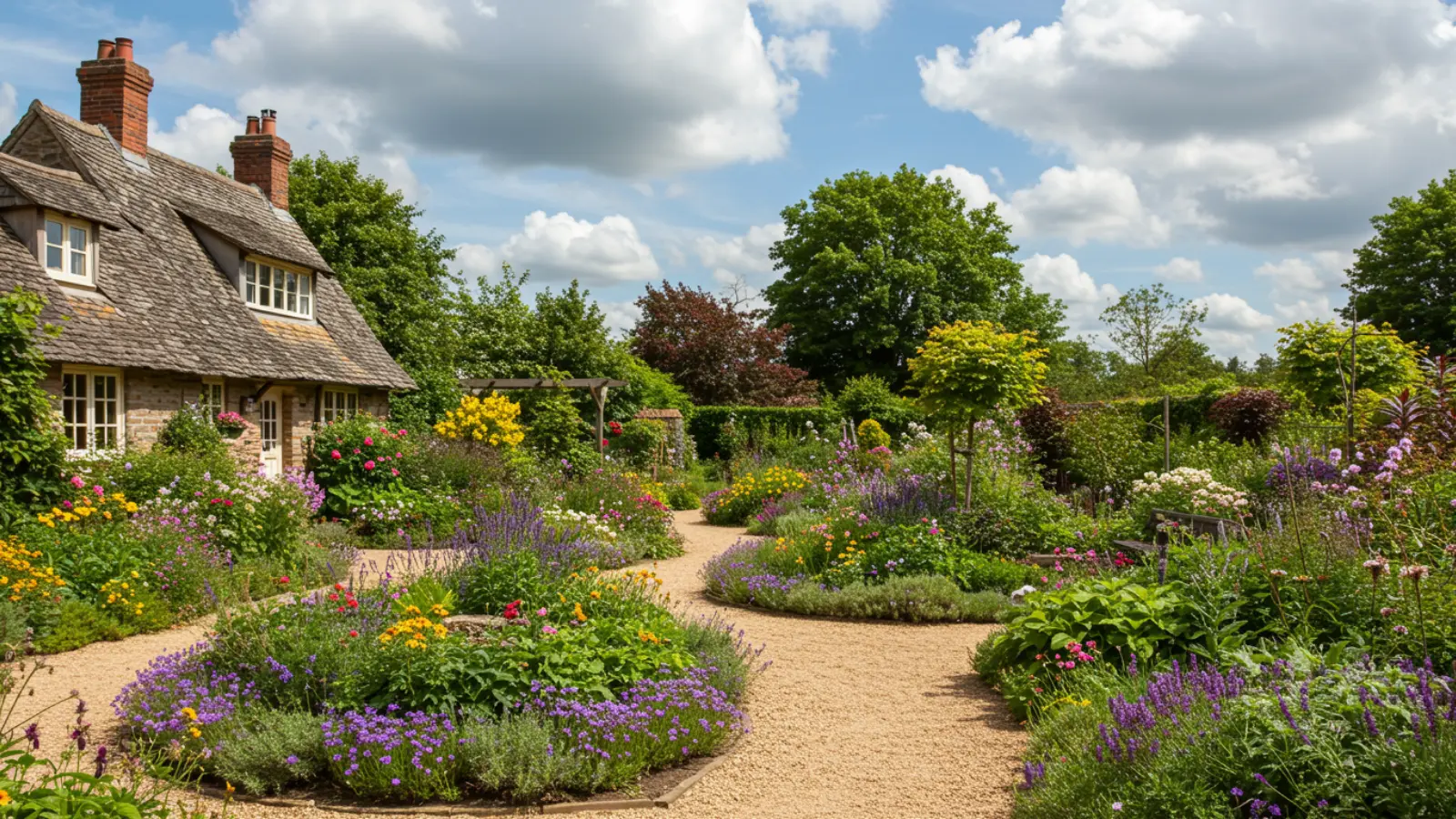
A cottage garden feels relaxed, full, and naturally layered rather than overly planned. It mixes flowers, herbs, paths, and soft edges to create a garden that feels charming, useful, and lived-in.
- Dense Planting: Plants grow close together instead of sitting in neat empty rows. This gives the garden a full, soft, and natural look.
- Mixed Flowers and Herbs: Cottage gardens often combine roses, lavender, daisies, foxgloves, herbs, and edible plants. The mix adds color, scent, and daily use.
- Soft, Curved Paths: Gravel, brick, or stepping-stone paths help the garden feel relaxed. Curved paths also make the space look less formal.
- Romantic Color Palette: Soft pinks, purples, whites, blues, and warm yellows are common. These colors help the garden feel calm and welcoming.
Cottage Garden Ideas to Make the Space Feel Right
It’s not just about what you plant, but how everything fits together. These ideas help you create a garden that feels natural without losing structure.
1. Use Curved Borders
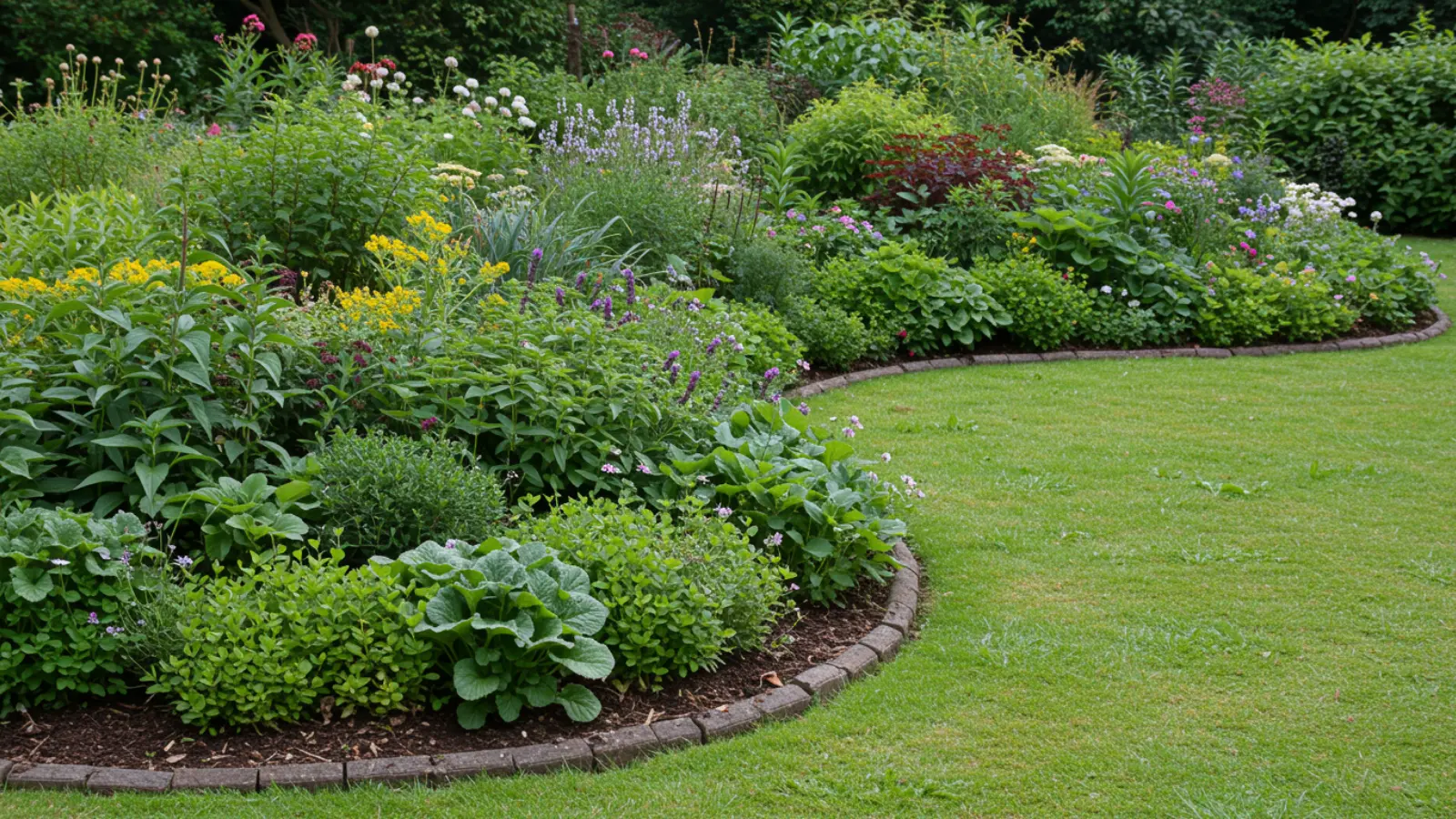
Curved borders help the garden feel more natural and less rigid. They guide how the eye moves through the space and soften transitions between areas.
Straight lines can make the layout look too formal, which doesn’t suit a cottage style. Curves also make dense planting feel more relaxed instead of forced or overly structured.
2. Plan Pathways Before Planting
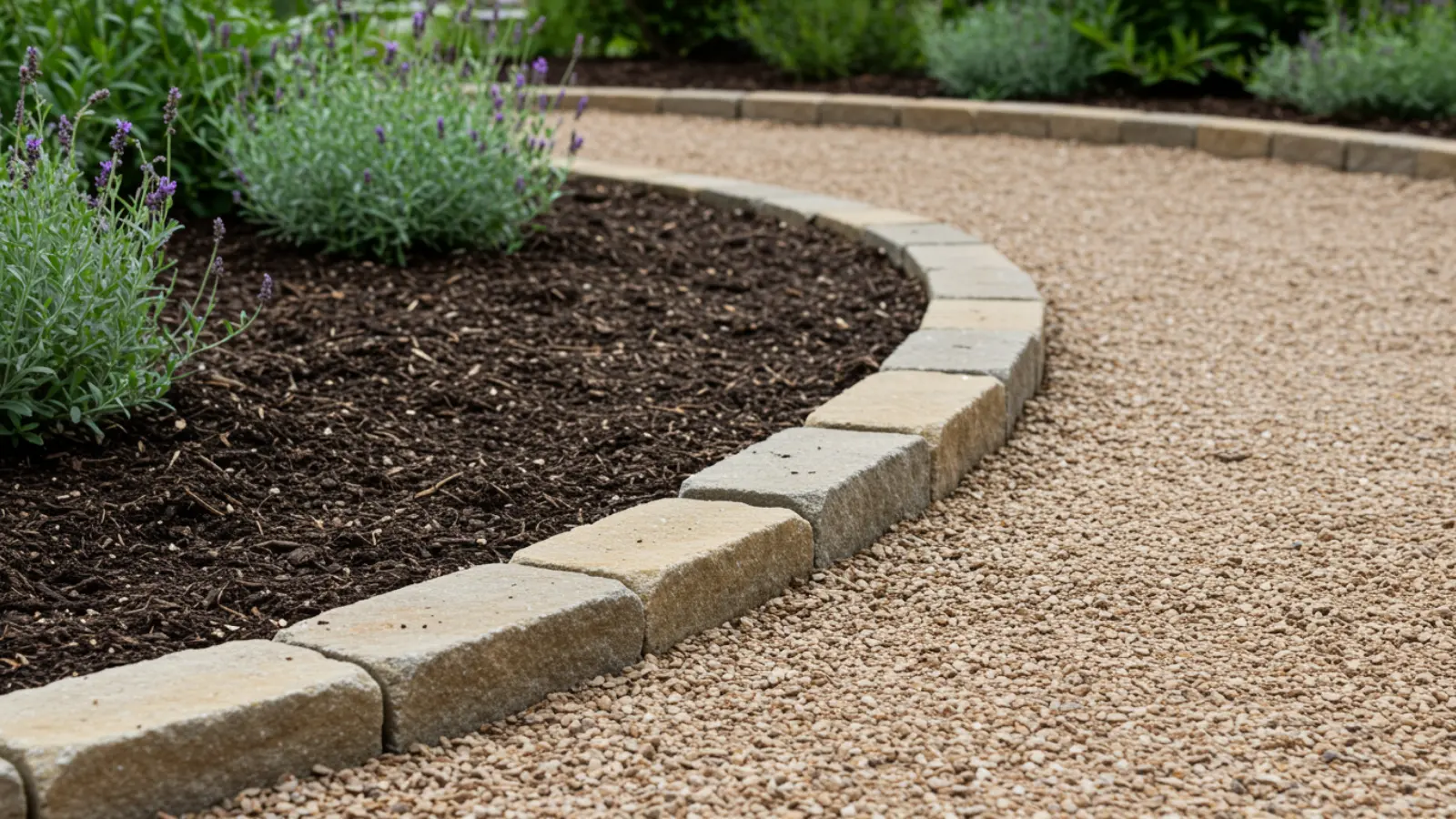
Paths should be decided before you start planting, so everything grows around them naturally. They control how you move through the garden and prevent soil from getting compacted.
If you add paths later, you’ll disturb plants and break the layout. Early planning keeps the flow smooth and avoids unnecessary rework.
3. Add Vertical Structures
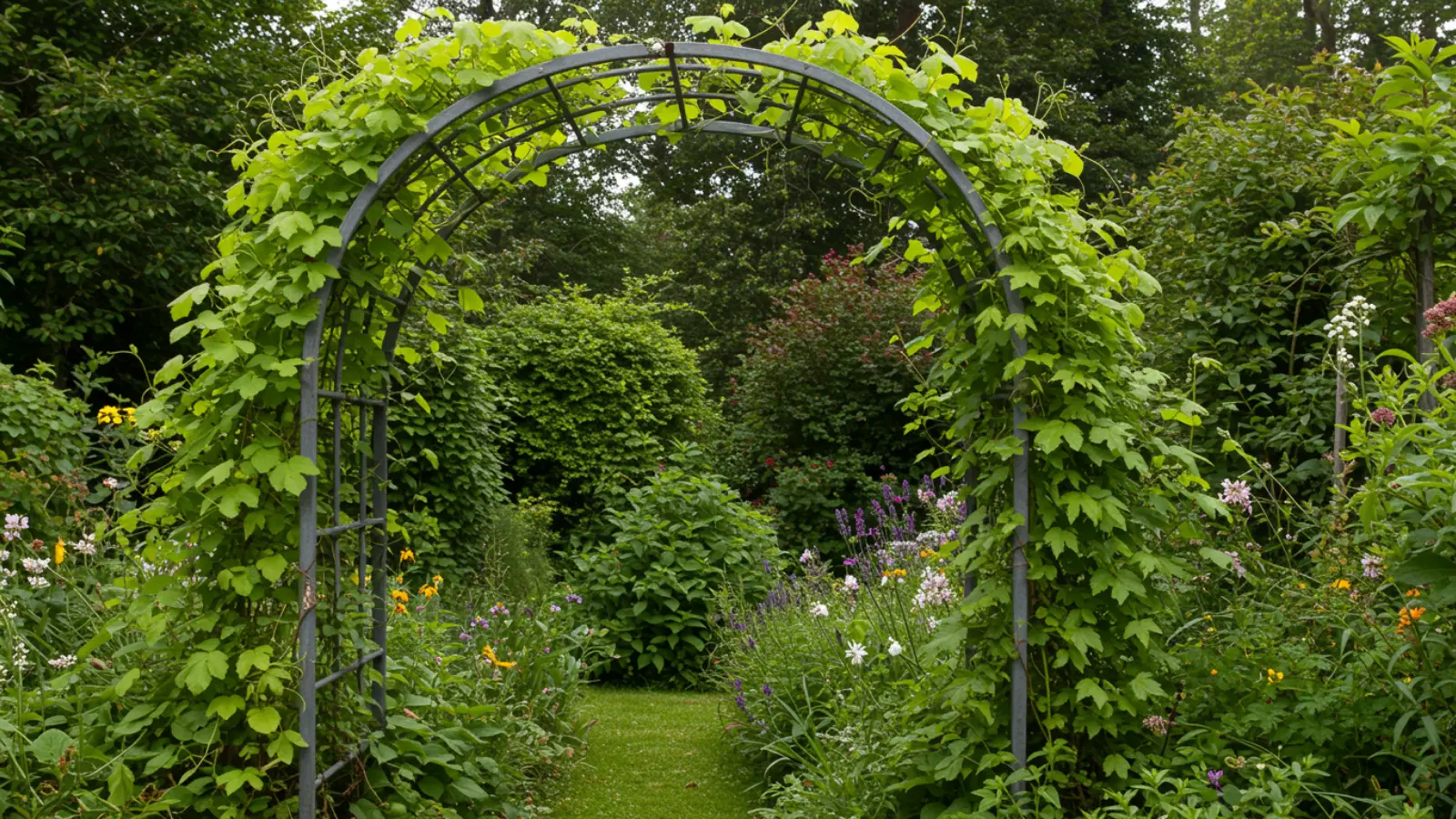
Vertical elements like trellises or arches add height and give the garden direction. They break up flat planting and act as visual anchors. Without them, the space can feel crowded and unorganized.
These structures also support climbers, helping you use vertical space instead of relying only on ground-level planting.
4. Plant Densely
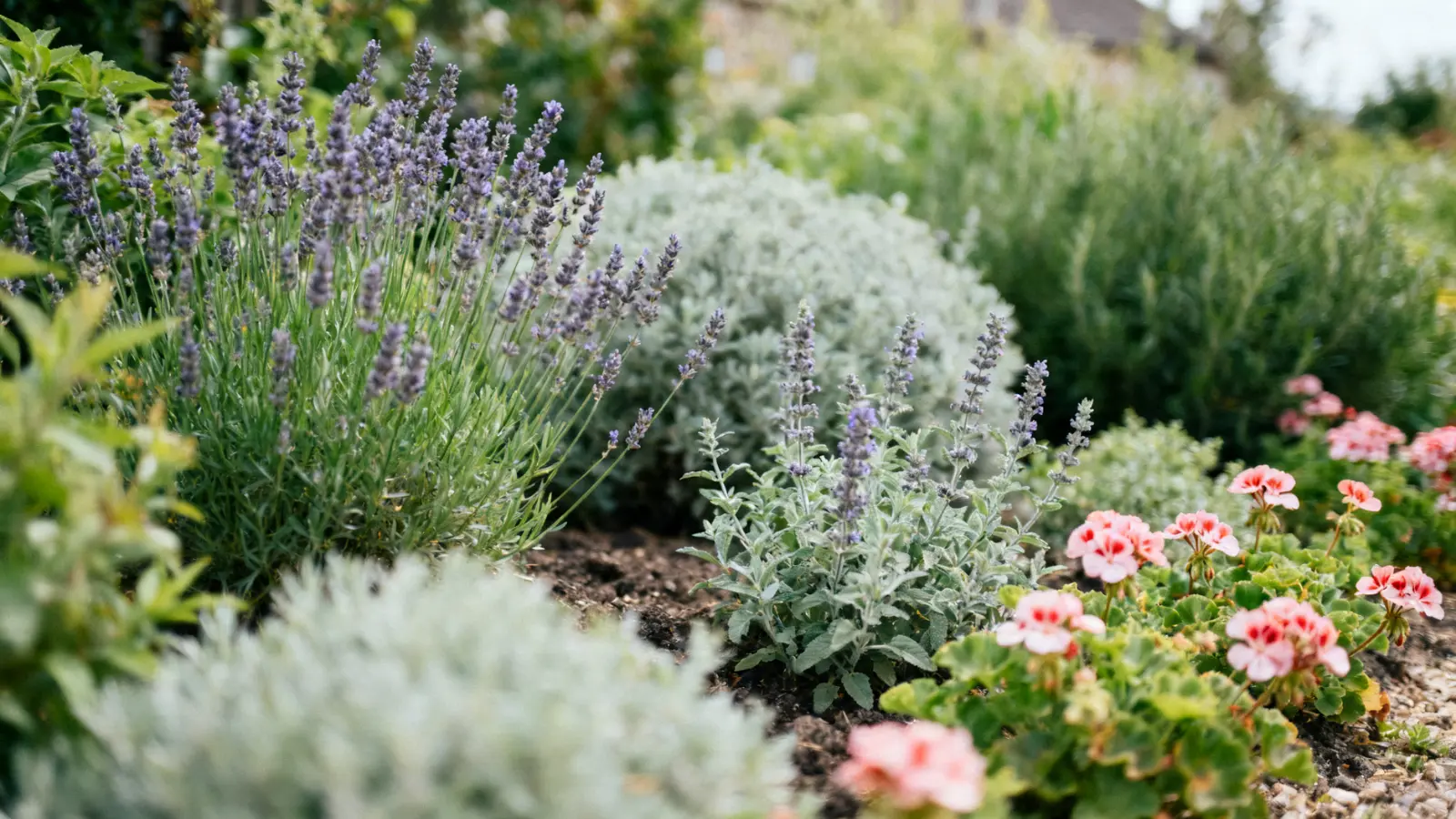
Dense planting means placing plants closer together, so less soil is exposed. This limits weed growth by blocking sunlight from reaching the ground. It also creates a fuller look.
However, spacing still matters. If plants are too crowded, airflow is reduced, and growth suffers, which can lead to disease and weak plants.
Recommendation: Use fillers like lavender, catmint, or geraniums to close gaps without overcrowding.
5. Layer Plants by Height (Tall, Mid, Low)
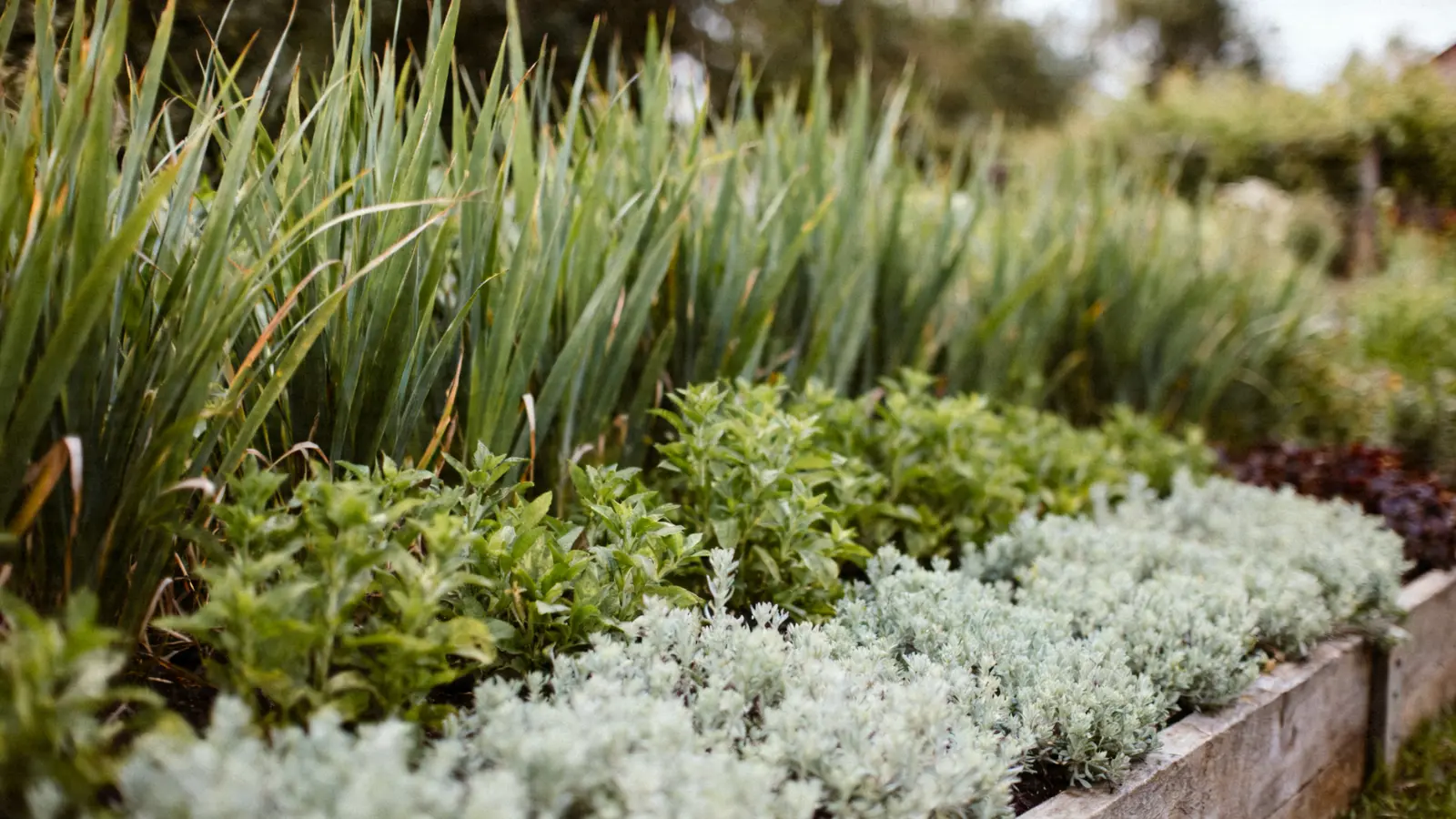
Arrange plants in layers to create depth and structure. Keep taller plants at the back or center, mid-height in between, and low growers at the edges.
This prevents visual gaps and makes the garden look full from every angle. Without layering, plants compete for space, and the overall layout feels flat.
Recommendation: Use foxgloves and hollyhocks for height, salvia and phlox for mid layers, and thyme or violas along the edges.
6. Mix Flowers with Herbs and Edibles
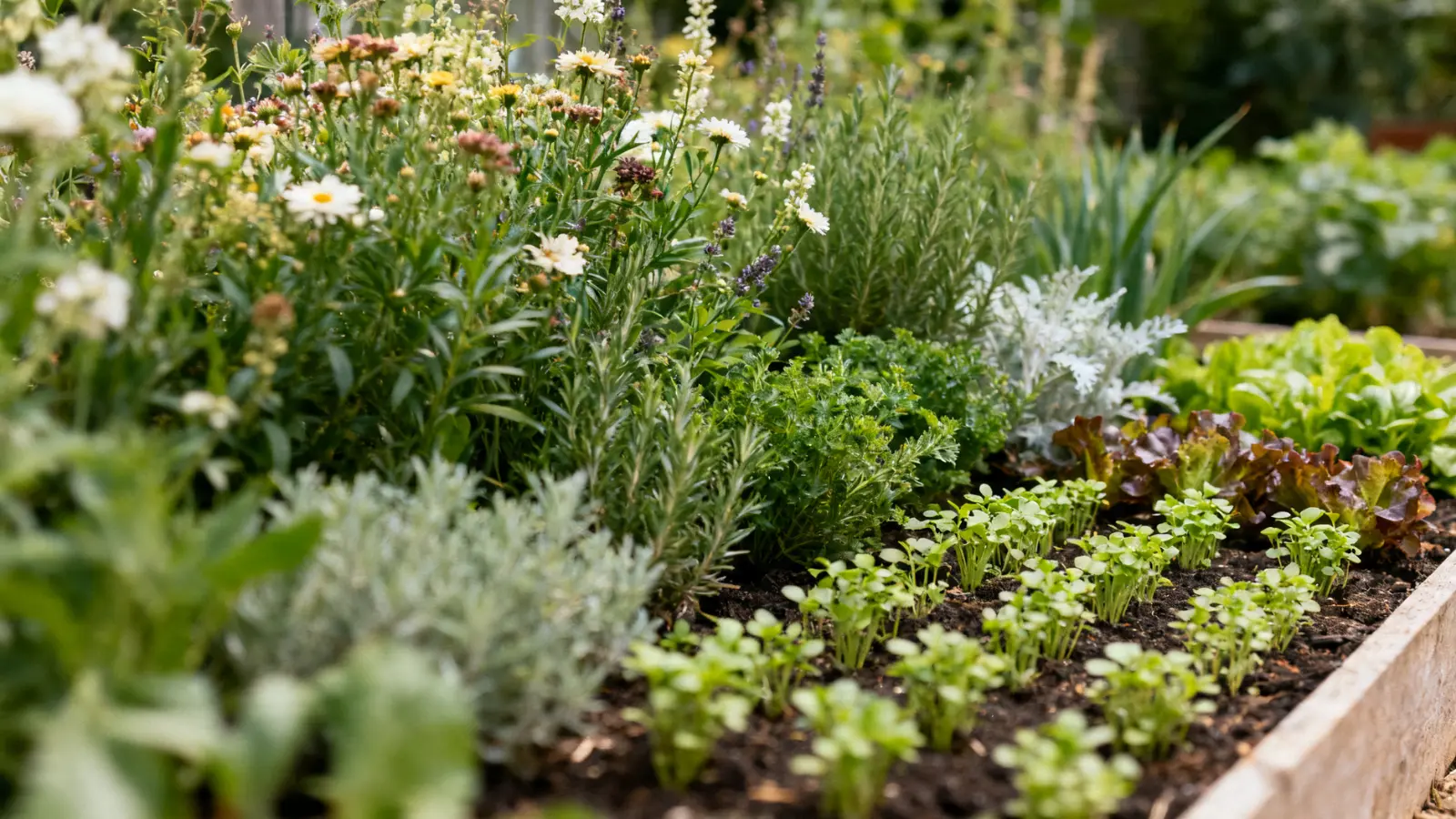
Combining flowers with herbs and edibles adds variety and keeps the garden active. Different plant types grow at different rates and heights, which helps fill gaps naturally.
This mix also supports better use of space. If you only plant one type, the garden can feel repetitive and lose visual interest over time.
7. Choose Plants with Staggered Bloom Times
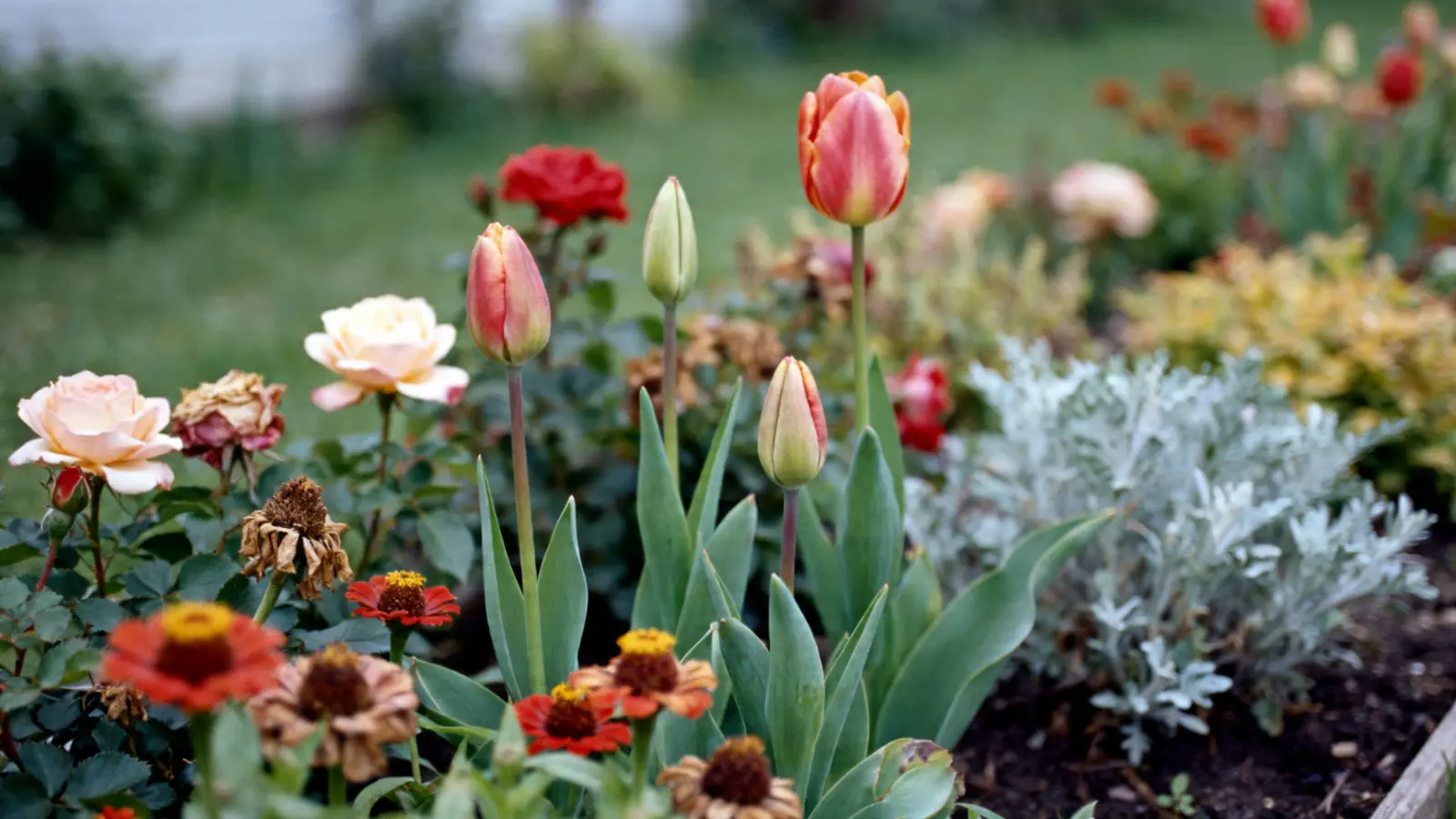
Select plants that bloom at different times so the garden stays active throughout the seasons. When one plant finishes, another takes over.
This prevents the space from looking empty after a short peak. If all plants bloom together, the garden may look full briefly but lack interest for the rest of the year.
Recommendation: Use tulips and daffodils for early blooms, roses and peonies for mid-season, and cosmos or zinnias for late color.
8. Repeat Key Plants for Visual Consistency
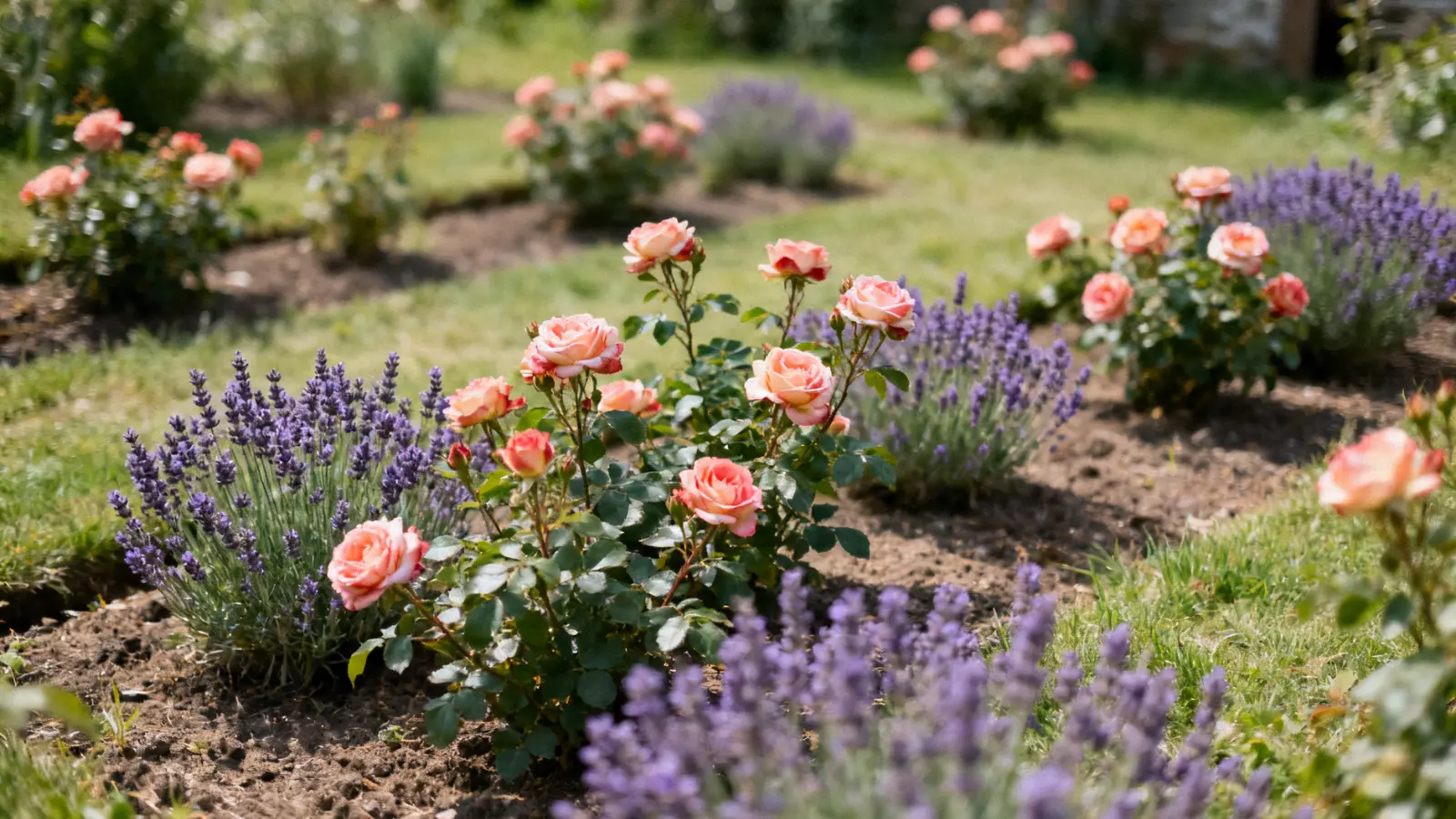
Repeating a few plant types across the garden helps tie everything together. It creates a sense of rhythm and prevents the space from looking random.
Without repetition, too many different plants can make the layout feel cluttered. Consistency helps maintain balance while still allowing for variety in other areas.
Recommendation: Repeat roses, lavender, or boxwood across different sections.
9. Use Climbers to Fill Vertical Space
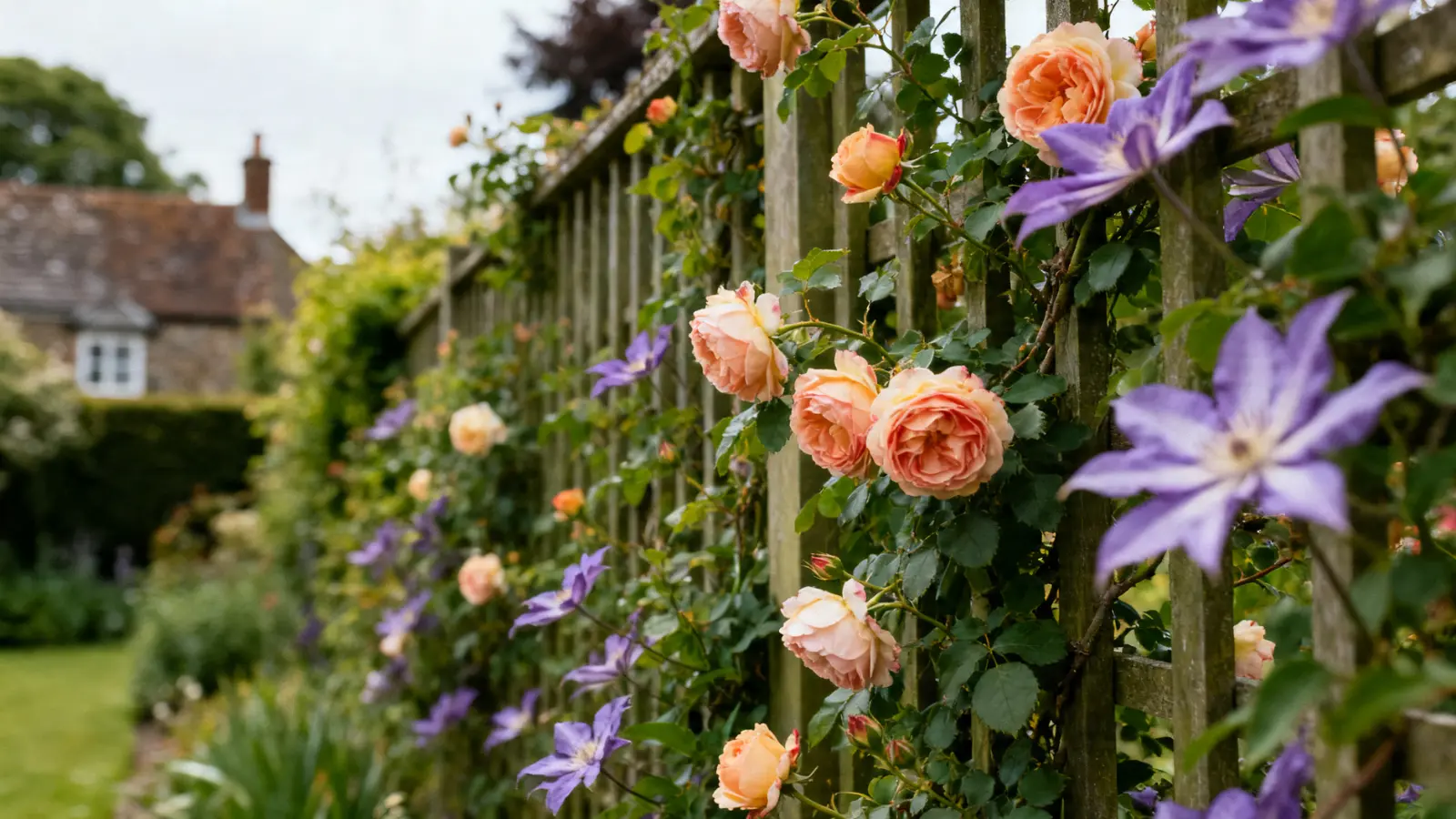
Climbing plants like roses or clematis help extend the garden upward. This adds another layer of depth and makes the space feel larger.
Climbers also soften structures like fences and arches. If you ignore vertical space, the garden can feel compressed, with all the focus staying at ground level.
Recommendation: Try climbing roses, clematis, or jasmine for vertical coverage.
10. Soften Edges with Ground Cover Plants
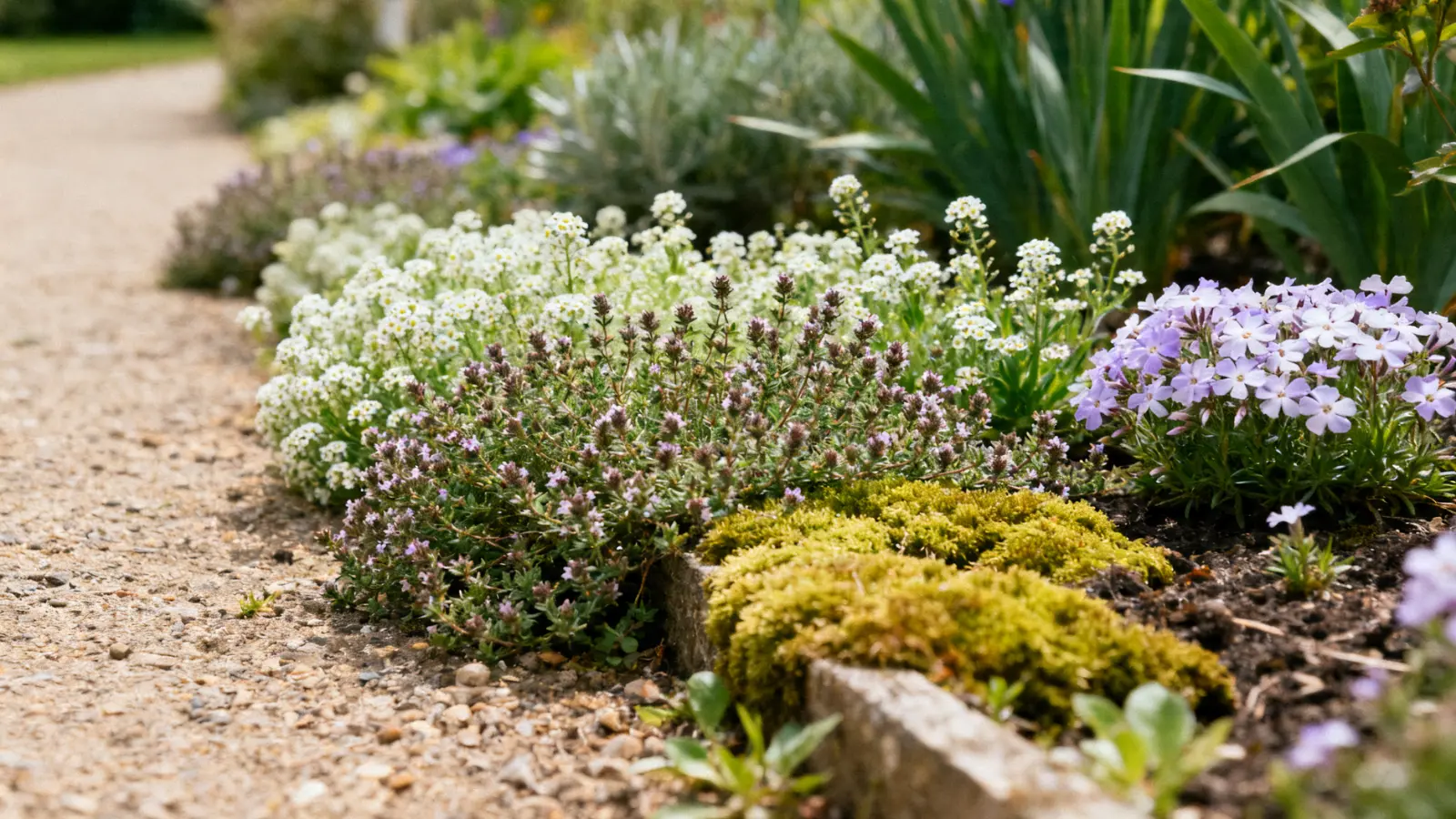
Low-growing plants along edges help soften borders and paths. They reduce harsh lines and create a more natural transition between spaces.
Ground covers also help protect soil and limit weeds. Without them, edges can look sharp and disconnected, which goes against the soft, flowing feel of a cottage garden.
Recommendation: Use creeping thyme, alyssum, or moss phlox along borders.
11. Add Informal Seating Areas Within the Garden
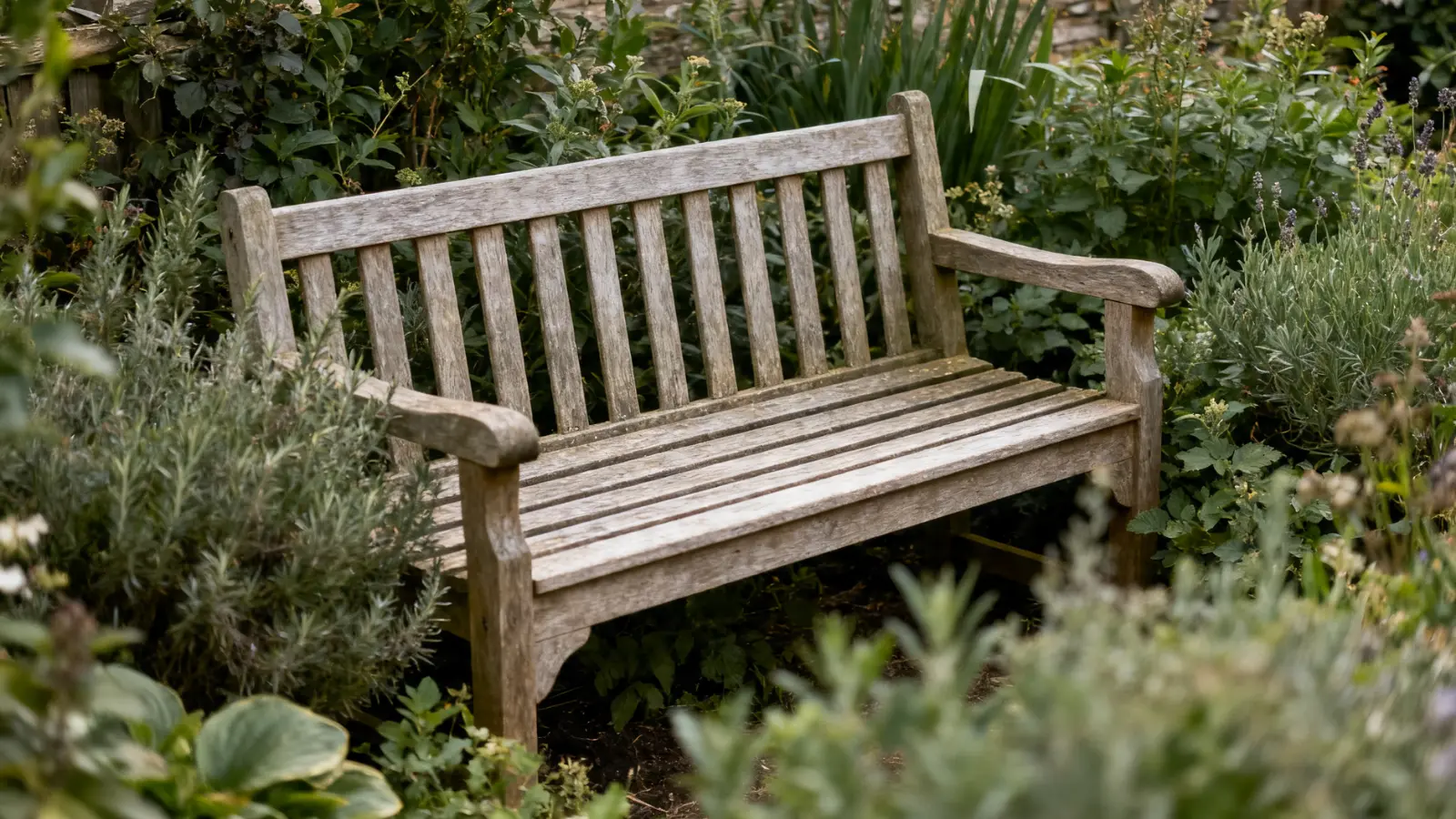
Simple seating areas make the garden feel more inviting and lived-in. A bench or small chair placed within planting zones creates a focal point and encourages use of the space.
Without seating, the garden may feel decorative but less functional, reducing how often you actually spend time in it.
12. Use Containers or Vintage Items

Containers and reused items like old pots or wooden pieces add variation without changing the layout. They let you adjust planting easily and introduce small focal points.
This helps break uniformity. Without variation, the garden can feel too consistent, while too many different items can make it look cluttered.
13. Blend Soft and Bright Colors Carefully
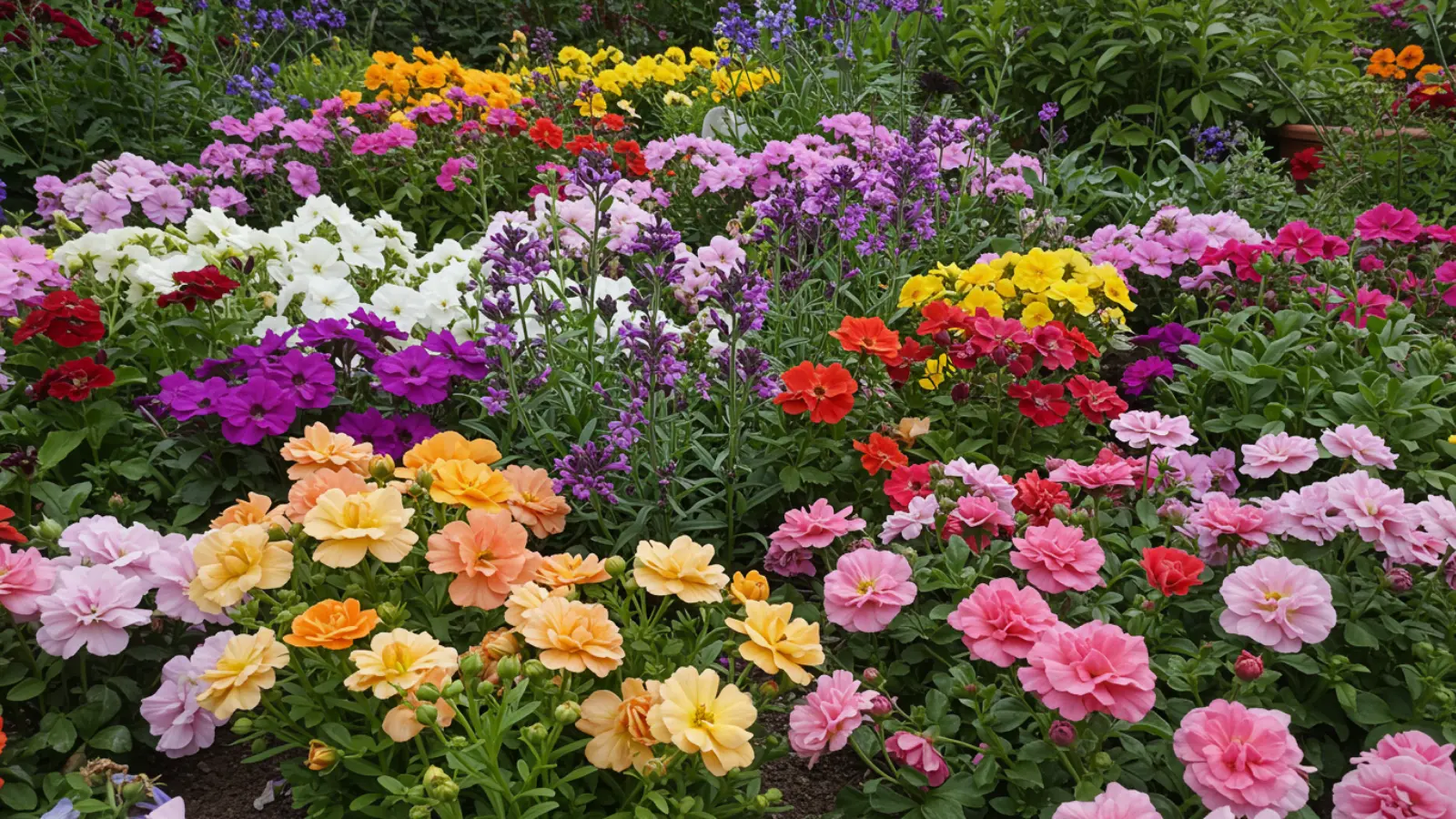
A mix of soft and bright colors adds interest, but balance is important. Too many strong colors can overwhelm the space, while only soft tones may feel dull.
Blending both creates contrast without losing harmony. Thoughtful color placement helps guide the eye and keeps the garden visually comfortable.
14. Include Simple Wildlife Features
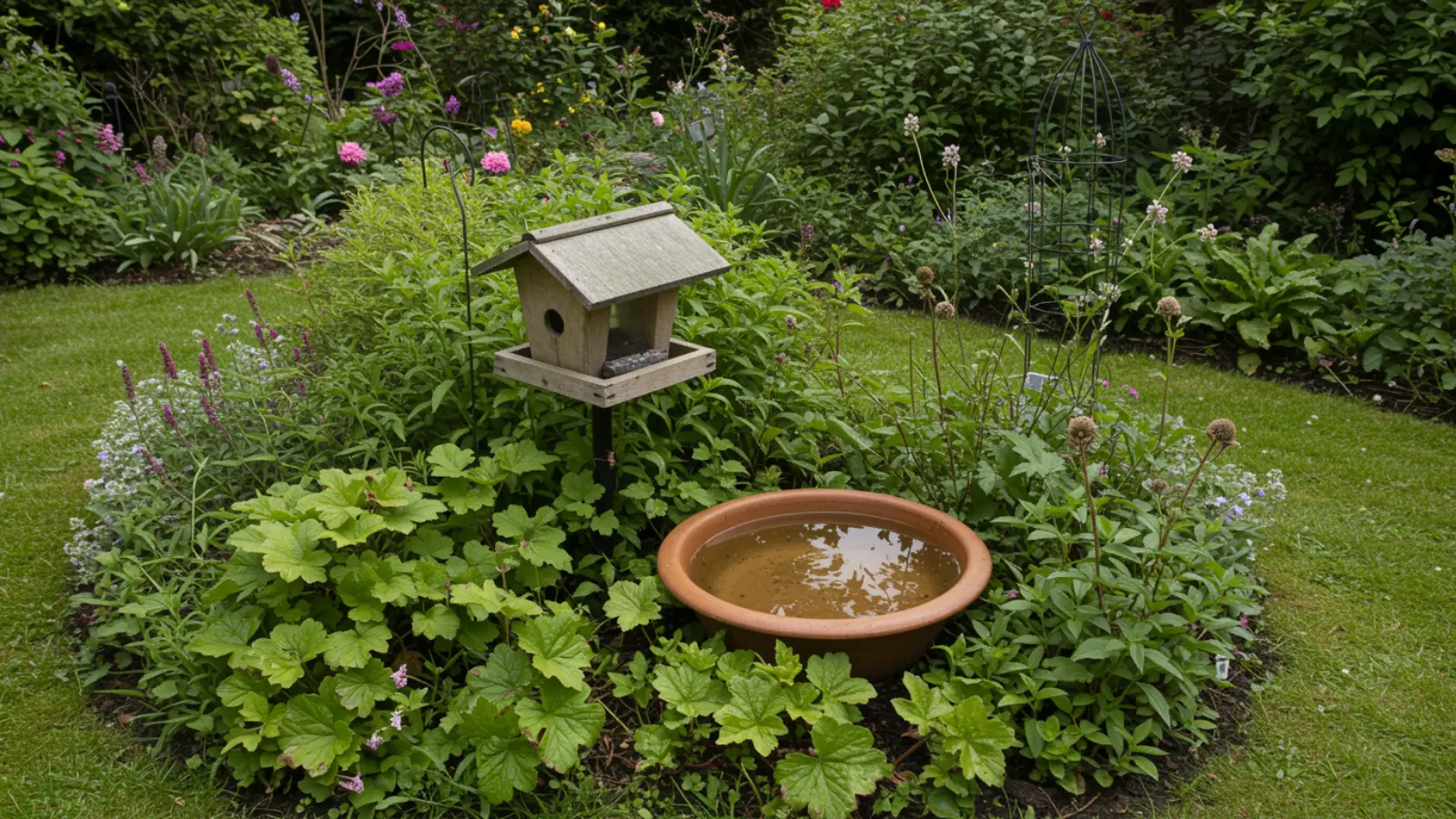
Adding small features like bird feeders or a water source supports wildlife and makes the garden feel active. These elements attract birds and insects, which help the ecosystem.
Without them, the garden may look complete but feel less alive. Keep features simple so they don’t distract from the planting.
15. Let Plants Slightly Spill Over Paths and Borders
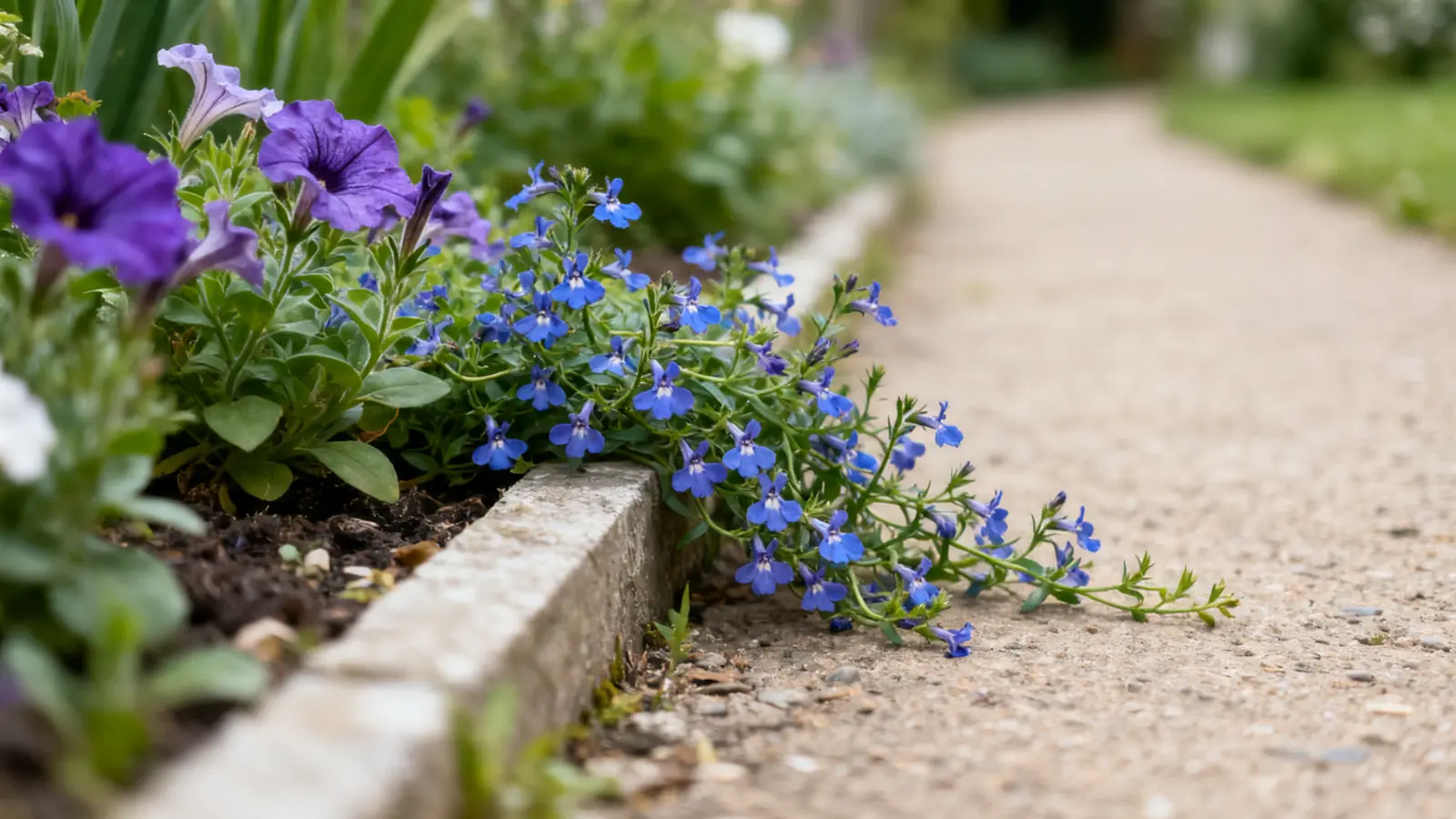
Allowing plants to grow slightly over the edges softens the layout and adds a relaxed feel. It makes the garden look established rather than newly planted. However, control is still needed.
If plants take over too much, paths become difficult to use, and the space starts to feel unkempt instead of natural.
Recommendation: Use trailing plants like lobelia, sweet alyssum, or trailing petunias.
Final Checks Before You Start Planting
Before you begin planting, take a moment to review your layout. Small adjustments at this stage can prevent bigger problems later and help everything come together smoothly.
- Paths are clearly marked and easy to follow
- Structural elements are placed and stable
- Planting zones are divided by height
- Spacing allows for dense growth without overcrowding
- Bloom timing is spread across seasons
- Key plants are repeated for consistency
Once these basics are in place, planting becomes more straightforward, and the final result feels balanced instead of rushed.
Conclusion
A cottage garden may look effortless, but the results come from small, thoughtful decisions. From shaping the layout to choosing and placing plants, each step helps create a space that feels full without becoming unorganized.
Try a few of these ideas and see how your garden changes over time. You don’t need to do everything at once. If you’ve already started or have a question, share it in the comments.