How to Choose the Right Lighting Fixtures for Every Room and Interior Style
A beautifully furnished home feels even more inviting when the lighting supports the way each room looks and functions. The right lighting fixtures can highlight architectural details, complement furniture, make everyday activities easier, and create a welcoming atmosphere throughout the home. Choosing those fixtures becomes simpler when you focus on three things: the room, the function, and the interior style.
How to Choose the Right Lighting Fixtures for Your Room?
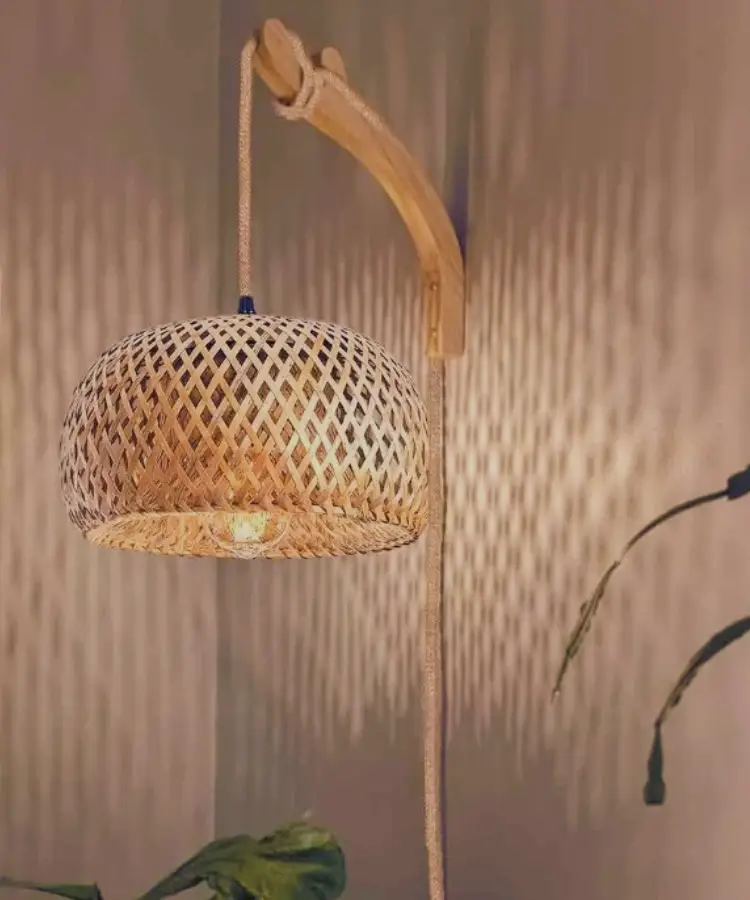
The right lighting fixtures enhance your home’s style, highlight key features, and support everyday activities. To find the best fit, consider each room’s needs, the fixture’s function, and your interior design style.
Kitchens need bright, functional lighting, while dining rooms benefit from a warm, inviting glow. Living rooms work best with layered lighting for relaxing, reading, and entertaining. Bedrooms call for softer illumination, and entryways need welcoming, practical light.
Choose fixtures based on their purpose. Pendant lights add focused lighting and a decorative touch to kitchen islands, flush mount ceiling lights provide general illumination without taking up much vertical space, and wall sconces, table lamps, and floor lamps offer light where you need it most.
Your lighting should also complement your interior style. Sleek metal finishes suit contemporary spaces, while woven shades and natural textures add warmth to modern organic interiors. Consider materials, finishes, and proportions to create a cohesive look.
To find the right balance of style and function, shop lighting fixtures by style and function and compare ceiling lights, pendants, wall sconces, and other options for every room.
Start With the Function of Each Room
A thoughtful home lighting plan begins with understanding how people use each space. The most comfortable interiors typically combine three types of lighting: ambient, task, and accent.
Ambient lighting provides general illumination, allowing people to move comfortably through a room. Ceiling-mounted fixtures, chandeliers, and some pendant lights can serve this purpose, depending on their design and light distribution.
Task lighting focuses illumination on activities such as cooking, reading, or working. Kitchen island pendants, bedside reading lights, and adjustable floor lamps are useful examples.
Accent lighting adds visual depth by highlighting artwork, architectural features, shelves, or decorative materials. Wall sconces and directional fixtures can help create these effects.
These lighting layers work especially well together.
In a kitchen, general ceiling lighting can illuminate the space while dedicated task lighting improves visibility at countertops. In a living room, a ceiling fixture may provide ambient light, while a floor lamp creates a comfortable reading area. Bedrooms benefit from a similar combination, with practical general illumination and softer bedside lighting for relaxing in the evening.
Rather than relying on one fixture to do everything, consider how several complementary sources can create a flexible lighting arrangement.
Match the Fixture to the Room
Every room has its own proportions, activities, and furniture arrangement. Choosing fixtures with those details in mind helps create lighting that feels both practical and visually balanced.
Kitchen
Kitchen lighting should make food preparation comfortable while complementing cabinetry, countertops, and surrounding finishes.
Pendant lights are a popular choice above kitchen islands because they can provide focused illumination and establish a clear visual center. The ideal arrangement depends on the island’s length, fixture diameter, and the activities taking place below.
Two larger pendants may create a balanced composition above one island, while three smaller fixtures may suit another. The most effective layout considers the actual dimensions of the fixtures rather than following a fixed number.
It’s also helpful to coordinate island pendants with recessed or other general lighting so the entire kitchen remains comfortably illuminated.
Dining Room
Dining room lighting works best when it brings attention to the table while supporting a pleasant atmosphere.
A chandelier or pendant can define the dining area, especially in an open-plan home. Its shape and size should relate to the table rather than simply the dimensions of the room.
A long rectangular table may pair beautifully with a linear fixture or multiple pendants. A round table often feels balanced beneath a single centered fixture.
Hanging height also matters. The light should illuminate the dining surface while maintaining comfortable sightlines across the table.
Dimmable lighting, when supported by the fixture and bulbs, adds flexibility for everyday meals and evening gatherings.
Living Room
Living rooms support a wide range of activities, from quiet reading to family gatherings. A layered lighting arrangement allows the space to adapt naturally.
A decorative ceiling light can provide general illumination, while floor lamps and table lamps introduce comfortable light around seating areas. Wall sconces can add visual interest along larger walls or near architectural features.
For living rooms with lower ceilings, flush mount and semi-flush mount fixtures can be especially useful. Their compact profiles preserve overhead space while offering a variety of contemporary designs.
The most inviting arrangement distributes light across the room rather than concentrating all illumination in one location.
Bedroom
Bedroom lighting should support both daily routines and a relaxing evening atmosphere.
A central ceiling fixture can provide general illumination for dressing and organizing the room. Bedside pendants, wall sconces, or table lamps can offer more focused light for reading.
Soft, diffused light helps create a comfortable environment, while accessible switches make bedside lighting easier to use.
When choosing fixtures, consider the bed’s dimensions, nightstand space, and ceiling height. A compact wall-mounted or suspended fixture can also free valuable bedside surface space.
Entryway
An entryway introduces the home’s design style and sets the tone for the rooms beyond it.
A pendant or chandelier can create an attractive focal point in an entry with sufficient ceiling height. In a smaller foyer or an area with limited overhead clearance, a flush mount fixture offers a streamlined alternative.
Choose a fixture that provides comfortable illumination near the entrance and supports safe movement through the space.
Coordinating its finish or material with nearby lighting fixtures can also create a pleasing visual connection between rooms.
Choose Lighting That Complements Your Interior Style
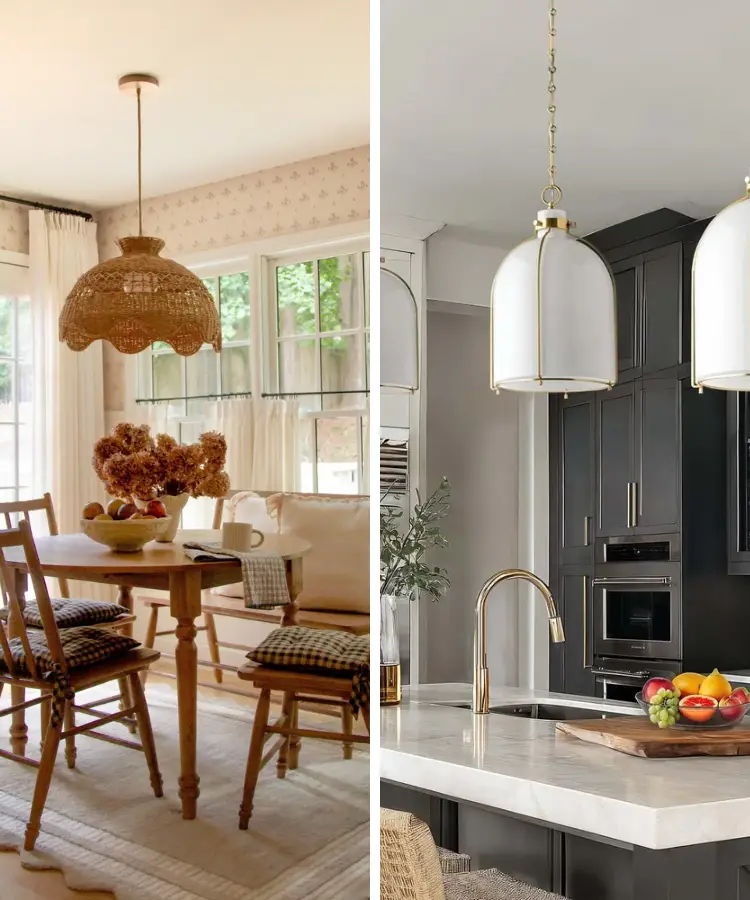
Lighting is an important part of interior design because its shape, materials, and finish influence the character of a room even when the light is switched off.
The most successful choices feel connected to the surrounding furniture, colors, and architectural details.
Modern and Contemporary Interiors
Modern lighting often emphasizes clean lines, balanced proportions, and functional design.
Simple globes, geometric pendants, understated metal fixtures, and streamlined flush mounts work well in spaces with contemporary furniture and uncluttered layouts.
Matte black can introduce architectural contrast, while brushed brass and warm metallic finishes add a refined touch to neutral interiors.
For a cohesive result, consider the visual weight of each fixture. A sculptural pendant can become a beautiful focal point when surrounding elements remain relatively restrained.
Modern Organic Interiors
Modern organic design combines contemporary simplicity with natural materials and welcoming textures.
Wood finishes, linen upholstery, stone surfaces, woven shades, and warm neutral colors create an inviting foundation for this style.
Rattan lighting and other handcrafted designs can introduce texture while maintaining a relaxed, contemporary appearance.
Rowabi Lighting offers decorative fixtures that explore this relationship between natural materials and modern interiors. Woven designs, in particular, can complement wood furniture, soft textiles, and other tactile finishes.
The key is to create a balanced composition. A natural-material light fixture can add character without requiring every decorative element in the room to use the same material.
Minimalist and Transitional Spaces
Minimalist interiors benefit from lighting with restrained silhouettes and clear functionality.
A simple flush mount, a streamlined pendant, or a carefully positioned wall sconce can provide useful illumination while preserving visual simplicity.
Transitional interiors offer greater flexibility by combining traditional warmth with contemporary forms. A classic glass shade paired with a modern metal finish, for example, can connect different furniture styles.
Across these approaches, consistency matters more than exact matching. Coordinating a few finishes and materials helps individual fixtures feel like part of a unified home.
How to Select Pendant Lights Without Overwhelming the Space
Pendant lighting is an excellent way to combine practical illumination with decorative interest. It can define a kitchen island, highlight a dining table, or introduce a distinctive feature to a room.
The most important consideration is proportion.
Start by measuring the surface or area the pendant will illuminate. A kitchen island, for example, requires enough spacing for the fixtures to feel balanced without crowding the ceiling.
The number of pendants should follow their actual dimensions. Two generously sized fixtures may suit a long island just as effectively as three smaller designs.
Next, consider hanging height. For pendants above a kitchen island, approximately 30–36 inches between the countertop and the bottom of the fixture is a common starting point. The final position should account for ceiling height, fixture size, sightlines, and the needs of the people using the space.
Spacing is equally important. Measure between fixture centers and consider the width of each shade to maintain a pleasing arrangement.
For homeowners who appreciate clean silhouettes and refined materials, modern and contemporary pendant lights offer a useful range of design directions to explore. Geometric shapes, understated finishes, and carefully balanced proportions can help create a focal point that complements the surrounding interior.
Beyond appearance, consider how the pendant distributes light.
An opaque shade may direct more illumination toward a countertop or table, while a glass shade can allow light to spread more broadly. Diffusers can help soften brightness and improve visual comfort.
Warm white light around 2700–3000K is a popular option for creating an inviting residential atmosphere. Dimming can provide additional flexibility when the fixture, light source, and controls are compatible.
Finally, consider the pendant as part of the complete lighting plan. Kitchen pendants work well alongside general ceiling lighting, while dining pendants can be complemented by wall sconces or nearby accent lighting.
This approach allows decorative fixtures to stand out while keeping the entire room comfortably illuminated.
Conclusion
Choosing lighting fixtures becomes much easier when every decision begins with the room, its purpose, and the interior style you want to create.
Before purchasing, use this simple checklist:
- Measure the space. Record room dimensions, ceiling height, and the size of important furniture.
- Identify lighting needs. Decide where ambient, task, and accent lighting will be most useful.
- Choose complementary styles. Consider fixture shapes, natural materials, and finishes that work with your existing décor.
- Check installation details. Review fixture dimensions, hanging height, brightness, and dimmer compatibility.
- Balance the lighting layers. Combine different light sources to create a comfortable, flexible atmosphere.
A well-planned lighting scheme brings together function, proportion, and personal style. With the right combination of fixtures, every room can feel beautifully connected, comfortably illuminated, and ready for everyday living.