How Much Is a Bathroom Remodel? Remodeling, Finishing, and Painting Costs Explained
Bathroom remodels are one of the most common home improvement projects, but they are also one of the hardest to price without looking at the actual space. One homeowner may spend a few thousand dollars refreshing a small bathroom with new paint, lighting, and fixtures. Another may spend tens of thousands rebuilding a primary bathroom with custom tile, a walk-in shower, new plumbing, and premium finishes.
So, how much is a bathroom remodel? The honest answer is that it depends on the size of the bathroom, the condition of the existing space, the materials selected, and how much of the layout needs to change. A simple cosmetic update costs far less than a full renovation that involves demolition, plumbing, electrical work, waterproofing, tile installation, and custom features.
The goal is not just to find the cheapest number. It is to understand what drives the cost so you can plan a remodel that fits your budget, improves daily use, and adds long-term value to your home.
So, How Much Is a Bathroom Remodel?
Most bathroom remodels fall into one of three general categories: cosmetic refresh, mid-range remodel, or full renovation. Each level comes with a different scope of work and a very different price range.
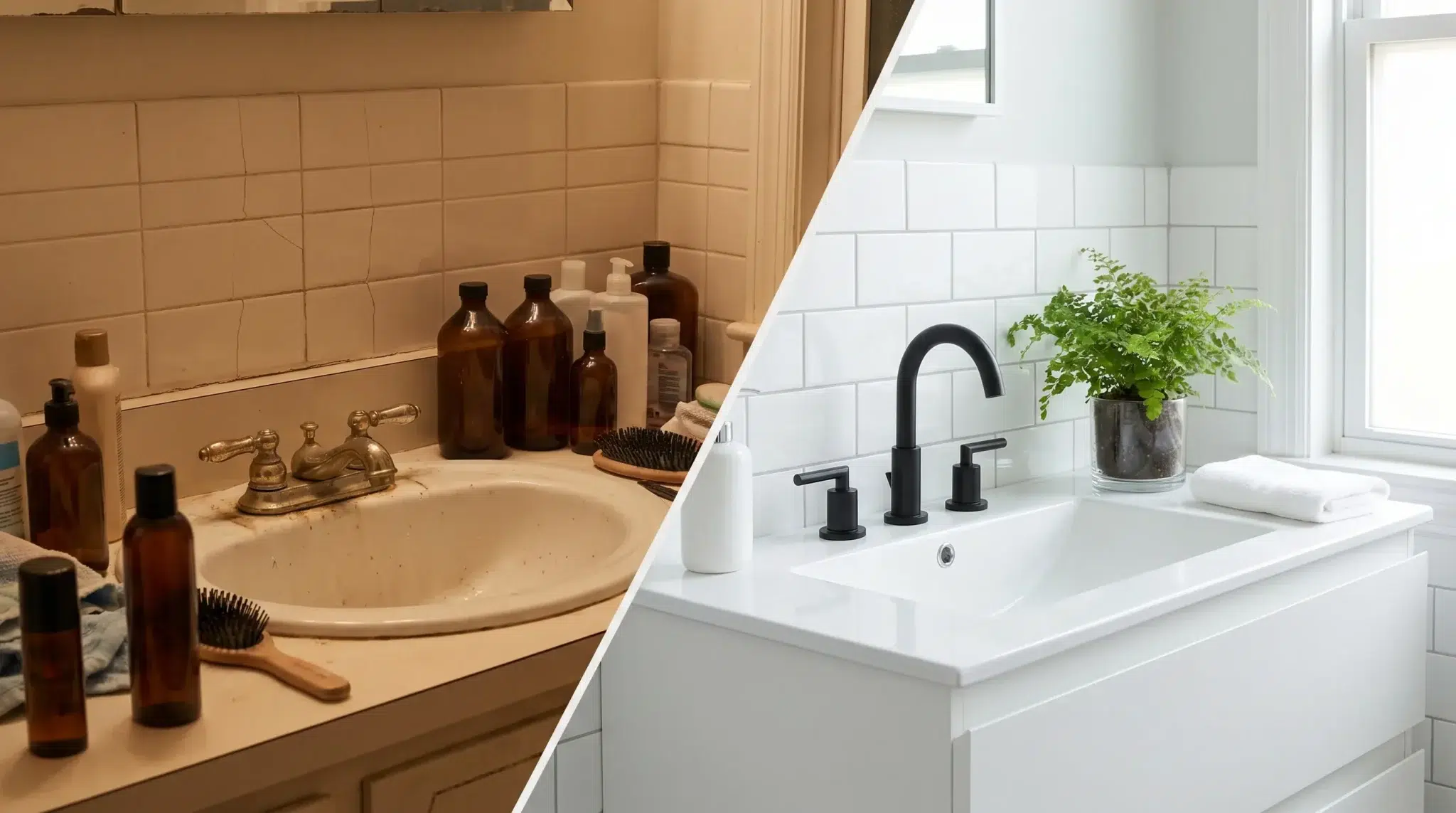
A cosmetic refresh is usually the most affordable option. This might include repainting the walls, replacing cabinet hardware, updating mirrors, swapping light fixtures, installing a new faucet, or refreshing trim. If the bathroom layout works well and the main surfaces are in good condition, a refresh can make the space feel cleaner and more current without requiring major construction.
A mid-range bathroom remodel is more involved. This may include replacing the vanity, countertop, flooring, toilet, lighting, tub or shower, and tile. Many homeowners choose this level when the bathroom feels outdated or worn but does not need a full layout change. Keeping the plumbing in the same location can help control costs while still making the room feel completely new.
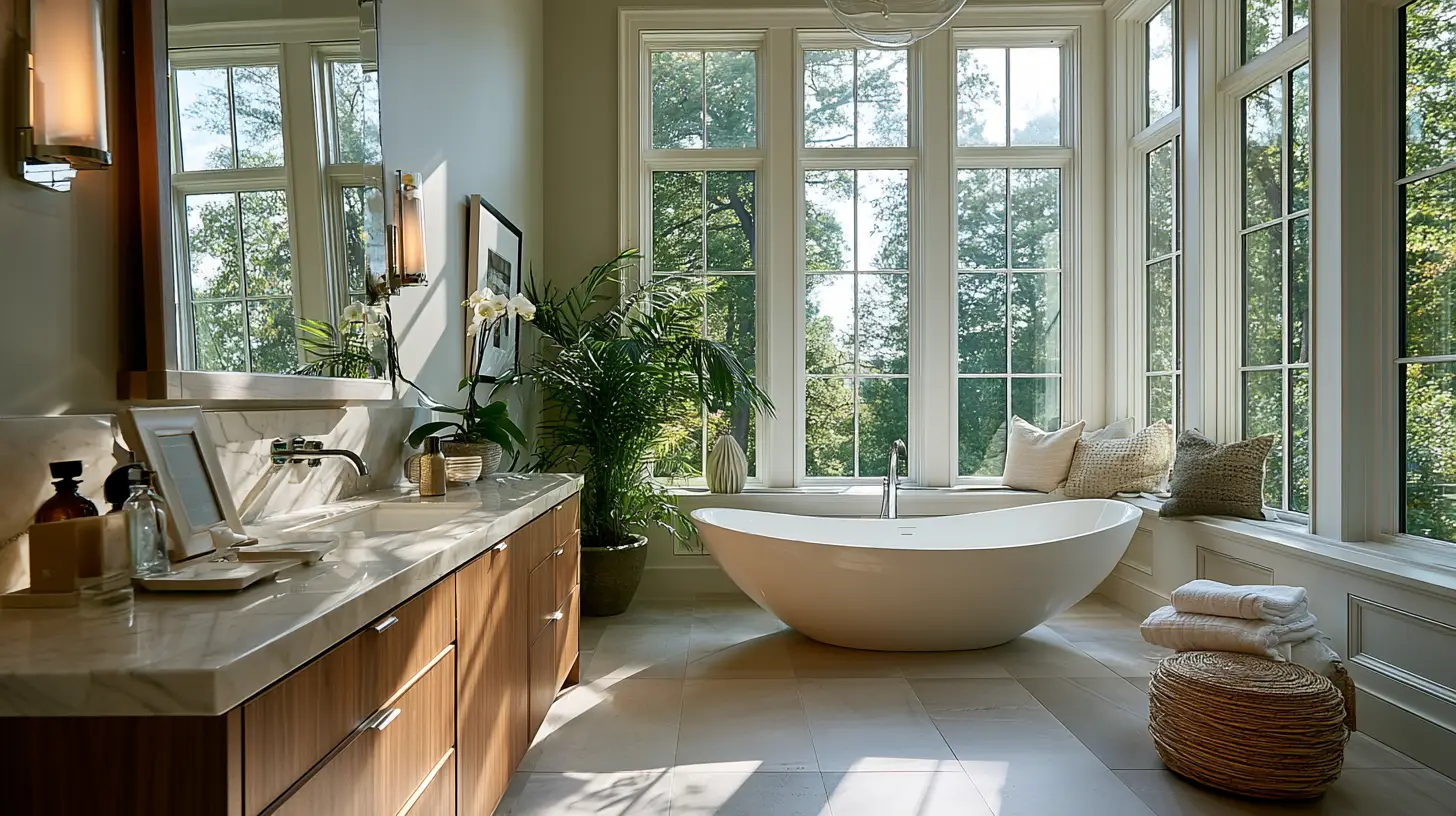
A full bathroom renovation is the most expensive option. This usually involves demolition, new plumbing or electrical work, waterproofing, custom tile, shower glass, upgraded ventilation, new flooring, and higher-end finishes. If walls are being moved, plumbing is being relocated, or hidden damage is found, costs can rise quickly.
What Impacts Bathroom Remodel Cost the Most?
Two bathrooms can be the same size and still have very different remodel costs. That is because the final price depends heavily on what needs to be changed behind the walls, under the floor, and throughout the layout.
Bathroom Size and Layout
Bathroom size matters, but layout matters just as much. A small powder room usually costs less than a full guest bathroom or primary suite because there are fewer fixtures and less square footage. However, small bathrooms can still be expensive per square foot if they require detailed tile work, plumbing changes, or custom storage.
Layout changes are one of the biggest cost drivers. Moving a toilet, shower, tub, or vanity usually means changing plumbing lines. In some cases, electrical outlets, lighting, ventilation, or framing may also need to be adjusted. Keeping the existing layout is often one of the simplest ways to reduce the overall budget.
Labor and Skilled Trades
Labor is a major part of any bathroom remodel. A bathroom is a compact space, but it involves many skilled trades: plumbing, electrical, carpentry, drywall, tile installation, waterproofing, flooring, painting, and finish work.
This is especially important in wet areas like showers and tub surrounds. Poor waterproofing or rushed tile installation can lead to leaks, mold, and expensive repairs later. A bathroom remodel is not just about how the finished space looks; it is also about how well everything is installed behind the surface.
Materials and Finish Level
Materials can shift the budget significantly. A stock vanity costs less than a custom-built vanity. Standard ceramic tile is usually more affordable than natural stone or intricate mosaic patterns. Basic fixtures cost less than luxury plumbing fixtures, custom shower glass, heated floors, or designer lighting.
The best choice is not always the most expensive one. Many homeowners get the most value from durable mid-range materials that look good, hold up well, and do not require excessive maintenance.
Hidden Damage and Repairs
Bathrooms are exposed to moisture every day, which means hidden issues are common. Once demolition begins, homeowners may discover water-damaged subfloors, old plumbing, mold, poor ventilation, outdated wiring, or previous work that was not installed correctly.
This is why it is smart to leave room in the budget for unexpected repairs. Even a well-planned remodel can uncover problems that were not visible at the start.
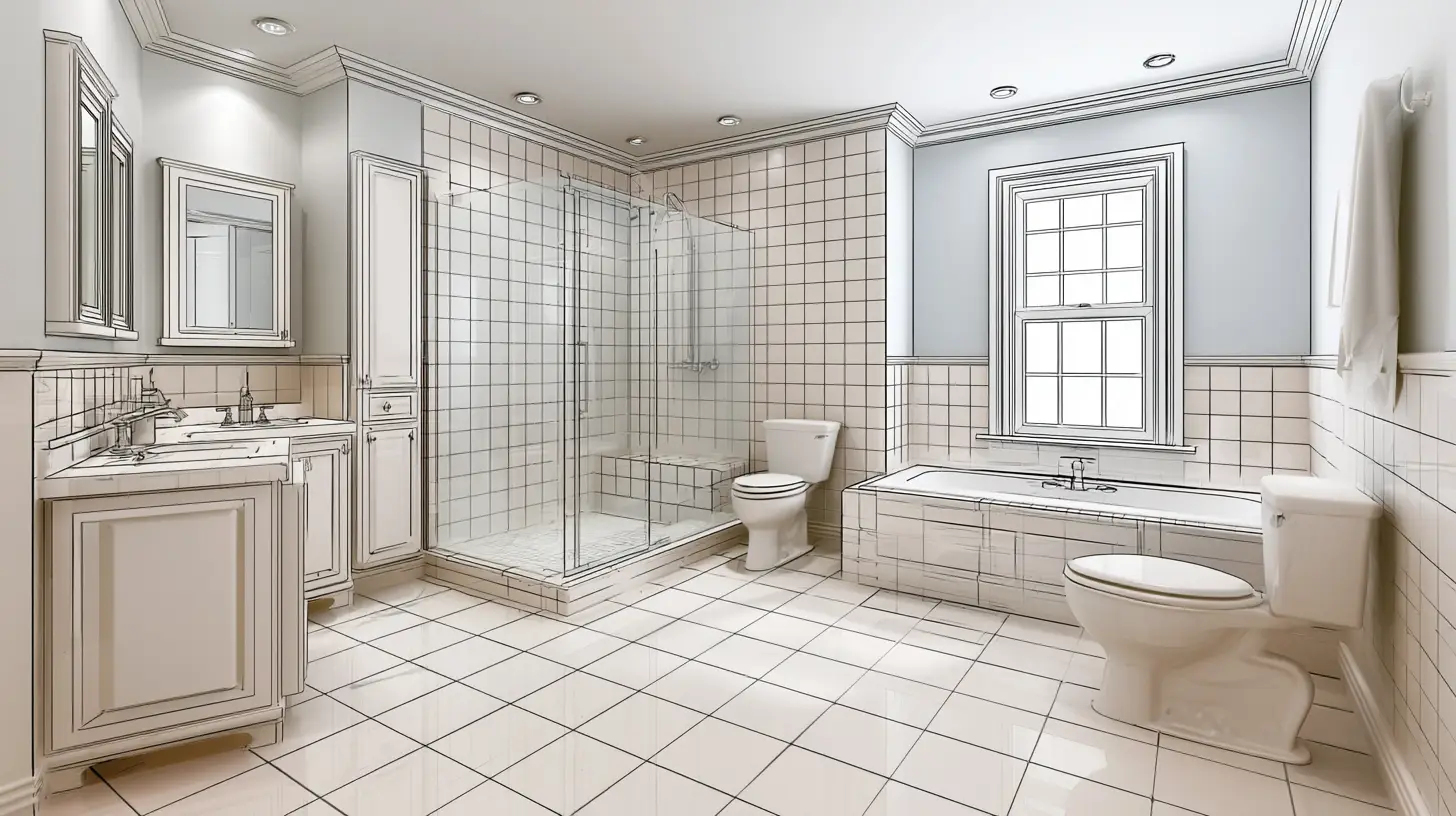
Bathroom Remodel Cost by Project Type
Understanding common project types can help you estimate where your money is going and where you may be able to save.
Shower or Tub Replacement
Replacing a shower or tub can be one of the largest parts of a bathroom remodel. A simple tub replacement may be more affordable than converting a tub into a walk-in shower with custom tile and glass. Tile showers often require waterproofing systems, precise installation, and careful drainage work, which adds to the labor cost.
If accessibility is a concern, a walk-in shower may be worth the investment. If the existing tub is in good condition, refinishing or keeping it may help reduce costs.
Vanity, Countertop, and Storage Updates
The vanity is often one of the most visible parts of the bathroom. Replacing an outdated vanity can make the whole room feel newer, especially when paired with a modern countertop, faucet, mirror, and lighting.
Stock vanities are usually more affordable, while custom vanities offer more flexibility in size, storage, and design. For smaller bathrooms, better storage can make a major difference in how the space functions.
Flooring and Tile
Flooring and tile costs depend on the material, pattern, room size, and complexity of installation. Simple tile layouts are generally more affordable than detailed patterns, niches, borders, or full-height shower tile. Larger-format tile can create a clean, modern look but still requires proper prep and installation.
Since bathrooms deal with water and humidity, durability should matter more than trendiness. Choose surfaces that can handle daily use and are easy to maintain.
Paint, Trim, and Finishing Touches
Paint is one of the most cost-effective ways to update a bathroom, especially when the main fixtures are still in good shape. Fresh wall color, clean trim, painted cabinets, and updated surrounding spaces can make the remodel feel more complete.
For homeowners trying to refresh the look of a bathroom without replacing every surface, working with a professional painting team like Cover Pro Painting helps update walls, trim, cabinets, and nearby rooms with a clean, durable finish.
Finishing touches matter because they tie the remodel together. Mirrors, hardware, towel bars, lighting, and paint may not be the most expensive parts of the project, but they have a big impact on the final look.
How to Budget for a Bathroom Remodel
A good bathroom remodel budget starts with clarity. Before asking for estimates, decide what you actually want the remodel to accomplish.
Are you trying to make the bathroom look better before selling? Do you need more storage? Is the shower too small? Are there moisture problems? Is the layout frustrating? The clearer your goals are, the easier it is to choose where to spend and where to save.
Start With the Scope, Not the Inspiration Photos
Inspiration photos are helpful, but they do not tell the full story. A photo may show beautiful tile, custom lighting, and a floating vanity, but it does not show the plumbing work, waterproofing, electrical updates, or labor required to create that look.
Start by deciding whether your project is a cosmetic refresh, a mid-range remodel, or a full renovation. Once the scope is clear, you can choose materials and finishes that fit the budget.
Keep the Layout When Possible
Keeping the toilet, shower, tub, and vanity in the same location can help reduce costs. This does not mean the remodel has to feel basic. You can still make a bathroom look dramatically different with new surfaces, fixtures, lighting, and finishes.
Layout changes are worth considering when the current bathroom truly does not function well. But if the layout works, keeping it can free up more of the budget for better materials and craftsmanship.
Leave Room for Unexpected Issues
A bathroom remodel should include a contingency for surprises. Older homes, moisture-prone spaces, and bathrooms with past DIY work may have hidden problems. Setting aside extra room in the budget helps prevent stress if repairs are needed after demolition begins.
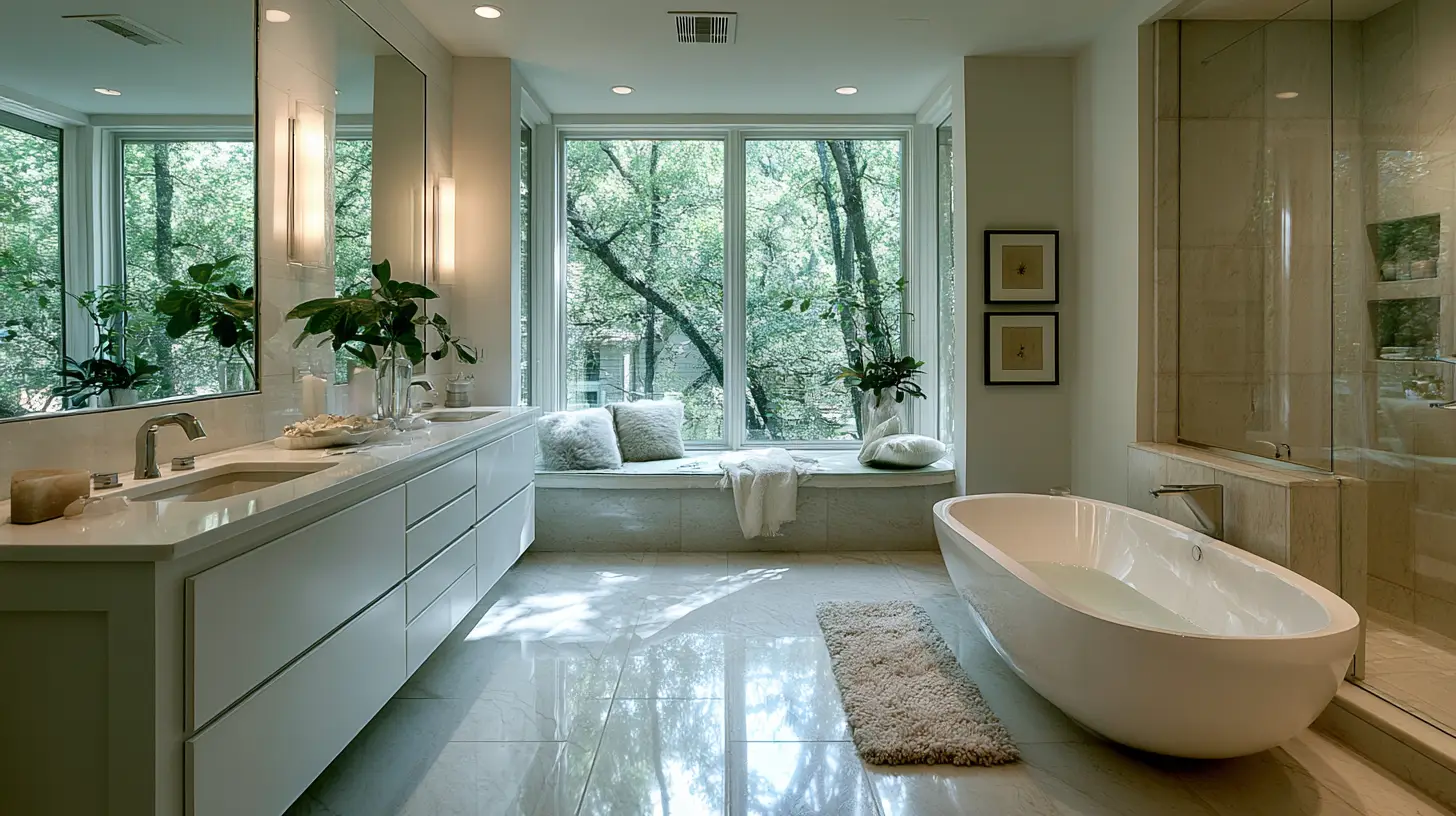
When Is It Worth Hiring a Professional Remodeler?
Some bathroom updates can be handled as small DIY projects, such as changing hardware, installing a mirror, or painting walls. But larger remodels are different. Plumbing, electrical work, waterproofing, tile installation, and ventilation all require proper planning and execution.
Mistakes in a bathroom can be expensive. A poorly waterproofed shower may not show problems right away, but over time it can lead to leaks, mold, and structural damage. Incorrect plumbing or electrical work can also create safety and performance issues.
Homeowners planning a more involved renovation should work with experienced remodelers like Oleg & Sons Remodeling to think and plan through layout, materials, craftsmanship, and project scope before construction begins.
A professional remodeler can also help identify which upgrades are worth the money and which ones may not make sense for the home, budget, or long-term goals.
How to Save Money Without Cutting Corners
Saving money on a bathroom remodel does not mean choosing the cheapest option for everything. In fact, cutting corners on waterproofing, plumbing, electrical work, or installation can lead to higher costs later. The better approach is to make smart choices.
Reuse What Still Works
If the bathtub, toilet, vanity, or layout is still functional, consider keeping it. Reusing certain elements can reduce demolition, material, and labor costs. Even small choices, like keeping the existing plumbing locations or refinishing cabinets instead of replacing them, can make a difference.
Choose Durable Mid-Range Materials
Mid-range materials often provide the best value. They can look polished without the high cost of luxury finishes. Durable tile, quality fixtures, moisture-resistant paint, and practical storage usually matter more than trendy upgrades that may feel dated in a few years.
Prioritize Function First
A beautiful bathroom should also work well. Prioritize ventilation, lighting, storage, waterproofing, and layout before spending heavily on decorative extras. These choices affect how the bathroom feels and performs every day.
Good lighting can make a small bathroom feel larger. Proper ventilation can help protect against moisture problems. Better storage can reduce clutter. These practical upgrades often provide more long-term value than luxury details alone.
Final Thoughts: The Real Cost Depends on the Remodel You Want
So, how much is a bathroom remodel? The answer depends on the size of the space, the condition of the bathroom, the materials selected, and the amount of work required. A simple refresh may be relatively affordable, while a full renovation with custom tile, plumbing changes, and premium finishes can become a major investment.
The best way to plan your budget is to define your scope first. Decide whether you need a cosmetic update, a mid-range remodel, or a complete renovation. Then prioritize the improvements that will make the bathroom more functional, durable, and enjoyable to use.
A well-planned bathroom remodel does more than improve appearances. It can make daily routines easier, protect the home from moisture problems, and create a space that feels clean, comfortable, and built to last.