4 Proven Strategies on How to Keep Deer out of Your Garden
Imagine, you wake up one morning, coffee in hand, ready to admire your blooming hostas or pluck fresh veggies from your patch. Instead, you find stripped stems and nibbled leaves everywhere. Deer have turned your garden into their personal salad bar overnight. This happens to countless home gardeners, especially in suburban spots where deer roam freely. Urban yards aren’t safe either, deer are known to squeeze through fences or hop over low walls.
Deer are smart and persistent. You need a mix of smart moves to guard your space. This guide covers four ways to keep deer out of your garden. Along with deer resistant perennials, these steps work together for lasting protection.
1. Physical Barriers: The Unshakeable Perimeter Defense
Deer love to jump, but the right setup stops them cold. Physical barriers create a wall between your plants and them. Focus on strong builds that match your yard size. These options last and need little upkeep once installed.
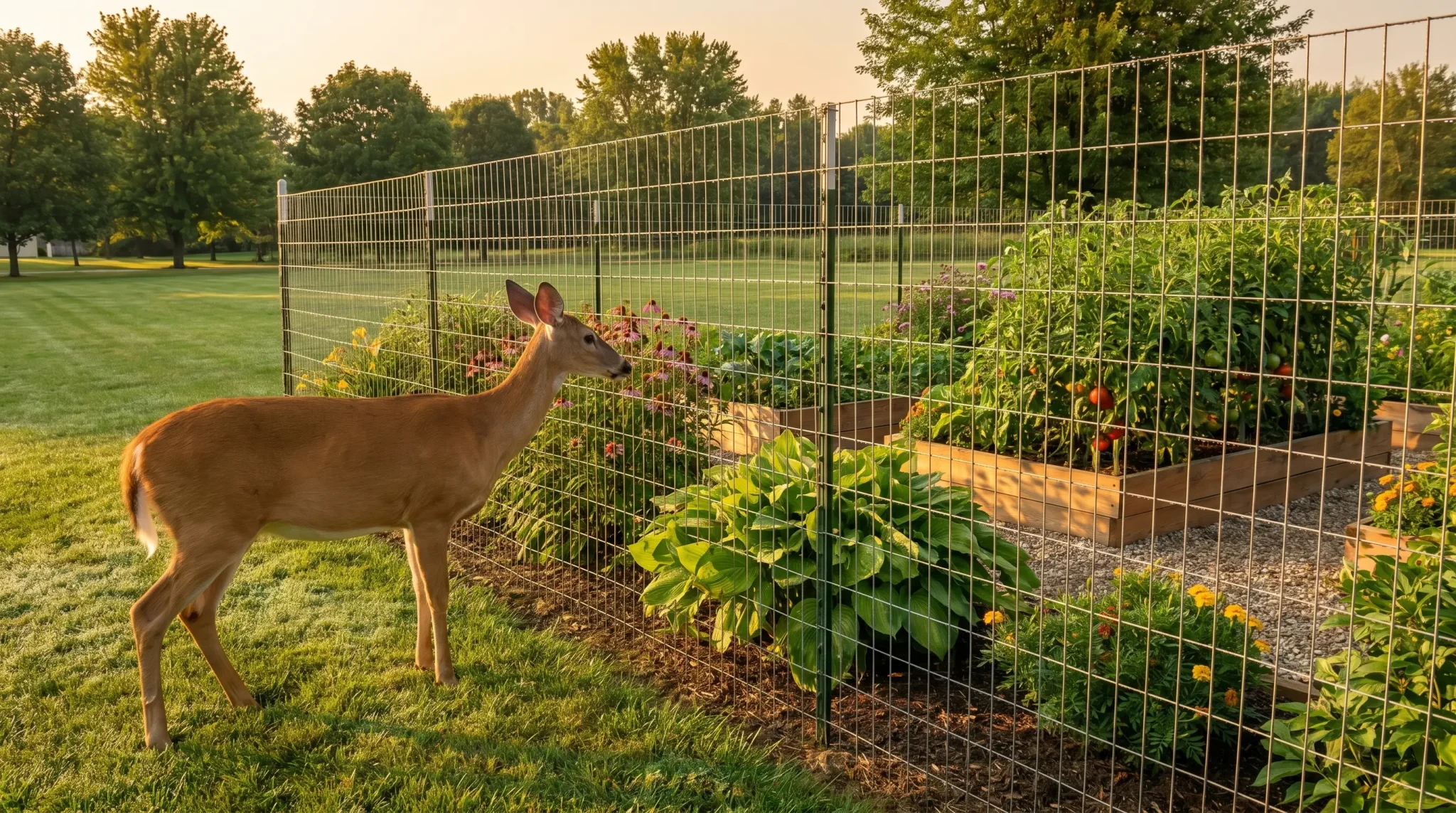
Fence Height and Material Selection for Maximum Deterrence
Aim for at least eight feet high on any standalone fence. Deer won’t bother with that leap unless they’re desperate. Pick wire mesh for breathable views that let you see your garden. Electric netting adds a zap to keep them away without harm. Solid wood privacy fences block sight and scent too.
Utilizing Temporary and Portable Barriers for Small Beds
For raised beds or quick crops, grab netting that drapes over like a tent. It blocks access without much effort. Tomato cages flipped upside down add extra hurdles around tender spots. These portable picks suit seasonal needs. Remember, to move them as plants grow. In small spaces, they prevent total wipeouts from a single nighttime raid at an affordable cost.
2. Scent and Taste Repellents: Making Your Garden Undesirable
Deer rely on their noses, so using repellents mess with that sense. It turns your tastiest plants into something gross. Use these as a backup to fences. Rotate them often to stay ahead of clever deer.
Contact Sprays
Spray leaves with mixes that taste bad, like those with rotten egg solids. Deer lick a bit and spit it out, learning to skip your spot. Predator urine scents mimic danger too. Apply every week or after rain washes it off. Focus on new growth tips where deer munch first. One tip: mix your own with garlic and hot pepper for a budget-friendly option.
Area Scents
Hang bars of strong soap from low branches. The smell throws off their hunt for food. Granular products can be scattered around beds to release odors that hide plant smells. Place them near paths deer take. Be sure to refresh every few weeks as scents fade. These work well in combo with sprays for full coverage.
The Importance of Repellent Rotation
Deer wise up fast to one smell. Stick with the same thing, and they ignore it after a bit. Switch between egg-based, urine, and soap types every two weeks. Keep a simple log of what you use and when. This keeps them guessing. Pros say rotation significantly boosts success over single methods.
3. Habitat Modification: Altering the Landscape to Discourage Browsing
Change your yard to make it a no-go zone for deer. This long-game approach tweaks what draws them in. It’s about smart choices that pay off over time. No big costs, just steady changes.
Choosing Deer-Resistant Species
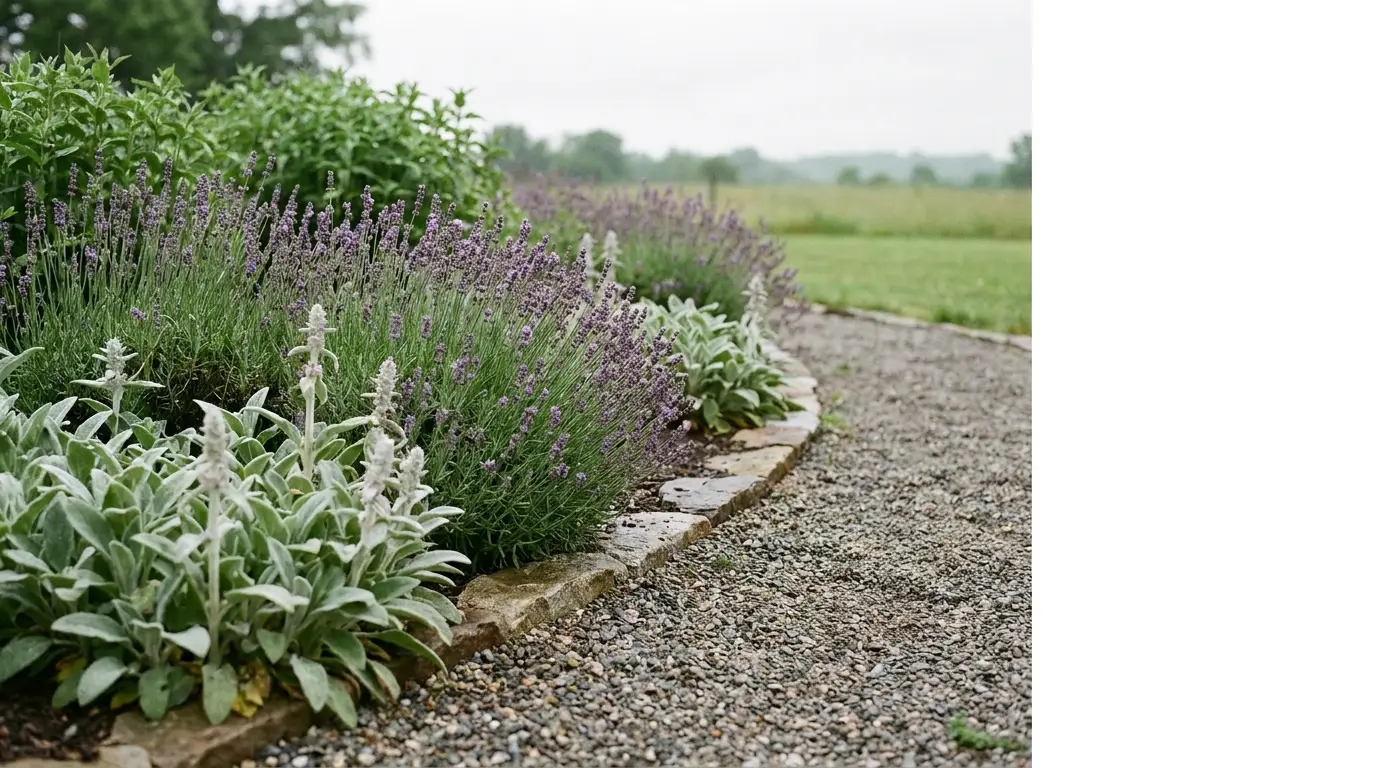
Go for plants deer dodge, like fuzzy-leafed lamb’s ear or aromatic lavender. Mint and sage pack strong scents they hate. Toxic plants with saponins, such as foxglove, also turn them away. Skip hostas, tulips, and roses. They’re deer favorites that beg for trouble. Mix in deer-resistant picks around edges. A local extension service notes these plants reduce damage by 60 percent in mixed gardens.
● Lavender: Tough smell, pretty blooms.
● Mint: Spreads fast, repels with aroma.
● Yarrow: Fuzzy and bitter to taste.
Eliminating Food and Water Sources Near Entry Points
Clear fallen apples or berries that bring the deer to your yard. Move bird feeders far from your garden fence. No free snacks means less traffic. Drain puddles or fix leaky hoses. Deer need water too, and easy sources are a draw.
Utilizing Dense Underplanting and Visual Obstruction
Plant thick rows of thorny bushes like barberry along borders. Deer hate pushing through sharp branches. Low shrubs block their view of tasty targets inside. This creates a natural wall. Add evergreens for year-round cover. It not only stops deer but also boosts your yard’s look.
4. Active Deterrents and Sensory Overload Tactics
Shake things up to scare deer off. These methods use surprise to send them running. They need some watching, but pair well with other strategies. Keep them fresh to avoid boredom on the deer’s end.
Motion-Activated Sprinklers and Ultrasonic Devices
Set up sprinklers that activate when deer come near. They soak the intruder and startle it away. Some units can cover up to 1,200 square feet, but clear lines of sight matter. Ultrasonic gadgets emit high sounds deer dislike. Place them strategically around beds. While sprinklers work best, it’s important to understand that ultrasounds help but become less effective if deer adapt.
Incorporating Visual and Auditory Novelty
Hang shiny mylar tape that flutters in the breeze. It flashes light and moves oddly, spooking deer. Wind chimes add noises that rattle them. You definitely want to shift these items weekly. Even old CDs strung up work. Gardeners swear by this for quick fixes in open areas.
Utilizing Guard Animals and Patrolling Dogs
A big dog like a Great Pyrenees patrols large lots effectively. Their bark and scent ward off deer naturally. For small yards, let your pup roam at dusk. Train responsibly to avoid chasing wildlife too far. This is a better idea for more rural spots. Owners report near-total protection with daily walks.
Deer won’t quit easily, but you can outsmart them. Physical barriers block entry. Repellents make tastes and smells bad. Habitat changes cut appeal. Active tools add the scare factor. Mix at least two or three for real results. Start with what fits your space and budget. Watch your yard at dawn or dusk. Note deer paths and tweak your plan. Soon, your garden stays yours. Grab some of these tools today and reclaim your patch from those hungry uninvited guests.