Feng Shui Interior Design: A Beginners Guide
A home should feel calm, comfortable, and easy to live in. Small changes in lighting, furniture placement, and room organization can make a big difference in how a space feels.
That’s exactly what Feng Shui does. When a room is arranged well, it becomes easier to relax, focus, and move around comfortably.
In this guide, you’ll learn the key ideas behind feng shui interior design, along with practical tips to help create a balanced and welcoming home.
What is Feng Shui Interior Design?
Feng shui (pronounced fung shway) is an ancient Chinese practice that dates back over 3,000 years. The term itself translates to “wind” and “water”, two natural forces that move freely and sustain life.
In the context of interior design, feng shui is the practice of arranging your living space to support the natural flow of energy. It looks at how furniture placement, room layout, lighting, and materials affect the way energy moves through your home.
It’s less about following strict rules and more about creating a home that feels intentional and balanced.
Feng shui focuses on where objects are placed, how energy flows through a space, and what each area of a home represents in terms of life balance.
Why Feng Shui Still Matters Today
Many people assume feng shui is purely spiritual or cultural. In practice, though, a lot of its core ideas align with what we already know about comfortable, functional living spaces.
Think about it. A room with blocked walkways, poor lighting, and cluttered corners naturally feels stressful
A room with open space, good airflow, and thoughtful furniture arrangement feels easier to be in. Feng shui simply gives that thinking a structured framework.
- Better spatial planning: it encourages purposeful use of every area
- Improved comfort: layouts based on feng shui often reduce the visual noise and physical friction in your space
- Intentional design: your rooms feel designed for living, not just for looks
You don’t need to commit to feng shui as a philosophy to benefit from its principles. Even applying one or two basic rules to a room can noticeably shift how that space feels.
Core Principles Behind Feng Shui Rules

Feng shui interior design is built on a set of core principles that go beyond aesthetics. Understanding these principles is the first step to making layout decisions that actually improve how your home feels.
1. Chi and Energy Flow
At the heart of feng shui is the concept of chi (also written as qi), the natural energy that flows through all living things and spaces. In your home, chi moves through rooms the same way air does; it needs clear paths to circulate properly.
When chi flows freely, a space feels open and easy to be in. When it’s blocked or stagnant, rooms can feel heavy or draining without any obvious reason.
The most common things that disrupt chi:
- Clutter: Piled-up objects trap energy and make rooms feel stuck
- Blocked doorways: Doors that can’t fully open restrict natural flow
- Dark corners: Areas with no light or airflow become dead zones for energy
The fix is straightforward. Keep pathways clear, remove unnecessary objects, and ensure every room has natural light or fresh air.
2. Yin and Yang Balance
Feng shui works on the principle that opposing qualities must be balanced for a space to feel right.
- Yin represents calm and rest. Bedrooms and reading nooks benefit from more yin energy.
- Yang represents activity and brightness. Kitchens, offices, and living areas call for more yang energy.
Practical ways to maintain balance:
- Light: Use layered lighting so you can adjust brightness based on activity
- Color: Warm tones add yang energy, cooler and neutral tones bring in yin
- Furniture: A mix of soft furnishings and structured pieces keeps things grounded
The goal is not to make a room purely yin or purely yang, but to find the right balance for what that space is actually used for
3. The Five Elements
Feng shui uses five core elements to describe the qualities of energy in a space, each connected to specific colors, shapes, and materials.
| Element | Qualities | Colors | Materials and Shapes |
|---|---|---|---|
| Wood | Growth, vitality | Green, brown | Plants, wooden furniture, tall shapes |
| Fire | Energy, passion | Red, orange | Candles, lamps, triangular shapes |
| Earth | Stability, grounding | Yellow, beige | Stone, clay, square shapes |
| Metal | Clarity, focus | White, grey | Metal fixtures, circular shapes |
| Water | Calm, flow | Blue, black | Mirrors, glass, wavy shapes |
The goal is to have all five represented in your home in some form. Small additions go a long way. A wooden side table, a ceramic bowl, or a mirror can introduce an element without requiring a full redesign.
A good starting point is to identify which element is completely missing from a room and introduce it through one small addition.
Applying Feng Shui Room-by-Room
Feng shui rules do not apply the same way to every room since each space serves a different purpose and holds a different type of energy. Here is how to apply the right principles to each area of your home.
1. Living Room

The living room needs to support both conversation and relaxation. Arrange sofas and chairs so people face each other, encouraging connection rather than isolation. Place a rug under the seating area to ground the layout and define the social zone.
Avoid pushing all furniture against the walls as this creates a disconnected feeling in the center of the room. Keep the space open enough to move through naturally, add a plant or wooden piece for growth energy, and make sure the room has adequate natural light.
2. Bedroom

The bedroom needs calm, stable energy above everything else. Place the bed in the command position as covered earlier, with a clear sightline to the door and a solid headboard against the wall for support.
Use a solid headboard against a wall to create a sense of support and keep both sides of the bed accessible where possible.
What you keep near the bed matters just as much as placement. Avoid mirrors facing the bed as they are believed to disrupt sleep. Keep electronics and work-related items out of the room entirely, and clear any clutter from under the bed, as it creates stagnant energy directly beneath where you rest.
3. Kitchen

The kitchen represents nourishment in feng shui, which is why stove placement is a priority. Ideally, the person cooking should not have their back to the entrance.
If the layout does not allow for this, a small mirror near the stove can reflect the doorway into view.
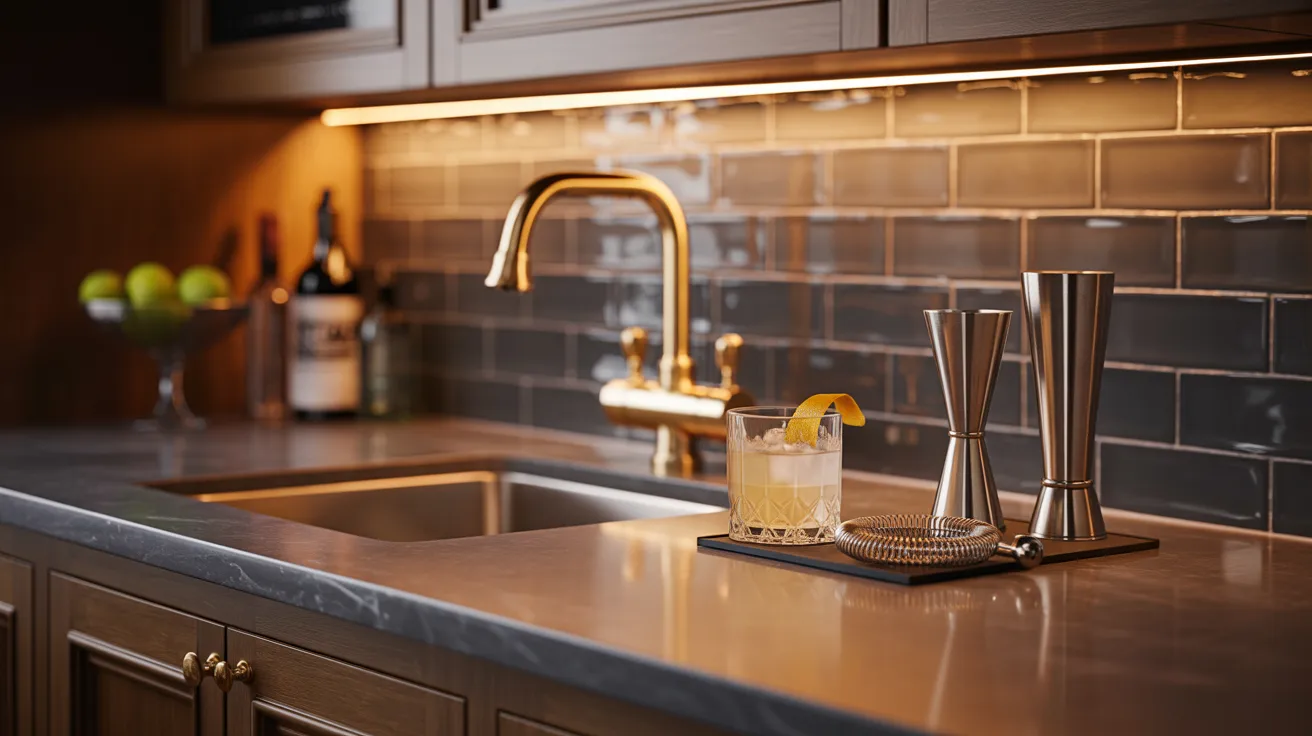
Keep countertops clear and the stove clean at all times. Cluttered surfaces restrict energy flow through the space. Good lighting and proper ventilation are equally important in a kitchen.
4. Home Office

Apply the command position rule to your desk, positioning it so the door is visible without sitting directly in front of it. Avoid facing a wall as this limits focus and can make work feel draining over time. A window to the side is ideal for natural light without constant distraction.
Keep the workspace as clear as possible, since a cluttered desk distracts attention and drains productive energy. Add a small plant to support growth and focus, bringing in the energy of the wood element. If the office shares a room with another function, use a bookshelf or screen to visually separate the work area.
Common Feng Shui Mistakes to Avoid
Most people focus on adding things to their home when applying feng shui, but the most common mistakes are actually about placement and what to remove.
- Bed in line with the door: Known as the “coffin position,” this disrupts rest and creates unease. Shift the bed so the door is visible but not directly facing you.
- Mirrors facing the bed: Mirrors reflect energy back and interfere with sleep quality. Reposition or cover them if needed.
- Too much furniture in small spaces: Overcrowding blocks chi from moving freely. Removing even one or two pieces can noticeably open up the energy.
- Dark or poorly lit entryways: A dim entrance limits positive energy coming into your home. Add a light source and keep the area clear.
- Ignoring clutter: Piled-up objects in any room, whether visible or hidden, create stagnant energy that affects the overall feel of your entire home.
Conclusion
Feng shui interior design is not about following a rigid set of rules or redesigning your entire home overnight. It is about understanding how placement, flow, and balance affect the way a space feels to live in.
The feng shui rules covered in this guide, from the command position to keeping entryways clear and balancing the five elements, all point to one simple idea: your home should support you, not work against you.
Start small. Adjust your bed position, clear a cluttered corner, or add a source of natural light to a dim room. Small, consistent layout changes can shift the energy of your home over time.