What is a Drawing Room? Meaning, History & Roles
Many people hear the term and wonder what makes it different from other spaces in a home.
Understanding what a drawing room is helps clear that confusion and gives better insight into how homes were designed in the past and how they function today.
This space has always been about hosting guests, but its role has shifted over time with changing lifestyles and layouts.
Here, you’ll learn what defines a drawing room, how it differs from similar spaces, where it is typically placed, and how it fits into modern homes.
What is a Drawing Room?
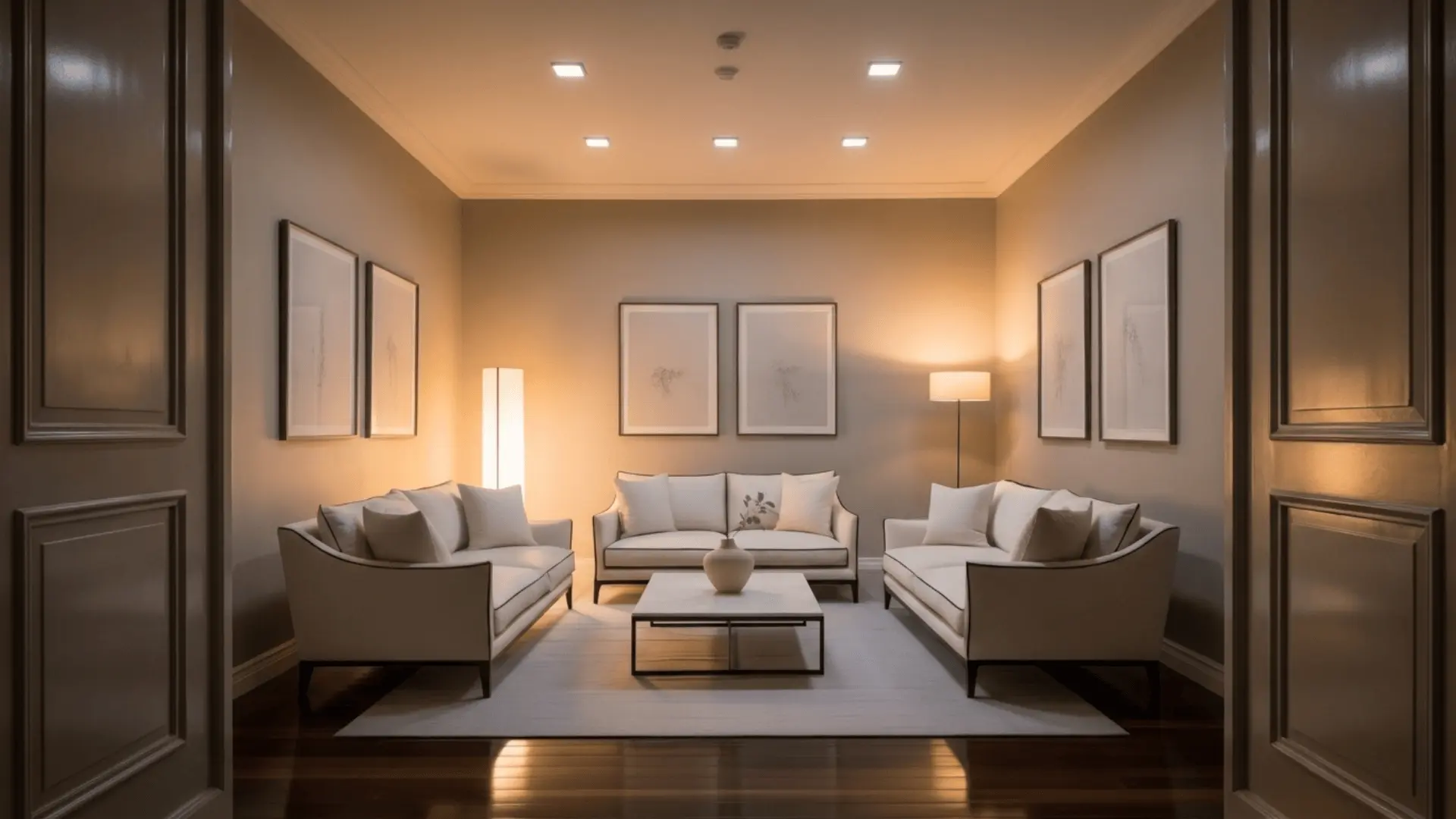
A drawing room is a formal room in a house used mainly for receiving and entertaining guests. It is designed to be a welcoming space where visitors can sit, talk, and spend time together.
In many homes, this room is kept separate from everyday family areas. While family members may occasionally use it, its main purpose is to host guests in a comfortable and presentable setting.
Traditionally, drawing rooms were more formal than other parts of the house. People used them for conversations, social visits, and small gatherings.
The space was often arranged neatly with good furniture and tasteful decor so visitors would feel respected and comfortable.
In modern homes, the idea of a drawing room still exists, especially in larger houses. However, many families now use the living room for both daily relaxation and entertaining guests.
Because of this change, the terms drawing room and living room are sometimes used interchangeably in different regions.
Where a Drawing Room is Usually Located in a House
A drawing room is usually placed near the front part of the house. This makes it easy to welcome guests without taking them through private family areas.
Common placement includes:
- Close to the main entrance or foyer
- Near the front hallway or reception area
- Positioned so guests can enter and sit comfortably right away
This location helps keep the rest of the home private while giving visitors a comfortable space to sit and talk.
In larger houses, the drawing room may also connect to a dining room or another formal area used for gatherings.
The Origin and History of the Drawing Room
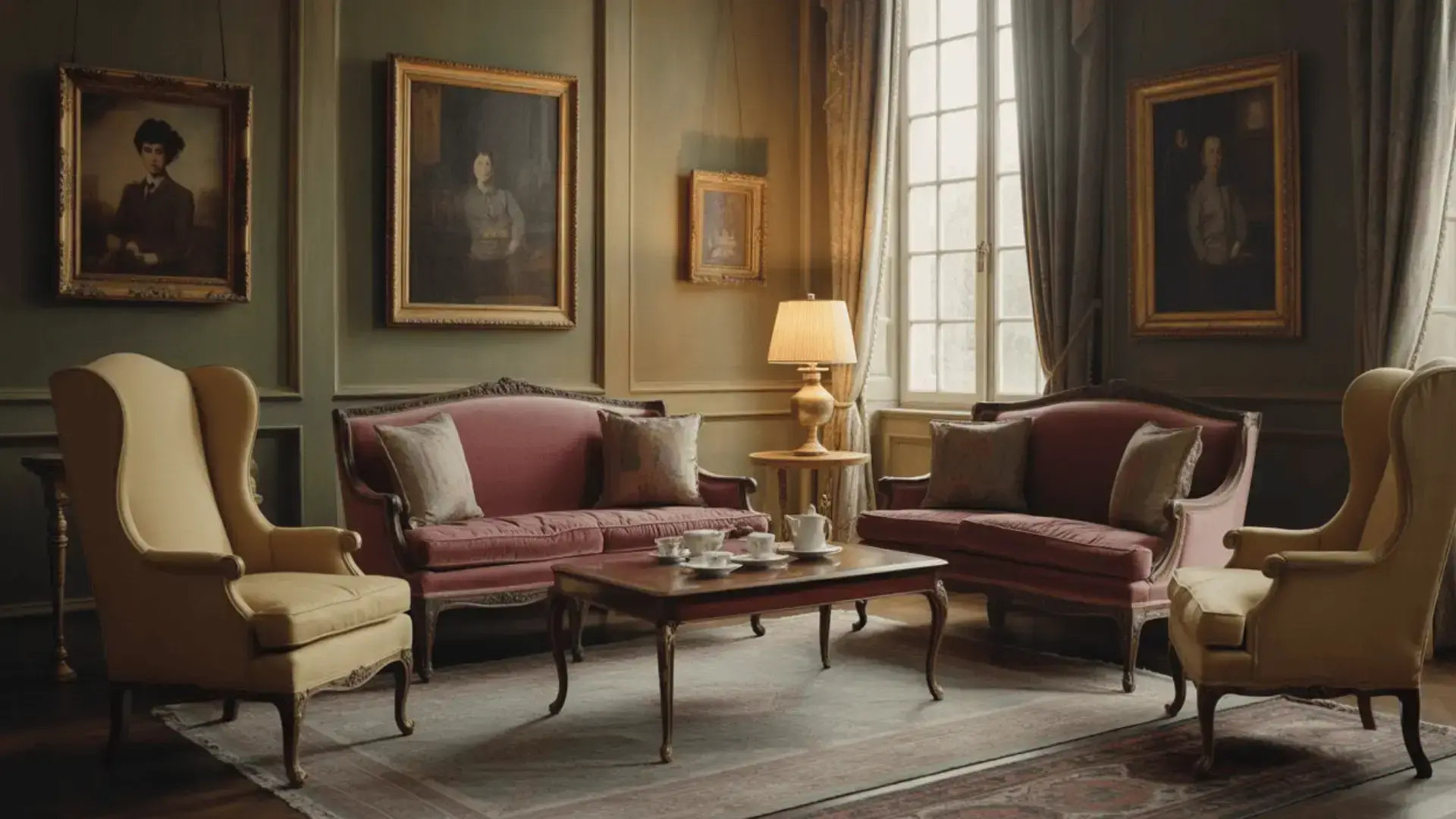
The term “drawing room” originally came from the phrase “withdrawing room.” This name described a private room where people could withdraw to after spending time in more public areas of the house.
In large homes during the 16th and 17th centuries, hosts and guests often moved to this room after dinner. It offered a quieter space where people could sit, talk, and relax away from the dining area.
These homes often had different rooms for different purposes. Some rooms were meant for private family use, while others were designed for social visits and formal gatherings.
Over time, the long phrase “withdrawing room” was shortened in everyday speech. People began saying “drawing room” instead, which eventually became the common name for the space.
Even though the name changed, the purpose of the room stayed the same. It remained a formal room used to welcome guests and hold social conversations.
The shorter name was easier to use and slowly became standard in architecture, home design, and everyday language.
Key Features that Define a Drawing Room
A drawing room is usually designed to feel welcoming, organized, and slightly more formal than everyday family spaces. Its furniture, décor, and layout are arranged to make guests feel comfortable during visits.
Furniture Commonly Found in a Drawing Room
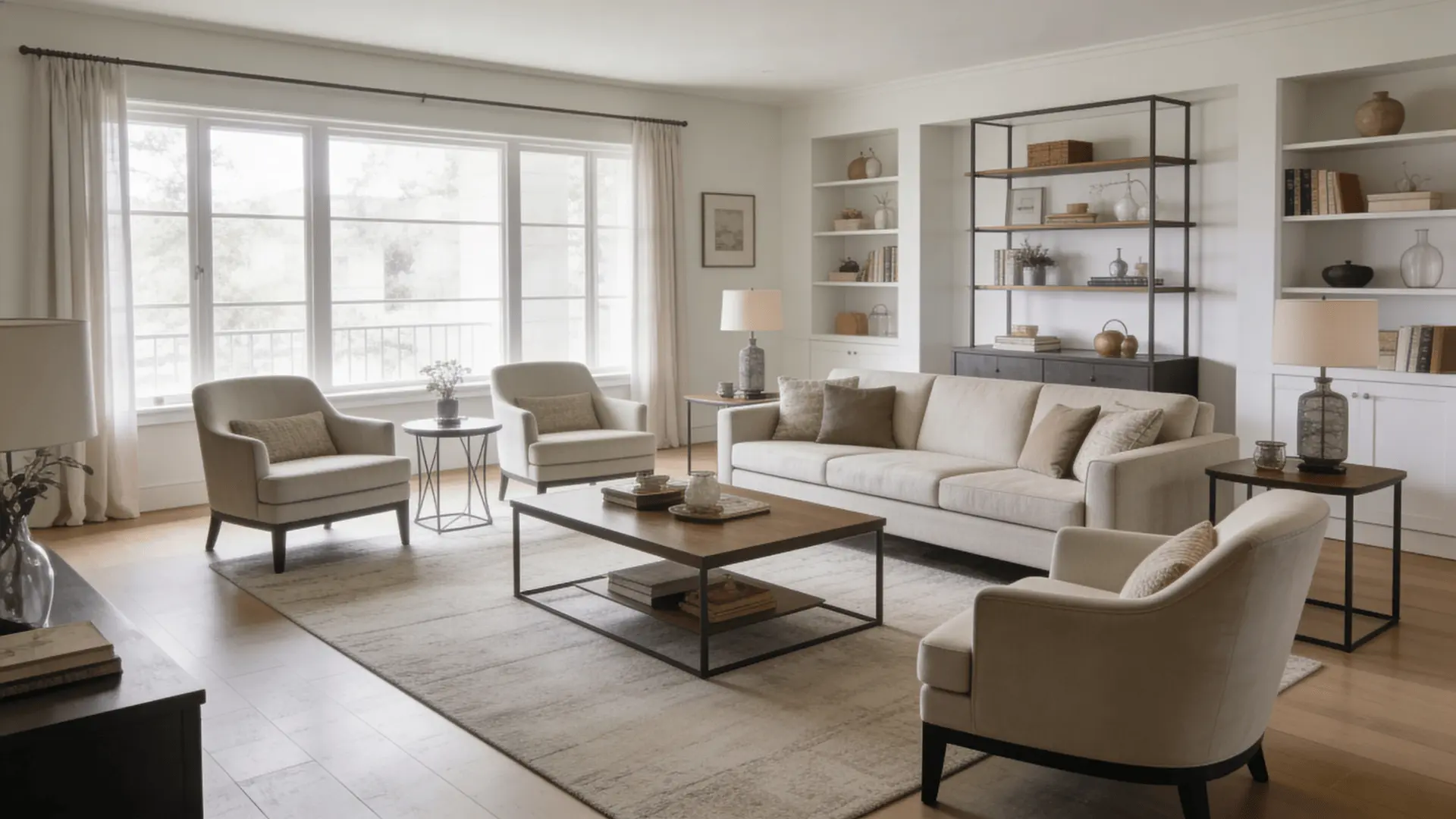
Furniture in a drawing room is chosen mainly for comfort and conversation. The goal is to create seating that allows guests to interact easily.
- Sofas and armchairs: Comfortable seating placed around the room so guests can sit together and talk easily during visits or small social gatherings.
- Coffee or center table: A central table placed between seating areas where drinks, snacks, books, or decorative items can be placed during conversations.
- Side tables: Smaller tables positioned next to chairs or sofas to hold lamps, cups, phones, or small decorative pieces.
- Display cabinets or shelves: Furniture used to display books, family photos, decorative items, or collectibles that add personality to the room.
Decorative Elements and Styling
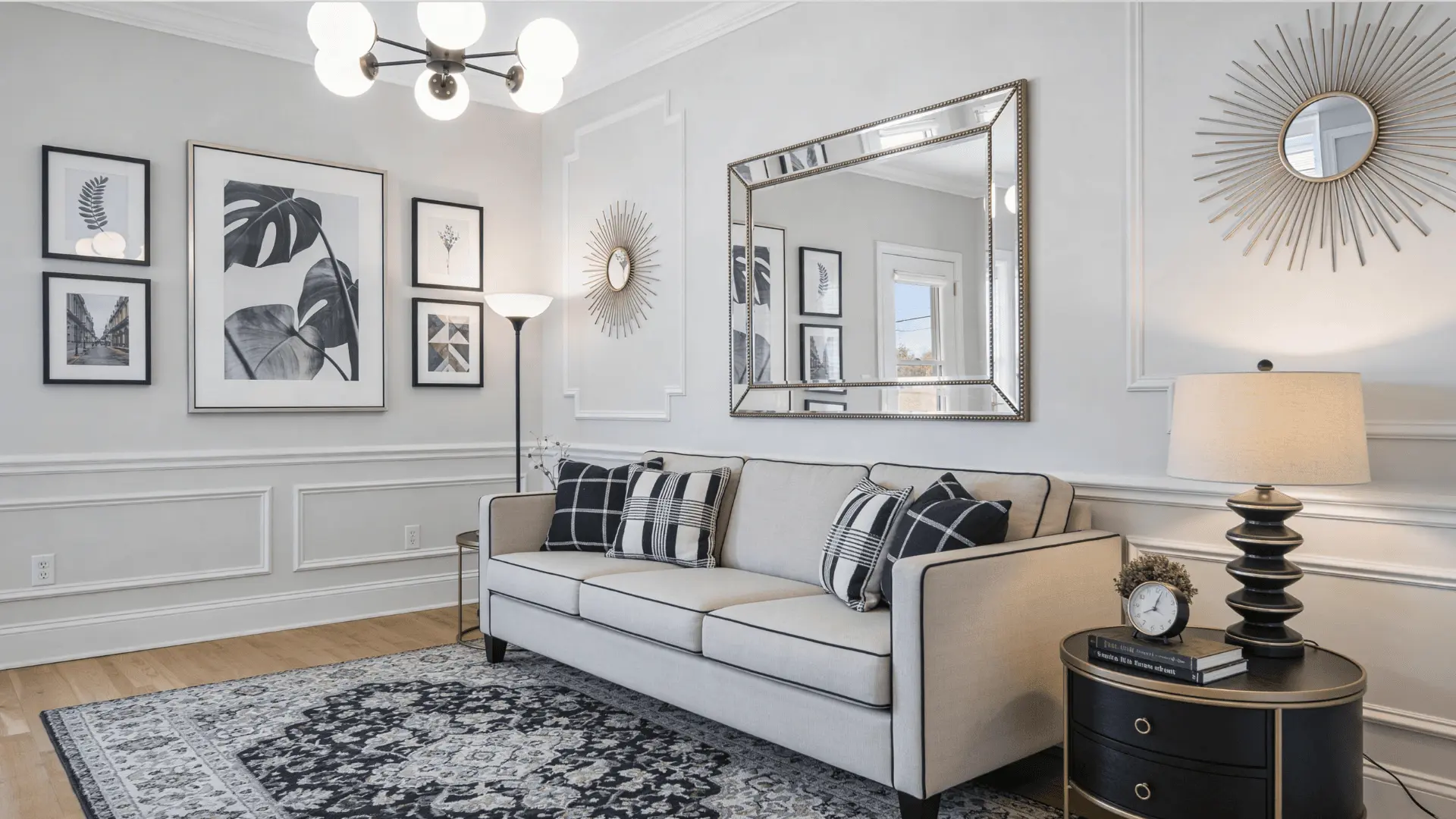
Decorative details help the drawing room look neat, elegant, and welcoming. These elements create the overall atmosphere that visitors experience.
- Wall art or framed pictures: Paintings, artwork, or photographs placed on walls to add character and make the space visually interesting.
- Mirrors: Decorative mirrors that reflect light and make the room appear brighter and more spacious.
- Rugs or carpets: Floor coverings that define the seating area while adding warmth and comfort to the room.
- Lighting fixtures: Lamps, chandeliers, or wall lights that provide soft lighting and help create a pleasant environment for conversations.
Layout and Seating Arrangement for Guests
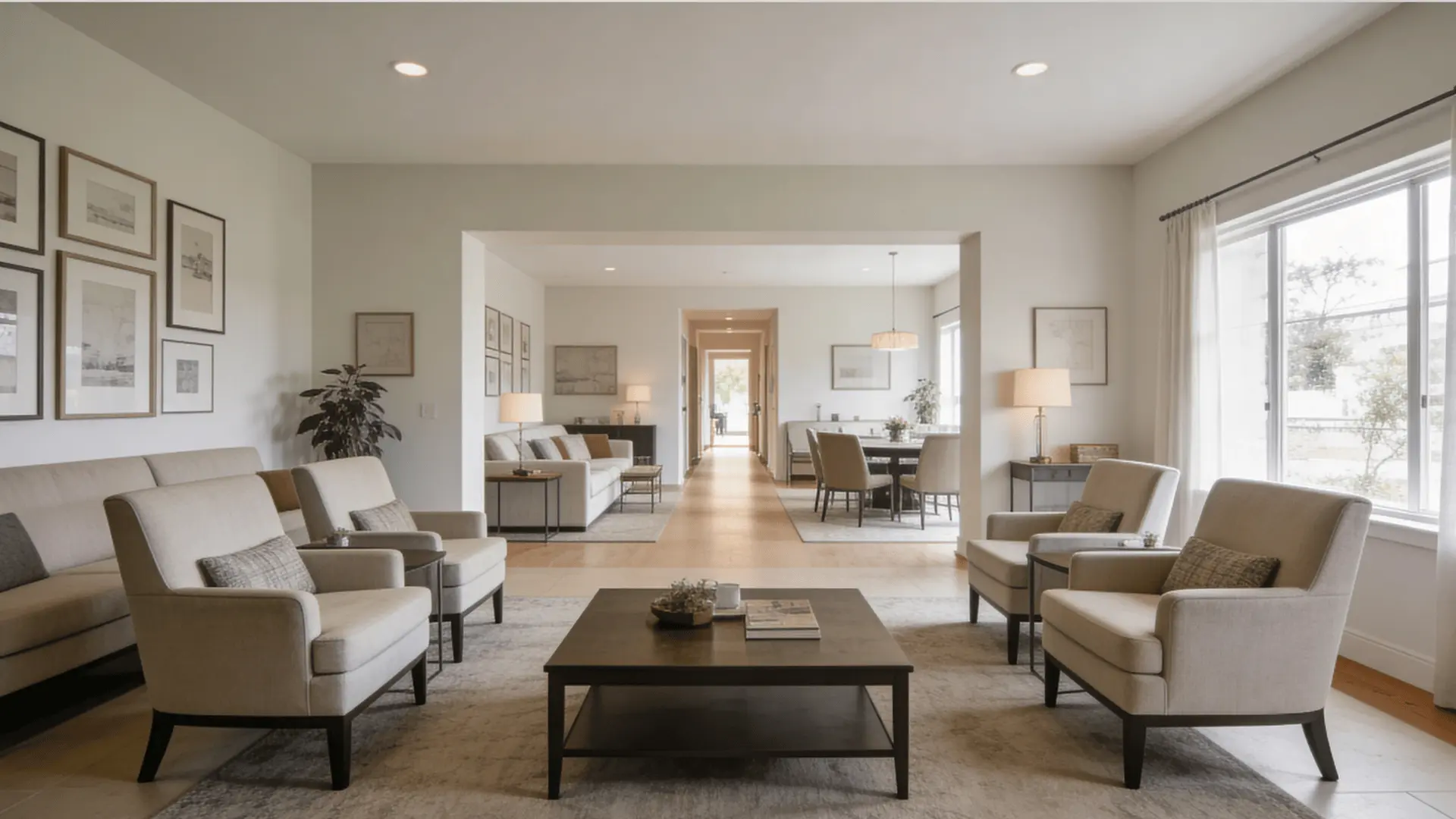
The layout of a drawing room focuses on making social interaction comfortable. Furniture placement is arranged so guests can sit and talk easily.
- Conversation-friendly seating: Chairs and sofas placed facing each other so people can maintain eye contact and interact comfortably.
- Balanced furniture placement: Furniture is distributed evenly around the room so the space feels organized and not crowded.
- Clear walking space: Open pathways between furniture pieces that allow guests to move freely without disturbing seated conversations.
Drawing Room vs. Living Room
Although the terms are sometimes used interchangeably, a drawing room and a living room serve slightly different roles in a home. The difference mainly relates to formality and everyday usage.
Differences in Purpose and Function
A drawing room is traditionally used for receiving and entertaining guests. It is usually kept neat and reserved, mainly for social visits and formal conversations.
A living room is used for daily family activities such as relaxing, watching television, or spending time together. Guests may be welcomed here, but the space is mainly designed for everyday use.
Differences in Design and Atmosphere
A drawing room usually has a more formal appearance with carefully arranged seating, decorative pieces, and furniture placed to support conversation.
A living room has a more relaxed and practical design. Furniture is often arranged for comfort, sometimes around a television or entertainment area.
Why Modern Homes Often Use Only a Living Room
Many modern homes no longer include a separate drawing room due to limited space and changing lifestyles. Families often prefer one main sitting area for both daily relaxation and hosting guests.
Because of this shift, the living room has become the central social space in most homes today.
Other Names Used for a Drawing Room
In different regions and time periods, the drawing room has been known by several other names. These terms often describe similar guest-focused spaces, though their meaning can vary depending on culture and home design.
| Term | Meaning | How It Relates to a Drawing Room |
|---|---|---|
| Sitting Room | A room used for sitting, relaxing, and having conversations with guests or family members. | Often used interchangeably with drawing room, though it can be slightly less formal in many homes. |
| Parlor | A traditional term used in older homes for a formal room where visitors were received and entertained. | Historically very similar to a drawing room and used mainly for greeting guests. |
| Formal Living Room | A living room designed mainly for guests rather than everyday family use. | In many modern homes, this serves the same role as a traditional drawing room. |
These terms can overlap in meaning, but they all generally describe a space meant for welcoming visitors and holding conversations in a comfortable setting.
Do Modern Homes Still Have Drawing Rooms?
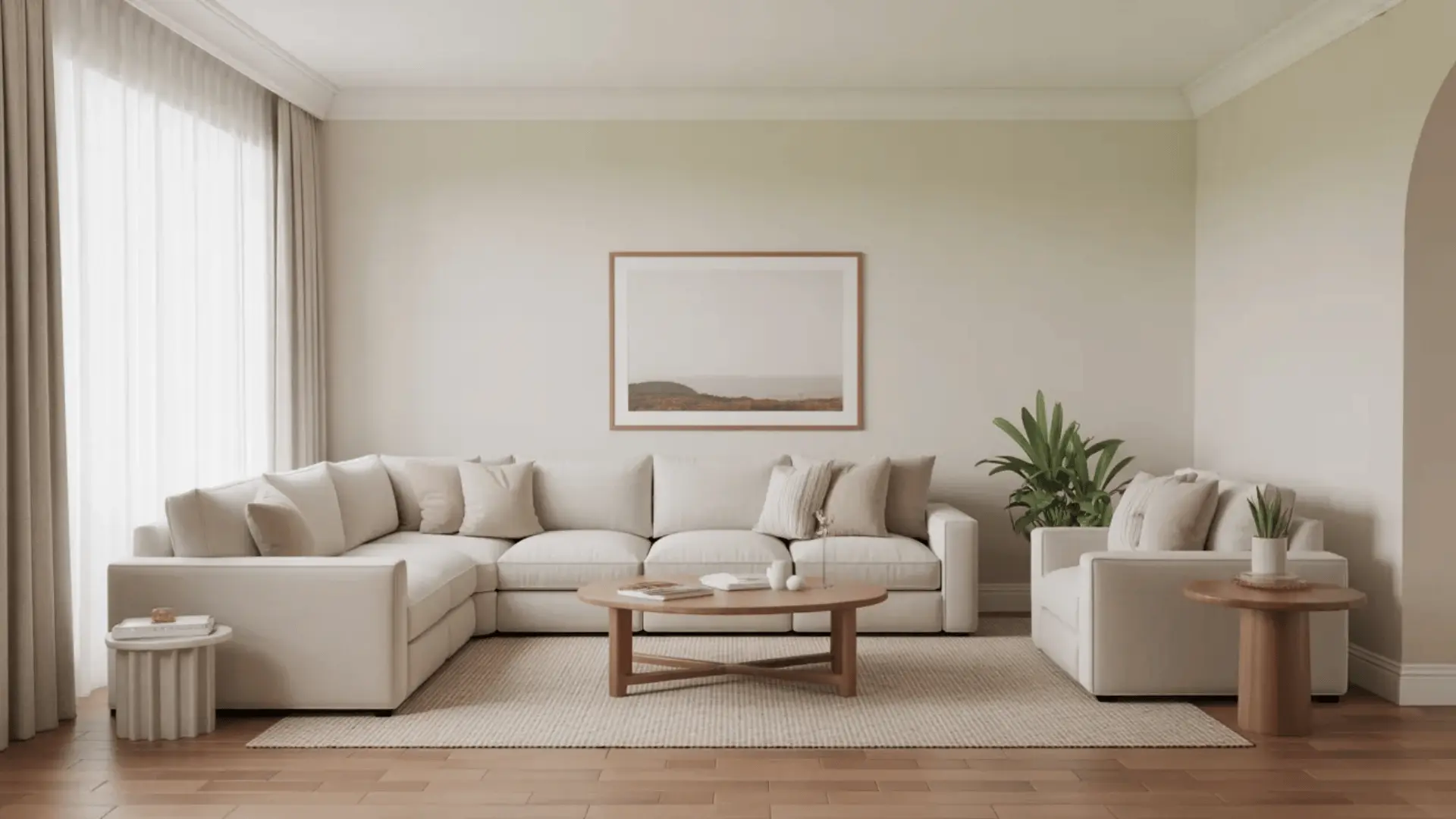
Modern homes are designed differently from older houses, so the role of the drawing room has changed over time. While the term is still used, the space itself often appears in different forms today depending on home size, culture, and lifestyle.
Drawing Rooms in Traditional Homes
In traditional houses, especially large homes and estates, the drawing room was a separate and important part of the layout. It served as the main place for receiving guests and hosting formal visits.
These homes often had multiple rooms designed for specific purposes. Because of this, keeping a dedicated guest reception room was common and considered part of proper home planning.
How the Concept Exists in Modern Houses
Many modern homes no longer include a separate drawing room. Instead, the living room usually handles both daily family activities and guest visits.
However, the idea still appears in different ways today:
- Formal living room: Some houses include a guest-focused sitting area that stays tidy and is used mainly during visits.
- Combined sitting space: In apartments and smaller homes, the main living room serves both family use and guest reception.
- Regional usage: In countries such as India and Pakistan, the term “drawing room” is still widely used for the main guest sitting area.
When It Makes Sense to Have a Separate Drawing Room
A separate drawing room can still be useful in certain situations, especially in larger homes where space allows for different functional areas.
It may make sense to have one when:
- The home frequently hosts guests or social visits.
- The family prefers to keep private living areas separate from visitor spaces.
- The house layout includes multiple sitting areas or formal gathering spaces.
In these cases, a drawing room continues to serve its traditional role as a welcoming place for guests while keeping the rest of the home more private.
Wrapping Up
The drawing room represents more than just a place to sit with guests. It reflects how homes were once organized around privacy, hospitality, and social interaction.
While modern houses often combine spaces or replace formal rooms with multipurpose areas, the idea of having a dedicated place for welcoming visitors still remains relevant.
Whether you are learning about home design, exploring traditional house layouts, or planning your own space, knowing the role of a drawing room can offer a useful perspective.
If you are planning your home layout, consider how a guest-friendly space can improve comfort and hospitality.