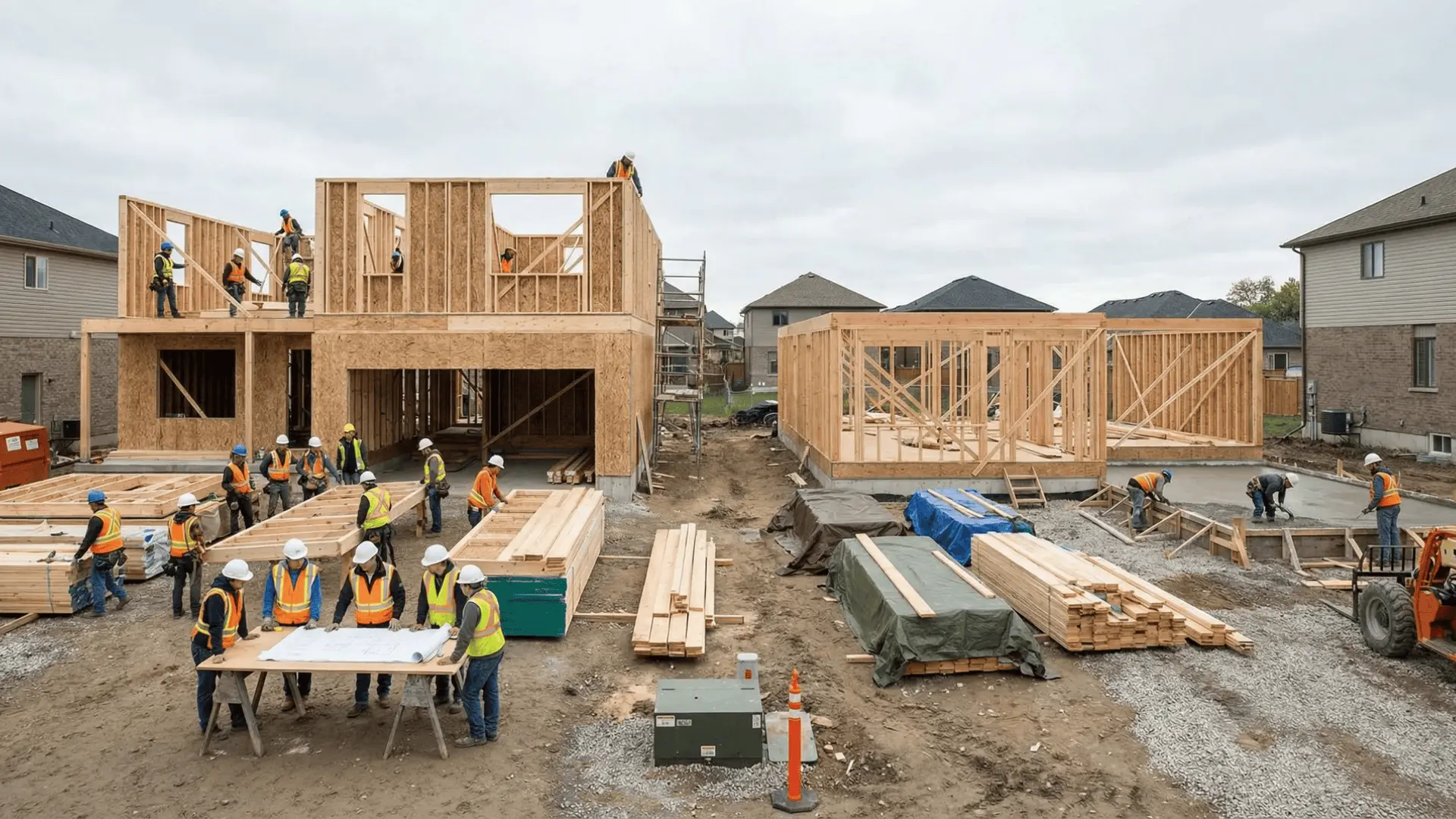
Design Build vs. Design Bid Build Guide
Choosing how your project will be delivered can shape everything that follows, from timelines to costs and even how problems get resolved.
Many people compare Design Build vs. Design Bid Build without fully understanding how each method changes the way a project runs day to day.
The difference is not just in contracts, but in how teams work, how decisions are made, and where responsibility sits.
In this post, you’ll see how both approaches function in real scenarios, where they perform well, and where they fall short. Let’s start by breaking down the core differences between the two methods.
Design Build vs. Design Bid Build Explained Clearly
If you’re comparing these two methods, the difference comes from how the project is structured from the start.
| Aspect | Design-Build (DB) | Design-Bid-Build (DBB) |
|---|---|---|
| Contract structure | One contract (single entity) | Two contracts (designer + contractor) |
| Team setup | Integrated team from the start | Separate teams, work in phases |
| Process flow | Overlapping design + construction | Sequential: design → bid → build |
| Decision-making | Collaborative, faster decisions | Owner-driven, slower approvals |
| Cost approach | Early estimates evolve over time | Fixed bid upfront, changes later |
| Risk ownership | One entity responsible | Split between parties |
| Communication | Direct and continuous | Indirect, through owner |
| Flexibility | High during the project | Low after design is finalized |
This shows how each method is set up. The real impact becomes clear as the project moves forward.
Design-Build (DB): How It Actually Works
Design-build uses one contract and one team handling both design and construction. The designer and contractor work together from the start, allowing early coordination and faster decisions.
This works because both sides are aligned from day one. Issues are resolved during design instead of appearing during construction. It leads to smoother execution and fewer disruptions.
Design-Bid-Build (DBB): How It Actually Works
Design-bid-build separates design and construction into distinct phases. The design is completed first, then contractors bid, and construction begins afterward.
This works because the owner fully defines the project before execution. However, the contractor has no input during design, which can create gaps later. It leads to a clear scope and pricing upfront.
The Structural Difference that Drives Everything
The core difference is integration vs. separation.
- Design-Build combines design and construction into one system
- Design-Bid-Build separates them into independent stages
This difference controls how decisions are made, how risks are handled, and how problems are resolved. Speed, cost, and quality all follow from this structure.
How Project Control Actually Changes
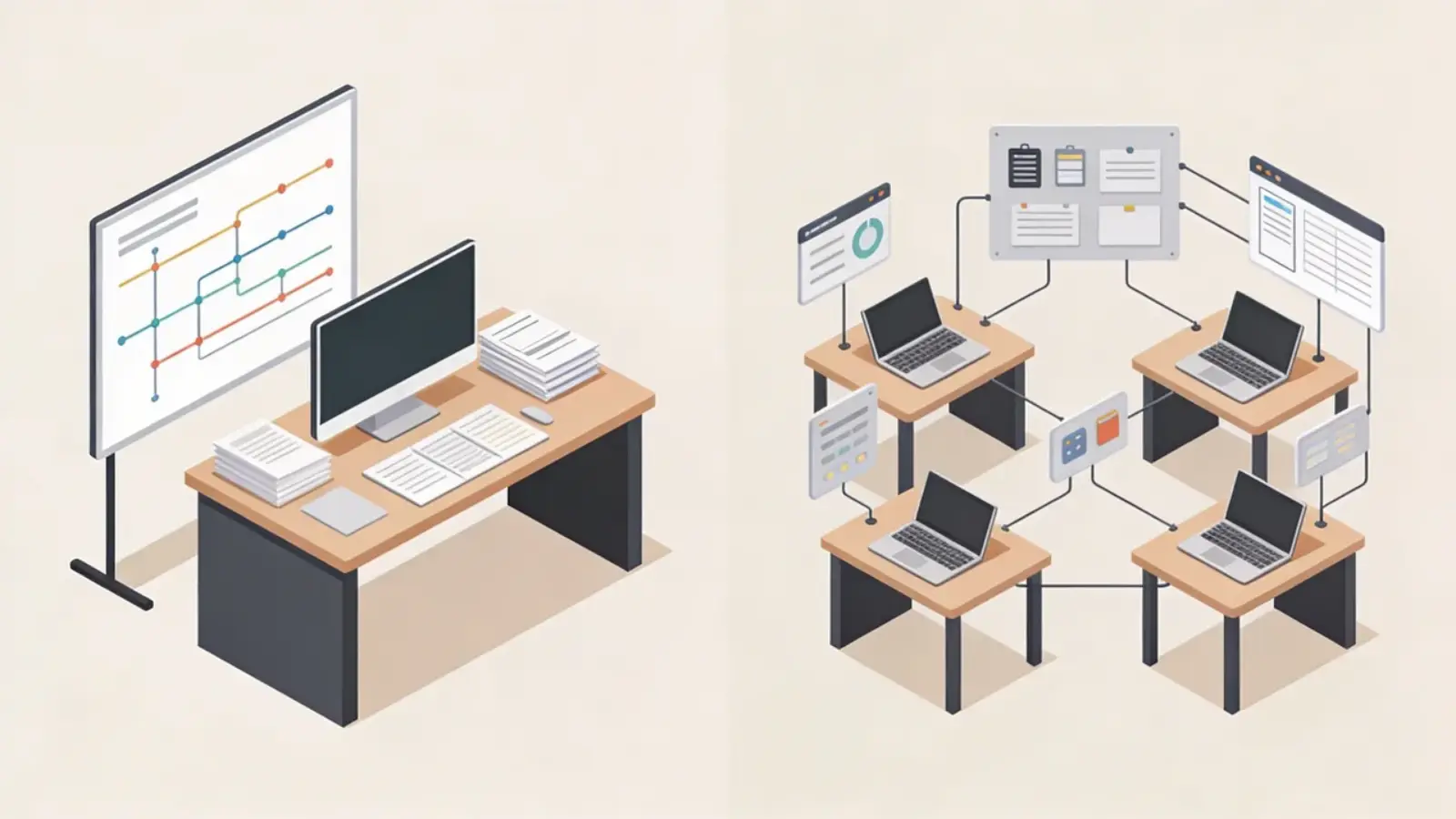
This is where many decisions go wrong. Control does not disappear; it shifts based on how the project is structured.
| Factor | Design-Build (DB) | Design-Bid-Build (DBB) |
|---|---|---|
| Control type | Centralized under one entity | Distributed across the owner and the designer |
| Decision flow | Fewer approval layers → faster decisions | More checkpoints → slower approvals |
| Owner involvement | Lower, the team manages decisions | Higher, the owner coordinates between parties |
| Outcome | Faster execution, smoother coordination | Strong design control, but slower progress |
| Failure case | Fails when the owner wants detailed control or an unclear scope | Fails when coordination is weak or conflicts arise |
The real trade-off is clear. Design-build offers managed control with speed, while design-bid-build offers direct control with higher responsibility.
Why Do Timelines Differ Between the Two Methods?
The difference in timelines comes from how each method is structured, not how fast the teams work.
In design-build, design and construction can overlap. This means work can start before the entire design is finalized. While one part of the project is being designed, another part is already being built.
This reduces downtime between phases and keeps the project moving continuously.
In design-bid-build, the process is strictly sequential:
- Design must be fully completed
- Then contractors bid on the project
- Only after that does construction begin
Each step depends on the previous one. If one phase is delayed, everything after it gets pushed back. This creates gaps where no physical work is happening.
The real impact shows up in how delays are handled:
- In design-build, adjustments can be made during the process without stopping everything
- In design-bid-build, changes often require revisiting earlier stages, which slows progress
As a result, design-build projects usually move faster, while design-bid-build projects take longer due to built-in pauses between phases.
How Costs Behave Across the Project Lifecycle
Cost differences between these two methods are often misunderstood because most people focus only on the starting price. The real difference shows up as the project moves forward.
| Factor | Design-Bid-Build (DBB) | Design-Build (DB) |
|---|---|---|
| Initial cost | Lower due to competitive bidding | Higher or flexible early estimates |
| Cost mechanism | Fixed bid based on completed design | Continuous pricing as design evolves |
| Risk factor | Change orders from design gaps | Adjustments handled earlier in the process |
| Final cost outcome | Often increases over time | More stable and predictable |
| Cost control style | Price certainty at the start | Cost certainty over the full project |
At the beginning, design-bid-build often appears more affordable because contractors compete on a fixed design. However, if gaps or changes appear later, costs can rise through change orders.
In design-build, pricing develops alongside the design. While the initial estimate may feel less fixed, most cost changes are handled earlier, reducing surprises later.
The key difference is timing. One locks the price early and adjusts later. The other adjusts early to keep the final cost more stable.
Where Risk Sits in Each Method
Risk doesn’t go away in either method. It simply shifts depending on how responsibility is structured.
Design-Build (DB)
In design-build, one team handles both design and construction under a single contract.
- Single point of responsibility: One entity is accountable for the entire project
- Concentrated risk: Issues are handled within the same team
- Fewer conflicts: No separation between designer and contractor
- Faster resolution: Problems are addressed quickly without coordination gaps
The downside is that all risk sits with one team. If performance is poor, there is no separation to balance responsibility.
Design-Bid-Build (DBB)
In design-bid-build, design and construction are handled by separate parties.
- Split responsibility: Designer and contractor work independently
- Risk often shifts to the owner: The owner must manage coordination
- Higher chance of disputes: Gaps between design and execution can create conflicts
- Slower resolution: Issues take longer to address due to multiple parties
This structure can lead to delays and cost increases if coordination breaks down.
The key point is simple. Risk is not reduced, it is reassigned. The method you choose determines who takes responsibility when problems arise and how quickly they get resolved.
How Collaboration Affects Quality and Execution
Collaboration plays a direct role in how well design and construction come together. The earlier teams work together, the fewer gaps appear later in the project.
| Factor | Design-Build (DB) | Design-Bid-Build (DBB) |
|---|---|---|
| Team interaction | Early and continuous | Delayed until construction begins |
| Design input | Contractor involved during design | Contractor not involved in design phase |
| Execution fit | Designs are practical and buildable | Risk of mismatch between design and construction |
| Coordination | Strong alignment from the start | Requires adjustments during construction |
| Failure case | May prioritize speed or cost over design refinement | Designs may be difficult or costly to execute |
In design-build, collaboration starts early. The contractor contributes during the design phase, which helps ensure that plans are practical and easier to execute. This reduces rework and keeps the process smoother.
In design-bid-build, collaboration happens later. The contractor steps in after the design is complete, which can create gaps between what is designed and what is actually feasible to build.
The key difference is timing. Early collaboration improves alignment and reduces issues, while delayed collaboration increases the risk of adjustments during construction.
When to Choose Each Method
The right choice depends on how your project is set up and what matters most to you, speed, control, or coordination.
Choose Design-Build When
- The timeline is tight and delays are not acceptable
- The project is complex and needs close coordination
- You want one team handling both design and construction
- You prefer a smoother process with fewer handoffs and faster decisions
This approach works best when you value efficiency and want fewer moving parts during the project.
Choose Design-Bid-Build When
- You want full control over design before construction begins
- You need to compare contractor bids based on a fixed plan
- The project requires structured approvals at each stage
- You are comfortable managing multiple parties throughout the process
This method suits projects where control and defined scope matter more than speed.
The decision comes down to how you want the project to run, not just the final outcome.
Common Misconceptions that Affect Decisions
Many wrong decisions come from simple assumptions that sound logical but don’t hold up in real projects. Here are the most common misconceptions:
1. Design-build is always cheaper. This seems true because delays are reduced. But if the scope is not clearly defined, costs can increase early in the process.
2. Design-bid-build always gives better quality. The idea is that separation improves design. In reality, a lack of coordination can lead to execution issues and rework.
3. The lowest bid means the best value. A low starting price can be misleading. Change orders and adjustments later can increase the final cost significantly.
4. One contract means no risk. Having a single team simplifies communication, but it does not remove risk. It simply concentrates responsibility in one place.
Most mistakes happen when decisions are based on surface-level thinking. The better approach is to focus on how the project will actually run from start to finish.
Conclusion
Understanding Design Build vs. Design Bid Build is less about picking a popular method and more about choosing what fits your project setup.
Each approach shapes how work flows, how issues are handled, and how outcomes develop over time.
When you look beyond surface differences, the real choice becomes clearer based on your priorities, speed, control, or coordination. A well-matched method can prevent delays, reduce confusion, and improve overall results.
Before you move forward, take time to evaluate your project needs carefully and choose the approach that aligns best with how you want the process to run.
Frequently Asked Questions
Which Method is Better for Small Projects?
It depends on your priorities. Design-build suits smaller projects needing speed and simplicity, while design-bid-build works better if you want full control over design decisions.
Is Design-Build Faster than Design-Bid-Build?
Yes. Design-build is faster because design and construction can overlap, reducing delays between phases compared to the step-by-step process in design-bid-build.
Which Method Gives Better Cost Control?
Design-build offers better cost predictability over time. Design-bid-build provides a fixed starting price, but costs can increase later due to changes or gaps.
Why Does Design-Bid-Build Lead to More Disputes?
Because design and construction are handled separately, coordination gaps can cause conflicts, and the owner often has to manage communication between both parties.