What to Inspect During Your First Week in a New Rental
Most people move into a new rental and start unpacking before confirming if anything is wrong. Once you settle in, proving what was already broken gets complicated. Your first week is the right time to walk through a new rental and report issues to your landlord right away. Below are the important things to inspect that can save you money when you eventually move out.
Exterior and Structural Components
Do a full lap around the property before signing the lease agreement. Check the structure for cracks and gutter conditions. Horizontal cracks are more dangerous than small vertical hairlines. Broken or sagging gutters can also drain water toward the foundation and affect the structural safety. The condition of the room matters too. Missing or lifted tiles are worth reporting.
Ensure the outer doors swing freely and sit flush in their frames. A door that drags is a sign of a shifted frame. Walk along the paths and look for uneven ground that can cause minor accidents. Check all windows to ensure there are no rotting frames. Keeping a photo of everything acts as proof before moving your stuff inside.
Plumbing and Water Fixtures
You want good pressure and clear water. Fill the kitchen sink and let the water drain fully, do the same with the bath and shower. Slow drains usually mean partial blockages. Recording any plumbing issue lets you prove it was there before you arrived. Do not forget to flush each toilet and watch it refill. A toilet that runs for more than 30 minutes will quietly waste water. Other plumbing inspection tips include:
- Open the cabinet under every sink and look at the base and back wall. Warped timber or a musty smell point to a past leak.
- Look for soft patches or discoloration on the wall around the shower or bathtub. Mold near water sources is a health risk, and your landlord should address it.
- Run the hot tap in the kitchen and the bathroom. If warm water never arrives, the water heater likely needs attention.
Appliances and Electrical Outlets
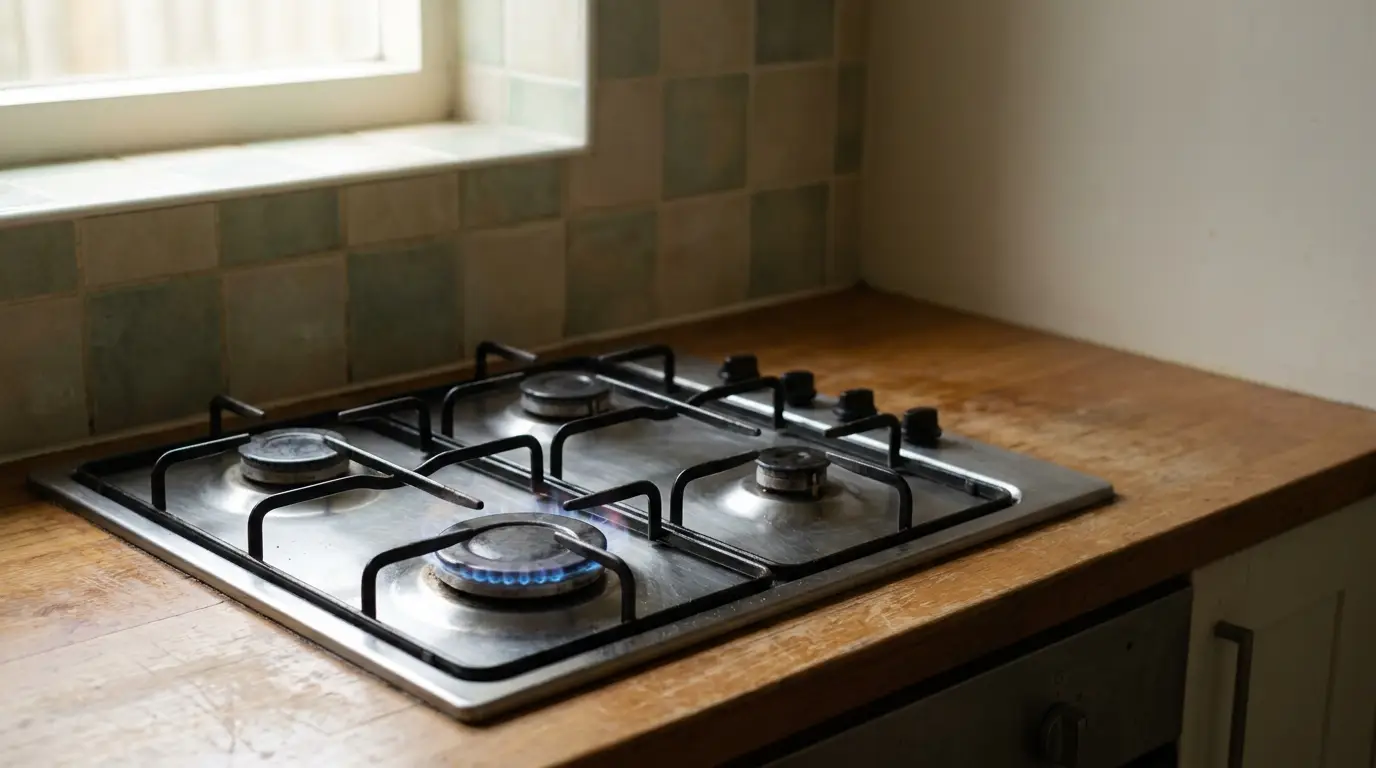
Non-functional electrical features are common in older homes. This is why it is important to report anything that is faulty within the first few days. Some of the initial inspection steps to take include:
- Turn on each stovetop burner separately.
- Set the oven to a temperature and give it ten minutes to confirm it heats.
- Run a washing machine in a spin cycle and check that it drains properly.
The inspection applies wherever you rent. That is true whether you are looking for new Footscray apartments for rent or a family home in a several-decade-old building. Older appliance installations can have hidden costs that a quick test reveals before they become your problem. Take a picture of each appliance you think is faulty, with any existing scratches. You should not pay for anything if it was damaged when you arrived.
Safety and Security Features
Press the test button on every smoke detector. A working unit should sound immediate. Notify your landlord in writing that same day if it does not respond. Property owners in most places should provide smoke detectors in good working condition. Inspect CO sensors if the home has gas appliances or a garage. Other elements to inspect before unpacking include:
- Try every lock on every external door to ensure it works perfectly. These include deadbolts and any door connecting a garage to the house.
- Check if the window latches engage and that sliding doors have a secondary lock or security bar.
- Ask your landlord whether the locks were changed between tenants. You can request to change the locks if you doubt who holds copies of the key.
- Ensure the staircase handrails are secure.
- The hallways and entry points should be well-lit.
General Interior Condition
Work through every room. Check walls for holes, scuff marks, or staining. Ceiling stains matter most. A brown or yellowing ring almost always means water came through at some point. Find out if the cause was fixed. You should also test every light switch and open any interior door and closet. These might sound like minor steps, but they matter when you need to prove these issues existed.
Lift any carpets left in the house and check the floor below them. Look for soft spots in timber or bubbling in vinyl. These can point to moisture that was covered rather than repaired. Windows should open smoothly and close securely. Lastly, note the general cleanliness of the place. A rental handed over dirty tells you something about how the whole property is managed.
Endnote
A proper inspection at the start of a tenancy takes less time than most people think. Check everywhere, test what you can, and take a picture of what you suspect. Send a brief summary to your landlord before your first week is out. Good documentation keeps the relationship honest and gives you real protection if anything becomes a dispute down the line.