
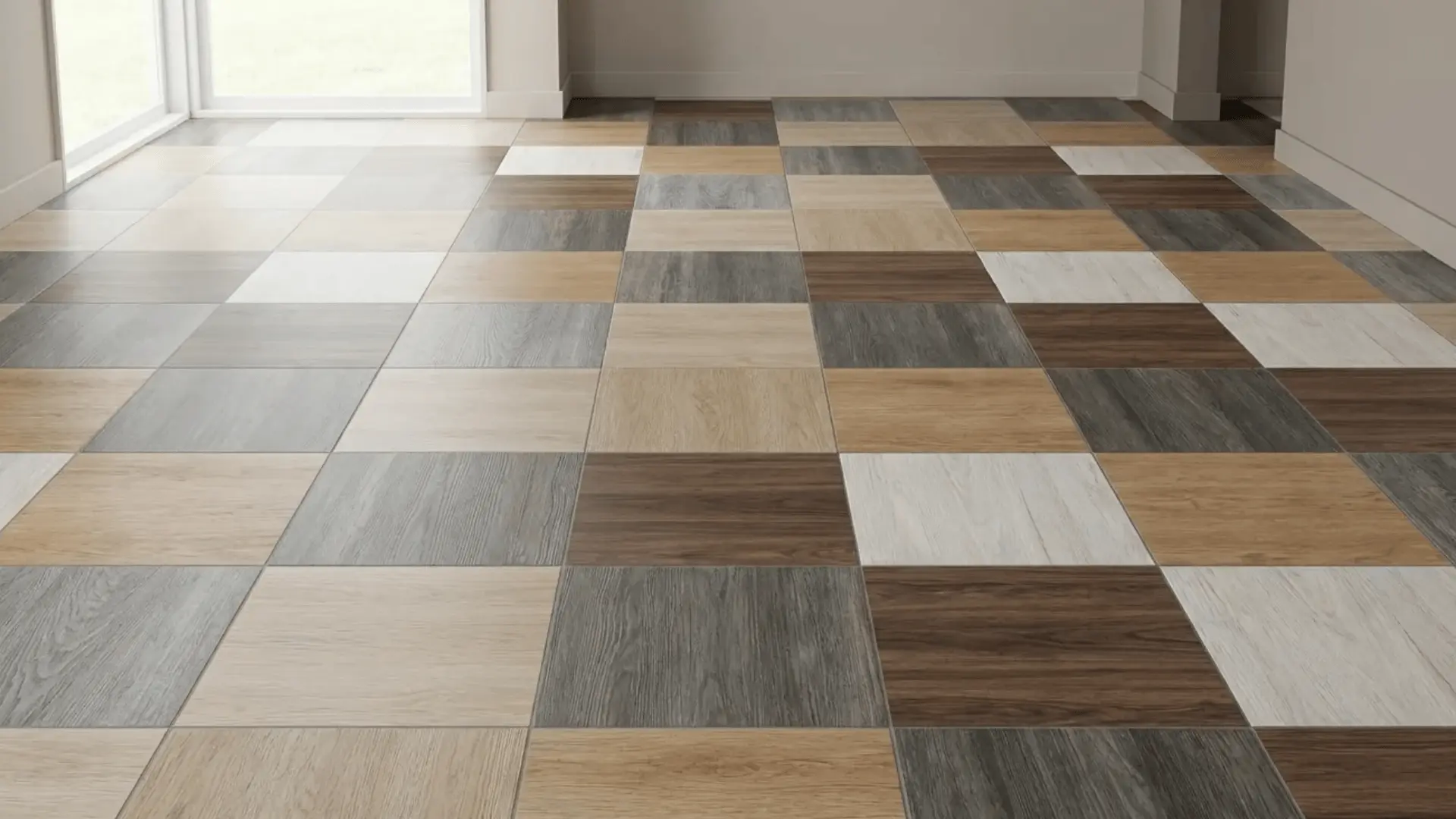
What is LVT Flooring? Guide to Features and Costs
Choosing the right flooring can shape how a space looks, feels, and performs over time.
LVT flooring has gained popularity for combining the visual appeal of natural materials with durability and easy maintenance.
While many people recognize its stylish appearance, fewer understand what makes it such a practical option for modern homes and commercial spaces.
From its layered construction to its versatility in different environments, there is more to this flooring than meets the eye.
In this post, I will explain what LVT flooring is, how it is made, where it works best, and how it compares with other flooring options, starting with a closer look at its structure and composition.
What LVT Flooring Really Is?
LVT stands for Luxury Vinyl Tile. It is a multi-layer flooring product designed to look like natural stone, ceramic tile, or wood while being more affordable and easier to maintain.
It is suitable for areas where spills or moisture are common, and regular sweeping and occasional mopping are all it takes to keep it clean.
It feels softer and warmer underfoot than real stone or tile. It is also water- and scratch-resistant, and easy to clean, making it one of the most practical flooring choices available today.
What LVT Flooring is Made Of
LVT flooring is built using several layers that work together to create a strong and water-resistant surface. Each layer has a specific role that improves durability, stability, and appearance.
This layered construction helps LVT flooring handle daily wear while maintaining its realistic tile look.
1. Protective Wear Layer
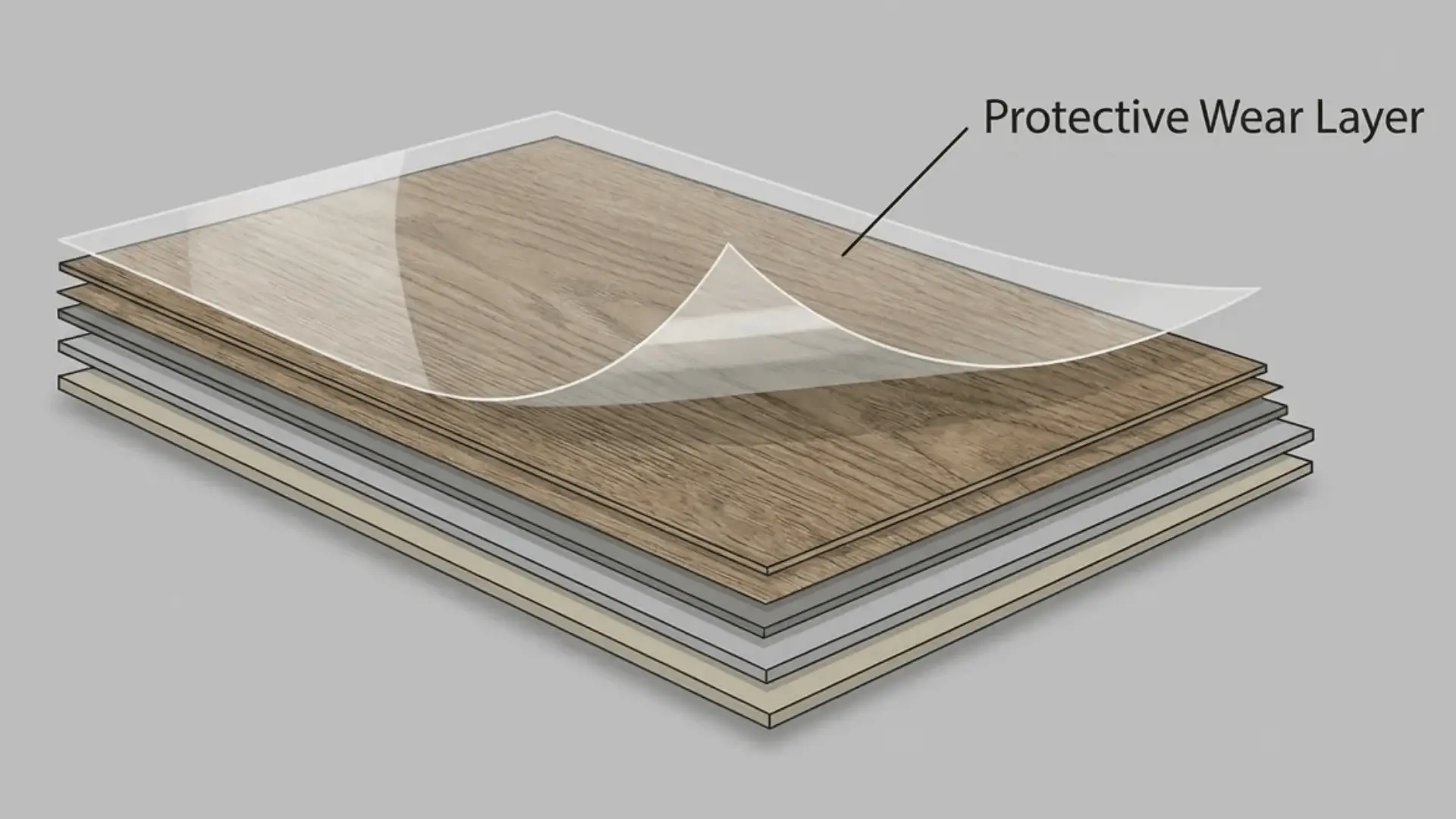
The wear layer is the top surface of LVT flooring, and it protects the floor from scratches, stains, and everyday use.
It reduces damage from shoes, furniture, and pets, helps prevent marks from spills or dirt, and protects the printed design underneath.
A strong wear layer helps LVT flooring stay in good condition for many years.
2. Printed Design Layer
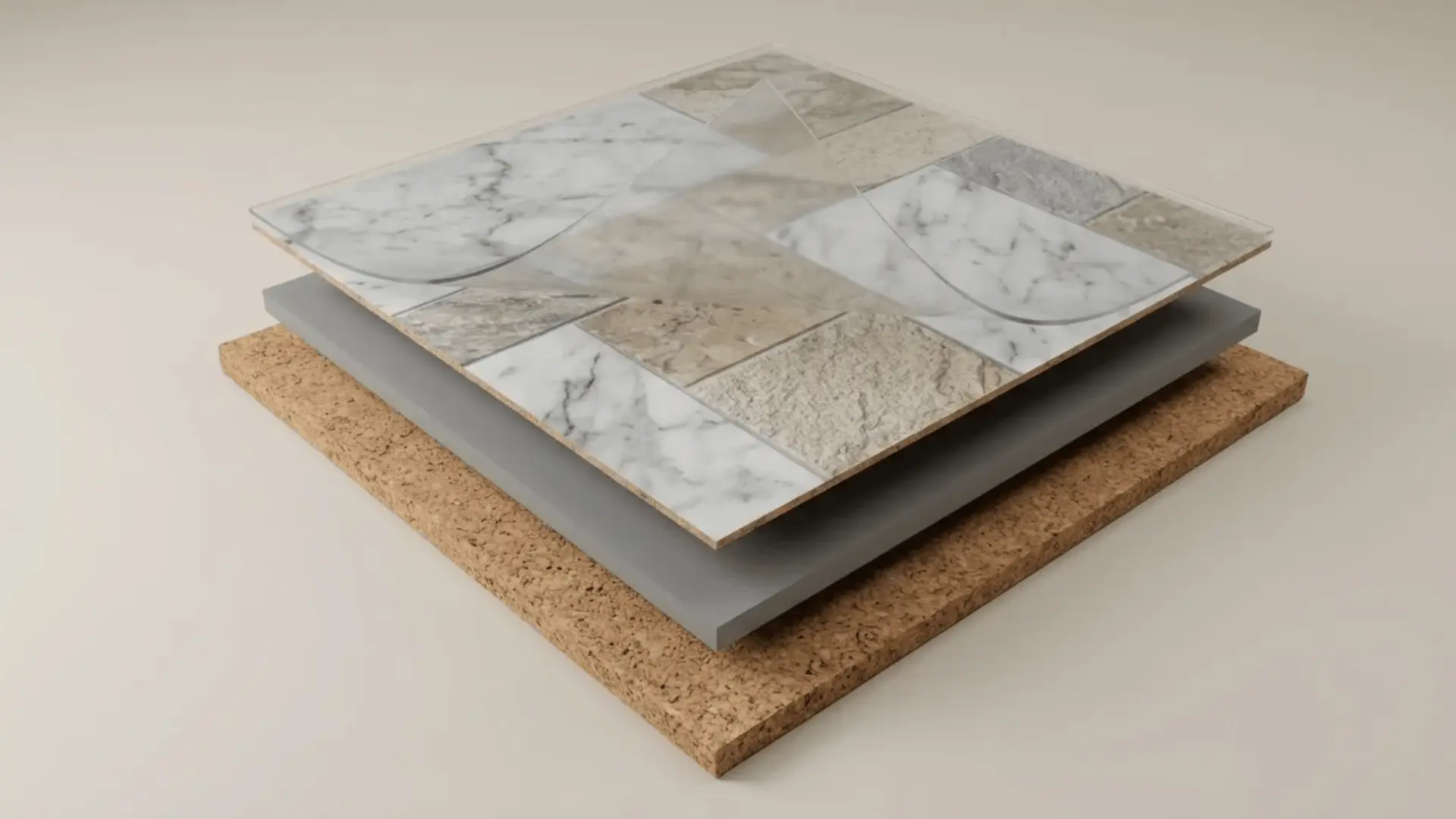
The design layer gives LVT its realistic appearance by using detailed printing to recreate the look of natural stone or ceramic tile.
It mimics natural materials like marble, slate, or stone, provides texture and visual depth through color detail, and creates a uniform tile design across the entire floor.
This layer allows homeowners to achieve a natural tile look without using real stone.
3. Vinyl Core Layer
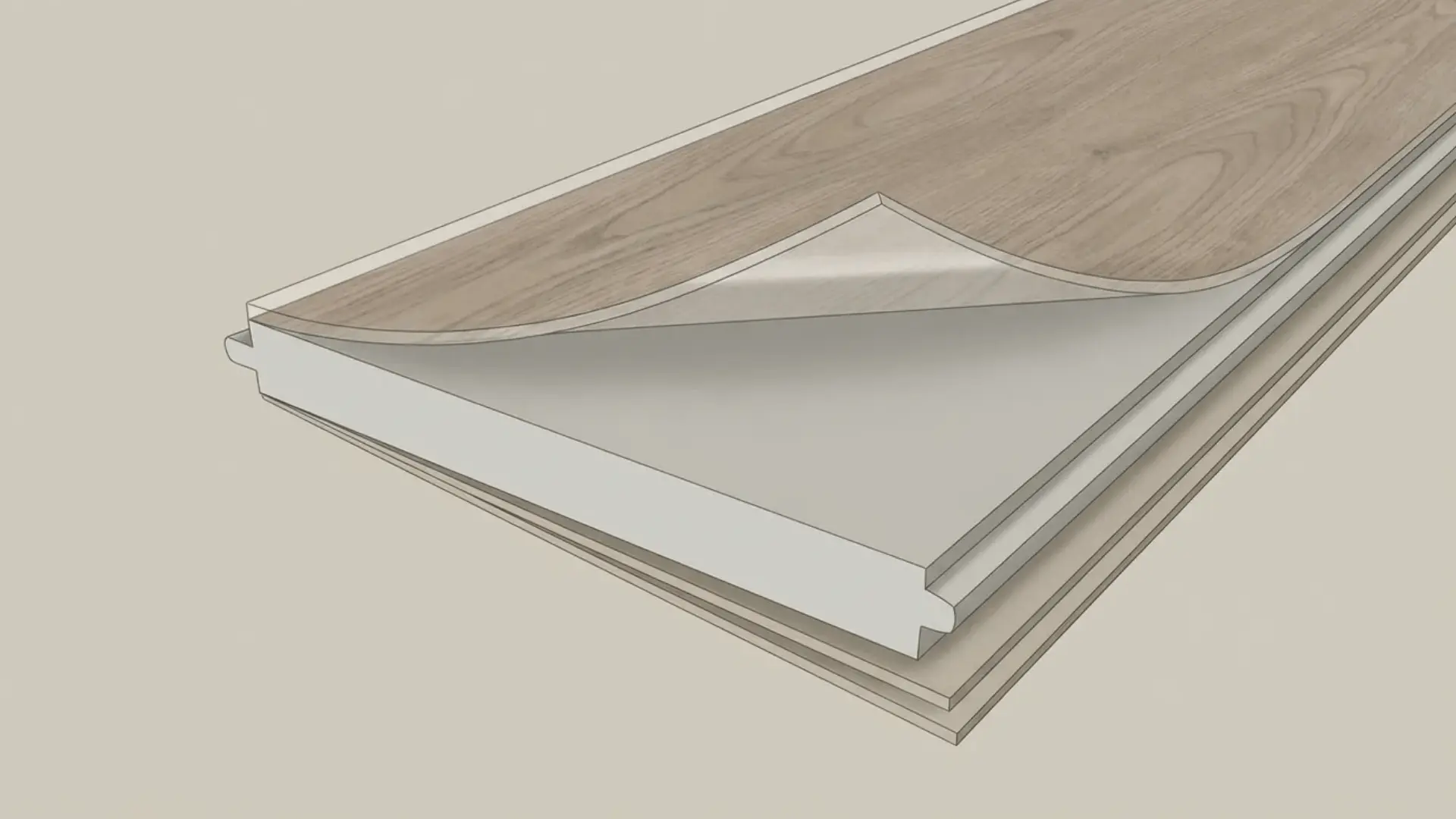
The vinyl core layer forms the main body of LVT flooring and gives the floor its strength and stability.
It supports the entire flooring structure, helps the floor handle pressure and heavy foot traffic, and prevents moisture from damaging the flooring.
This layer plays a major role in making LVT suitable for kitchens, bathrooms, and busy areas.
4. SPC and WPC Core Types
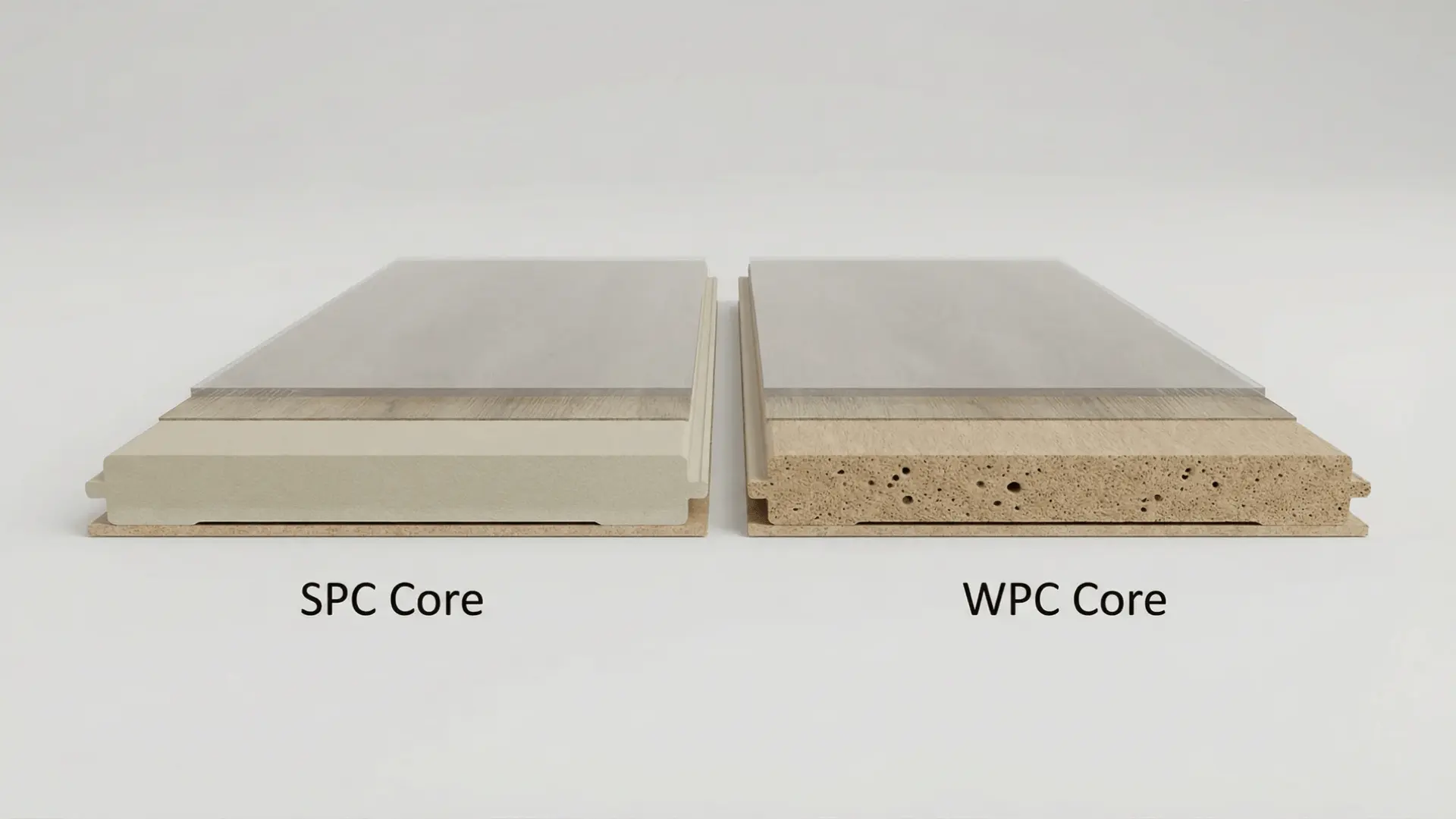
Not all LVT flooring uses the same type of core. Two common variations are SPC (Stone Plastic Composite) and WPC (Wood Plastic Composite). These core types enhance stability and performance while maintaining the same visual design.
SPC (Stone Plastic Composite)
SPC flooring features a rigid core made from limestone powder combined with PVC and stabilizers. This composition creates a dense and highly durable structure.
- Provides excellent resistance to dents and heavy impacts
- Offers superior dimensional stability in areas with temperature changes
- Ideal for high-traffic commercial spaces and busy households
- Maintains its shape well in moisture-prone environments
WPC (Wood Plastic Composite)
WPC flooring includes a foamed core made from PVC, wood-like fibers, and stabilizers. This construction results in a softer and more cushioned feel underfoot.
- Delivers enhanced comfort and sound absorption
- Helps reduce minor subfloor imperfections
- Suitable for residential spaces such as living rooms and bedrooms
- Provides strong moisture resistance, though slightly less rigid than SPC
Key Differences Between SPC and WPC
| Feature | SPC Core | WPC Core |
|---|---|---|
| Core Composition | Limestone and PVC | Foamed PVC with wood-like fibers |
| Rigidity | Very rigid and dense | Softer and more cushioned |
| Comfort Underfoot | Moderate | High |
| Dent Resistance | Excellent | Good |
| Sound Insulation | Moderate | Better |
| Best Use | Commercial and high-traffic areas | Residential and comfort-focused spaces |
Both SPC and WPC are advanced forms of LVT flooring. SPC is best for durability and stability, while WPC offers greater comfort and sound reduction. Choosing between them depends on the specific needs of the space
5. Backing or Base Layer
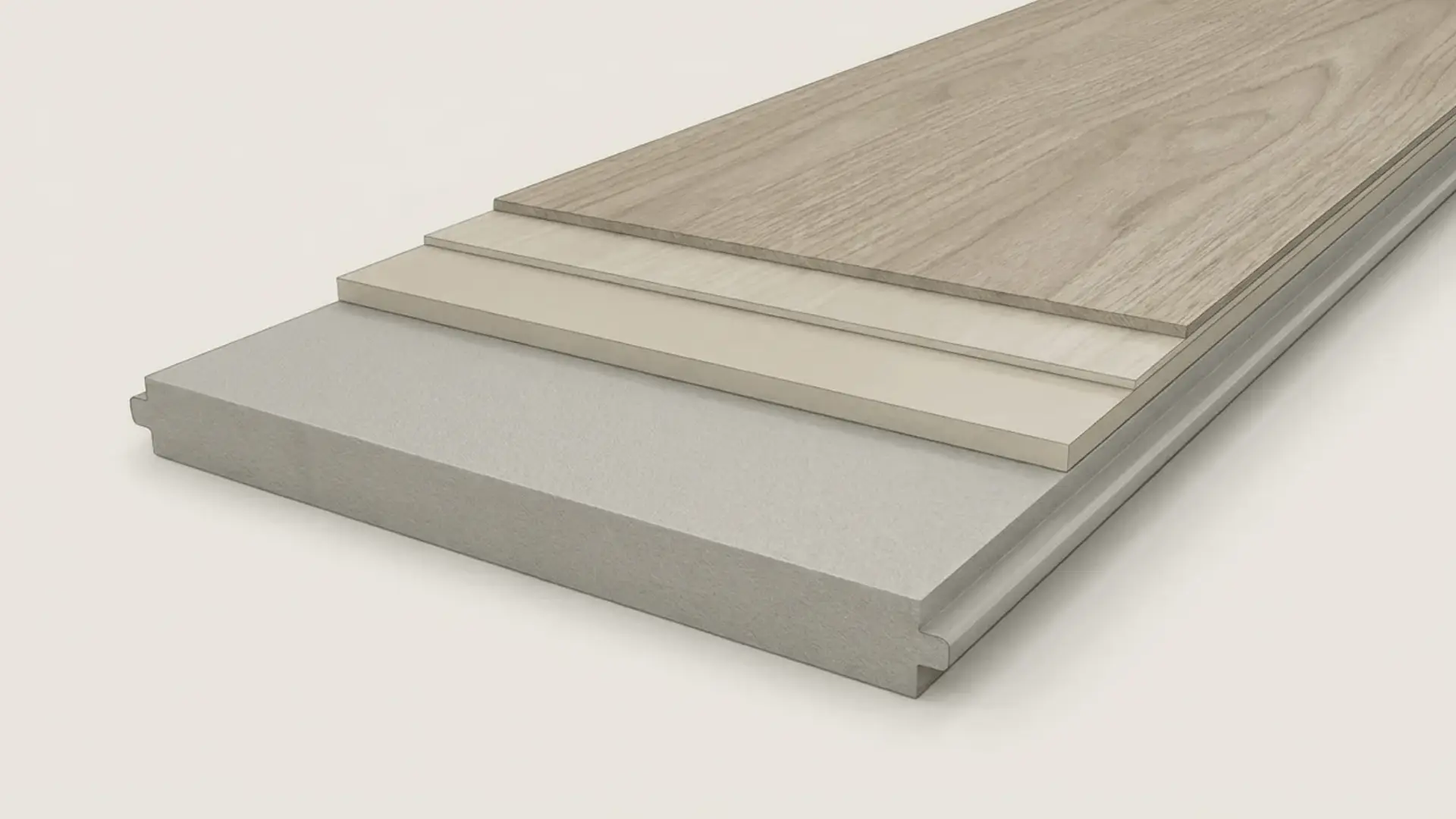
The backing layer sits at the bottom of the flooring plank or tile and helps stabilize the floor while supporting the layers above it.
It keeps the flooring balanced and secure, provides a slightly softer feel underfoot, and adds another barrier against moisture coming up from the subfloor.
Together, these layers create a durable flooring structure that makes LVT flooring reliable for everyday use.
What LVT Flooring Looks Like
LVT flooring is designed to copy the look of natural materials used in traditional floors. Modern printing methods help create detailed patterns that look similar to real stone, tile, or wood.
1. Stone and Ceramic Tile Designs
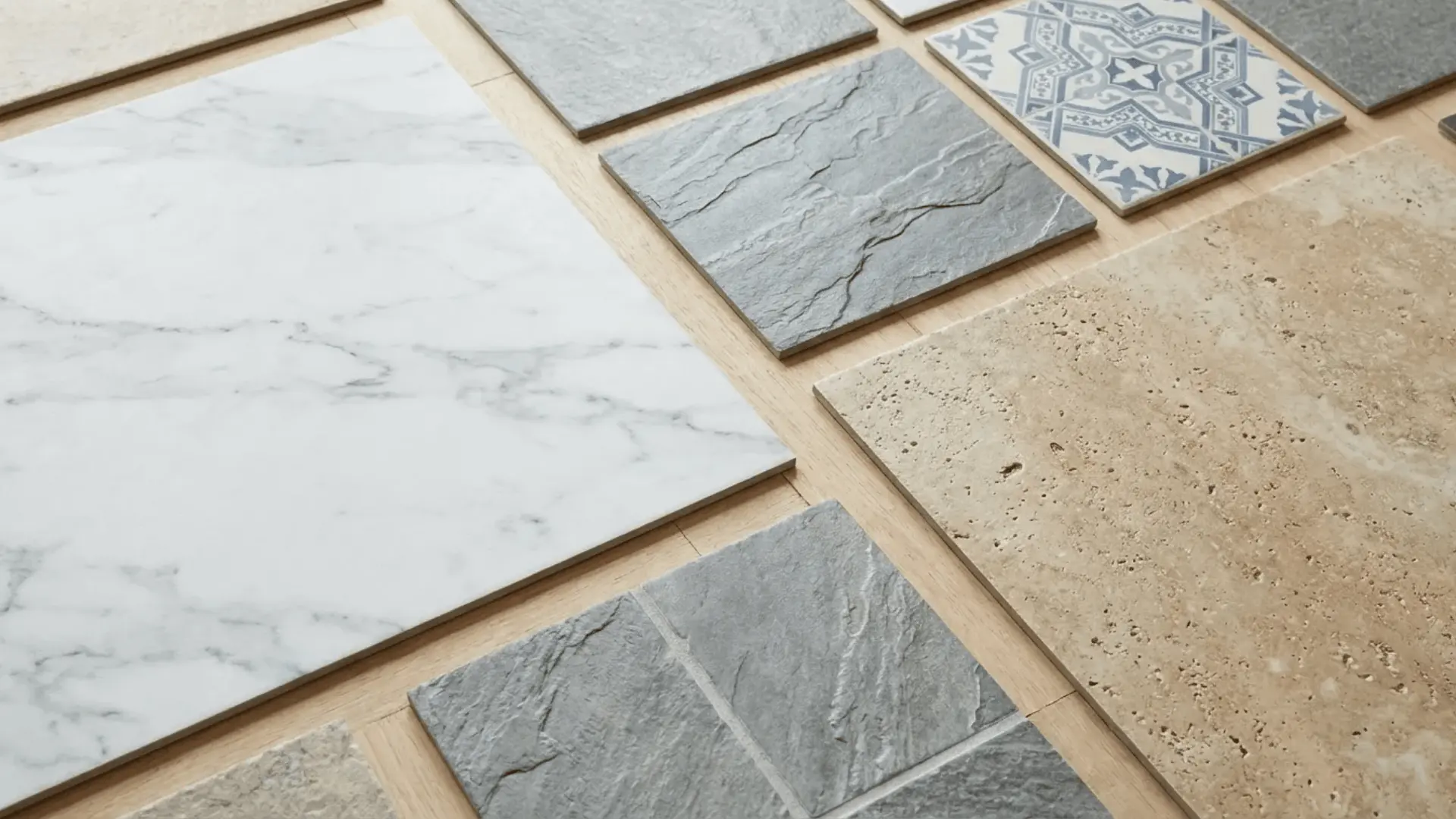
Many LVT floors are designed to look like stone or ceramic tile, making them a popular choice for kitchens, bathrooms, and entryways.
Common styles include marble looks, slate looks with darker layered tones, travertine styles with warm stone patterns, and ceramic tile looks with visible grout lines.
These designs give the appearance of natural stone while remaining much easier to maintain.
2. Wood-Look Styles
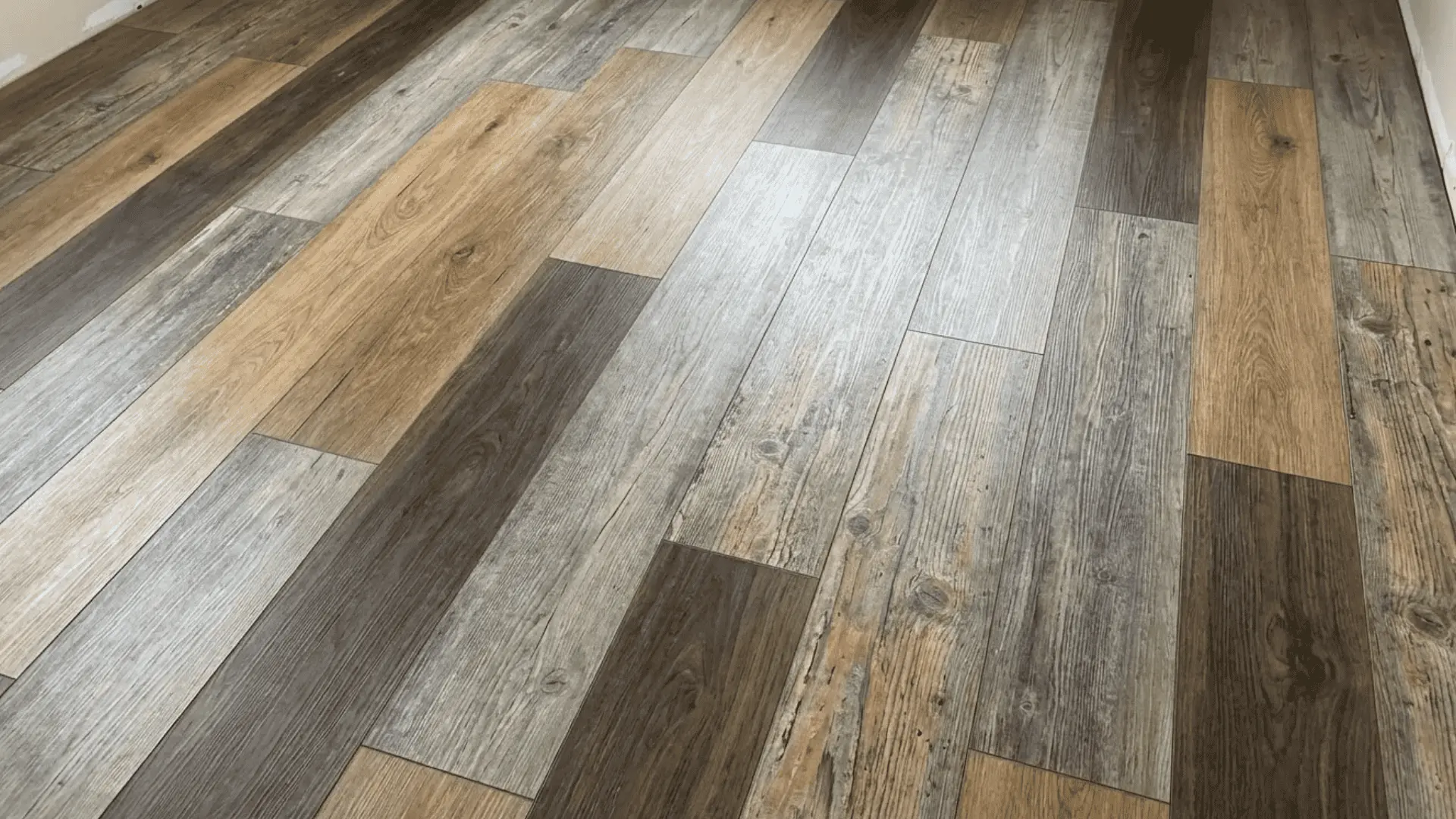
Some LVT flooring is designed to copy the look of hardwood, making it a popular choice for living rooms, bedrooms, and hallways.
Common styles include oak patterns with visible grain, walnut designs with darker tones, rustic wood looks that resemble aged wood, and wide plank styles that copy modern hardwood layouts.
Wood-look LVT offers the appearance of hardwood while handling moisture significantly better.
3. Texture and Surface Finishes
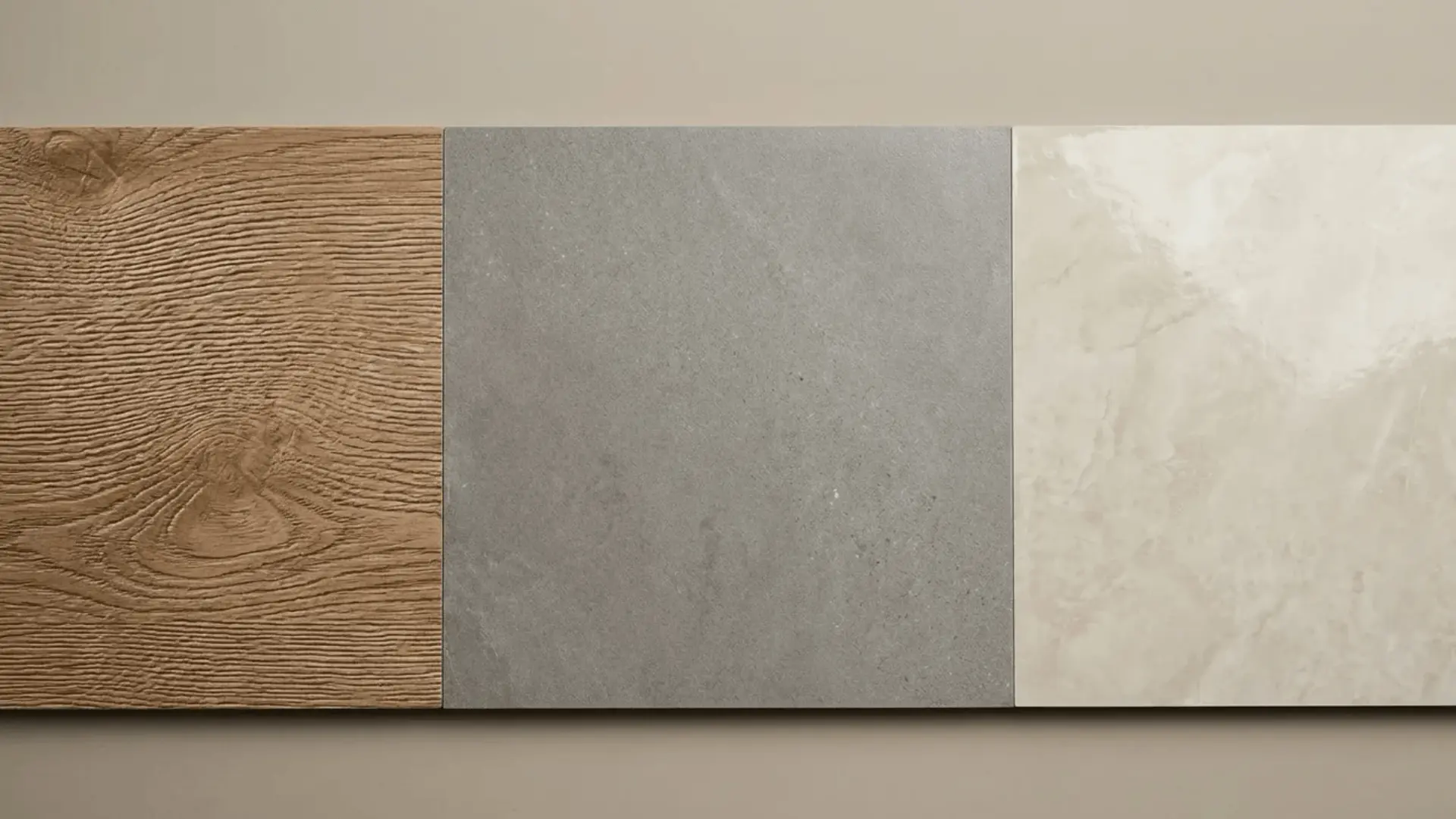
LVT flooring often includes textured surfaces to make the design look more realistic, helping the finish match the printed pattern on the floor.
Common options include embossed texture with raised patterns, matte finish that reduces shine, light gloss finish that highlights the pattern, and stone texture that imitates real stone.
These finishes help LVT look closer to natural materials while keeping the surface durable.
Where LVT Flooring is Commonly Used
LVT flooring works well in many types of spaces. It is known for handling moisture, daily wear, and regular cleaning. Because of these qualities, LVT is used in both homes and commercial buildings.
Residential Spaces
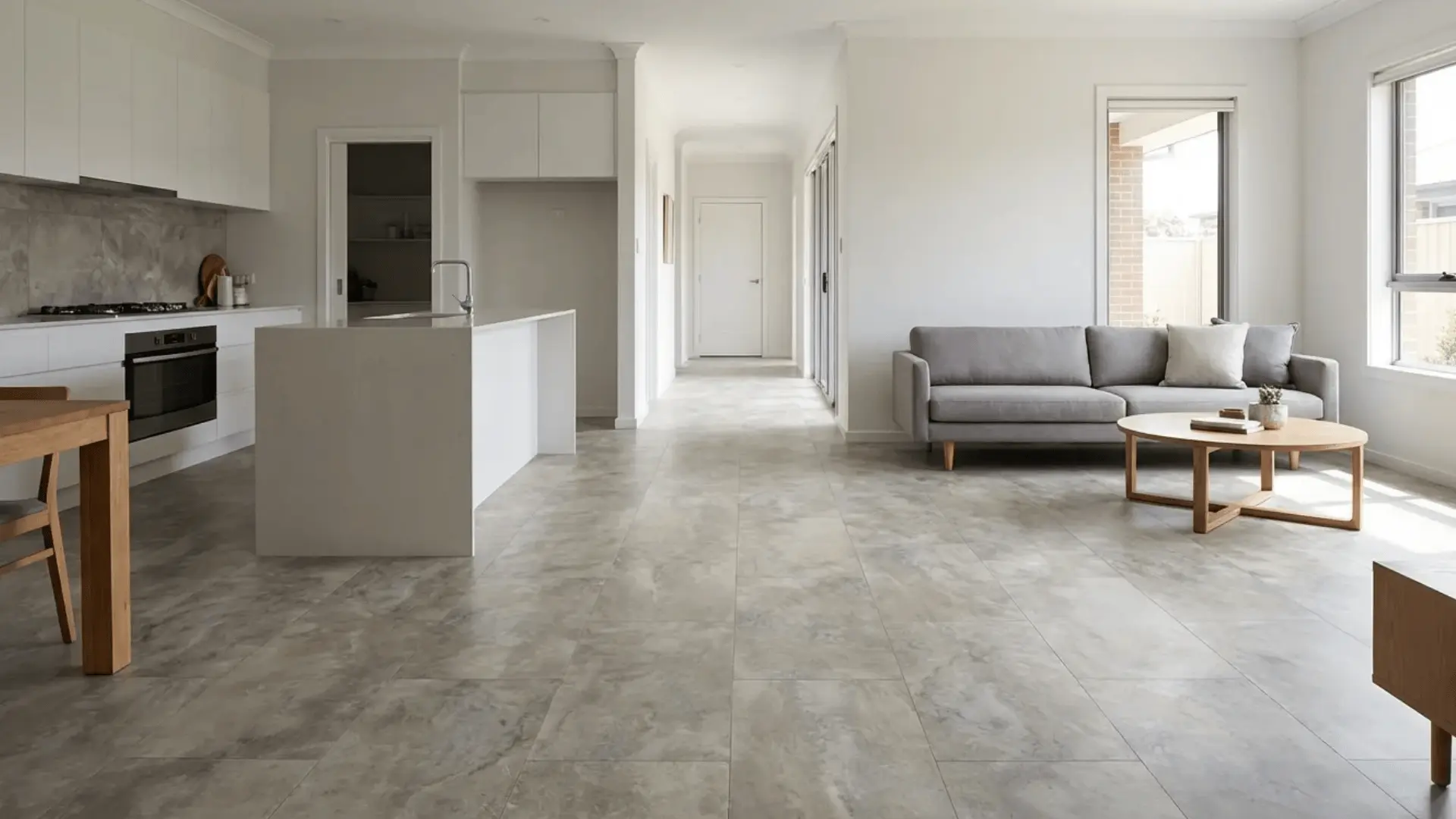
Many homeowners install LVT flooring in kitchens, living rooms, hallways, and basements where durability and easy maintenance matter most.
It handles spills, foot traffic, and moisture well while offering the look of tile or wood and staying comfortable underfoot.
These qualities make it a practical and cost-effective choice for residential spaces that see regular daily use.
Commercial and High-Traffic Areas
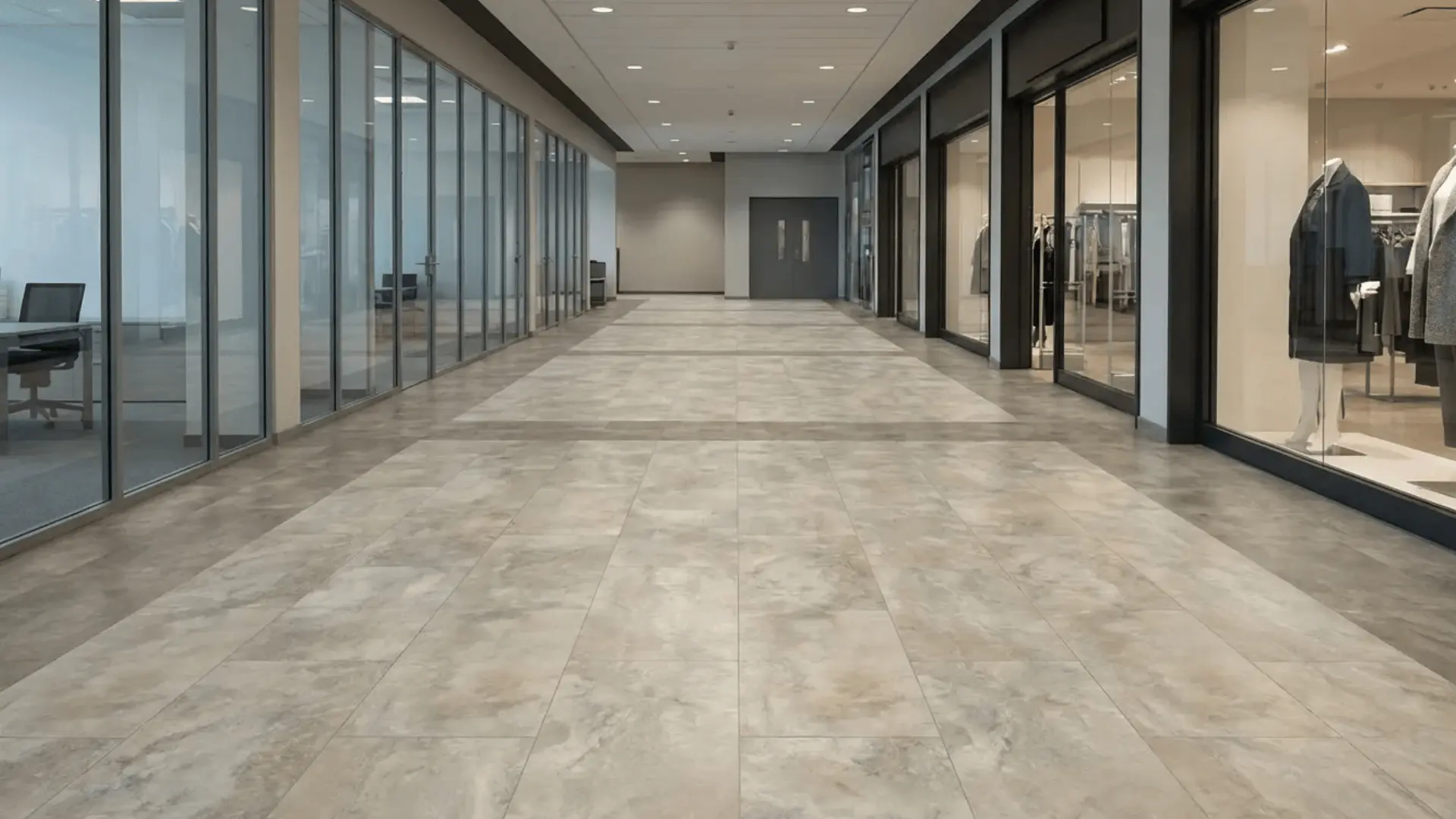
LVT flooring is also widely used in commercial spaces, as its layered structure helps it handle constant foot traffic.
It is durable enough for daily employee movement in offices, supports heavy customer traffic in retail stores, and is easy to clean and maintain in healthcare facilities.
These qualities make LVT a reliable choice for any space that requires flooring to stay durable under demanding daily conditions.
Moisture-Prone Rooms

LVT flooring is often chosen for rooms where moisture is common, as its water-resistant structure helps protect the floor from spills and humidity.
It works well in bathrooms, laundry rooms, mudrooms, and entryways where humidity, water splashes, and outdoor moisture are a regular part of daily use.
Because of this moisture resistance, LVT flooring is a practical option for areas where water exposure is frequent.
LVT vs. Other Flooring Options
LVT flooring is often compared with other popular flooring materials. The main differences usually involve water resistance, durability, and maintenance. Here’s a quick breakdown:
| Comparison Factor | LVT (Luxury Vinyl Tile) | LVP (Luxury Vinyl Plank) | Laminate Flooring | Hardwood Flooring | Traditional Vinyl |
|---|---|---|---|---|---|
| Shape / Format | Square or rectangular tiles | Long plank boards | Usually plank format | Natural wood planks | Sheets or basic tiles |
| Design Style | Looks like stone or ceramic tile | Looks like hardwood flooring | Usually wood-look design | Natural wood grain | Basic printed designs |
| Material Structure | Multi-layer vinyl construction | Multi-layer vinyl construction | Wood-based core with top layer | Solid or engineered wood | Simple vinyl layers |
| Water Resistance | High water resistance | High water resistance | Moderate, can swell with water | Low, sensitive to moisture | Moderate to High |
| Durability | High durability | High durability | Moderate durability | High, but can scratch or dent | Moderate durability |
| Maintenance | Easy cleaning and upkeep | Easy cleaning and upkeep | Easy, but avoid excess moisture | Requires polishing or refinishing | Easy cleaning |
| Wet Area Use | Suitable for kitchens and bathrooms | Suitable for kitchens and bathrooms | Usually not recommended for bathrooms | Not ideal for wet areas | Can handle some moisture |
| Installation | Click-lock or glue-down | Click-lock or glue-down | Usually click-lock system | Nail-down or glue-down | Glue-down or sheet installation |
| Cost Level | Medium | Medium | Low to Medium | High | Low |
Each flooring type has its own strengths depending on budget, location, and usage. LVT stands out for its balance of durability, water resistance, and easy maintenance.
Installation Methods for LVT Flooring
LVT flooring can be installed in several ways, depending on the product and the space. Each installation method affects cost, installation time, and long-term maintenance.
Choosing the right method depends on the room, the subfloor condition, and how the floor will be used.
1. Glue-Down Installation
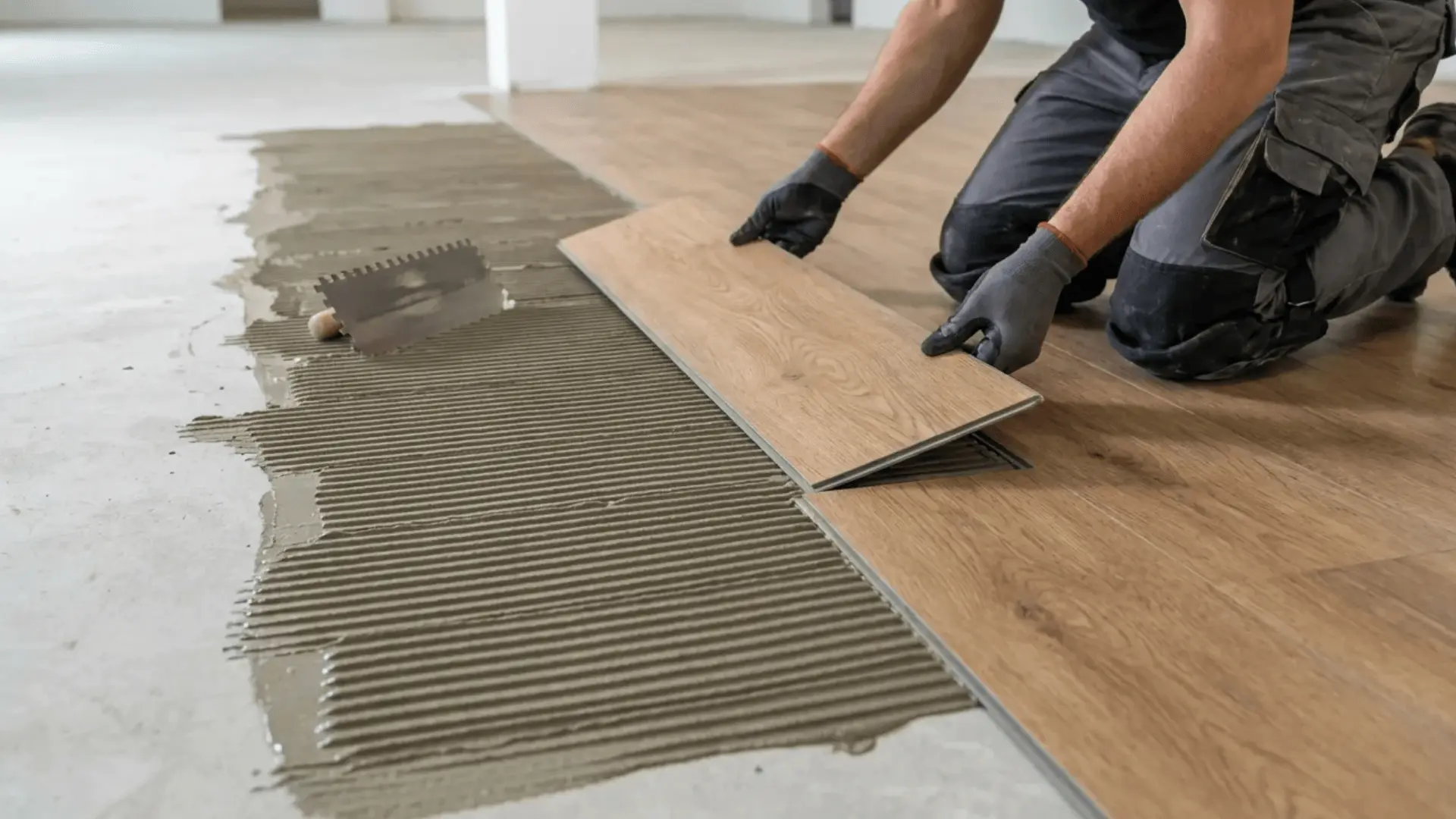
Glue-down installation secures LVT tiles directly to the subfloor using adhesive, making it a common choice for commercial or high-traffic areas.
It creates a strong bond that keeps tiles firmly attached, reduces movement under heavy foot traffic, and works best for large spaces such as offices, stores, and public areas.
Overall, glue-down installation creates a stable and reliable floor that performs well in busy environments.
Click-Lock Installation
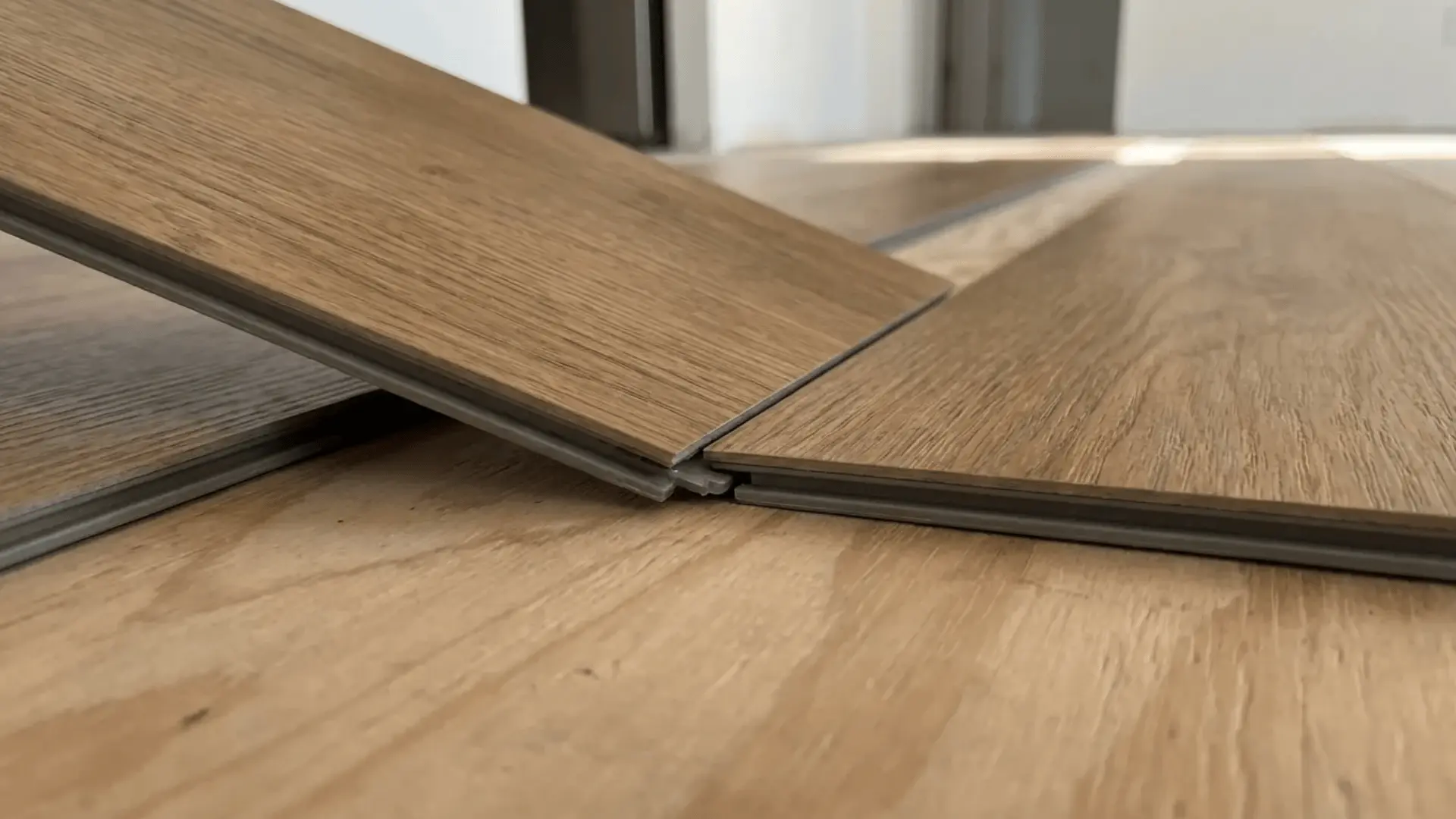
Click-lock installation uses interlocking edges that snap together, allowing planks or tiles to connect without glue or nails.
The flooring sits above the subfloor as a floating floor, which makes installation faster and repairs simpler since individual planks can be replaced if damaged.
It is also DIY friendly, meaning many homeowners can install this system themselves without professional help.
Because of its straightforward process, click-lock LVT has become one of the most common installation methods in homes.
Loose-Lay Installation
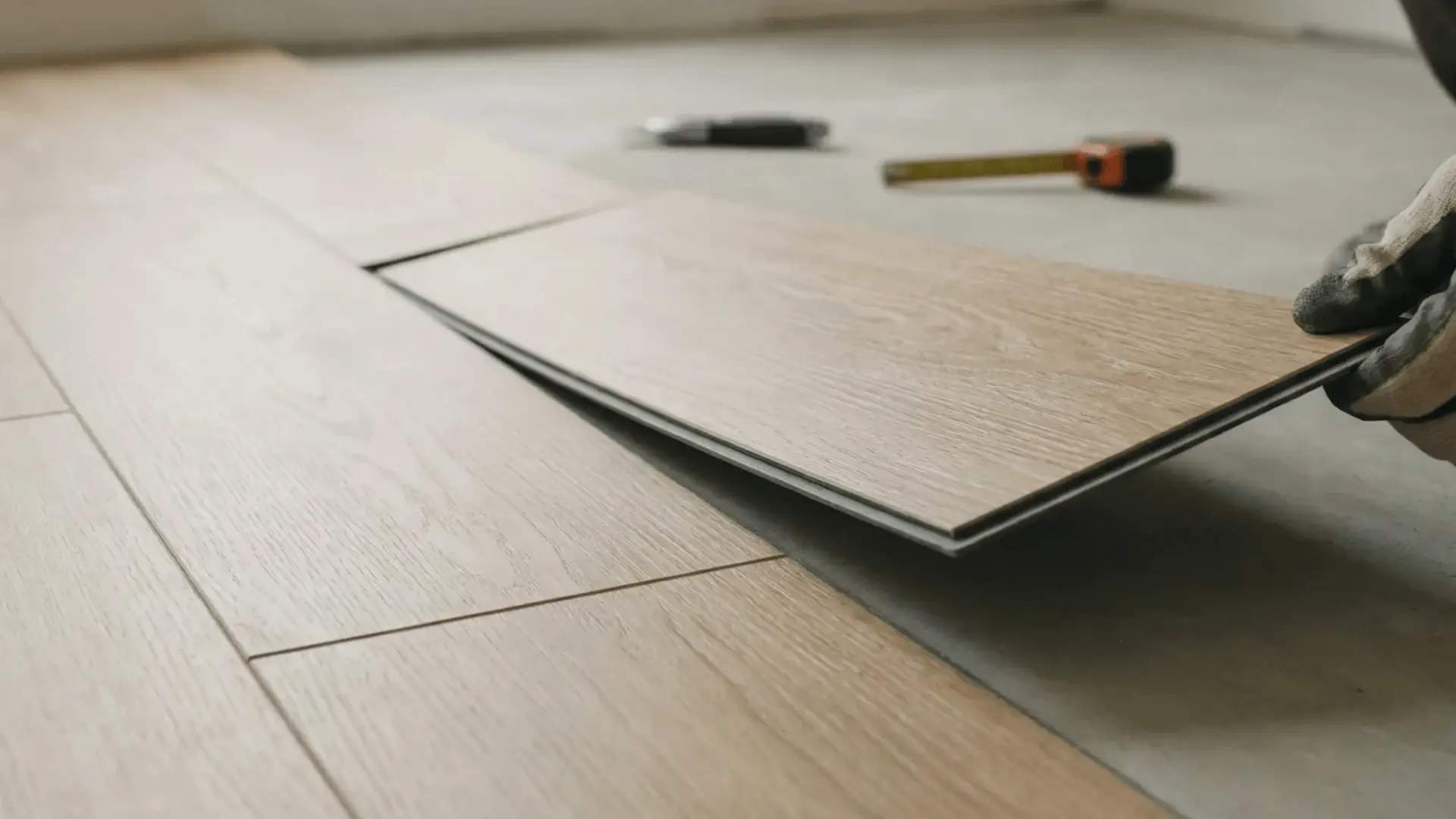
Loose-lay LVT uses heavy tiles that stay in place through friction and weight, requiring little or no adhesive in most cases.
Tiles can be placed directly on a prepared subfloor, making installation quick and straightforward. Individual tiles can also be removed easily if needed, and some systems only require adhesive around the edges.
This flexibility makes loose-lay LVT a practical choice for spaces where flooring may need future replacement or where quick installation is a priority.
Pros and Cons of LVT Flooring
LVT flooring offers many benefits for homes and commercial spaces. However, like any flooring material, it also has a few limitations.
Understanding both the advantages and drawbacks helps you choose the right flooring for your space.
Advantages of LVT Flooring
LVT flooring is widely used because it balances durability, appearance, and maintenance. These features make it a practical option for many rooms. Common advantages include:
- Water and moisture resistant
- Scratch and stain-resistant
- Comfortable and warm underfoot
- Easy to clean and maintain
- Wide range of realistic designs
- Multiple installation options
These benefits make LVT flooring suitable for busy households and commercial environments.
Limitations to Consider
While LVT flooring offers many strengths, it may not be ideal for every situation. Some limitations should be considered before installation. Common limitations include:
- Does not have the same feel as real stone or wood
- Sharp objects can still scratch the wear layer
- Uneven subfloors can affect installation results
- Extreme heat may affect some vinyl products
For spaces where natural materials or long-term refinishing are preferred, other flooring options may be considered.
How Much Does LVT Flooring Cost?
LVT flooring is one of the more affordable options compared to hardwood or natural stone. The total cost depends on product quality, thickness, and installation method.
- Basic LVT: Around $1 to $2 per square foot for entry-level options.
- Mid-range LVT: Between $2 and $5 per square foot for better quality and thicker wear layers.
- Premium LVT: $5 to $10 per square foot or more for high-end finishes and added durability.
- Installation cost: Click-lock is DIY-friendly and costs nothing to install yourself. Professional installation adds $1 to $3 per square foot, depending on the method.
On average, a fully installed LVT floor costs between $3 and $8 per square foot, making it significantly more affordable than hardwood or stone.
Long-term maintenance costs are also low since LVT never needs sanding or refinishing.
How to Decide if LVT Flooring is Right for You
| Consideration | What to Think About | Is LVT a Good Fit? |
|---|---|---|
| Room Location | Kitchens, bathrooms, laundry rooms, living areas, hallways, and basements | Yes – performs well in both residential and high-traffic spaces |
| Moisture Exposure | Areas with spills, humidity, or occasional water | Yes – water-resistant and suitable for moisture-prone rooms |
| Durability Needs | Presence of pets, children, or heavy foot traffic | Yes – resistant to scratches, stains, and daily wear |
| Design Preference | Desire for stone, ceramic, or wood-look flooring | Yes – available in a wide range of realistic styles and tones |
| Budget | Need for a cost-effective alternative to hardwood or natural stone | Yes – generally more affordable with similar visual appeal |
| Maintenance | Preference for easy cleaning and minimal upkeep | Yes – requires only sweeping and occasional mopping |
| Comfort Underfoot | Desire for a softer and warmer feel than tile or stone | Yes – more comfortable and quieter underfoot |
| Installation Flexibility | Interest in DIY or quick installation options | Yes – available in click-lock, glue-down, and loose-lay systems |
If your space requires moisture resistance, durability, low maintenance, and affordability while maintaining an attractive appearance, LVT flooring is likely the right choice.
Conclusion
LVT flooring offers a practical solution by delivering the look of natural materials while remaining resistant to moisture, wear, and everyday use.
Its versatile design options, multiple installation methods, and cost-effective pricing make it suitable for a wide range of residential and commercial settings.
By understanding its structure, benefits, and limitations, you can make a confident decision that aligns with your space and lifestyle needs.
If you are considering a flooring upgrade, explore LVT options available in your area and consult a professional to find the best fit for your project.


