
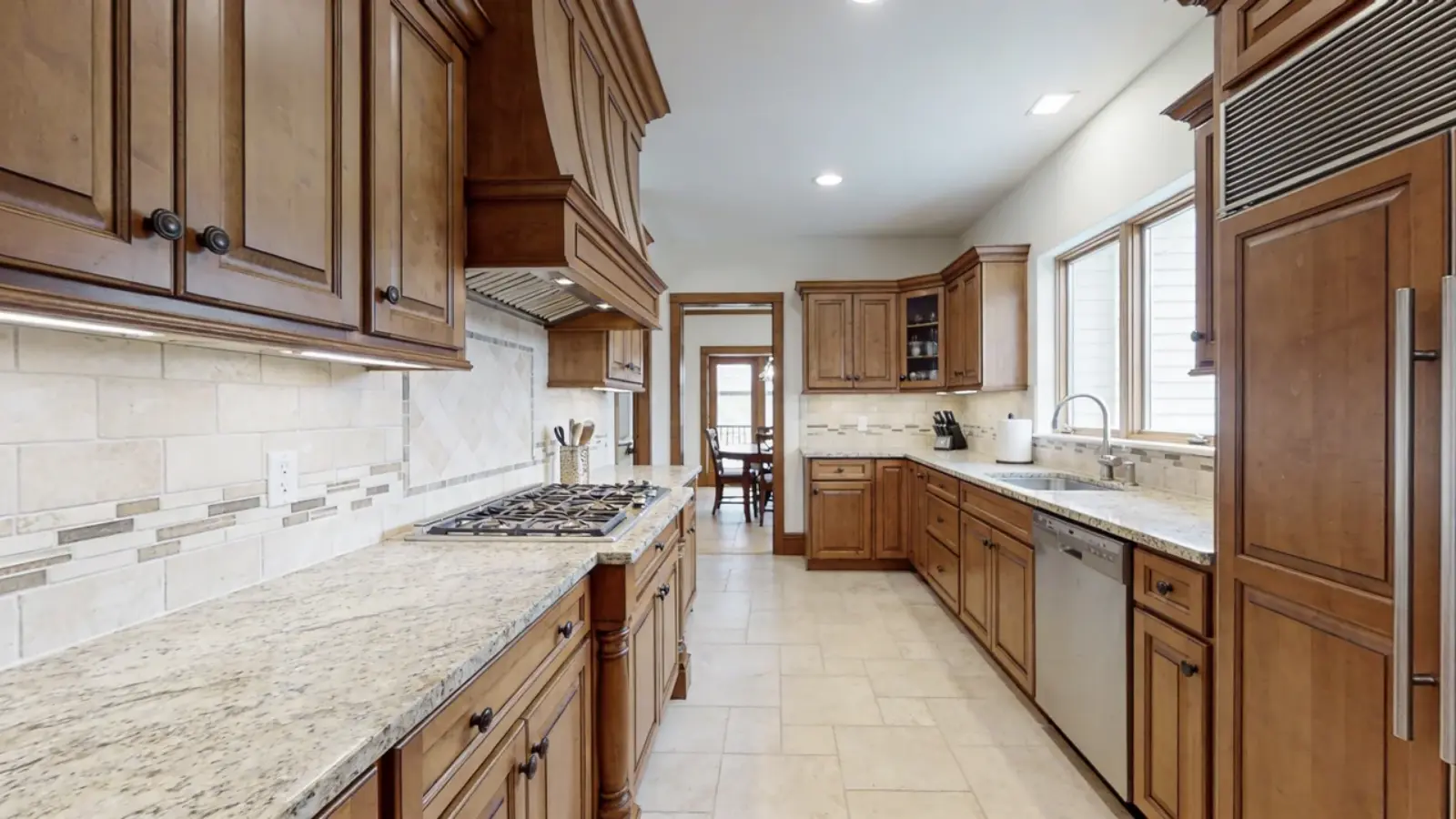
21 Craftsman Style Kitchen Ideas that Define the Look
A craftsman style kitchen stands out for its strong structure and focus on real materials, but many people struggle to understand what actually defines it beyond the surface.
It is not just about wood cabinets or earthy tones. The real difference comes from how each element is chosen and how everything works together as one system.
Today, I’ll show you what shapes this style at its core, how the key features come together, and what makes it feel balanced and practical in everyday use.
Let’s start with the basics.
What is a Craftsman Style Kitchen?
A craftsman-style kitchen comes from the Arts and Crafts movement of the late 1800s and early 1900s. This design started as a response to mass-produced furniture and poor-quality materials. Instead of factory-made pieces, the focus shifted to skilled handwork and honest construction.
The idea is simple. Everything should be useful, well-built, and made from real materials. You will see solid wood, clean lines, and details that show how things are made, not hide them.
This approach creates a kitchen that feels warm, practical, and long-lasting. It is not rustic or overly decorative. The look is structured, balanced, and built around function, not excess styling.
The roots of this style are closely tied to the Arts and Crafts movement, led by designers like Gustav Stickley. You may also hear the term “Mission style,” which is often used alongside craftsman design. Both share the same focus on simplicity, strong construction, and visible craftsmanship.
These references help connect the kitchen style back to its original design philosophy.
Craftsman Kitchen Ideas that Define the Style Clearly
A craftsman kitchen is built on simple design, real materials, and strong structure. These ideas break down exactly what makes the style work and how each element fits together.
Foundation Elements that Build the Craftsman Look
These are the core elements that shape the base of a craftsman kitchen. They define how the space looks, feels, and functions from the ground up.
1. Solid Wood Cabinets with Visible Grain
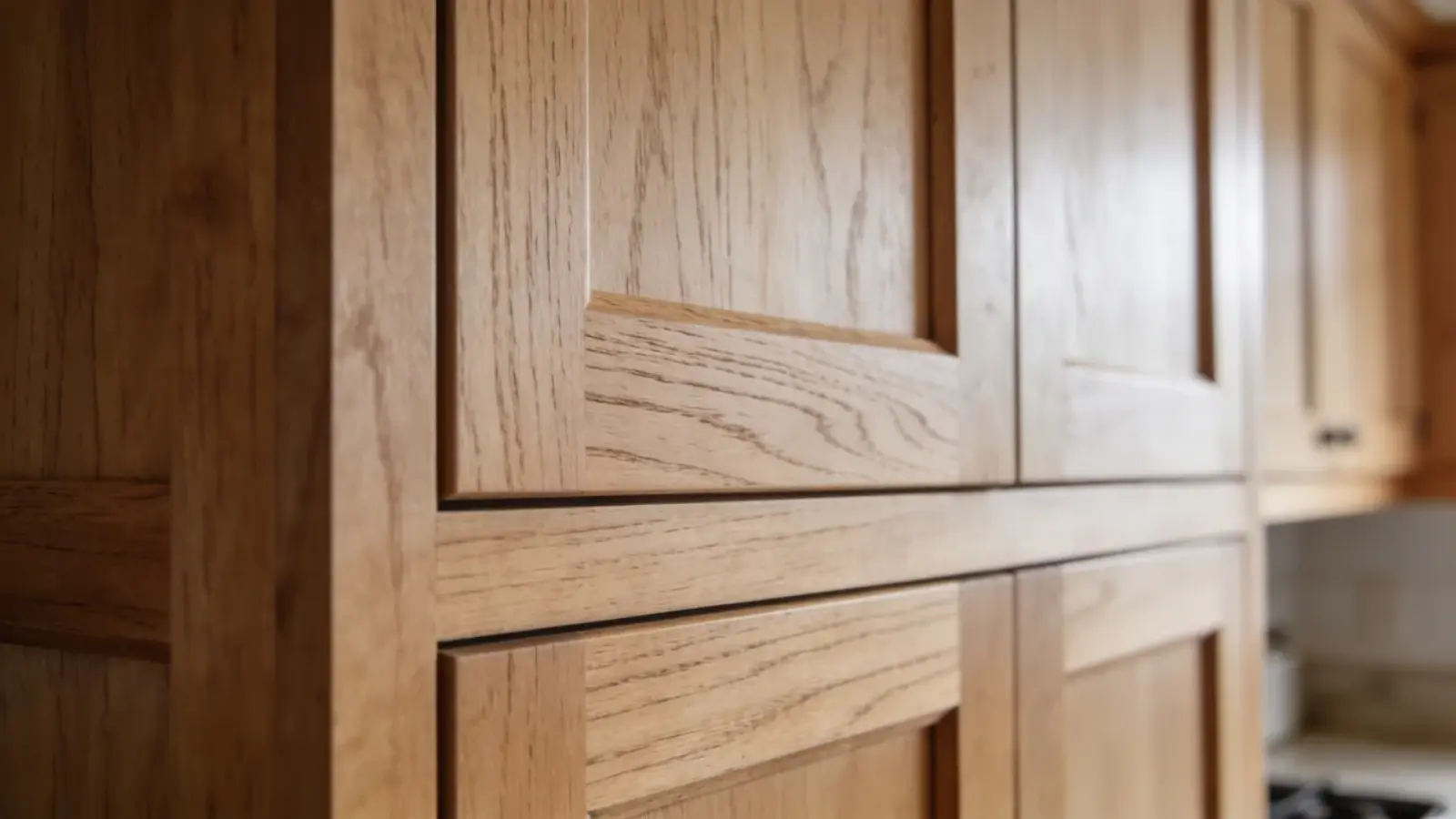
Solid wood cabinets are the base of a craftsman kitchen. Woods like oak, cherry, and maple are used because they are strong and long-lasting.
The visible grain shows the material is real and not covered up, which reflects honest construction. When cabinets are painted or made from laminate, the depth and natural character are lost.
2. Shaker or Recessed Panel Cabinet Doors
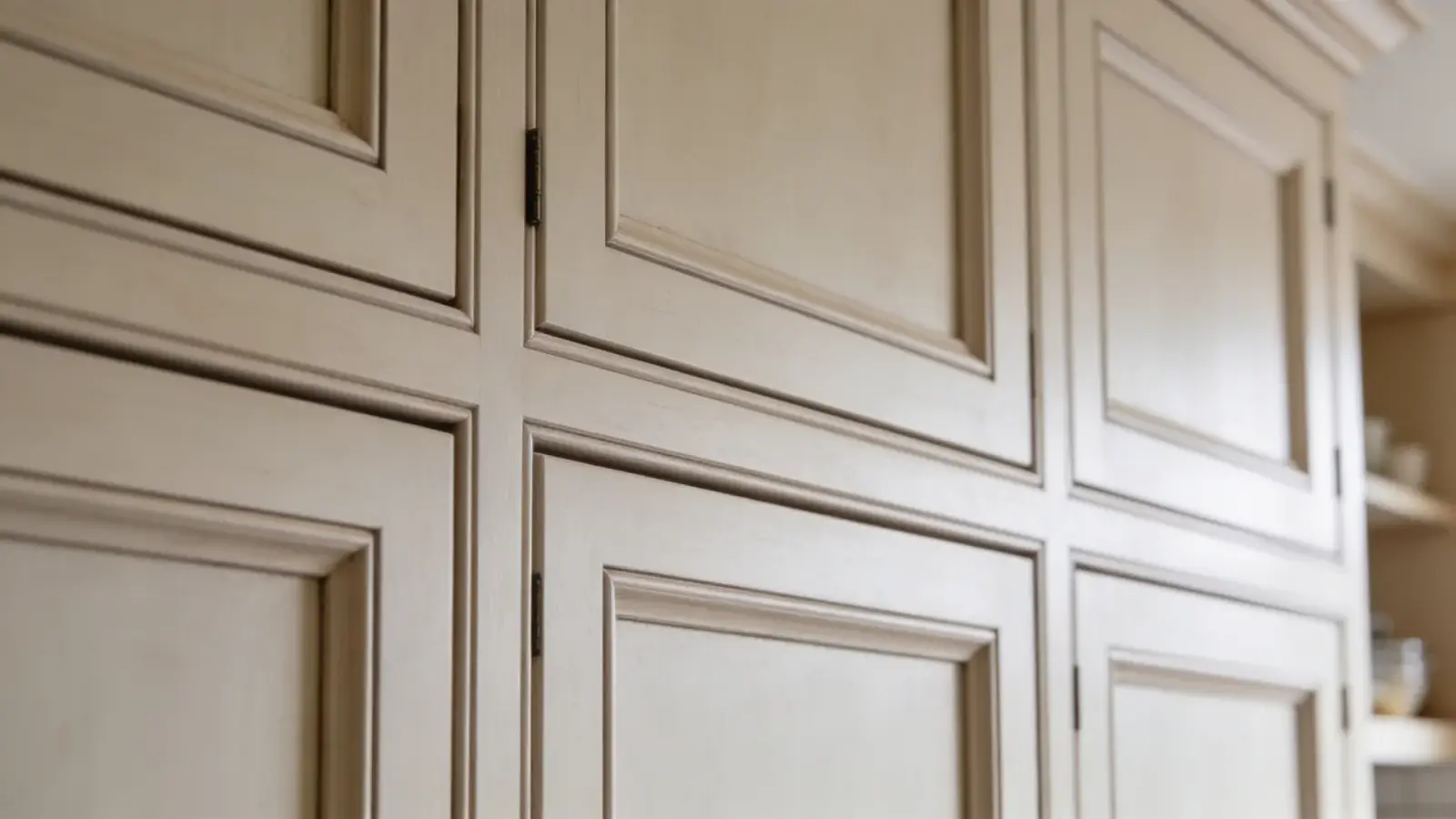
Shaker or recessed panel doors define the clean look of a craftsman kitchen. Their straight lines reflect a function-first design where structure matters more than decoration. Minimal detailing keeps attention on the wood and build quality.
When doors become raised, carved, or ornate, the style starts to shift toward traditional and loses its simple, grounded character.
3. Warm, Earthy Color Palette
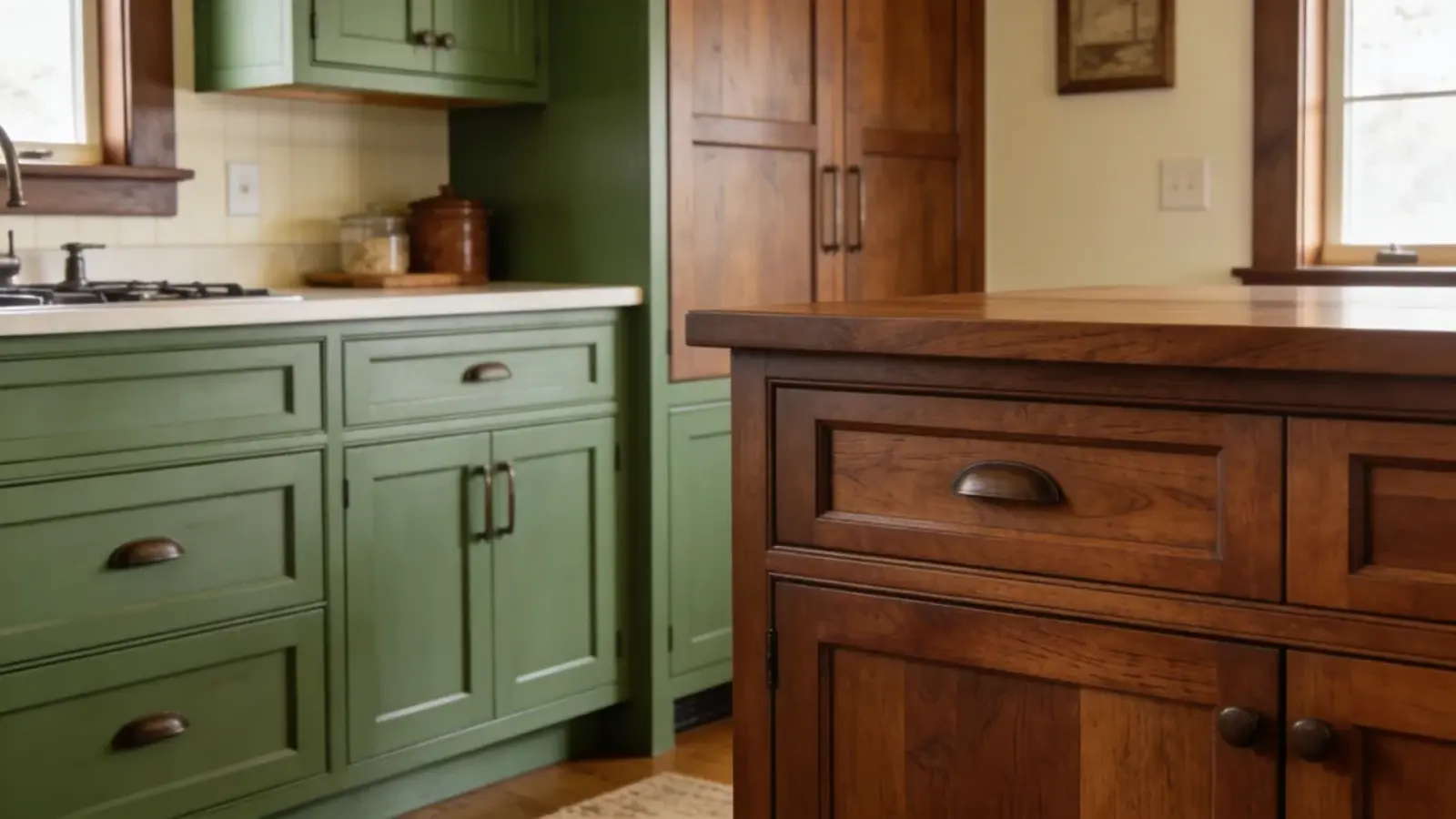
A craftsman kitchen uses colors inspired by nature, like greens, browns, and soft creams. These muted tones support the richness of wood instead of competing with it.
The goal is to keep the space calm and grounded. Bright or glossy colors disrupt this balance and make the design feel disconnected from its natural, cohesive look.
4. Simple, Functional Kitchen Layout
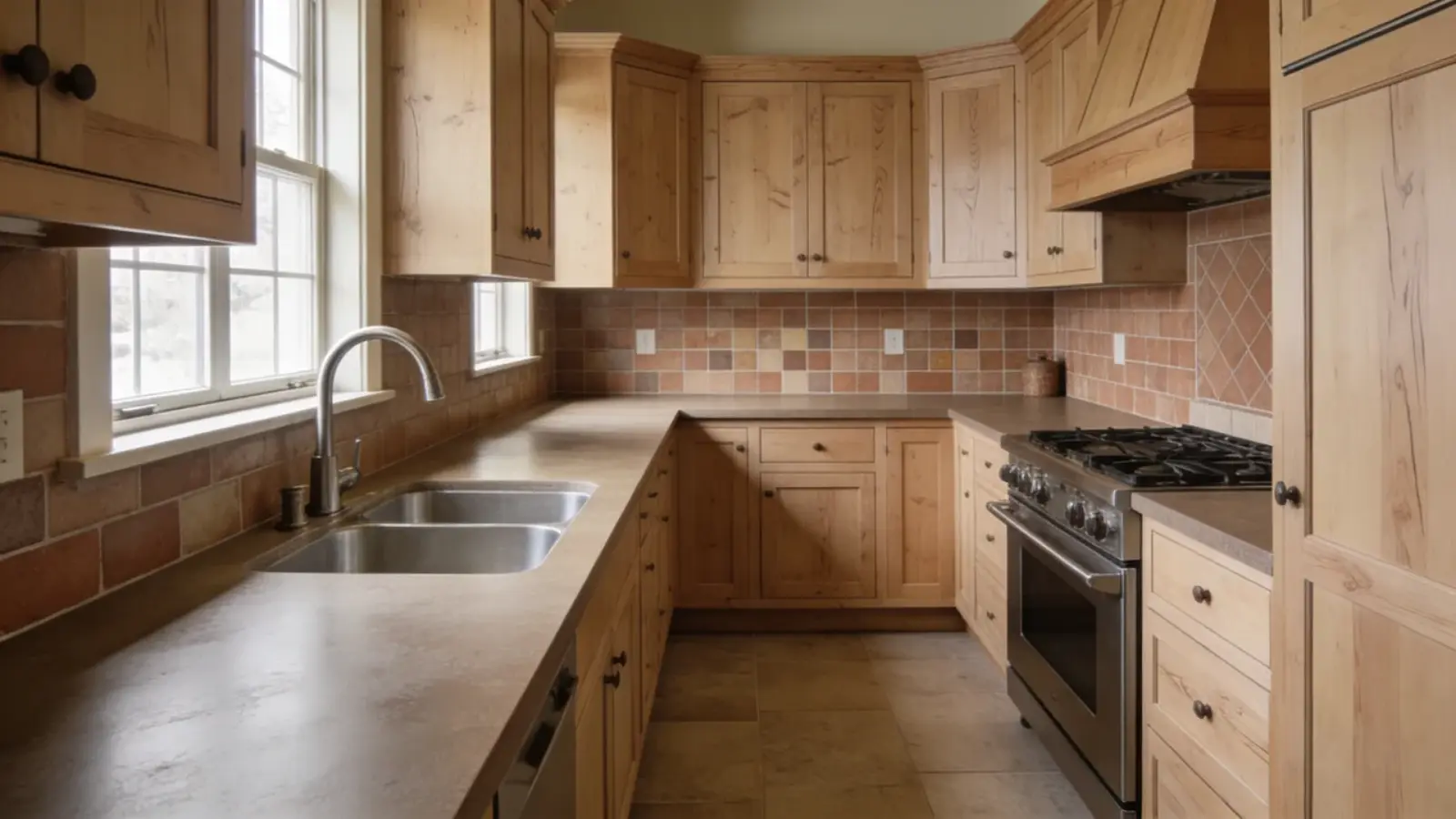
A craftsman kitchen layout focuses on ease of use rather than decoration. The workflow is kept straightforward, so cooking and movement feel natural. Every placement is driven by efficiency, not display.
When layouts become too complex or oversized, they reduce practicality and move away from the core idea of function-first design.
5. Built-In Storage and Furniture-Style Elements
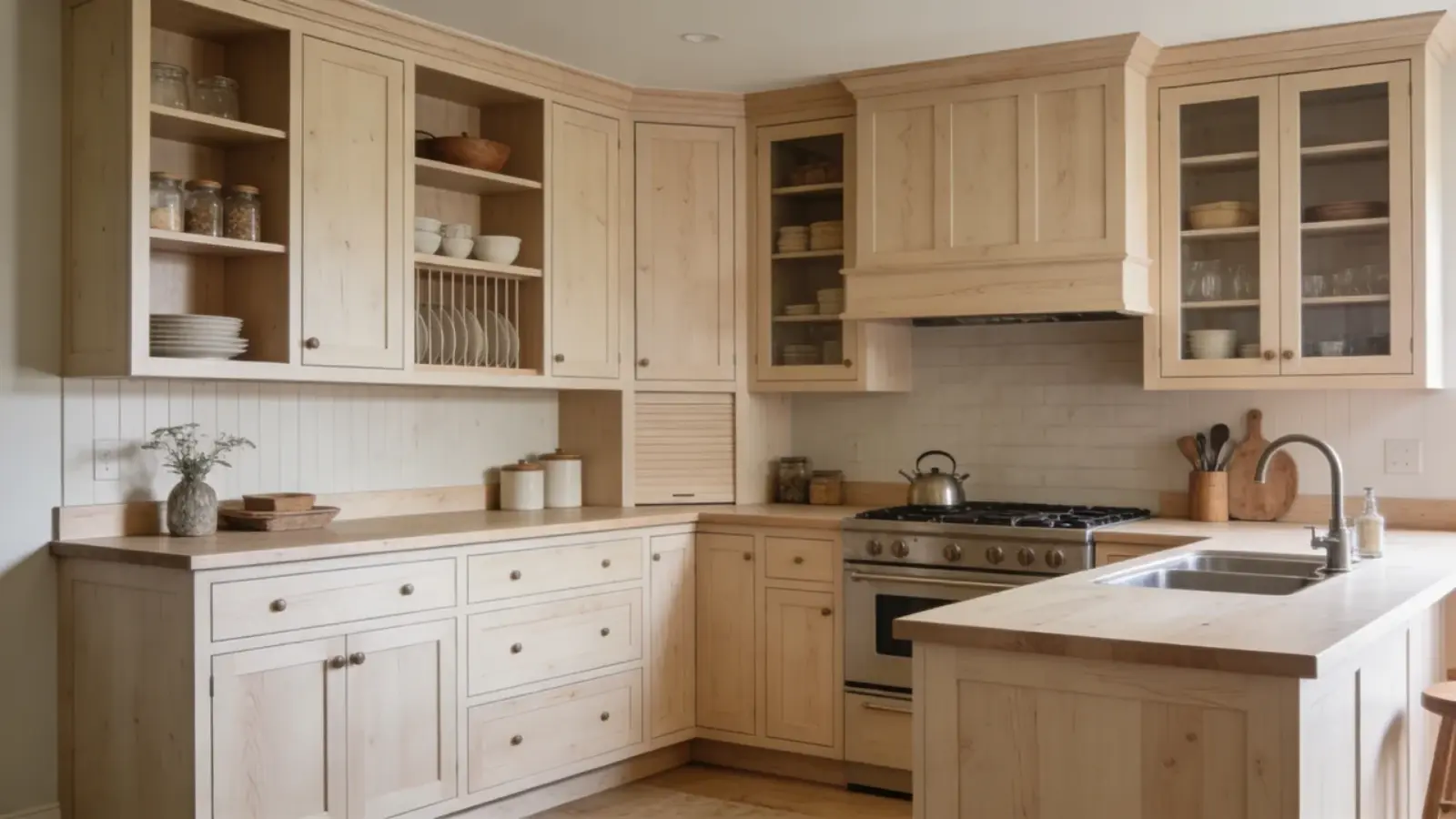
Built-in storage defines how a craftsman kitchen is structured. Cabinets, shelves, and units are designed as permanent parts of the space, not add-ons. This creates a seamless and grounded look where everything feels connected.
When storage appears modular or detached, the kitchen loses that built-in character and starts to feel less cohesive
Functional Features that Support Daily Use
These features focus on how the kitchen works in daily life. They ensure the space stays practical, efficient, and easy to use without losing its craftsman identity.
6. Natural Stone or Soapstone Countertops
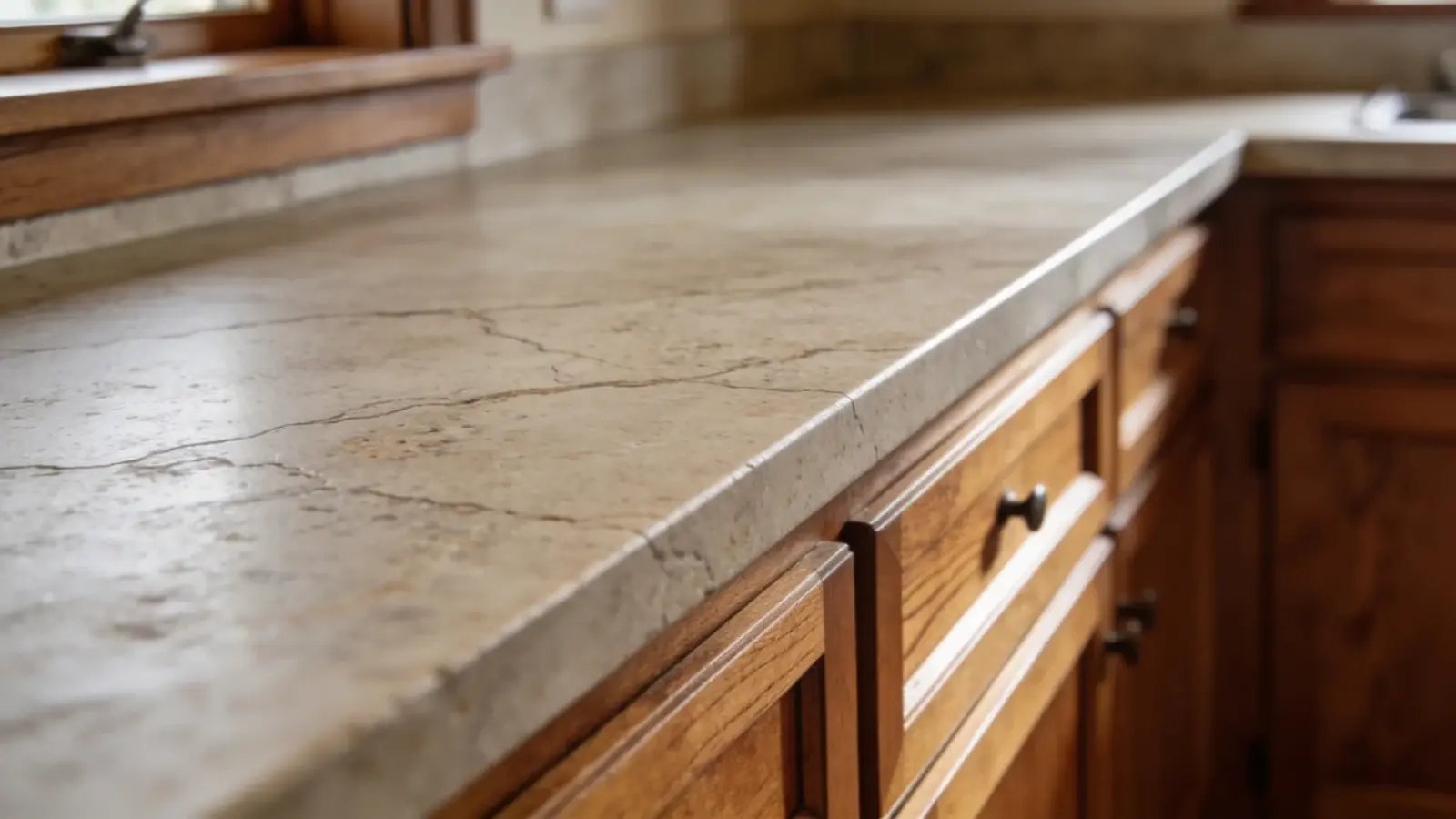
Natural stone countertops like soapstone or granite are used for their strength and natural texture. These materials age well and add character over time. Matte finishes work better because they keep the surface subtle and real.
Glossy or engineered shine can feel artificial and reduce the authentic, grounded look of a craftsman kitchen.
7. Handmade or Subway Tile Backsplash
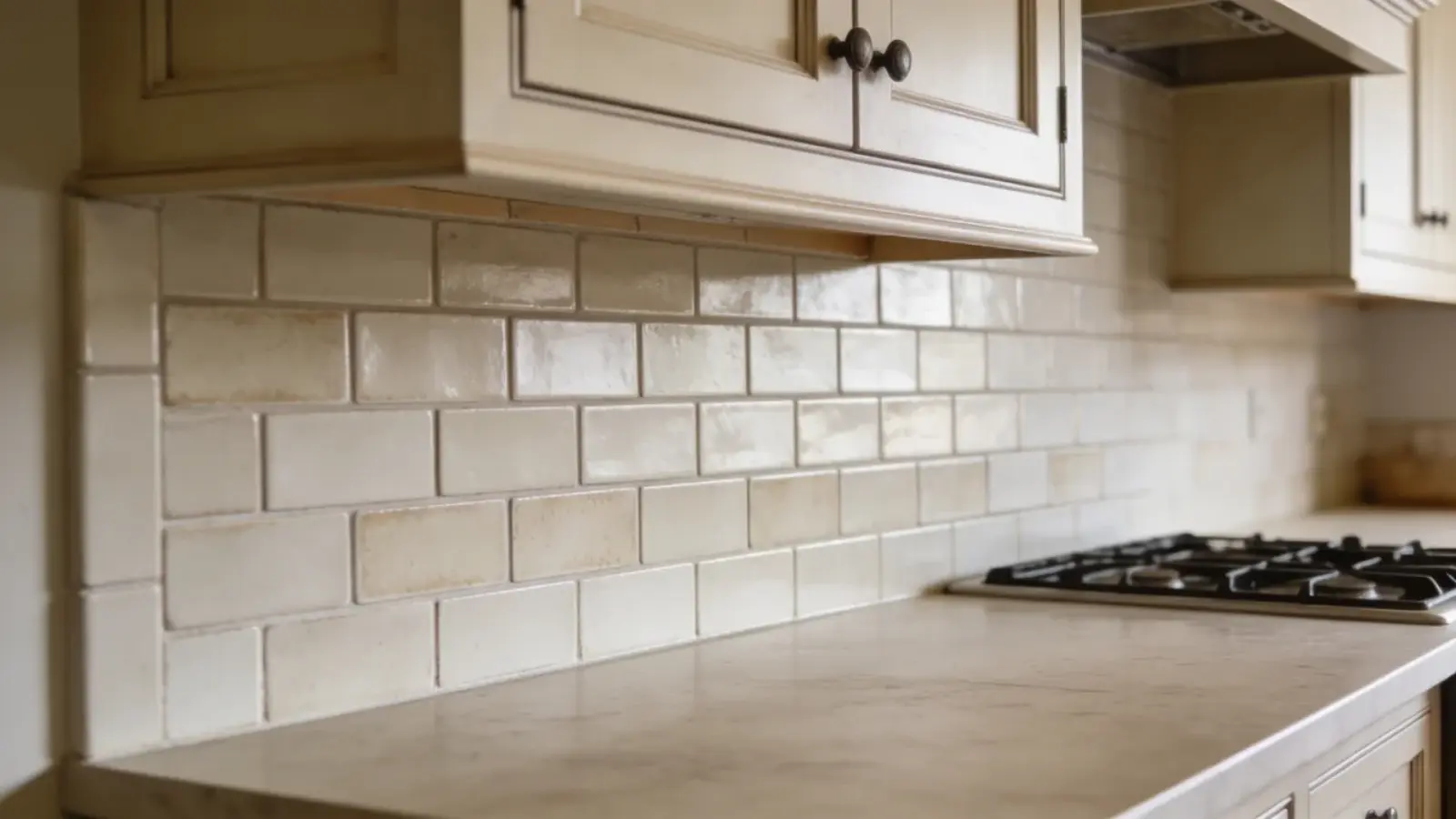
A craftsman backsplash stays simple but thoughtful. Handmade tiles add a slight variation, which brings a natural, handcrafted feel. Subway tiles work well because they keep the design clean and balanced. The goal is to support the space, not dominate it.
When patterns become too intricate or busy, they create clutter and break the calm, structured look.
8. Deep Farmhouse or Apron-Front Sink
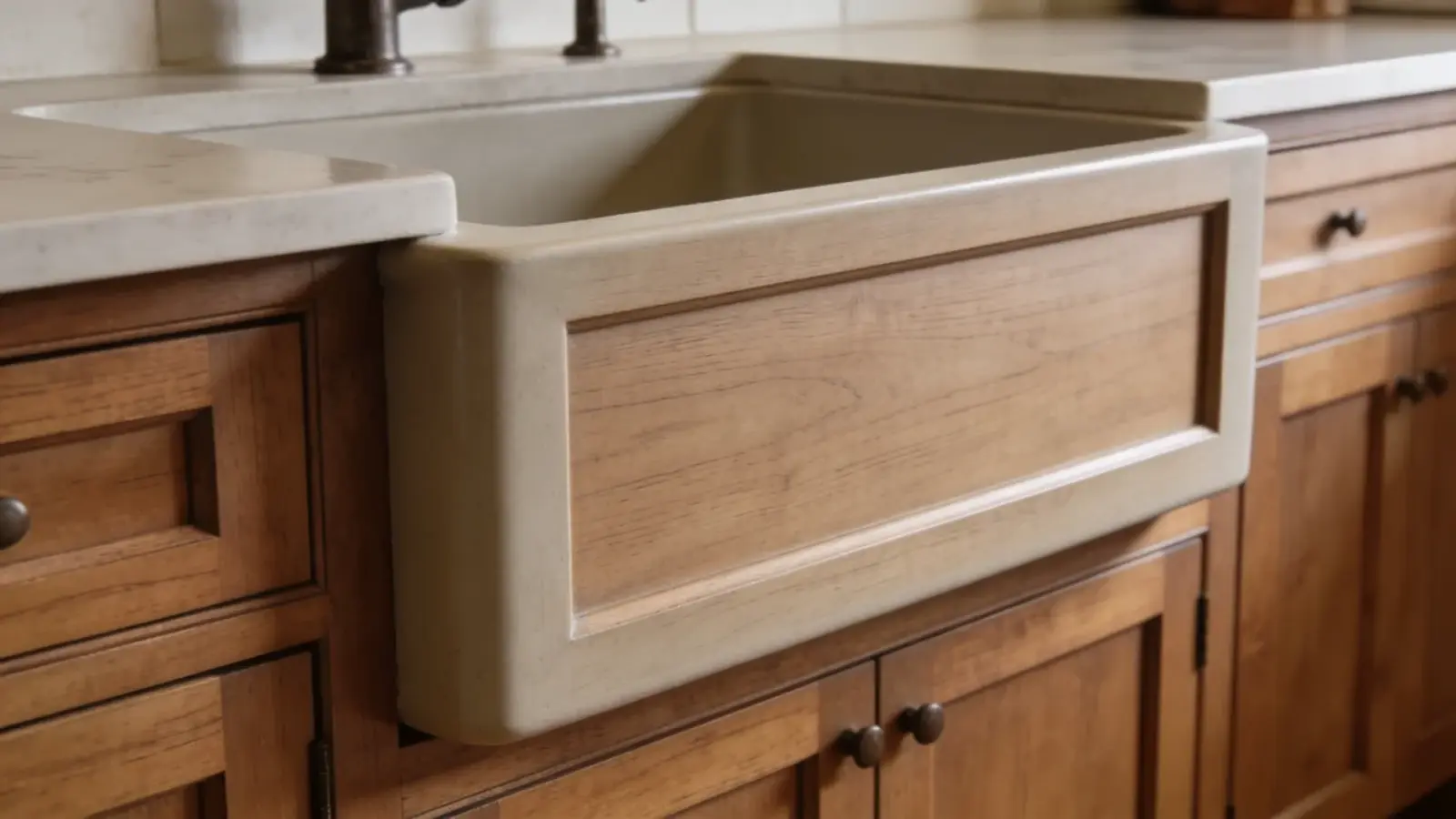
A deep farmhouse or apron-front sink fits the craftsman focus on daily use and durability. It is designed to handle heavy tasks like washing large pots with ease. The extra depth improves practicality and comfort during use.
Ultra-modern or sleek sink styles often feel out of place because they focus more on appearance than function.
9. Practical Kitchen Island with Storage
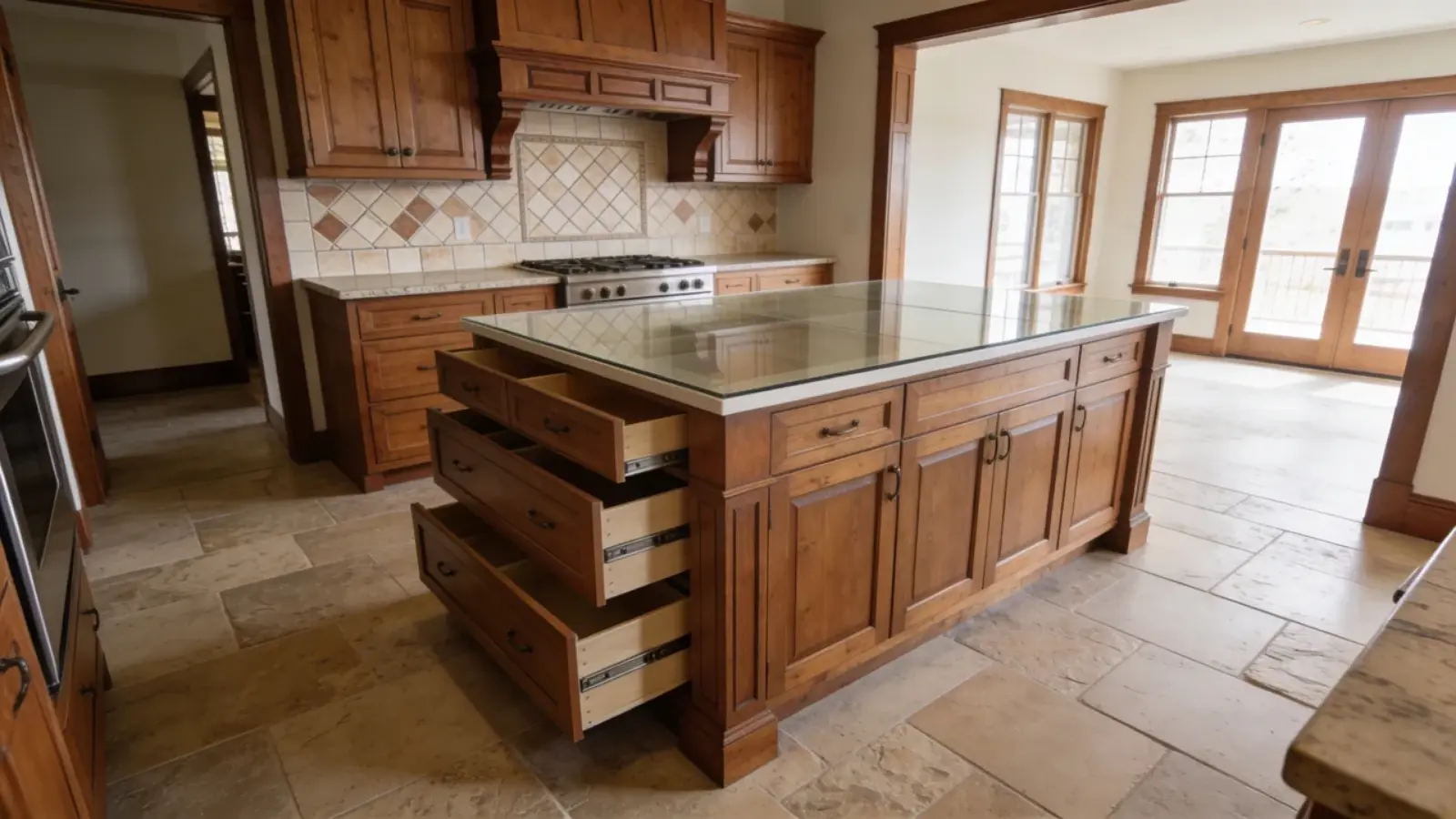
The kitchen island works as a central activity zone. It supports prep work, casual use, and extra storage while staying fully functional. Its role is about usability and movement, not just appearance.
When the island becomes oversized or decorative, it disrupts workflow and reduces how efficiently the space is used.
10. Wood or Period-Style Tile Flooring
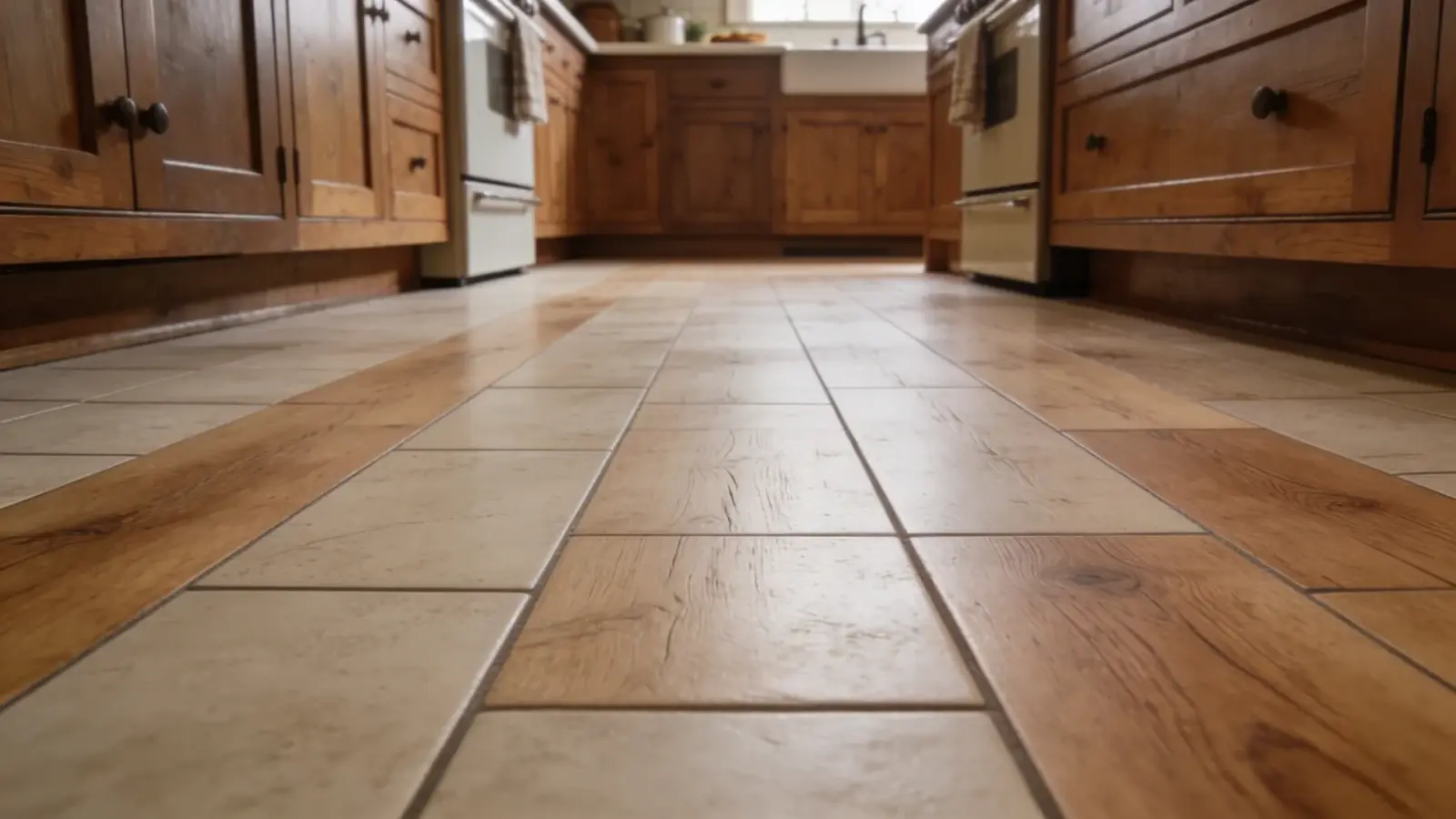
Flooring in a craftsman kitchen uses natural materials like wood or simple period-style tile. These options keep the look consistent with the rest of the space.
The focus is on durability and a solid feel underfoot. Glossy or synthetic flooring can look out of place and weaken the natural, grounded character of the design.
11. Efficient, Purpose-Driven Storage Solutions
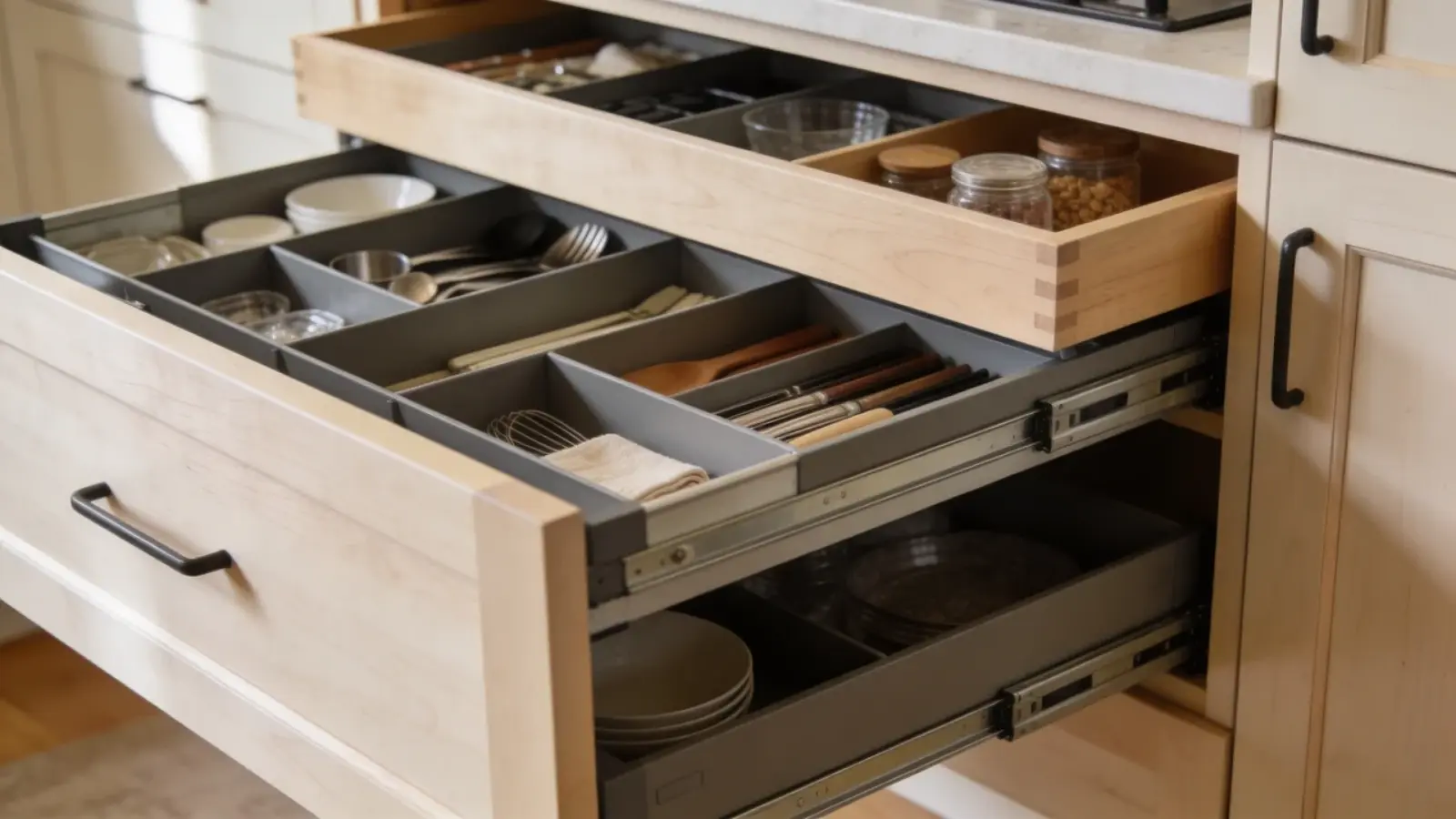
Storage in a craftsman kitchen is planned with intention. Pull-outs, drawers, and hidden compartments keep everything organized and easy to access. Each item has a defined place, which supports a clean and functional space.
When storage is open without control or becomes cluttered, it disrupts the structured and practical feel of the design.
Detail Elements that Reinforce Craftsmanship
These details bring out the craftsmanship behind the design. They add character while keeping the look simple, structured, and true to the style.
12. Oil-Rubbed Bronze or Brass Hardware
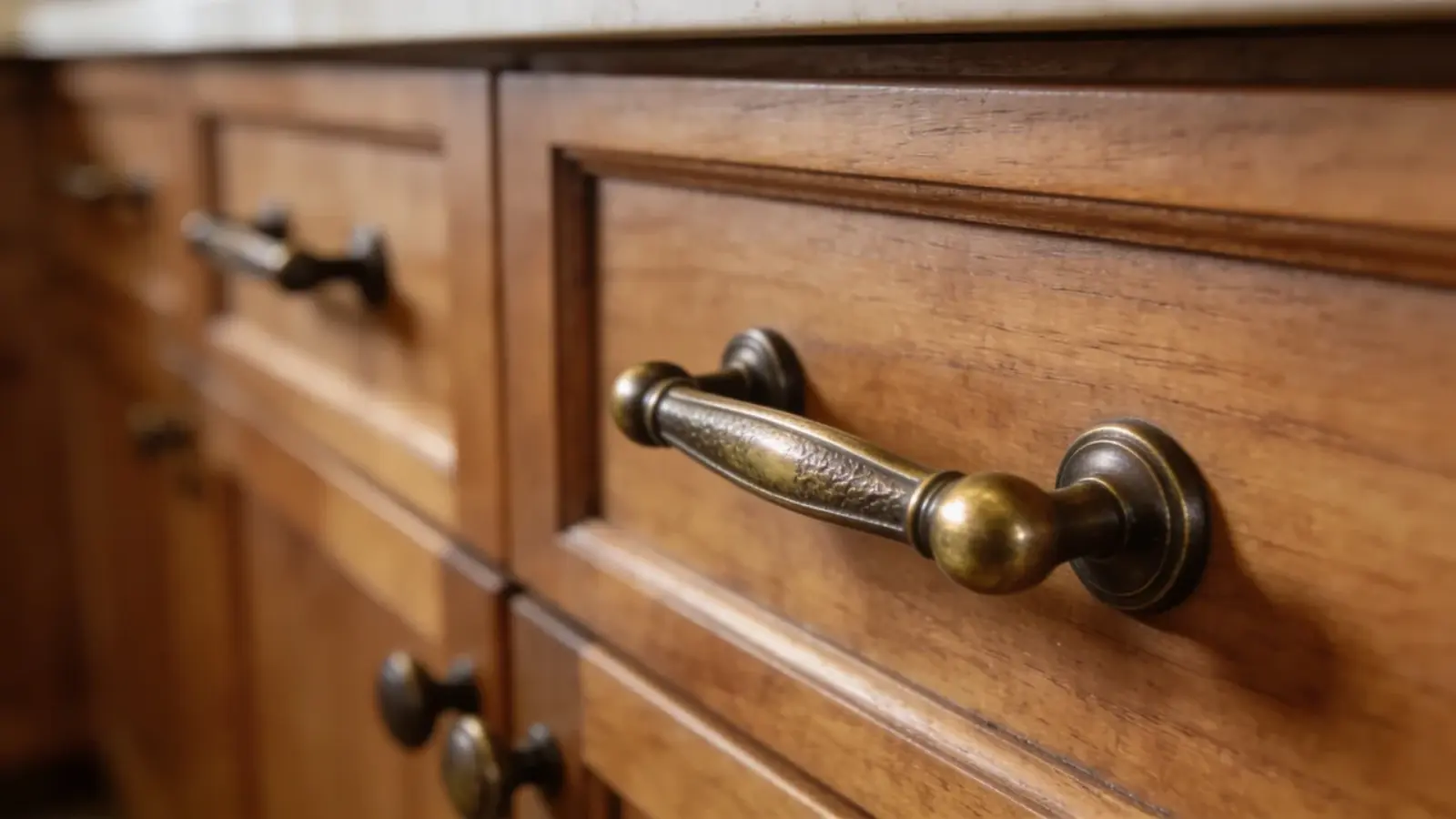
Hardware in a craftsman kitchen uses muted finishes like oil-rubbed bronze or aged brass. These tones blend naturally with wood and do not draw too much attention.
The goal is to support the overall design, not stand out. Shiny or polished metals like chrome can feel too modern and break the warm, grounded look.
13. Geometric or Mica-Style Lighting Fixtures
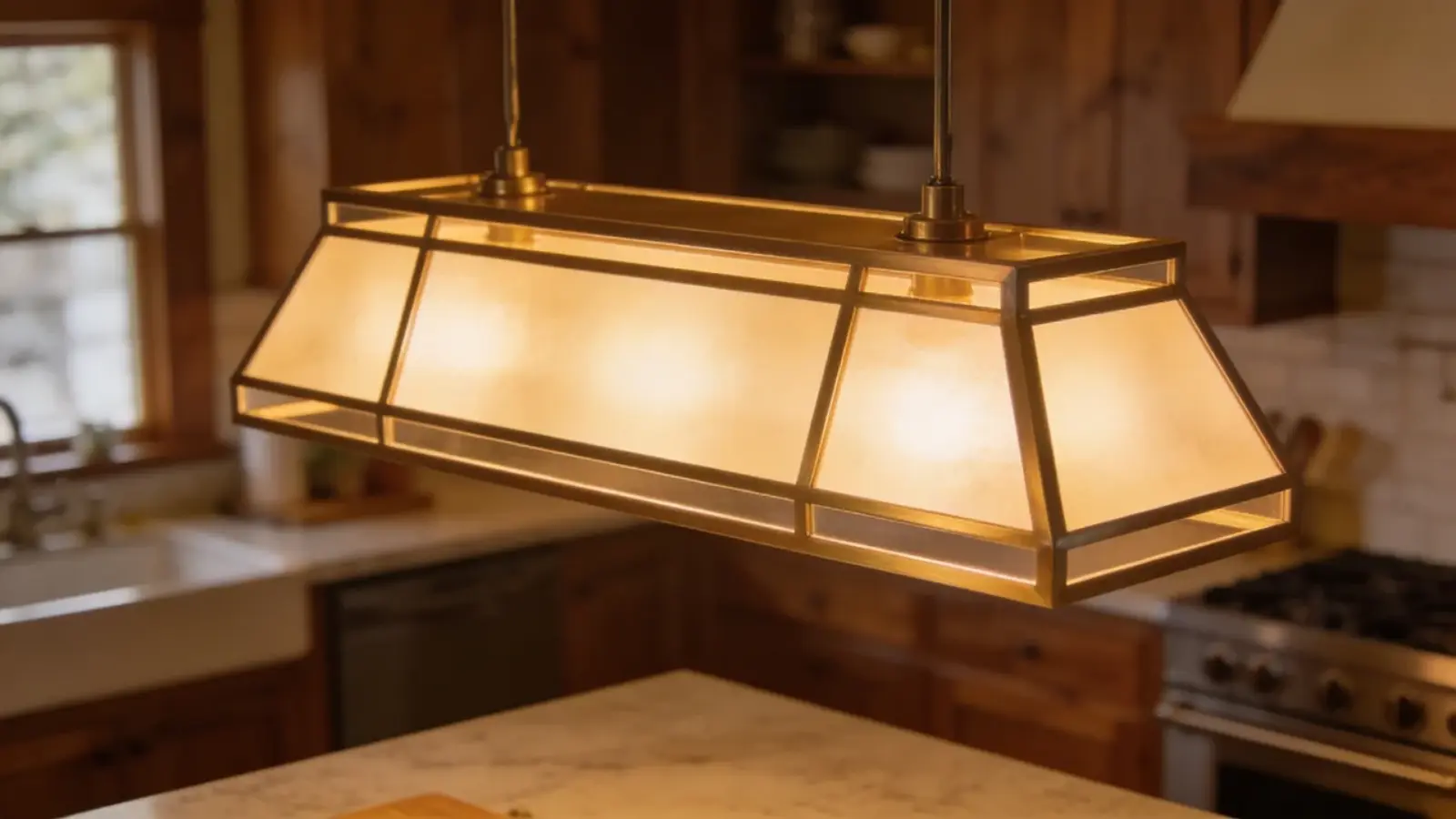
Lighting in a craftsman kitchen follows clean shapes and simple structure. Fixtures often use straight lines that match the overall design. Warm light helps bring out the richness of wood and earthy tones.
When lighting becomes too modern or overly decorative, like ornate chandeliers, it breaks the balance and feels out of place.
14. Exposed Joinery or Handcrafted Details
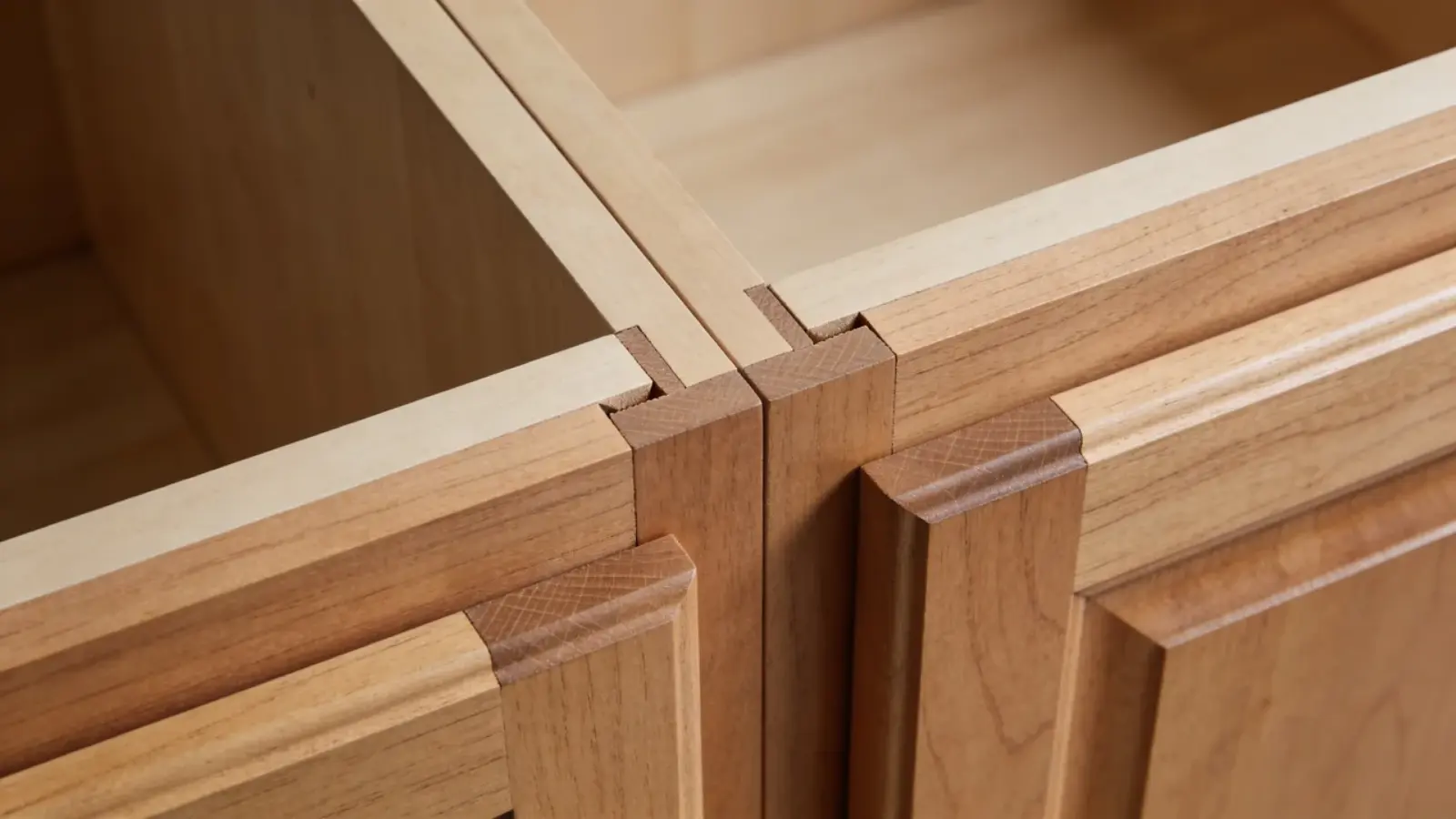
Exposed joinery and handcrafted details highlight how the kitchen is built. Instead of hiding construction, the design shows it clearly, which reflects true craftsmanship.
This approach adds character and authenticity to the space. When finishes are fully concealed or mass-produced, the kitchen loses that visible skill and starts to feel generic.
15. Thick Wood Trim and Defined Edges
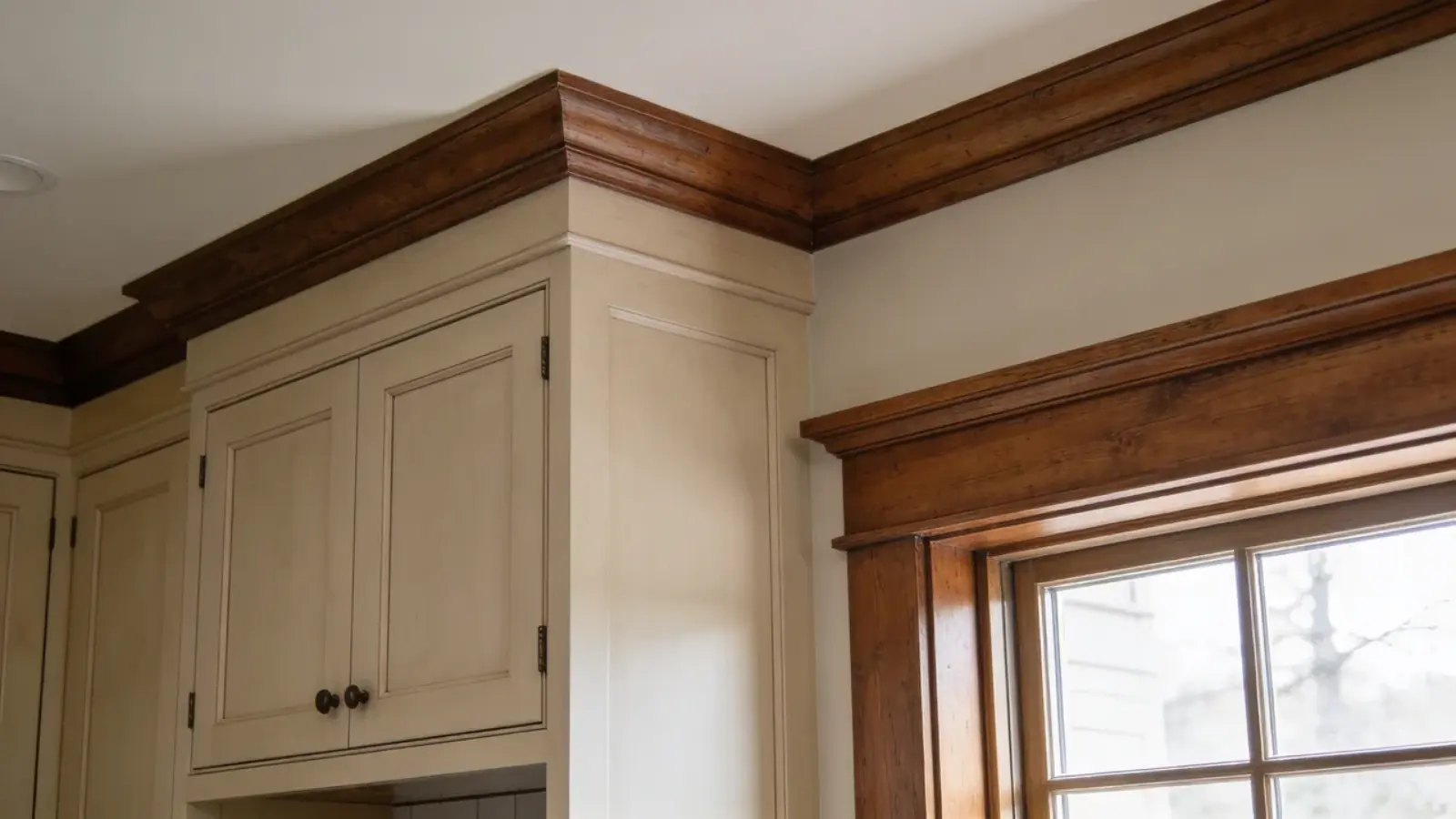
Thick wood trim adds strength and presence to a craftsman kitchen. It frames cabinets, windows, and transitions clearly, creating strong visual boundaries.
This gives the space a solid, grounded look. When trim is thin or too minimal, the structure feels weaker, and the kitchen loses its defined, built-in character.
16. Glass Cabinet Inserts with Simple Patterns
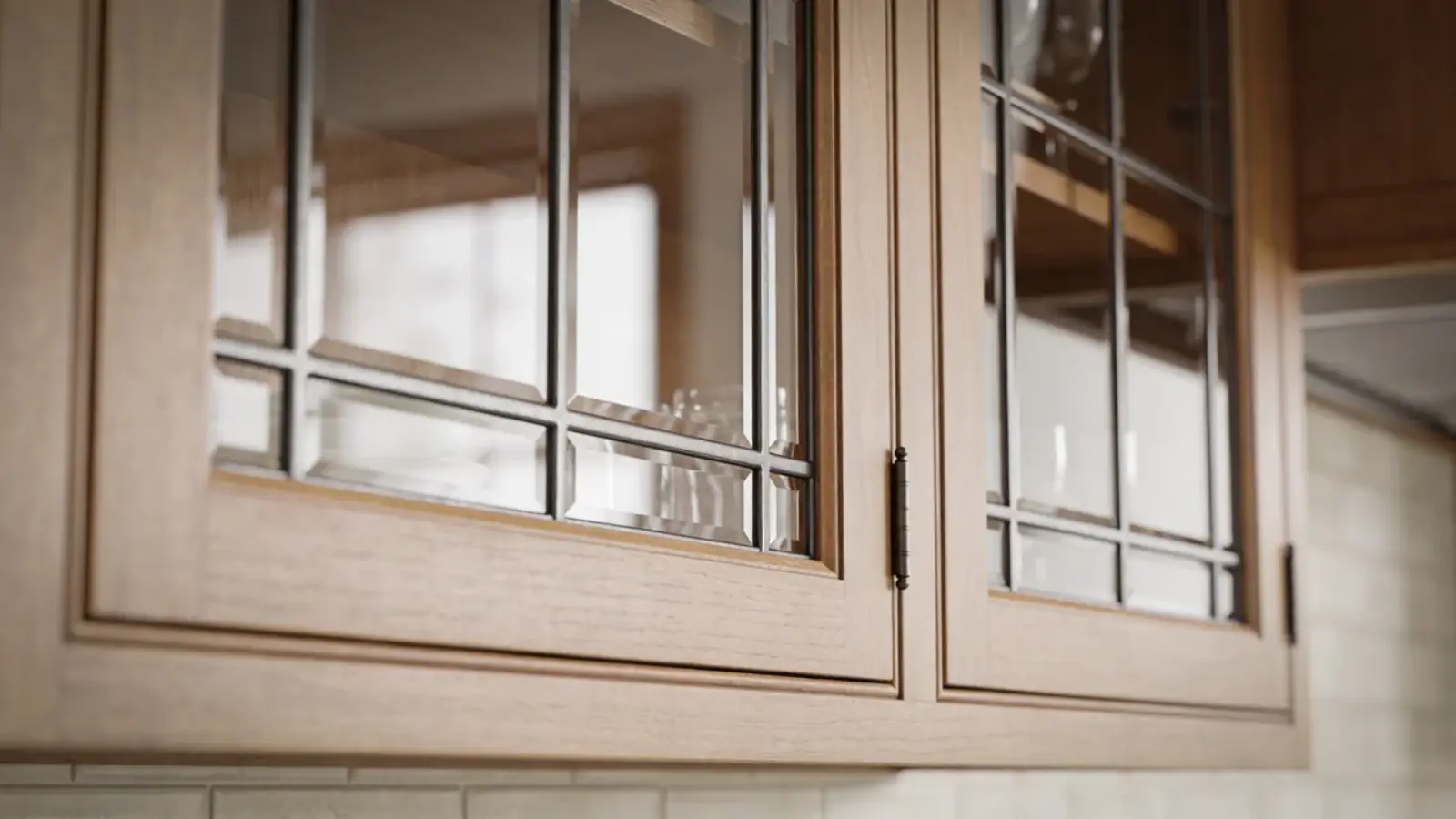
Glass cabinet inserts add subtle variation without making the design feel busy. Options like leaded or lightly textured glass bring interest while keeping the overall look simple.
They help break the solid appearance of wood in a balanced way. Highly decorative or complex glass designs can feel excessive and disrupt the clean, structured style.
Cohesion and Style Variations
A craftsman kitchen works because each element supports the others. Wood provides structure, stone adds durability, and layout ensures usability. If one part is out of place, the balance breaks.
That is why combining materials, layout, and details correctly matters just as much as choosing them individually. Small variations in strokes or layers can affect how smooth and even the final result looks.
17. Balanced Use of Wood, Stone, and Tile
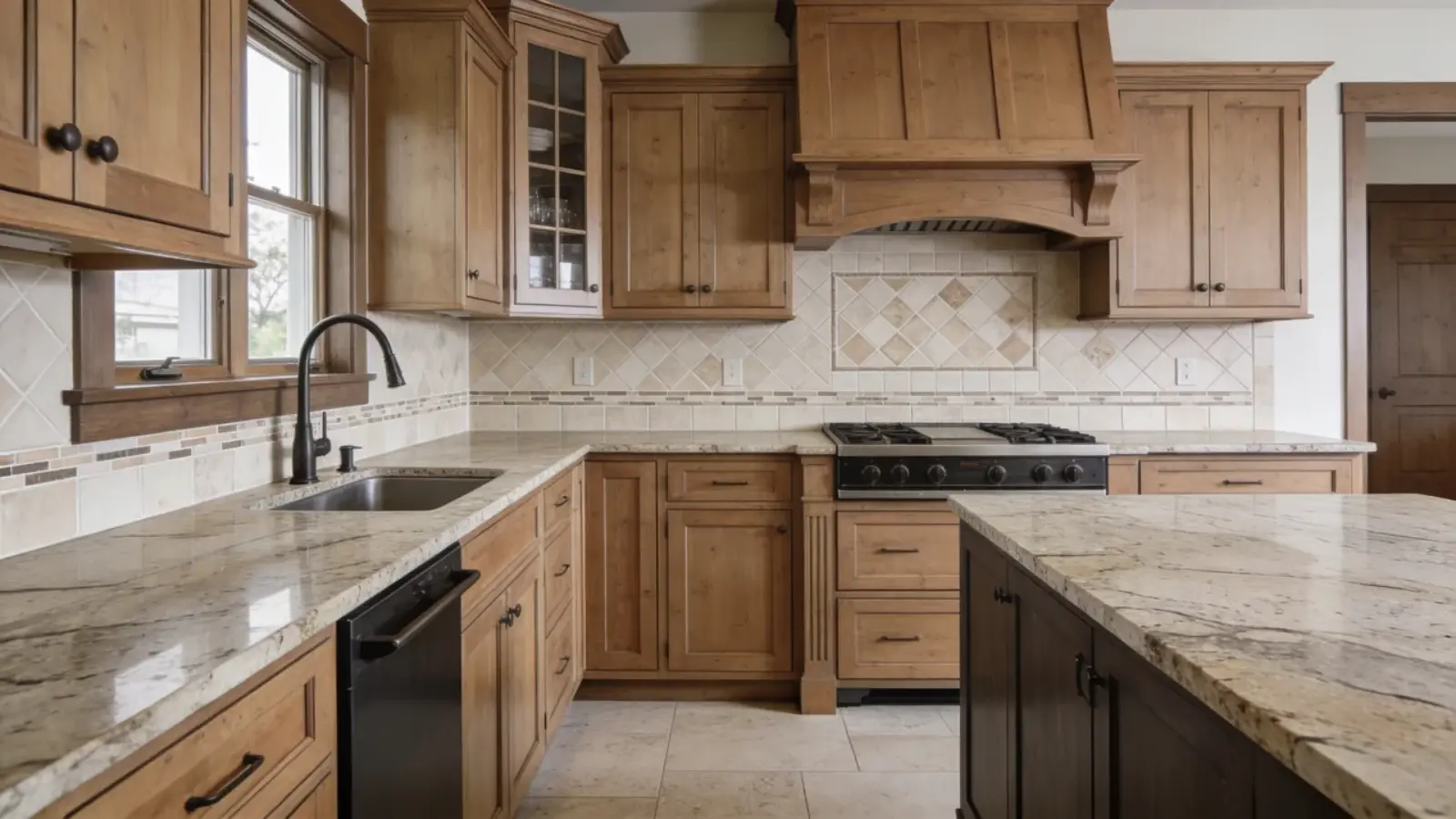
A craftsman kitchen works best when wood, stone, and tile are used in balance. Each material supports the others without taking over the space.
This balance creates a calm and cohesive look. When one material is overused, the kitchen can feel heavy or uneven, which breaks the overall harmony of the design.
18. Symmetry and Clean Visual Lines
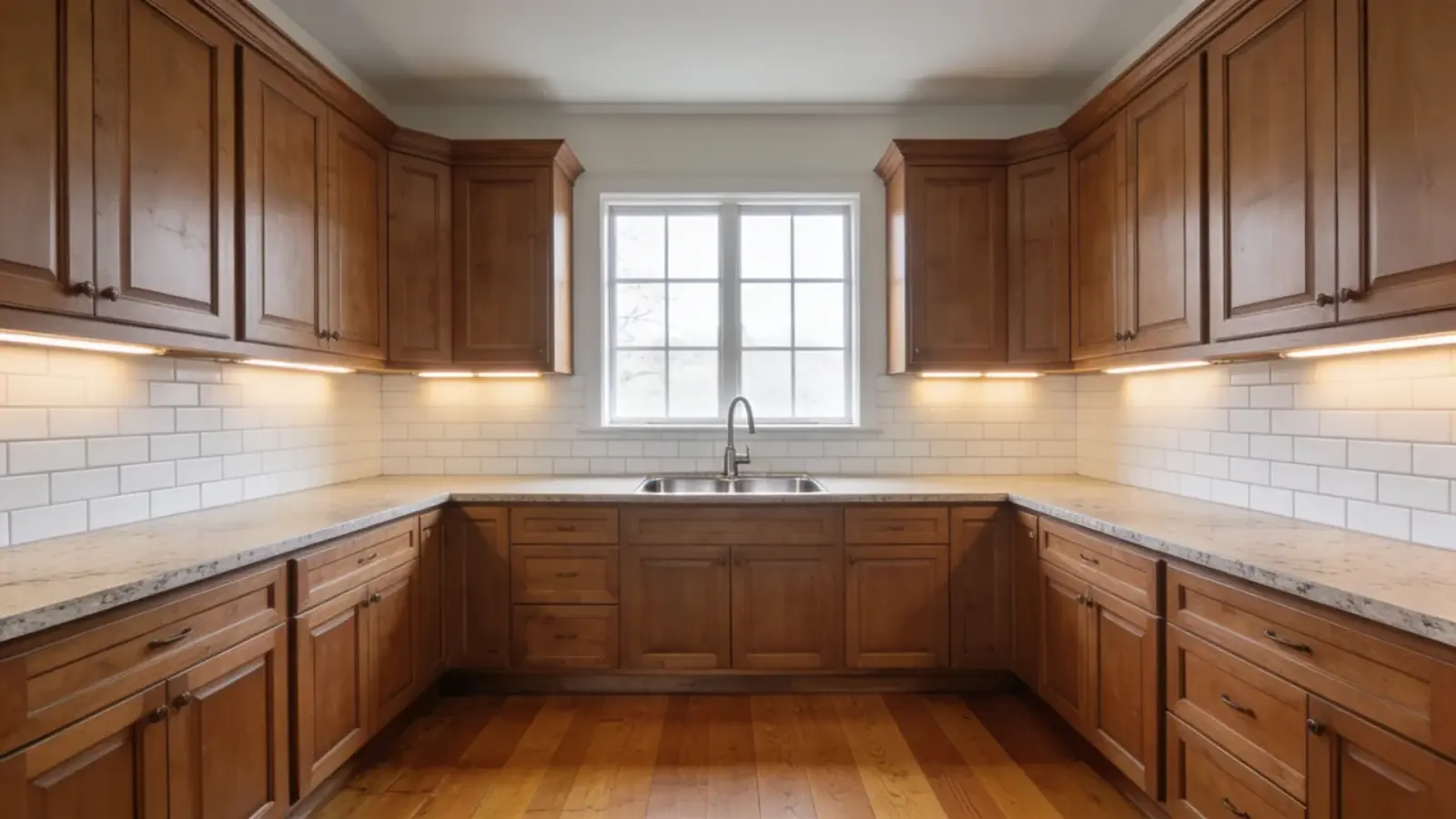
Symmetry and clean lines help create a clear and structured kitchen layout. Cabinets, lighting, and key elements are aligned to keep everything visually balanced.
This makes the space feel stable and easy to understand. When placements are uneven or random, the kitchen starts to feel chaotic and loses its organized, craftsman look.
19. Modern Appliances Integrated Subtly
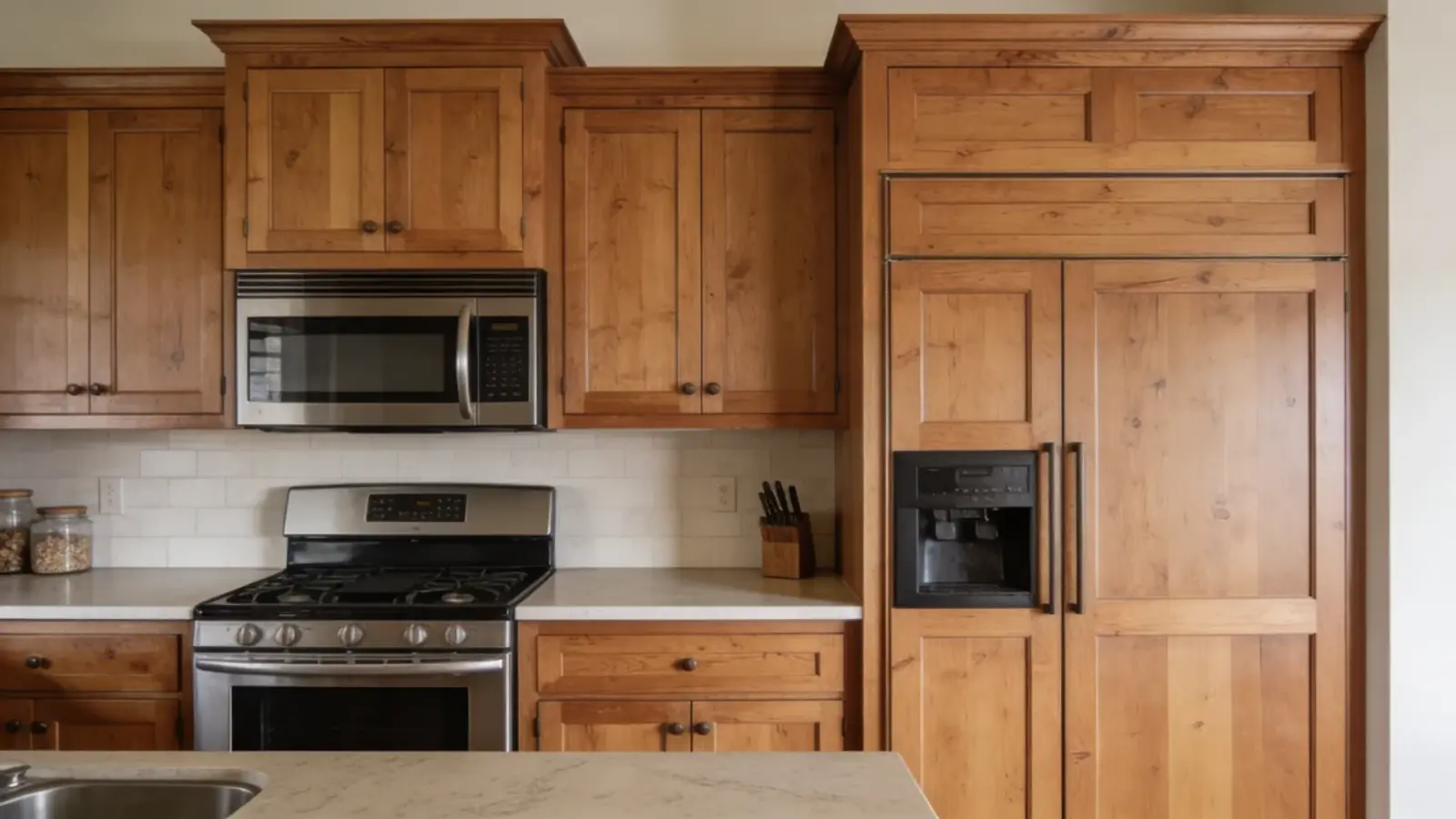
Modern appliances can fit into a craftsman kitchen when they are blended into the cabinetry. Panel-ready designs or thoughtful placement help them stay in the background.
This allows you to update the function without changing the overall look. When appliances are highly visible or finished in glossy materials, they dominate the space and disrupt the style.
20. Small Craftsman Kitchen Adaptations
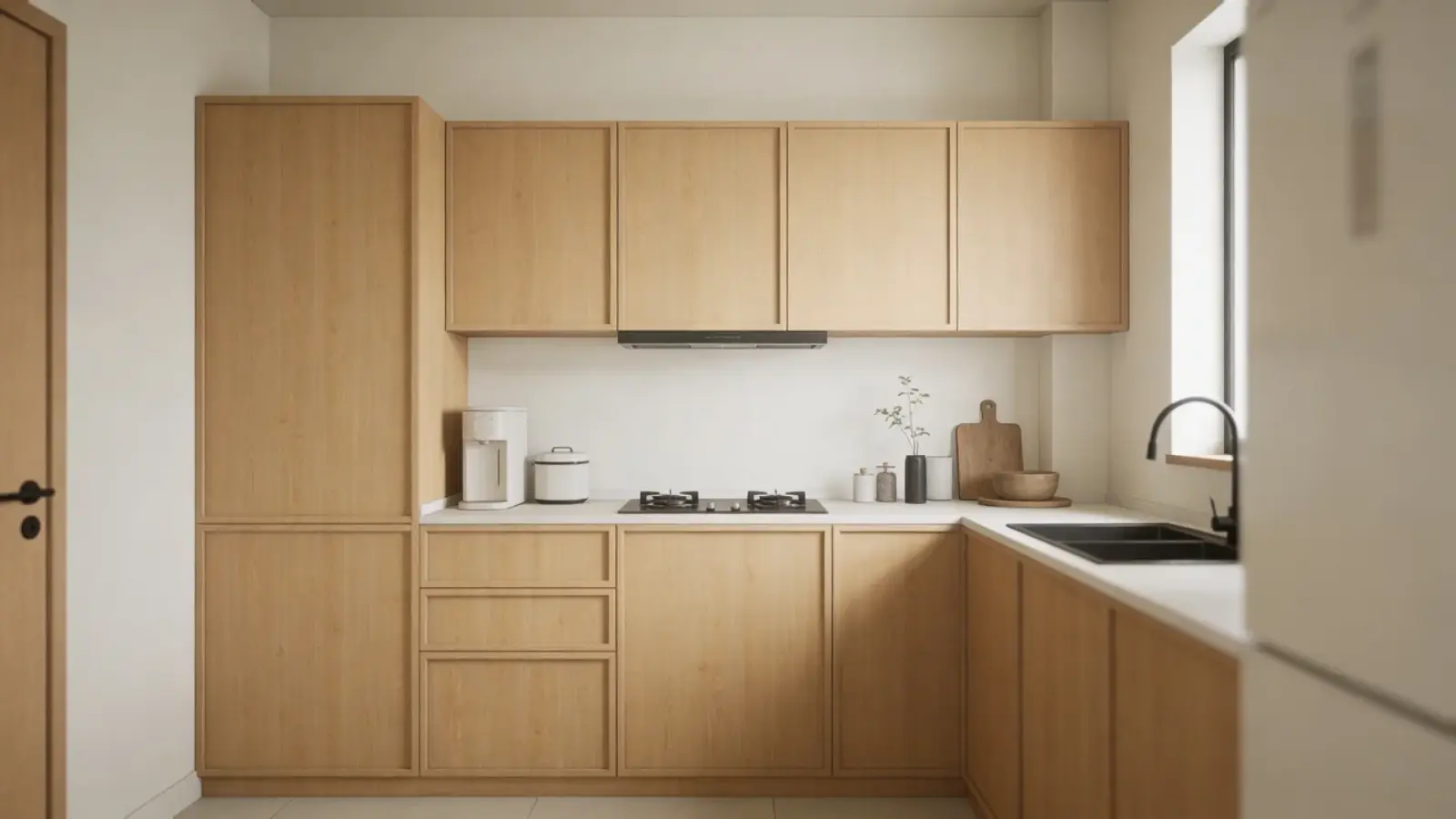
In smaller spaces, a craftsman kitchen works best when you limit the number of elements. Keeping only what is necessary helps the space stay open and usable without feeling tight.
Using lighter tones and simpler layouts prevents visual heaviness. When too many features are added, the kitchen starts to feel cramped and harder to use.
21. Open vs. Closed Layout Interpretation
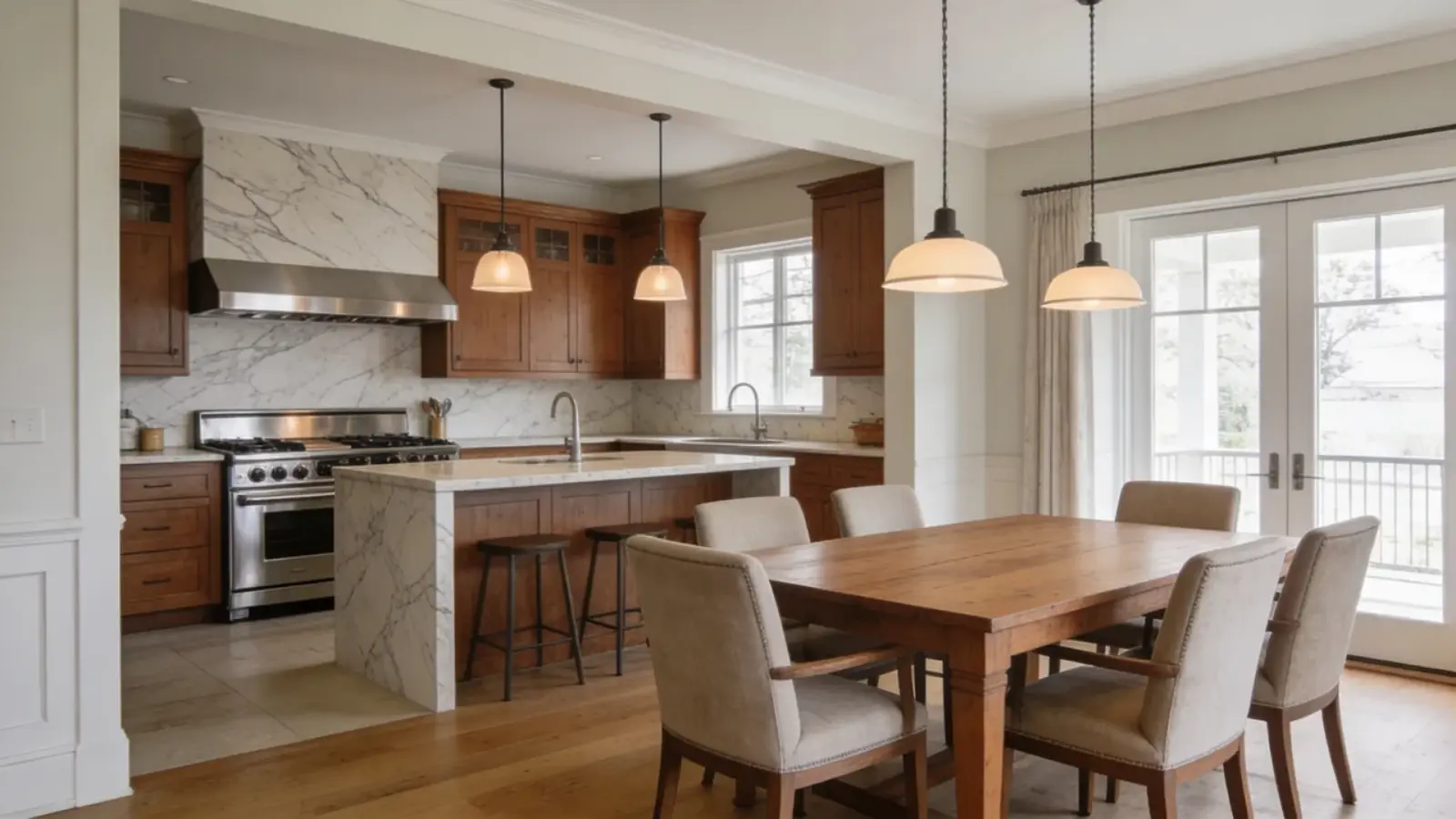
A craftsman kitchen can work in both open and closed layouts, but structure must stay intact. Even in open plans, zones should be clearly defined through placement and design.
Without clear boundaries, the space begins to feel undefined. This weakens the sense of order that craftsman design depends on.
How to Design a Craftsman Style Kitchen Step by Step
If you want to apply this style in your own space, follow a clear order. This helps you avoid mixing styles and keeps the design consistent.
- Start with Cabinet Material and Style: Choose solid wood like oak, maple, or cherry with shaker or recessed panels. This sets the foundation for the entire kitchen.
- Lock in a Natural Color Palette: Pick 2 to 3 earthy tones that support the wood. Keep colors muted so the materials stay the focus.
- Plan a Simple, Functional Layout: Focus on workflow first. Make sure cooking, prep, and storage areas are easy to reach without unnecessary movement.
- Choose Countertops and Backsplash Together: Go with natural stone or soapstone, then pair it with simple tile like subway or handmade finishes.
- Add Built-In Storage Early: Design cabinets and storage as part of the structure, not as an afterthought.
- Select Hardware and Lighting Last: Use oil-rubbed bronze or brass hardware and simple geometric lighting to complete the look without overpowering it.
Following this order keeps the design grounded and prevents modern or decorative elements from taking over.
Key Takeaways from Craftsman Kitchen Design
- Material Focus: Natural wood, stone, and tile form the base and give the kitchen a strong, lasting feel.
- Design Approach: Function comes first, so every element serves a clear purpose in daily use.
- Visual Style: Clean lines, symmetry, and solid structure create a stable and organized look.
- Color System: Earthy tones support the warmth of wood and keep the space calm.
- Details: Subtle hardware, simple lighting, and handcrafted touches complete the design.
Conclusion
A well-designed craftsman-style kitchen works because every choice supports a clear purpose. It is not about adding more features but about making better decisions with materials, layout, and detail.
When each element feels intentional, the space naturally becomes more comfortable to use and easier to maintain over time.
The key is to stay consistent and avoid mixing in elements that break the structure. Small decisions, when aligned, create a kitchen that feels complete without trying too hard.
If you are planning your own craftsman-style kitchen, start simple, focus on the fundamentals, and build step by step.


