Container Gardening for Beginners: A Complete Guide
Container gardening for beginners can feel overwhelming at first, but it doesn’t have to be.
A balcony, a windowsill, or just a small corner of outdoor space is all you need to grow your own food almost anywhere. But getting it right takes more than picking a pot, filling it with soil, and hoping for the best.
The way you water, what soil you use, how much sunlight your space gets, and which plants you choose, all of it matters more in a container than it ever would in the ground.
Everything you need to know before you start is right here.
What Is Container Gardening?
Container gardening is growing plants in pots, buckets, grow bags, or similar containers rather than directly in the ground.
The idea is simple, but it’s not as easy as it looks. Your plant lives entirely in a limited space. It can’t reach natural soil, pull in groundwater, or access outside nutrients.
Everything depends on what you provide. In the ground, roots spread wide. The earth holds moisture, supplies nutrients, and buffers temperature shifts.
A container does none of that, you take on that role. A small soil volume means conditions change quickly. Pots dry out quickly. Nutrients deplete sooner. Mistakes show up faster.
The upside is flexibility, grow on a balcony, windowsill, or rooftop, and move plants as needed.
How to Choose the Right Setup for Your Space?

Getting your setup right from the start saves a lot of trouble later. Two things matter most, where you place your containers and what size you choose:
Sunlight and Placement
Sunlight decides how well your plants grow, so placement matters from day one. Track how many hours of direct light your space gets instead of guessing.
Areas facing south or west usually receive stronger light, while shaded spots suit only low-light plants. Poor placement leads to weak stems and low yield, even if everything else is done right.
Container Size and Type
The size and type of container directly affect root health and stability. Smaller pots heat up faster, lose moisture quickly, and restrict root spread. Larger containers hold moisture longer and support steady growth.
Materials also matter; plastic retains moisture, while clay dries faster. Choosing the right size early prevents stunted growth and constant adjustments later.
Soil and Drainage Basics for Healthy Container Gardening
Most container problems trace back to the wrong soil or poor drainage. Getting these two things right makes everything else easier.
- The right mix: Potting mix is lighter than garden soil and allows better airflow and drainage
- The problem with garden soil: It compacts in containers, blocking oxygen from reaching the roots
- Why drainage holes matter: They let excess water escape and stop it from sitting at the bottom
- What standing water does: Waterlogged soil creates perfect conditions for root rot to develop fast
- The slow damage: Compact soil suffocates roots gradually, the plant declines before most people notice
Soil and drainage form the base of everything in container gardening. Get them wrong, and no amount of watering or sunlight will fix what follows.
Watering Tips for Container Gardening
Watering plays a key role in keeping container plants healthy since the soil volume is small and dries fast.
Moisture levels can shift within hours due to heat, wind, and pot size. Giving excess water reduces airflow to roots, while a lack of moisture limits growth.
Check the soil slightly below the top layer before adding water, and adjust frequency based on current conditions instead of following a set pattern.
Choosing Plants That Actually Thrive in Containers
When roots outgrow the container, growth stalls and yield drops, no matter how well you water or feed.
Some plants simply have root systems too large for any practical container, and no amount of care changes that:
Herbs

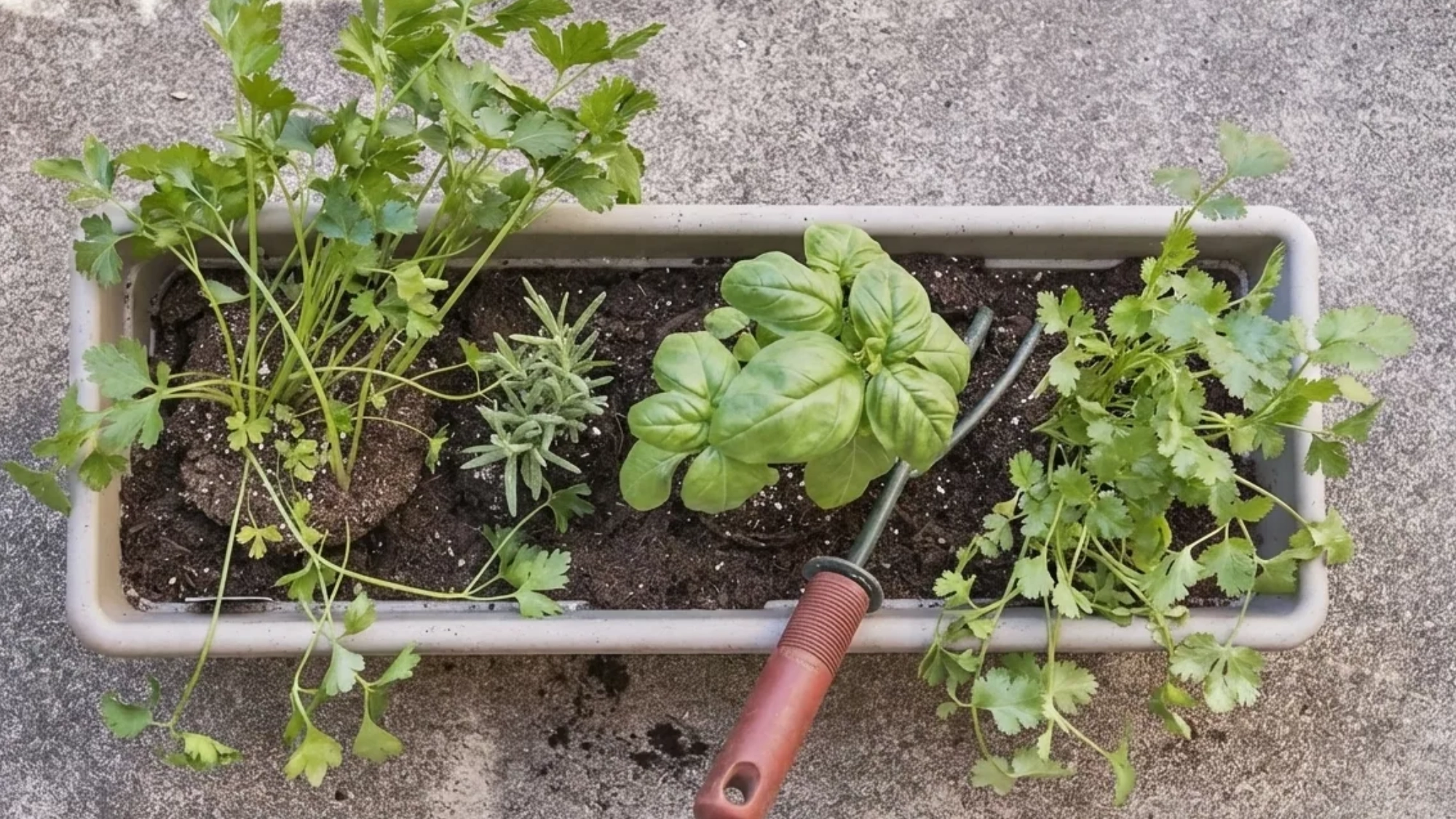
Basil, cilantro, mint, parsley, and chives all have shallow roots and grow well in small to medium pots. They’re fast-growing, practical, and a great starting point for beginners.
Most herbs also do well indoors near a sunny window, making them one of the most flexible options in container gardening.
A single pot of mixed herbs on a kitchen windowsill is often all you need to get started.
Leafy Greens
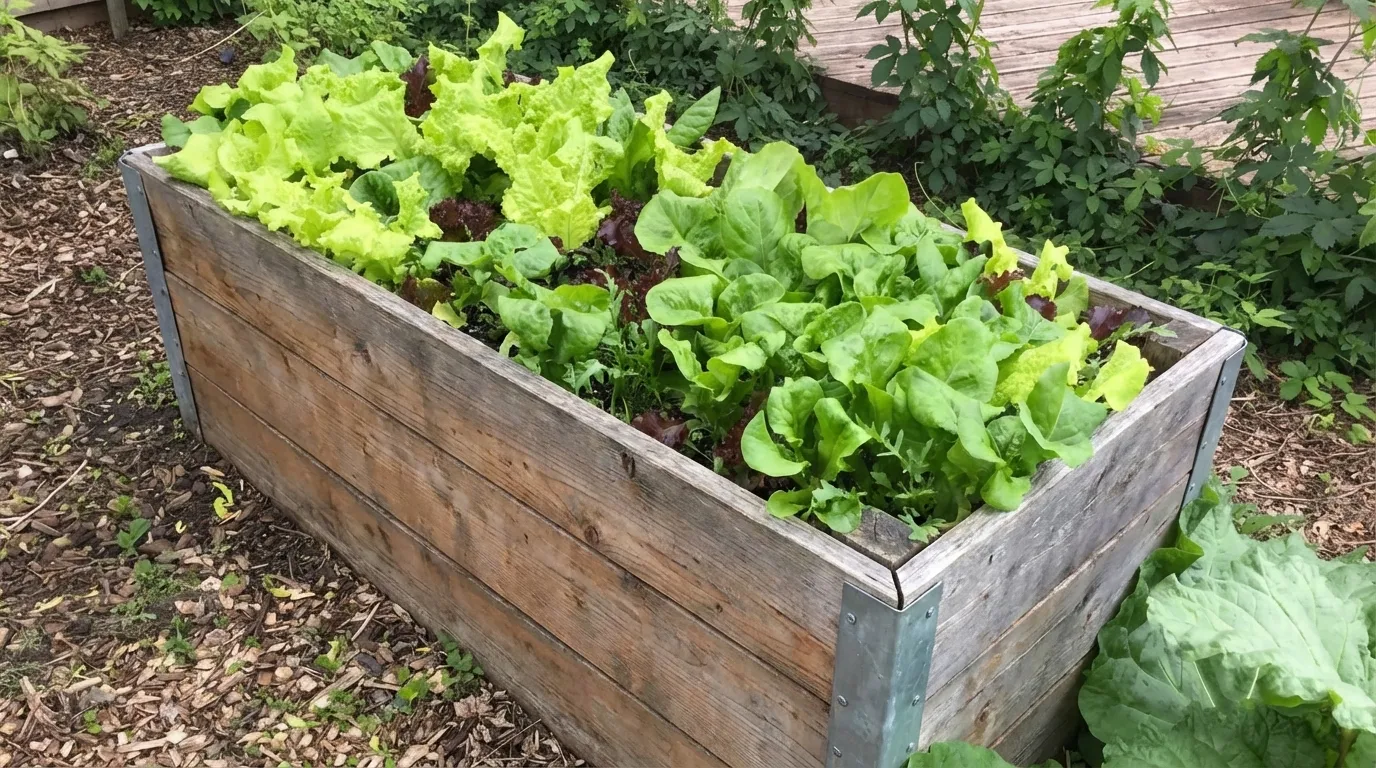
Lettuce, spinach, and kale don’t need deep soil. They grow quickly, tolerate partial shade, and can be harvested repeatedly. Wide, shallow containers work well for them.
They’re also well-suited for balconies and indoor setups with limited space. In warmer climates, they perform best during cooler months, so timing your planting makes a real difference.
Dwarf Vegetables
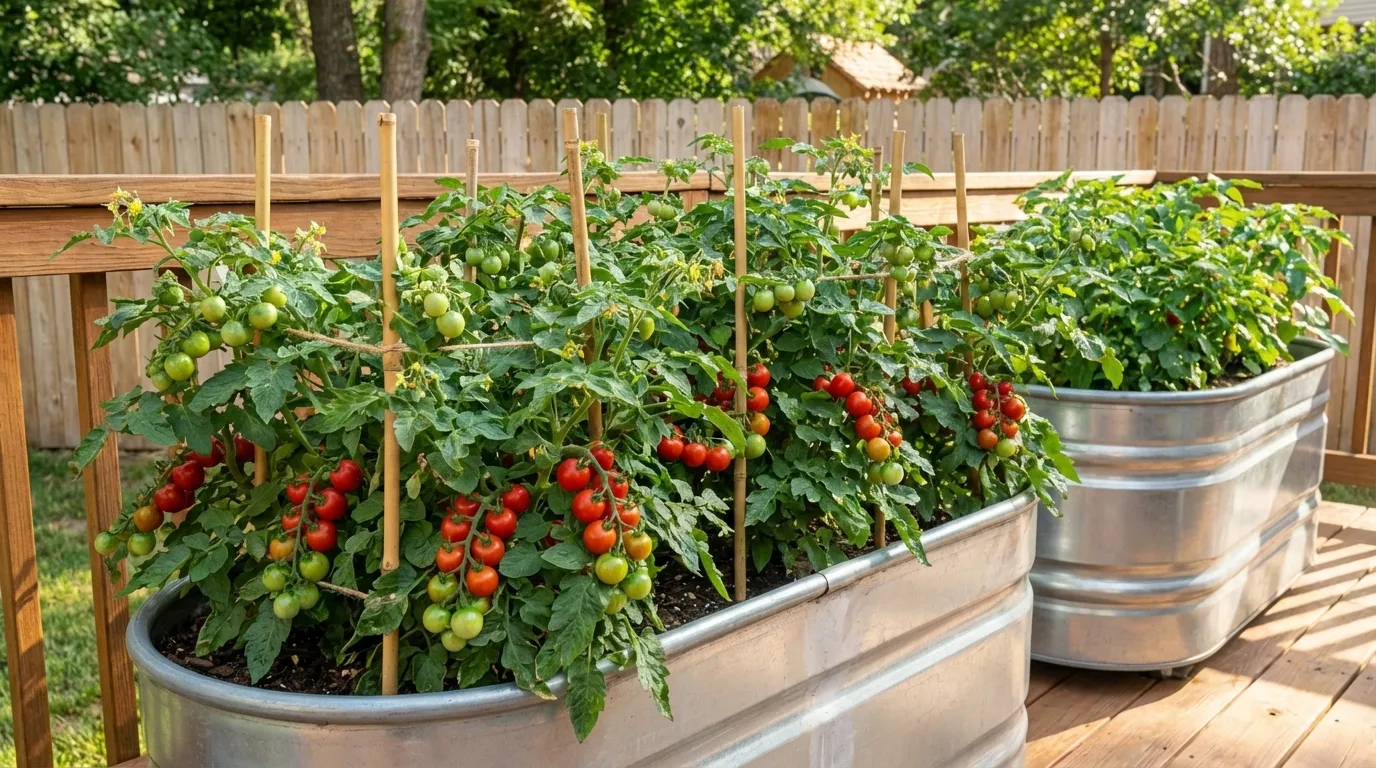
Compact varieties of tomatoes, peppers, eggplant, and beans are bred for smaller spaces. They perform well in medium to large containers as long as root space is adequate.
Full-sized varieties of the same crops struggle, their roots simply need more room than a container can provide.
Starting with the right plants makes every other part of container gardening easier. Match the plant to the space, not the other way around.
Nutrients and Maintenance: Why Containers Need Extra Care
Container plants need consistent feeding and regular attention. Every time you water, nutrients get flushed out of the soil.
Unlike ground plants, there’s no surrounding earth to replenish what’s lost.
| Aspect | What Happens | What To Do |
|---|---|---|
| Nutrient flushing | Watering gradually washes nutrients out | Feed every 1–2 weeks with a balanced fertilizer |
| Feeding frequency | Limited soil means nutrients deplete fast | Don’t rely on potting mix alone, it runs out quickly |
| Nutrient deficiency | Leaves yellow, growth slows, plants look pale | Adjust feeding early before the plant declines |
| Pruning | Dead growth drains the plant’s energy | Remove dead leaves and trim regularly |
| Pest control | Weak plants attract pests more easily | Inspect regularly and treat early |
| Ignoring upkeep | Nutrient loss and neglect compound fast | Small, consistent care prevents big problems |
Common Mistakes That Kill Container Gardens (And Why)
These aren’t just beginner errors, they’re patterns with real consequences. Understanding why they happen makes them easier to avoid.
- No drainage holes: Water has nowhere to go, builds up at the bottom, and slowly rots the roots from below
- Using garden soil: It compacts tightly in containers, blocks airflow, and suffocates roots over time
- Overwatering out of caution: More water doesn’t mean more care, it cuts off oxygen and creates the conditions for rot
- Wrong plant for the container size: Roots run out of space, growth stalls, and the plant never reaches its potential
- Ignoring sunlight needs: Placing plants in low-light spots leads to weak stems, poor yield, and slow decline, no matter how well everything else is managed
Conclusion
Most of these mistakes share the same root cause: treating container gardening like ground gardening.
The moment you account for the limited space and reduced buffer, most of these problems become easy to prevent.
Container gardening rewards the people who pay attention. The space doesn’t matter as much as the approach.
A small balcony with the right setup will outperform a large one with the wrong soil, wrong plants, or inconsistent watering every time.
You now have everything you need to start on solid ground, the right containers, the right soil, plants that actually suit the space, and a watering and feeding routine that works.
Start small, observe closely, and adjust as you go. That’s really all it takes.
If you found this helpful or have questions about your own setup, drop them in the comments below, every container garden is different, and there’s always something worth talking through.
Frequently Asked Questions
How Often Should I Repot My Container Plants?
Most container plants need repotting every one to two years, or when roots start pushing out of drainage holes. Moving to a slightly larger container gives roots fresh space and soil, which directly improves growth, water retention, and overall plant health.
Do Container Gardens Work in Extremely Hot Climates?
Yes, but they need extra attention. Containers heat up and dry out faster in high temperatures. Choose light-colored or insulated pots, water more frequently, and position plants where they get afternoon shade. Heat-tolerant plants like peppers and herbs handle warm climates better than most.
Is It Safe to Use Recycled Containers Like Old Buckets or Cans?
Generally yes, as long as the container wasn’t used for chemicals or toxic materials. Make sure to drill drainage holes and clean thoroughly before use. Food-grade buckets and untreated wooden boxes are among the safest recycled options for growing edible plants.