37 Best Flowering Plants for Pots You Can Grow Easily
Some pots stay colorful for months while others lose their blooms within weeks. The difference rarely comes down to luck. It usually comes down to one thing: the plant you choose.
Not every flowering plant is built for container life. Some struggle with heat, dry out too fast, or simply stop blooming after the first flush.
But the best flowering plants for pots are different. They keep going through the season, ask for very little, and make even the smallest balcony or windowsill look alive.
What makes them last longer? That answer lies in understanding each plant a little better before you bring it home.
How to Pick the Right Flowering Plant for Your Pot?
Not every flowering plant thrives in a container. Some have root systems too large for pots, while others struggle without the natural drainage the ground provides.
Picking the right one from the start saves time, effort, and a lot of disappointment later.
Before choosing, consider these key factors:
- Space and pot size: Match plant size to container depth
- Indoor or outdoor placement: Know where the plant will live
- Your local climate: Pick plants suited to your weather
- Bloom season: Choose based on when you want color
- Maintenance level: Consider how much care you can give
Once you have clarity on these points, narrowing down your choices becomes straightforward.
The goal is to match the plant’s natural growing habits with the conditions your space can realistically provide, not the other way around
Best Flowering Plants for Pots
Not all flowering plants suit pots, and some grow better in the ground. Choosing the right ones helps ensure healthy growth and more blooms.
Here’s a list of the best potted flowers that offer plenty of blooms:
1. Geranium
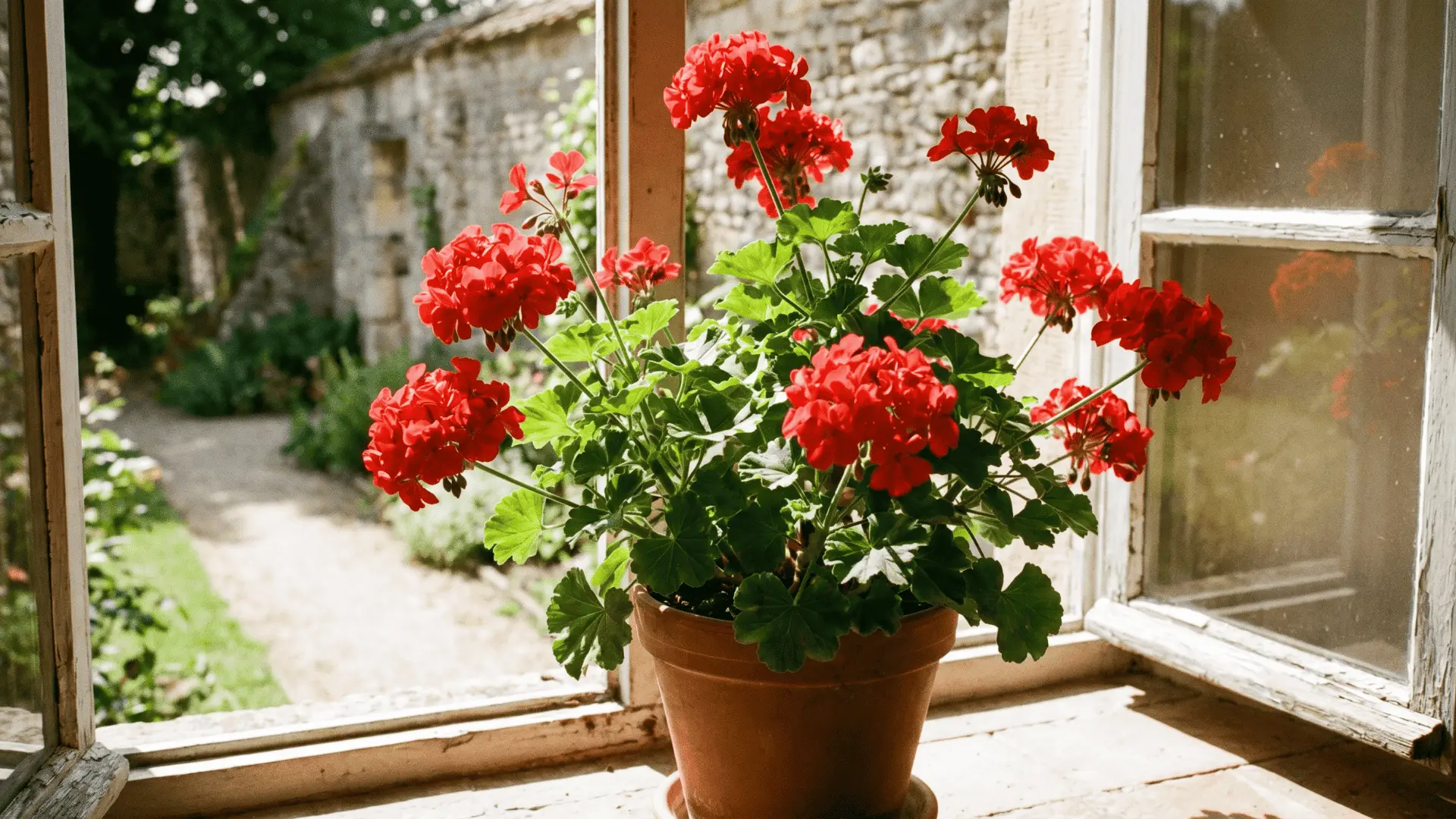
Geranium flowers are a clear sign that summer has begun. They come in colors from white and soft pink to bright red. These plants grow upright and keep blooming all season until the first frost arrives.
Give them lots of sunlight and keep the soil evenly moist. Remove spent flowers regularly to encourage fuller growth and more blooms. If you prefer a trailing type, go for P. peltatum.
- Botanical Name: Pelargonium x hybridum
- Sun Exposure: Full sun
- Soil Type: Nutrient-rich, moist, well-draining
- Soil pH: Neutral to slightly alkaline
- Bloom Time: Late spring to fall
2. Lantana
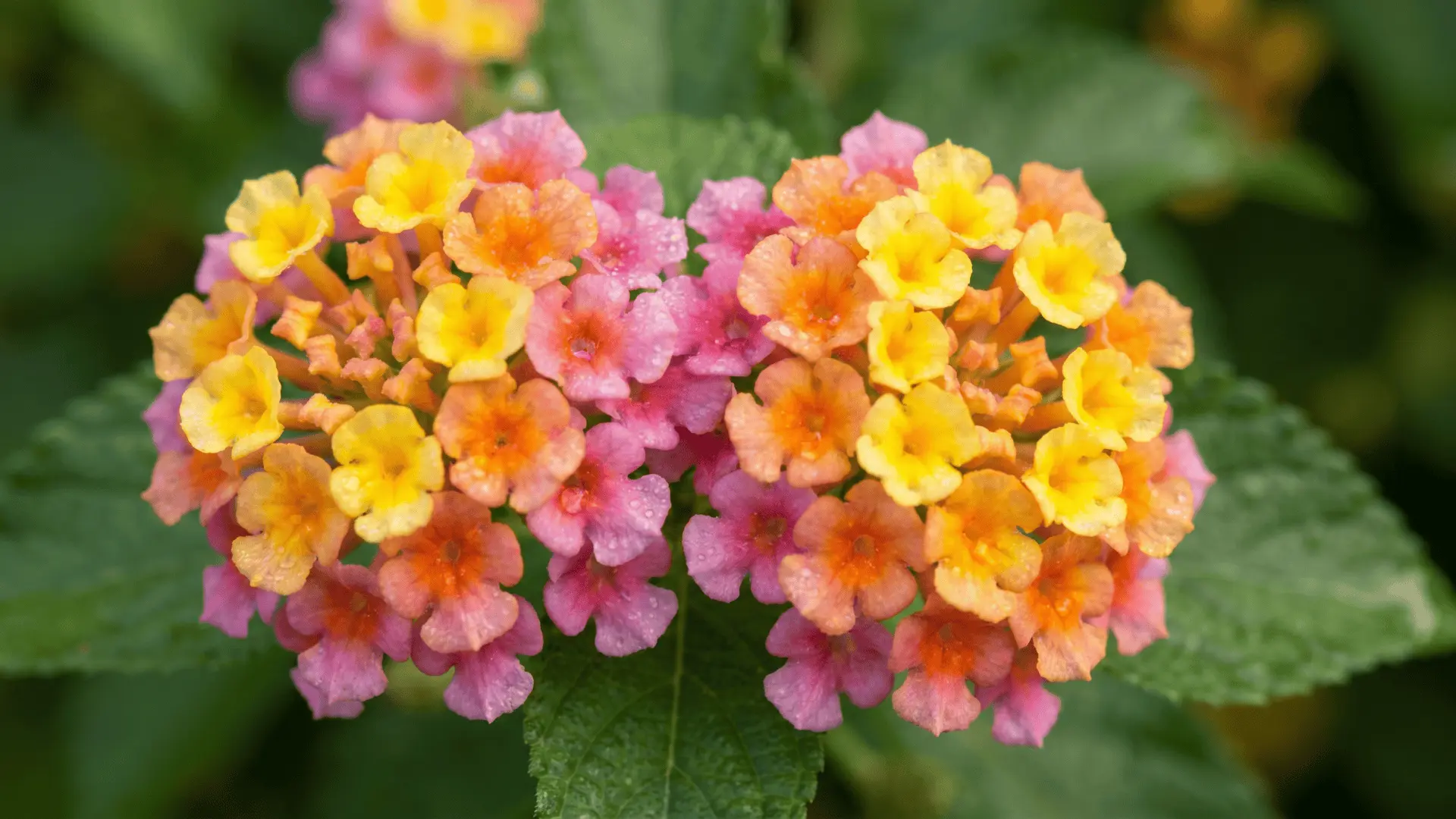
Lantana is a heat-loving plant that blooms through summer. It produces small flower clusters in a mix of bright colors. The blooms attract butterflies and other pollinators.
It handles dry conditions well once established. This plant grows fast and spreads easily. It works well in garden beds and containers.
- Botanical Name: Lantana camara
- Sun Exposure: Full sun
- Soil Type: Well-draining, average soil
- Soil pH: Slightly acidic to neutral
- Bloom Time: Late spring to fall
3. Torenia
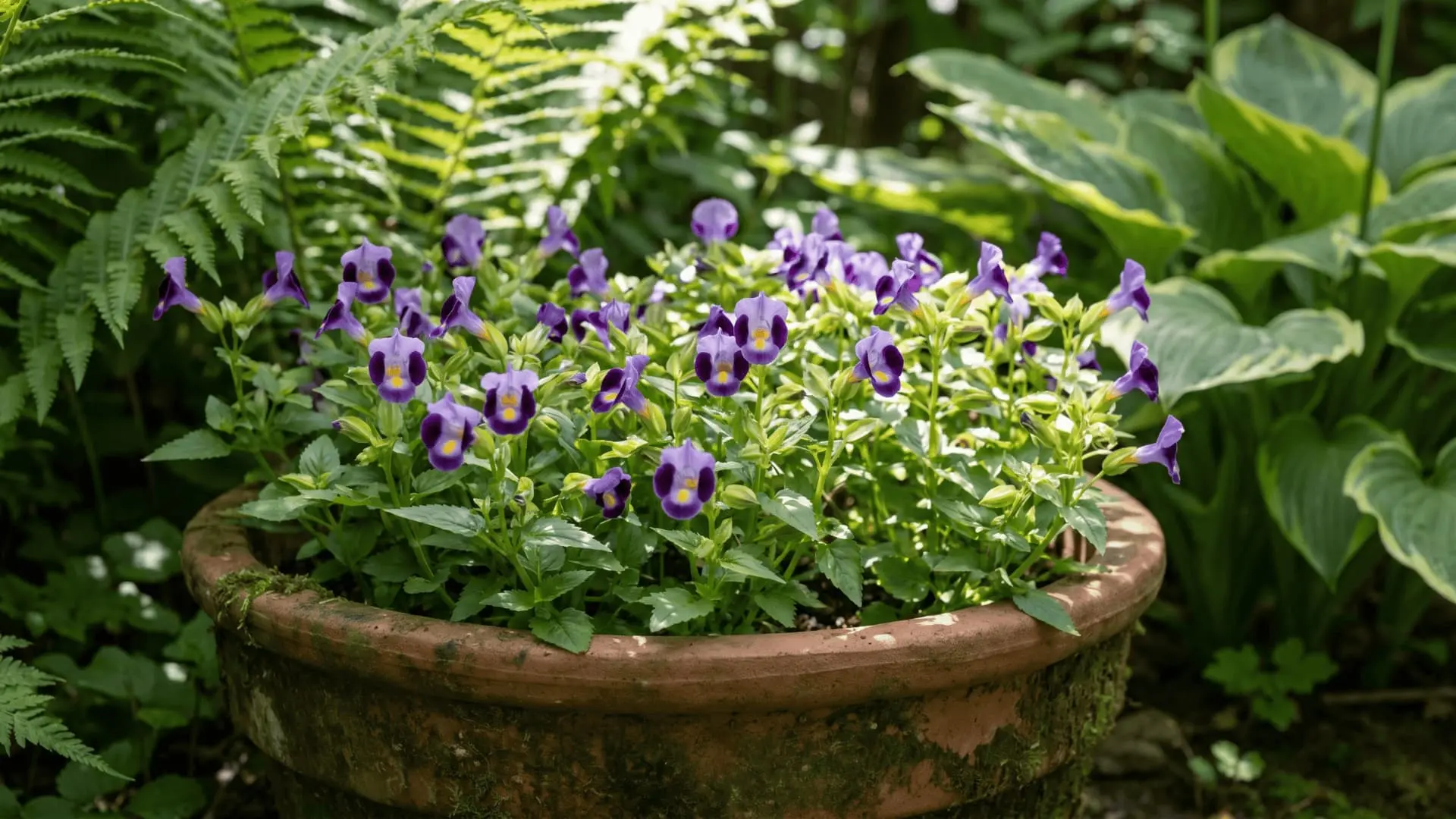
Torenia is a compact plant known for its soft, colorful blooms. It flowers well even in low-light areas.
The blooms often show purple, blue, and yellow shades.
It grows neatly and stays low to the ground. This plant adds color to shaded spots. It is a good choice for containers and borders.
- Botanical Name: Torenia fournieri
- Sun Exposure: Partial shade to full shade
- Soil Type: Moist, well-draining soil
- Soil pH: Slightly acidic to neutral
- Bloom Time: Spring to fall
4. Petunia
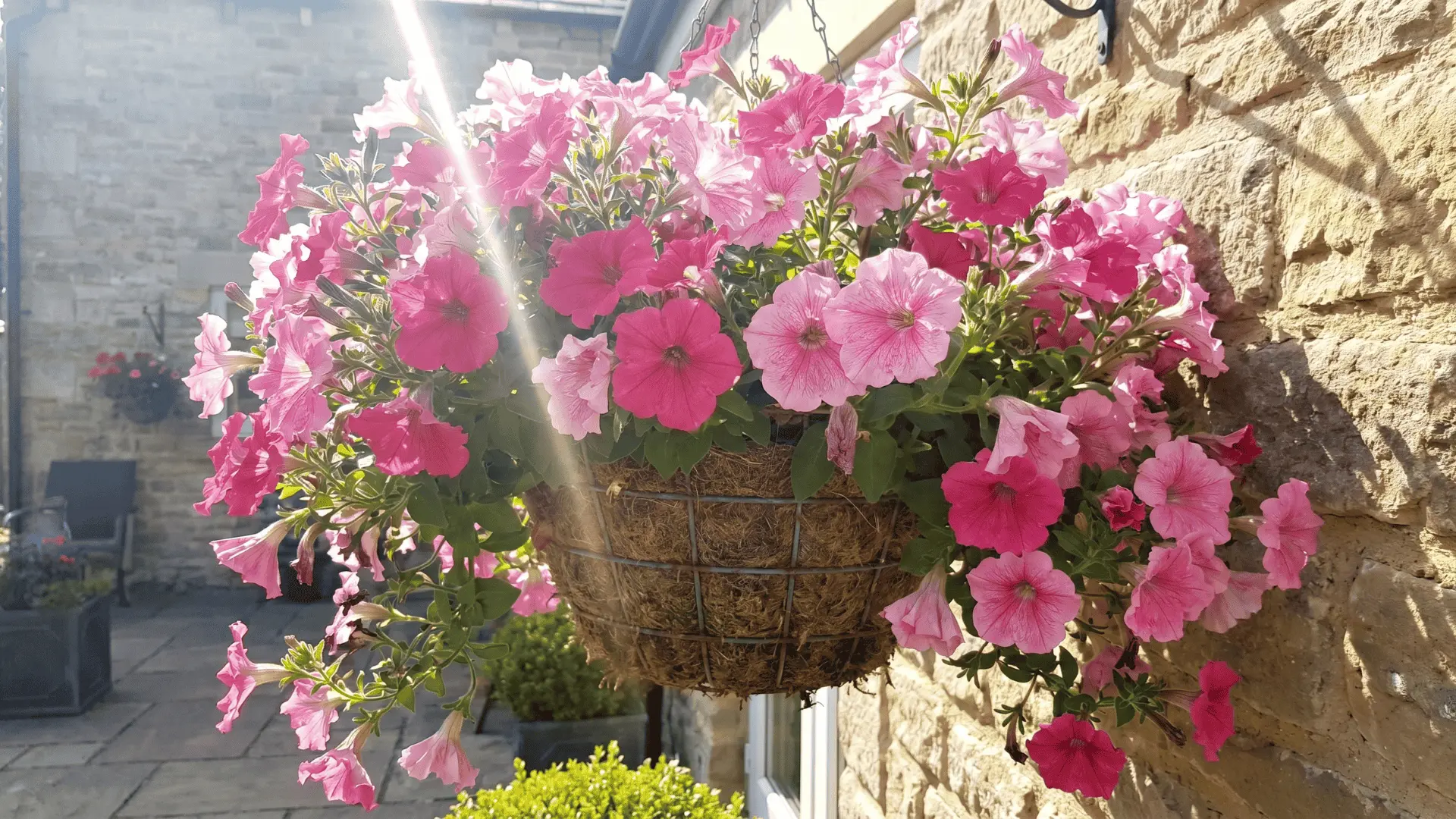
Petunias are popular summer flowers with wide, open blooms. They come in many colors, from soft pastels to deep tones. These plants bloom heavily throughout the season.
They spread or grow upright depending on the type. Regular care helps them stay full and bright. They are ideal for beds, pots, and hanging baskets.
- Botanical Name: Petunia × atkinsiana
- Sun Exposure: Full sun
- Soil Type: Well-draining, fertile soil
- Soil pH: Slightly acidic
- Bloom Time: Spring to frost
5. Scaevola
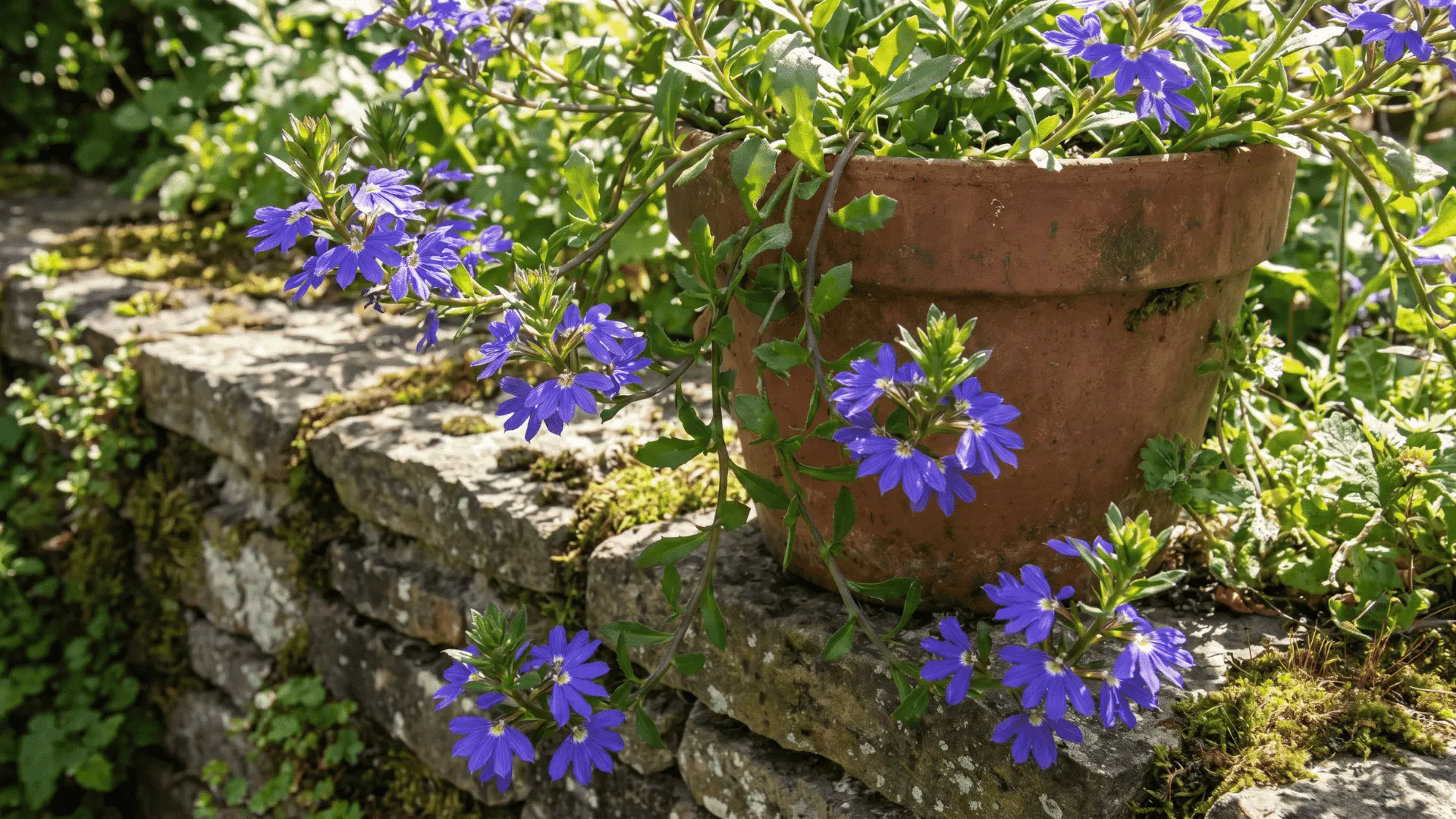
Scaevola is known for its fan-shaped flowers. It blooms steadily through warm weather. The flowers are usually blue, purple, or white.
This plant spreads nicely and fills space quickly. It handles heat and wind well. It is great for hanging baskets and edges.
- Botanical Name: Scaevola aemula
- Sun Exposure: Full sun to partial sun
- Soil Type: Well-draining soil
- Soil pH: Slightly acidic to neutral
- Bloom Time: Late spring to fall
6. Nasturtium
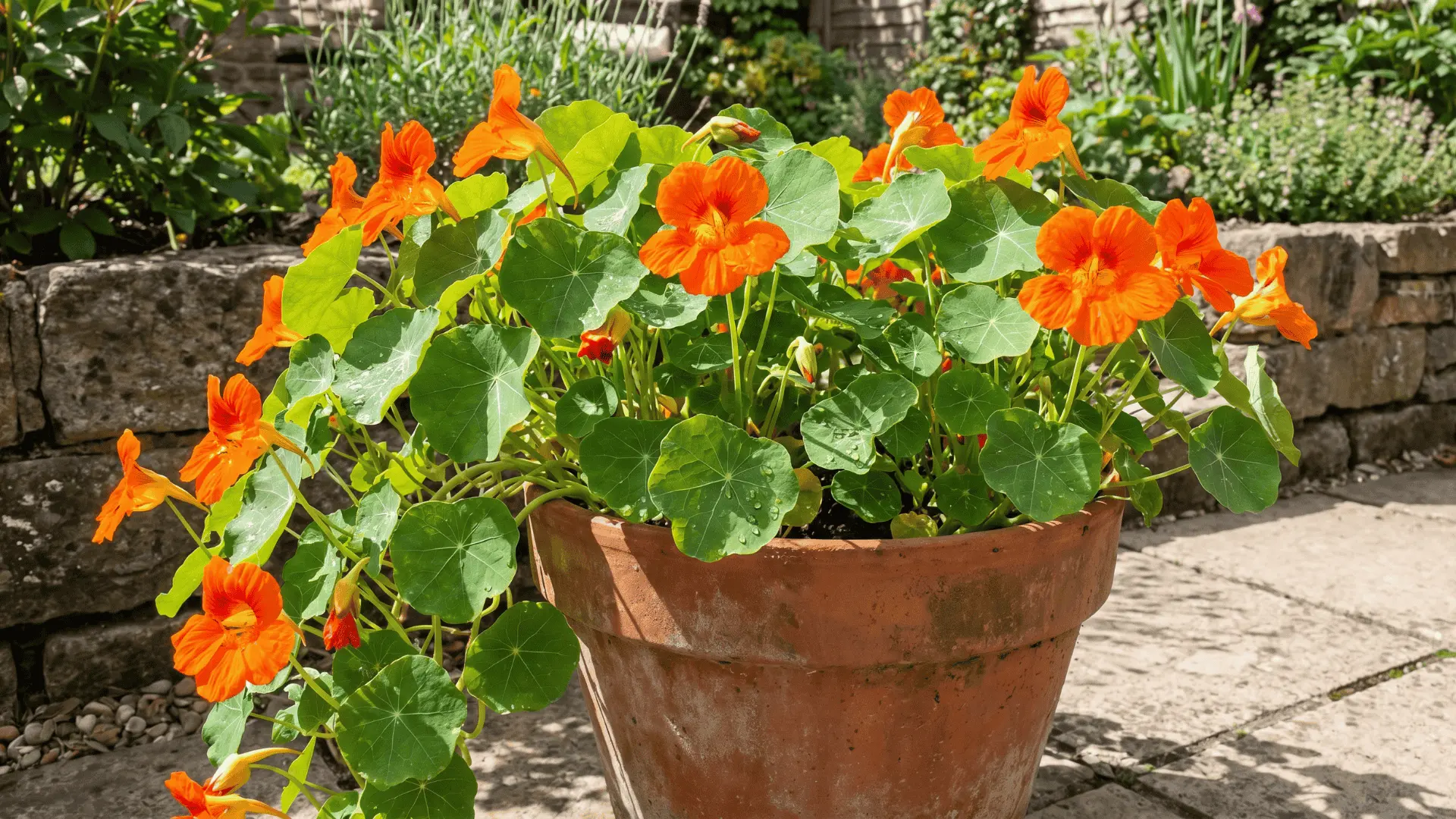
Nasturtiums are easy-to-grow plants with bright flowers. They bloom in warm tones, such as orange, red, and yellow. Both leaves and flowers are edible.
They grow quickly and spread easily. These plants do well even in poor soil. They are ideal for borders and containers.
- Botanical Name: Tropaeolum majus
- Sun Exposure: Full sun
- Soil Type: Well-draining, poor to average soil
- Soil pH: Slightly acidic to neutral
- Bloom Time: Late spring to early fall
7. Calibrachoa
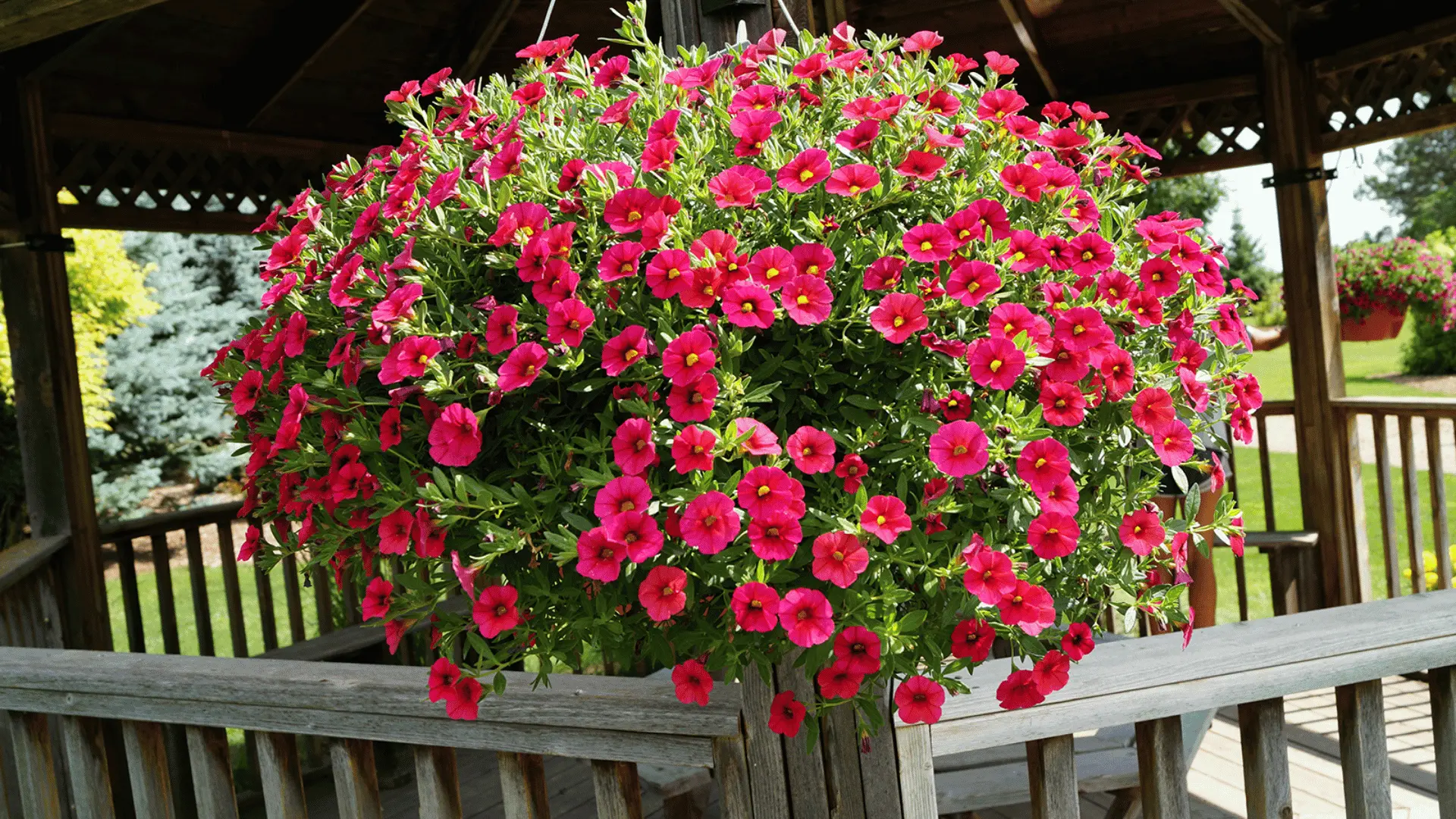
Calibrachoa produces many small, petunia-like flowers. It blooms nonstop through the growing season.
Flowers come in a wide range of bright colors.
The plant has a trailing growth habit. It does not need regular deadheading. It is ideal for hanging baskets and containers.
- Botanical Name: Calibrachoa spp.
- Sun Exposure: Full sun
- Soil Type: Well-draining, fertile soil
- Soil pH: Slightly acidic
- Bloom Time: Spring to frost
8. Hellebores
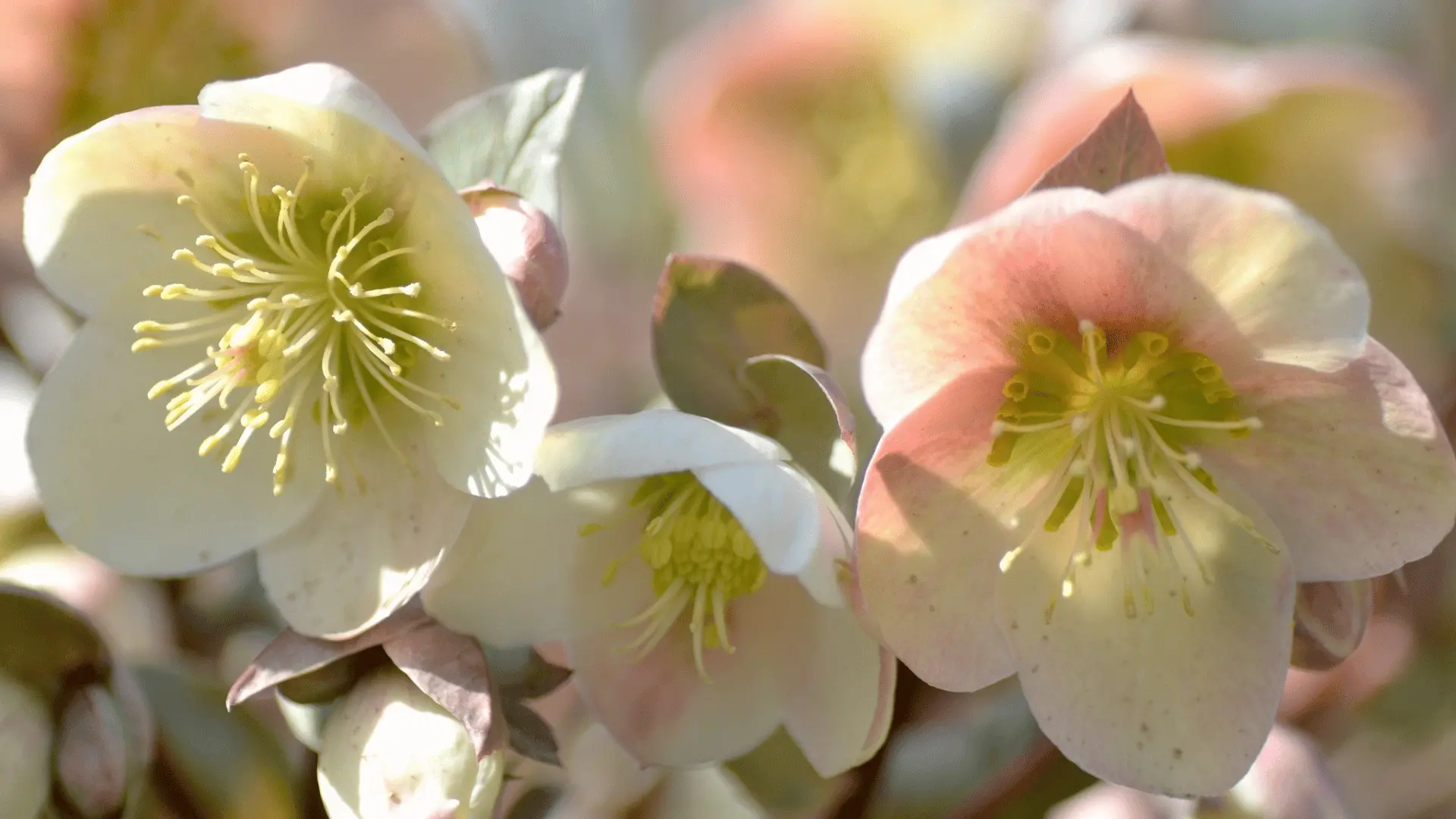
Hellebores bloom early and last for a long time. They are known for their soft, nodding flowers. Colors include white, pink, purple, and green tones.
They grow well in cooler conditions. These plants are low-maintenance once established. They are perfect for shaded garden areas.
- Botanical Name: Helleborus spp
- Sun Exposure: Partial shade
- Soil Type: Rich, well-draining soil
- Soil pH: Neutral to slightly alkaline
- Bloom Time: Late winter to early spring
9. Zinnia
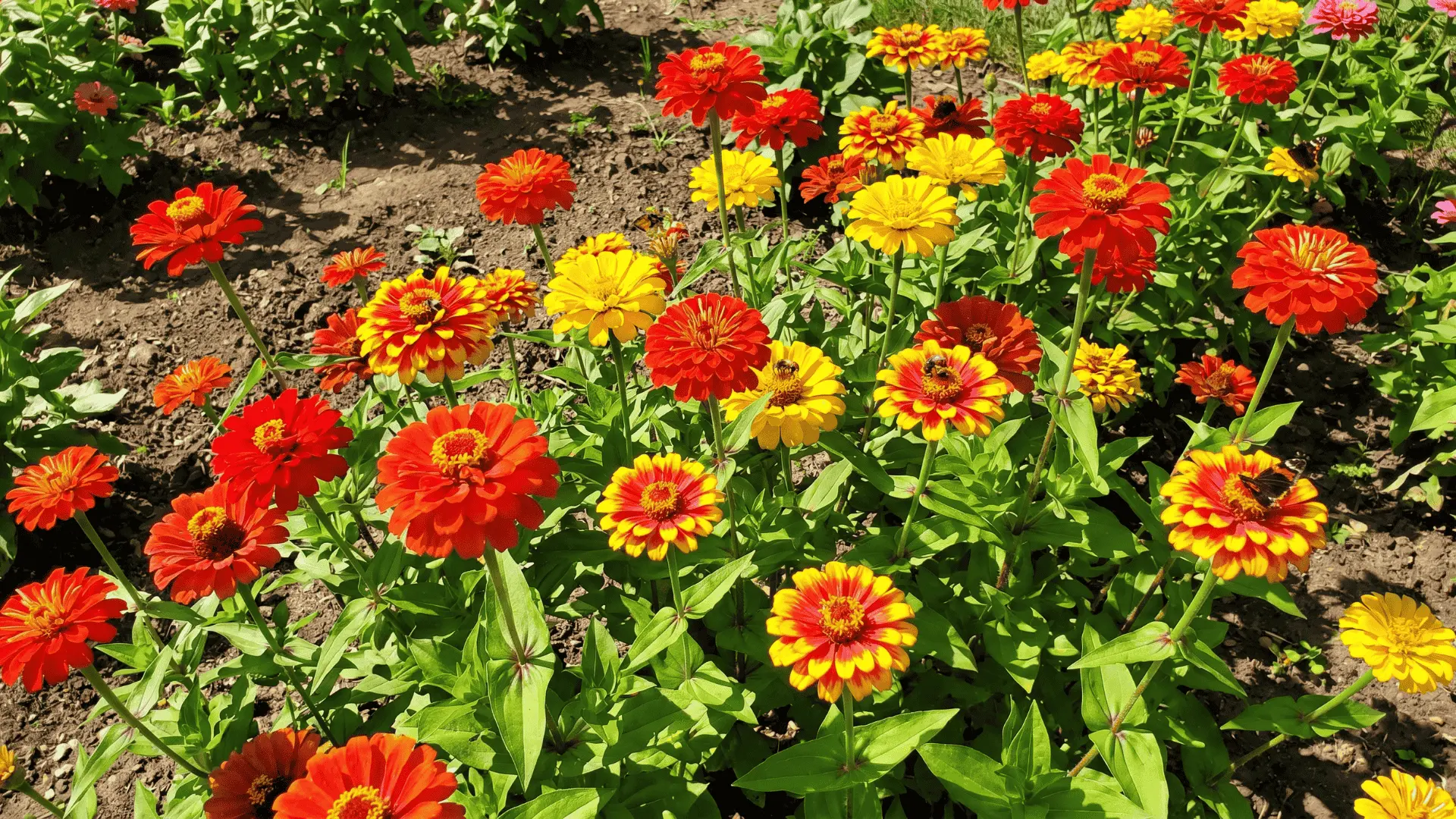
Zinnias are bright and cheerful summer flowers. They bloom in many bold and vibrant colors. The flowers stand upright on strong stems.
They attract butterflies and other pollinators. These plants are easy to grow from seeds. They work well in garden beds and borders.
- Botanical Name: Zinnia elegans
- Sun Exposure: Full sun
- Soil Type: Well-draining, average soil
- Soil pH: Neutral
- Bloom Time: Late spring to fall
10. Fuchsia
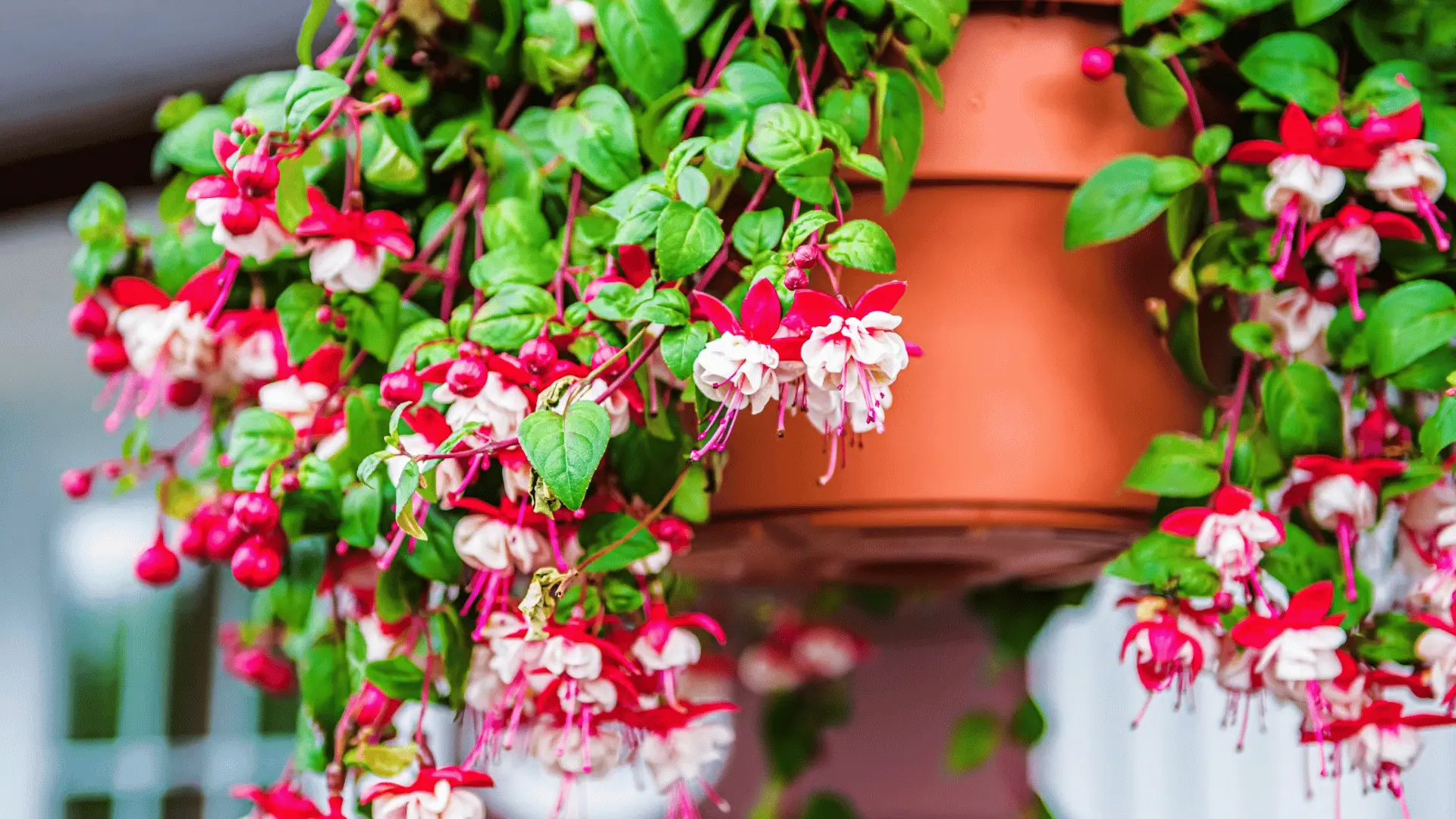
Fuchsia plants are known for their hanging, two-tone blooms. The flowers often feature shades of pink, purple, and white. They grow best in cooler and shaded spots.
These plants prefer steady moisture. They add color to patios and shaded corners. They are commonly used in hanging baskets.
- Botanical Name: Fuchsia spp
- Sun Exposure: Partial shade to full shade
- Soil Type: Moist, well-draining soil
- Soil pH: Slightly acidic to neutral
- Bloom Time: Spring to fall
11. Impatiens
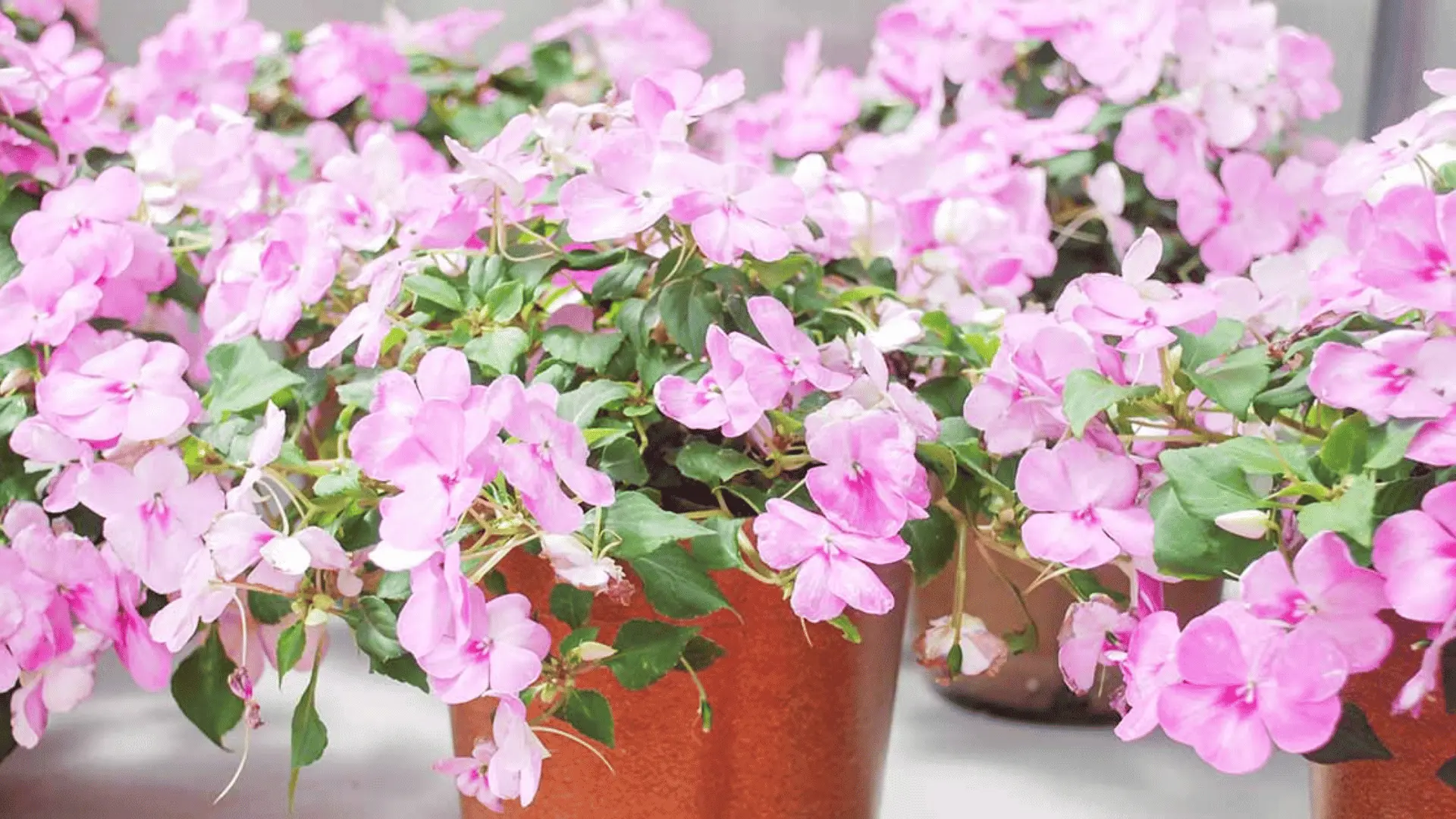
Impatiens are popular for their bright colors in shaded areas. They bloom in shades like pink, red, white, and purple. The plant grows low to the ground and spreads evenly.
It flowers continuously in warm weather. It needs regular watering to stay healthy. It is perfect for beds, borders, and pots.
- Botanical Name: Impatiens walleriana
- Sun Exposure: Partial shade to full shade
- Soil Type: Moist, well-draining soil
- Soil pH: Slightly acidic
- Bloom Time: Spring to fall
12. Marigolds
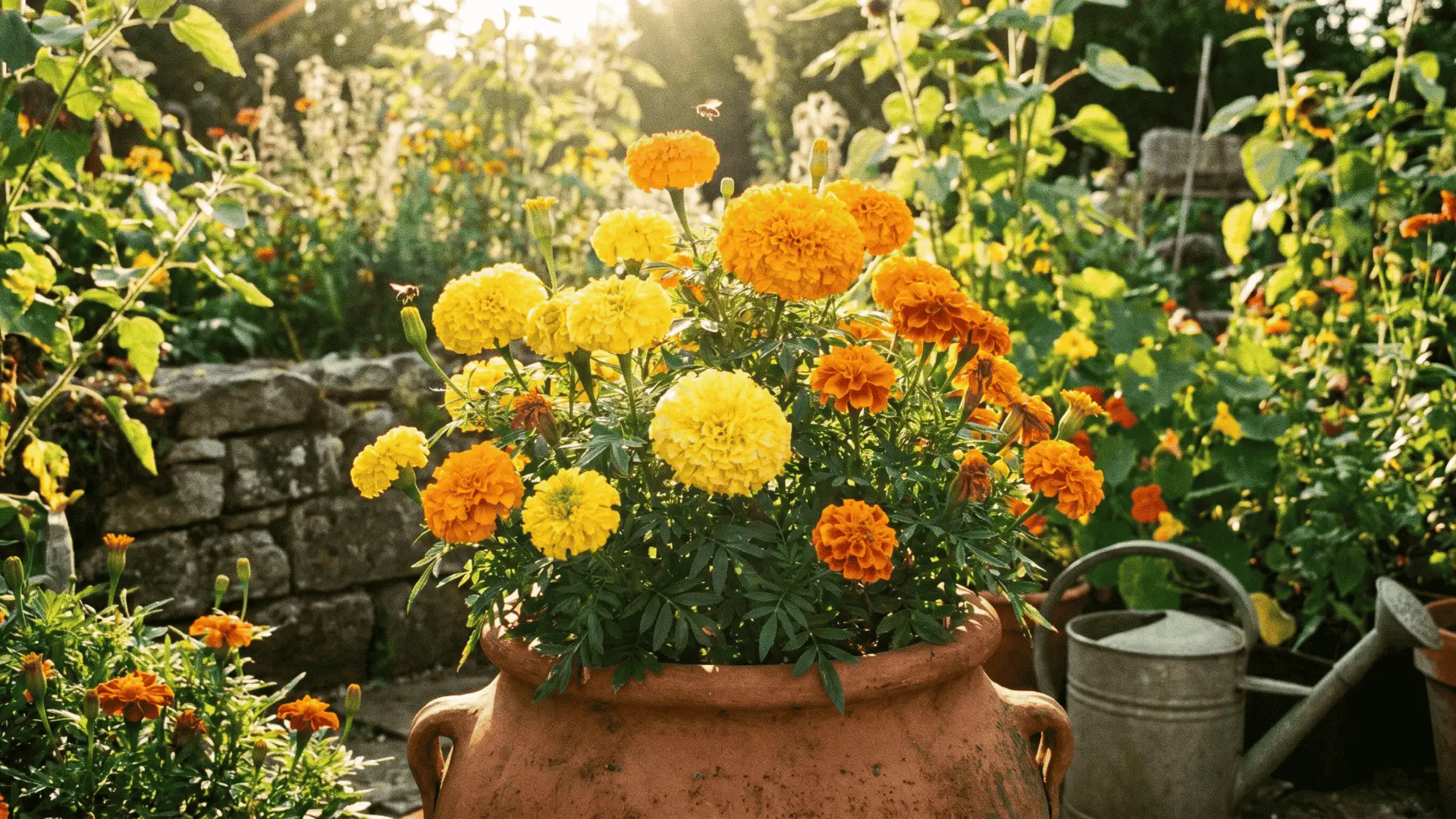
Marigolds are hardy flowers with bright yellow and orange blooms. They grow well in hot weather. The flowers have a strong scent.
They help keep some garden pests away. These plants are easy to grow and maintain. They are great for beds, borders, and pots.
- Botanical Name: Tagetes spp
- Sun Exposure: Full sun
- Soil Type: Well-draining, average soil
- Soil pH: Slightly acidic to neutral
- Bloom Time: Late spring to frost
13. SunPatiens
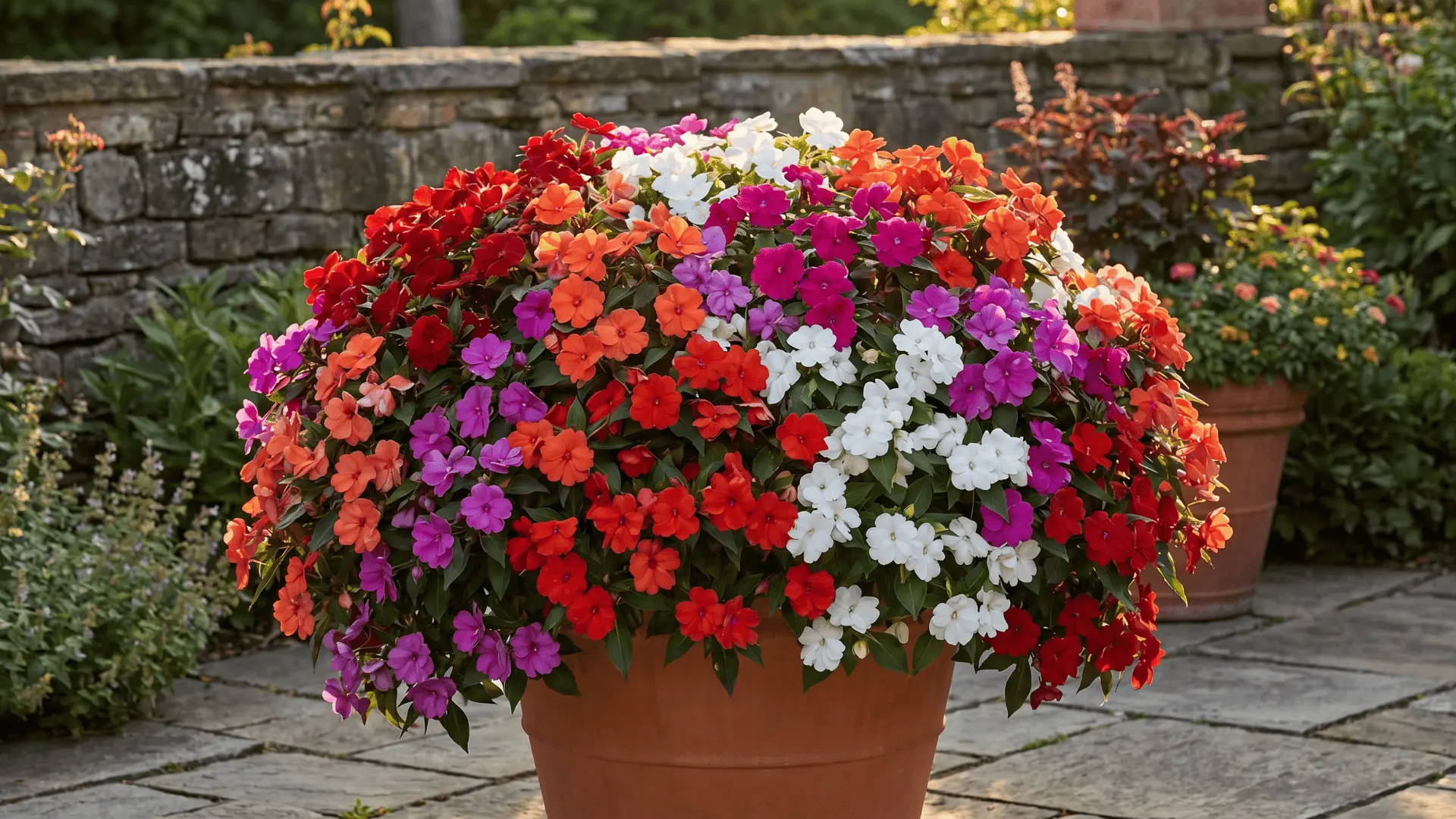
SunPatiens are a stronger type of impatiens. They can handle more sunlight than regular impatiens. They bloom in bright and bold colors.
The plant grows larger and fuller. It flowers nonstop through the season. It works well in both sun and partial shade.
- Botanical Name: Impatiens hawkeri hybrid
- Sun Exposure: Full sun to partial shade
- Soil Type: Moist, well-draining soil
- Soil pH: Slightly acidic
- Bloom Time: Spring to fall
14. Mandevilla
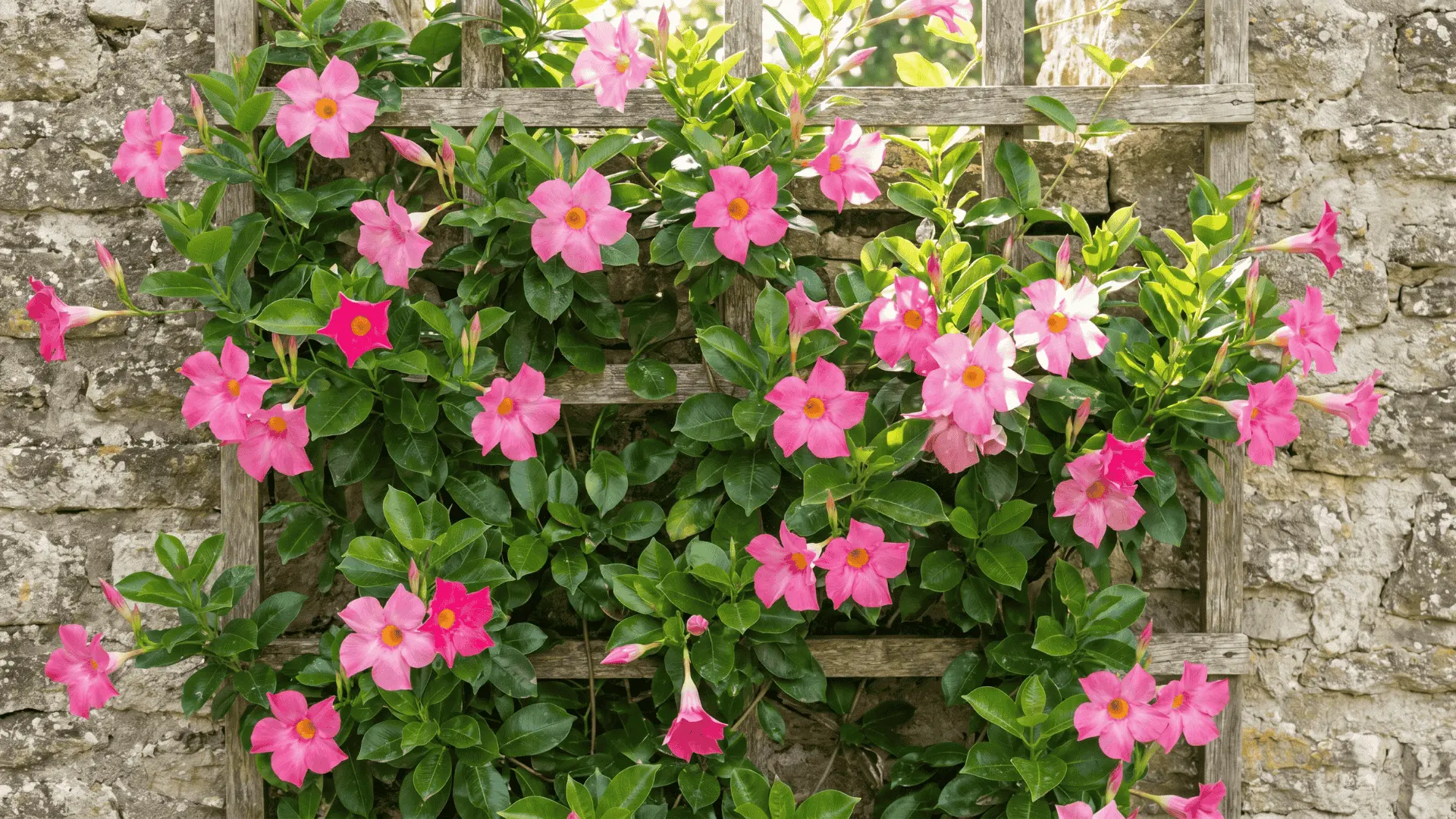
Mandevilla is a climbing plant with large trumpet-shaped flowers. The blooms are usually pink, red, or white. It grows well in warm and sunny conditions.
This plant can climb with support or trail in containers. It needs regular watering in well-drained soil. It adds height and color to outdoor spaces.
- Botanical Name: Mandevilla spp.
- Sun Exposure: Full sun to partial sun
- Soil Type: Well-draining, rich soil
- Soil pH: Slightly acidic to neutral
- Bloom Time: Late spring to fall
15. Forced Narcissus (Daffodils)
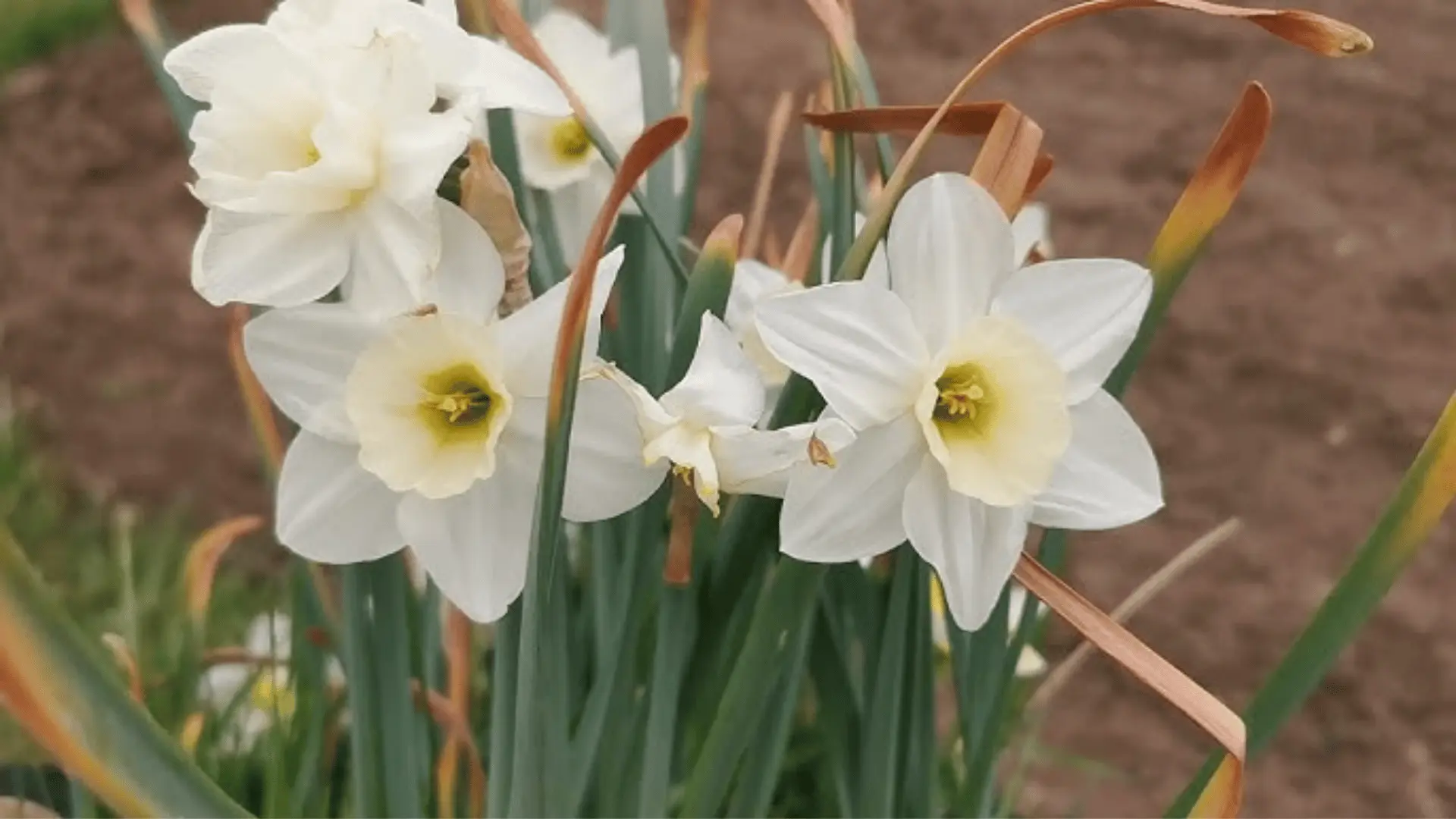
Forced daffodils bloom indoors before their natural season. They produce bright yellow or white trumpet-shaped flowers. These blooms bring early color to indoor spaces.
They grow from bulbs placed in water or soil. They are easy to grow with minimal care. They are often used for seasonal decoration.
- Botanical Name: Narcissus spp.
- Sun Exposure: Bright indirect light
- Soil Type: Well-draining soil or water setup
- Soil pH: Neutral to slightly acidic
- Bloom Time: Late winter to early spring
16. Violas
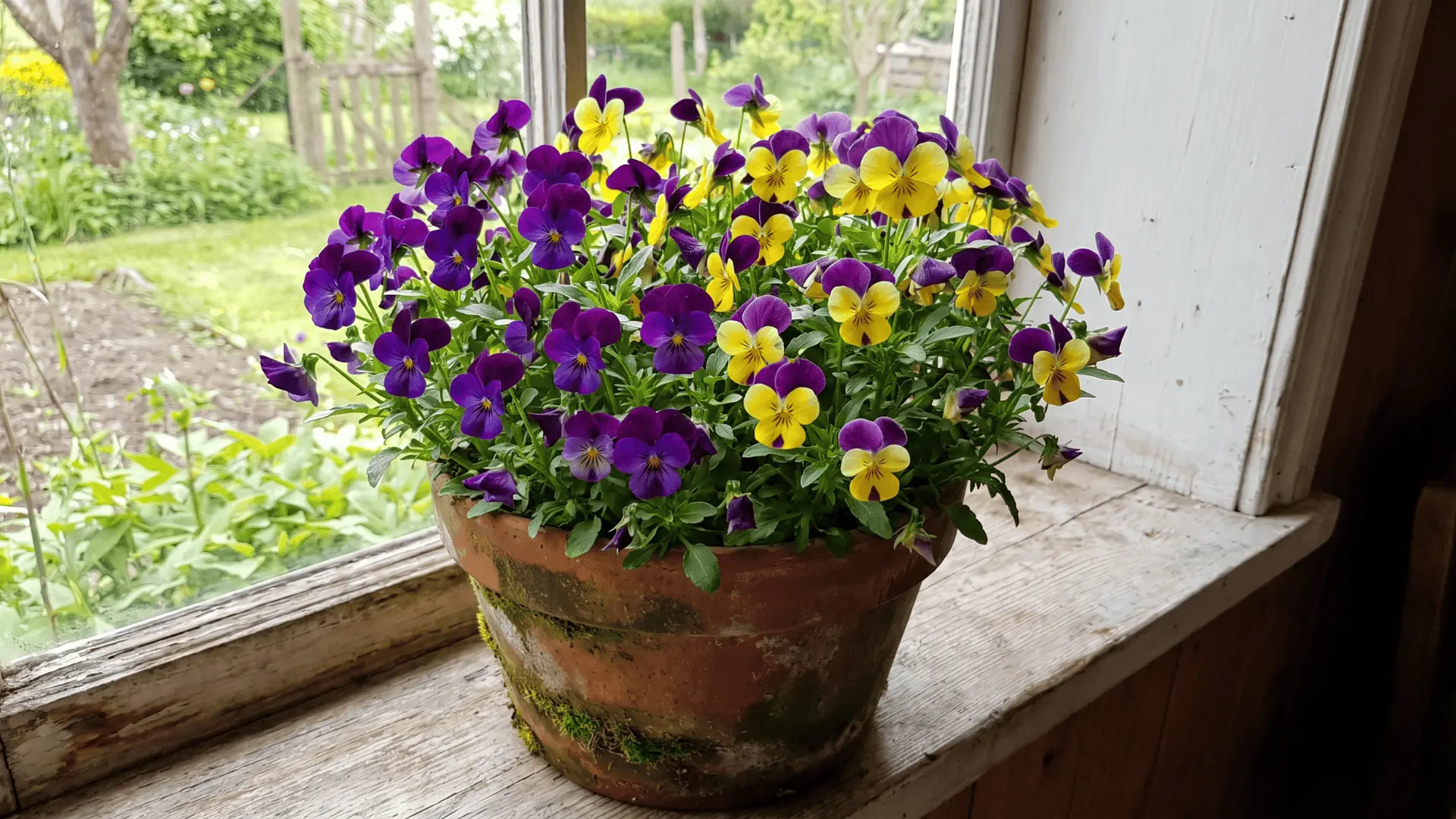
Violas are small flowers that bloom in cool weather. They come in soft shades of purple, yellow, and white. These plants stay compact and neat.
They can handle light frost easily. They bloom for a long time in mild conditions. They are great for borders and containers.
- Botanical Name: Viola spp.
- Sun Exposure: Full sun to partial shade
- Soil Type: Moist, well-draining soil
- Soil pH: Slightly acidic to neutral
- Bloom Time: Late winter to spring
17. Pansies
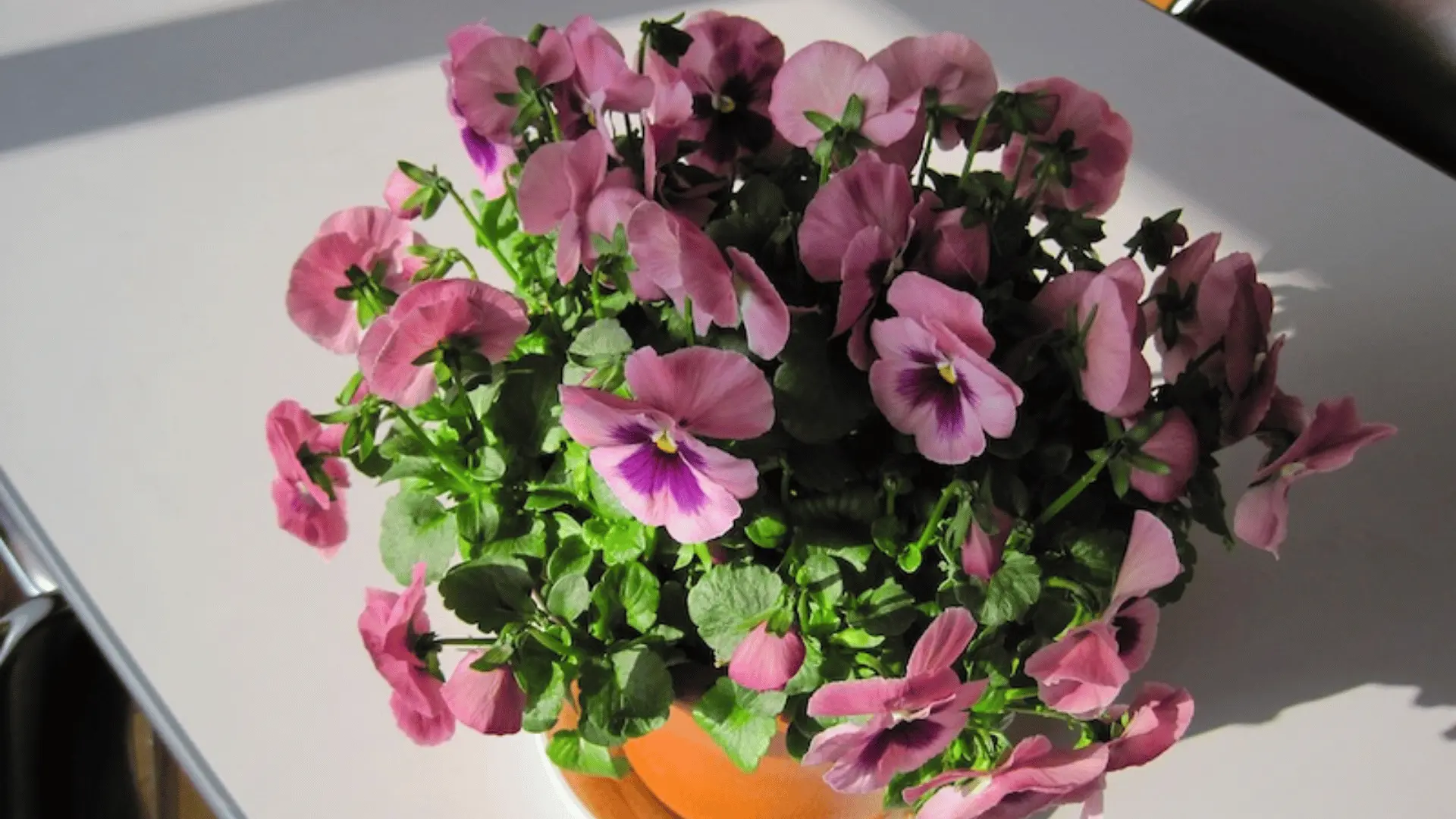
Pansies are known for their large, colorful blooms. They often have dark centers with bright petals. These flowers grow best in cooler weather.
They can tolerate light frost. They bloom for a long stretch of time. They are ideal for beds, pots, and borders.
- Botanical Name: Viola × wittrockiana
- Sun Exposure: Full sun to partial shade
- Soil Type: Moist, well-draining soil
- Soil pH: Slightly acidic to neutral
- Bloom Time: Late winter to spring
18. Muscari (Grape Hyacinths)
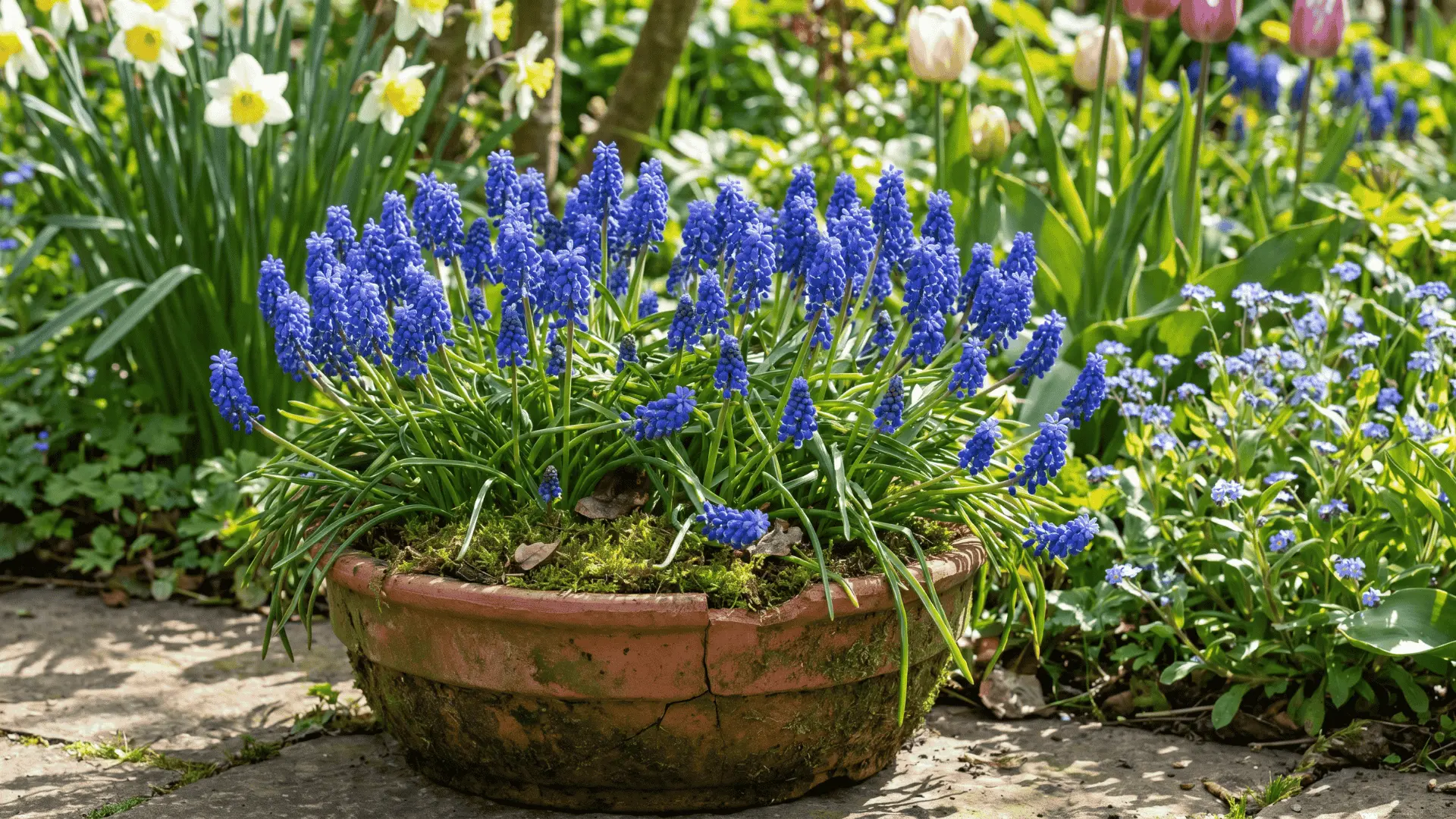
Muscari produces small, clustered flowers that look like grapes. They usually bloom in shades of blue and purple. These plants grow from bulbs.
They bloom in early spring. They are easy to grow and multiply over time. They are great for borders and ground cover.
- Botanical Name: Muscari spp.
- Sun Exposure: Full sun to partial shade
- Soil Type: Well-draining soil
- Soil pH: Neutral to slightly alkaline
- Bloom Time: Early spring
19. Nemesia
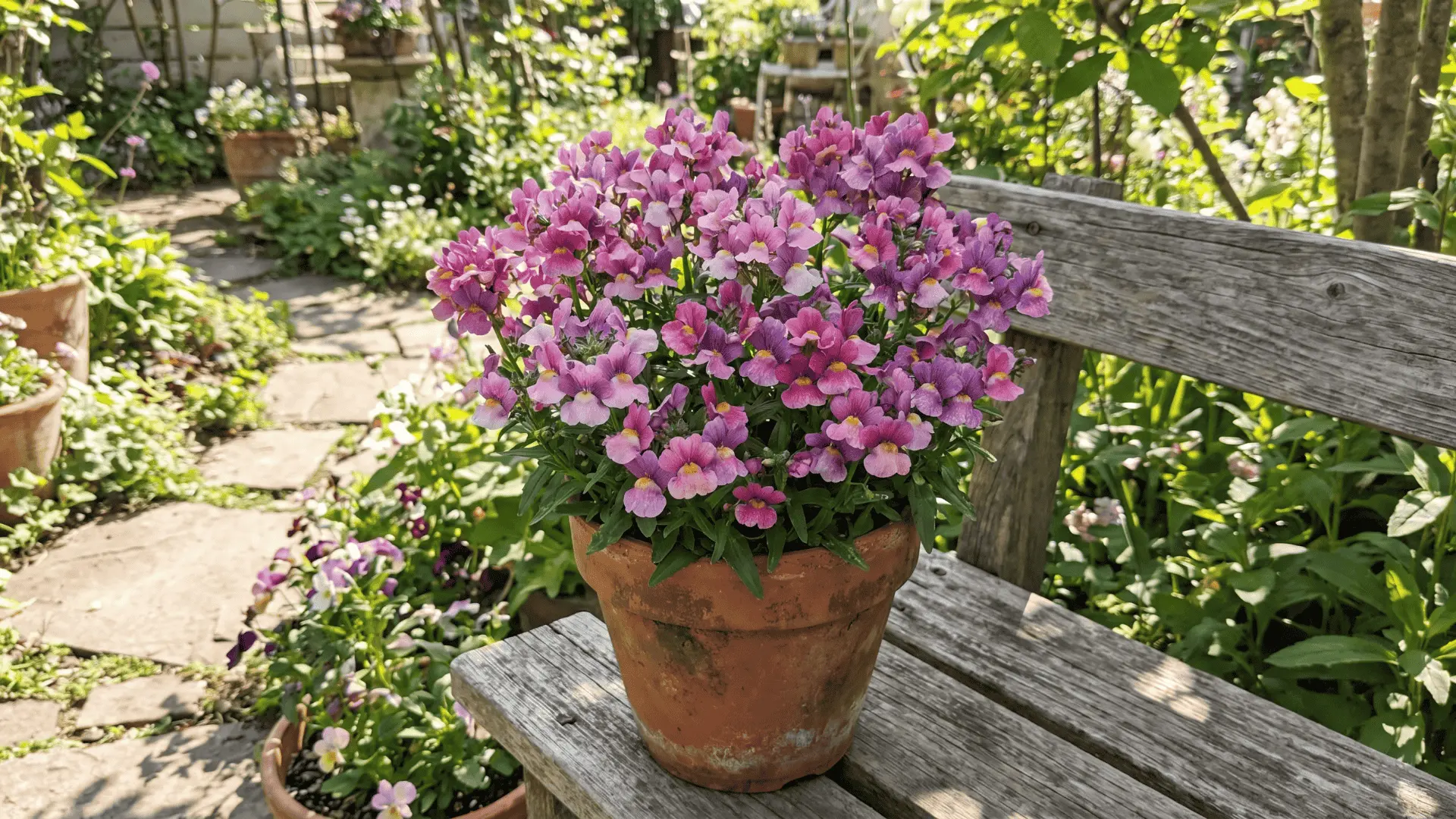
Nemesia has small, soft blooms with a light scent. Flowers come in shades like pink, purple, and white. It blooms best in mild weather.
The plant stays compact and bushy. It needs regular watering for best growth. It works well in containers and borders.
- Botanical Name: Nemesia spp.
- Sun Exposure: Full sun to partial shade
- Soil Type: Moist, well-draining soil
- Soil pH: Slightly acidic to neutral
- Bloom Time: Spring to early summer
20. Matthiola (Stock)
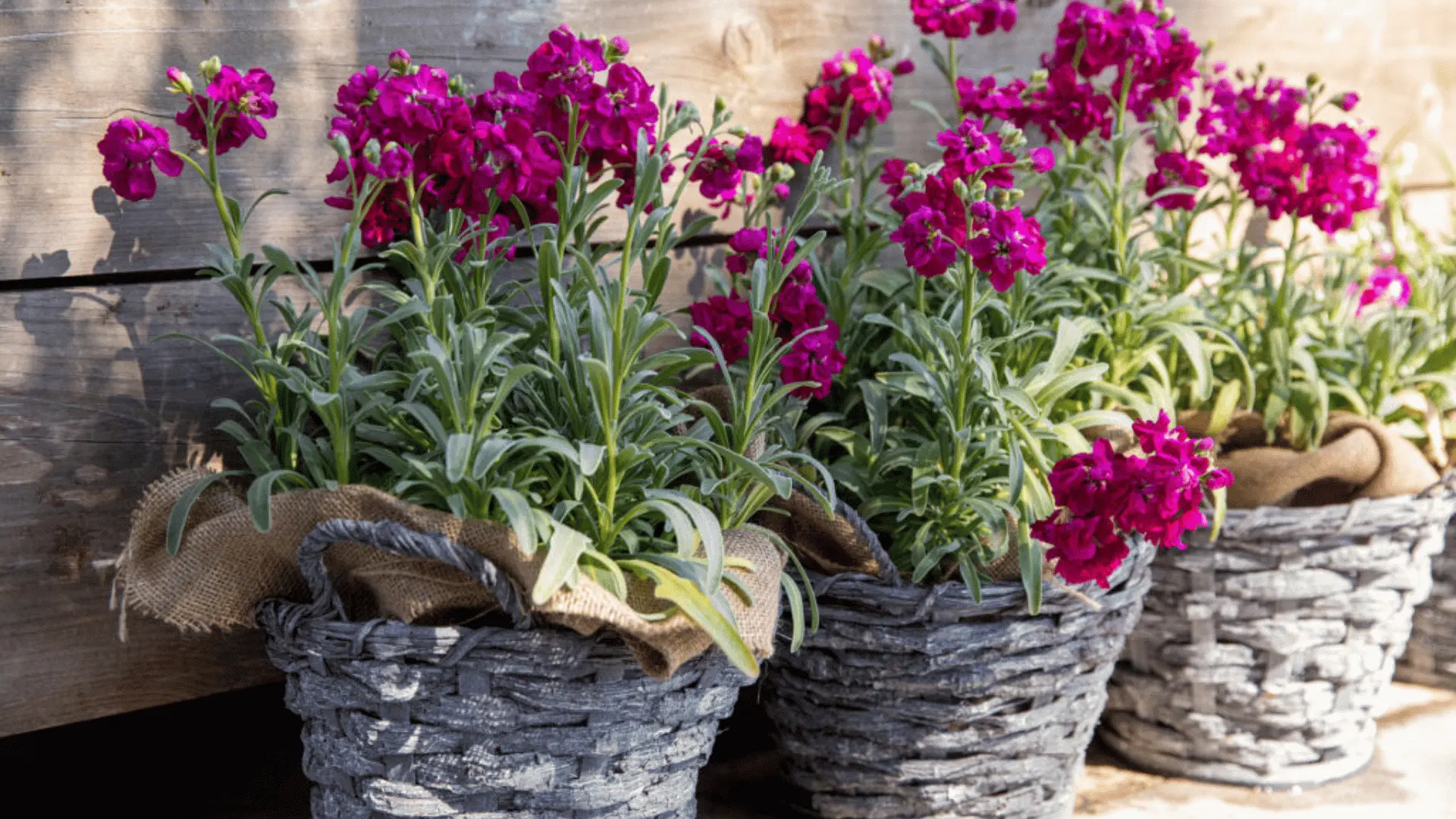
Stock flowers are known for their strong fragrance. They produce dense spikes of soft-colored blooms. Colors include pink, white, purple, and cream.
They grow best in cool weather. These plants add scent to garden spaces. They are often used in beds and containers.
- Botanical Name: Matthiola incana
- Sun Exposure: Medium
- Soil Type: Rich, well-draining soil
- Soil pH: Neutral to slightly alkaline
- Bloom Time: Spring
21. Heuchera (Coral Bells)
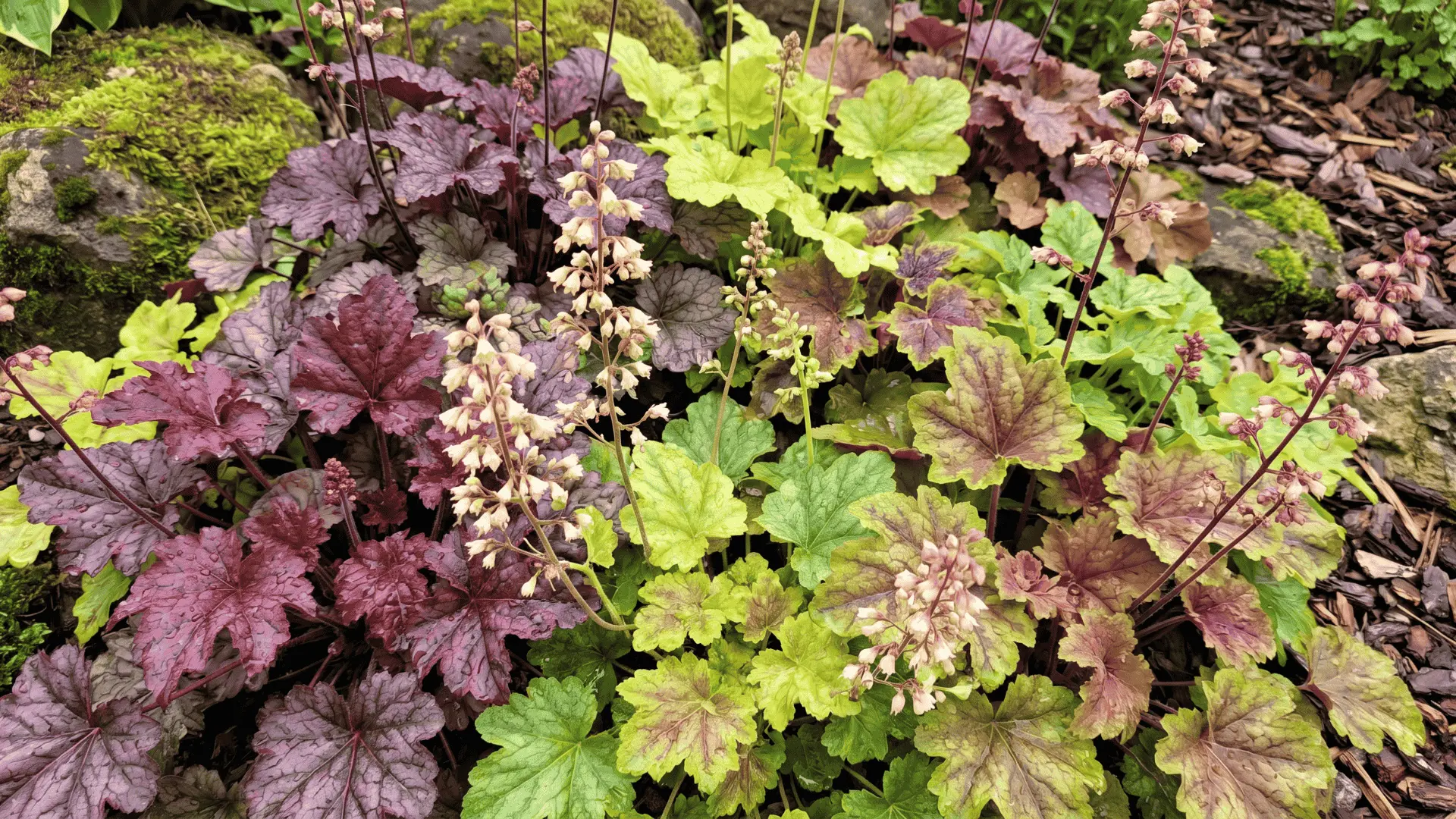
Heuchera is valued for its colorful foliage. Leaves come in shades like green, purple, and bronze. It also produces small flower spikes. The plant grows in neat clumps.
It adds texture to shaded areas. It is great for borders and containers. It is easy to grow and needs little care once established. It works well with other shade-loving plants to create a full look.
- Botanical Name: Heuchera spp.
- Sun Exposure: Partial shade
- Soil Type: Well-draining, rich soil
- Soil pH: Neutral to slightly acidic
- Bloom Time: Late spring to early summer
22. Lobularia (Sweet Alyssum)
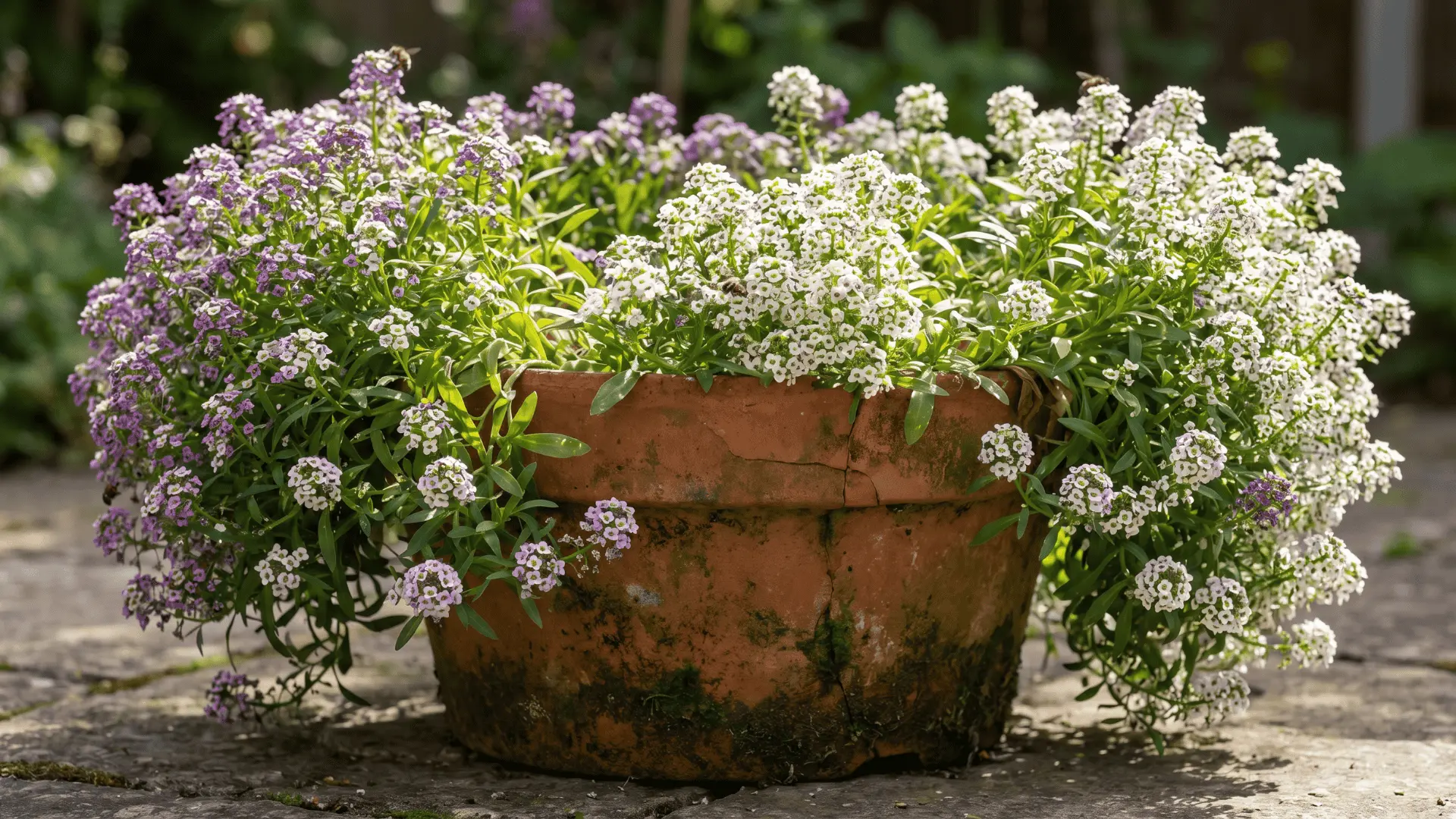
Sweet Alyssum produces small, clustered flowers. It often blooms in white, pink, or purple shades.
The flowers have a light, sweet scent.
It spreads low and covers the ground. It blooms for a long period in mild weather. It is ideal for edges and containers.
- Botanical Name: Lobularia maritima
- Sun Exposure: Full sun to partial shade
- Soil Type: Well-draining soil
- Soil pH: Slightly acidic to neutral
- Bloom Time: Spring to fall
23. Lamium
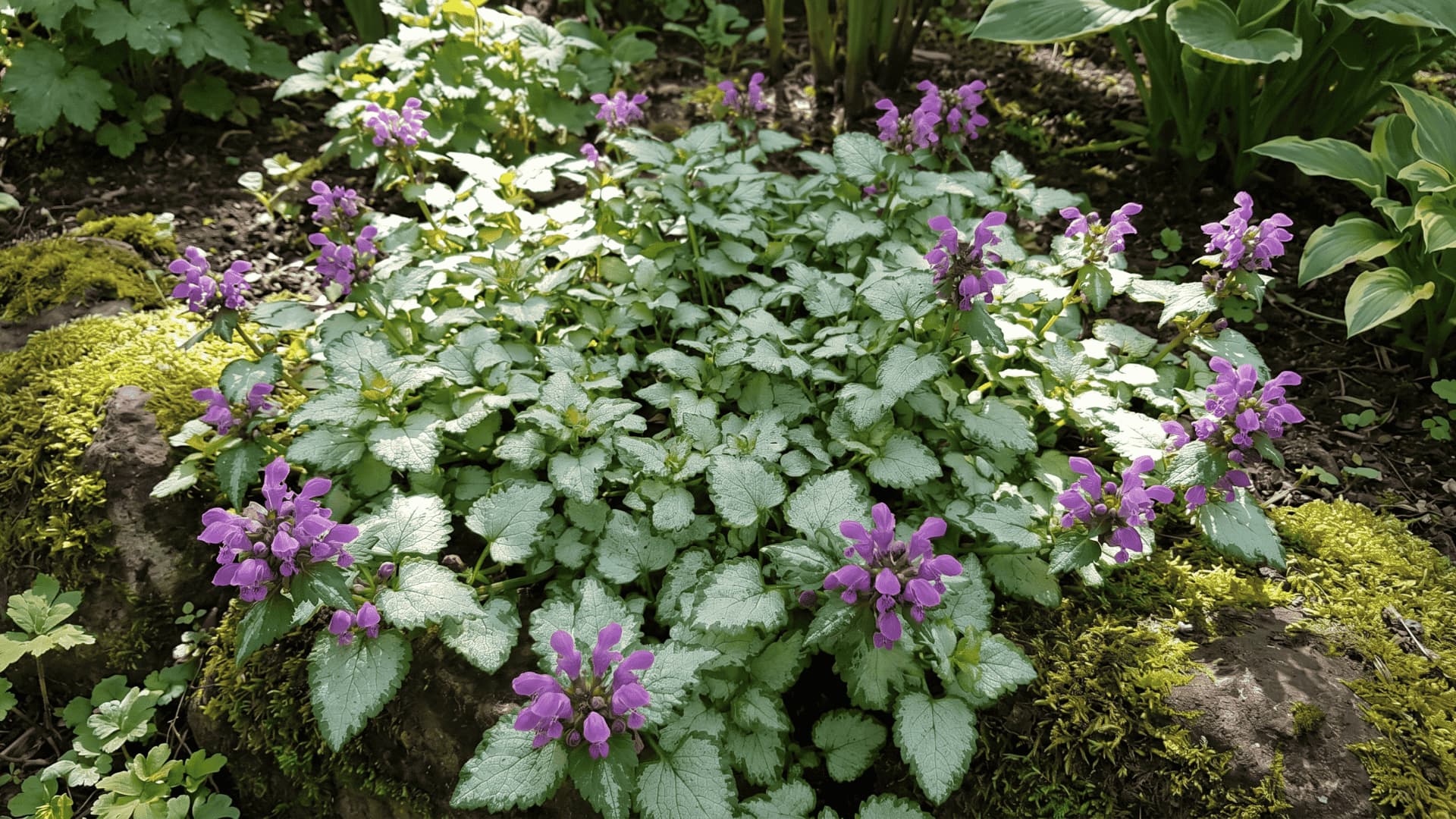
Lamium is a low-growing plant with patterned leaves. It produces small pink, purple, or white flowers.
The plant spreads quickly as ground cover.
It grows well in shaded areas. It needs moderate watering. It is useful for filling empty garden spaces.
- Botanical Name: Lamium maculatum
- Sun Exposure: Partial shade to full shade
- Soil Type: Moist, well-draining soil
- Soil pH: Slightly acidic to neutral
- Bloom Time: Late spring to summer
24. Red Flamingo Flower (Anthurium)
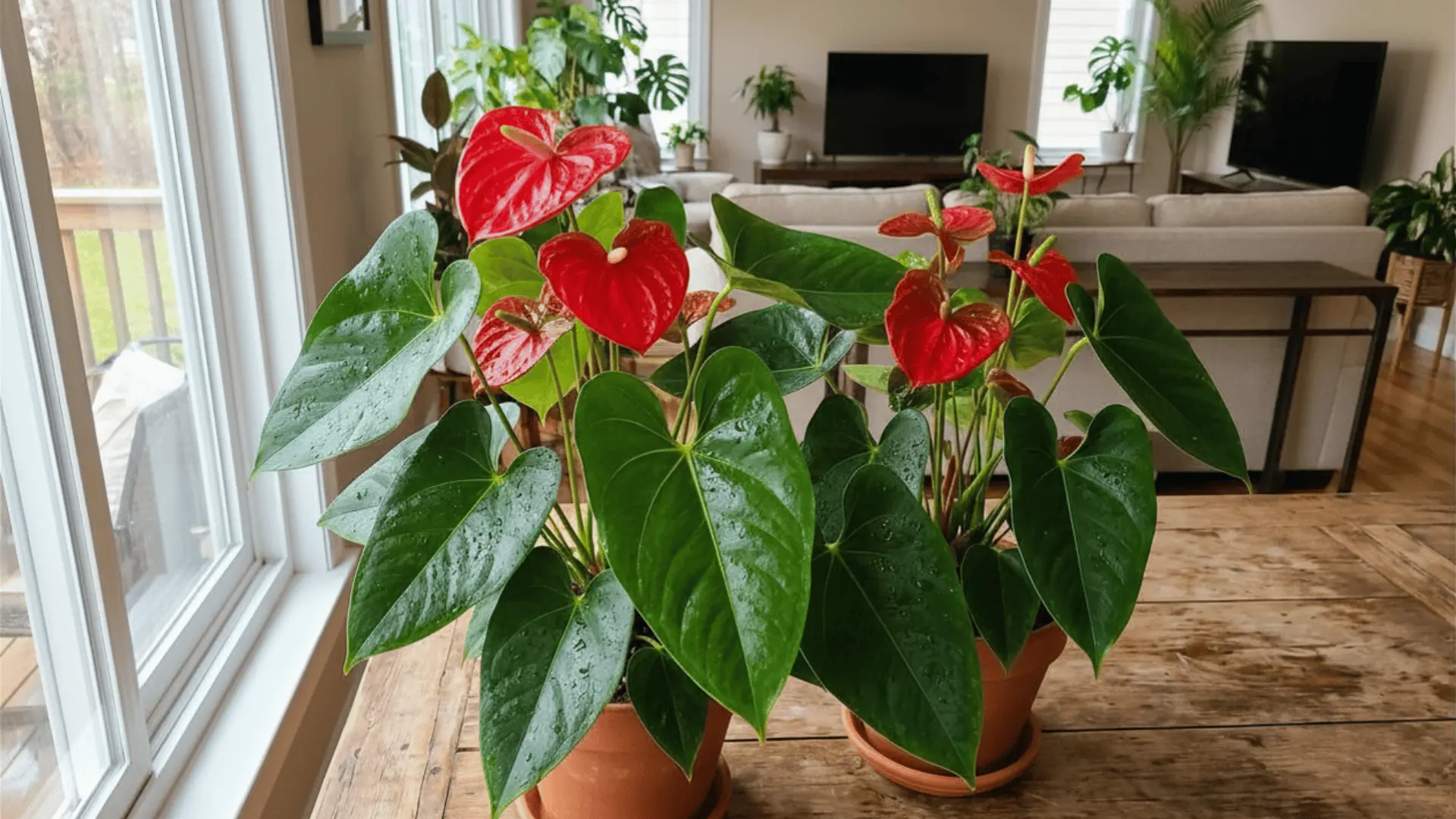
Anthurium is known for its glossy leaves and bright blooms. The flowers are heart-shaped and often red or pink.
It blooms well indoors with the right care. This plant prefers warm and humid conditions. It adds bold color to indoor spaces. It is popular as a decorative houseplant.
- Botanical Name: Anthurium andraeanum
- Sun Exposure: Bright indirect light
- Soil Type: Well-draining, rich soil
- Soil pH: Slightly acidic
- Bloom Time: Year-round (peaks in spring and summer)
25. Peace Lily
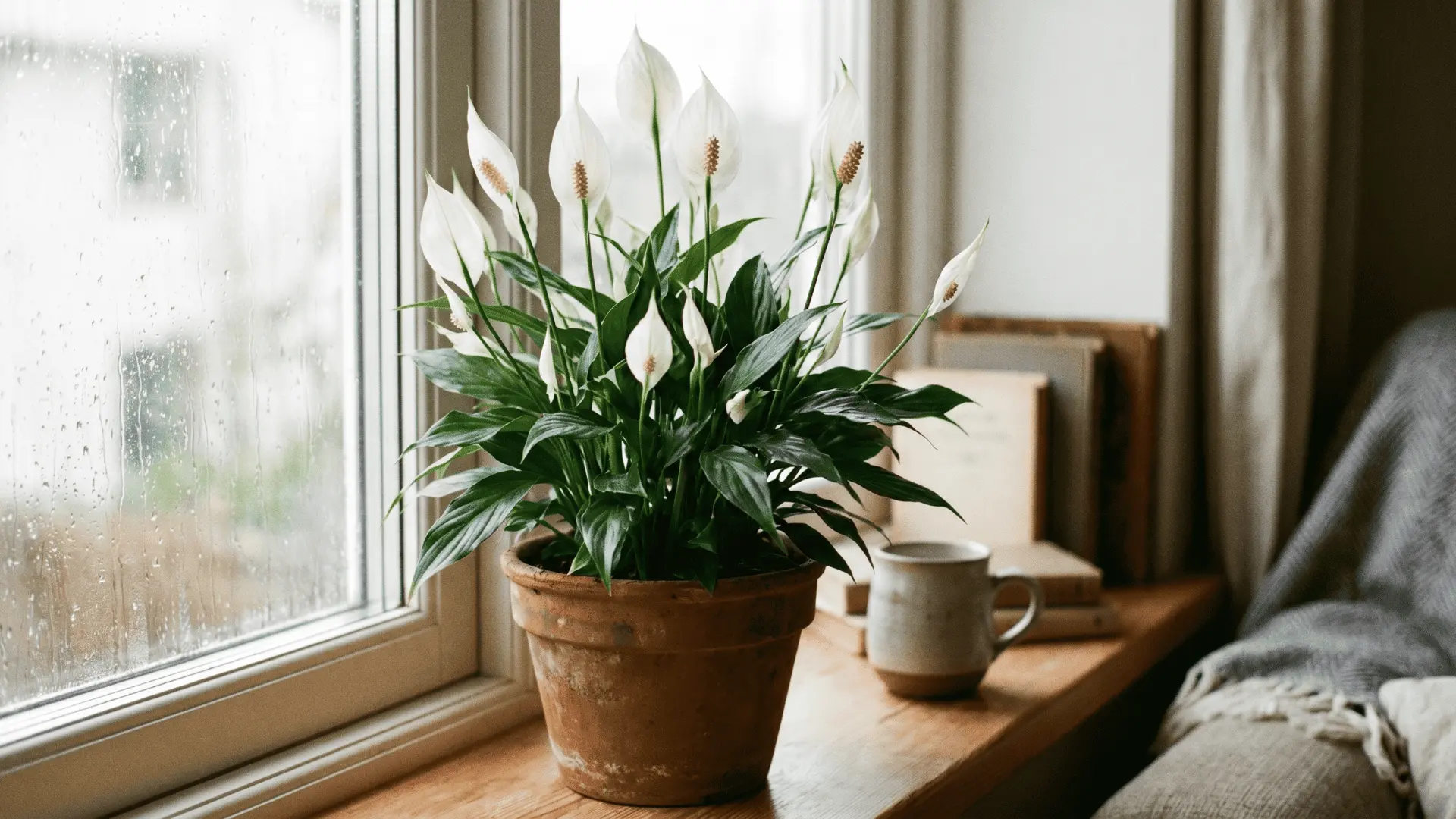
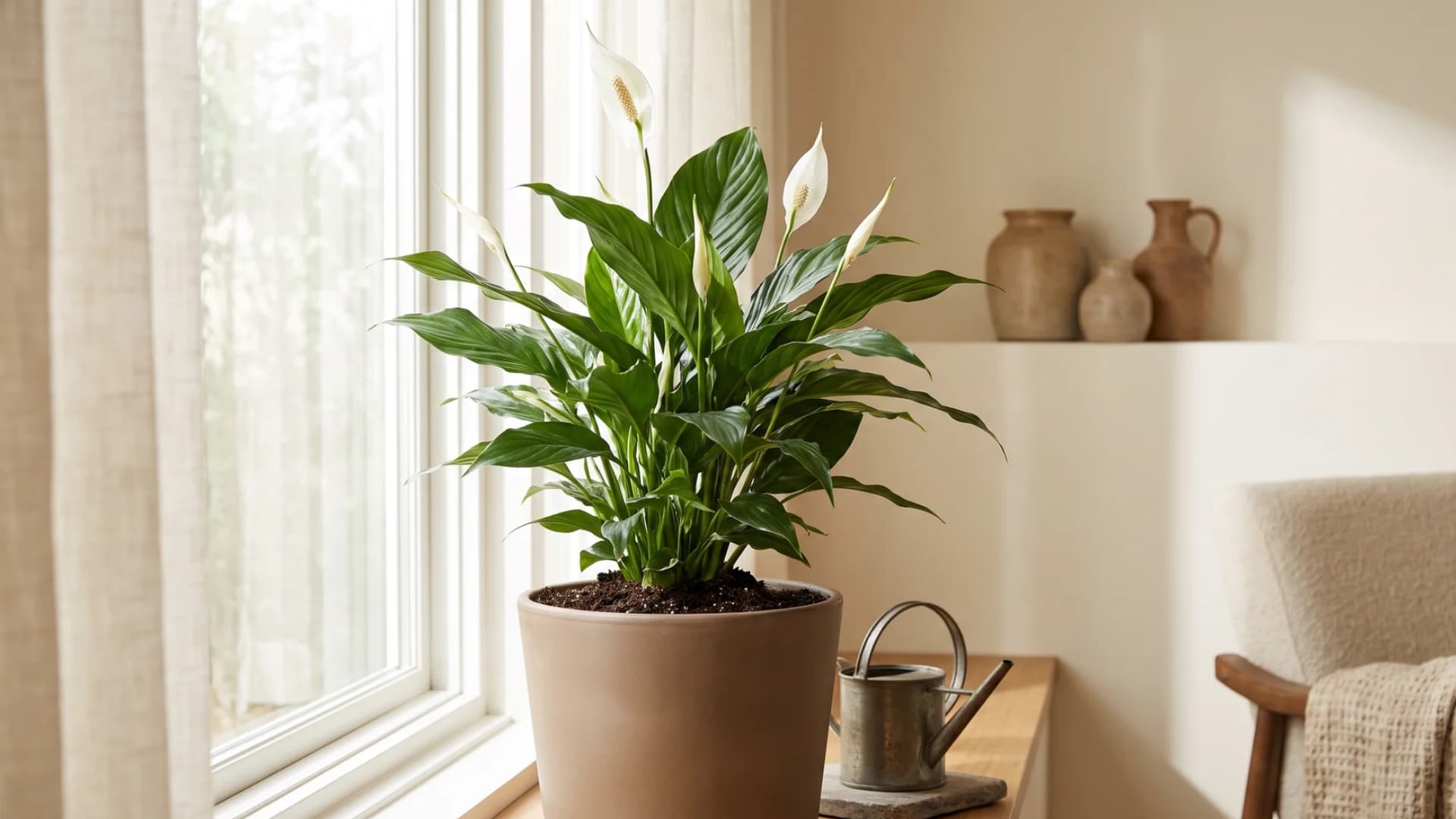
Peace lilies are known for their white, hood-like blooms. They grow well indoors in low light. The leaves are dark green and glossy.
They help improve indoor air quality. They need regular watering, but not soggy soil. They are easy to care for and maintain.
- Botanical Name: Spathiphyllum spp.
- Sun Exposure: Low to bright indirect light
- Soil Type: Moist, well-draining soil
- Soil pH: Slightly acidic
- Bloom Time: Spring to summer (can bloom year-round indoors)
26. African Violet
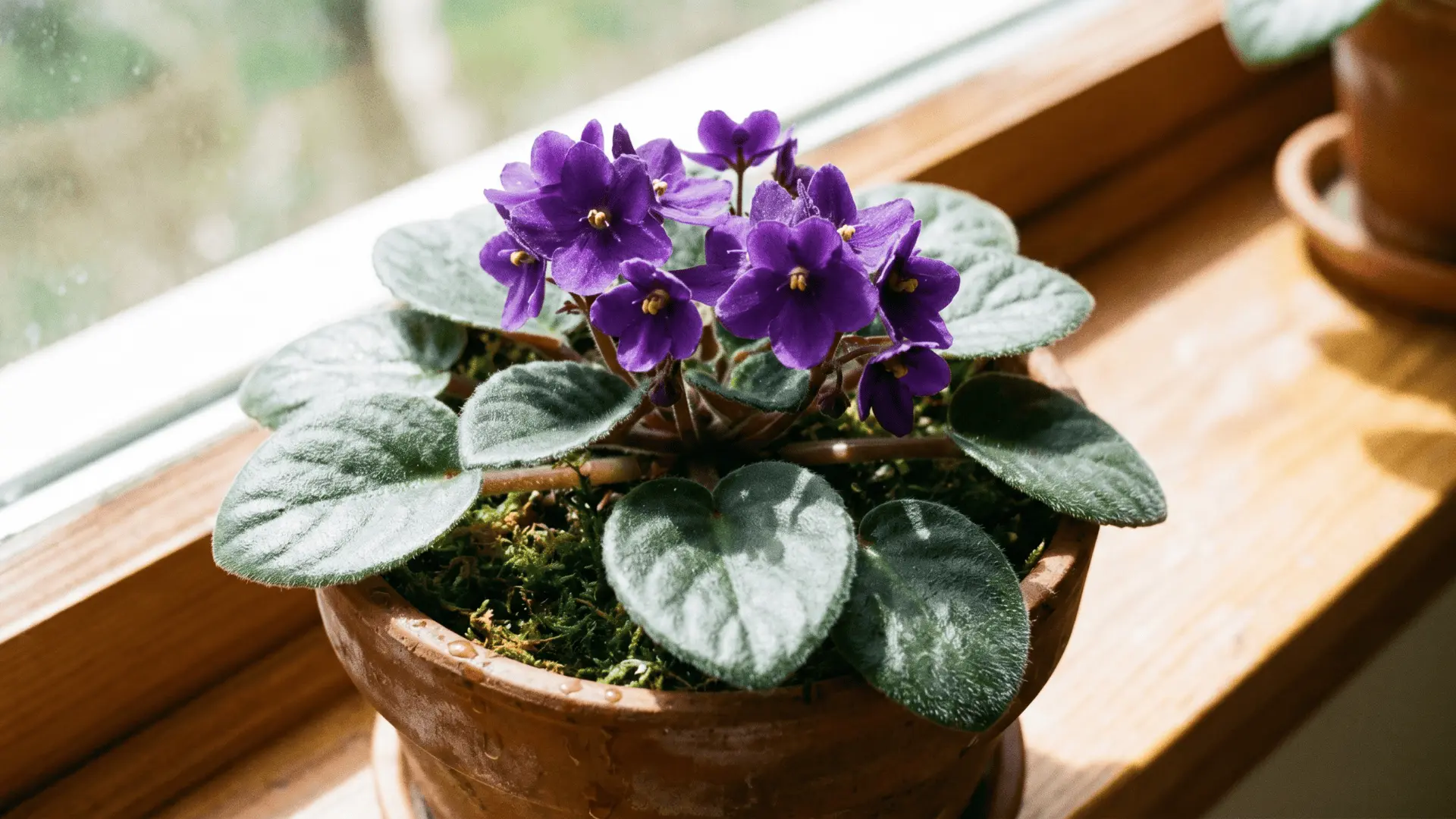
African violets are compact plants with soft blooms. Flowers come in purple, pink, and white shades.
They bloom well indoors year-round.
The leaves are soft and slightly fuzzy. They need gentle watering and steady light. They are perfect for small indoor spaces.
- Botanical Name: Saintpaulia ionantha
- Sun Exposure: Bright indirect light
- Soil Type: Light, well-draining soil
- Soil pH: Slightly acidic
- Bloom Time: Year-round
27. Chrysanthemum
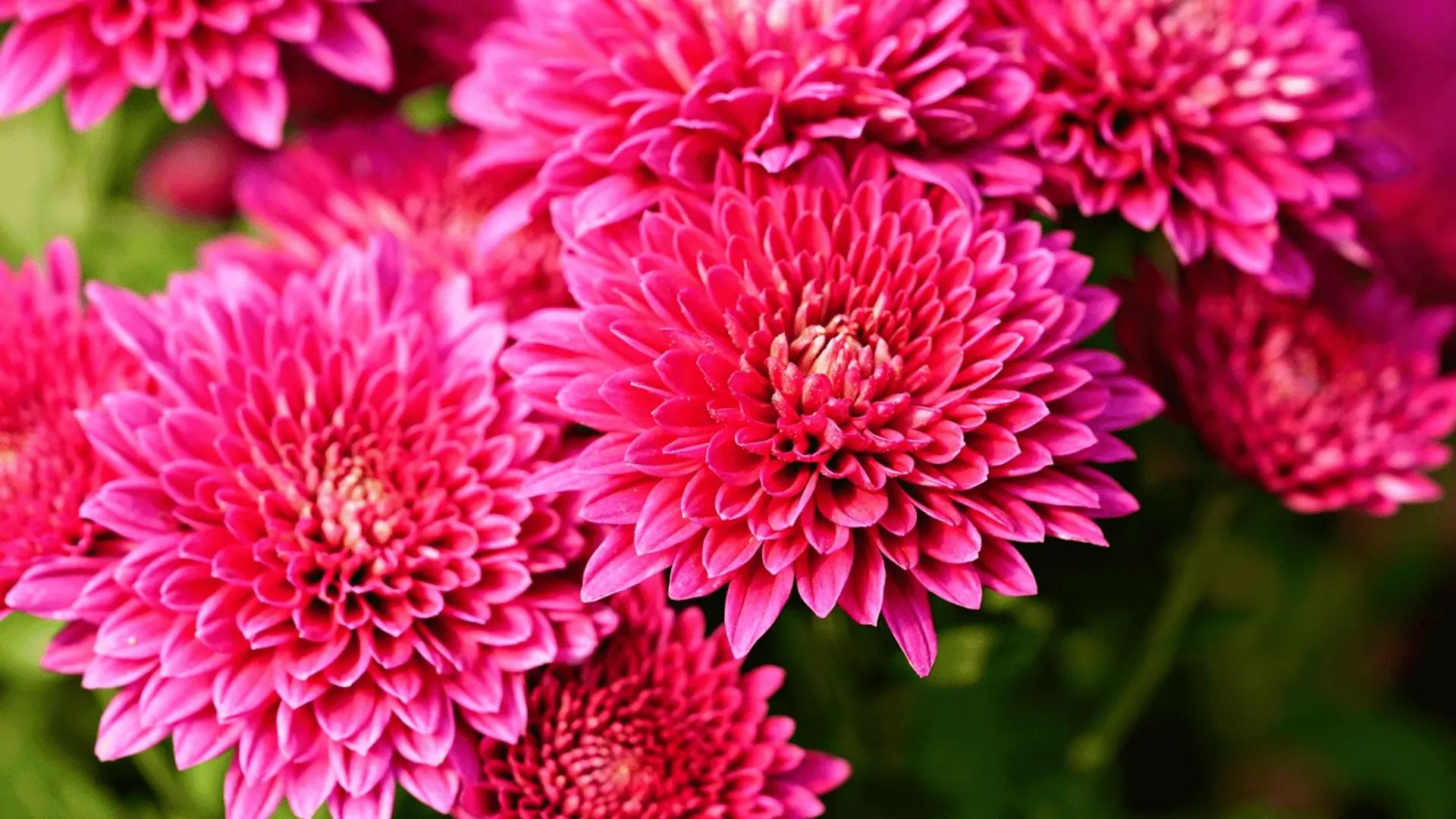
Chrysanthemums produce full, layered flowers. They come in many colors, such as yellow, red, and white. These plants bloom in cooler seasons.
They grow well in pots and garden beds. They need regular sunlight and watering. They are often used for seasonal displays.
- Botanical Name: Chrysanthemum spp.
- Sun Exposure: Full sun
- Soil Type: Well-draining, fertile soil
- Soil pH: Slightly acidic to neutral
- Bloom Time: Fall
28. Pink Aechmea Bromeliad
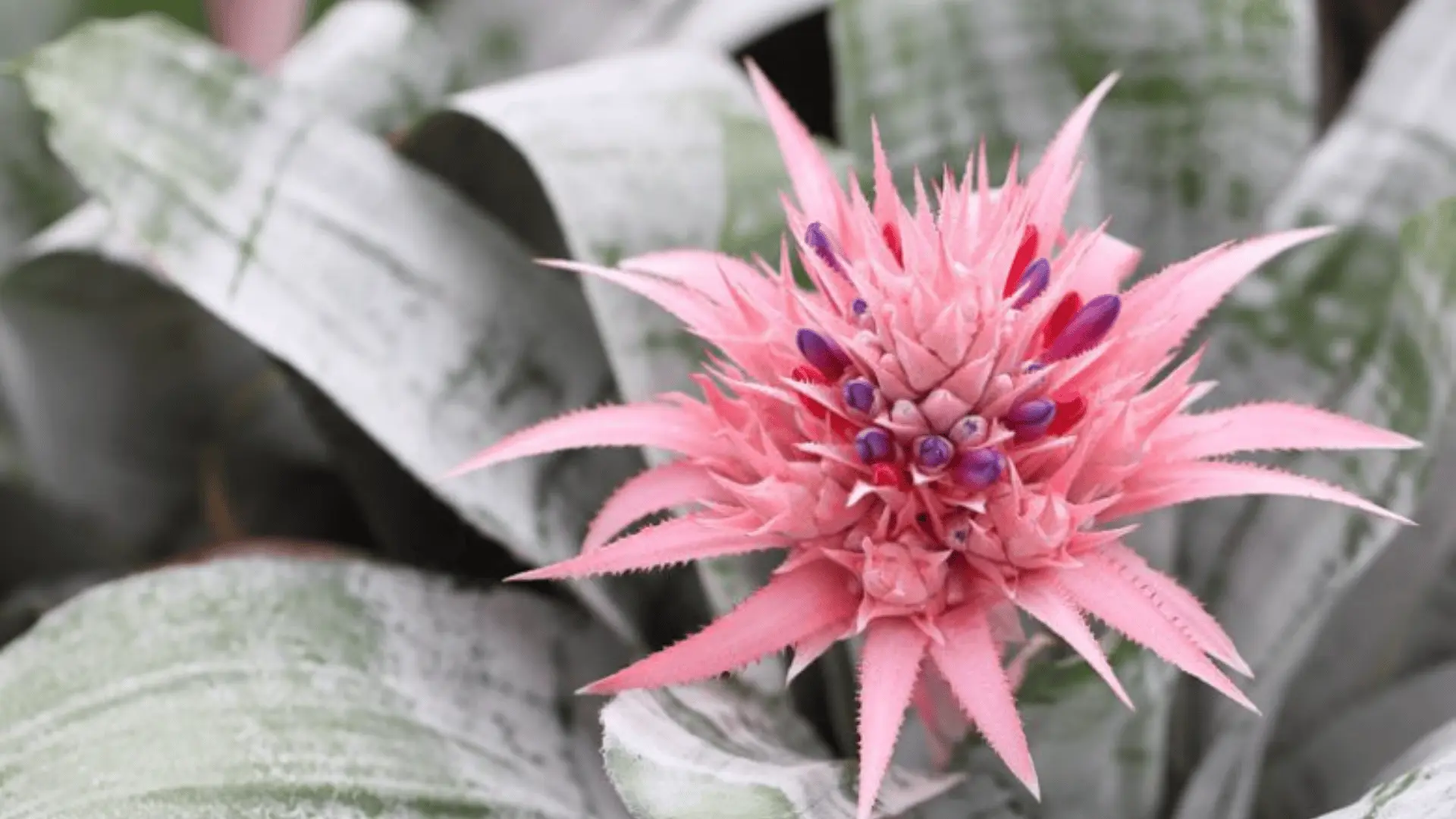
Aechmea bromeliads are known for their long-lasting blooms. They produce a central pink flower spike. The leaves form a rosette shape.
They grow well indoors with minimal care. They prefer warm and humid conditions. They add a bold look to indoor spaces.
- Botanical Name: Aechmea fasciata
- Sun Exposure: Bright indirect light
- Soil Type: Well-draining, airy mix
- Soil pH: Slightly acidic
- Bloom Time: Once in its life cycle (can last several months)
29. Orchids
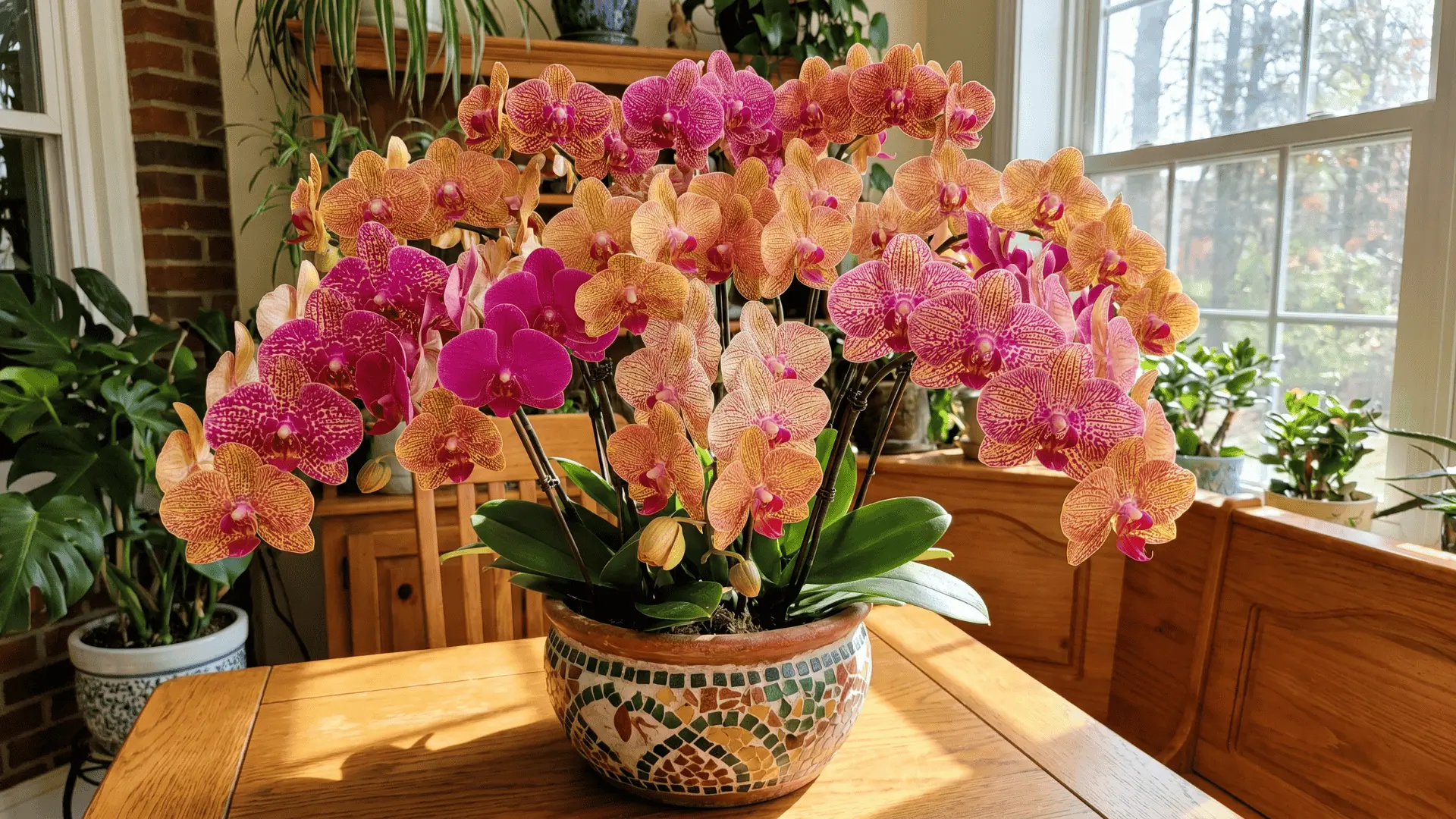
Orchids are known for their elegant and long-lasting blooms. They come in many colors and patterns. They grow well indoors with proper care.
These plants prefer humid conditions. They need indirect light to thrive. They are often used as decorative plants.
- Botanical Name: Orchidaceae family
- Sun Exposure: Bright indirect light
- Soil Type: Bark-based, well-draining mix
- Soil pH: Slightly acidic
- Bloom Time: Varies by type, often once or twice a year
30. Calla Lily
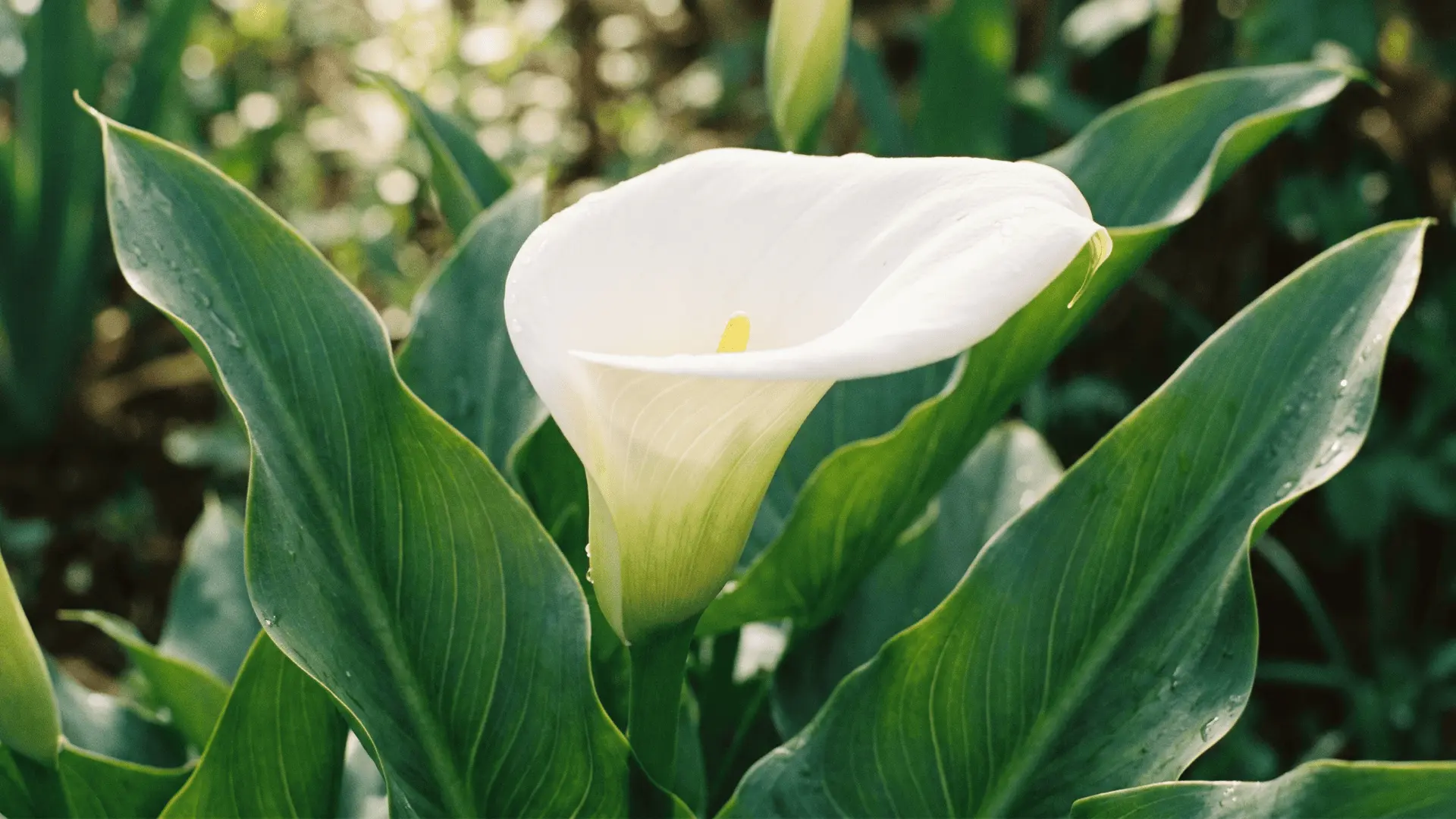
Calla lilies have smooth, trumpet-shaped flowers. They bloom in white, pink, yellow, and purple shades. The plant has long, sleek leaves. It grows well in pots and garden beds.
It prefers moist soil and steady light. It adds a clean look to spaces.
- Botanical Name: Zantedeschia spp.
- Sun Exposure: Full sun to partial shade
- Soil Type: Moist, well-draining soil
- Soil pH: Slightly acidic to neutral
- Bloom Time: Late spring to early summer
31. Guzmania Bromeliad
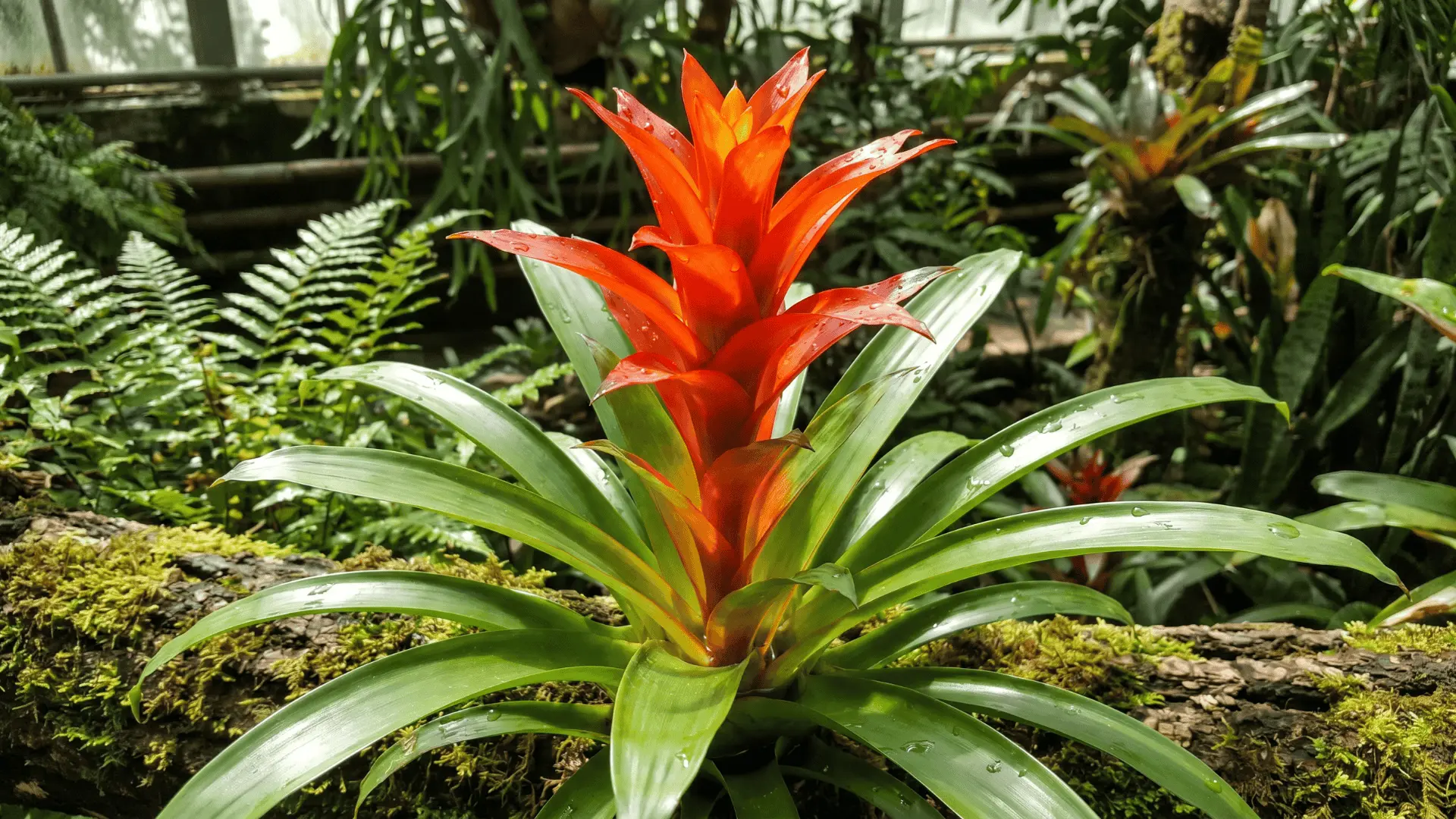
Guzmania bromeliads have bright, upright flower bracts. Colors include red, orange, and yellow. The plant forms a central rosette of leaves.
It grows well indoors in warm conditions. It needs light watering and good airflow. It adds color to indoor spaces.
- Botanical Name: Guzmania spp.
- Sun Exposure: Bright indirect light
- Soil Type: Well-draining, airy mix
- Soil pH: Slightly acidic
- Bloom Time: Once in its life cycle (lasts several months)
32. Ranunculus (Buttercup)
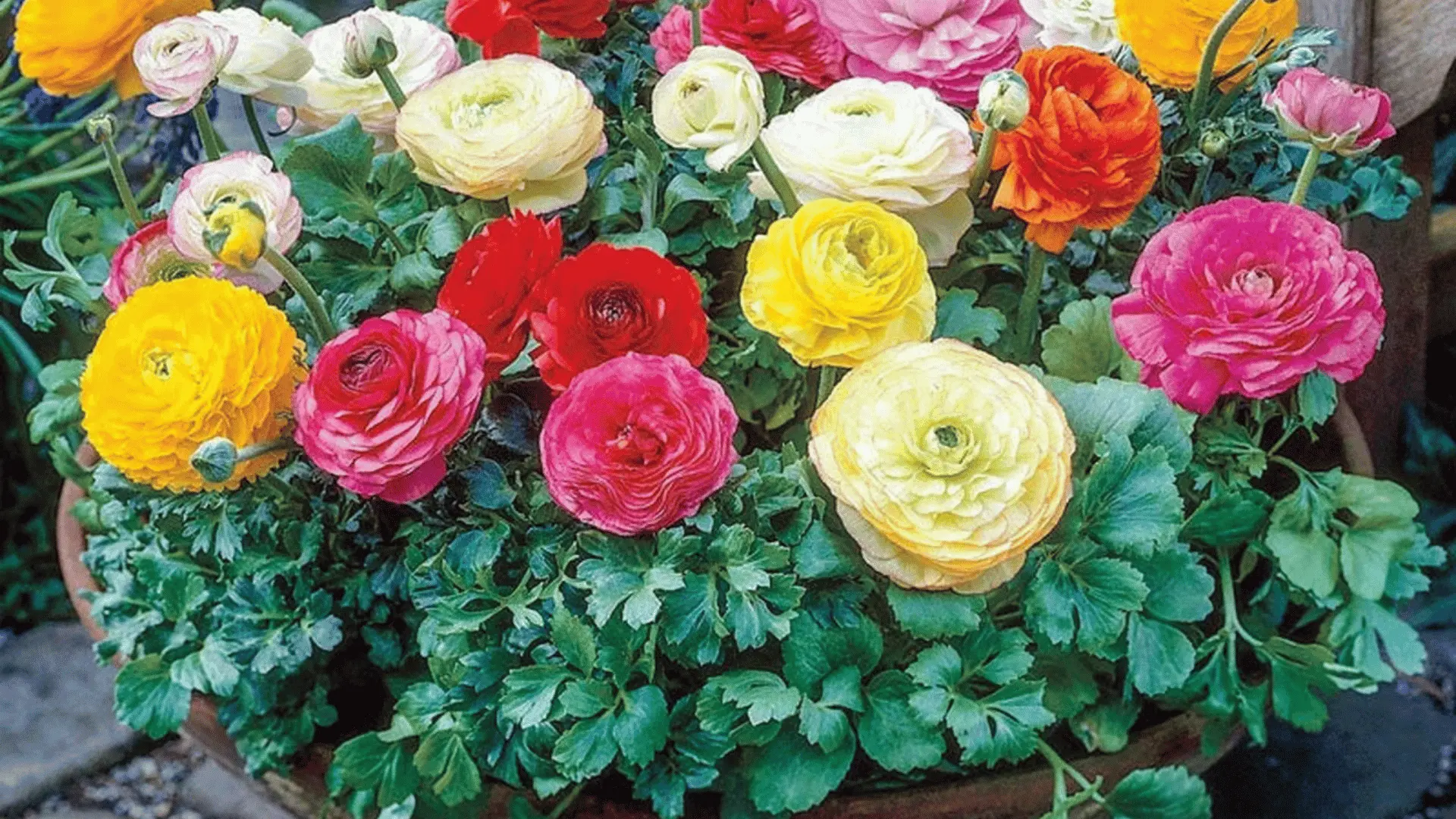
Ranunculus produces layered, rose-like flowers. Blooms come in bright and soft shades. They grow from bulbs in cool weather.
The flowers have thin, delicate petals. They need regular watering and sunlight. They are popular in garden beds and bouquets.
- Botanical Name: Ranunculus asiaticus
- Sun Exposure: Full sun
- Soil Type: Well-draining soil
- Soil pH: Slightly acidic to neutral
- Bloom Time: Late winter to spring
33. Miniature Roses
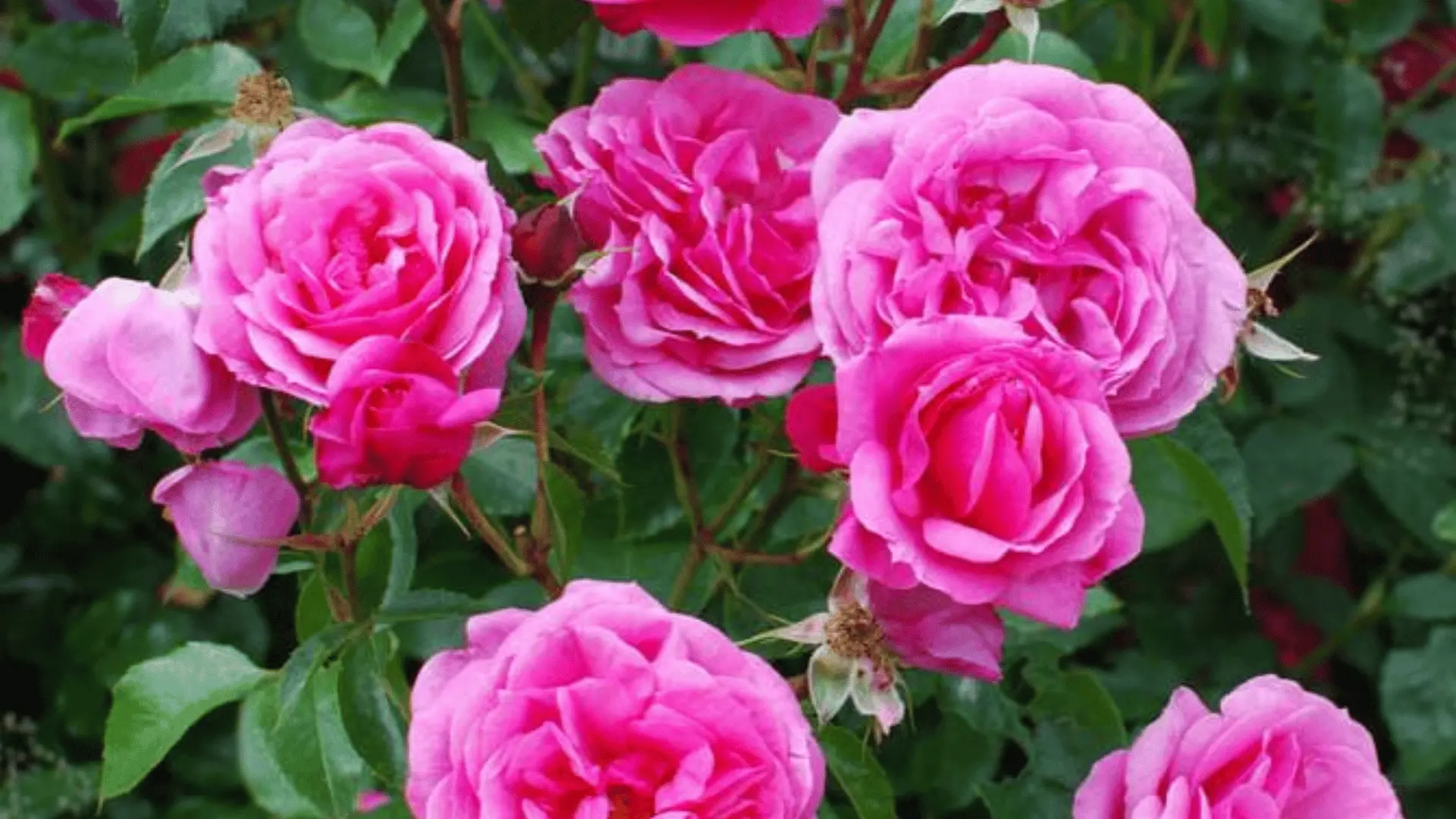
Miniature roses are small versions of classic roses. They produce tiny but full blooms. Colors range from red to pink and yellow.
They grow well in pots and small spaces. They need regular sunlight and watering. They add charm to indoor and outdoor areas.
- Botanical Name: Rosa chinensis minima
- Sun Exposure: Full sun
- Soil Type: Well-draining, fertile soil
- Soil pH: Slightly acidic to neutral
- Bloom Time: Spring to fall
34. Bidens
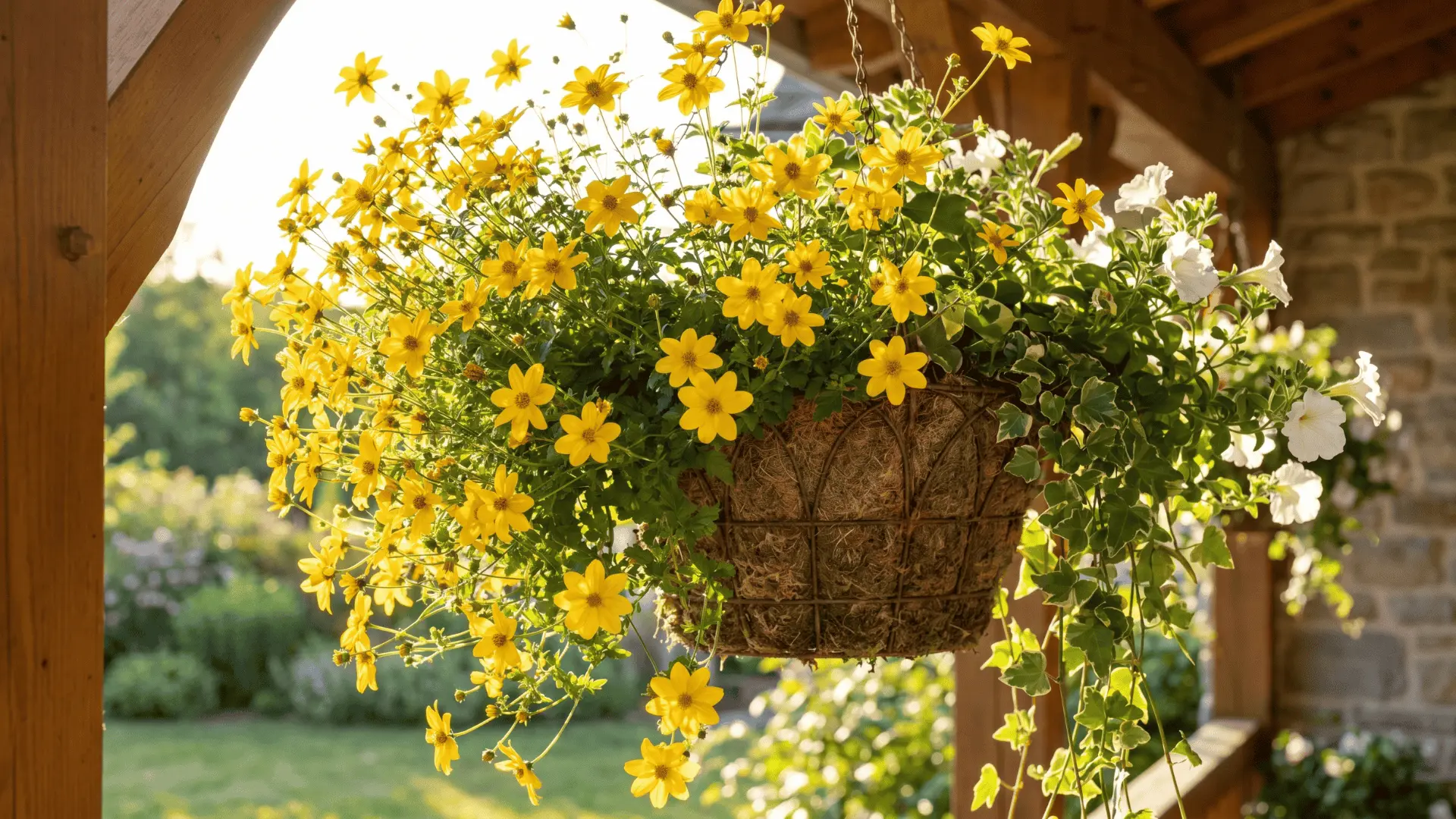
Bidens is a bright, daisy-like flowering plant. The flowers are often yellow or golden. It blooms heavily through the warm season.
The plant has a trailing or spreading habit. It attracts pollinators, such as bees and butterflies. It works well in hanging baskets and containers.
- Botanical Name: Bidens ferulifolia
- Sun Exposure: Full sun
- Soil Type: Well-draining soil
- Soil pH: Slightly acidic to neutral
- Bloom Time: Late spring to fall
35. Pentas
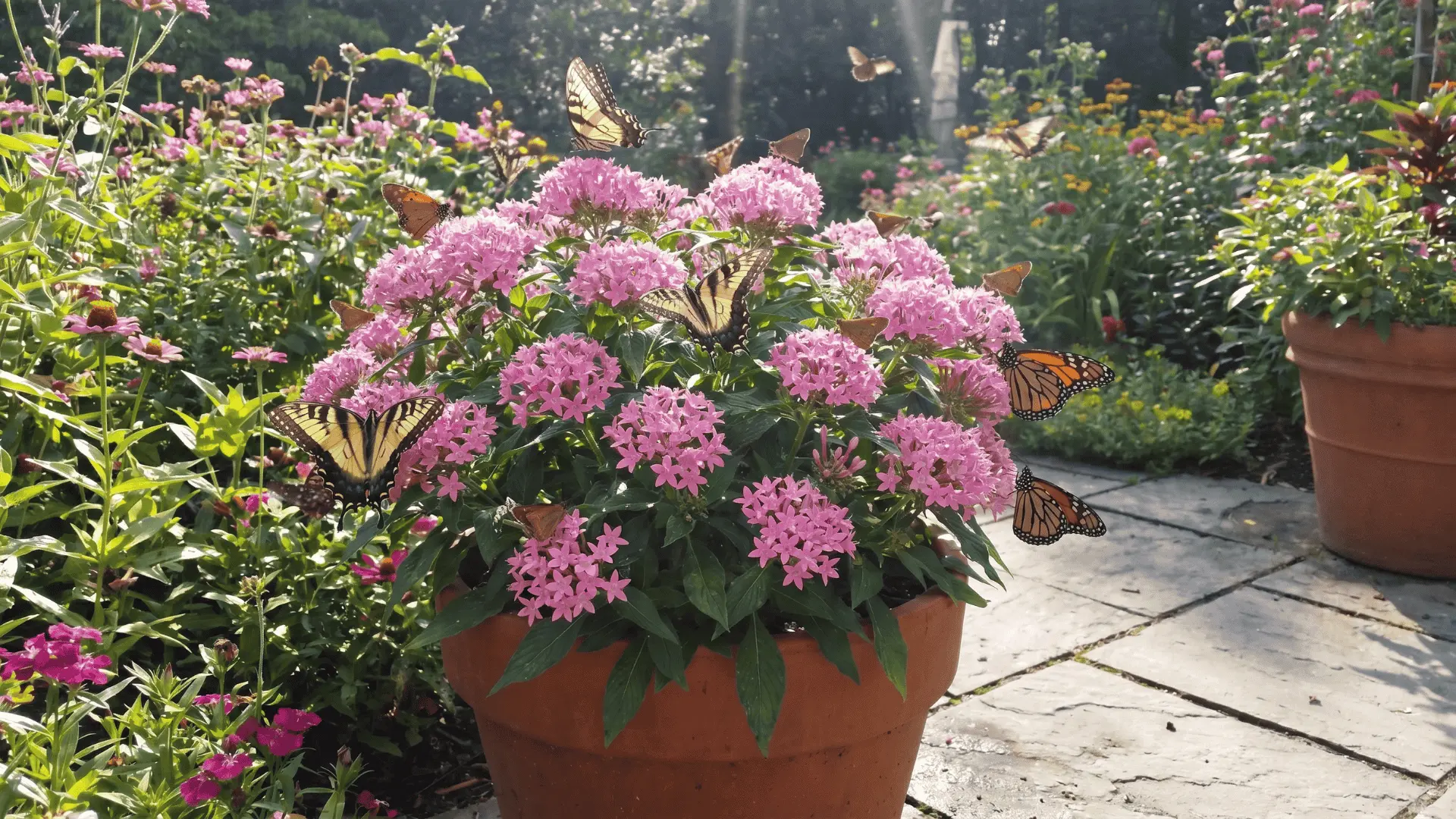
Pentas produce clusters of small star-shaped flowers. They bloom in shades of red, pink, and white. The flowers attract butterflies and pollinators.
The plant grows upright and stays bushy. It blooms well in warm weather. It is suitable for beds and containers.
- Botanical Name: Pentas lanceolata
- Sun Exposure: Full sun
- Soil Type: Well-draining, fertile soil
- Soil pH: Slightly acidic to neutral
- Bloom Time: Late spring to fall
36. Portulaca (Moss Rose)
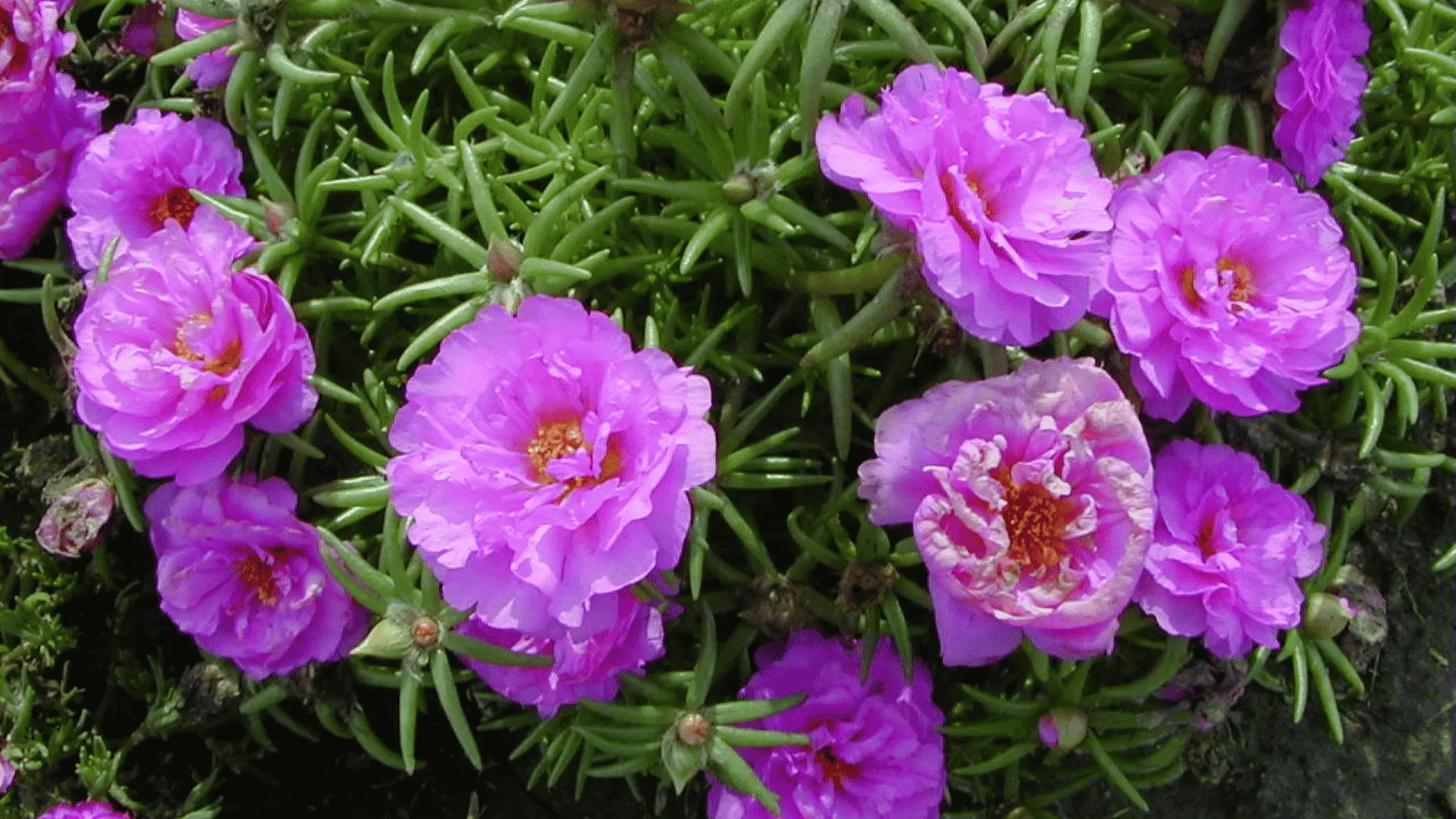
Portulaca is a low-growing plant with bright blooms. Flowers open in sunlight and close at night. They come in many vivid colors.
The plant has thick, succulent-like leaves. It handles heat and dry conditions well. It is great for ground cover and containers.
- Botanical Name: Portulaca grandiflora
- Sun Exposure: Full sun
- Soil Type: Sandy, well-draining soil
- Soil pH: Slightly acidic to neutral
- Bloom Time: Early summer to fall
37. Verbena
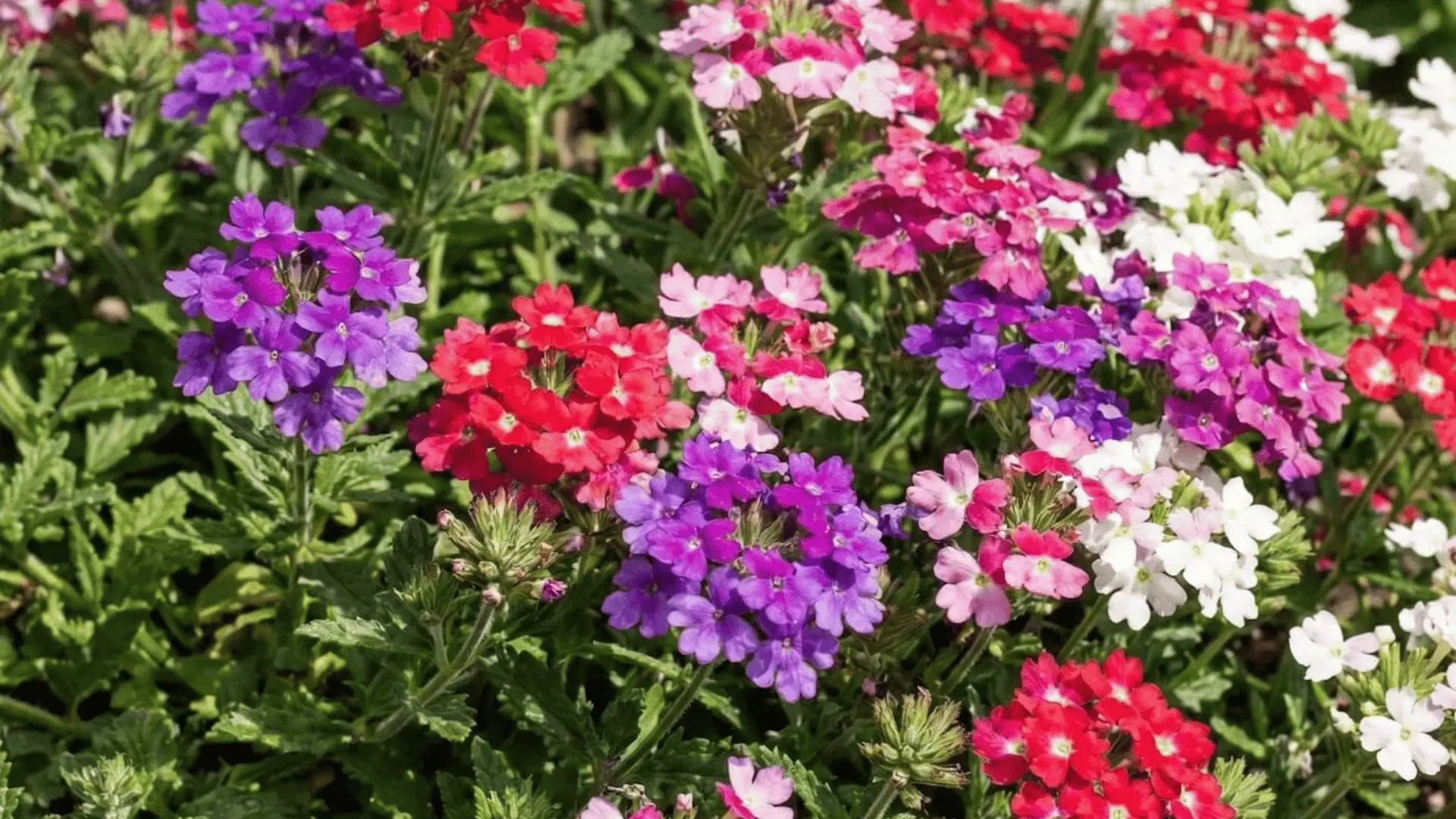
Verbena produces clusters of small, colorful flowers. It blooms steadily through warm weather. Colors include purple, pink, red, and white.
The plant spreads and fills space quickly. It attracts butterflies and pollinators. It is ideal for beds, borders, and containers.
- Botanical Name: Verbena spp.
- Sun Exposure: Full sun
- Soil Type: Well-draining soil
- Soil pH: Slightly acidic to neutral
- Bloom Time: Late spring to fall
Easy Natural Ways to Boost Flowering
You don’t always need chemical fertilizers to get more blooms. Simple kitchen ingredients can help your plants grow and flower better.
- Use coffee grounds: Let them dry, then add a small amount to soil or water. Helps improve soil quality.
- Add banana peel powder: Dry and grind peels, then mix into soil or water. Supports better flowering.
- Sprinkle crushed eggshells: Use dry, crushed shells on soil. Slowly adds nutrients and improves soil.
- Use rice water: Cool leftover rice water and use it for plants. Provides mild nutrients for growth.
These simple methods are easy to use and can support healthy, long-lasting blooms.
Conclusion
Choosing the right flowering plants for pots is a simple way to add color, even in small spaces. With the right balance of sunlight, water, and soil, these plants can bloom for months and stay easy to manage.
From small indoor plants to bright outdoor options, container gardening gives you full control over how you set up your garden.
Pick your favorite plants and start your pot garden today. The focus should be on picking plants that match your space and following basic care steps to keep blooms steady.
Frequently Asked Questions
What Is the Longest-Blooming Indoor Plant?
Indoor plants like orchids, kalanchoe, bromeliads, and anthurium can bloom for several months when given proper light and care.
What Is the Easiest Indoor Flower to Keep Alive?
Phalaenopsis orchids are one of the easiest indoor flowers to maintain. They need minimal care and only require watering about once a week.
What Are the Best Container Flowers?
Begonia, calla lily, pansies, and zinnias are great container flowers. They are easy to grow and bloom well in pots.