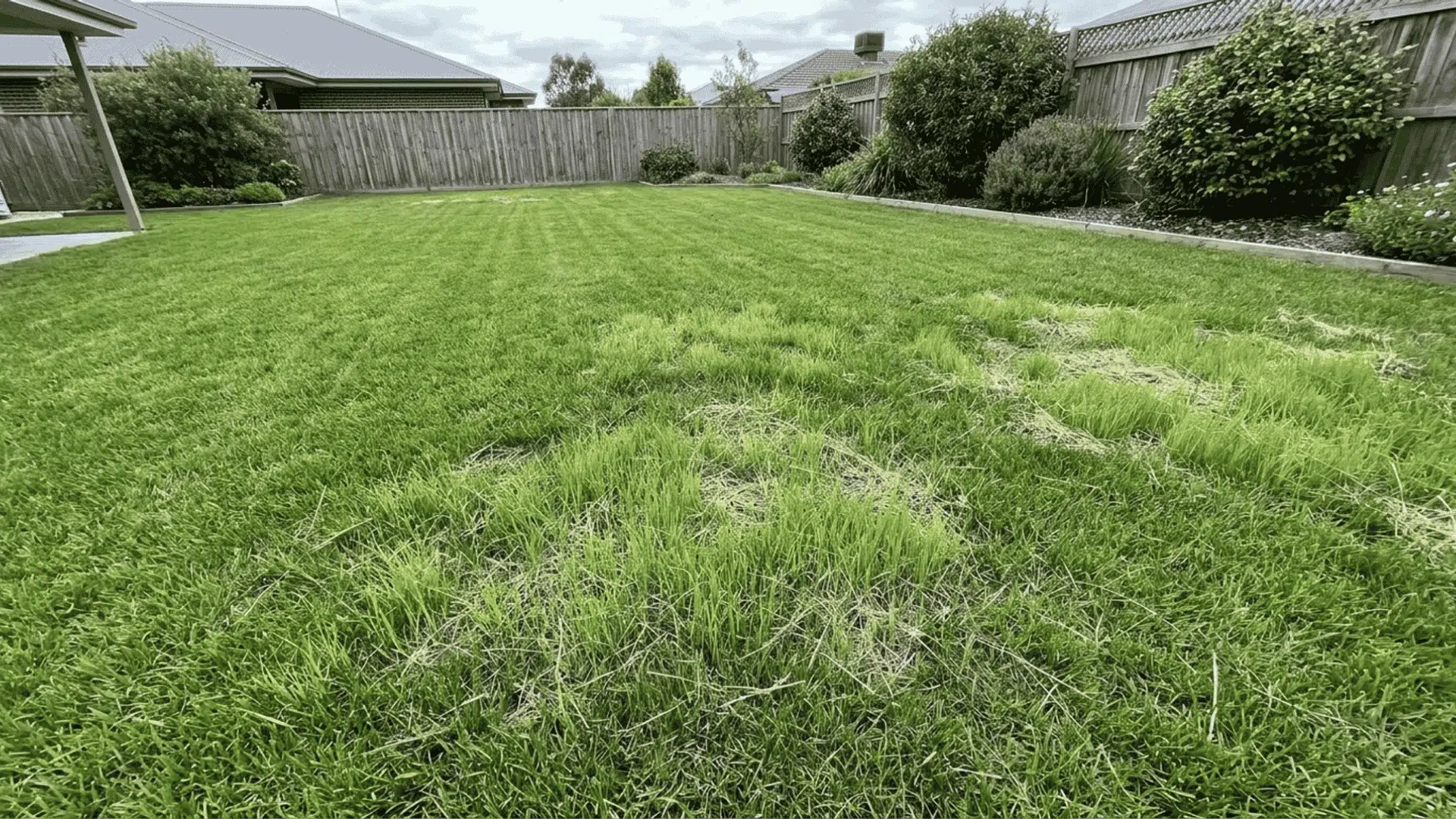
How to Seed a Lawn Without Bare Spots
Patchy grass, bare spots, or a lawn that just won’t fill in can be frustrating. It often feels like nothing you try actually works.
Learning how to seed a lawn the right way can fix these issues without high costs. It helps you grow thicker grass, improve coverage, and build a stronger base over time.
With the right timing and simple steps, things become easier to manage. Small changes in prep and care can make a noticeable difference.
Why Seeding Beats Other Options?
Seeding is often the most practical way to grow a lawn from scratch or to fill in thin areas. It gives more control over cost, grass type, and long-term results.
Seeds are much cheaper than sod rolls or plugs, which makes a big difference for larger spaces.
You also get more choices, so you can pick a grass type that fits your soil, climate, and how the lawn will be used.
Grass grown from seed adapts to the soil from the beginning. This usually leads to stronger roots and better durability over time. Seeding is also easier to manage in small areas.
You can fix patches when needed instead of replacing entire sections. It takes longer to see full results. But the long-term benefits are often worth it.
When Seeding a Lawn Makes Sense
Seeding works best in specific situations, depending on what you are trying to achieve. Both new lawns and small repairs can benefit from it.
| Situation | When to Use Seeding | Why It Works |
|---|---|---|
| New Lawn | Starting with bare soil | Gives full control over grass type and growth |
| Repairing Patches | Thin or damaged areas | Improves thickness without redoing the whole lawn |
| Cool-Season Grass | Early fall or early spring | Mild temperatures support steady growth |
| Warm-Season Grass | Late spring to early summer | Warm soil helps with better germination |
Planting at the right time improves growth and reduces the chances of failure.
Best Time to Seed a Lawn
Timing plays a major role in how well your grass grows. Planting at the right time helps seeds sprout faster and grow stronger.
1. Cool-Season Grasses (Fescue, Bluegrass, Ryegrass)
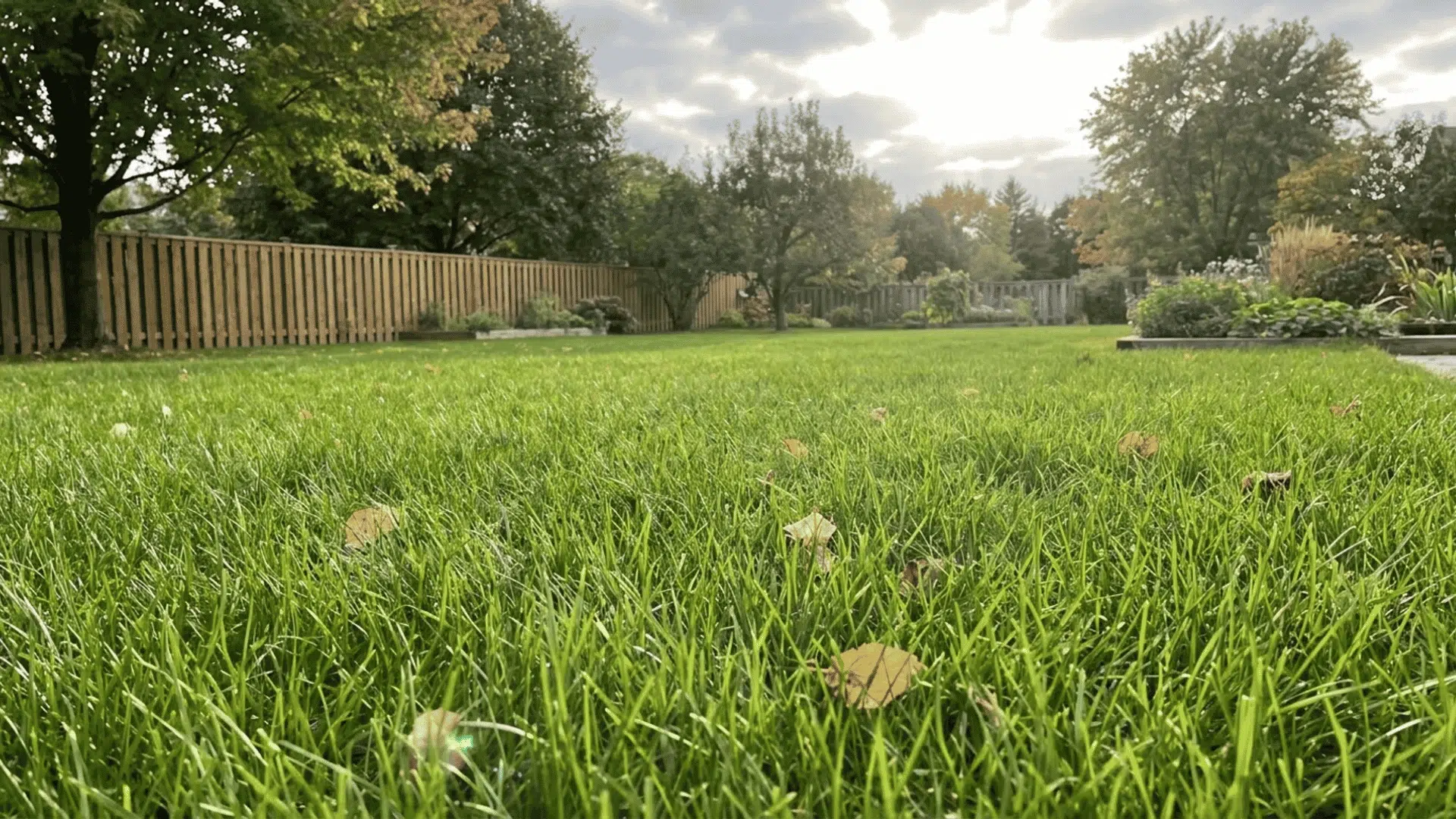
Cool-season grasses grow best in mild temperatures. Late summer to early fall is the ideal window for seeding.
This gives the grass about 6–8 weeks to establish before the first frost. The soil is still warm, which helps quick germination, while cooler air reduces stress.
2. Warm-Season Grasses (Bermuda, Zoysia, St. Augustine)
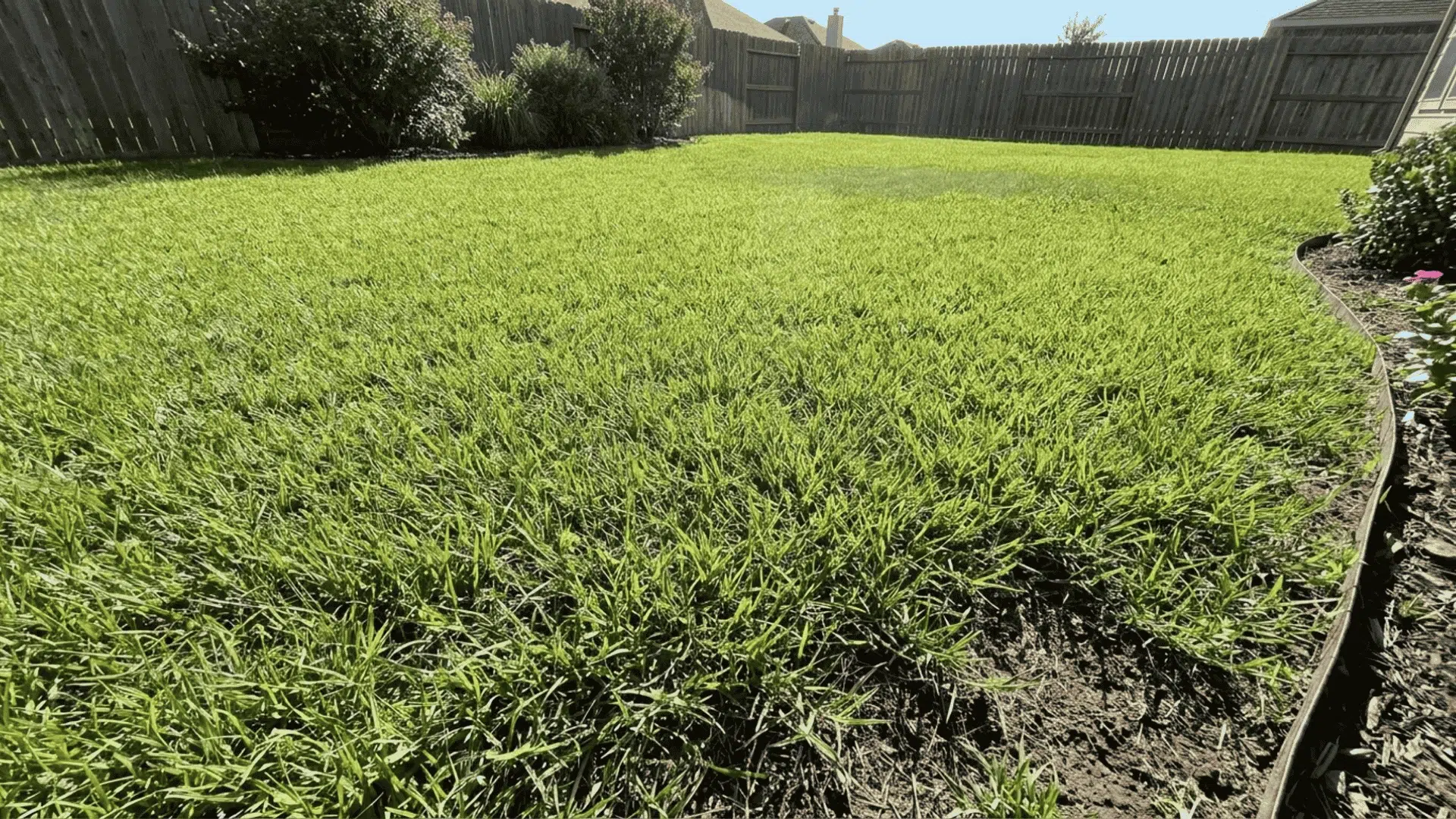
Warm-season grasses need heat to grow well. Late spring to early summer is the best time to seed them. Seeding should start when soil temperatures reach at least 65°F. Warm soil helps seeds sprout evenly and grow faster.
3. What Happens If You Seed at the Wrong Time?
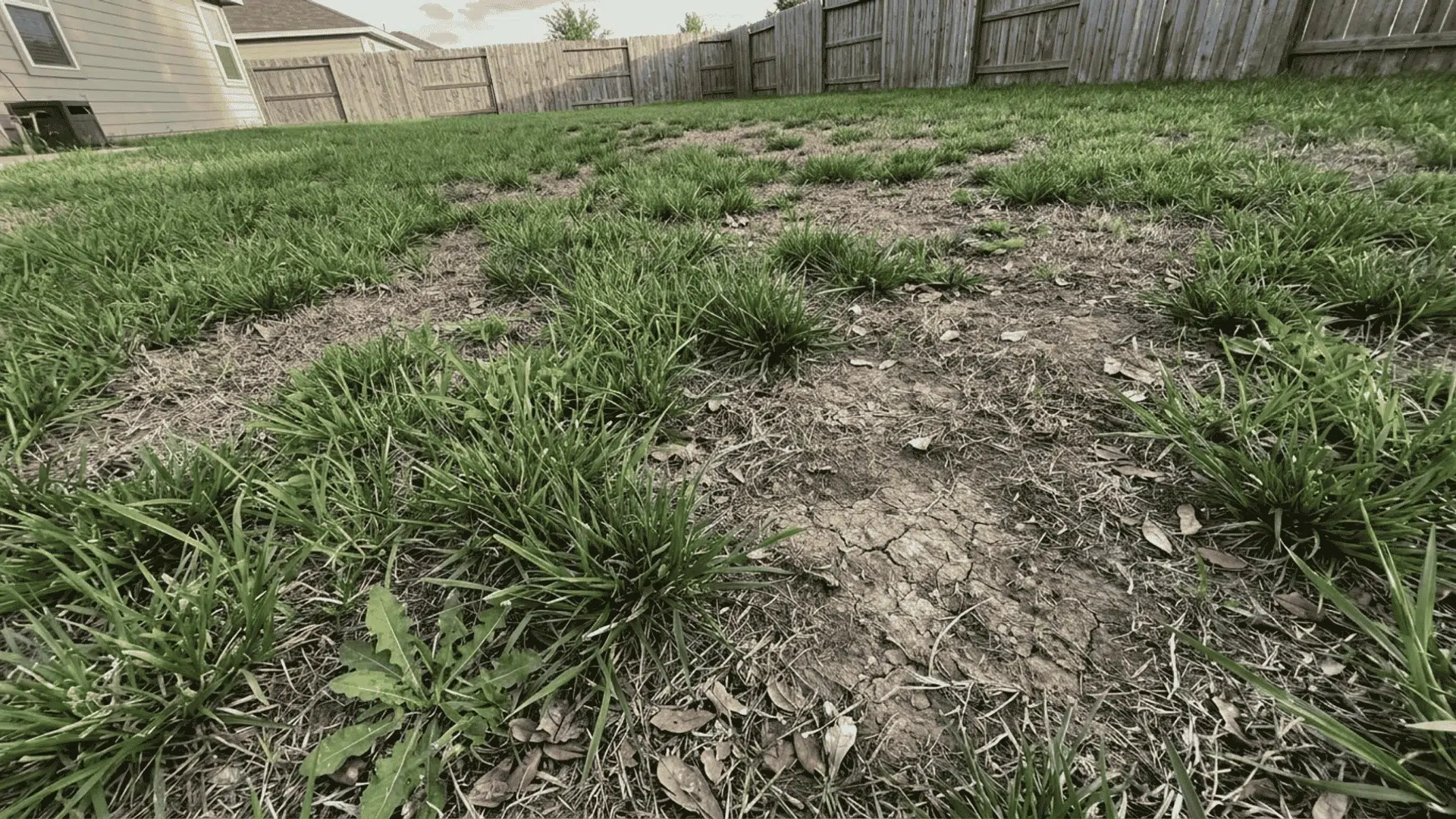
Seeding at the wrong time can lead to poor results. It often causes more problems than benefits.
- Seeds may fail to germinate properly
- Weeds can take over the space
- Money and effort may go to waste
Getting the timing right improves success and saves extra work later.
How to Seed a Lawn Step-by-Step
Seeding a lawn works best when each step is done the right way. Good prep and proper technique improve growth and reduce patchy results.
Step 1: Prep the Soil
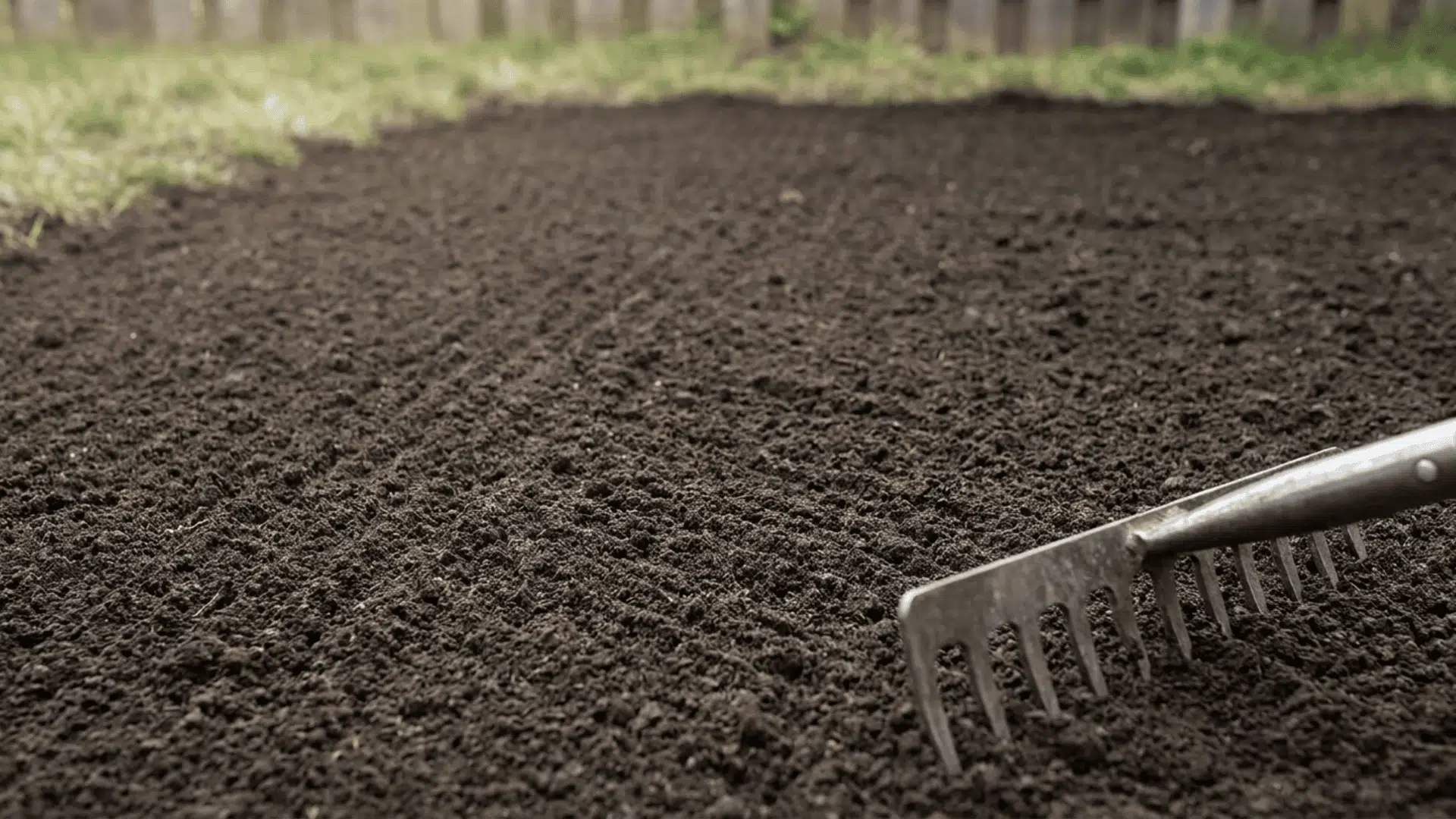
Start by clearing debris like rocks, weeds, and old grass. This gives seeds a clean surface to grow. Loosen the top 2–3 inches of soil using a rake or tiller.
This helps roots grow deeper and improves seed contact. Rake the surface smooth and even to avoid water pooling. If the soil is compacted, aerate it before seeding for better growth.
Step 2: Test and Amend (if Needed)
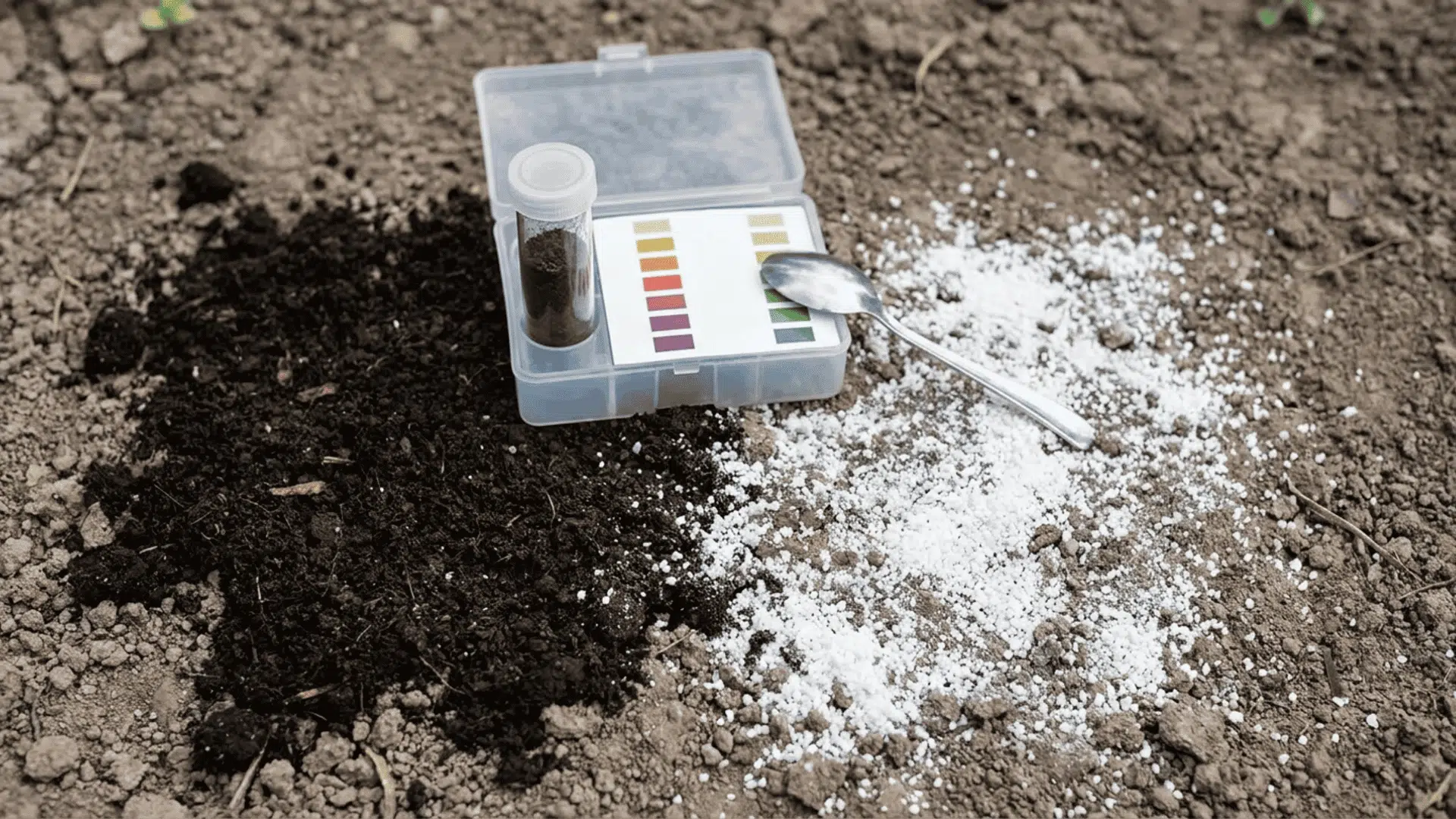
Check your soil pH before seeding. The ideal range is between 6.0 and 7.0 for healthy growth. Use a basic soil test kit to see where your soil stands. This helps you make the right changes instead of guessing.
If the pH is too low, add lime to raise it. If needed, mix in compost to improve nutrients and soil quality. These small adjustments improve germination. They also support stronger and more consistent growth.
Step 3: Apply a Starter Fertilizer

Use a starter fertilizer before or right after seeding. This gives new grass the nutrients it needs early on. Choose a fertilizer that is low in nitrogen and higher in phosphorus.
This supports strong root development instead of fast top growth. Spread it evenly across the soil for best results. This helps seeds establish quickly and grow more evenly.
Step 4: Spread the Seed
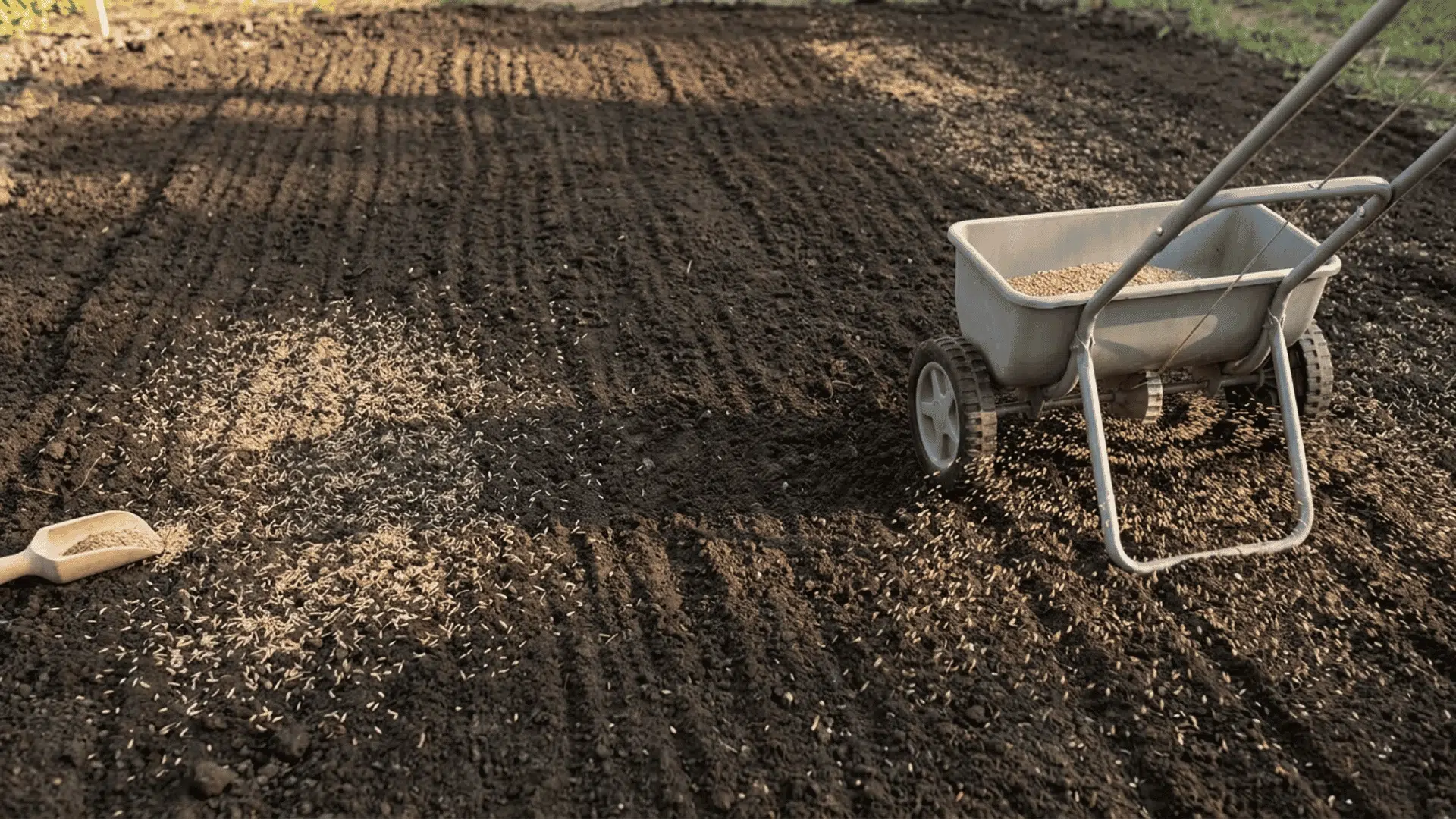
Spread the seed evenly across the prepared soil. Even coverage helps prevent patchy growth. Use a broadcast spreader for large areas. For small patches, you can spread the seed by hand.
Avoid putting down too much seed in one spot. Overseeding can lead to weak and crowded grass that struggles to grow properly.
Step 5: Cover and Press

Lightly cover the seeds with a thin layer of compost, topsoil, or straw. This helps retain moisture and protects seeds from birds. Keep the layer thin so sunlight can still reach the seeds. Too much cover can block growth.
After covering, gently press the seeds into the soil. Use a lawn roller or simply walk over the area to improve seed-to-soil contact. This step helps seeds stay in place and improves germination.
Step 6: Water Consistently
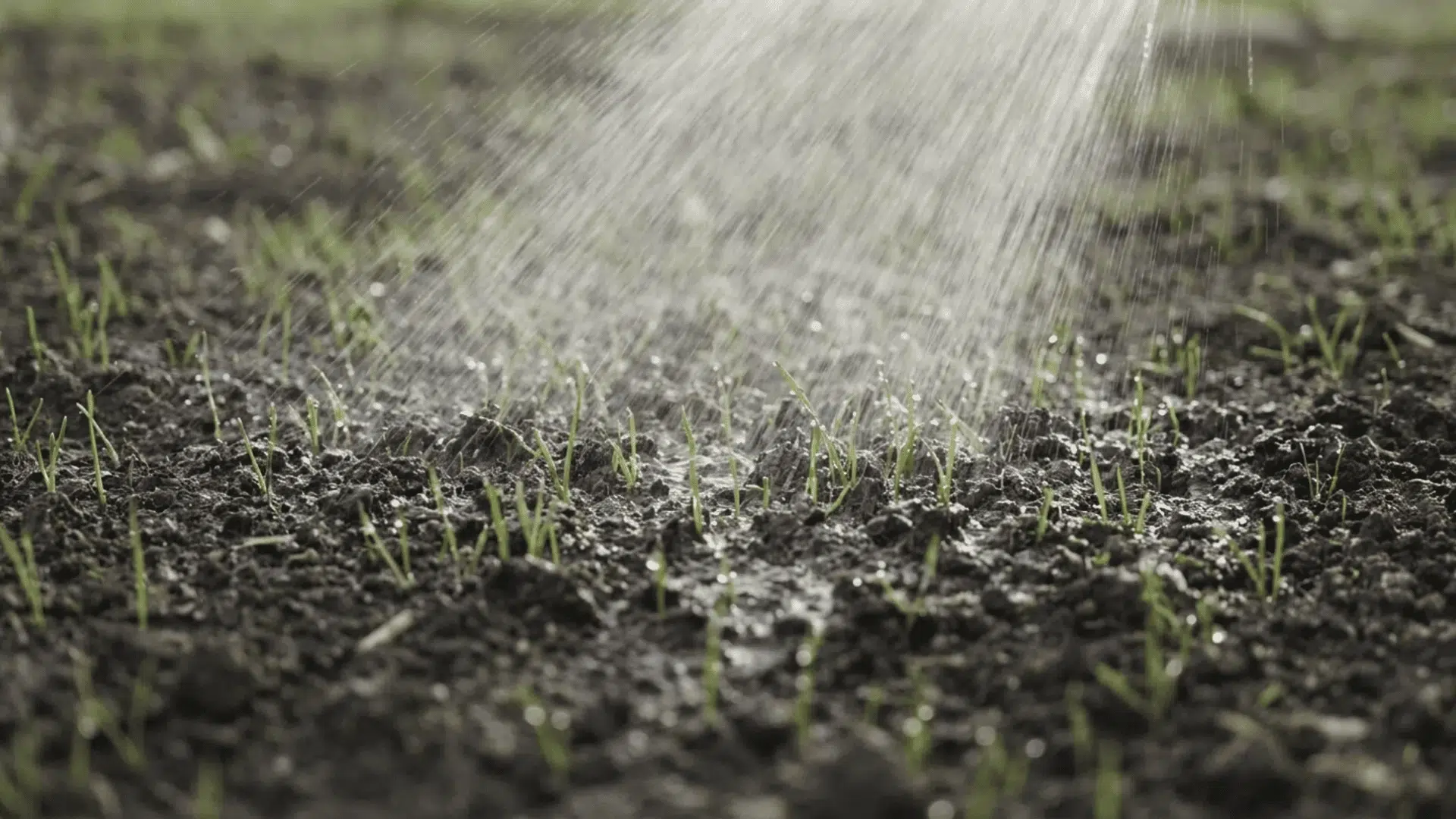
Water the area lightly once or twice a day after seeding. Keep the soil moist, not soaked, until the grass reaches about 1–2 inches tall. Frequent light watering helps seeds germinate evenly.
Dry soil can stop growth early. Once the grass starts to establish, reduce watering frequency. Switch to deeper, less frequent watering to support stronger roots.
How Long Does It Take for Grass Seed to Grow?
Grass seed takes time to grow, and the timeline depends on the grass type and conditions.
- Germination (7–21 days): Seeds start to sprout and become visible above the soil.
- First mow (3–6 weeks): Grass grows tall enough for the first cut without damage.
- Full establishment (8–12 weeks): Lawn becomes thicker with stronger and deeper roots.
Good watering, proper timing, and soil prep can speed things up; meanwhile, Poor conditions can slow growth and lead to uneven results.
Choosing the Right Grass Seed
Picking the right grass seed is one of the most important steps in growing a thick, healthy lawn. The best seed depends on your climate, sunlight levels, and the overall quality of the seed mix you choose.
| Factor | What to Look For | Estimated Cost |
|---|---|---|
| Climate Zone | Cool-season or warm-season grass seed | $4–$8 per pound for quality blends |
| Sunlight Levels | Full sun, shade-tolerant, or mixed-light seed | Shade-tolerant mixes often cost slightly more |
| Seed Quality | Low weed content and high germination rate | Premium seed costs more but grows more evenly |
| Durability | Grass types made for pets or foot traffic | Heavy-duty mixes may cost extra |
| Growth Speed | Fast-growing or slow-establishing varieties | Quick-germinating seeds are often mid to premium priced |
| Coverage Area | Small patch repair or full lawn seeding | Larger bags reduce cost per square foot |
Common Lawn Seeding Mistakes to Avoid
Small mistakes during seeding can lead to weak growth and patchy results. Paying attention to these common issues can save time, effort, and money.
- Seeding at the wrong time: Planting outside the ideal season reduces germination and slows growth. Seeds may fail to sprout or struggle due to heat, cold, or poor conditions.
- Skipping soil prep: Unprepared soil makes it harder for seeds to take root. Compacted or uneven ground can lead to poor seed contact and uneven growth.
- Using too much or too little seed: Too much seed causes overcrowding, which leads to weak grass. Too little seed results in thin areas that may need reseeding later.
- Letting soil dry out between waterings: Seeds need consistent moisture to germinate properly. Dry soil can stop growth early or kill young seedlings.
- Mowing too early: Cutting grass too soon can damage young plants. Wait until it reaches 3–4 inches so the roots are strong enough.
Conclusion
Start with proper soil prep, choose the right seed, and plant at the right time. Each step, from watering to mowing, plays a role in how well your lawn grows.
Results do not happen overnight, but consistent care makes a big difference. Good preparation and a little patience lead to stronger roots and thicker grass.
If you have been putting it off, this is a good time to begin. Start this weekend or plan ahead for the next planting window to get the best results.