Foxtail Fern Care, Growing and Maintenance Tips
A foxtail fern can look healthy for months, then suddenly show yellow stems, dry tips, or uneven growth that leaves you wondering what changed.
Good foxtail fern care starts with noticing those small signals and understanding how light, water, drainage, and seasonal conditions affect the plant. I find it helps to look at the whole growing setup before changing one habit at a time.
The same basics also matter when planning a foxtail fern landscape, especially as plants mature and spread. This blog covers everyday care, common problems, pruning, repotting, seasonal needs, and landscape use.
What is a Foxtail Fern?
You’ll usually find this plant sold as Asparagus densiflorus ‘Myersii’, and even though it looks like a fern, it’s really part of the asparagus family instead of the true fern group.
Its upright stems carry narrow, needle-like growth that gives you that dense, tail-shaped look. Expect mature plants to reach 1 to 2 feet tall and spread 2 to 4 feet, growing from thick, water-storing roots.
Its ability to handle occasional missed watering also makes it a resilient indoor plant when given enough light and good drainage.
Watch for small white or pink flowers and red berries, plus sharp spines along the stems. Wear gloves during care, since the sap can irritate skin, and keep pets and kids at a safe distance, since the berries can cause stomach upset if eaten.
How to Care for a Foxtail Fern

Every foxtail fern has its own rhythm, and once you start noticing it, care stops feeling like guesswork. A little attention at the right moments matters far more than sticking to a strict weekly routine.
You’ll get the best results by watching your plant closely rather than following a fixed calendar. Small, consistent adjustments are what keep it looking full and healthy over time.
1. Choose the Right Light for a Foxtail Fern
Light shapes your fern’s color, density, and growth. Place it near a bright east- or west-facing window, filtered through sheer curtains, and rotate the pot every couple of weeks for even growth.
Outdoors, choose partial shade and shield the plant from harsh afternoon sun in hot regions. Pale, stretched growth usually means too little light, so move it somewhere brighter.
Move a sunburned plant gradually rather than all at once. Direct sun isn’t always harmful in mild weather, but strong afternoon heat can scorch the foliage.
2. Water Your Foxtail Fern When the Upper Soil Dries
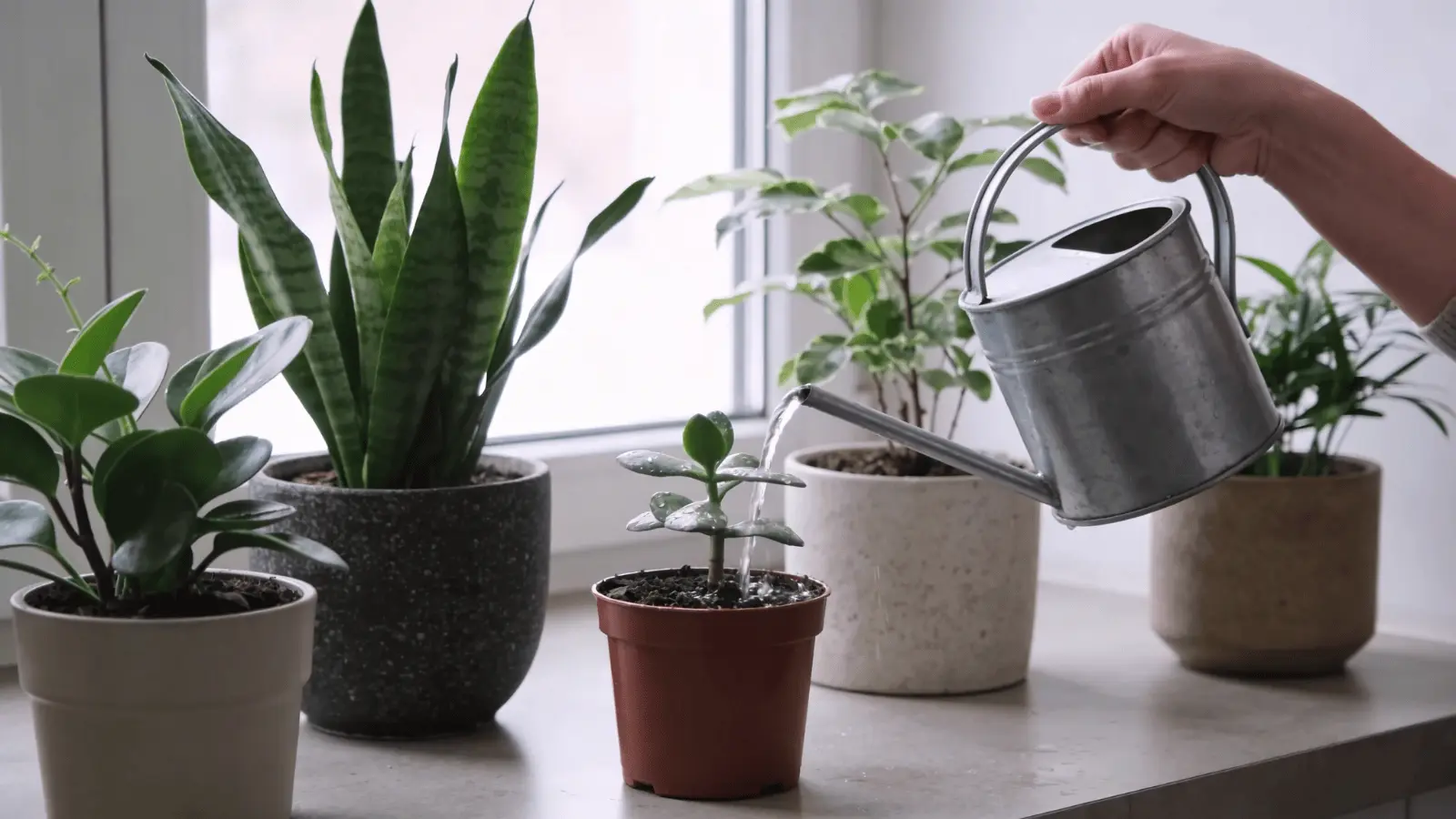
Thick roots store moisture, so this fern handles a dry spell better than soggy soil. Press a finger 1 to 2 inches down and water once that layer feels dry.
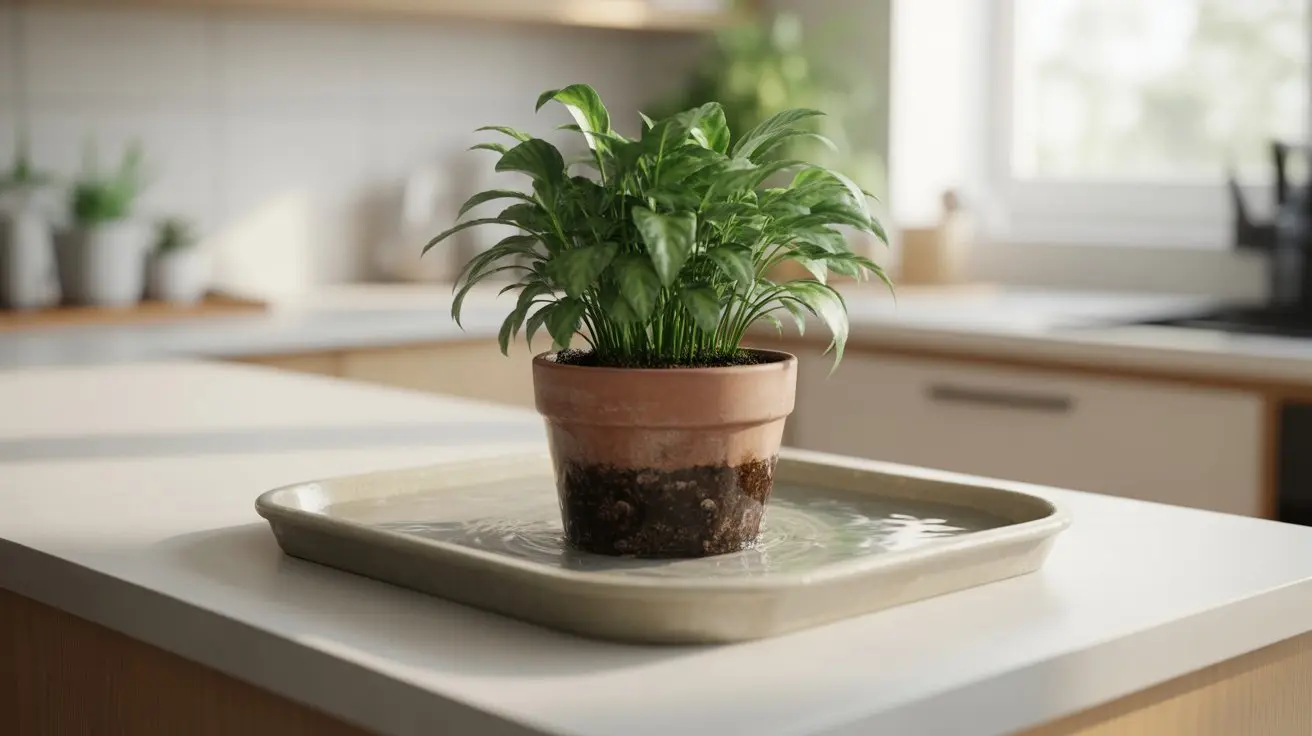
Pour slowly until water drains from the holes, then empty the saucer so the pot doesn’t sit wet. Water less in cool months, and check outdoor plants more during hot, dry spells.
Yellow, soft growth usually means the roots are sitting in too much water; focus on fixing that further down. I’d rather let the soil run slightly dry than keep it constantly damp between waterings.
3. Use Well-Draining Soil for Healthy Roots
Soil protects the moisture-storing roots from rot, so the mix should hold some moisture without staying soggy. Use a quality potting mix, adding perlite or pine bark if it feels dense.
Pick a container with drainage holes and skip heavy garden soil indoors. Keep the crown at its original level and avoid burying stems. Good drainage matters everywhere it’s planted.
4. Maintain the Right Temperature and Humidity
Foxtail ferns like warm, stable conditions and dislike sudden swings. Keep them away from cold drafts, heating vents, and cold window glass.
Bring container plants in before freezing weather and place them somewhere bright for winter. Outdoor stems often die back after frost, so wait for spring growth before assuming the roots are gone.
Average household humidity is usually enough. If your air runs dry, group plants together or run a humidifier instead of misting repeatedly.
5. Fertilize During Active Growth
Fertilizer supports new stems but can’t fix poor light, damaged roots, or bad watering, and using too much can backfire. Feed in spring and summer when new growth forms.
Use a balanced fertilizer at the label rate on moist soil, not dry roots. Cut back in winter, skip a stressed or freshly repotted plant, and flush the soil occasionally if salts build up.
Indoor vs. Outdoor Foxtail Fern Care

Foxtail fern care changes slightly depending on where the plant grows, since indoor pots and outdoor beds expose roots and stems to different light, moisture, temperature, and spacing conditions.
|
Care Need |
Indoors |
Outdoors |
|---|---|---|
|
Light |
Bright, filtered light |
Morning sun and afternoon shade |
|
Water |
Water when the upper soil dries |
Water during long dry periods |
|
Drainage |
Empty outer pots after watering |
Avoid low or soggy areas |
|
Spacing |
Leave room around the stems |
Space plants 18–24 inches apart |
|
Temperature |
Protect from drafts and cold windows |
Best in USDA Zones 9A–11B |
|
Frost Care |
Keep the plant in a warm room |
Move pots indoors before frost |
|
Maintenance |
Rotate, check for mites, and repot crowded roots |
Remove damaged stems after freeze risk passes |
|
Safety |
Keep away from children and pets |
Avoid narrow paths due to sharp spines |
|
Local Check |
Inspect before bringing it indoors |
Check local invasive plant lists |
Common Foxtail Fern Problems: Causes and Fixes
Color or growth changes are symptoms, not exact diagnoses. Check the soil, light, roots, temperature, and pests together before changing your routine, and adjust one major condition at a time so you can see how the plant responds.
1. Foxtail Fern Yellowing: Causes and Fixes
Likely causes: Excess water, poor drainage, harsh sun, cold damage, or plain aging.
Check for:
- Soil that’s still wet several days after watering
- A pot without open drainage holes
- Strong afternoon sun exposure
- A recent temperature drop
- Yellowing limited to a few older stems
- Roots that feel soft or smell unpleasant
Fix: Remove fully yellow stems and check the soil and drainage first. If the roots remain wet for too long, correct the underlying drainage or watering problem before watering again.
2. Brown Tips on Foxtail Ferns
Likely causes: Dry soil, uneven watering, fertilizer buildup, intense light, or very dry indoor air.
Check for:
- Moisture level below the soil surface
- Small daily waterings instead of one deep watering
- Harsh afternoon sun exposure
- Fertilizer applied at a rate off the label
- Salt buildup in the container soil
- Dry air near heating vents
Fix: Trim fully brown stems at the base. Don’t assume a brown tip always means the plant needs more water. Wet roots can stop working properly and create symptoms that look a lot like drought stress.
3. Thin or Leaning Foxtail Fern Growth
Likely cause: Uneven or insufficient light the same light problem covered above, whether it’s too little overall or light coming from only one side of the plant.
Check for:
- Trim weak stems at the base rather than propping them up.
- Check for root crowding if growth has slowed, too.
- Hold off on fertilizer until light and watering are already fixed.
Fix: Older stems won’t fill in again. Better conditions should produce stronger new growth from the crown instead.
4. Foxtail Fern Root Rot and Wet Soil
Likely cause: A potting mix that stays saturated, or a container holding standing water.
Check for:
- Yellow or collapsing stems
- Soft growth near the crown
- Soil that stays wet for days
- Dark, soft roots
- An unpleasant smell from the pot
Fix: Remove the plant, cut away badly rotted tissue with clean tools, and repot the healthy portion in fresh, well-draining soil. Fix the watering or drainage problem at the same time. A badly damaged crown may not bounce back, so early action gives the plant a much better shot.
5. Spider Mites and Other Foxtail Fern Pests
Likely cause: Warm, dry indoor conditions, though foxtail ferns don’t usually face serious pest pressure.
Check for:
- Fine webbing between the needle-like growth
- Pale speckling or faded stems
- Sticky residue or visible insects
- White cotton-like clusters
- Sudden needle-like leaf drop
Fix: Isolate an affected indoor plant, rinse the stems, and identify the pest before picking a treatment. Follow product labels closely and check back more than once, since one application may not remove every life stage.
How to Care for and Maintain a Large Foxtail Fern
Mature plants can turn wide, root-bound, crowded, or hard to water evenly. Regular thinning, division, and container checks help control size without harming healthy new stems.
1. Prune Old and Damaged Stems
Regular pruning keeps the plant’s size in check and improves airflow once it gets crowded. Cut a stem at its base rather than just trimming the tip, since that gives the cleanest result and the most room for fresh growth.
- Wear gloves to protect your hands from small spines and irritating sap.
- Clean pruning shears before making cuts.
- Identify fully brown, broken, weak, or crowded stems.
- Cut each unwanted stem close to the soil line.
- Avoid cutting into the crown or healthy new shoots.
- Remove only part of the plant at a time if it’s badly overgrown.
- Collect fallen material and berries after pruning.
Tip: Keep healthy green stems in place unless thinning is needed for space or airflow.
2. Divide an Overgrown Plant
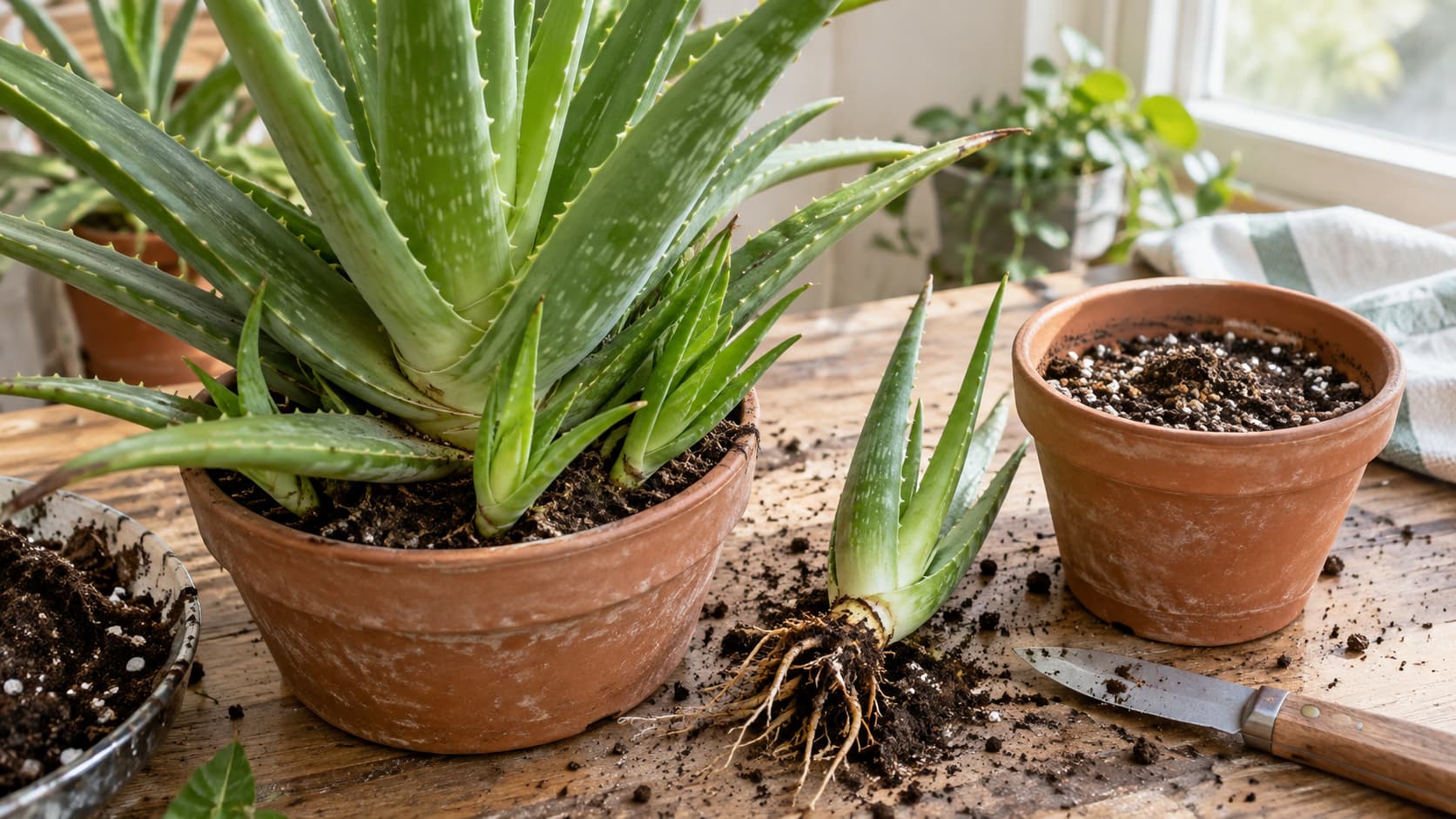
Division is a useful option once a mature plant outgrows its pot or planting area. Spring is a practical time, since active growth helps divided sections recover faster.
- Water the plant lightly the day before dividing.
- Remove it from its pot or dig around the outdoor clump.
- Use gloves and a clean, sharp knife or spade.
- Separate the root mass into sections with healthy roots and stems.
- Place each section at the same depth it grew before.
- Fill around the roots with well-draining soil.
- Water thoroughly and let extra water drain away.
- Keep divisions out of harsh sun while they settle in.
3. Repot a Root-Bound Foxtail Fern
A crowded root system may lift the soil, push against a plastic pot, or make water run right around the root ball instead of soaking in. I wouldn’t put off repotting too long once these signs show up, since crowded roots make watering much harder.
- Choose a pot only 1 to 2 inches wider than the current one.
- Confirm it has working drainage holes.
- Loosen tightly circling roots carefully.
- Trim only dead, soft, or damaged root material.
- Set the crown at its previous depth.
- Add fresh, loose potting mix around the roots.
- Water once and let the pot drain fully.
- Hold off on fertilizer until new growth shows the plant has settled in.
Foxtail Fern Landscape Ideas: Placement and Companion Plants
The plant’s upright, spreading form fills borders, containers, and small garden spaces well. A planned foxtail fern landscape gives each plant room to widen without crowding paths or nearby plants.
Where to plant: Good spots include shaded borders beside patios, large planters with drainage, partly shaded entry areas, and beds under open tree canopies.
Coastal gardens, rock gardens, and mixed beds with broad-leaved plants work well too. Skip narrow paths and heavy roof runoff, since a solid foxtail fern landscape needs filtered light, drainage, and room for mature spread.
Companion plants: Caladiums, bromeliads, and coleus contrast nicely against the fine, needle-like growth, alongside shrubs that elevate outdoor spaces with similar light and drainage needs.
Shade-tolerant annuals and low ground covers fill in without crowding the crown. Confirm companion plants share similar light and drainage needs, and keep airflow open around the base.
Foxtail Fern Care Tips From Other Gardeners
Advice from experienced growers can add useful context to everyday foxtail fern care, especially when their observations highlight recovery, repotting, seasonal stress, or other situations that vary between homes.
Yellowing and shedding after a move indoors can bounce back. Trim away the dead growth, treat for spider mites, feed lightly, and new stems will eventually fill in the bare spot.- Iris-Ng, Reddit
Keep it out of direct sun, use well-draining soil, and avoid overwatering. That combination keeps the plant healthy.- poobie87, Reddit
This size pot can need close to a gallon of water per watering. Soak it thoroughly so the water actually reaches the roots instead of running off the surface.-chloenicole8, Reddit
Repot once the soil seems to dry out faster than you can keep up with, or once roots start poking out the drainage holes.- pacificspinylump, Reddit
Seasonal Foxtail Fern Care Checklist
Foxtail fern needs shift as temperatures, daylight, and growth rates change through the year, so a seasonal checklist helps you adjust watering, feeding, pruning, and frost protection at the right time.
- Spring: Prune winter damage, divide crowded plants, repot if needed, and resume feeding.
- Summer: Check soil regularly, protect from intense sun, and monitor for mites.
- Fall: Reduce feeding and prepare outdoor containers for colder weather.
- Winter: Water less, maintain bright indoor light, and protect plants from freezing conditions.
Local weather and indoor conditions matter more than calendar dates, so use these as a starting point rather than a strict rule.
Final Thoughts
Foxtail fern care becomes much easier when you respond to what the plant is showing instead of following a rigid routine.
Healthy growth depends on balanced light, sensible watering, good drainage, and enough room for the roots and stems to develop. I prefer making one clear adjustment at a time so it is easier to judge the result.
If you are building a foxtail fern landscape, keep mature size, airflow, and placement in mind as well. Check your plant today, note any changes, and use those observations to guide your next care step.
Frequently Asked Questions
Will My Foxtail Fern Flower or Produce Berries Indoors?
It’s possible but not common. Flowering usually needs the brighter, steadier light of an outdoor setting, where blooms and berries show up far more often than they do on plants kept inside.
Can Foxtail Fern Grow as a Ground Cover?
Yes, its spreading growth works in borders and groundcover plantings when plants have enough space and well-drained soil.
Do Birds Eat Foxtail Fern Berries?
Yes, the red berries can attract birds, which is worth considering when choosing where to grow the plant outdoors.