Why Some Beautiful Rooms Still Feel Wrong Until the Windows Change
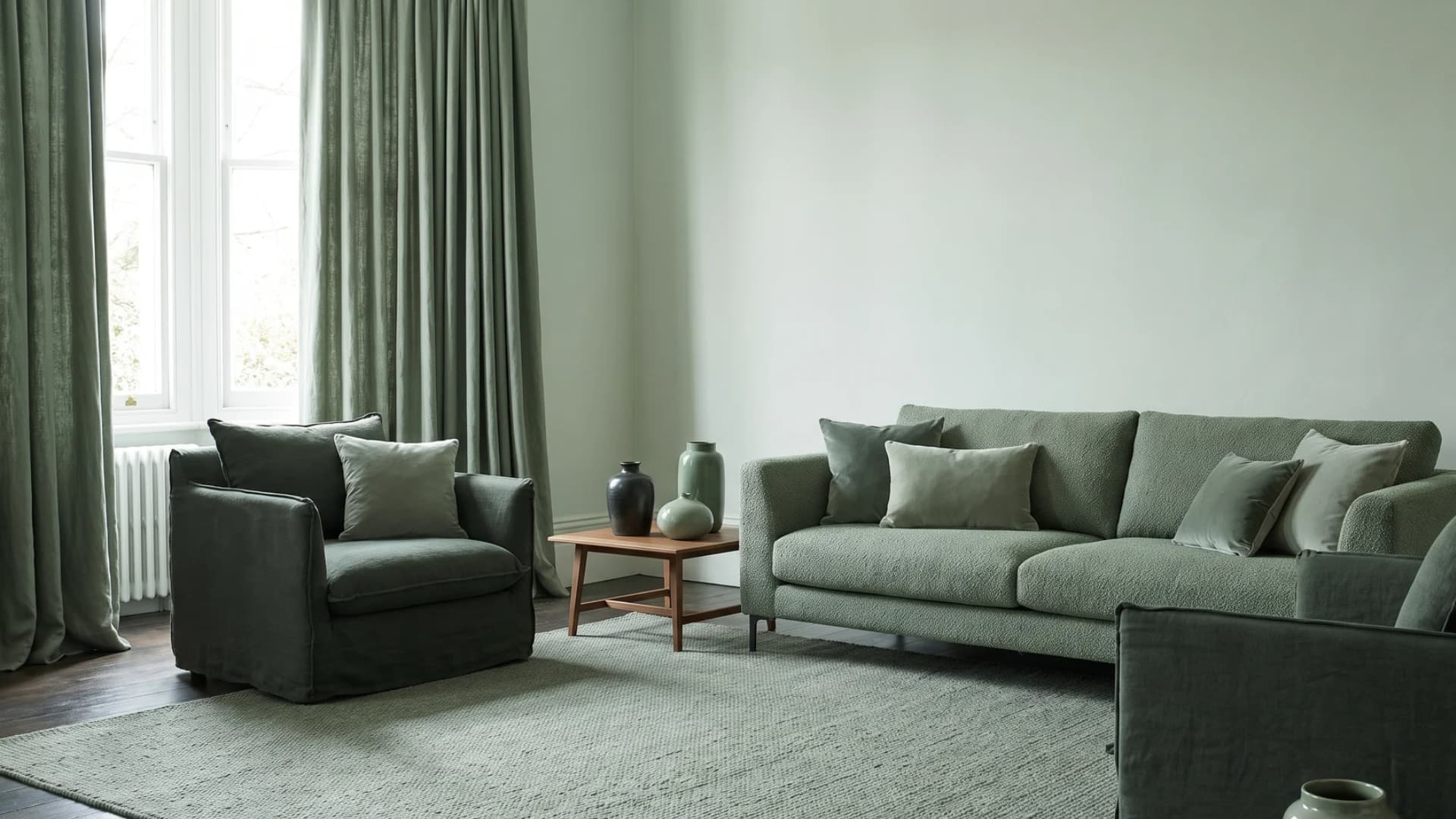
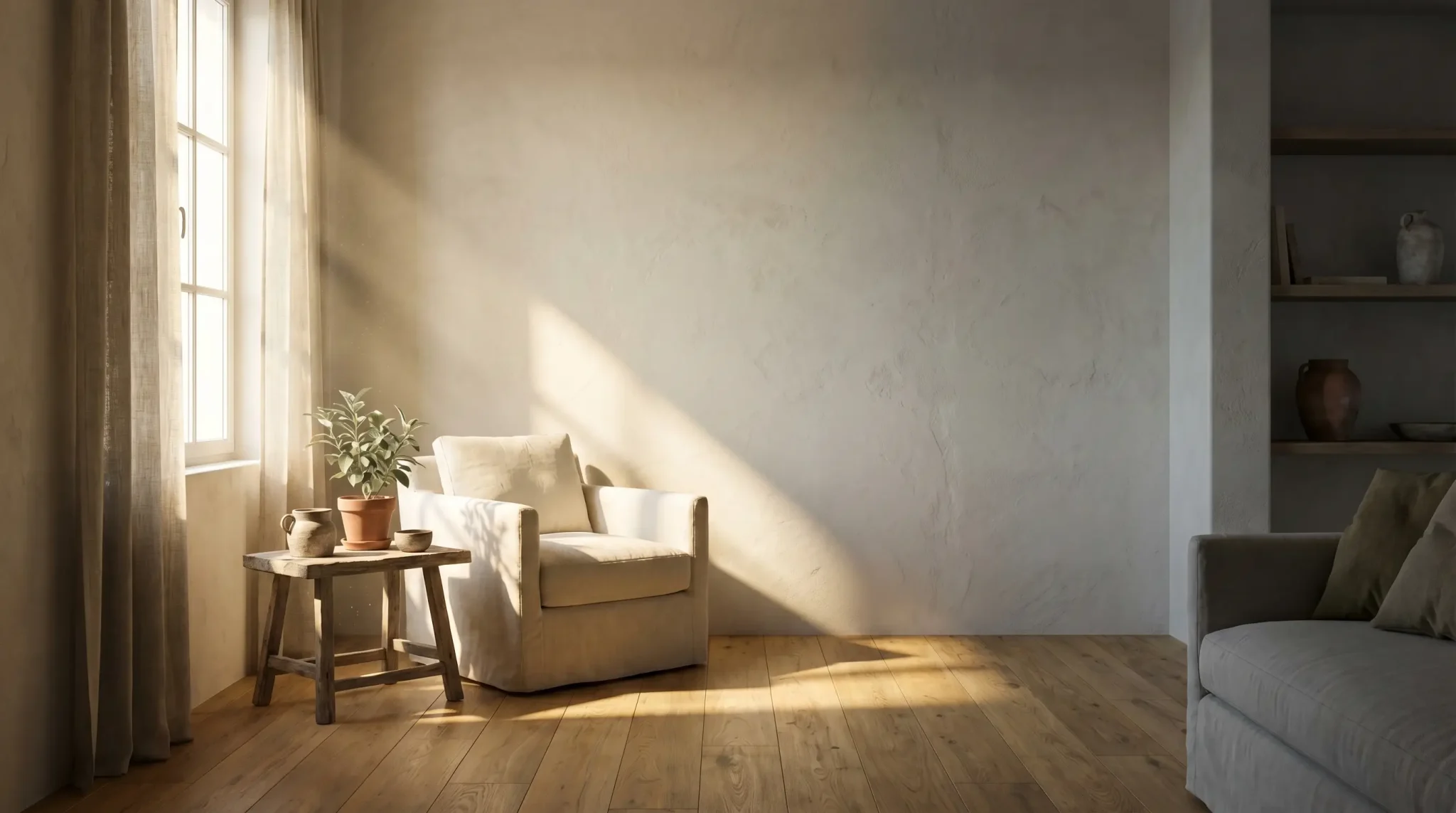
A room can be full of good things and still feel a little disappointing. The paint is right. The sofa fits. There is a wooden side table with a worn edge that gives the space some age. A ceramic lamp softens the corner in the evening. On paper, nothing is missing. Then the room starts living its real life, and the weak spot shows up. Morning light cuts across one wall and leaves the rest dull. However, despite the fact that the chair placed beside the window is always seen to be inappropriate for that place, even if the drapes hang nicely, the entire wall will still appear more weighty than the other walls in the room. This is the point when the problem becomes more of a house concern than a matter of style, explaining why many homeowners think of a boise window company in such instances.
That shift is easy to understand in homes where people care about the atmosphere. A room does not feel calm because it has expensive things in it. It feels calm when the light works, when the wall has the right balance, and when the opening to the outside does not fight everything around it. In homes that lean toward natural materials, soft color, plants, old wood, and a little breathing room, windows matter more than people expect. They shape the mood of the room from the moment the sun comes up.
Light Can Make Good Materials Look Better or Worse
This is one of the least glamorous parts of interior work, and one of the most obvious once it goes wrong. Plaster, linen, oak, clay, and stone all react to light in a very honest way. In one room, they feel warm and alive. In another, the same materials can look flat by noon. The difference is often the window.
A narrow opening can leave a whole room, depending on one bright patch that moves too quickly. Heavy framing can make the wall feel chopped up. Older glass can change the way the room reads during the day, especially in houses that already have a softer palette. Then people start blaming the wrong thing. The paint gets changed again. The rug gets replaced. The shelves are cleared and restyled. Yet the room still has that slightly tired look because the real issue was sitting in the wall the whole time.
For readers who like homes that feel open and grounded, this is where window decisions become much more interesting than they first sound. It is not really about buying a product. It is about letting the materials in the room look the way they were supposed to look from the start.
The Window Line Decides Whether a Wall Feels Easy or Awkward
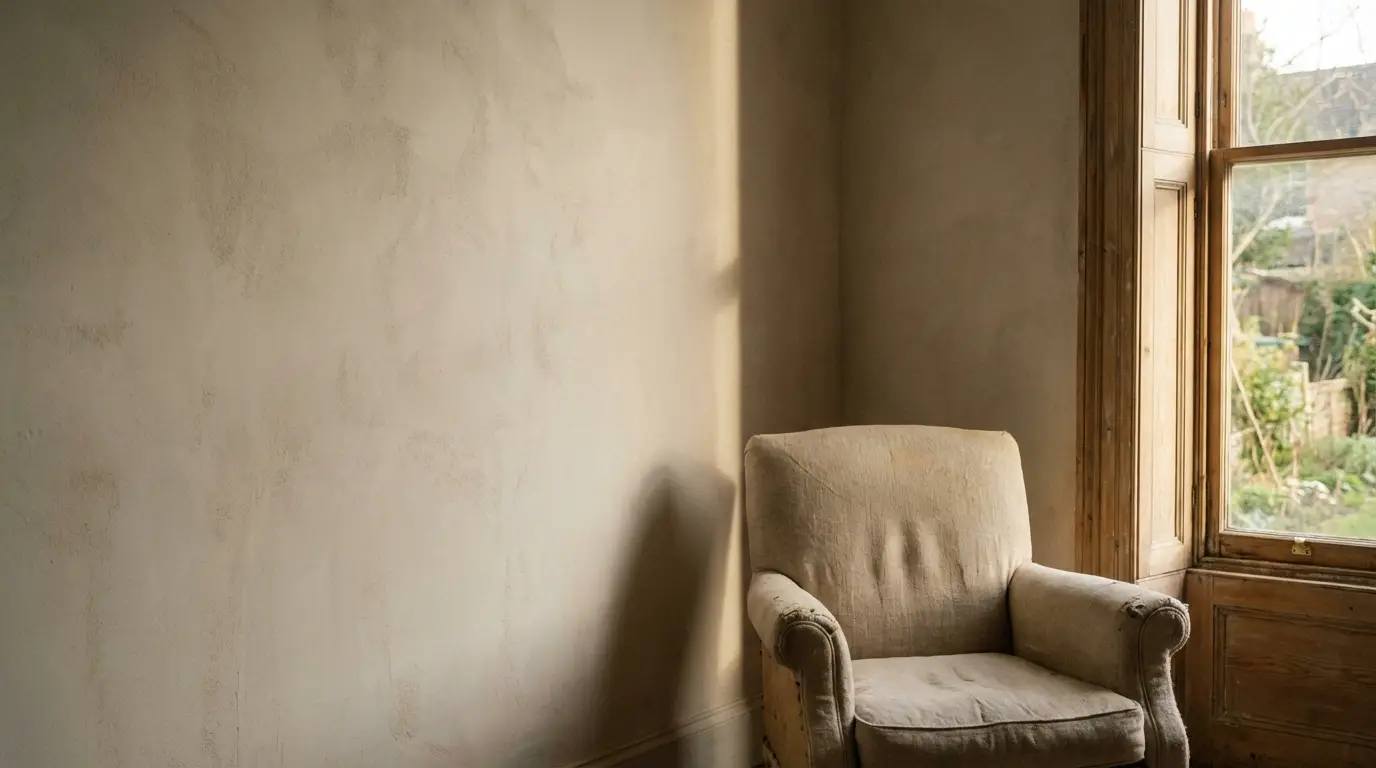
The inside edge of the window matters just as much as the view outside. It tells the room where furniture can go. It tells curtains how to fall. It decides whether the wall can hold a bench, a console, or a quiet reading chair without everything looking squeezed together.
That is why some rooms never feel fully comfortable. The opening is too small for the scale of the wall. The frame is too bulky for the rest of the house. The proportions push furniture into weaker positions. A breakfast table ends up in the darker corner. A plant gets placed where it can survive, not where it actually looks right. A wall that should feel open starts acting like a tight passage.
This is one of the better arguments for custom work in a home that cares about feeling as much as finish. In some cases, a replacement of the same size is enough. In others, a larger opening, a cleaner frame, or a patio door changes the room far more than a new chair or sideboard ever could. Boise Custom Windows works with those kinds of changes, and that is part of what makes the topic relevant to a design-minded audience. Sometimes the room needs a better opening more than it needs more furniture.
Small Details Around the Window Change the Whole Result
Once the window changes, the rest of that wall usually needs a second look. This does not call for a full reset. It calls for honesty.
- Curtain length may need to change.
- A bench might work better than a chair.
- The trim color may feel too sharp next to the wall.
- A plant stand may block more light than expected.
- Art near the opening may need more space around it.
These are small choices, but they decide whether the room feels natural or slightly forced. A better window can clean up the structure of the space. The room still needs a few quiet edits around that change. This is where good homes often separate themselves from staged ones. They are not filled with more objects every time something gets updated. They get adjusted. The room keeps what still works and lets go of what no longer fits.
Material Choice Matters More in Soft, Lived In Homes
In a very plain or very modern room, almost any clean frame can pass without much friction. In a house with age, texture, and a more personal mix of pieces, the wrong frame shows up fast. It can make the wall feel colder. It can flatten the softness of the room. It can sit there like a separate decision instead of part of the house.
That is why material and finish deserve more attention than people sometimes give them. Vinyl may suit a room that needs visual simplicity and easy upkeep. Fiberglass can work where the lines of the home are cleaner. Wood often sits more naturally in interiors with older floors, handmade pieces, or a warmer palette. The goal is not to make the window stand out. The goal is to let it belong. When it belongs, everything near it looks better, too.
A Room Feels Different When the House Finally Helps It
Some updates are easy to spot right away. Others are felt first. Better windows usually fall into the second group. The room starts looking calmer at breakfast. The late afternoon light stops dying in one corner. The wall around the opening finally has enough order to support the furnishings instead of working against them. The house begins to help the room.
That is what makes this subject a good fit for a site like A House in the Hills. It speaks to people who want a home to feel soft, open, and close to the outdoors without turning every change into a grand project. A better window does not erase the charm of a room. It often lets that charm show up more clearly. The old wood looks warmer. The plaster looks less dull. The chair by the window finally feels like it belongs there. And the room, after all the paint samples and furniture moves and small fixes, starts making sense.