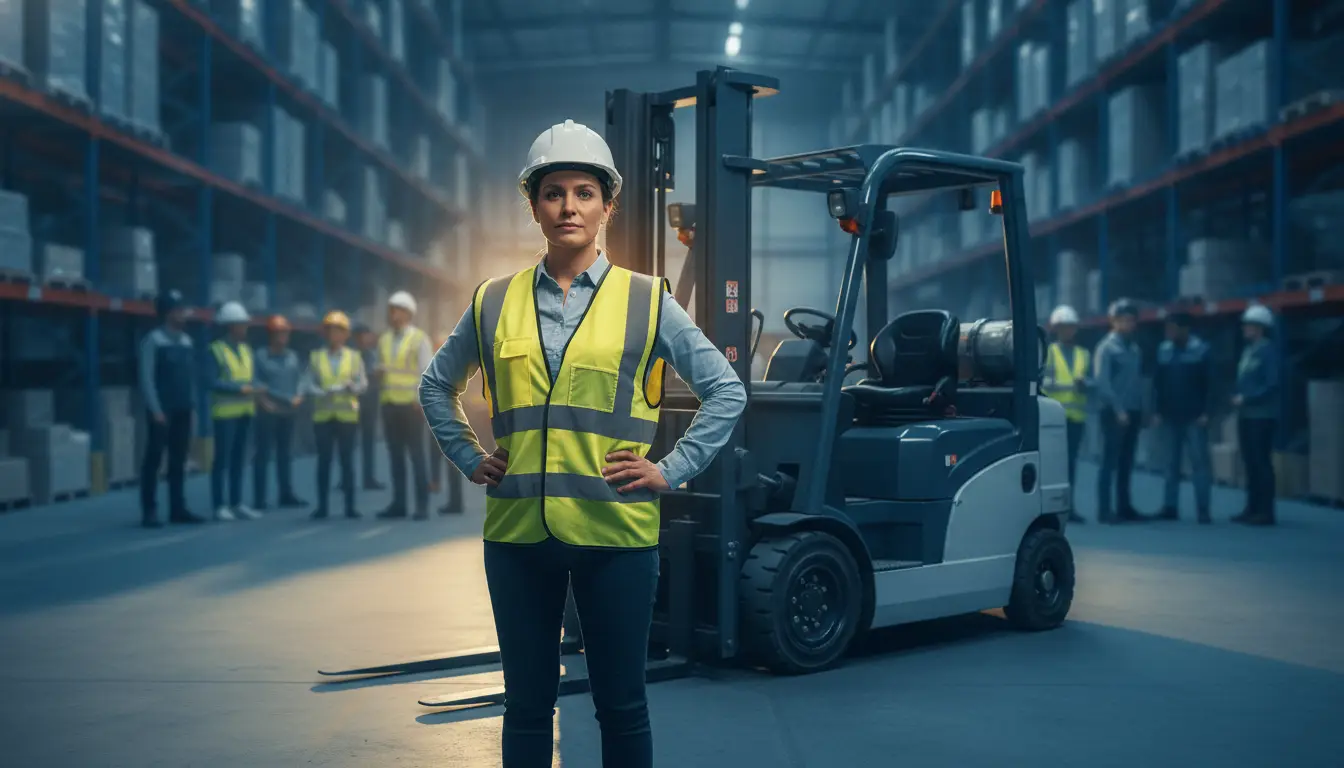
Why Forklift Certification Is Becoming a Competitive Advantage in the Labor Market
The labor market has become increasingly competitive across a wide range of industries. Whether someone is entering the workforce for the first time, changing careers, or looking for opportunities to increase their earning potential, employers often seek candidates who can contribute immediately and require minimal additional training.
As a result, job seekers are constantly looking for ways to distinguish themselves from other applicants. College degrees, professional certifications, technical skills, and industry experience all play a role in this process. However, one qualification that is receiving growing attention in many industries is forklift certification.
Once viewed primarily as a requirement for warehouse operators and equipment handlers, forklift certification is increasingly becoming a valuable credential that can help candidates stand out in a crowded job market. Across industries such as logistics, manufacturing, construction, distribution, retail, and transportation, employers continue to place a high value on workers who possess both safety awareness and equipment operation skills.
Employers Value Candidates Who Can Contribute Immediately
Hiring new employees involves both time and money. Employers often invest significant resources in recruiting, onboarding, training, and supervising new hires before those workers become fully productive. Because of this, candidates who already possess relevant skills frequently attract greater interest during the hiring process.
Forklift certification can help demonstrate job readiness. When a candidate already understands basic forklift safety principles, equipment operation procedures, and workplace regulations, employers may feel more confident in their ability to integrate into the workplace quickly. While company-specific training is often still required, certified candidates frequently require less foundational instruction than applicants with no prior exposure to forklift operations.
Warehousing and Logistics Continue to Grow
One reason forklift certification has become increasingly valuable is the continued expansion of warehousing and logistics operations. The growth of e-commerce, supply chain networks, fulfillment centers, and distribution facilities has created substantial demand for workers who can safely move materials and manage inventory. Forklifts remain essential tools in many of these environments. From receiving shipments and stocking inventory to loading trucks and organizing warehouse space, forklift operators often play a critical role in daily operations.
As logistics networks become more sophisticated and consumer expectations continue to emphasize speed and efficiency, employers frequently seek workers who can help maintain productivity while adhering to safety standards. Forklift certification helps signal that a candidate may be prepared to meet those expectations.
Safety Awareness Is Highly Valued
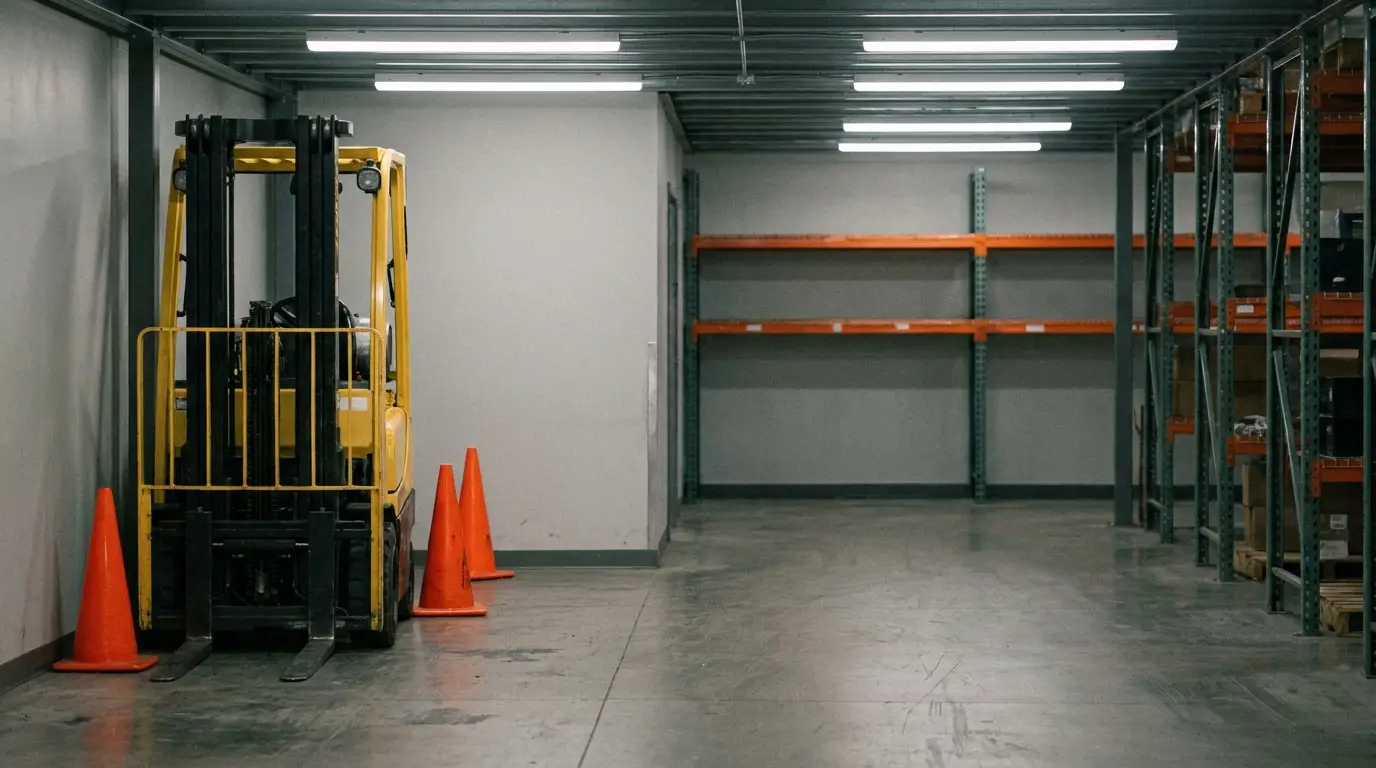
Forklift certification is about more than learning how to operate equipment. Training programs typically place significant emphasis on safety procedures, hazard recognition, equipment inspections, load handling, and workplace awareness. These skills can be valuable even beyond forklift operation itself.
Employers consistently prioritize workplace safety because accidents can result in injuries, operational disruptions, regulatory issues, and financial losses. Candidates who have completed forklift training often demonstrate a commitment to safety and an understanding of the importance of following established procedures. This can make a positive impression during the hiring process.
Certification Can Expand Employment Opportunities
One of the practical benefits of forklift certification is the broader range of jobs it may help unlock. Many positions in warehousing, manufacturing, construction, distribution, shipping, and industrial operations either require or prefer candidates who possess forklift-related qualifications. In some cases, certification may allow applicants to qualify for positions that would otherwise be unavailable.
Even when forklift operation is not the primary responsibility of a role, employers often appreciate workers who can perform multiple functions within an organization. Versatility can be extremely valuable in fast-paced workplaces. Candidates who bring additional skills to the table often have more opportunities available to them than those with narrower qualifications.
It Demonstrates Initiative
Employers often look for evidence that job candidates are willing to invest in their own professional development. Forklift certification can serve as an example of that initiative.
When applicants voluntarily pursue training and certifications, they demonstrate a willingness to learn new skills and prepare themselves for future opportunities. This proactive approach may leave a positive impression on hiring managers who value self-motivated employees. In many industries, technical qualifications are important, but attitude and work ethic matter as well. Certification can help communicate both competence and commitment. These qualities are often attractive to employers evaluating multiple candidates with similar backgrounds.
Many Industries Use Forklifts
Another reason forklift certification remains valuable is the sheer number of industries that rely on forklifts and material handling equipment. Warehouses are the most obvious example, but they are far from the only workplaces where forklifts are commonly used. Manufacturing facilities, construction sites, lumber yards, agricultural operations, ports, retail distribution centers, wholesale suppliers, and many other industries utilize forklift equipment regularly. This broad applicability means forklift certification is not limited to a single career path.
A Valuable Skill in a Competitive Market
Today’s labor market rewards candidates who bring practical, immediately useful skills to employers. Forklift certification is increasingly viewed as one of those skills. By demonstrating safety awareness, technical competence, initiative, and job readiness, certification can help applicants distinguish themselves in industries where competition for opportunities remains strong.