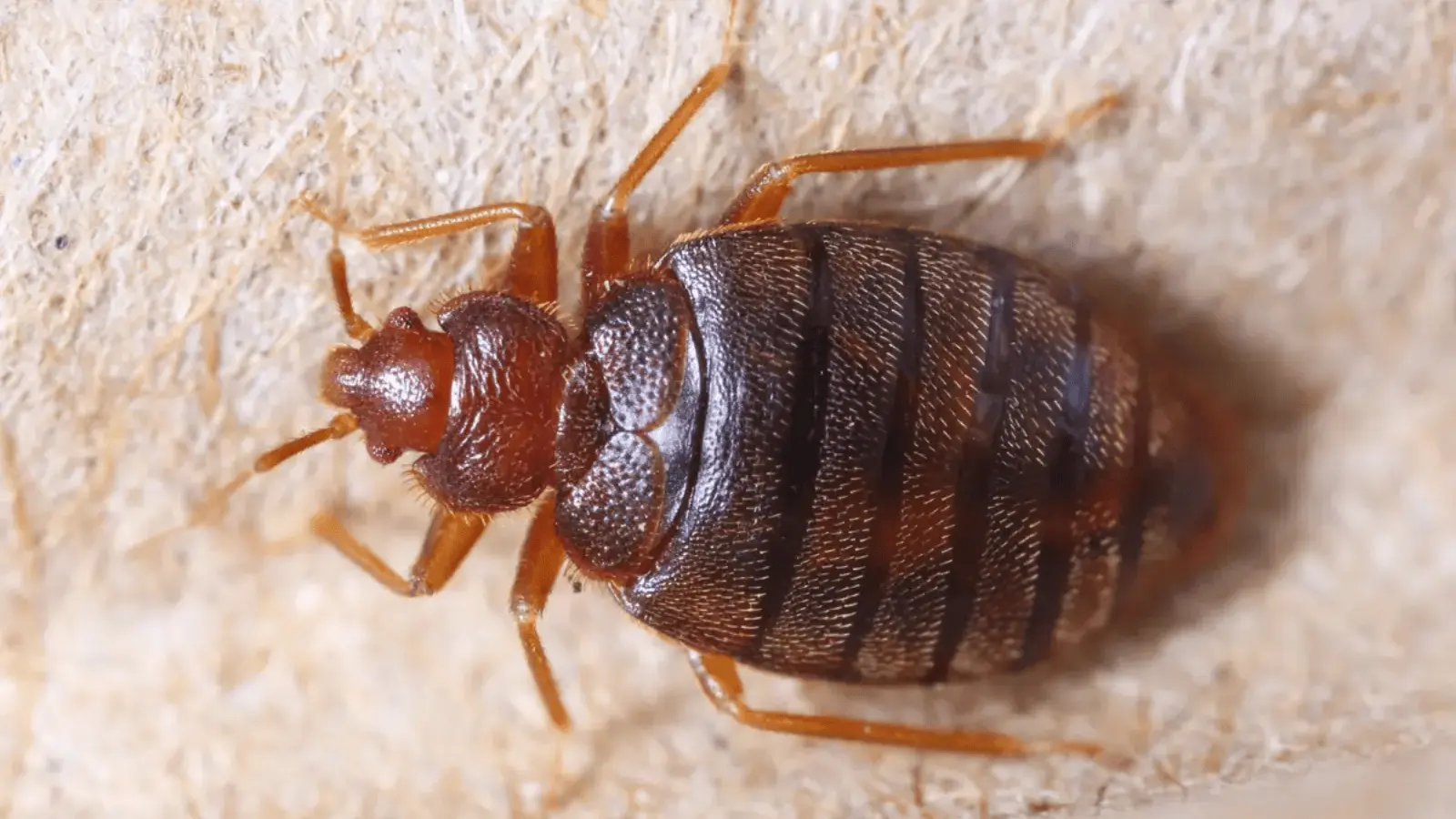
Types Of Bed Bugs: What You Need To Know
You wake up with itchy red marks and immediately think, bed bugs. But did you know there’s more than one type? Most people assume all bed bugs are the same.
They’re not. Some species live only in tropical regions. Others prefer bats over humans.
And many bugs that look like bed bugs aren’t bed bugs at all. Understanding the differences helps you identify what you’re actually dealing with, and why generic advice doesn’t always work.
This blog breaks it all down clearly, without the confusion you’ll find on most other sites.
How Many Types Of Bed Bugs Actually Exist?
Scientifically, bed bugs belong to a family calledCimicidae, which contains dozens of species. But here’s the key distinction: only 2 to 3 species regularly feed on humans.
So why do different sources give different numbers?
- Some count every species in the Cimicidae family
- Others count only the species that bite humans
- A few include insects that look like bed bugs but aren’t
This creates real confusion online. You’ll see articles saying there are 2 types, others say 3, and some list far more. Both perspectives are technically correct; it just depends on what you’re counting.
For most people, only the human-feeding species matter.
Bed Bug Species That Bite Humans
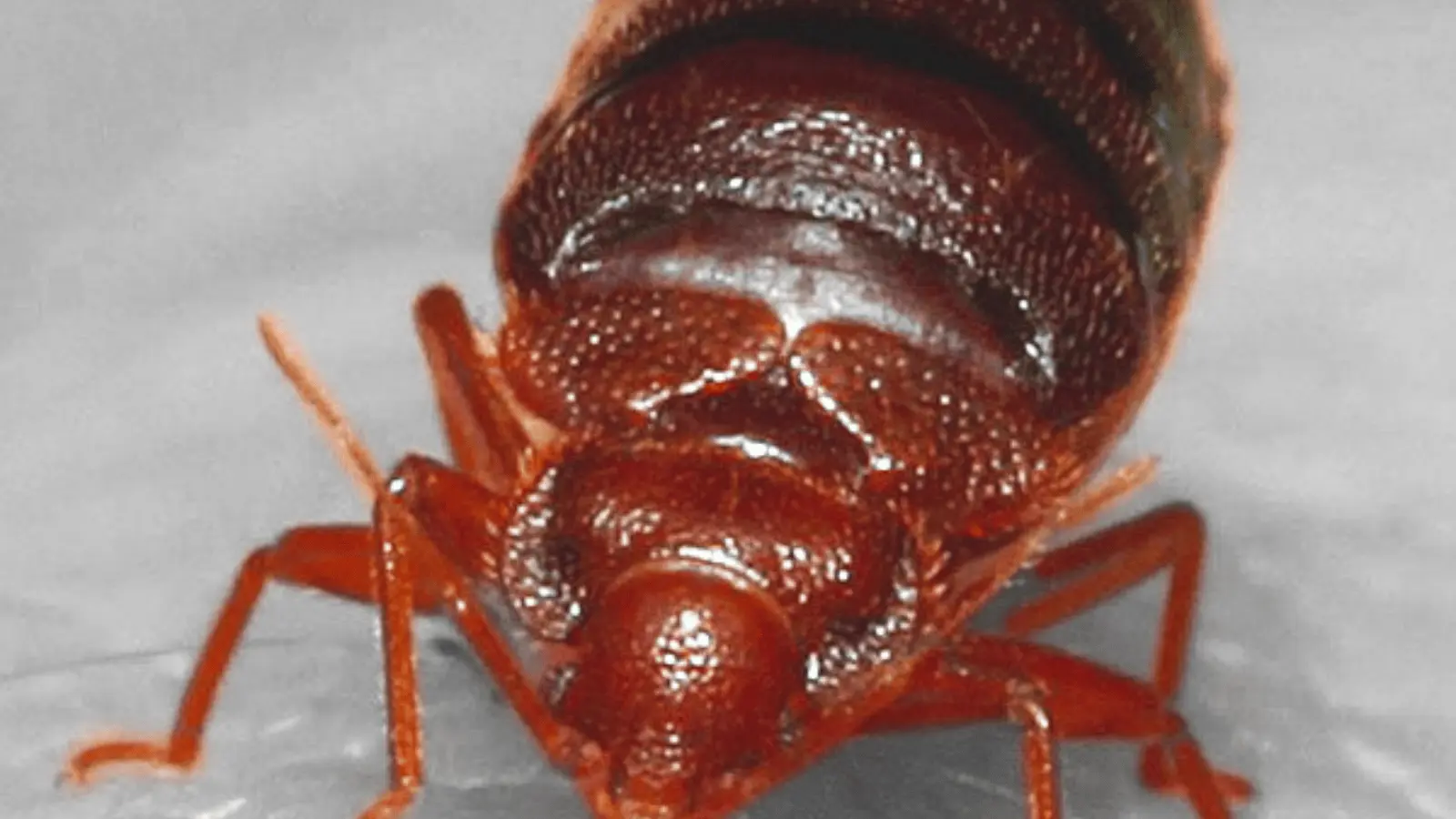
Not every bed bug species targets humans. Out of dozens in the Cimicidae family, only three are known to regularly feed on human blood.
1. Cimex Lectularius (Common Bed Bug)
This is the species most people encounter.
Cimex lectularius is found worldwide, especially in temperate climates like North America and Europe. It lives in mattresses, furniture, baseboards, and luggage, fully adapted to indoor living.
It feeds almost exclusively on human blood, making it the dominant species in homes and hotels globally.
Many people assume this is the only bed bug type. That gap in knowledge leads to misidentification, especially when traveling to warmer regions.
2. Cimex Hemipterus (Tropical Bed Bug)
This species behaves similarly to Cimex lectularius but thrives in warm, humid climates.
You’ll find it most commonly in:
- Southeast Asia
- Sub-Saharan Africa
- Parts of South America
- Tropical island regions
It feeds on human blood and hides in similar spots, mattresses, cracks in walls, and furniture. The main difference is its temperature tolerance. It can’t survive as well in colder climates.
However, increasing global travel and shifting climates are helping it spread beyond its traditional range. Assuming geography fully contains it is no longer accurate.
3. Leptocimex Boueti (Bat-Associated Bed Bug)
This one rarely gets mentioned, but it belongs on this list.
Leptocimex boueti is found primarily in West Africa and parts of South America. Its preferred host is bats, not humans. But when bats leave a space or are removed, this species can turn to human hosts for feeding.
It’s not a common household pest. But if you live near bat colonies or in affected regions, it’s relevant. Most online guides skip it entirely, which is part of why the “how many types” question stays confusing.
Why Only Certain Bed Bugs Target Humans?
This is where things get interesting. Not all insects evolve to feed on humans. Bed bugs that do share a few key biological traits:
- Heat detection: They can sense body warmth from a distance
- CO₂ sensitivity: They locate sleeping humans by tracking exhaled carbon dioxide
- Indoor survival: Human-associated species have adapted to live in temperature-controlled environments
Bed bugs that prefer bats or birds have evolved around those hosts instead. Their biology is tuned to different body temperatures, different shelter types, and different behavioral patterns.
This is why you can’t assume all “bed bug” species behave the same. A bat bug in your attic won’t necessarily infest your mattress the same way Cimex lectularius would.
Other Bugs Commonly Confused With Bed Bugs
Misidentification is one of the biggest problems in bed bug management. Several insects look nearly identical to bed bugs at a glance.
Bat Bugs And Bird Bugs
Bat bugs and bird bugs are the closest lookalikes. They’re the same size, similar color, and have the same flat oval shape.
The key differences:
- Hair length: Bat bugs have longer, more visible hairs on their body compared to bed bugs
- Location: They’re typically found near animal nesting areas, not in sleeping beds
- Host preference: They prefer bats or birds and only bite humans when their main host is gone
Treating for bed bugs when you actually have bat bugs won’t solve the problem. The source, bats or birds in the structure, needs to be addressed first.
Carpet Beetles, Fleas, And Lice
These three are frequently mistaken for bed bugs, especially when bites are involved.
- Carpet beetles don’t bite humans at all, but their larvae cause skin irritation that mimics bite reactions
- Fleas bite humans but jump and move quickly, unlike bed bugs
- Lice live on the body or hair, not in furniture or mattresses
All three cause people to wrongly treat their homes for bed bugs. The bites look similar enough to trigger a panic, but the pest and the solution are completely different.
Quick Summary: What You Actually Need To Know
Here’s the bottom line, without the fluff:
- The Cimicidae familyhas many species, but only 2–3 regularly bite humans.
- Cimex lectularius is responsible for most infestations worldwide.
- Cimex hemipterus is the species to know in tropical climates.
- Leptocimex boueti is rare but relevant in specific regions.
- Many insects that look like bed bugs, bat bugs, bird bugs, carpet beetles, are not bed bugs.
- Misidentification is extremely common and leads to the wrong treatment.
Conclusion
Most people assume there’s only one type of bed bug. In reality, a handful of species bite humans, and dozens more exist in nature.
Cimex lectularius causes most infestations, but tropical regions have their own species, and lookalikes make identification even harder. Getting the right ID is always the first step.
Treating the wrong pest wastes time and money. If you’re dealing with bites or suspicious insects at home, don’t guess your way through it.
Drop your questions in the comments below. We’d love to help.
Frequently Asked Questions
Which Bed Bug Is the Most Common?
Cimex lectularius is the most widespread species globally. It’s responsible for the large majority of residential and hotel infestations across temperate climates.
Can Different Types of Bed Bugs Live Together?
It’s rare, but possible in overlapping geographic regions. In practice, one species tends to dominate based on the local environment and available hosts.
Do Different Species Cause Different Bites?
Not in any significant way. Bite appearance is fairly consistent across species. How your skin reacts depends more on personal sensitivity than which species bit you.