Bar Top Height vs. Counter Height Explained
A few inches can make a big difference in how comfortable and functional your space feels.
Understanding bar top height vs. counter height is essential when planning a kitchen island, breakfast bar, or home entertainment area.
The right choice affects seating comfort, accessibility, and how smoothly daily activities flow.
Here, you’ll learn the key differences, standard measurements, and practical uses of each option. I’ll also show you how these heights influence layout and usability.
With the right insights, making an informed decision becomes much easier.
What Bar Top Height Really Means in a Home Setup
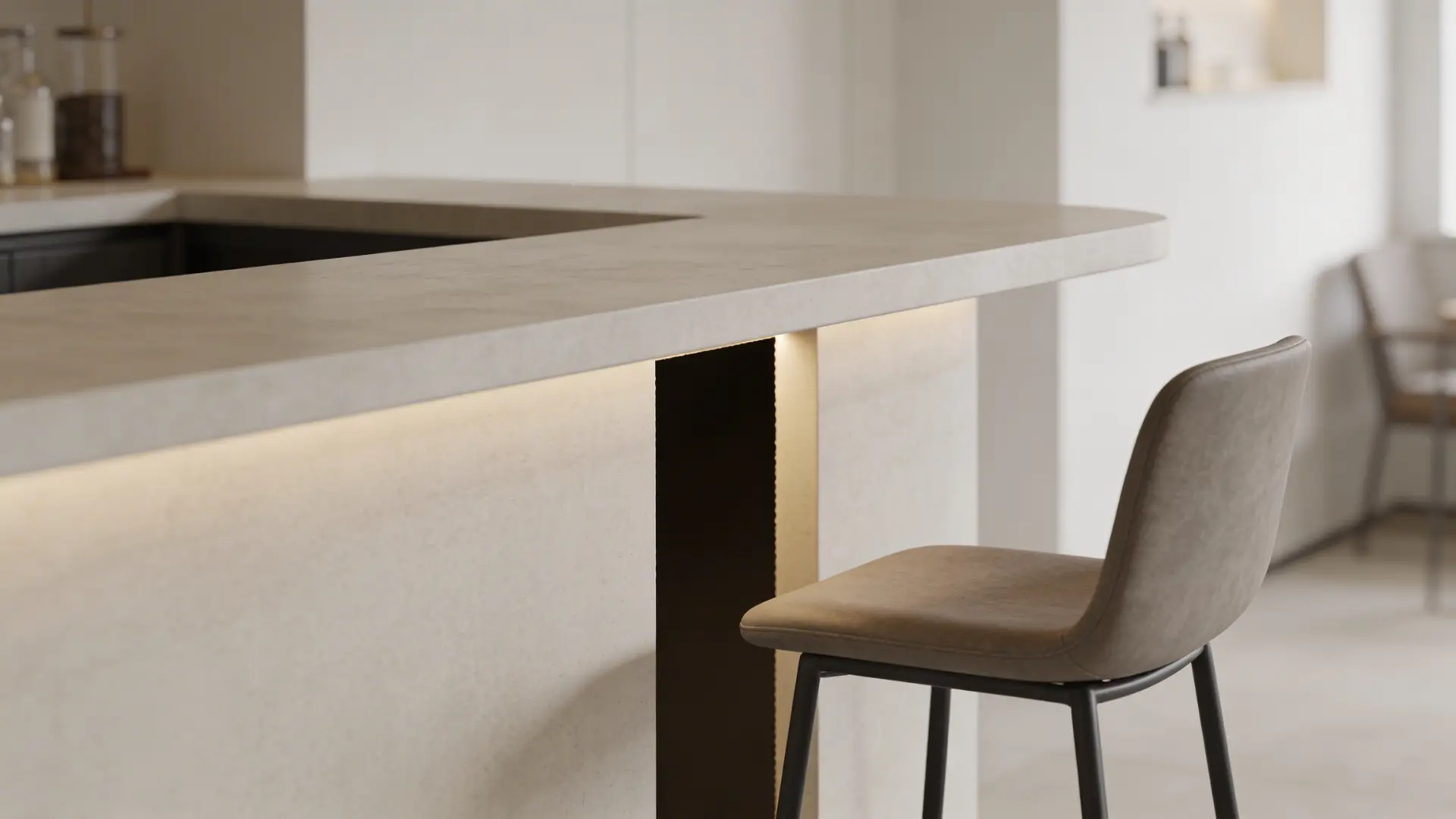
Bar top height refers to how high the surface of a bar sits from the floor. It is usually taller than a regular kitchen counter and is built for a different kind of use. Most bar tops fall between 40 and 42 inches high.
Standard Bar Top Height and Seating Alignment
The height is designed around how people sit and rest their arms. When the surface is higher, your posture shifts from leaning to sitting upright.
Your elbows sit more naturally at this level when you are on a taller stool. This reduces the need to hunch forward or raise your shoulders.
To support this, stools are usually 28 to 30 inches high. This creates a gap of about 10–12 inches between the seat and the surface.
When Bar Top Height Works and When It Doesn’t
Bar top height works well only when the setup is balanced. Small mismatches in stool height or usage can quickly make it uncomfortable.
| Situation | What Happens | Why It Happens |
|---|---|---|
| The stool is too short | Arms sit too high, shoulders feel strained | The height gap becomes too large, forcing you to lift your arms unnaturally. |
| The stool is too tall | Knees hit the underside, seating feels cramped | Not enough clearance between the seat and the bar top |
| Used for social seating | Feels comfortable and natural | Upright posture supports conversation and casual use |
| Used for kitchen prep | Causes shoulder and arm strain over time | Surface sits above the ideal working height |
| Used to separate spaces | Creates a clear visual and functional divide | Height difference signals a shift from work to seating |
When the height, seating, and purpose align, bar setups feel natural and easy to use. If any one part is off, comfort drops, and the space becomes harder to use.
What Counter Height Means and How It’s Used
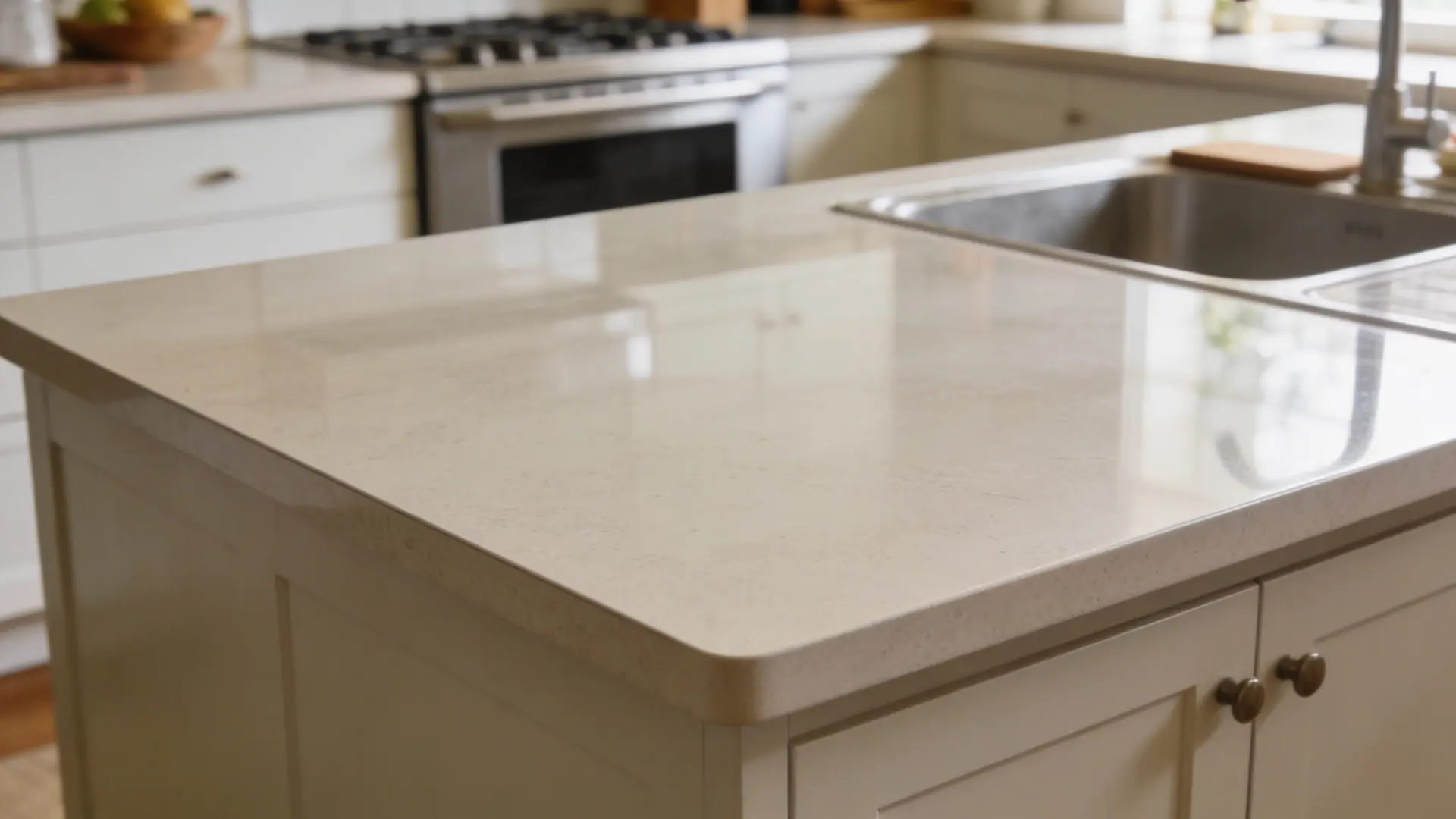
Counter height refers to the standard height of most kitchen work surfaces. It is lower than bar height and is designed for everyday tasks.
Most counters sit between 34 and 36 inches from the floor. This height is based on how people stand, prep, and use the kitchen space daily.
Standard Counter Height and Why It Works
Counter height aligns closely with your elbow level when standing. This makes it easier to chop, mix, and prepare food without raising your shoulders.
When seated, it pairs with stools around 24 to 26 inches high. This creates a comfortable gap for your legs and keeps your posture relaxed.
Because of this balance, counter height works well for both work and casual seating.
Where Counter Height Works Best and Its Limits
Counter height works well in spaces focused on daily use and easy access. But its lower height also comes with a few trade-offs.
| Situation | What Happens | Why It Works / Fails |
|---|---|---|
| Used for kitchen prep + dining | Smooth transition between tasks | Same height supports both working and sitting comfortably |
| Used in family kitchens | Easier for kids and older users | Lower height improves accessibility and safety |
| Used in small or compact spaces | Feels practical and efficient | No level changes make movement easier |
| Used in open layouts | Space feels less defined | No height difference to separate zones |
| Used for social or bar-style seating | Feels less elevated or casual | Lower height doesn’t create a distinct seating experience |
Counter height works best when function and ease of use matter most. If you need clear separation or a more social setup, it may feel limiting.
Bar Height vs. Counter Height: The Real Difference
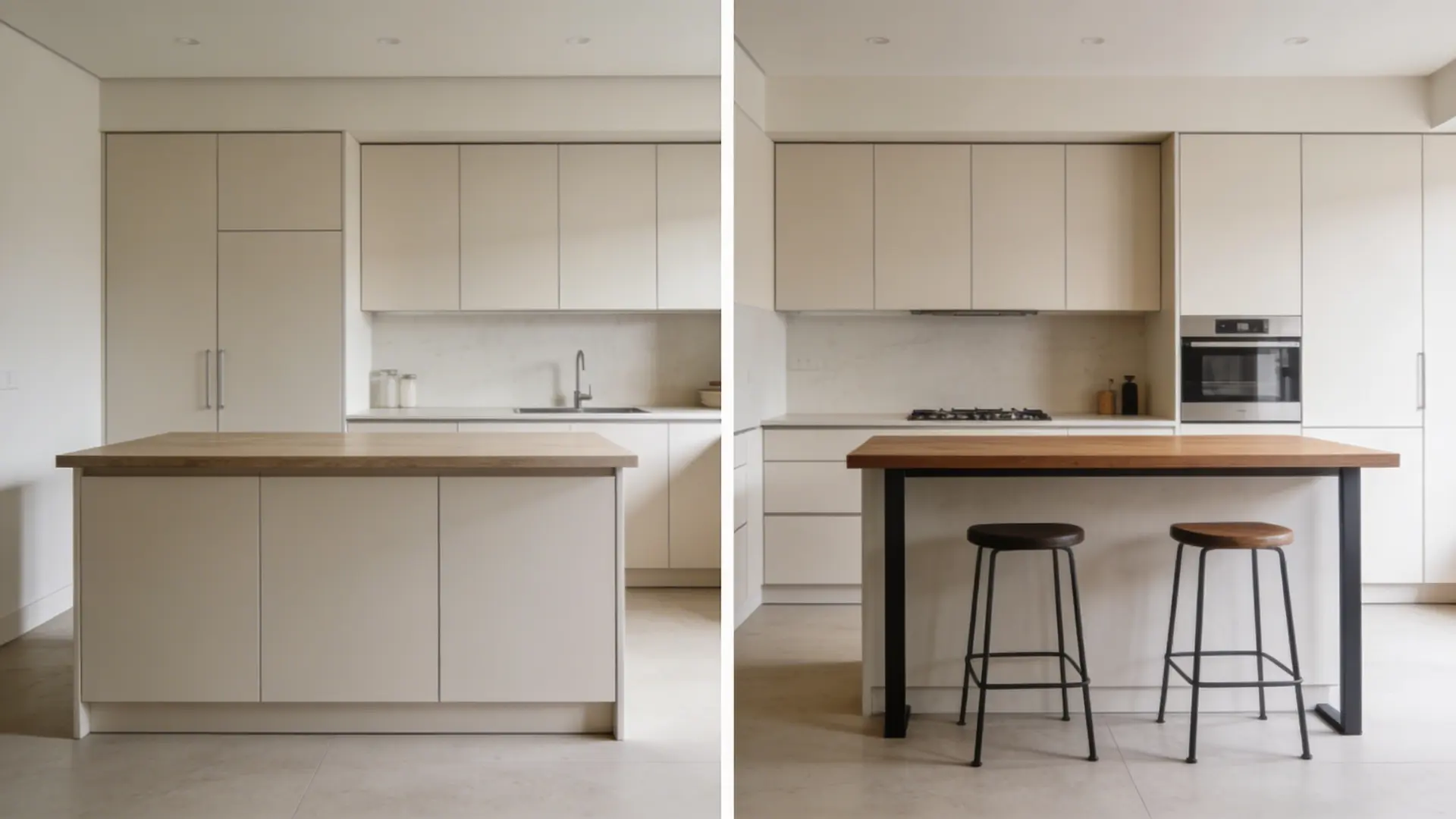
Both heights may seem close, but the difference changes how the space feels and functions. That small height gap affects posture, comfort, and how the area is used.
Here’s a quick comparison that makes it easier to see what sets them apart:
| Feature | Counter Height | Bar Height |
|---|---|---|
| Surface Height | 34–36 inches (86–91 cm) | 40–42 inches (102–107 cm) |
| Stool Seat Height | 24–26 inches (61–66 cm) | 28–30 inches (71–76 cm) |
| Ideal Gap Between Seat and Surface | 10–12 inches (25–30 cm) | 10–12 inches (25–30 cm) |
| Primary Purpose | Food prep, dining, and everyday use | Social seating, drinks, and casual gatherings |
| Best Suited For | Kitchens, islands, and family spaces | Home bars and entertainment areas |
| Accessibility | Comfortable for all age groups | Less accessible for children and seniors |
| Visual Impact | Blends seamlessly with the kitchen | Creates a clear visual separation |
Even a 6-inch difference changes how the space is used and experienced. Choosing the right height depends on whether the focus is on daily function or social use.
Why a 6-Inch Difference Changes Everything
A 6-inch height gap may seem small, but it changes how the space is used.
Counter height keeps everything on one level, which makes it better for longer use and daily tasks.
Bar height, on the other hand, creates a raised zone. This naturally shifts the focus from function to short-term seating and interaction.
It also affects how the space is perceived. Higher surfaces act as visual dividers, helping separate prep areas from seating without adding walls.
If this difference is overlooked, the layout can feel off.
How Stool Height Connects to Bar and Counter Height
Surface height alone does not decide comfort. The way it pairs with stool height is what actually determines how usable the setup feels.
The Ideal Height Gap for Comfortable Seating
Comfort depends on the space between the seat and the surface. A gap of 10 to 12 inches allows your legs to fit naturally and keeps your posture balanced.
If the gap is too small, your knees feel cramped. If it is too large, your arms sit too high, leading to shoulder strain.
Standard Stool Pairings for Each Height
Each surface height has a matching stool range. Using the correct pairing keeps your seating position natural and strain-free.
| Setup Type | Recommended Measurements |
|---|---|
| Counter Height Setup | 34–36″ counter paired with 24–26″ stools |
| Bar Height Setup | 40–42″ bar paired with 28–30″ stools |
| Comfort Clearance Rule | Maintain 10–12″ between seat and surface |
When the pairing is correct, everything feels aligned without effort. If you mix these up, even a well-designed space can feel uncomfortable.
Where Bar Height and Counter Height Work Best
Choosing between the two is not just about measurements. It depends on how the space will be used every day.
Best Use Cases for Each Height
Each height fits a different type of layout and purpose. The right choice depends on whether the focus is work, seating, or both.
| Setup Type | Counter Height | Bar Height |
|---|---|---|
| Kitchen islands | Best for prep + dining | Works if used mainly for seating |
| Home bars | Less common | Ideal choice |
| Small spaces | More practical | Can feel bulky or too tall |
| Open layouts | Blends spaces together | Helps create separation |
| Family use | Easier for all age groups | Less accessible for kids/seniors |
The better option depends on how you plan to use the space. Matching height to purpose keeps the layout functional and comfortable.
When to Combine Both Heights in One Space
Using both heights can solve multiple needs in one layout. A common setup is a split-level island, where one side is lower for prep, and the other is raised for seating.
This creates a clear divide without adding walls. It also allows cooking and social use to happen at the same time. However, it needs careful planning.
Other Dimensions that Affect Comfort Beyond Height
Height sets the level, but proportions decide how usable the space feels. Small changes in width and clearance can affect movement and comfort over time.
Overhang is not just about leg space. It also controls how far you can sit without leaning forward.
If it is too shallow, your body stays pushed back, making eating or resting uncomfortable.
Depth affects how the surface is used across its width. A deeper surface can handle plates, drinks, and decor together, but it also increases reach distance.
This matters more in bar setups where people sit rather than lean in. These dimensions shape how the space feels in real use.
Conclusion
Choosing between bar top height vs. counter height is about more than measurements; it shapes how your space functions and feels every day.
From comfort and accessibility to visual balance and usability, each option serves a distinct purpose. By understanding their differences and ideal applications, you can create a setup that aligns with your lifestyle and design goals.
A well-planned height ensures ease of use, better posture, and a more cohesive layout. With the right knowledge, making the best choice becomes simple and practical.
Evaluate your needs, measure carefully, and select the height that fits your space with confidence.