14 Painted Furniture Ideas That Work
That old dresser sitting in the corner, ignored and written off as past its prime, isn’t the problem, the color it’s always been painted is.
Most people assume worn or outdated furniture needs replacing, but a single coat of paint can do more than a complete overhaul ever could.
Painted furniture ideas have come a long way from basic color refreshes.
Today, the right technique can visually resize a piece, add texture where there is none, and completely shift the personality of a room without touching anything else.
From a cramped bedroom to a dark living room, or a collection of mismatched pieces that never quite gelled, paint is almost always the answer.
Painted Furniture Ideas
A coat of paint is the fastest way to make old furniture feel brand new, yet most people stop at picking a new color.
Paint can reshape proportions, add texture, and completely change a room’s mood. These ideas show what it’s truly capable of:
1. White Painted Furniture for a Clean, Light Look
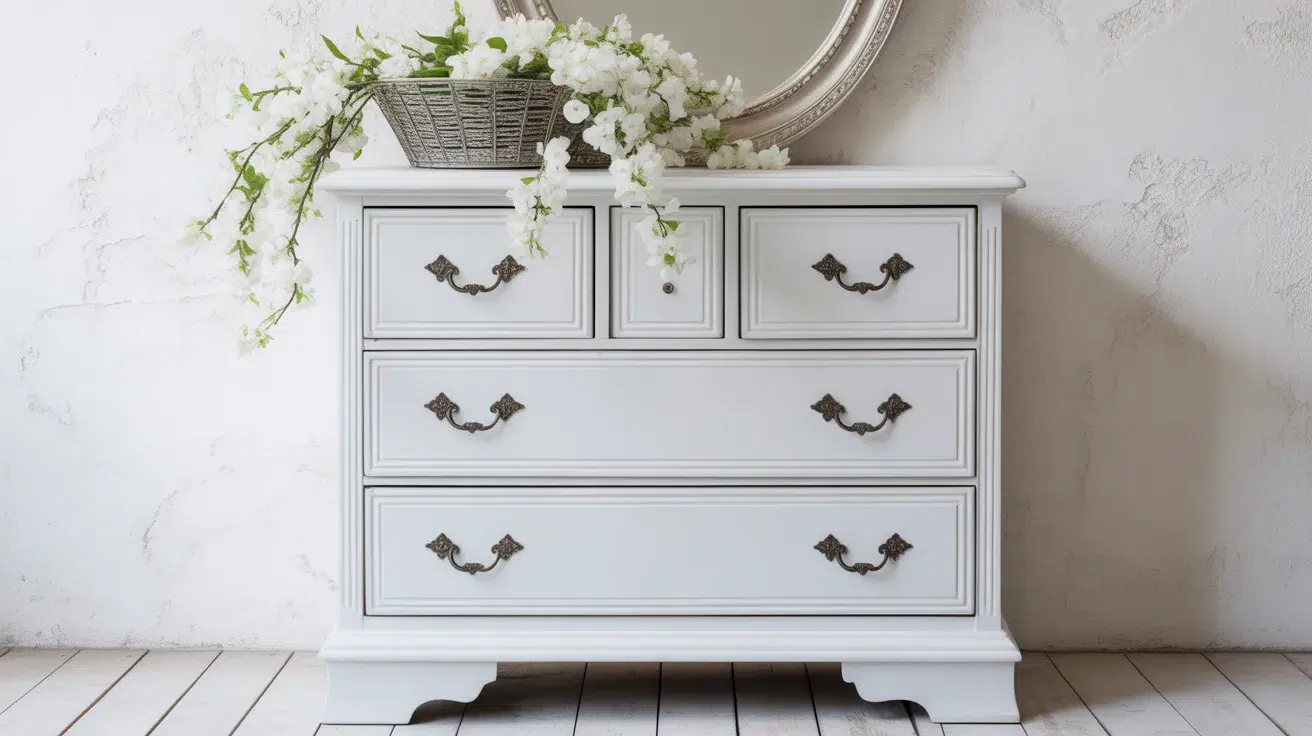
White reflects light, making furniture feel lighter and less imposing. In small or dark spaces, it compensates for limited natural light and helps the room breathe.
Scuffs and fingerprints show faster on white than on any other color. A washable eggshell finish buys extra durability without losing the clean look.
2. Black Painted Furniture for Strong Contrast
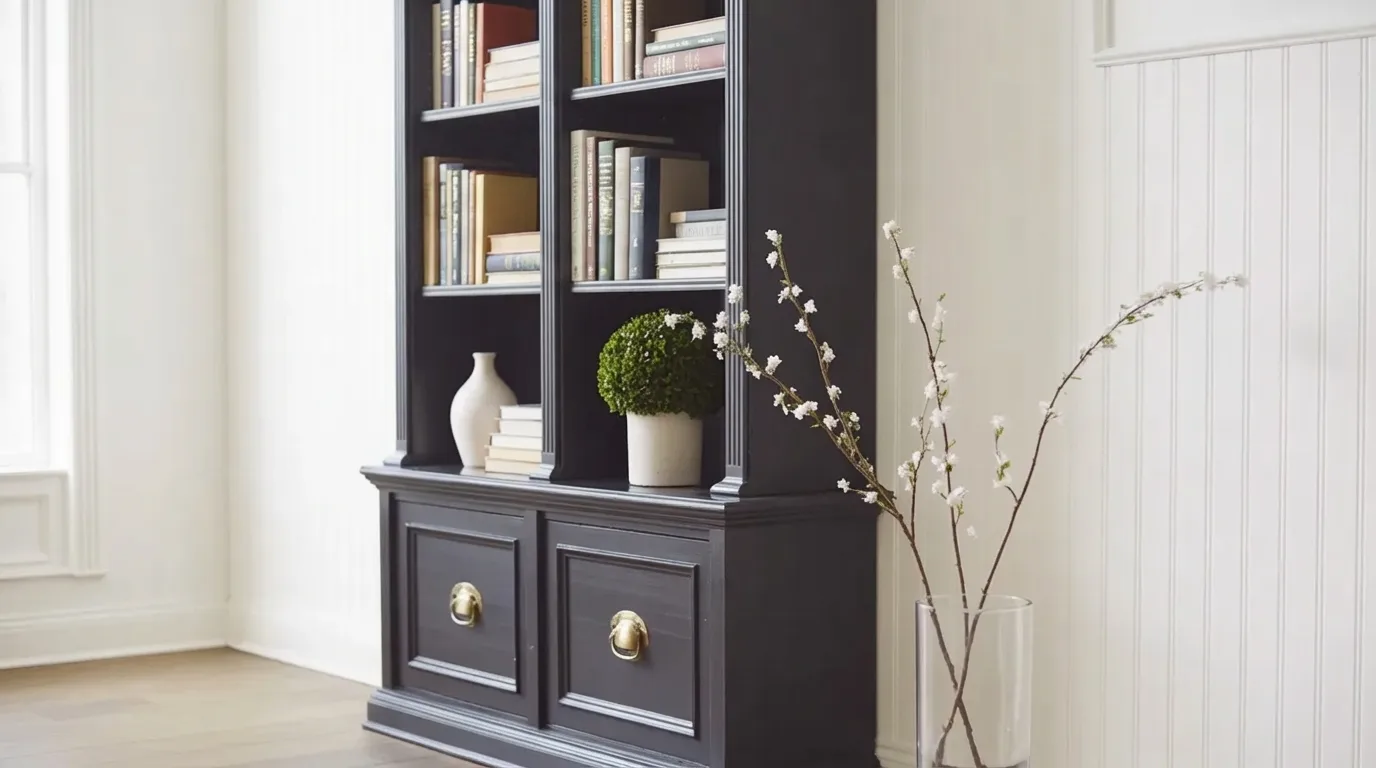
Black absorbs light, giving furniture weight and focus that anchors a room. In large or well-lit spaces, a single black piece creates definition without feeling heavy.
In tight rooms, the effect tips from dramatic to oppressive. Limiting black to one low-profile piece keeps the weight manageable.
3. Soft Pastel Colors for a Subtle Accent
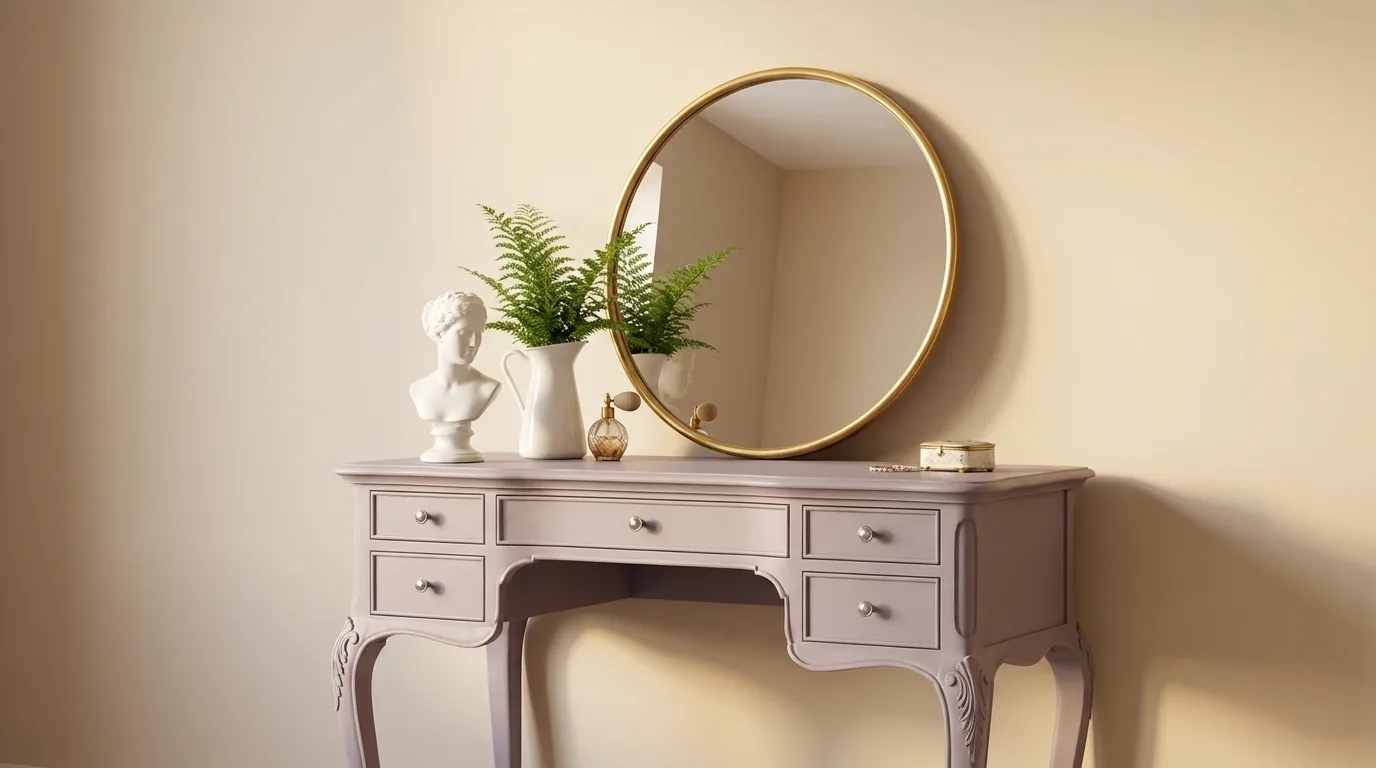
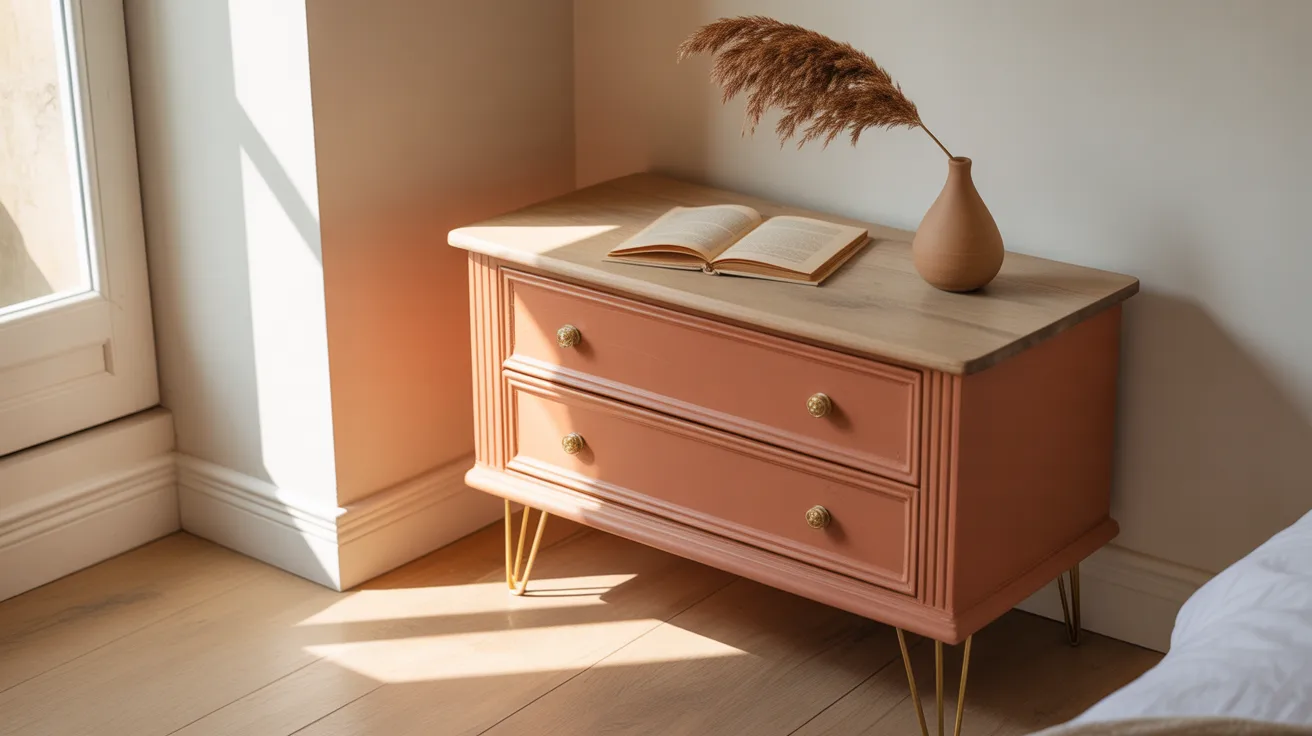
Pastels add warmth and personality without demanding attention, making them ideal for bedrooms and calm spaces where comfort matters more than contrast.
Without something darker nearby, pastel furniture fades into the background. Linen curtains or natural wood floors nearby give it enough context to register.
4. Bold Color Furniture as a Focal Point
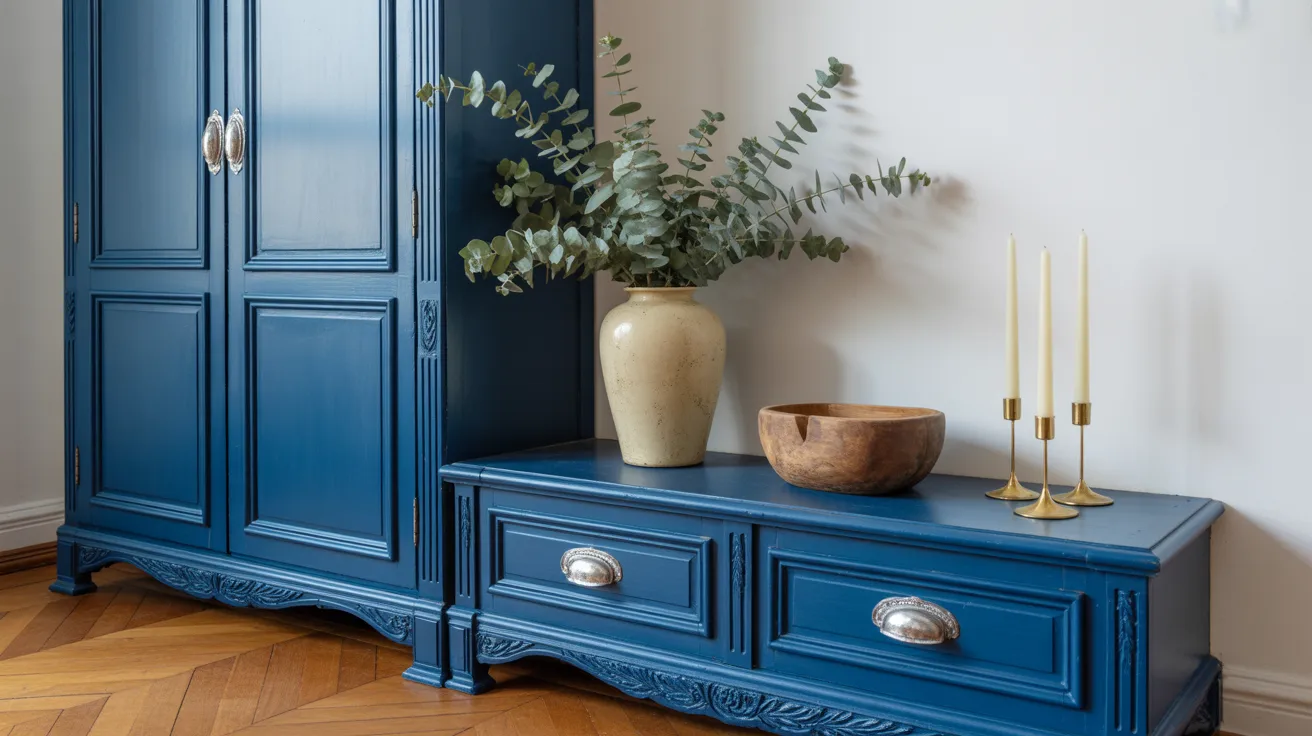
High-saturation colors like cobalt blue or burnt orange create immediate contrast, giving a room a clear focal point without needing anything else to do the job.
It only works on a single piece. Multiple bold items create noise rather than impact, so keeping the surrounding palette neutral is essential.
5. Two-Tone Painted Furniture for Depth
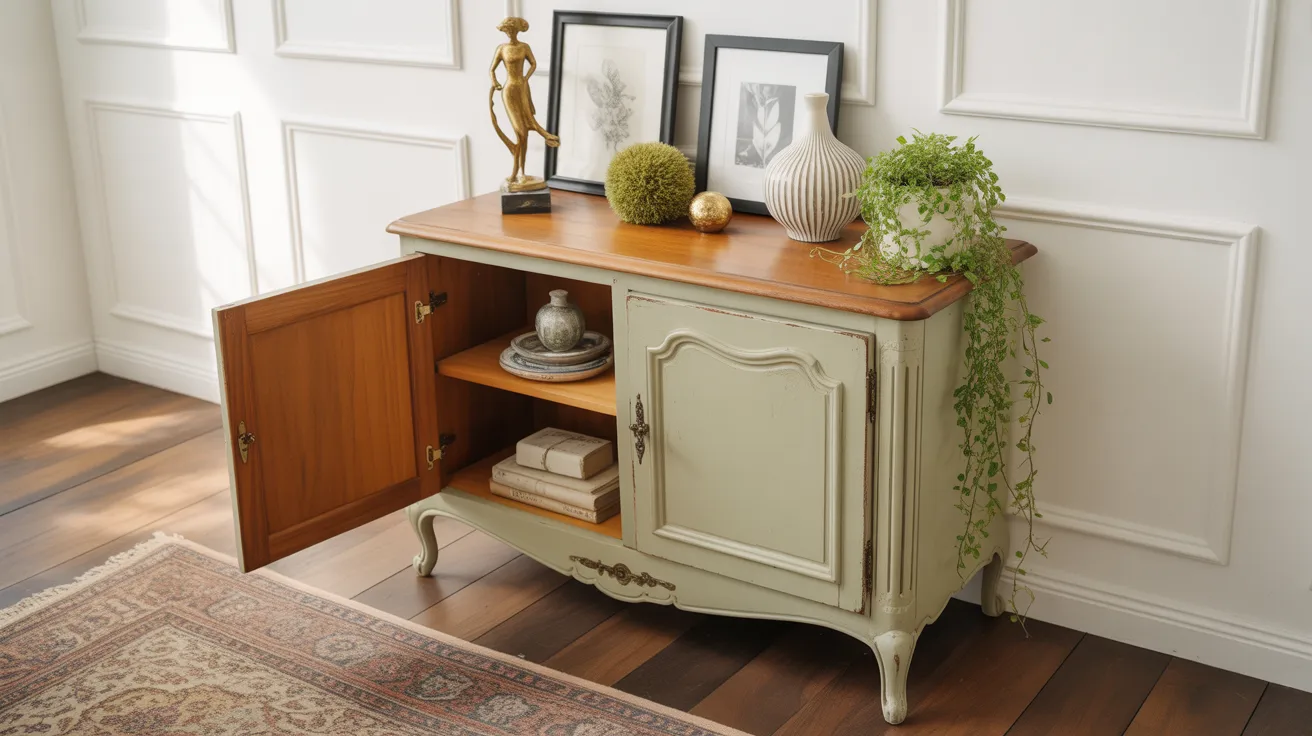
Painting the body one color and the drawer fronts another separates the structural sections, making the furniture feel more considered. Dressers and cabinets are the most natural fit.
When the two colors are too close in tone, the split disappears. Pairing a neutral body with a deeper drawer color is the most reliable combination.
6. Distressed Paint for a Vintage Look
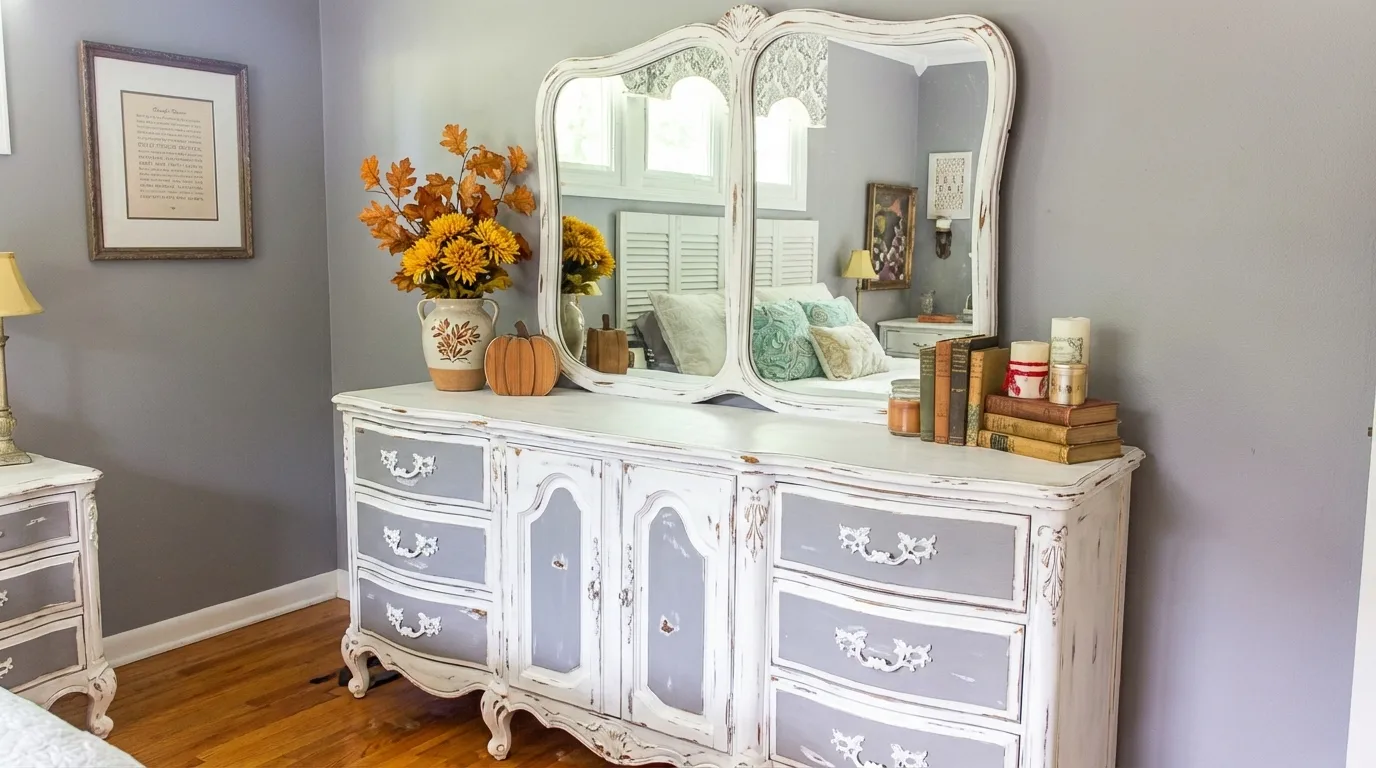
Distressing reveals earlier paint layers through a top coat, creating an aged look that pristine furniture simply can’t replicate. Rustic and farmhouse interiors are its natural home.
Too much sanding makes it look damaged rather than aged. Focus wear on edges and corners where real use would have occurred first.
7. Matte Finish for a Soft, Modern Feel
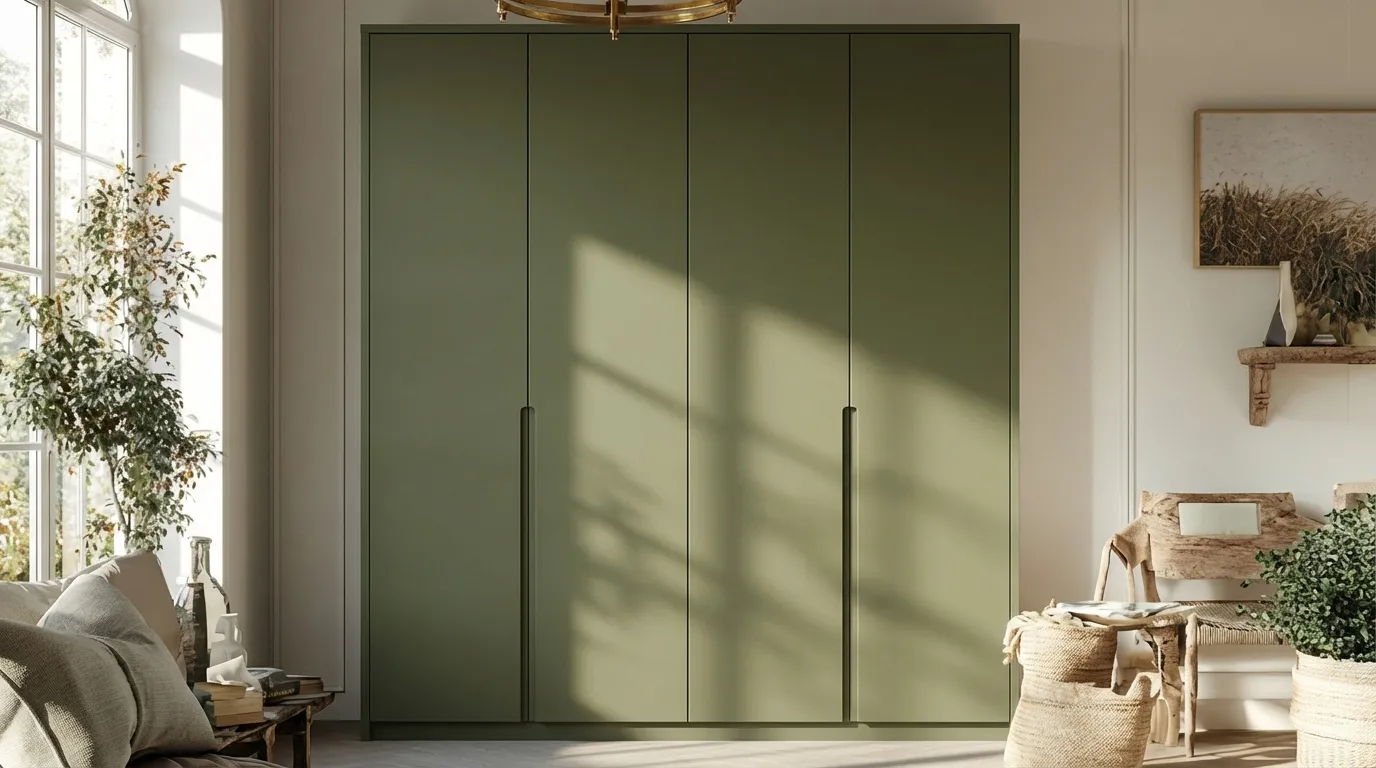
Matte paint produces a flat, non-reflective surface that lets form and color do the work without distraction. It suits modern and minimalist interiors well.
On frequently touched surfaces, edges gradually develop shiny worn patches. A matte topcoat sealer adds protection without introducing unwanted sheen.
8. Glossy Finish for a Polished Look
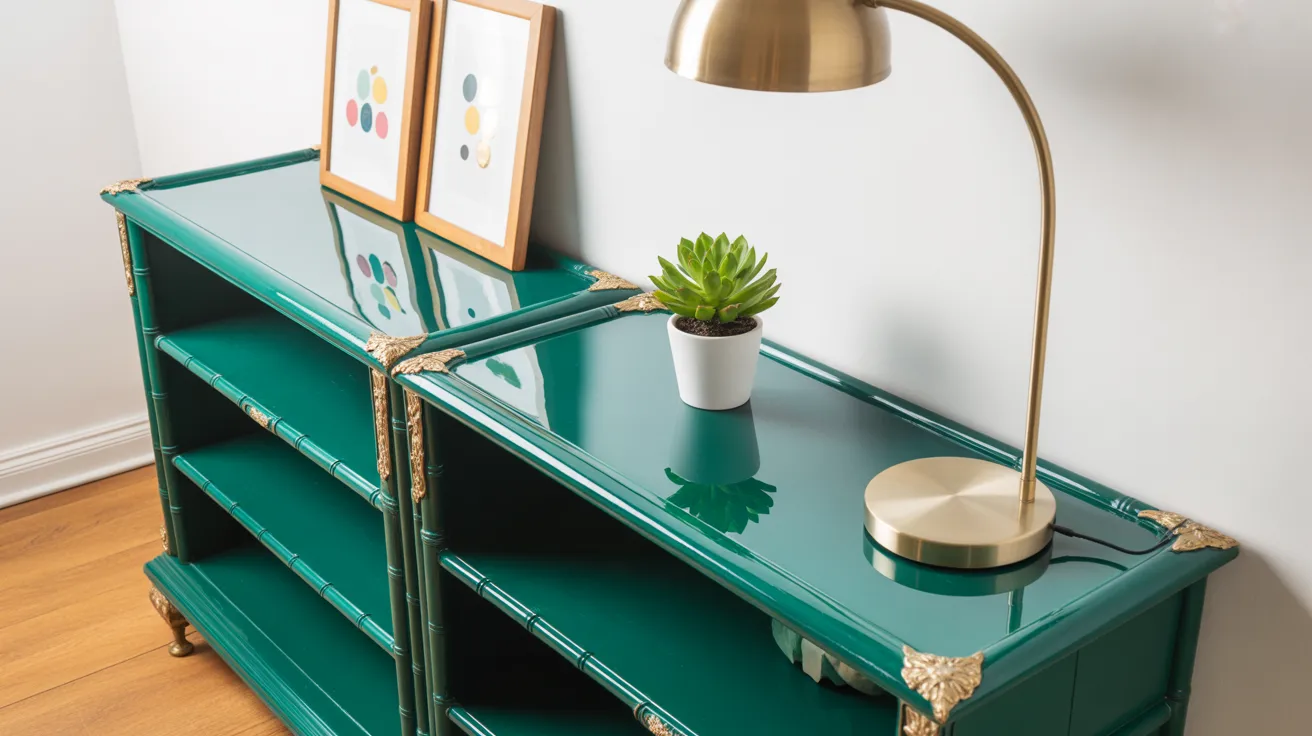
Gloss produces a lacquer-like surface that adds luxury flat finishes can’t achieve. On smaller accent pieces, the reflective quality feels polished and deliberate.
Scratches and imperfections are amplified rather than absorbed. It demands a smooth, well-prepared surface and sanding between every coat.
9. Washed Paint Effect for Soft Texture
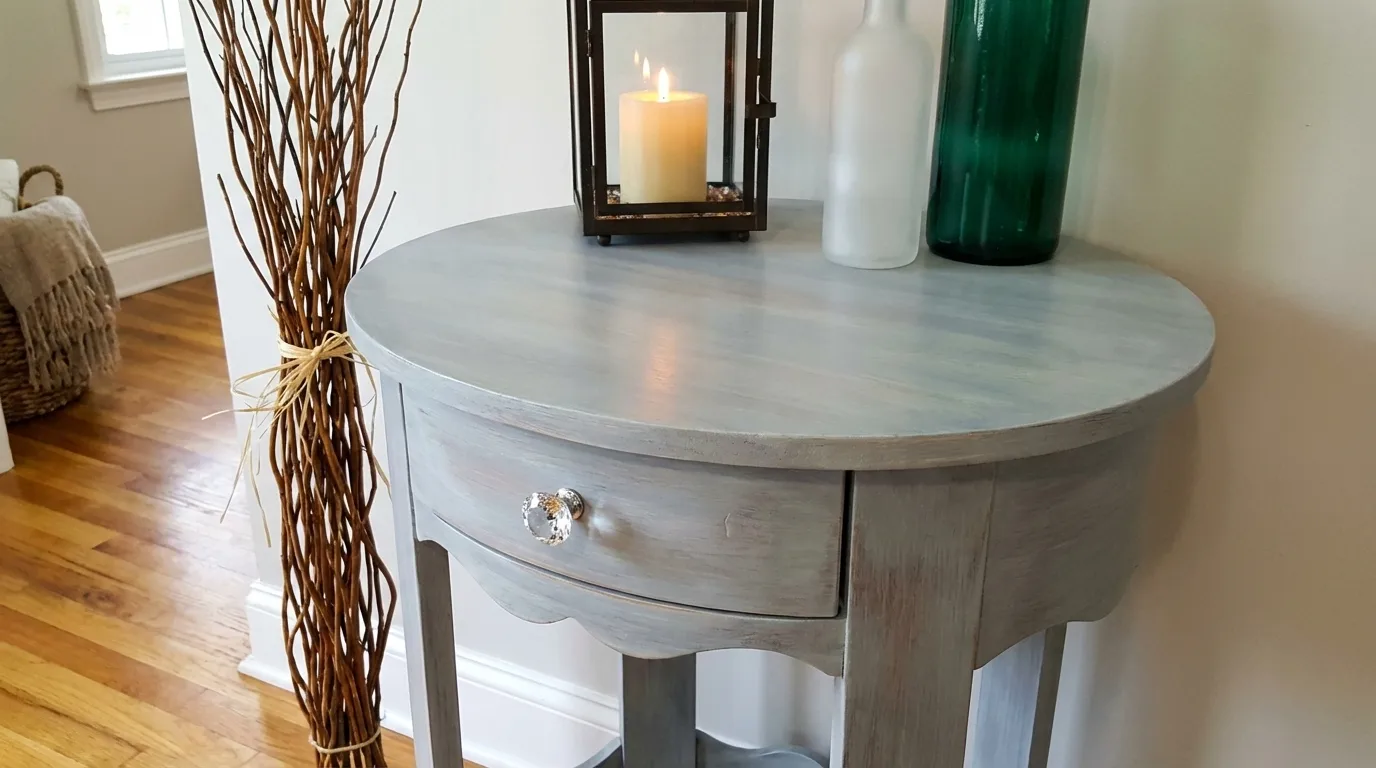
A paint wash uses thinned paint in overlapping layers, letting wood grain show through. The color looks absorbed into the material, adding depth that suits pieces where original character matters.
Uneven application is hard to correct. Working in sections with long, even strokes and testing dilution on scrap wood first prevents mistakes.
10. Geometric Patterns for a Modern Edge
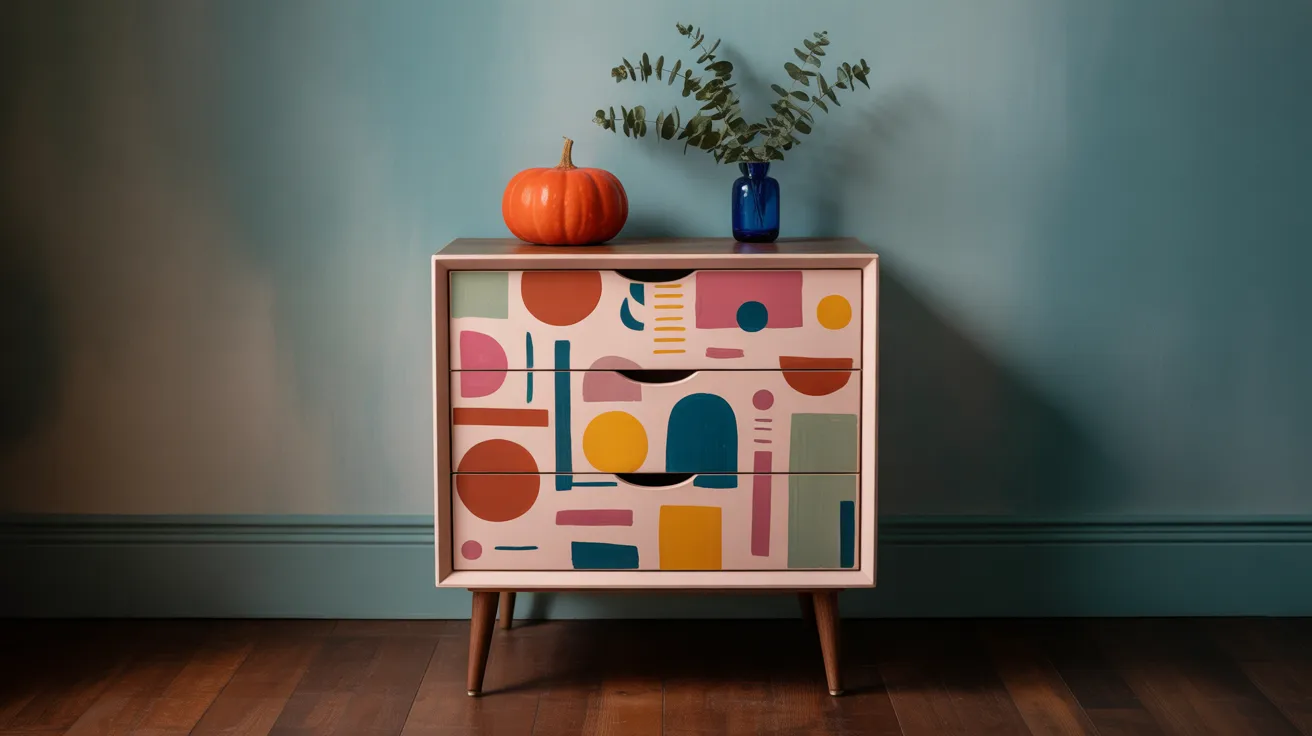
Sharp geometry introduces graphic structure onto flat surfaces. In contemporary spaces where clean lines define the room, it feels like a natural extension of the existing aesthetic.
Even slightly misaligned lines undermine the entire effect. Pressing tape firmly and removing it at a 45-degree angle while paint is slightly wet gives the cleanest lines.
11. Floral or Artistic Designs for Personality
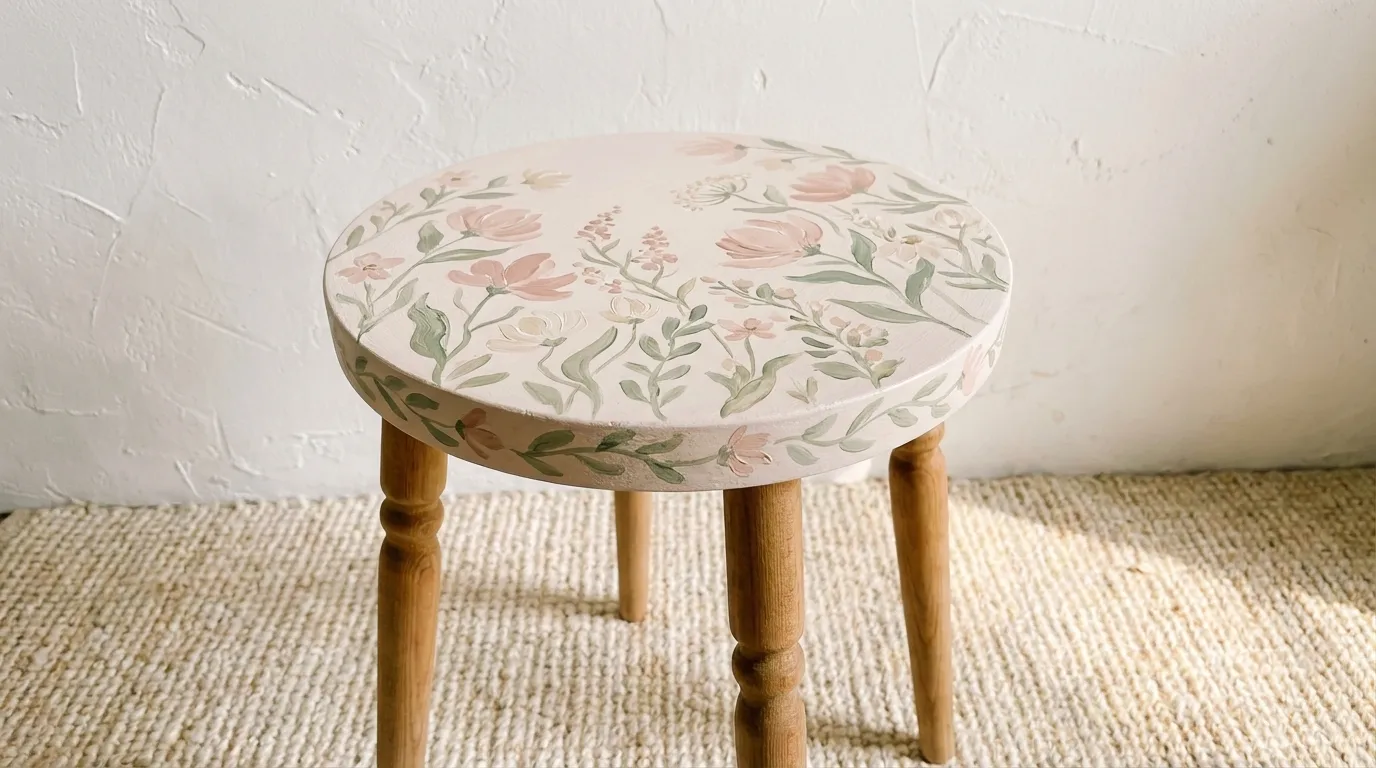
Hand-painted florals make furniture genuinely one-of-a-kind, giving pieces a character that manufactured furniture rarely has. Small accent pieces are the ideal canvas for this approach.
Spread across a large surface, the design becomes overwhelming. Keeping it to one face of a piece maintains impact without excess.
12. Neutral Grey Tones for Versatility
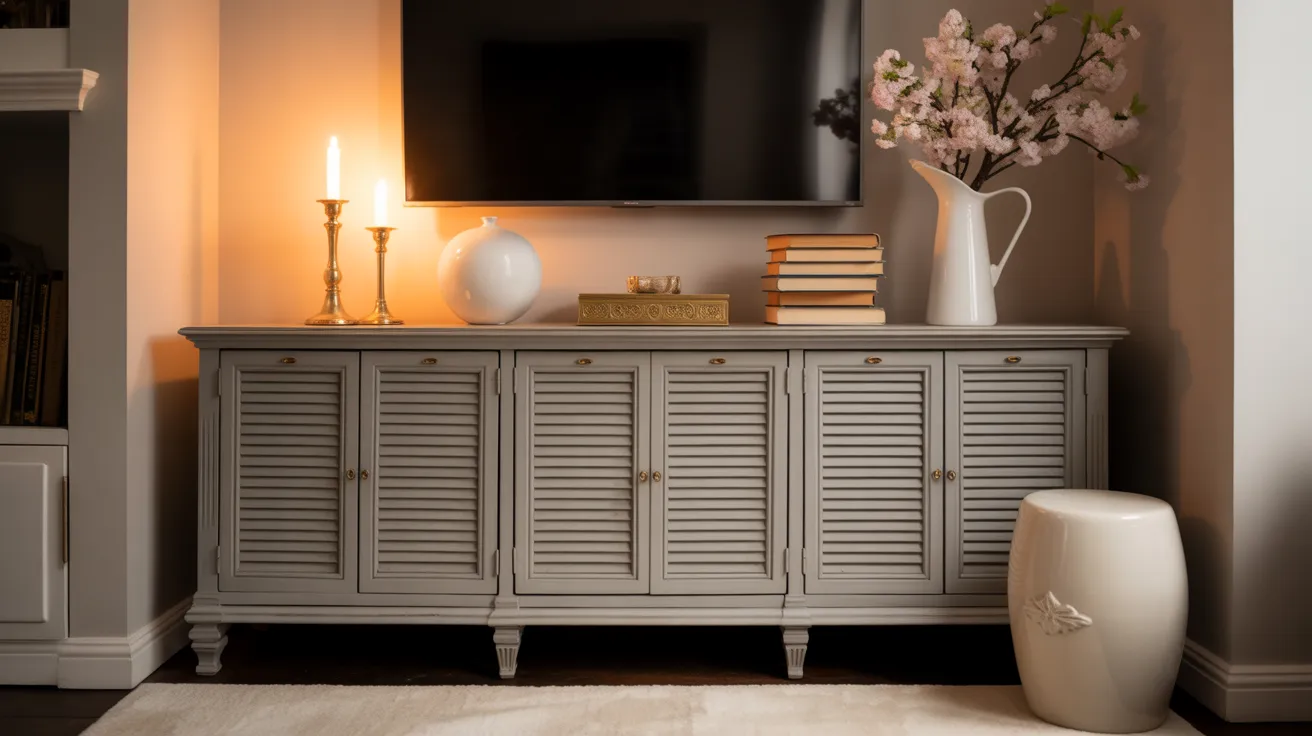
Grey can be pushed warm or cool depending on its undertone, making it one of the most adaptable furniture colors available across most interior styles.
When walls, floor, and furniture all share a similar mid-tone, the room loses definition. A natural wood element or warmer textile nearby provides the contrast grey needs.
13. Painted Drawer Accents for Subtle Detail
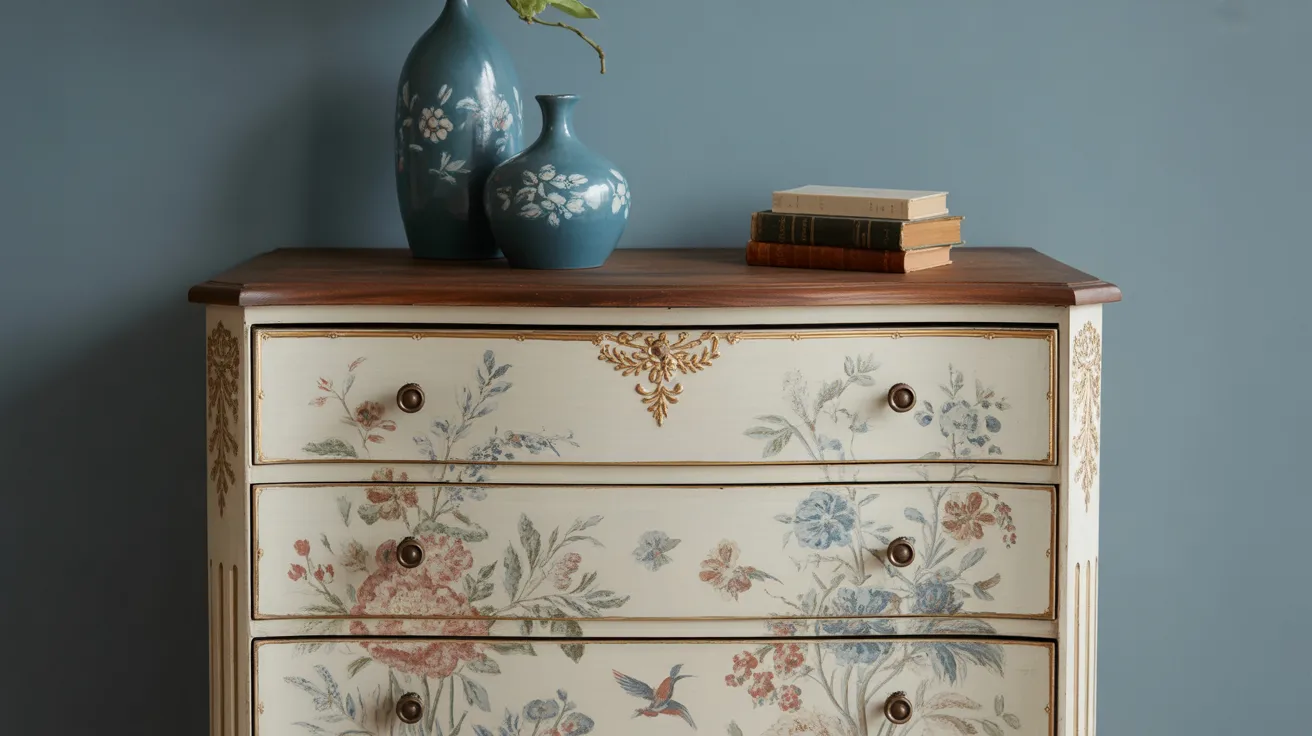
Painting only the drawer fronts while keeping the rest neutral adds interest without a full overhaul, making it ideal for anyone cautious about committing to a complete transformation.
If the accent tone sits too close to the base, nothing registers. A deeper shade or complementary tone creates the visible distinction that the technique depends on.
14. Monochrome Painted Furniture for Cohesion
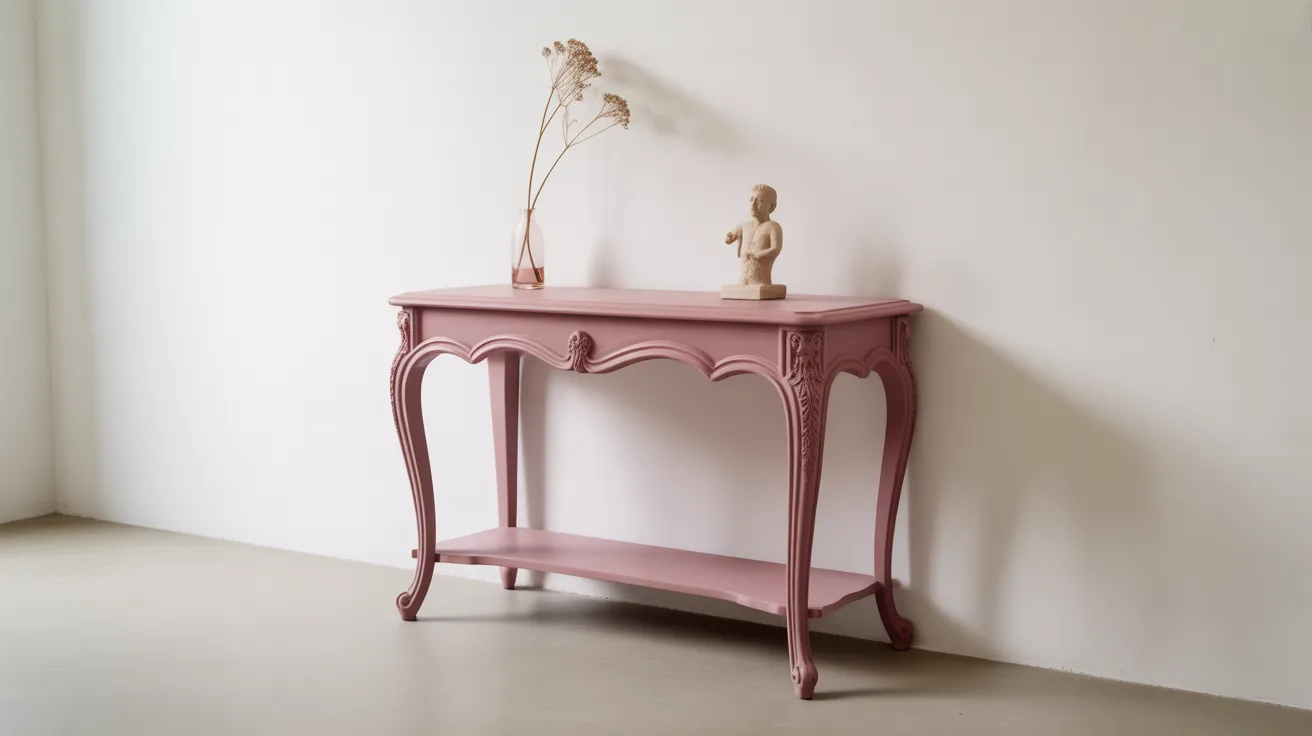
Coating an entire piece in one color removes complexity and lets the silhouette speak for itself. In minimalist spaces, it unifies mismatched pieces without demanding attention.
A slight difference in sheen between sections, more satin on doors than the body, keeps the piece feeling alive without breaking the uniformity.
How to Choose the Right Furniture Idea for Your Space?
The right painted furniture choice depends on your room’s specific conditions, not just personal preference.
Before picking a technique, consider these four factors that make or break the final result.
- Room size: Small rooms need light tones; large rooms can handle dark, bold colors.
- Lighting: Always test paint samples in your actual room before committing to a color.
- Furniture role: Bold finishes suit focal pieces; quieter tones work better for background furniture.
- Context: Never copy an idea without considering the style, palette, and light of your specific room.
The best results come from matching the technique to the room rather than the other way around. Get those conditions right, and almost any finish on this list will work.
Conclusion
Paint is one of the few home updates where the effort invested is relatively small but the impact is genuinely significant and lasting.
A single afternoon and a can of the right color can turn a thrift store find into a statement piece, unify a mismatched room, or completely redefine how a space feels to live in every day.
The key is knowing which technique to reach for, and now you do.
Starting with something low-risk like drawer accents or going straight for a bold, high-gloss finish, the results will speak for themselves either way.
Tried one of these painted furniture ideas on your own pieces? Drop your experience in the comments below.
Frequently Asked Questions
How Long Does Painted Furniture Last Before It Needs a Touch-up?
With proper priming and a protective topcoat, painted furniture can last three to five years before needing a refresh. High-use pieces may show wear sooner, but spot touch-ups are simple and extend the finish significantly without a full repaint.
Can You Paint Furniture Without Removing the Old Finish First?
It’s possible, but not always advisable. Painting over an existing finish without cleaning or lightly scuffing the surface often leads to poor adhesion and early peeling. A quick deglosser or light sand takes minutes and makes the new paint far more durable.
Is It Better to Use a Brush or A Roller for Painting Furniture?
Rollers give a smoother, more even finish on flat surfaces, while brushes reach carved details and edges more effectively. Using both together, a roller for large flat panels and a brush for detail work, typically delivers the cleanest, most professional-looking result.