Standard Kitchen Table Height Guide
Most people assume all kitchen tables are the same height, but small differences can change how comfortable they feel.
If you’ve ever wondered what the standard kitchen table height is and why it matters, you’re not alone.
The right height affects how you sit, eat, and use the table every day. It also depends on how the table works with chairs and available space.
This guide breaks down the standard measurements, explains why they exist, and shows how they impact real comfort.
By the end, you’ll clearly understand what works and what doesn’t.
What is the Standard Kitchen Table Height?
The standard kitchen table height typically falls between 28-30 inches (71–76 cm) from the floor to the tabletop surface.
Among these, 30 inches is the most common, as it suits a wide range of users and seating setups.
This range is widely used across most dining setups because it supports comfortable seating for different users.
It allows people to sit comfortably without having to adjust their posture too much.
It’s important to note that the measurement is taken from the floor up to the top surface, not the underside of the table.
Why Standard Table Height Is 28–30 Inches
The standard height is based on how the body sits and moves during meals. It matches average body proportions to keep posture natural and relaxed.
- Cause: Average human body dimensions Leg length, torso height, and arm position while seated
- How it works: Elbows stay near a 90-degree angle, Feet remain flat on the floor, and Arms reach the table without lifting shoulders.
- Outcome: Comfortable eating position and reduced strain on shoulders, neck, and back.
When it fails:
- Too high: Shoulders lift unnaturally, making arms feel unsupported and tiring over time
- Too low: Body leans forward, putting pressure on the back and neck during meals
Relationship Between Table Height, Chair Height, and Legroom
Comfort depends on how the table, chair, and spacing work together. The right proportions make sitting feel natural and strain-free.
| Element | Standard Measurement | Why It Matters | What Happens If Wrong |
|---|---|---|---|
| Table Height | 28–30 inches | Sets the base level for seating comfort | Too high or low affects posture |
| Chair Seat Height | 18–19 inches | Aligns body with table height | Mismatch causes discomfort |
| Gap (Seat to Table) | 10–12 inches | Allows legroom and natural arm position | Too small → cramped legs Too large → awkward arm reach |
When these measurements stay balanced, sitting feels easy and relaxed. Even small mismatches can make a big difference over time.
Different Table Height Types and How They Compare
Not all tables follow the same height standard. Different height types are designed for different uses and seating styles.
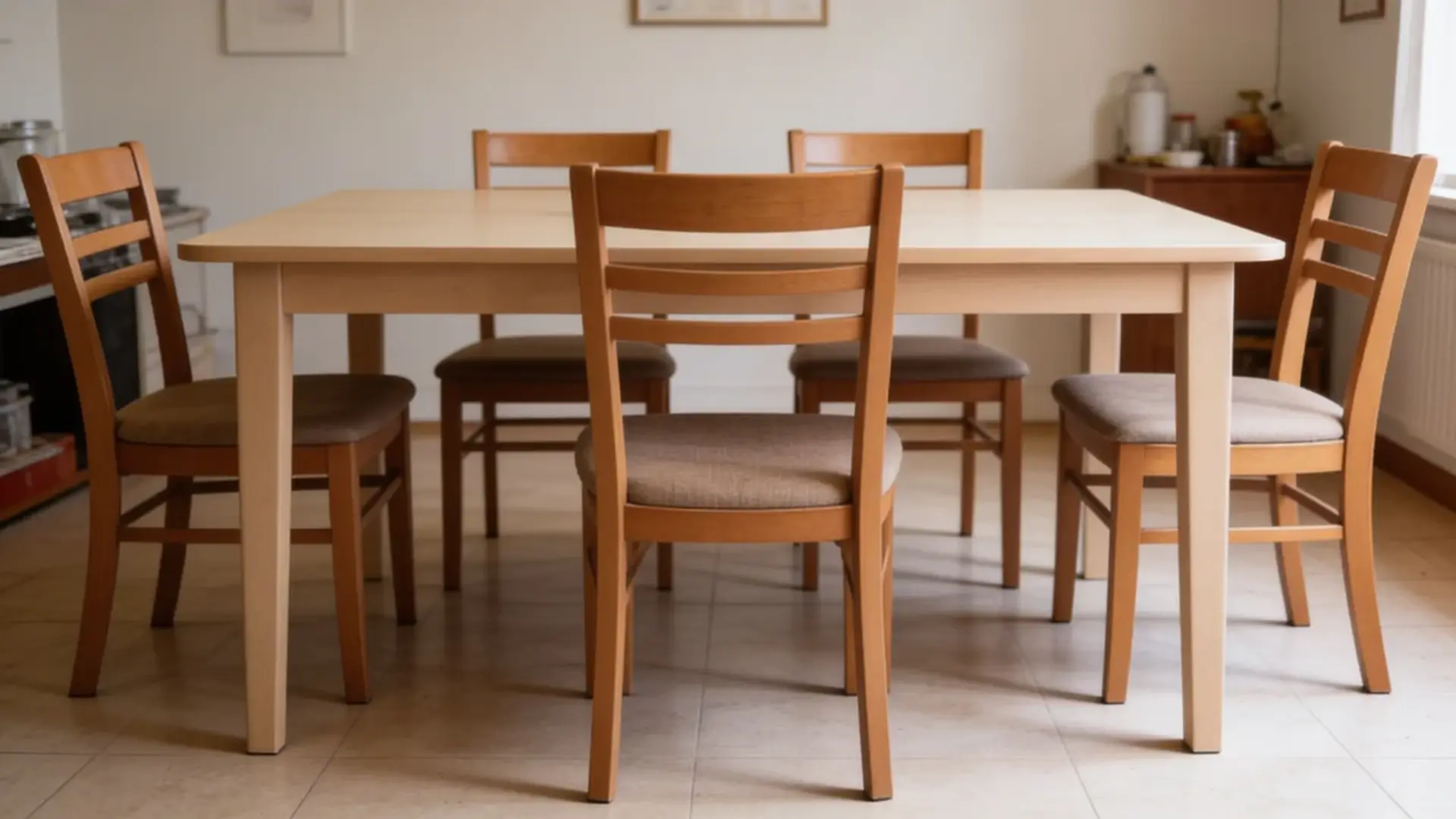
Standard Height Tables
- Height: 28–30 inches
- Used for everyday dining and longer sitting periods
- Works with regular dining chairs
- Best for comfort and posture over extended use
This height supports a natural sitting posture where feet stay flat, and arms rest comfortably.
It allows balanced positioning, making it suitable for extended use without strain.
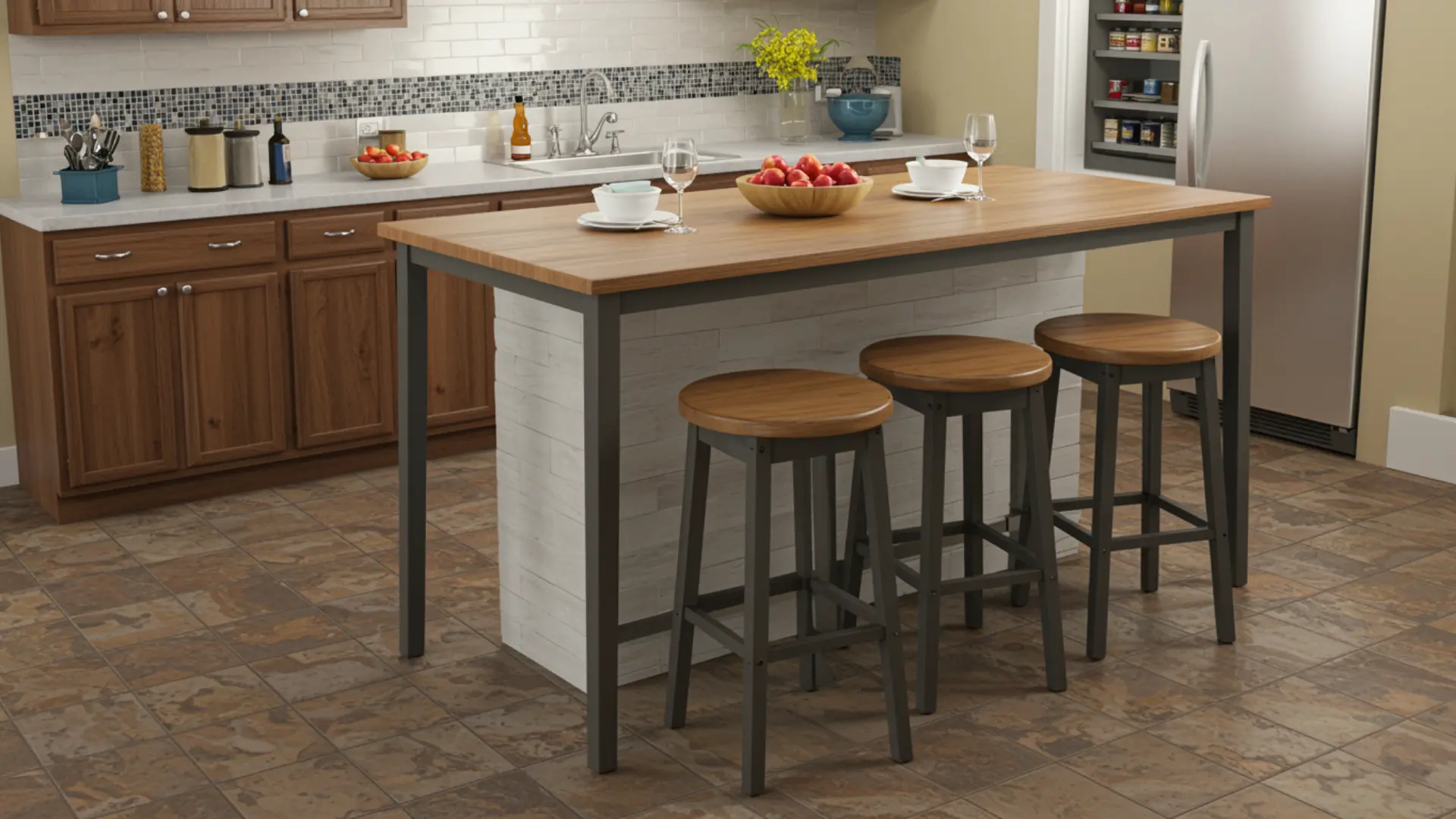
Counter Height Tables
- Height: 34–36 inches
- Matches typical kitchen countertop height
- Used with stools or taller chairs
- Creates a more upright sitting position for casual meals
This height creates a more upright sitting position. Because the seating is higher, it feels more casual and is better suited for short meals or quick use.
Bar Height Tables
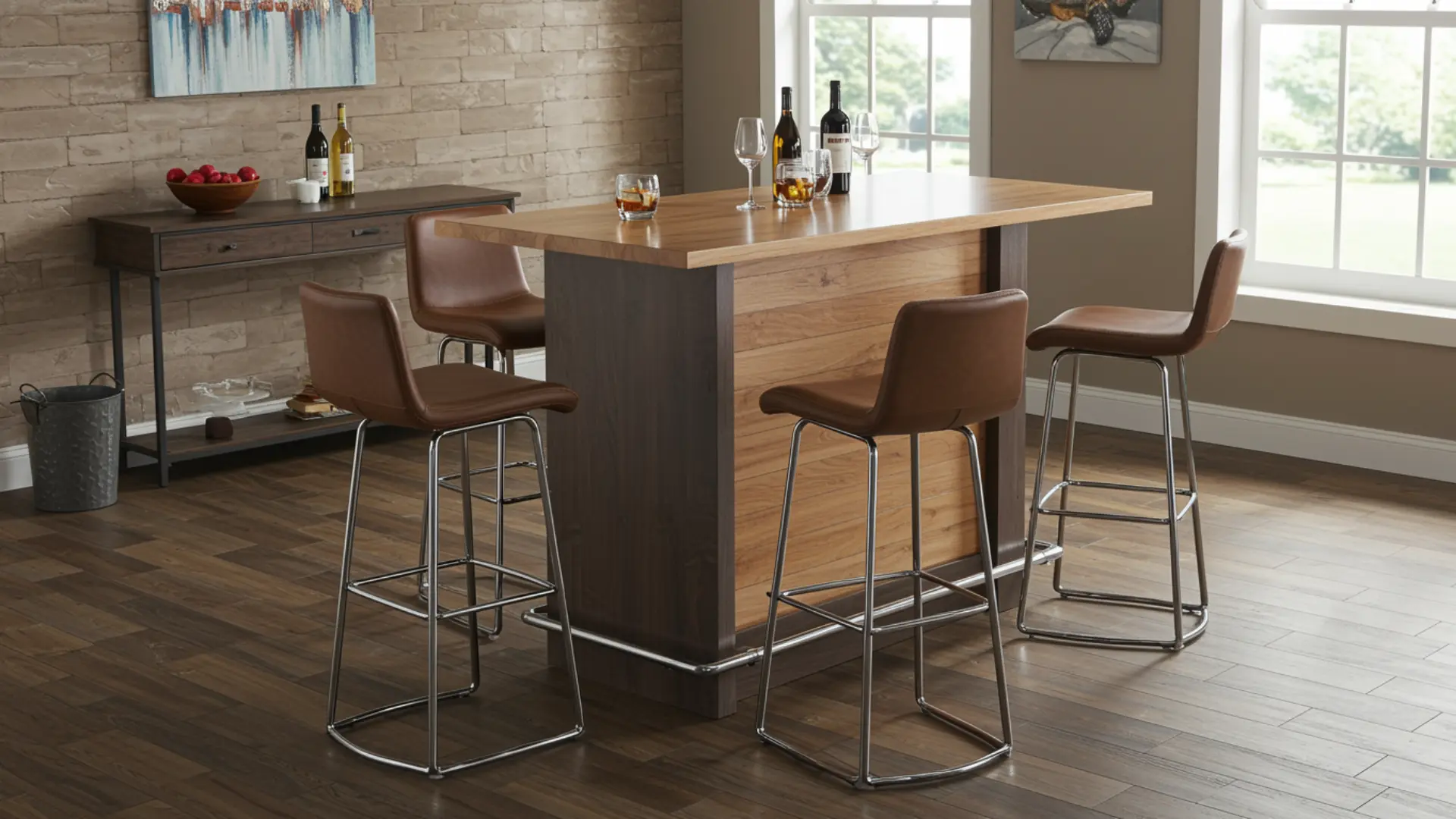
- Height: 40–42 inches
- Common in compact or social setups
- Requires bar stools
- Less comfortable for long sitting due to the higher seating position
The higher position changes how the body rests, with less support for the legs. This makes it less comfortable for long sitting and more suitable for short interactions.
How Table Height Is Measured?
Table height is not just about the number you see. It’s important to understand what actually affects usable space.
Key measurement points:
- Total height: Measured from the floor to the top surface of the tabletop
- Usable space: The distance from the floor to the underside of the table where your legs fit
- Tabletop thickness: Thicker tops or added frames reduce the clearance underneath
- Practical impact: Two tables with the same height can feel different if the space under the underside is limited
Looking beyond total height helps avoid fit issues and improves comfort.
How Much Space Do You Need Around a Table?
Table height alone does not ensure comfort. The space around the table also affects how easily people can sit and move.
Key spacing guidelines:
- Minimum clearance: At least 36 inches of space is needed around the table for basic movement.
- Chair pull-out space: A range of 18 to 24 inches allows chairs to slide out comfortably.
- Ideal clearance: 42 to 48 inches provides enough room for smooth movement around the table.
Common Misconceptions About Kitchen Table Height
Many people assume table height is a fixed rule, but that’s not how it works. Small misunderstandings often lead to discomfort even when using “standard” sizes.
- “30 inches is the only standard.” The correct range is 28–30 inches, not a single fixed number
- “Table height alone determines comfort.” Chair height and spacing play an equal role
- “Any chair works with any table.” Mismatched proportions can affect posture and usability
- “Higher tables are better for modern spaces.” Function depends on use, not style
These assumptions ignore how proportions work together. Understanding the full setup helps avoid common comfort issues.
Conclusion
A standard kitchen table height works best when it supports a natural posture and comfortable seating.
The 28–30 inch range fits most setups because it aligns with body proportions and standard chair heights.
Comfort depends on how all elements work together, not just the table alone. Proper spacing, accurate measurements, and real-world usability all play a role in how the setup feels over time.
Even small differences can impact daily comfort, so understanding these basics helps avoid common issues.
Frequently Asked Questions
Is 32 Inches Too High for A Dining Table?
32 inches is slightly above the standard range. It can still work, but it may feel less comfortable unless paired with taller chairs.
What Is a Good Seat Height for Seniors?
A seat height of 18 to 20 inches is generally comfortable. It makes sitting down and standing up easier without strain.
Is 45 Inches Standard Table Height?
No, 45 inches is not the common standard height. The common range sits between 28–30 inches, used for most tables.