8 Easy Rope Projects for a Warm, Natural Home
Last weekend, I wrapped a plain nursery pot with a few dollars of natural rope and hot glue. In less than an hour, a cheap plastic container looked finished, warm, and far more expensive.
That first project changed how I looked at the rest of the house. This texture softens metal, glass, and plastic fast, and most projects need only basic tools and a free afternoon.
The details matter, though. The right diameter, safe anchors, and clean end finishes are what make a project look polished instead of homemade in the wrong way.
Key Takeaways
These points will save you time, money, and rework.
- Match the diameter to the scale. Use 1/4 to 3/8 inch line for tiebacks and cord covers, 1/2 inch for frames and planters, and 5/8 to 3/4 inch for shelves and bold wraps.
- Finish every cut end. Whipping keeps fibers from opening up and gives the project a clean edge.
- Use a wide safety margin. For decor, plan around a 5:1 to 12:1 factor and remember that knots can cut strength by about half.
- Anchor heavy pieces into framing. Studs and joists are the wood structure behind drywall and ceilings, and they matter for shelves and large wall pieces.
- Keep natural fiber away from heat and standing moisture. Give fireplaces, heaters, and hot bulbs at least three feet of clearance.
Know the Fiber
This material works because it balances texture, strength, and flexibility.
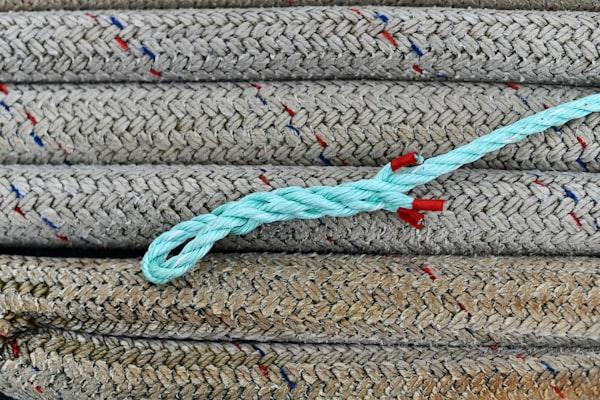
This natural cordage is made from bast fiber, which comes from the plant’s inner bark. It feels less fuzzy than jute and less stiff than sisal, so it coils neatly around pots, frames, and rails.
Research ranks hemp among the strongest natural fibers, which helps it hold shape in decorative work. It is renewable and biodegradable, and it naturally resists mildew, UV exposure, and bacteria better than softer plant fibers. Use it for indoor decor, not for any life-safety task.

Safety and Planning Essentials
Safe planning matters more than the pattern you pick.
Working Load and Hardware
Use a generous margin when you size rope and hardware. A 5:1 to 12:1 safety factor is a sensible guide for decor, and a simple knot can cut rope strength by about 50 percent.
For shelves and anything heavy, anchor into studs or ceiling joists. Use rated toggle anchors, the kind that open behind drywall, only for light accents.
Heat and Moisture
Keep all natural fiber at least three feet from fireplaces, space heaters, and hot bulbs. Never wrap a live socket or any fixture that runs hot.
Moisture shortens the life of natural fiber. Indoors, choose dry spots with air movement, and treat bathrooms and kitchens as light-duty areas.
Cutting, Finishing, and Joining
Clean ends make even a simple project look custom.
Mark the cut line with tape, then whip both sides of the mark with waxed twine before you cut. After the cut, add a final whipping to each new end so the fibers stay tight.
Use an eye splice when strength matters because it keeps more of the rope’s capacity than a knot. For lighter, temporary setups, a bowline, which is a simple fixed-loop knot, is fine, and a little beeswax or dilute shellac helps calm fuzz on high-touch pieces.
Diameter by Project
The right thickness makes a project look balanced and feel believable.
Use 1/4 inch rope for tiebacks, utensil rails, and cord covers. Move to 3/8 or 1/2 inch for mirrors, planters, and wall art. For hanging shelves and bold rail wraps, 5/8 to 3/4 inch looks substantial and supports heavier decorative loads.
Choose the Right Materials
Better rope cuts cleaner, coils tighter, and sheds less.
Buy by the spool when a project needs long, continuous runs, especially if you want matching color, twist, and diameter across shelves, mirrors, planters, and wall accents. Consistency makes cuts cleaner, whipping easier, and finished pieces look more deliberate, so it helps to start with dependable material and source your hemp rope by the spool from Bulk Hemp Warehouse.
A tight, polished twist gives you a more refined surface, while a coarser twist feels more rustic. Untreated fiber also accepts beeswax, shellac, and dye more evenly than bargain rope with uneven strands.
Eight Fast Projects With Quick Specs
These builds are easy to scan, so you can choose one that fits your time, budget, and skill level.
Rope-Wrapped Planter Cover
Time: 45 minutes. Cost: under 20 dollars. Use 3/8 inch rope, hot glue, and a felt base. Spiral from the bottom up, leave the top inch clean, and remember that a gallon of water adds about 8.33 pounds.
Hanging Shelf With Dual Uprights
Time: 90 to 120 minutes. Cost: about 45 dollars. Use 3/4 inch rope, two boards, eye bolts, and heavy wood screws into studs. Pre-stretch the rope, keep both sides even, and hide terminations under the shelf.
Mirror Frame Coil
Time: 60 to 90 minutes. Cost: about 35 dollars. Use 1/2 inch rope and build inner and outer rings. Pin the coils at four points first so the spacing stays symmetrical.
Curtain Tiebacks and Wall Mounts
Time: 45 minutes. Cost: about 15 dollars. Use 1/4 to 3/8 inch rope, whip both ends, and mount brass or wood hardware. Match the drop length across windows for a tailored look.
Textured Wall Panel
Time: about 2 hours. Cost: about 60 dollars. Use 3/8 inch rope on a plywood backer with construction adhesive in straight or herringbone lanes. Mask the channels first, then press the rope down with a small hand roller.
Stair Rail Accent Wrap
Time: 90 minutes. Cost: about 40 dollars. Wrap only a secondary rail with 1/2 inch rope and secure the ends with hidden screws and caps. Do not cover the main handrail that people need to grip safely.
Pendant Cord Cover
Time: 45 minutes. Cost: about 15 dollars. Wrap 1/4 inch rope around a cool cord and fasten it with removable tabs for easy cleanup. Keep the wrap well away from any hot fixture.
Entry Tray and Coaster Set
Time: 60 minutes. Cost: about 20 dollars. Coil 3/8 inch rope into circles, glue the coils to felt, and weight them flat while they cure so the edges do not cup.
Style Recipes by Room
A small material mix keeps the texture intentional instead of random, which is why many relaxed California-inspired spaces focus on natural textures and layered interiors instead of overly polished decor.
Pair this look with white oak, linen, and matte brass for a light coastal feel. Use walnut and blackened metal for a sharper rustic mix. If your room leans soft and plant-filled, combine terracotta, olive walls, and simple tiebacks or a mirror wrap.
Care, Maintenance, and Fixes
A little maintenance keeps the texture rich instead of tired.
Vacuum with a brush attachment and spot-clean with mild soap on a barely damp cloth. Dry the piece fully, store leftover rope in a cool place, and keep it out of the strong daily sun.
Check high-touch items once a year. Re-whip loose ends, clamp uneven coils while the adhesive resets, and fix sagging shelves by shortening the span or moving up one diameter.
Common Questions
Most issues come down to heat, moisture, or using the wrong size.
Can I Use This Material in a Bathroom?
Yes, but keep it away from direct splash and heavy steam. A light seal of beeswax or dilute shellac helps, and a half-bath is safer than a shower wall.
What Size Looks Right for Frames Versus Shelves?
Frames and mirrors usually look best with 3/8 to 1/2 inch rope because the texture stays detailed. Shelves look better with 5/8 to 3/4 inch rope because the scale feels stronger and more stable.
How Do I Stop Fraying and Fuzz?
Whip both sides of the cut line before you slice, then add a final whipping after the cut. For pieces you touch a lot, a light coat of beeswax or shellac helps keep loose fibers down.
Is It Safe to Place a Project Above a Fireplace?
Keep at least three feet of clearance from any heat source, including fireplaces, heaters, and hot bulbs. If you want texture near a mantel, mount the piece well outside that zone on a solid backer.
Ready to Get Started
The best first project teaches the wrap and the finish without much risk.
Start with a planter or a set of tiebacks, then move to a mirror or shelf once your cuts and end finishes feel clean. A careful first build is usually all it takes to see how much warmth this texture can add.