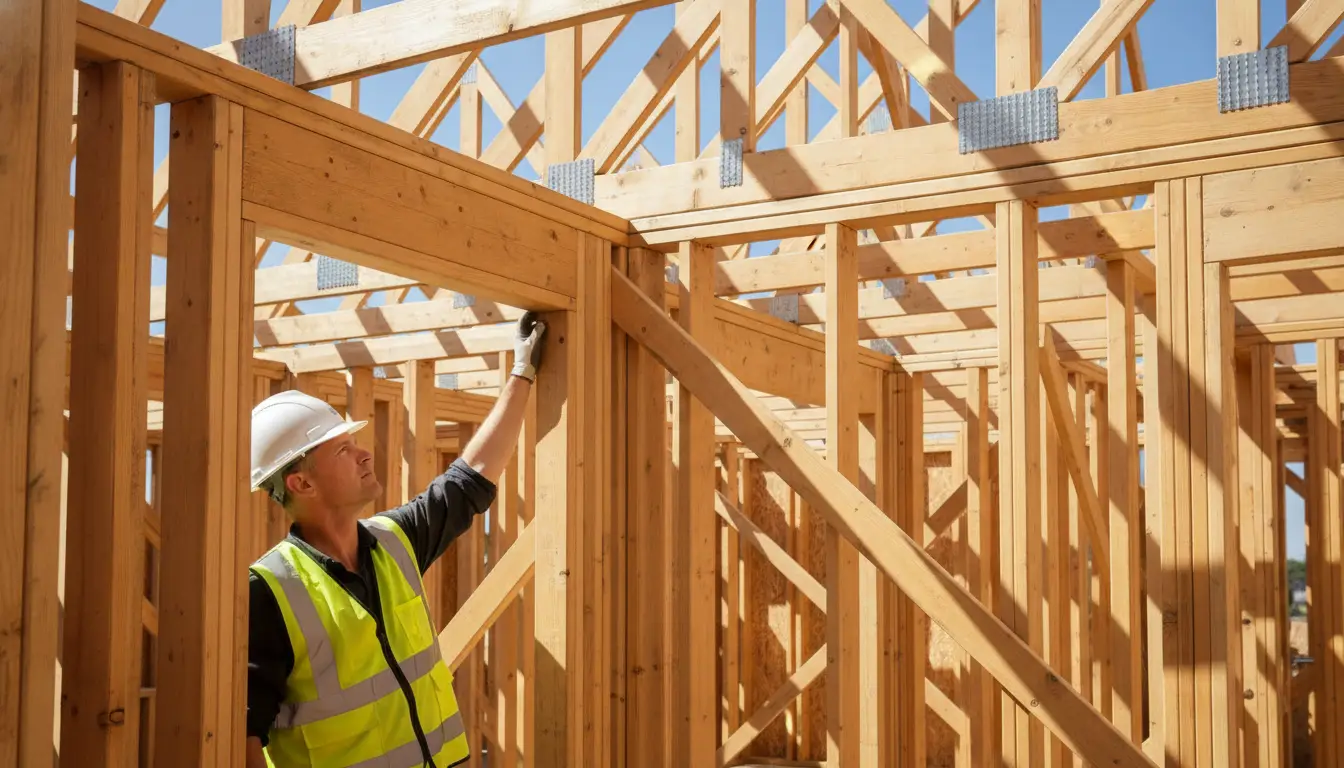
Small Prefab Homes: A Smarter Way to Create a Calm, Beautiful Place to Live
Small homes have always had a certain charm. They feel personal, warm, and easy to care for. Today, that appeal is growing as more people look for homes that suit simpler living, flexible land use, and thoughtful design.
That is where small prefab homes have become such an interesting option.
A prefab home is built in sections or modules away from the final site, then delivered and installed on the property. For homeowners, cottage buyers, downsizers, and families planning extra living space, this approach can make the building process feel clearer and more manageable.
Small prefab homes are especially appealing because they combine practical square footage with design freedom. They can work as primary residences, cottages, guest homes, backyard suites, retirement homes, or quiet rural retreats. With the right layout, a compact home can feel open, comfortable, and deeply personal.
Why Small Prefab Homes Appeal to Modern Homeowners
Many people are rethinking what they truly need from a home. Bigger houses can come with higher costs, more upkeep, and rooms that rarely get used. A smaller home encourages a more intentional way of living.
Instead of spreading daily life across unused space, small prefab homes focus on function. Every room has a purpose. Every storage choice matters. Every window, wall, and walkway affects how the home feels.
This makes prefab living a strong fit for people who want:
- A smaller home with less maintenance
- A cottage or retreat on rural land
- A faster building path than many traditional builds
- A home that can support aging in place
- A guest suite or private space for family
- A simpler lifestyle with thoughtful design
For readers who love interiors, natural materials, and warm, calm spaces, the appeal goes beyond efficiency. Small prefab homes can be beautifully styled. They can feel airy, layered, and comfortable when the design choices are made with care.
What Makes a Small Prefab Home Feel Spacious
Good design matters in any home, but it matters even more in a compact footprint. A small prefab home should never feel like a compromise. The goal is to create a space that supports real life without feeling crowded.
Open layouts often help. Combining the kitchen, dining area, and living room can make the main space feel larger. Large windows bring in natural light and connect the interior to the outdoors. High ceilings, pale wall colours, and simple flooring can also make rooms feel brighter.
Storage should be planned from the beginning. Built-in shelving, under-bed storage, tall kitchen cabinets, and bench seating with hidden compartments can reduce clutter. In a small home, visual calm makes a real difference.
Furniture choices matter too. A round dining table can soften a tight space. A sleeper sofa can turn a living room into a guest area. Wall-mounted lighting can free up table and floor space. A compact home works best when beauty and function are planned together.
Design Features That Work Well in Compact Prefab Homes
Small prefab homes can take on many styles, from modern farmhouse to Scandinavian, cottage-inspired, rustic, or minimalist. The best design direction depends on the setting, climate, and how the home will be used.
For a year-round home in Ontario, comfort and durability should guide the design. Cold winters, warm summers, snow loads, and changing site conditions all affect material and layout choices. Builders who understand local requirements can help homeowners make choices that suit both the property and the season.
Here is a simple comparison of features that often work well in compact prefab homes:
| Design Feature | Why It Helps in a Small Home |
| Large windows | Adds natural light and makes rooms feel open |
| Built-in storage | Reduces clutter without adding bulky furniture |
| Open living area | Helps the main floor feel larger and more connected |
| Covered entry | Adds comfort during rain, snow, and muddy seasons |
| Loft or flex room | Creates extra sleeping, work, or storage space |
| Durable exterior materials | Supports lower maintenance over time |
The goal is not to add every feature possible. The best small prefab homes feel balanced. They give you enough space to live comfortably without adding complexity that you do not need.
Planning a Small Prefab Home in Ontario
Building in Ontario involves more than choosing a floor plan. The land, zoning rules, permits, servicing, access, and site preparation all influence what is possible.
Before choosing a model, it helps to think through how the home will be used. A full-time residence has different needs than a seasonal cottage. A backyard suite may need privacy from the main house. A rural retreat may need careful planning around wells, septic systems, road access, and utilities.
Homeowners should also consider:
- Whether the property allows the type of home being planned
- Where the home will sit on the lot
- How sunlight moves across the property
- Whether the site needs grading or clearing
- How the home will connect to water, power, and septic
- What permits or approvals may apply in that municipality
This is where local experience matters. A company such as My Own Cottage, which focuses on prefab homes in Ontario, can help buyers think through climate, codes, site planning, and design options in a more grounded way. The brand tie-in feels natural because prefab planning is highly location-specific.
How to Style a Small Prefab Home So It Feels Personal
A small home does not need to look plain. In fact, compact spaces often benefit from a strong design point of view. The fewer rooms you have, the easier it can be to create a consistent mood.
Natural materials are a good place to start. Wood, linen, wool, stone, rattan, and ceramic pieces can make a new prefab home feel warm and lived in. Soft neutral colours can create a calm base, while deeper greens, blues, rust tones, or warm browns can add depth.
Lighting also shapes the mood. A mix of ceiling lights, sconces, lamps, and under-cabinet lighting can make the home feel flexible throughout the day. In the morning, natural light may carry the space. In the evening, warmer lighting can make a compact home feel cosy.
A few styling ideas that work especially well include:
- Use one flooring material through the main living areas for a smooth visual flow
- Choose furniture with exposed legs to make rooms feel lighter
- Add mirrors across from windows to reflect natural light
- Keep window treatments simple and airy
- Use wall hooks, open shelving, and baskets to keep daily items organised
- Add plants to soften corners and bring life into the space
Personal touches matter too. A small home can hold art, books, heirlooms, handmade pieces, and travel finds. The trick is to edit carefully, not remove personality.
Is a Small Prefab Home Right for You?
Small prefab homes work best for people who value thoughtful planning. They are not only about reducing square footage. They are about choosing space with care.
If you want a home that is easier to maintain, quicker to plan, and suited to a simpler way of living, prefab may be worth considering. It can also be a strong option if you already own land, want a cottage, or need a flexible second dwelling for family or guests.
Before moving forward, take time to list what you need every day. Think about where you cook, work, rest, host, store seasonal items, and spend quiet time. A compact floor plan should support those routines without making the home feel tight.
A well-designed small prefab home can feel calm, stylish, and practical. With the right builder, the right site plan, and the right design choices, it can become a beautiful place to live with less waste, less upkeep, and a stronger connection to the space around you.