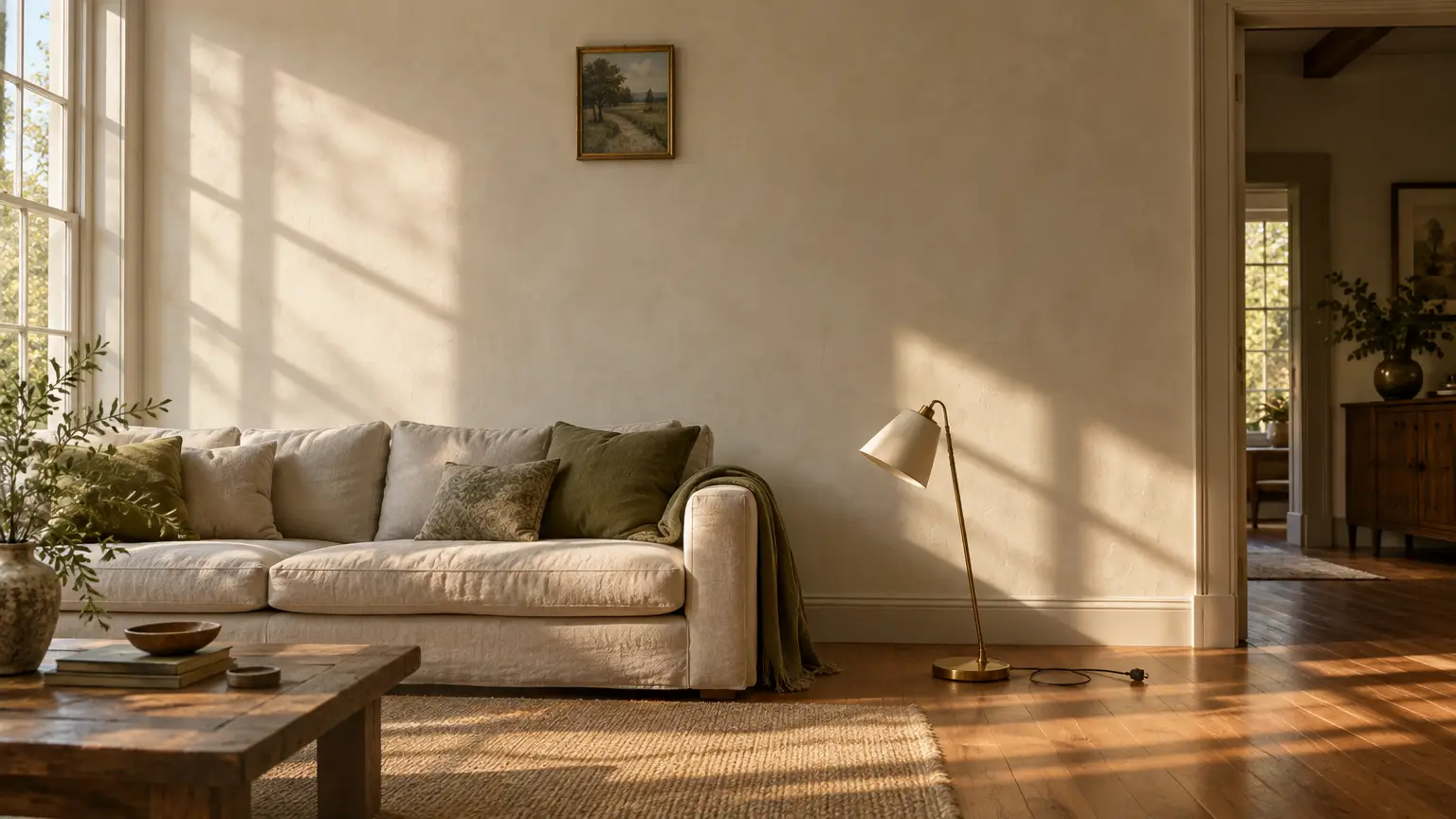
Living Room Decor Ideas for the Things That Still Feel Wrong
Sometimes a living room needs a diagnosis before it needs a purchase. The sofa might be comfortable, the walls freshly painted, and the shelves full of things you like. Still, you avoid one seat, the art looks oddly small, or there is nowhere convenient to put a cup.
If you are refreshing the room after a renovation, compare the specific problem with the arrangements in EClife’s living room decor ideas. Look past the colors and ask how each room is being used. A small adjustment may do more than another round of accessories.
The Chairs Look Sociable but Nobody Sits in Them
Sit in each seat with a drink and a book. You may discover that the occasional chair is too far from the conversation, has no light, or faces the television at an uncomfortable angle.
Move it before replacing it. Bring a small table within reach and try a lamp nearby. If the chair now becomes useful, the arrangement was the problem.
Notice which seats people choose when they have the room to themselves. Two chairs do not have to occupy matching positions if only one of those positions works.
The Art Seems to Float Above the Sofa
A picture can be lovely on its own and too small for the wall where it hangs. Take a photograph from the entrance; the relationship between artwork and furniture often becomes clearer at a distance.
Test a lower position with a paper template. If the composition still feels slight, try grouping existing pieces on the floor before adding anything new. Think about the width and overall shape of the group, not just the individual frames.
Living room wall decor ideas should also account for the seat below. Someone reclining on the sofa should not have to worry about a projecting shelf immediately above them.
Everything Matches and the Room Feels Flat
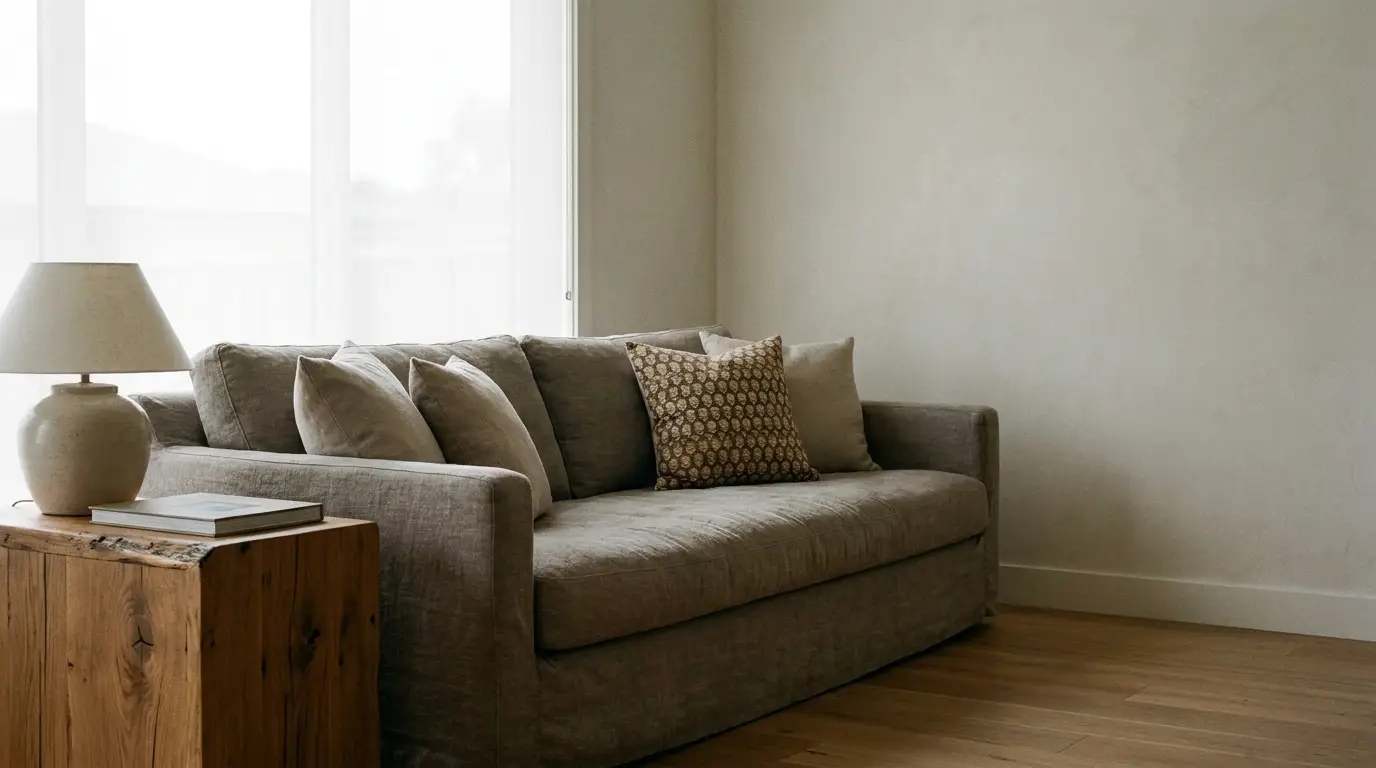
If the curtains, rug, cushions, and sofa all sit close together in color and texture, introduce one stronger difference. Try a dark frame, a patterned cushion, or a timber surface with visible grain.
Change one element at a time so you can see its effect. You may need less contrast than you expect.
Many living room decorating ideas begin with a new palette. A room that already has a workable palette may simply need a different texture or a shape that breaks up the repeated lines.
The Small Room Contains Too Much Small Furniture
Several little tables, stools, and storage baskets can make movement more complicated than one carefully chosen piece. Count what each item actually does.
Try removing one redundant object for a week. If you miss its function, bring it back or find a better way to provide it. If you only notice that the room is easier to cross, the experiment has answered the question.
Small living room decorating ideas should be tested with doors open and people seated. Include the space needed to reach storage, draw curtains, and walk around the furniture.
The Room Looks Better in the Morning
Check it after dark with the lighting you normally use. A single bright overhead fitting may flatten the textures you liked during the day, while an unlit corner can make a generous room feel oddly incomplete.
Move a lamp into that corner and observe the result from the sofa. Watch for glare in screens and mirrors. Check the artwork under this evening light as well; a picture you enjoy in daylight may almost disappear after sunset.
Keep a short list of what these experiments reveal. “Need light beside the chair” is a useful purchase brief. “Room needs something” tends to produce another object without a job.
Once the practical irritations are resolved, the remaining choices become much more enjoyable.