
How Utah’s Extreme Seasons Affect Your Home’s Air Quality
Salt Lake City is a beautiful place to call home, but it comes with an extreme climate. Winters here trap smoggy air in the valley, while summers push thermometers past 100°F. Spring and fall have their own fair share of challenges.
If you’ve just moved to Utah, you should prepare yourself for some seriously dramatic weather swings. The worst part is that all of that drama follows you indoors and quietly affects the air your family breathes. However, you can easily plan ahead for each season by understanding how it affects your home’s indoor air. Let’s explore everything you need to know.
Winter: Humidifiers for Managing the Indoor Air
Utah winters come with two problems that work against each other. First, the infamous temperature inversion, where a thick layer of smoggy air settles in for weeks. It traps vehicle exhaust, smoke, and fine particulates close to the ground. During the inversion season, keeping windows shut is a smart move.
However, sealing your home tight to keep cold air out also means less air circulation inside. Stale air, dust, pet dander, and volatile organic compounds (VOCs) from cleaning products or furniture build up with nowhere to go.
Add in the fact that Utah’s desert climate is naturally dry, and forced-air heating strips out even more moisture. All this results in uncomfortably arid air, which irritates sinuses, dries out skin, and can even cause wood floors and furniture to crack over time.
A whole-home humidifier can make a remarkable difference here, keeping indoor humidity in the comfortable 30% to 50% range. If your home deals with persistent stuffiness or odors, you can use an air scrubber to neutralize airborne contaminants.
Spring: Duct Cleaning to Keep Allergens Away
Spring in Utah brings relief from the cold, but it also brings lots of wind. Those gusty April days stir up enormous amounts of dust, pollen, and fine particles. You may feel good by opening windows after months of sealed-up winter air, but you can’t stop allergens from pouring right in along with the breeze.
All that pollen and dust that settled into your air ducts over winter gets recirculated every time the HVAC system kicks on in spring. A professional duct cleaning is one of the most effective (and most overlooked) home refresh tasks of the season. You can also swap out HVAC filters more frequently during spring, ideally every 30 to 60 days, to keep allergens from cycling through your home repeatedly.
Summer: AC Tune-Up Before Temperature Rises
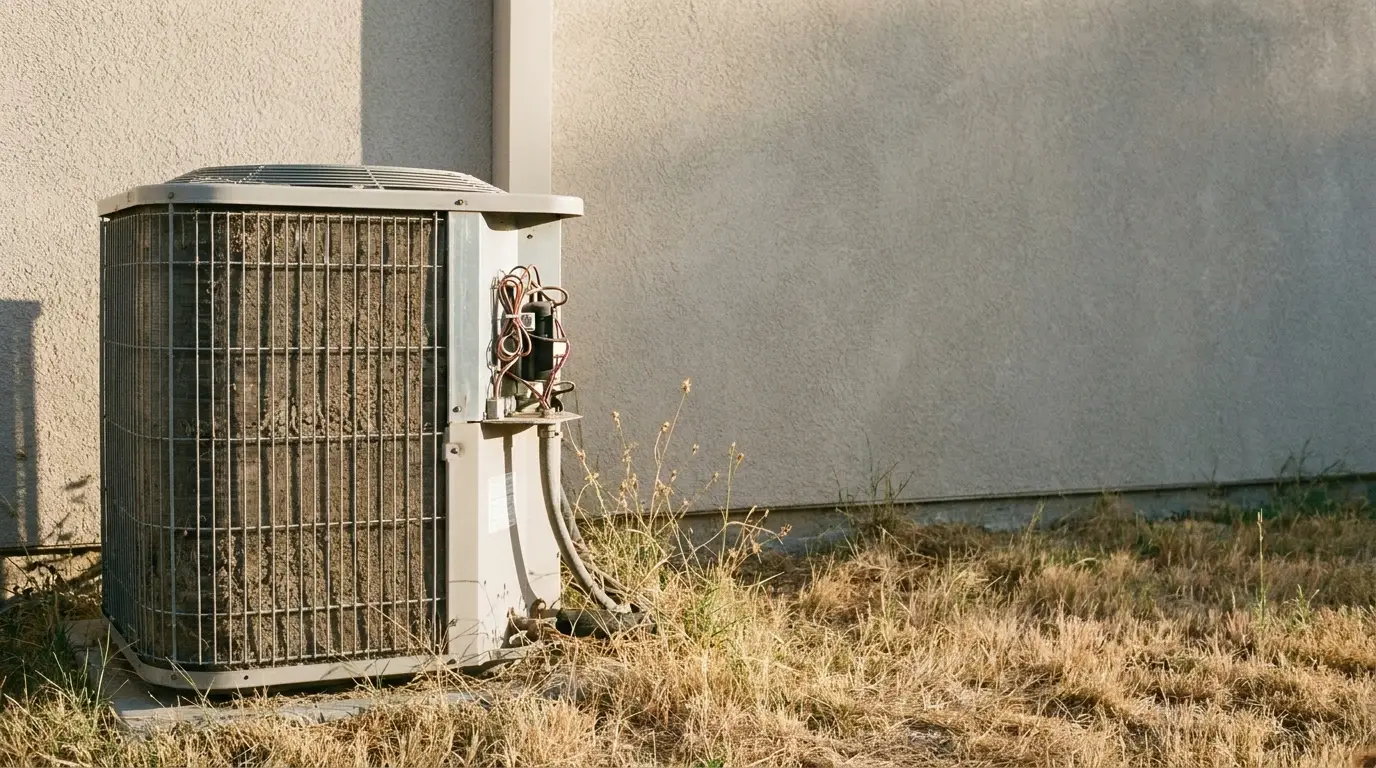
In Salt Lake City, temperatures regularly climb into the triple digits, and air conditioning systems run almost nonstop from June through September. Besides cooling less efficiently, an overworked and under-maintained AC system filters air less effectively. Dust and debris accumulate in the system, and poor filtration pushes those particles back into living spaces.
Scheduling an AC tune-up before the heat peaks (ideally in late spring) keeps the system running cleanly all summer. If any of your family members deal with allergies or asthma, you can pair regular maintenance with upgraded filtration or an indoor air quality system. A trusted local HVAC Salt Lake City provider can map out this seasonal plan for your specific home and equipment.
Fall: Furnace Inspection and Tune-Up
Fall is the transitional season that tends to slip by unnoticed. When heating systems fire up for the first time after months of sitting idle, they stir up dust and debris that have settled in the ducts and vents over the summer.
Fall is the ideal time to schedule a furnace inspection and heating system tune-up before the first hard freeze arrives. Catching small issues now, such as a worn belt, clogged filter, or drifting thermostat, can prevent bigger, more expensive problems in the middle of January.
4 Year-Round Habits That Help
Beyond seasonal checkups, a few consistent habits go a long way:
- Change HVAC filters every one to three months, depending on pets, dust levels, and how often the system runs.
- Keep indoor humidity between 30% to 50%. A simple digital hygrometer can make monitoring easy.
- Invest in a smart thermostat to regulate temperature and humidity more precisely.
- Don’t wait for something to break. Remember, seasonal maintenance is far less expensive than emergency repairs.
Utah’s climate is unique, and homes here face air quality challenges that most other states simply don’t. By working with a local HVAC company, you can get advice tailored to the city’s specific conditions.
Endnote
Every season brings something new to manage, but none of it is overwhelming once there’s a simple plan in place. A little attention each season keeps the air inside cleaner, the systems running smoothly, and the home far more comfortable, regardless of what the Utah weather decides to throw at you next.