
House Renovation Financing Options: What Homeowners Should Know
Renovating a house can make daily life more comfortable and improve how a home functions. It can also help protect property value when repairs are needed. Still, home renovations often cost more than people expect. Materials, labor, permits and unexpected repairs can add up quickly, even when the project starts with a modest plan.
For that reason, homeowners should understand their financing options before work begins. The right approach can make a renovation easier to manage. The wrong one can create payment pressure or long term debt that outweighs the benefit of the project.
Why Financing Matters for House Renovations
Many homeowners do not have enough cash set aside to cover a major renovation in full. A kitchen remodel, bathroom update, roof repair or flooring project may require thousands of dollars. Larger projects, such as additions or structural repairs, can cost much more.
Financing helps spread the cost over time. That can be useful when the renovation is urgent or when delaying the work could cause more damage. However, borrowing should be done carefully. A loan or credit line adds monthly payments to the household budget. It may also include interest, fees and repayment terms that last for years.
This is why renovation financing should be planned with the same care as the renovation itself. Homeowners often compare materials, contractors and timelines, but the payment method deserves the same level of attention. In the same way people compare checking account bonus offers before opening a new financial account, homeowners should compare renovation financing terms before choosing how to pay.
How Much Does a House Renovation Cost?
Renovation costs vary based on the size of the project, the age of the home, local labor rates and the quality of materials selected. Cosmetic updates are usually less expensive than structural work. Painting, replacing fixtures or updating cabinet hardware may be manageable with savings. Moving plumbing, repairing a foundation or replacing a roof is a different matter.
A realistic budget should include more than the visible work. Homeowners may need to pay for permits, inspections, design help, debris removal or temporary living costs if parts of the home cannot be used during construction.
It is also wise to include a contingency fund. Renovations often uncover hidden issues, such as outdated wiring, water damage or poor previous repairs. A common approach is to set aside extra money beyond the contractor’s estimate so surprises do not derail the project.
Key Factors to Consider Before Borrowing
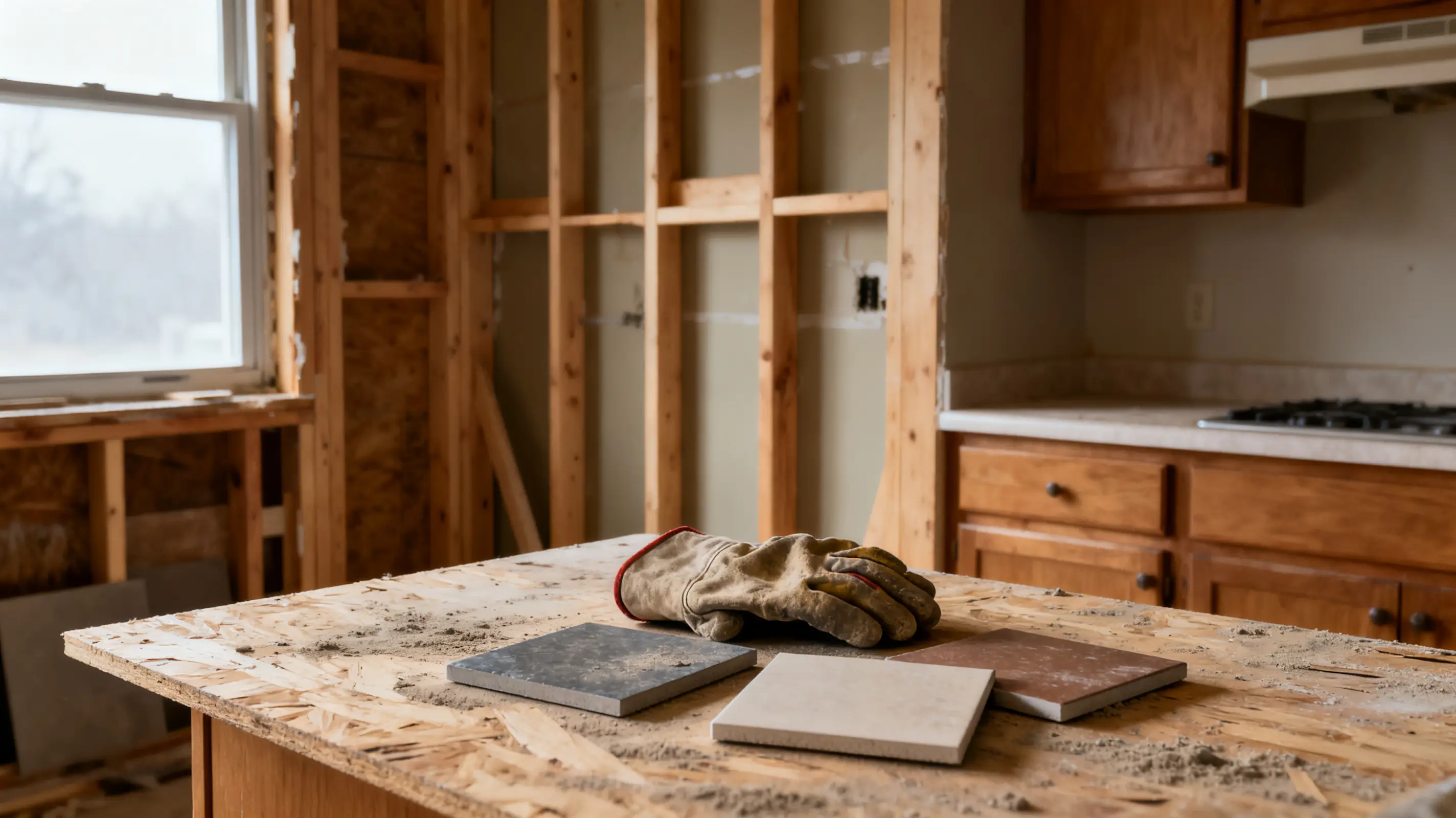
Before choosing a financing option, start with the total project cost. Get multiple quotes when possible. Compare what each quote includes and ask whether permits, materials and cleanup are part of the price.
Next, look at home equity. Equity is the difference between what your home is worth and what you still owe on it. Some financing options depend on having enough equity. More equity may give you access to lower rates or larger borrowing limits.
Credit score and income also matter. Lenders often review your credit history, monthly debt and income before approving a loan. A stronger financial profile may help you qualify for better rates.
Monthly payment comfort is just as important. A payment may look affordable at first, but it should fit alongside utilities, groceries, insurance, savings and other debts. Do not choose a payment that leaves no room for emergencies.
Finally, compare loan terms and interest rates. A longer term may reduce the monthly payment, but it can increase the total interest paid. A shorter term may cost more each month, yet reduce the overall cost of borrowing.
Common House Renovation Financing Options
A home equity loan is one common option. It allows homeowners to borrow a lump sum based on available equity. Payments are usually fixed, which makes budgeting easier. This can work well for large renovations with a clear cost. The main risk is that the home is used as collateral. If payments are not made, the homeowner could face serious consequences.
A home equity line of credit, often called a HELOC, works differently. Instead of receiving one lump sum, the homeowner can draw money as needed during a set period. This can be useful for ongoing renovations or projects with uncertain costs. However, many HELOCs have variable rates, which means payments can rise if rates increase.
Cash-out refinancing replaces the current mortgage with a larger one. The homeowner receives the difference in cash and can use it for renovations. This may make sense for some larger projects, but it changes the mortgage. Closing costs may apply and the new loan terms may not be better than the old ones.
A personal loan is another option. Personal loans are often unsecured, meaning the home is not used as collateral. They may be faster to obtain and can work for small to mid-sized renovations. The tradeoff is that interest rates may be higher than secured financing and repayment terms may be shorter.
Credit cards can be used for small purchases, such as supplies or minor updates. They are convenient, but they can become expensive if the balance is not paid quickly. High interest charges can make a small project cost much more over time.
Some contractors offer financing through lending partners. This may be convenient because it is tied directly to the project. Still, homeowners should read the terms closely. Promotional rates may expire and fees can vary.
There may also be government or local renovation programs. These may support safety repairs, accessibility improvements or energy-efficient upgrades. Eligibility can depend on income, location, project type and property details.
Savings remain the simplest option when available. Paying cash avoids interest and monthly loan payments. The downside is that using too much savings can weaken your emergency fund. That can create problems if another expense comes up soon after the renovation.
How to Compare Financing Options
When comparing renovation financing, look beyond the monthly payment. Review the total cost of borrowing. This includes interest, fees, closing costs and repayment length.
Also check whether the rate is fixed or variable. A fixed rate gives predictable payments. A variable rate may start lower, but it can increase later.
Consider whether the loan is secured by your home. Secured options may offer better rates, but they carry more risk. Unsecured options may cost more, but they do not place the home directly at risk.
The project timeline also matters. If you need funds quickly, a personal loan or contractor financing may be more practical. If the project is large and planned well in advance, equity-based options may be worth reviewing.
Which Option Is Best?
There is no single best way to finance a house renovation. The right choice depends on the project, the budget and the homeowner’s financial position.
Large renovations may fit better with a home equity loan, HELOC or cash-out refinance. Smaller projects may be handled with savings, a personal loan or a credit card that can be paid off quickly. Ongoing projects with changing costs may work well with flexible financing, such as a HELOC, if the homeowner understands the risks.
For homeowners without much equity, a personal loan, contractor financing or phased renovation plan may be more realistic.
Mistakes to Avoid
One common mistake is borrowing more than the project needs. Extra funds may seem helpful, but they increase debt. Another mistake is choosing the lowest monthly payment without reviewing the total interest cost.
Homeowners should also avoid draining emergency savings, using high-interest credit cards for large projects or starting work before financing is confirmed. Changes during construction can also raise costs, so it helps to make design decisions before the work begins.
Final Thoughts
House renovation financing can make important repairs and upgrades possible, but it should be handled with care. Start with a clear budget. Compare several financing options. Understand the interest rate, fees, repayment term and risks before signing.
A renovation should improve the home without weakening the household’s financial stability. When the financing fits the project and the budget, homeowners can move forward with more confidence and fewer surprises.