What to Know Before Buying a Corner Vanity?
Buying a corner vanity feels like a simple bathroom upgrade, but a rushed choice can quickly cause daily frustration. This compact fixture has to balance style, storage, and function in a tight footprint. Before you click “buy,” you need a clear plan for space, plumbing, and how the vanity will actually work for your routine. The wrong size can block doors, crowd the toilet, or make the room feel cramped. Poor materials may swell, chip, or stain after a few months of use. By slowing down and reviewing a few key factors, you can choose a corner vanity that maximizes every inch, looks sharp, and stands up to moisture and regular use.
What Factors Should You Consider Before Buying?
Measuring Bathroom Space and Planning Layout
Start with a tape measure, not a style board. Measure the wall length on both sides of the corner, then measure from the corner out to any doors, showers, or toilets. Note how far doors swing open and whether drawers or doors on the vanity might hit anything. Mark the proposed vanity width and depth on the floor with painter’s tape to visualize how much space it will take. Check the clearances in front of the vanity; you typically want at least 30 inches of standing room. Look at traffic flow: can two people pass, or will someone feel trapped? Consider sightlines from the doorway and mirror height so the vanity feels integrated, not squeezed in as an afterthought.
Choosing the Right Size and Configuration
Once you know your exact space, decide how much storage and counter area you truly need. A compact corner vanity around 24 inches wide works well for small powder rooms, while larger bathrooms may handle 30–36 inches or more. Choose between single-door cabinets, a mix of drawers and doors, or open shelving depending on what you store. Tall users may prefer slightly higher cabinets, while standard heights fit most households. Think about traffic: a vanity with doors that swing away from the main walkway feels easier to use. Consider whether you want a built-in backsplash or a clean, minimalist edge. The right configuration lets you reach daily items easily while keeping clutter off the countertop.
Understanding Plumbing and Installation Needs
Plumbing placement can limit which corner bathroom vanity will actually work in your bathroom. Check where the water supply lines and drain sit relative to the corner and floor. Some vanities have open backs that make alignment easy; others have fixed panels that may require modification. Decide whether you need a freestanding unit or a wall-mounted model, which may require stronger wall support and careful leveling. If you plan to move plumbing even a few inches, budget for a licensed plumber. Confirm whether the vanity comes with a pre-drilled faucet hole pattern and whether it matches your chosen faucet. Planning these details early prevents cutouts, patch jobs, and extra installation costs.
Key Features to Look for in a Corner Vanity
Storage Options and Functional Design Elements
Smart storage turns a pretty corner vanity into a practical one. Look for deep drawers for hair tools and toiletries, plus smaller top drawers for daily essentials like toothbrushes and razors. Interior shelves help organize cleaning supplies and extra toilet paper. Soft-close hinges and drawer glides reduce noise and protect the cabinet over time. Open shelves work well in guest baths for towels and baskets, but enclosed storage suits busy family bathrooms. Consider built-in organizers, tilt-out trays, or pull-out shelves if you like everything neat. A good vanity also provides easy access to plumbing without emptying the entire cabinet. Pair storage with a mirror and lighting that reduce shadows, making grooming easier.
Materials, Finishes, and Durability Factors
Bathrooms are harsh environments, so material quality matters. Solid wood or high-quality plywood cabinets usually outperform particleboard in humid spaces. Look for moisture-resistant finishes and sealed edges to guard against swelling and peeling. Painted finishes offer a classic look but may show chips sooner; wood veneers can add warmth and texture. For hardware, choose corrosion-resistant metals like stainless steel, brass, or zinc alloys with durable coatings. Pay attention to how joints are constructed; dovetail or sturdy dowel joints generally last longer than simple staples. If your bathroom gets steamy, proper ventilation plus a well-sealed vanity will significantly extend its life. A durable corner vanity should resist splashes, cleaning products, and daily bumps without quickly looking worn.
Sink Types and Countertop Choices Explained
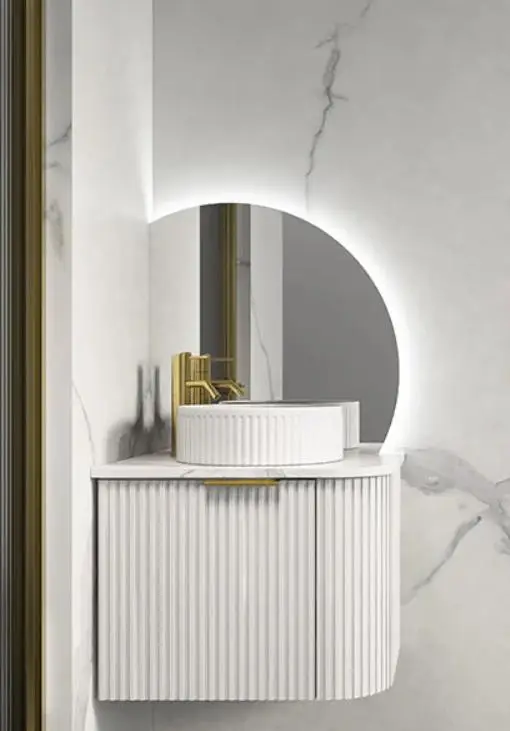
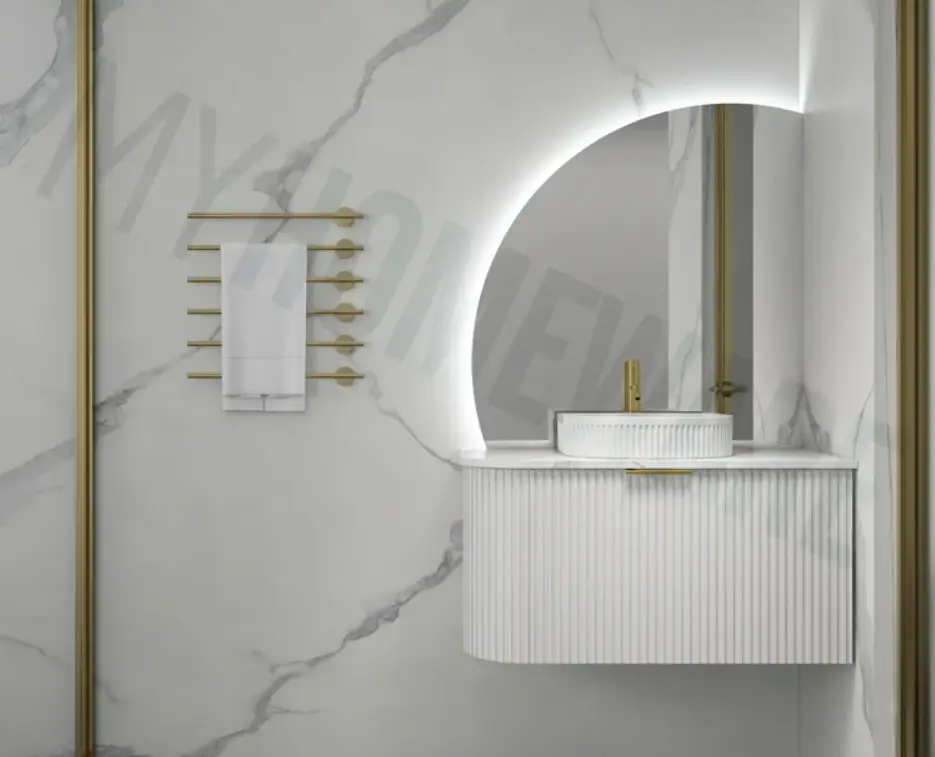
The sink and countertop affect both function and style. Undermount sinks create a smooth, easy-to-clean surface and work well in busy bathrooms. Drop-in sinks are simpler to install and can hide minor countertop cuts. Vessel sinks add a design statement but may reduce usable counter space and require careful height planning. For countertops, quartz offers strong stain and scratch resistance with low maintenance. Solid surface materials provide seamless looks and integrated sinks. Natural stone, like granite or marble, brings luxury but needs sealing and more care. Laminate can be budget-friendly but may not handle heavy moisture as well. Choose a combination that fits your cleaning habits, water use, and the overall look of your bathroom.
Conclusion
A corner vanity can transform an awkward bathroom corner into a powerful mix of storage, style, and function. By carefully measuring your space, planning the layout, and choosing the right size and configuration, you avoid everyday headaches and cramped pathways. Paying attention to plumbing, installation needs, materials, and finish quality protects your investment in a moisture-heavy environment. Finally, matching smart storage, durable construction, and the right sink and countertop ensures that your vanity supports your routine, not the other way around. With a clear checklist and a focus on real-life use, you can confidently pick a corner vanity that looks great and works hard for years.