16 Home Aesthetics Trending in 2026
Most people think decorating is the hard part. It is not. The harder part is walking into a finished room and still feeling like something is missing, because no single purchase will fix a space that lacks a clear direction.
Home aesthetics is that direction. It is the underlying system of color, material, and light that makes a space feel intentional rather than assembled.
Spaces without it tend to look fine in pieces and feel wrong as a whole. That gap between individual beauty and collective coherence is where most decorating efforts stall.
What Is Home Aesthetics?
Home aesthetics is the visual and emotional experience a space creates when all its elements work together.
It goes beyond individual décor choices; it is the relationship between color, texture, materials, lighting, and proportion that makes a room feel cohesive and intentional.
When these elements share the same underlying logic, a space feels unmistakably right.
Home aesthetics is not about following trends or spending more. It is about creating a space that genuinely feels like you.
Popular Home Aesthetics Trends
Home design in 2026 is moving in one clear direction: spaces that feel personal, grounded, and emotionally intentional.
Trends this year are less about a single dominant look and more about a shared feeling across different styles. Here are some home aesthetics defining 2026, organized by the mood they create.
Character and Heritage
These aesthetics are built on the belief that a home should tell a story. Every material, object, and finish carries a sense of history, meaning, and time well spent.
1. Modern Heritage
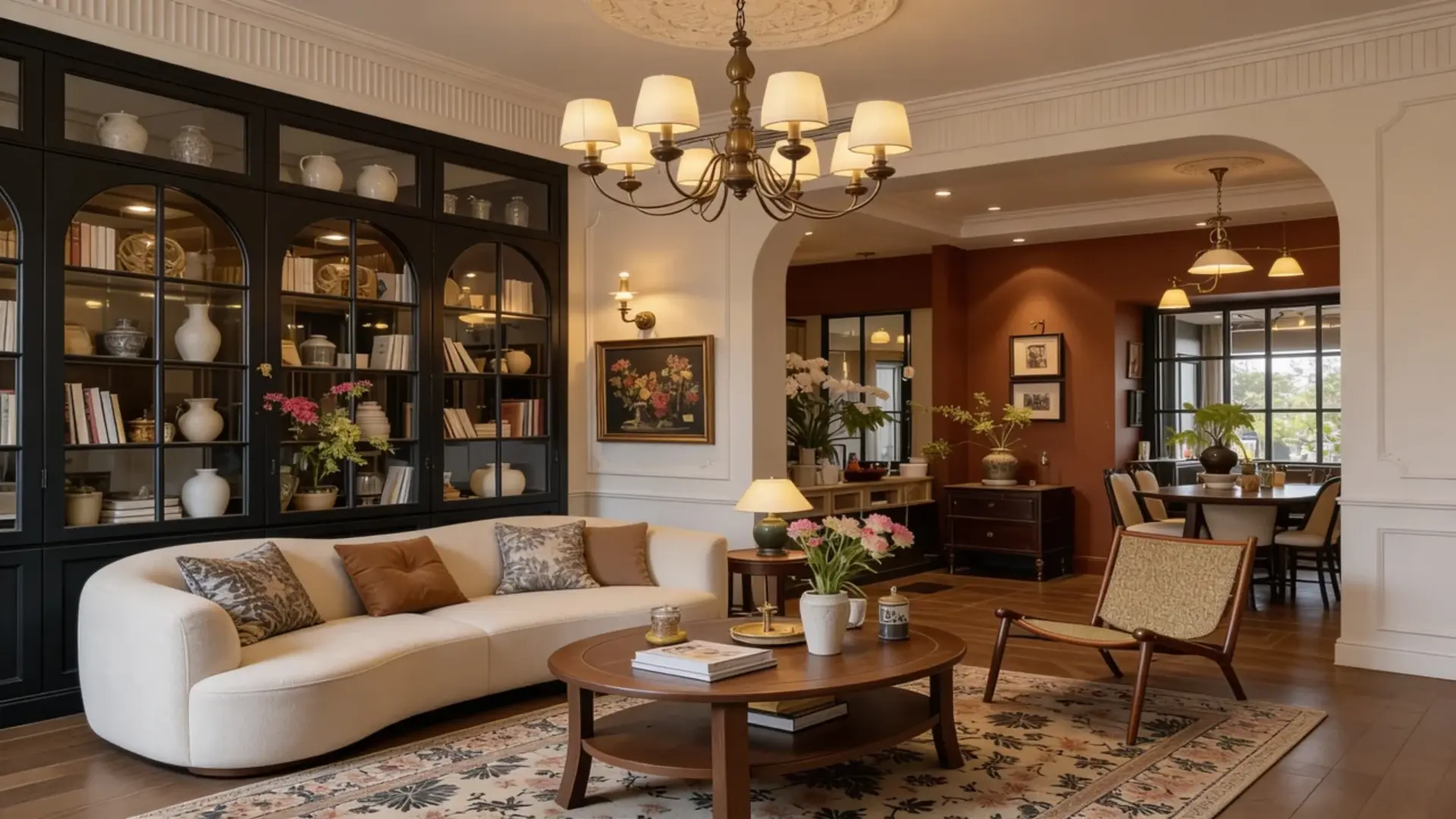
Old and new coexist deliberately here. Inset cabinetry sits alongside contemporary lighting. Rich wood tones meet crisp walls. Vintage pieces share space with clean modern forms.
The result feels curated and personal rather than period-accurate or trend-driven. It is a style for people who want their home to look like it was built over time, not assembled in a weekend.
2. New Romantics
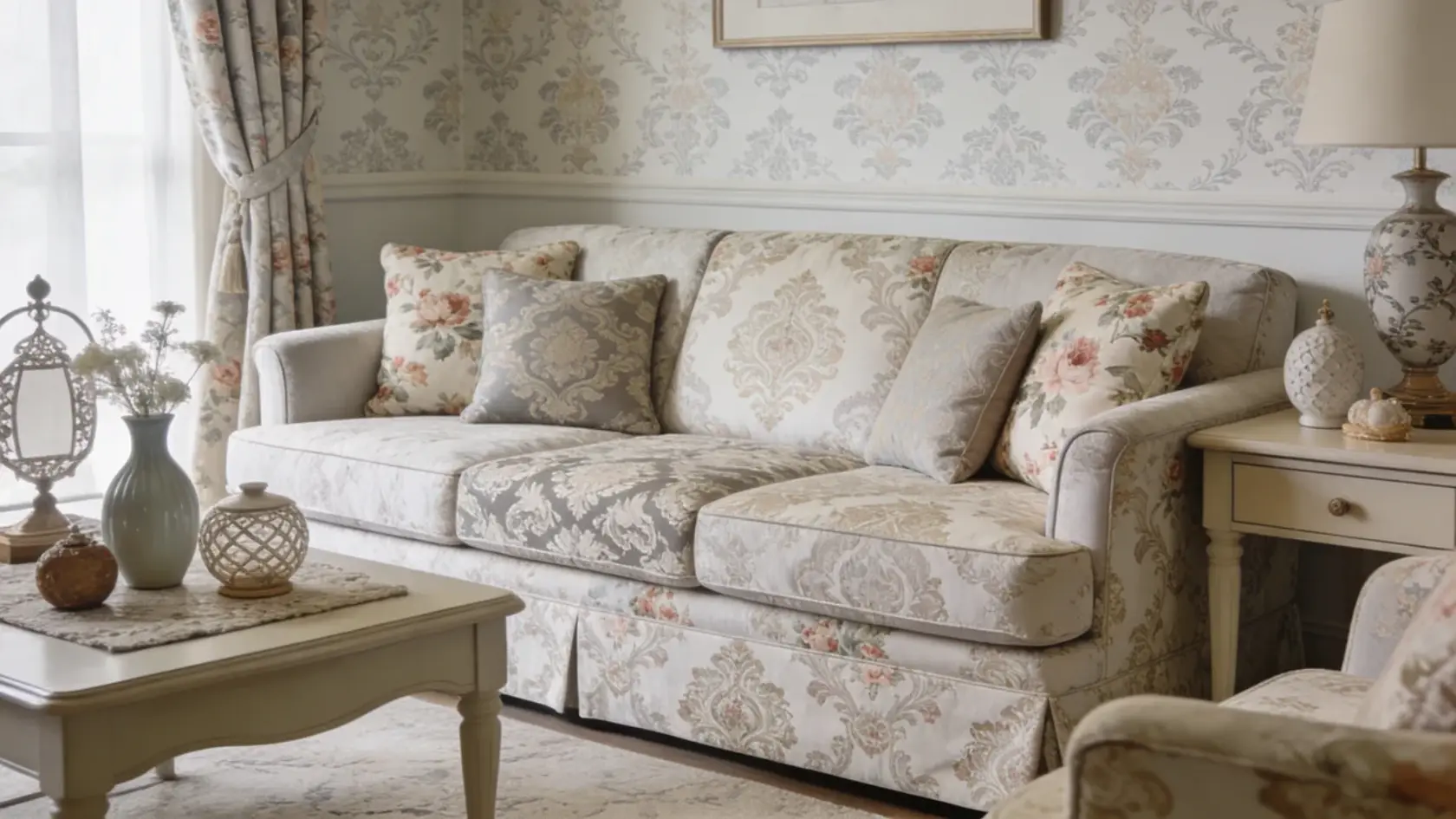
A warmer, more layered aesthetic built on pattern, texture, and sentiment. Modern takes on toile, damask, and floral motifs feel fresh rather than nostalgic.
Rich textiles, expressive wallpapers, and heirloom-inspired details create spaces that feel deeply personal without tipping into maximalism.
3. Sentimental Storytelling
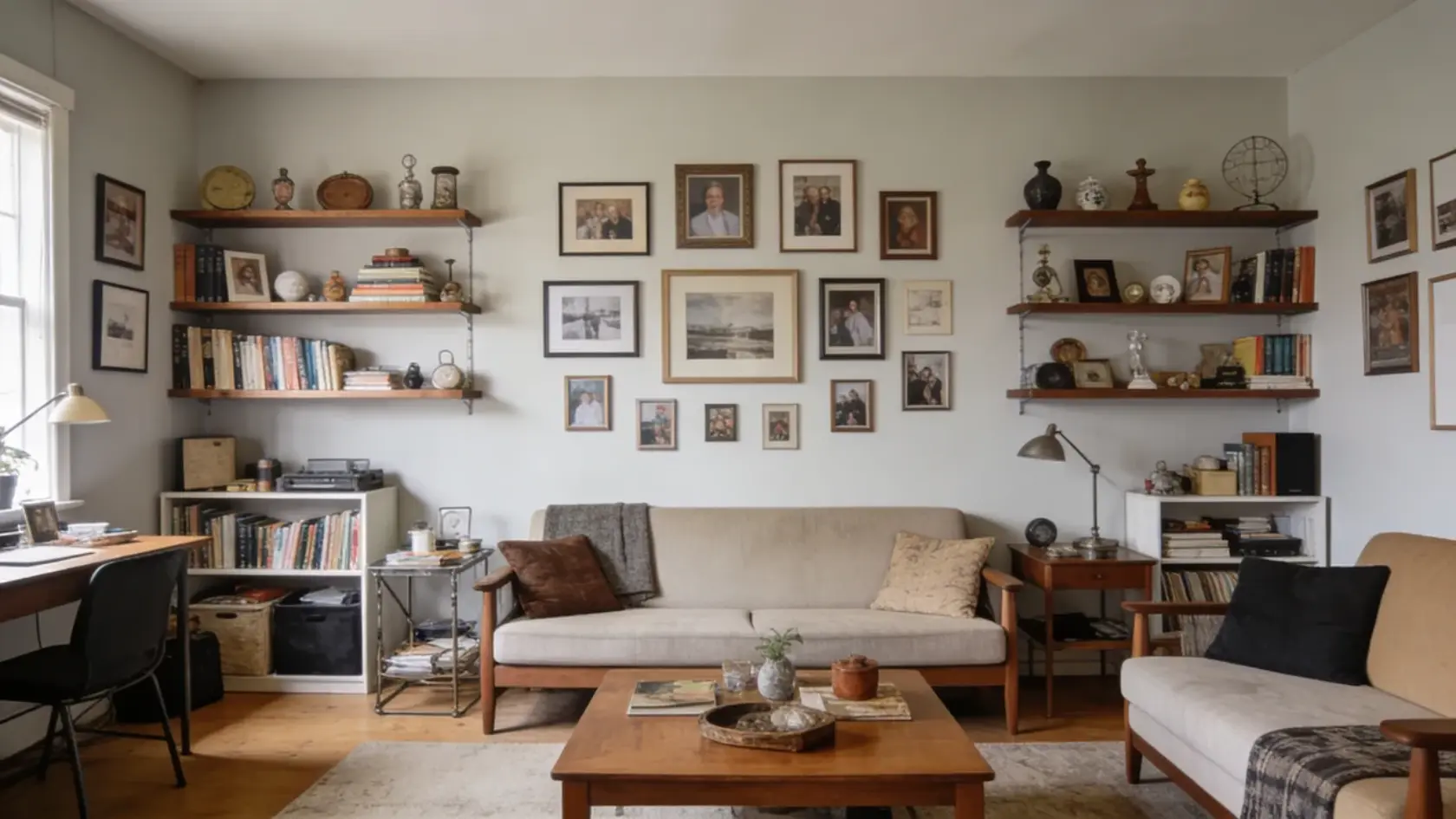
Homes as personal archives. Spaces layered with objects that hold memory, meaning, and story rather than objects chosen purely for visual coherence.
It is warm, imperfect, and deeply human. The aesthetic equivalent of a home that looks like someone actually lives and has lived there.
4. Old World Nostalgia
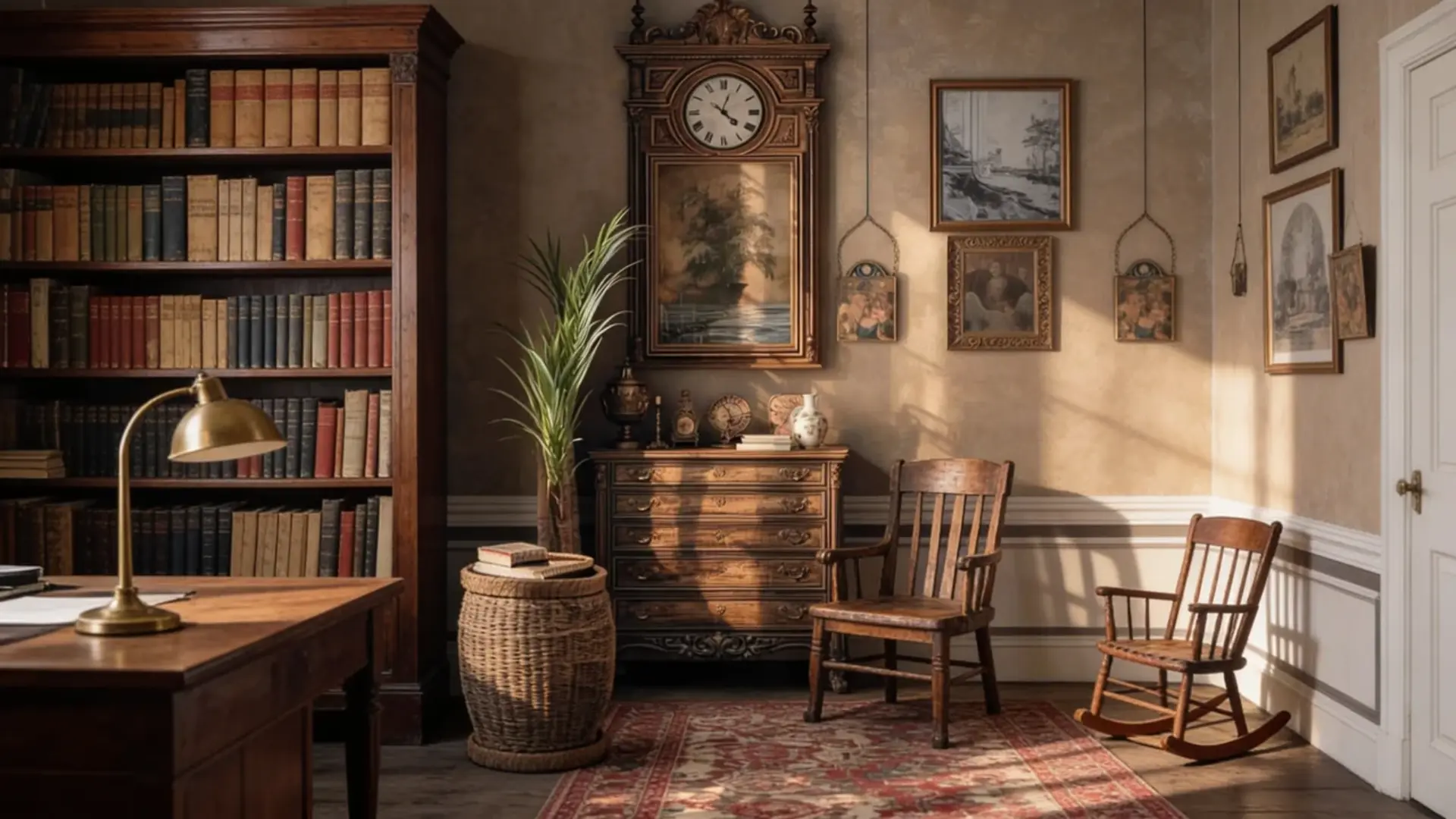
A refined reverence for craftsmanship, patina, and the beauty of things made to last. Antique finds, aged stone, worn leather, hand-painted tiles, and traditional joinery sit at the center.
Nothing looks new because new is not the point. The point is permanence and the kind of beauty that only comes with time.
Structure and Expression
These aesthetics are for people who want their home to feel both considered and confident. Form, geometry, and bold visual choices do the work that decoration alone never could.
5. Scandinavian style
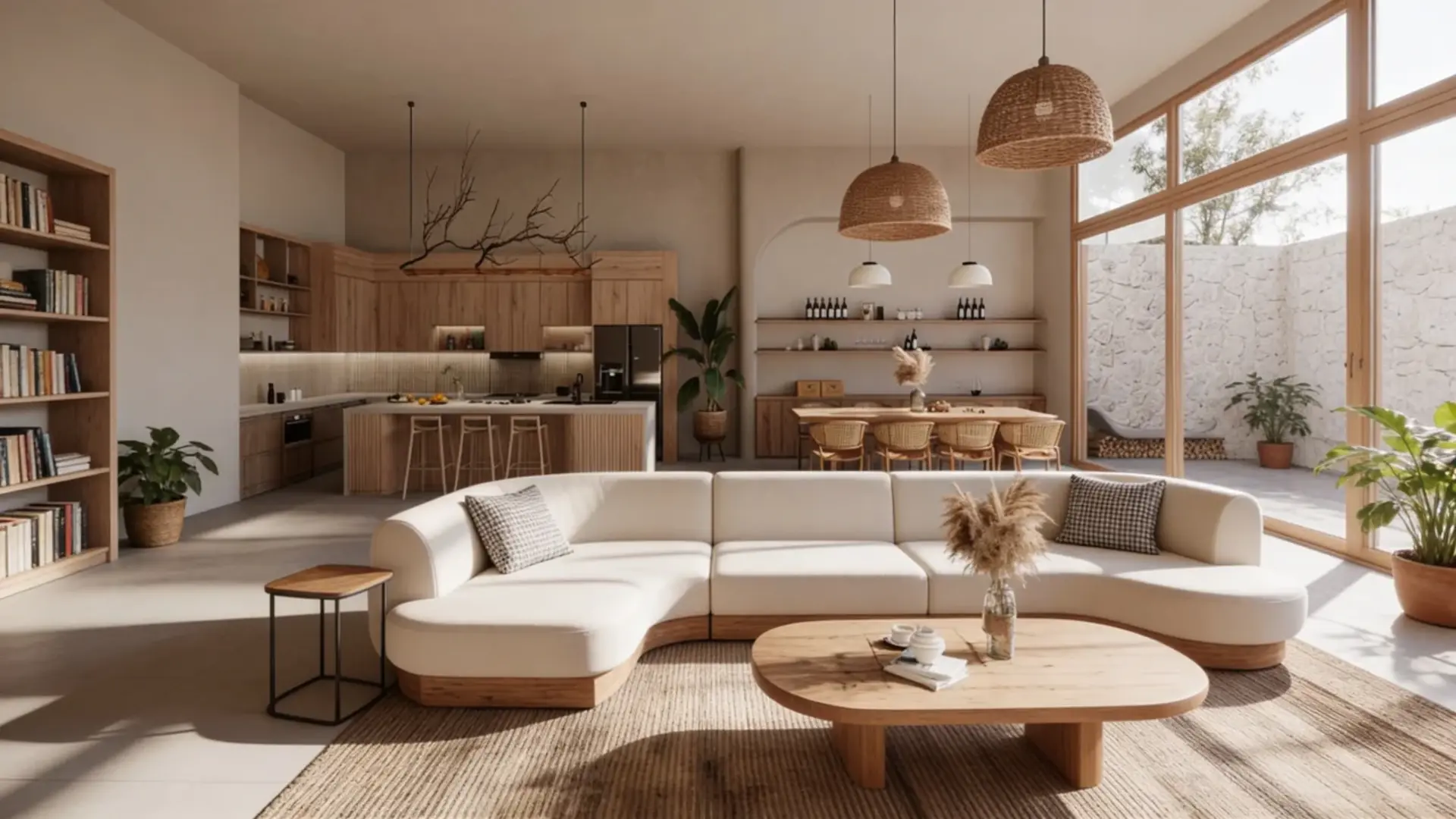
Scandinavian restraint meets Italian expressiveness. Clean silhouettes carry warmer palettes, sculptural forms, and richer materiality.
The result is an interior that feels both calm and visually interesting at the same time. Serenity and statement coexist without either canceling the other out.
6. Japandi
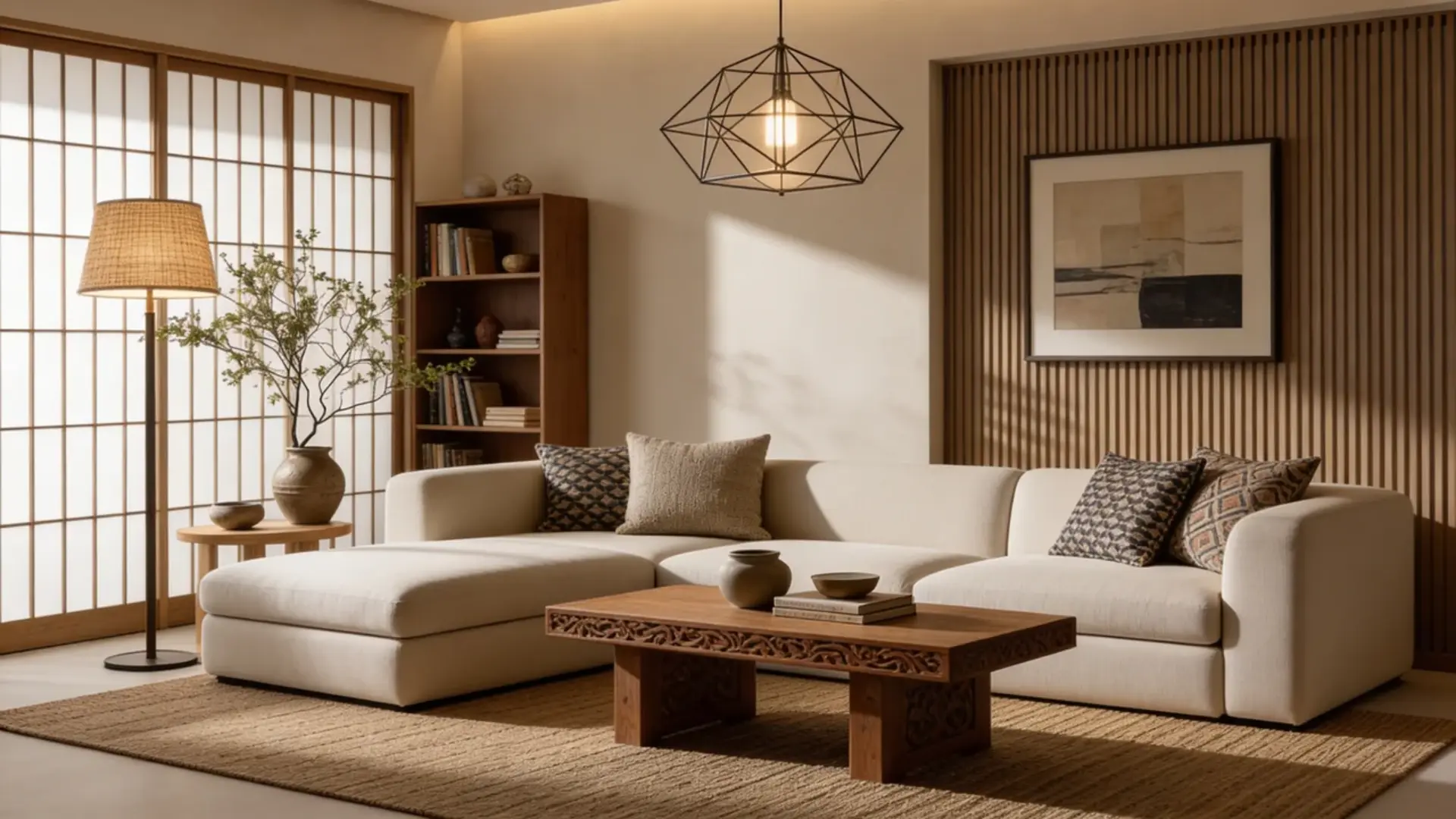
Japandi has moved beyond its original form. In 2026, it is warmer, more tactile, and less rigidly minimal.
Handmade ceramics, darker wood tones, and wabi-sabi imperfection have replaced the cleaner early version. It feels more lived-in and less like a showroom.
7. Sculptural Shapes
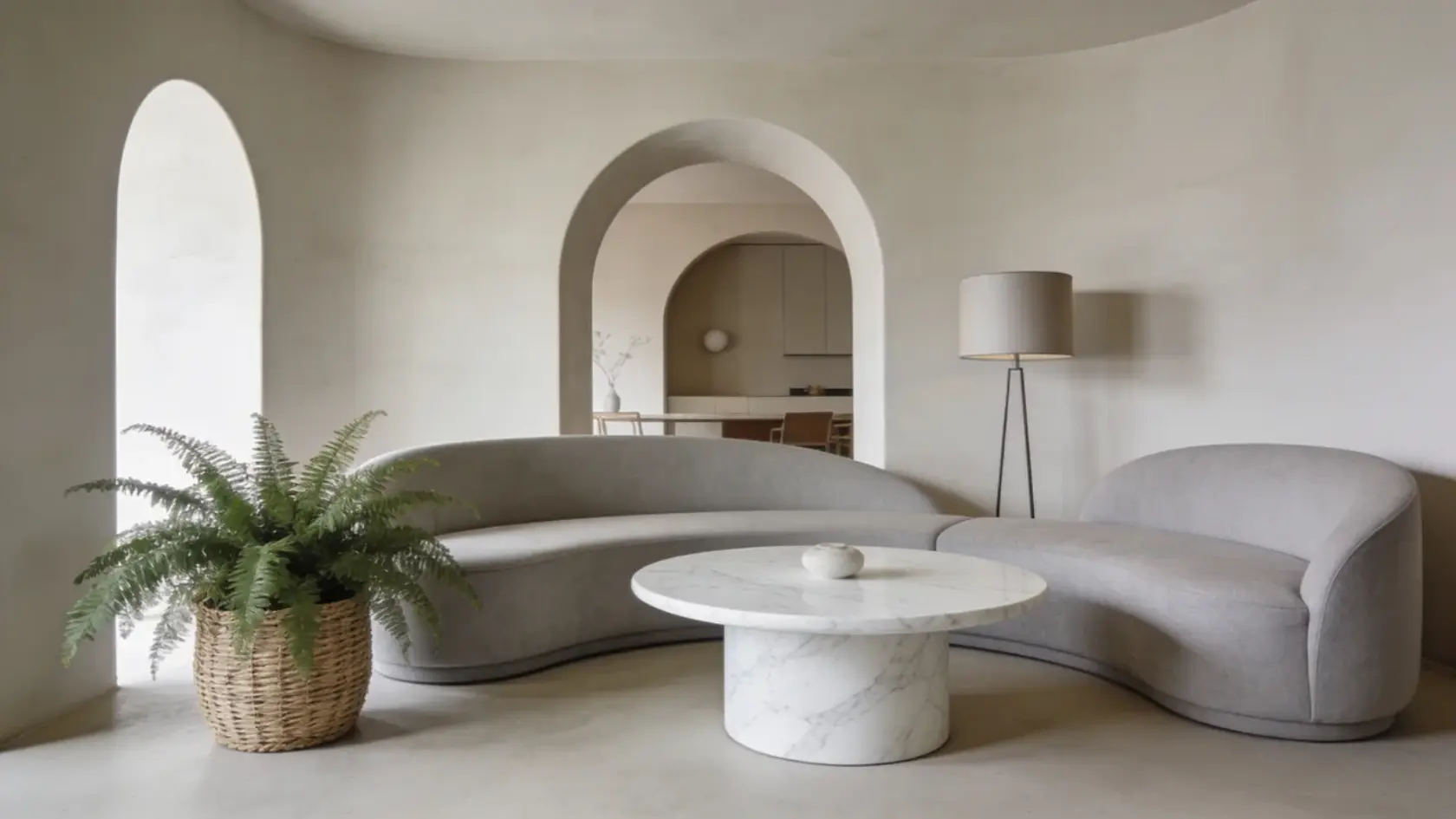
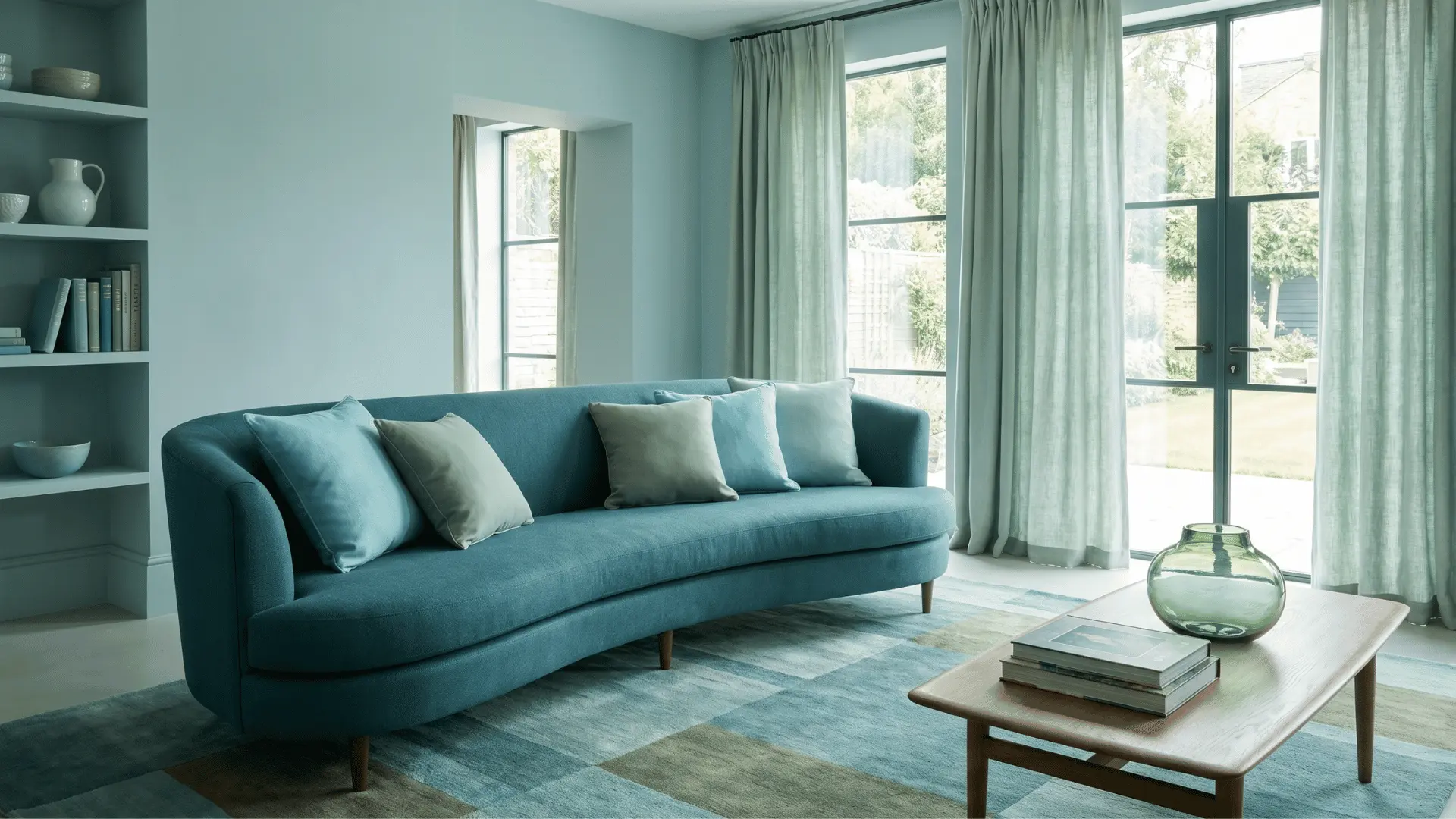
Curved sofas, rounded kitchen islands, arched doorways, and hand-turned furniture legs are replacing sharp, boxy forms across every style category.
This is less a standalone aesthetic and more a design principle that is bleeding into everything in 2026. If your space has one strong curved form, it reads as current regardless of the base style you follow.
Craft and Materiality
These aesthetics put the quality of what things are made from above everything else.
The texture you can feel, the grain you can see, and the hand behind every finish are what make these spaces impossible to replicate.
8. Dark Expressive Wood
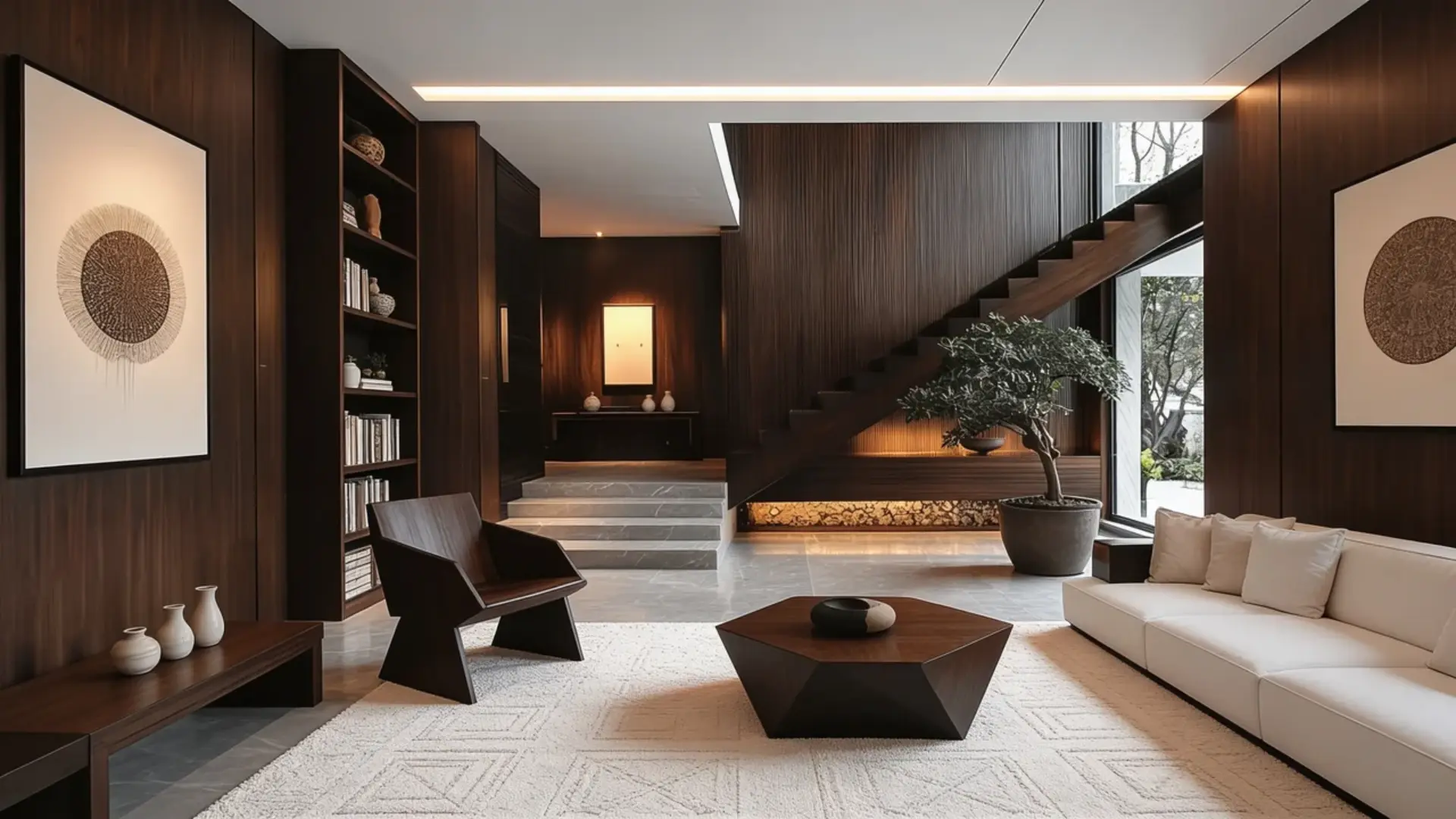
Rich finishes like burl, reeded textures, carved surfaces, and deep stains are bringing drama back to wood furniture.
This is the direct opposite of the pale Scandinavian wood trend that dominated the last decade. The grain is visible, the color is deep, and the craftsmanship is entirely the point.
9. Maximalism (Tactile)
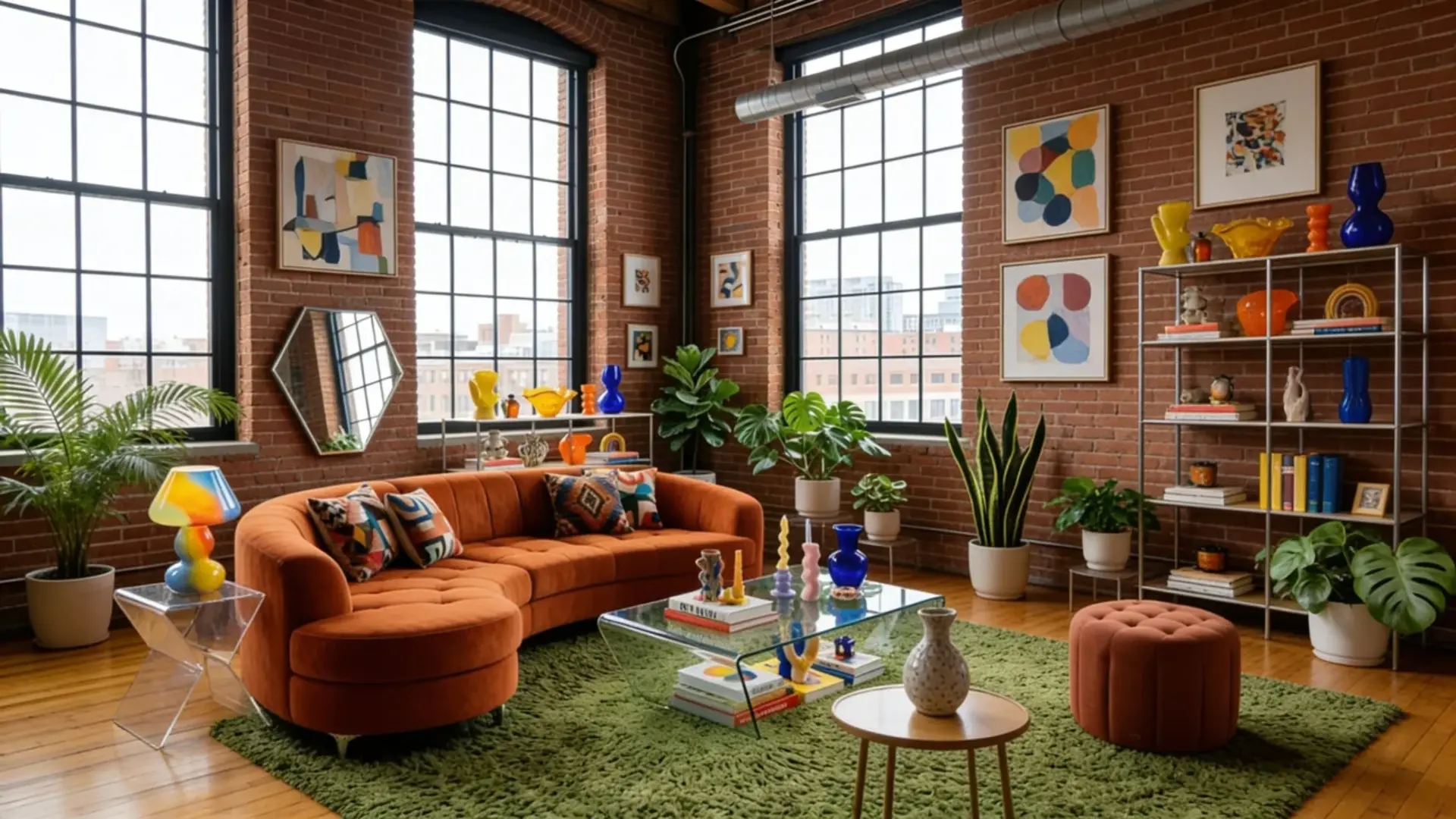
Not the maximalism of more objects but the maximalism of more texture. Handmade tile, unlacquered metals, textured plaster walls, woven fabrics, and raw stone surfaces layer up to create spaces.
Now it rewards touch as much as sight. The room should feel interesting with your eyes closed.
10. Freehand Artistry
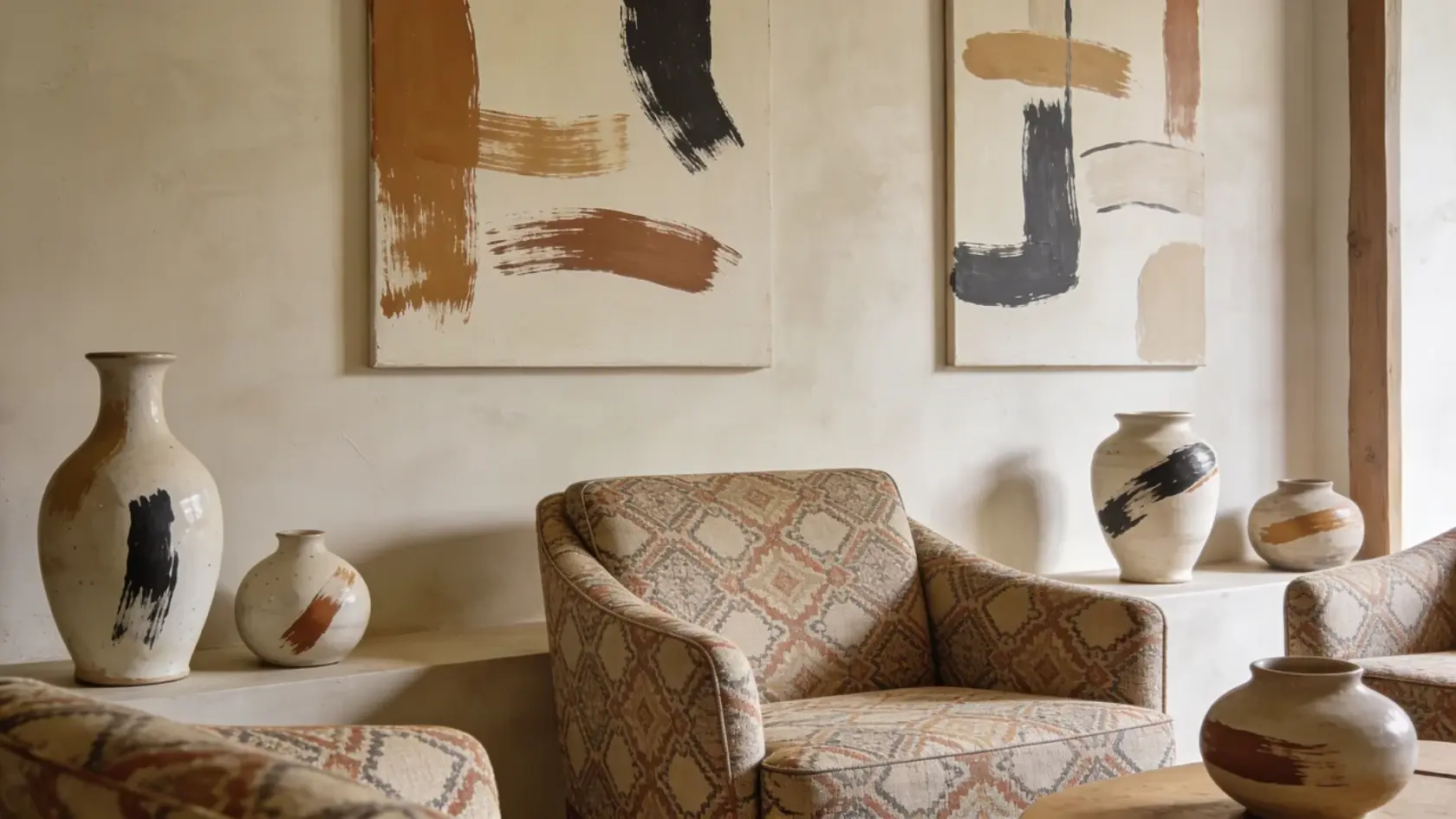
Walls, fabrics, and ceramics carry hand-painted motifs with loose, expressive brushwork. The strokes are visible. The imperfection is intentional.
It pushes back against the machine-perfect finish that dominated interiors for years and brings a sense of genuine human presence back into the room.
11. Intentional Sustainability
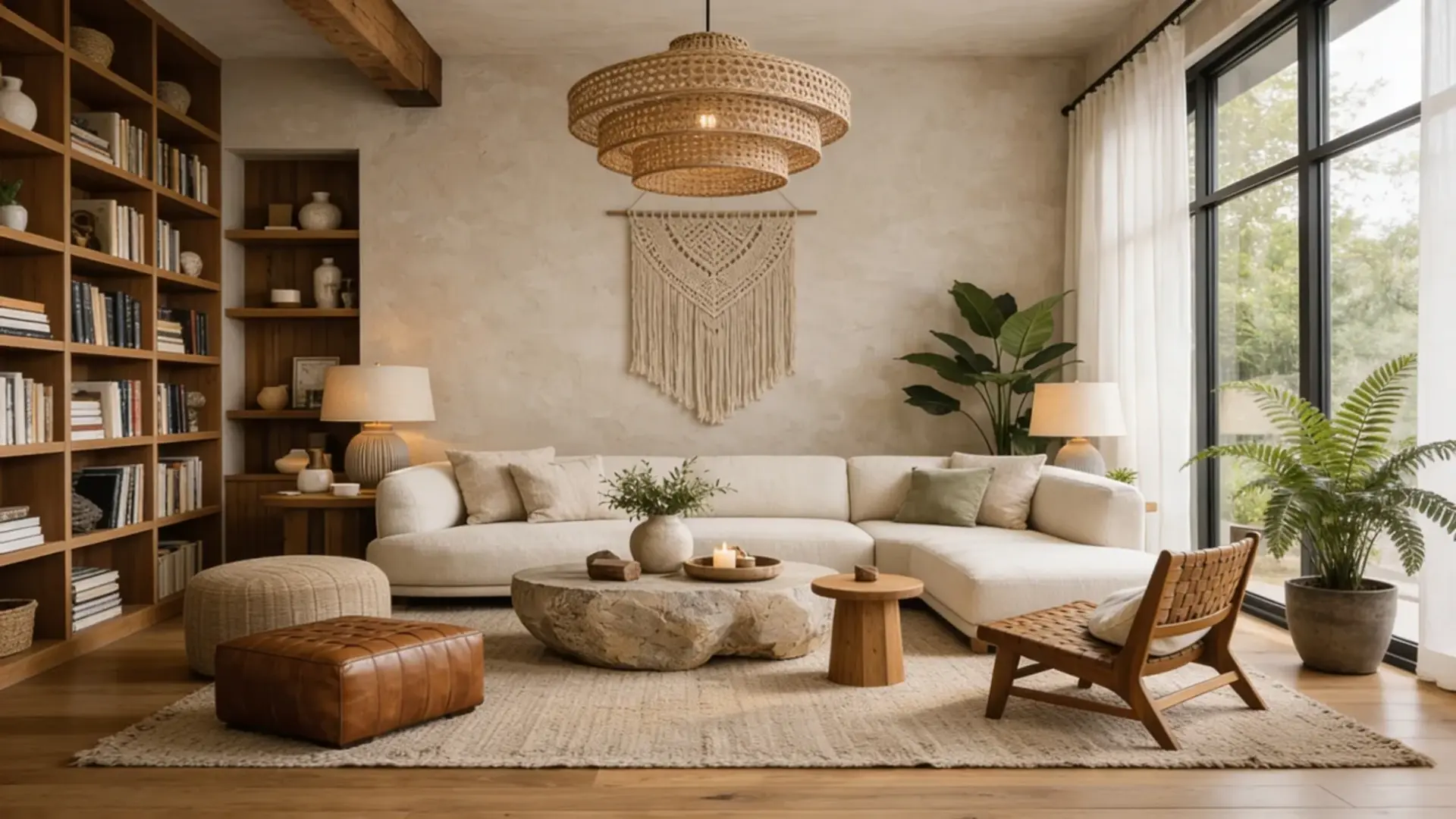
Natural, durable materials chosen specifically because they age well and can be repaired rather than replaced. Reclaimed wood, vintage finds, and pieces made with traceable craftsmanship sit alongside new items chosen for longevity.
The aesthetic by-product is a space that feels grounded, considered, and completely free of disposable design.
Comfort Aesthetics
These aesthetics are built around how a home feels to live in, not just to look at. Every detail is chosen to slow you down, soften the day, and make the ordinary feel worth pausing for.
12. Ritual Restoration
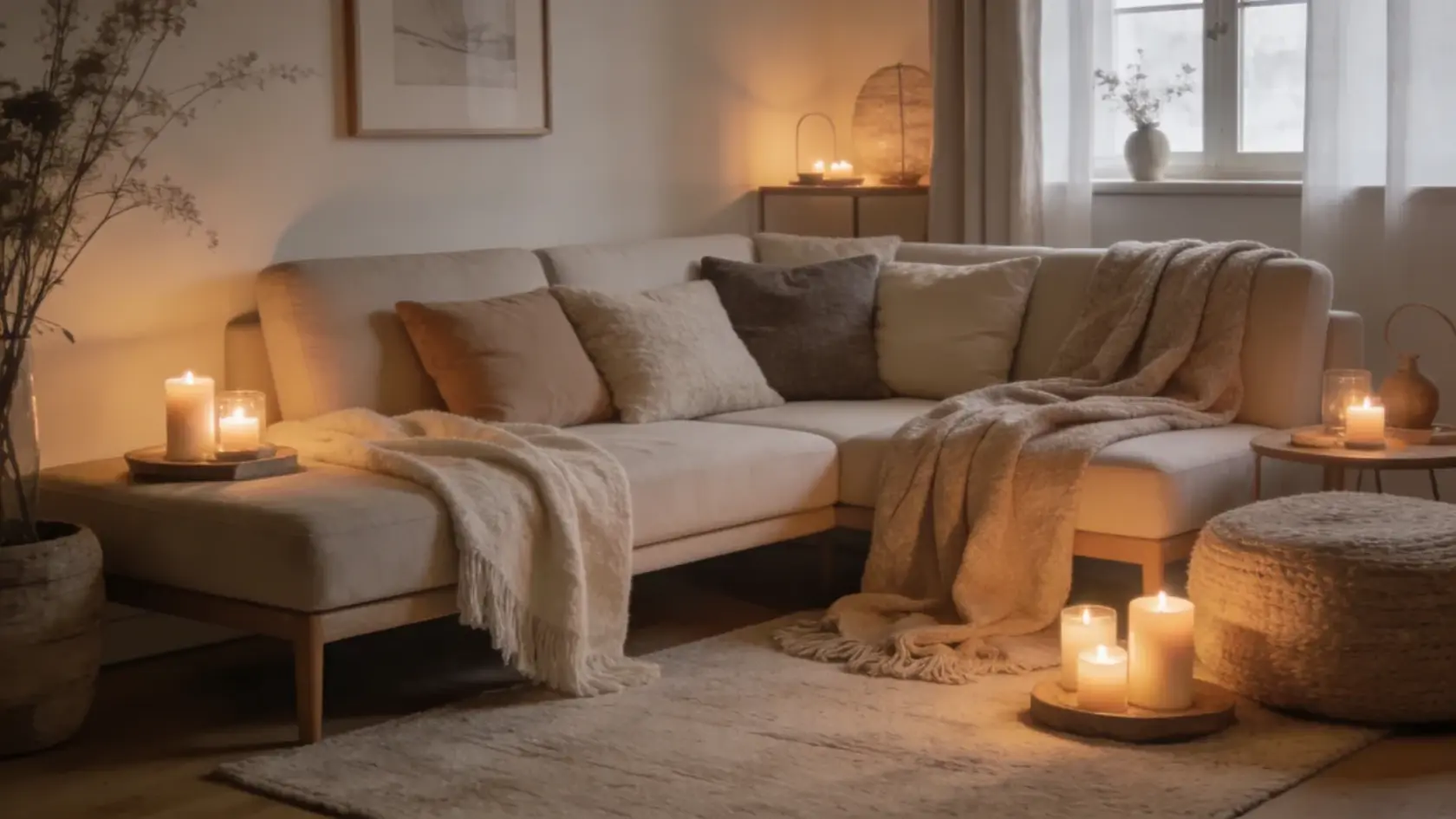
A home aesthetic built around slowness. Layered textiles, warm amber lighting, candles, tactile objects, and soft palettes turn everyday moments into something intentional.
It is less a visual style and more a philosophy about what a home should feel like at the end of a long day.
13. Cloud Palette
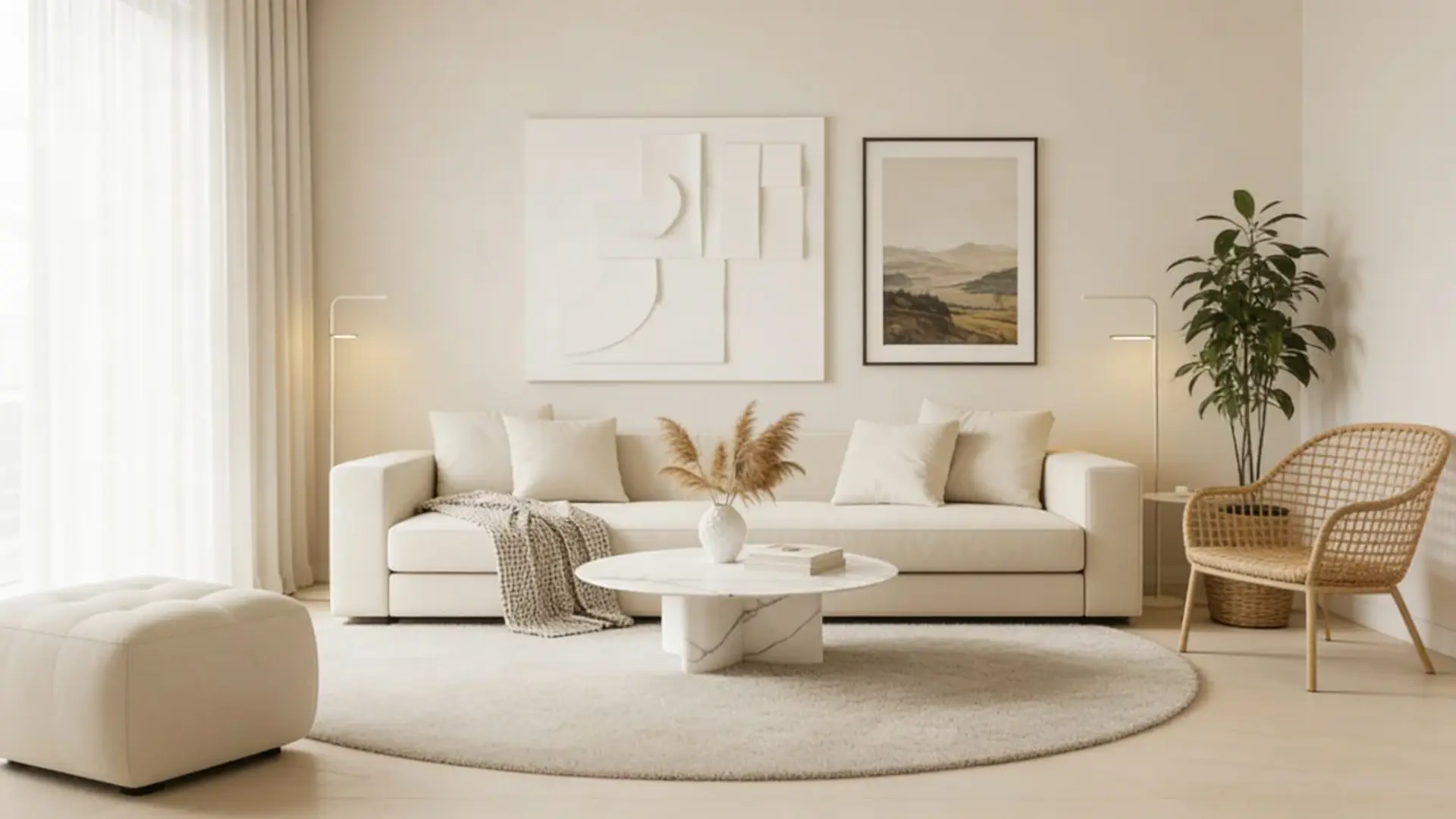
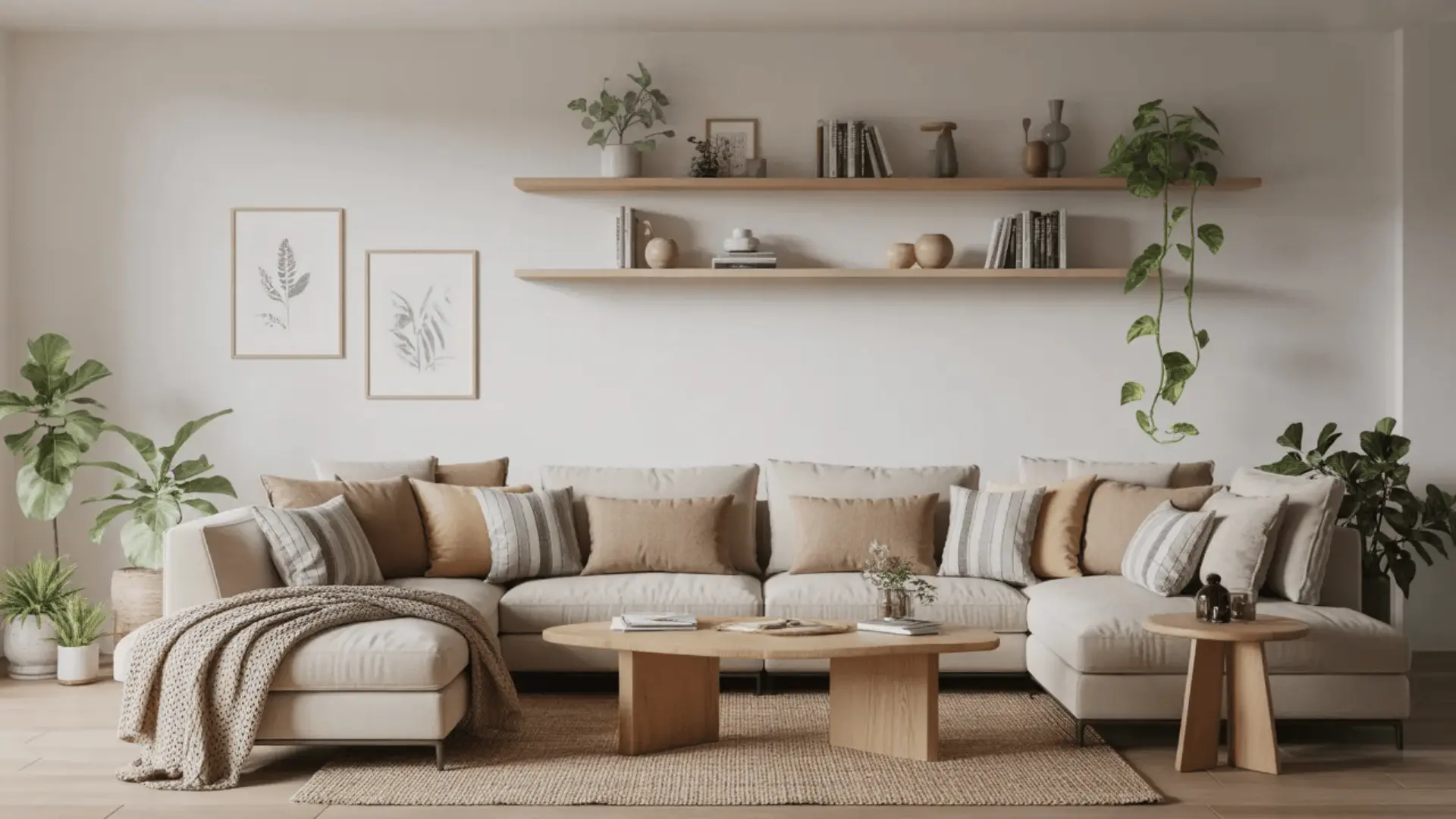
Pantone’s 2026 Color of the Year, Cloud Dancer, signals a broader shift toward soft serene whites and creamy neutrals used as full-room palettes rather than neutral backdrops.
The tone is calming without being stark. It works as a base for almost any texture or material layered on top.
14. Thoughtful Maximalism
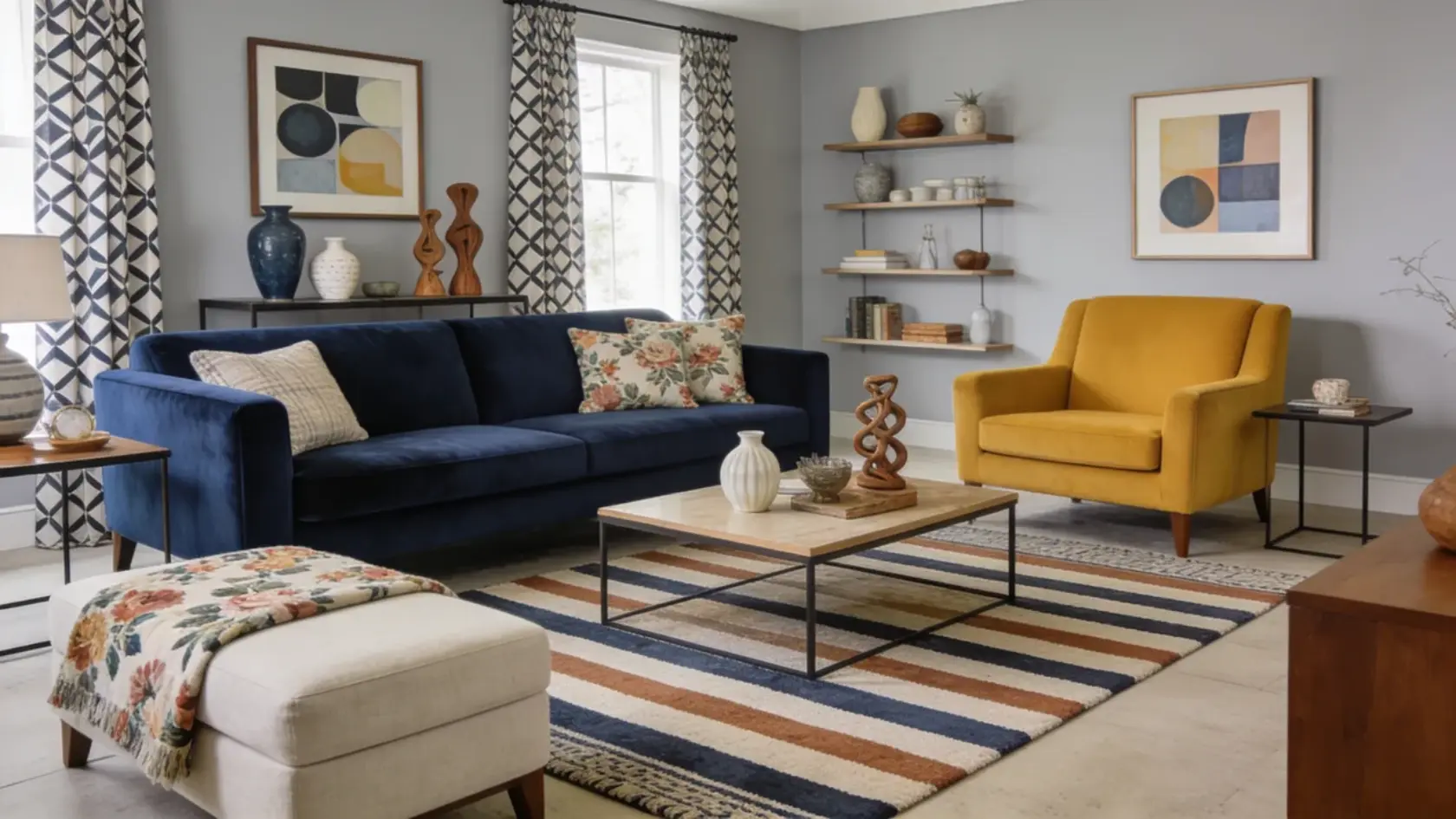
The antidote to years of restrained, catalog-perfect interiors. Bold color, layered pattern, and collected objects fill the space with personality but every choice is deliberate.
Nothing is there by accident. The difference between thoughtful maximalism and visual chaos is exactly that single word: deliberate.
15. Anti-Trend Personalization
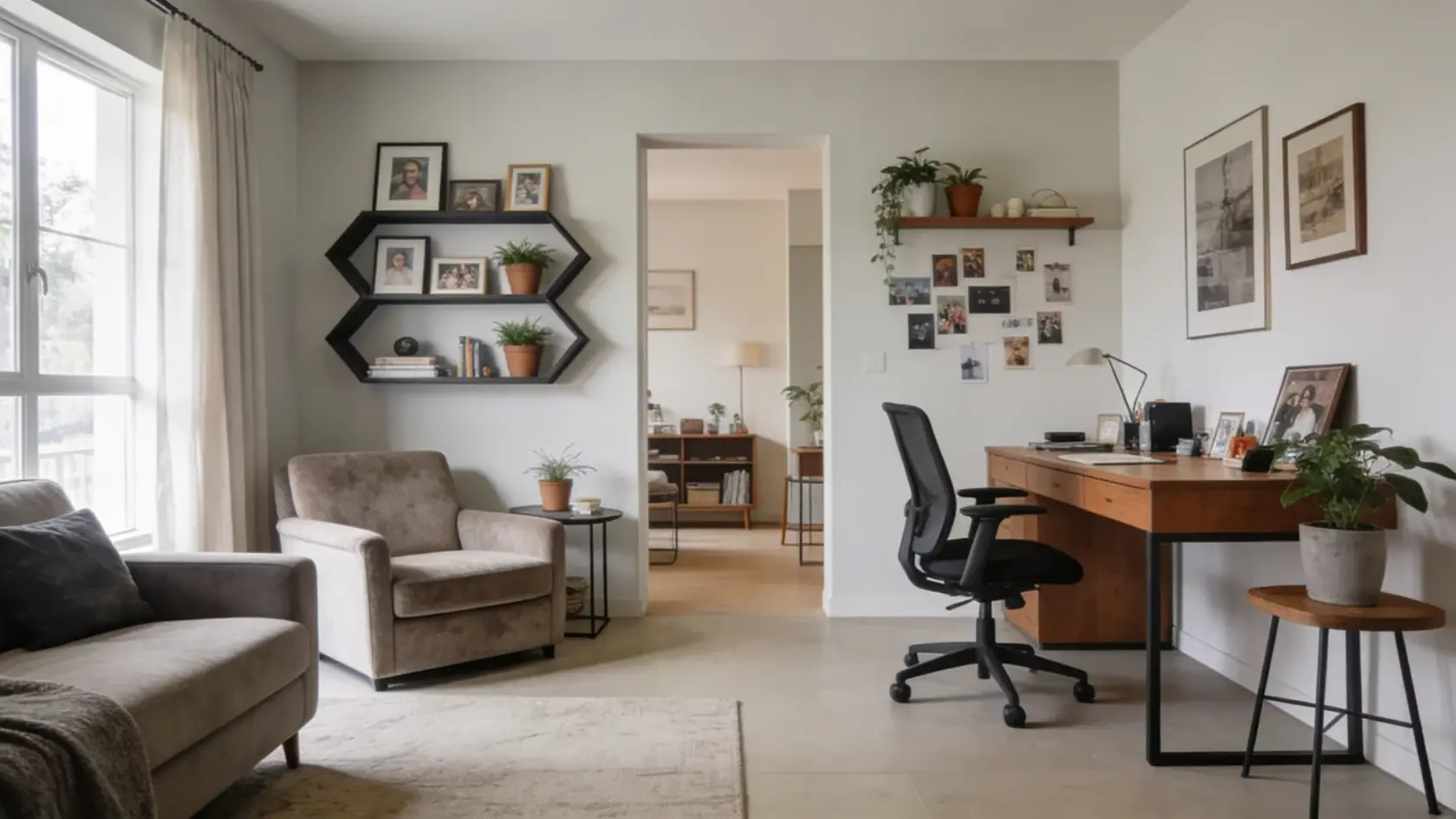
The most significant shift of 2026 is not a style at all. It is the rejection of trends as a design starting point. Younger homeowners in particular are designing entirely around how they live.
Forgoing conventional rooms in favor of spaces built for their specific daily rituals. The aesthetic outcome is completely individual, and that is entirely the point.
16. Slow Living Aesthetic
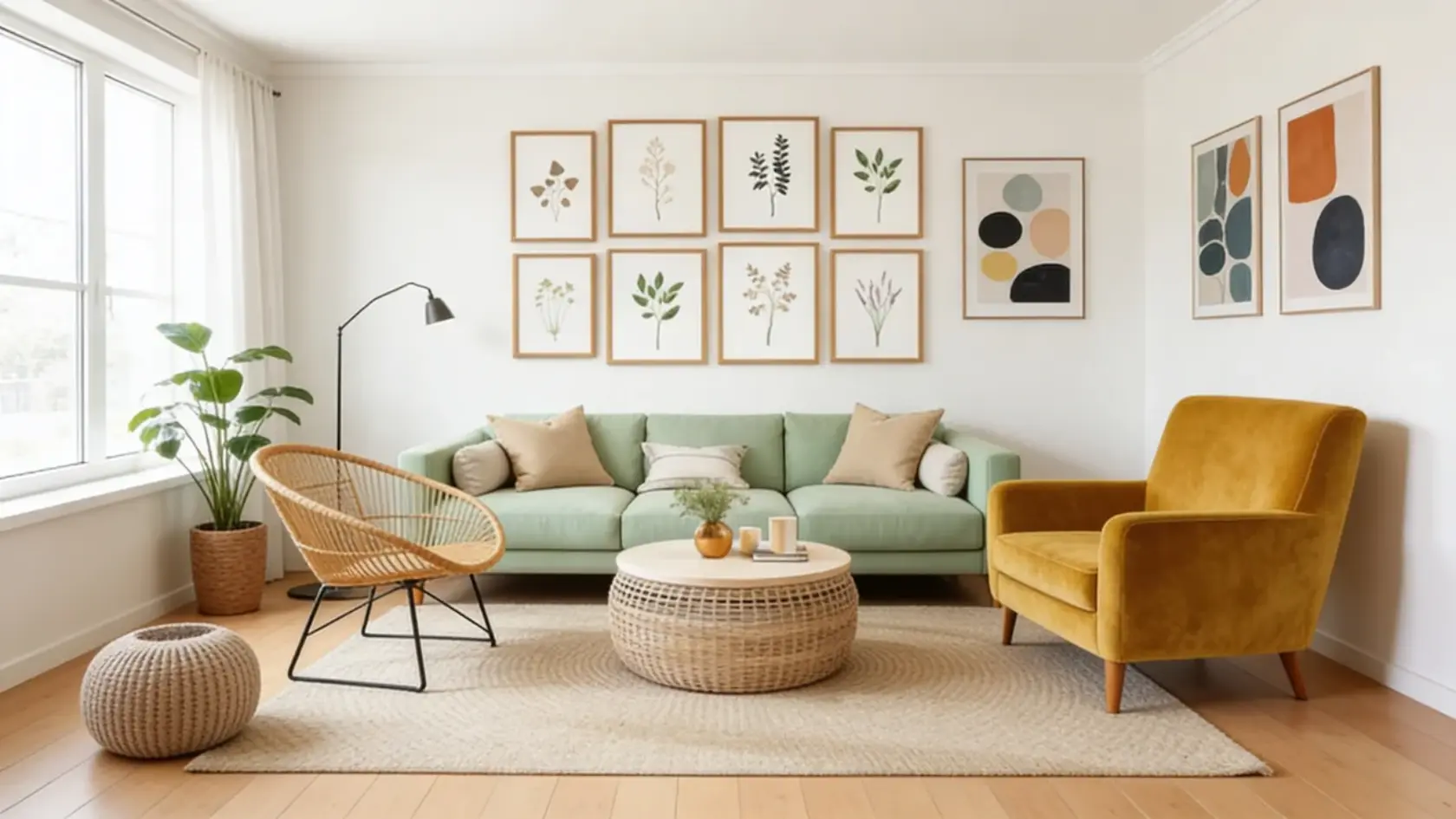
Everything in this space earns its place by making daily life feel better. A good reading chair positioned near the best light. A kitchen designed for cooking, not performance.
Textiles chosen for how they feel at the end of a long day. The aesthetic is warm and quietly beautiful, but the real design brief was always comfort first.
How to Find Your Home Aesthetic?
When designing a space, it’s easy to get caught up in labels like “Japandi” or “Coastal.” But the right approach starts with feeling, not a name.
Here’s how to approach it:
- Start with feeling: Gather 15-20 images of spaces that draw you in.
- Look for patterns: Analyze what they have in common, warm lighting, matte surfaces, open space, dense layering.
- Identify your aesthetic: The recurring elements in these images represent your true aesthetic.
- Check your space: Consider your room’s ceiling height, natural light, floor material, and proportions before deciding.
- Use a style quiz: It can offer vocabulary, but should only open the research process, not lock you into a fixed style.
The key is to begin with the vibe and characteristics that resonate with you, then adjust them to fit your space.
How to Mix Home Aesthetics Without Losing Coherence?
Most chaotic spaces aren’t over-decorated; they’re under-edited. It’s not about too many styles, but too many styles with no connection.
A simple framework to follow is the 70/30 rule: Let one aesthetic dominate 70% of the space with key pieces like furniture, walls, and flooring.
Use the remaining 30% for a second aesthetic through accessories and accents. The first style sets the tone, and the second adds personality.
Ensure compatibility with shared principles, like Japandi and Minimalism, mix well, while opposing styles, like Industrial and Cottagecore, clash.
Choose your dominant style first, then complement it with a compatible second.
Conclusion
Home aesthetics is about creating a cohesive space that feels intentional and aligned with your needs. By focusing on the feeling of a room, choosing a dominant style, and mixing complementary elements.
You can avoid common mistakes and design a space that truly reflects your personality.
Whether you’re drawn to natural elements or a more modern vibe, understanding the principles of home aesthetics will help you create a space that not only looks good but feels right.
Want to share your home design experience or need help choosing the right aesthetic? Drop a comment below.
Frequently Asked Questions
What is the 70/30 Rule in Decorating?
The 70/30 rule balances a room by dedicating 70% to a dominant color or style and 30% to a contrasting accent, creating visual interest without overwhelming the space.
What is the 3-5-7 Rule in Interior Design?
The 3-5-7 rule suggests grouping decorative objects in odd numbers, typically three, five, or seven pieces, as odd-numbered arrangements feel more natural and visually balanced to the human eye.
What are the Three F’s of Interior Design?
The three F’s stand for Function, Form, and Flow. A well-designed space serves its purpose, looks intentional, and allows easy movement between areas without feeling cramped or disconnected.