Fridge Organization for Food Safety: A Simple Guide
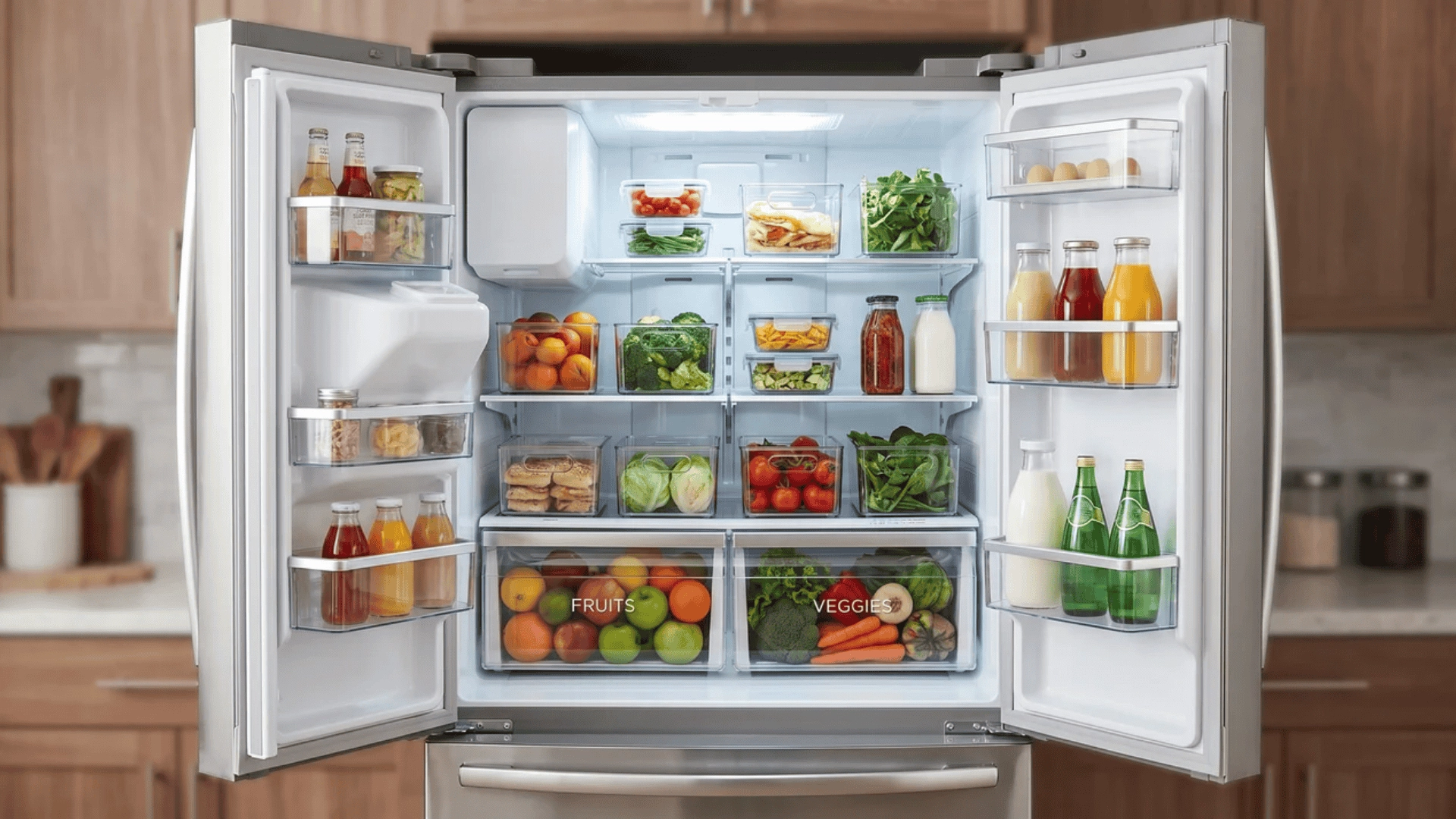
Fridge organization is not just about neat shelves; it affects food safety, freshness, and waste.
A well-arranged refrigerator maintains stable temperatures and reduces hidden spoilage.
This guide breaks refrigerator organization into practical systems that improve airflow, visibility, and food placement. You will learn how to set up your fridge in a way that works long term.
From handling leftovers to organizing a small fridge, this blog offers a clear framework.
By the end, you will have a simple method to keep your refrigerator organized with less effort.
Fridge Organization: Step-By-Step Guide
Organizing your fridge the right way protects your food and makes everything easier to find.
Follow these steps in order for safety, freshness, and airflow to all work together:
Step 1: Empty and Reset
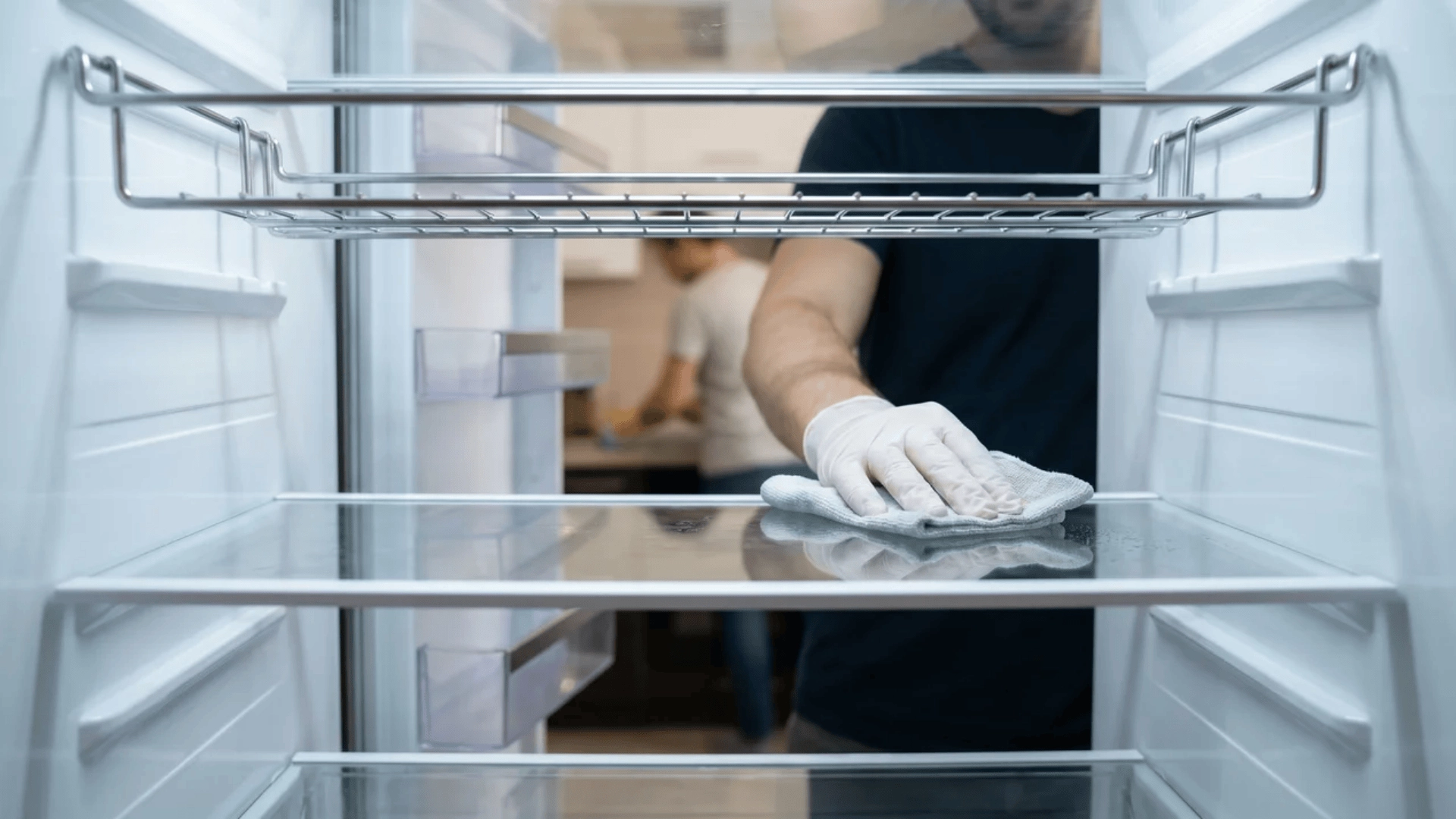
Start with a completely clean slate so you are not building order on top of a hidden mess. This step removes bacteria, odors, and expired food before anything goes back inside.
Take everything out, including items tucked in drawers and corners. Throw away expired or spoiled food, then wipe shelves and drawers with warm soapy water and dry them fully before restocking.
Residue from spills creates a moist surface that allows mold and bacteria to grow quickly. If you skip cleaning, those microbes remain active and can contaminate freshly organized food.
Step 2: Understand Temperature Zones
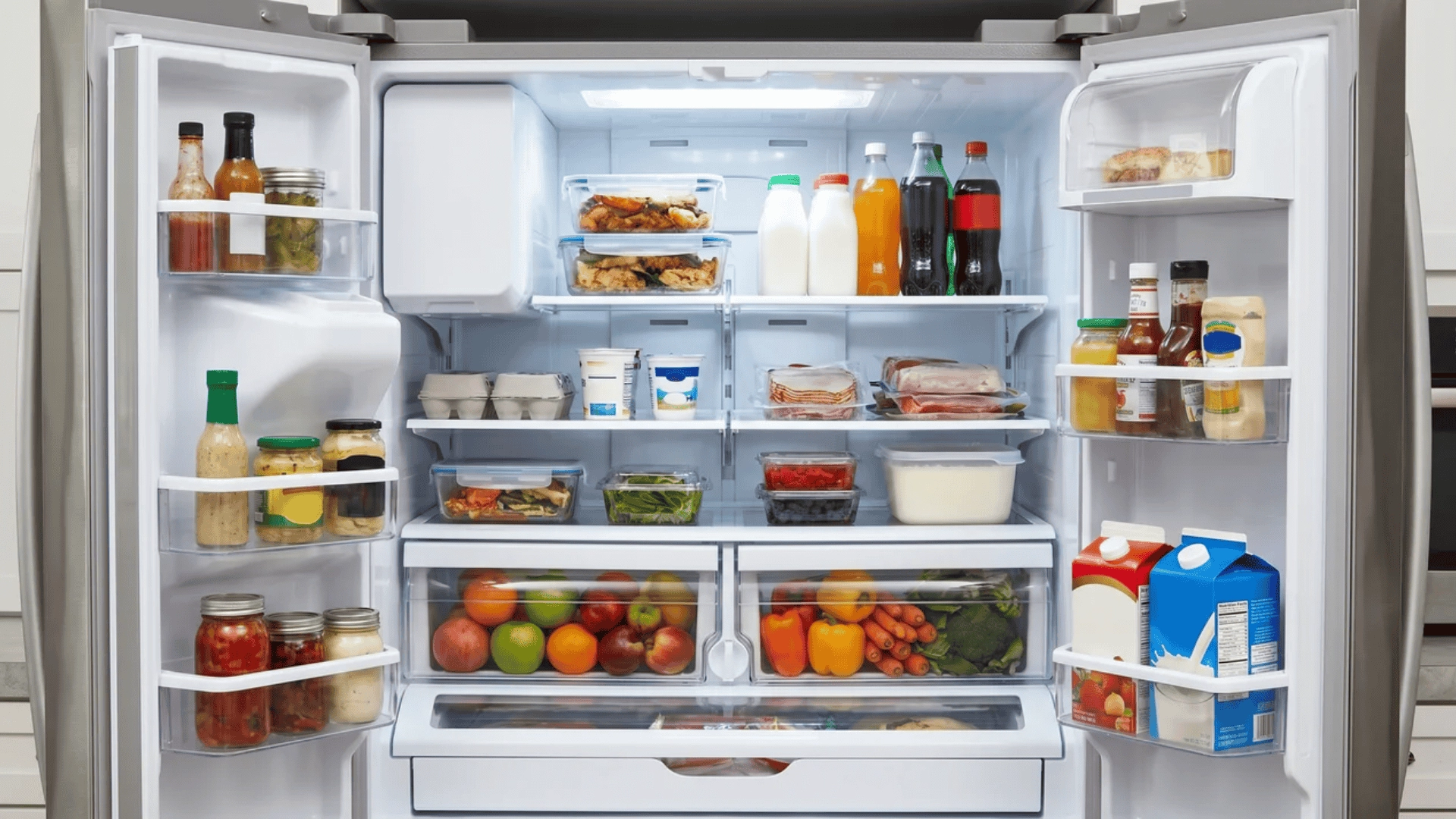
Not all areas inside your fridge are equally cold. Knowing where temperatures vary helps you place food where it stays fresh the longest.
The back and bottom are usually the coldest because cold air sinks. The top shelf is slightly warmer, and the door is the warmest because it faces temperature swings whenever it opens.
When you ignore these zones, highly perishable food may spoil faster. Many people assume every shelf is the same temperature, but even small differences affect freshness.
Step 3: Place Food According to Safety Priority
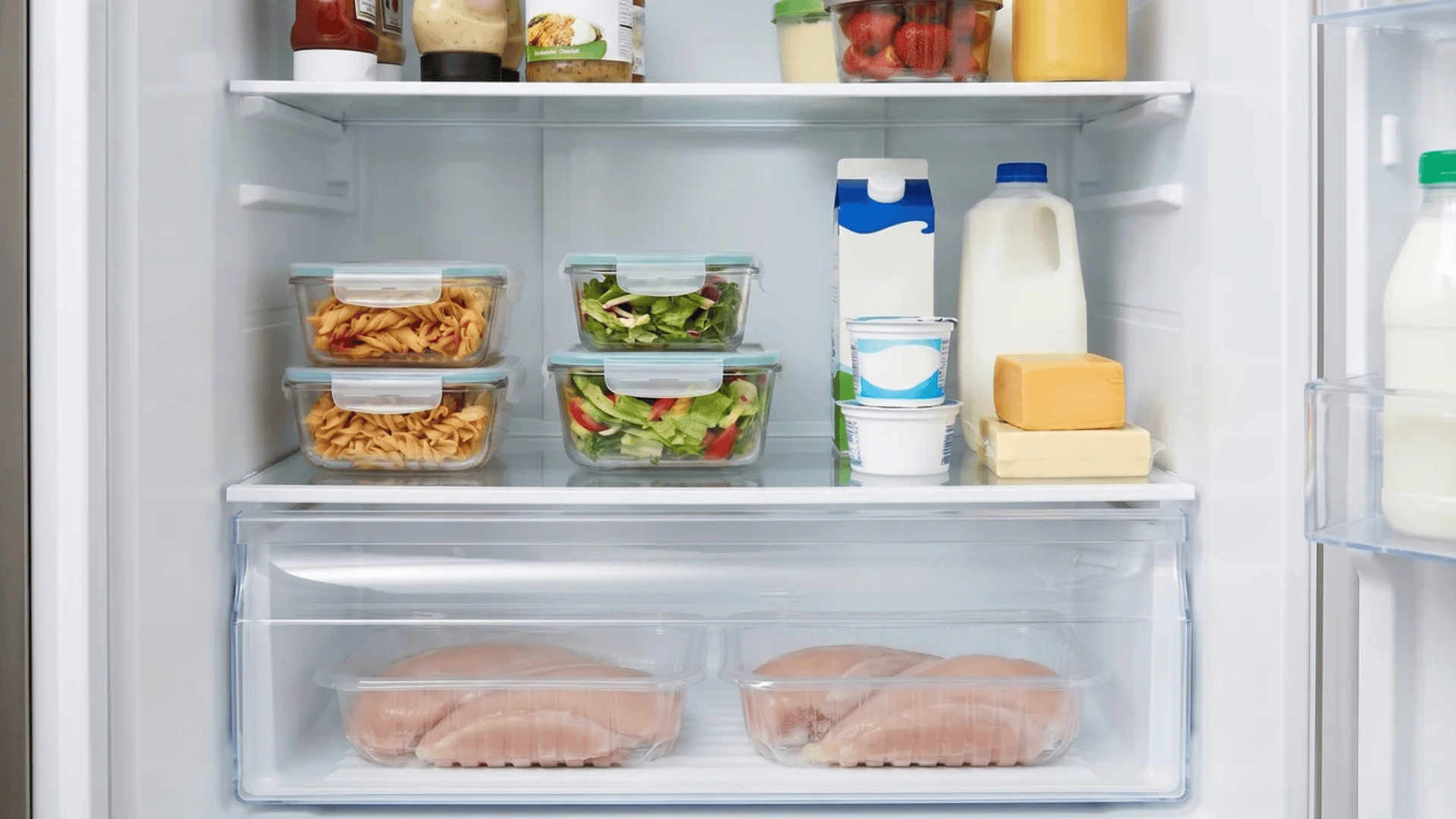
Food should be arranged based on contamination risk, not convenience. Store raw meat, poultry, and fish on the bottom shelf in sealed containers.
Place dairy and eggs in the middle, and keep leftovers and ready-to-eat foods on the top shelves.
Raw meat juices can drip downward due to gravity. If stored above cooked or ready foods, bacteria can transfer and increase the risk of foodborne illness.
Step 4: Organize Produce Using Humidity Drawers
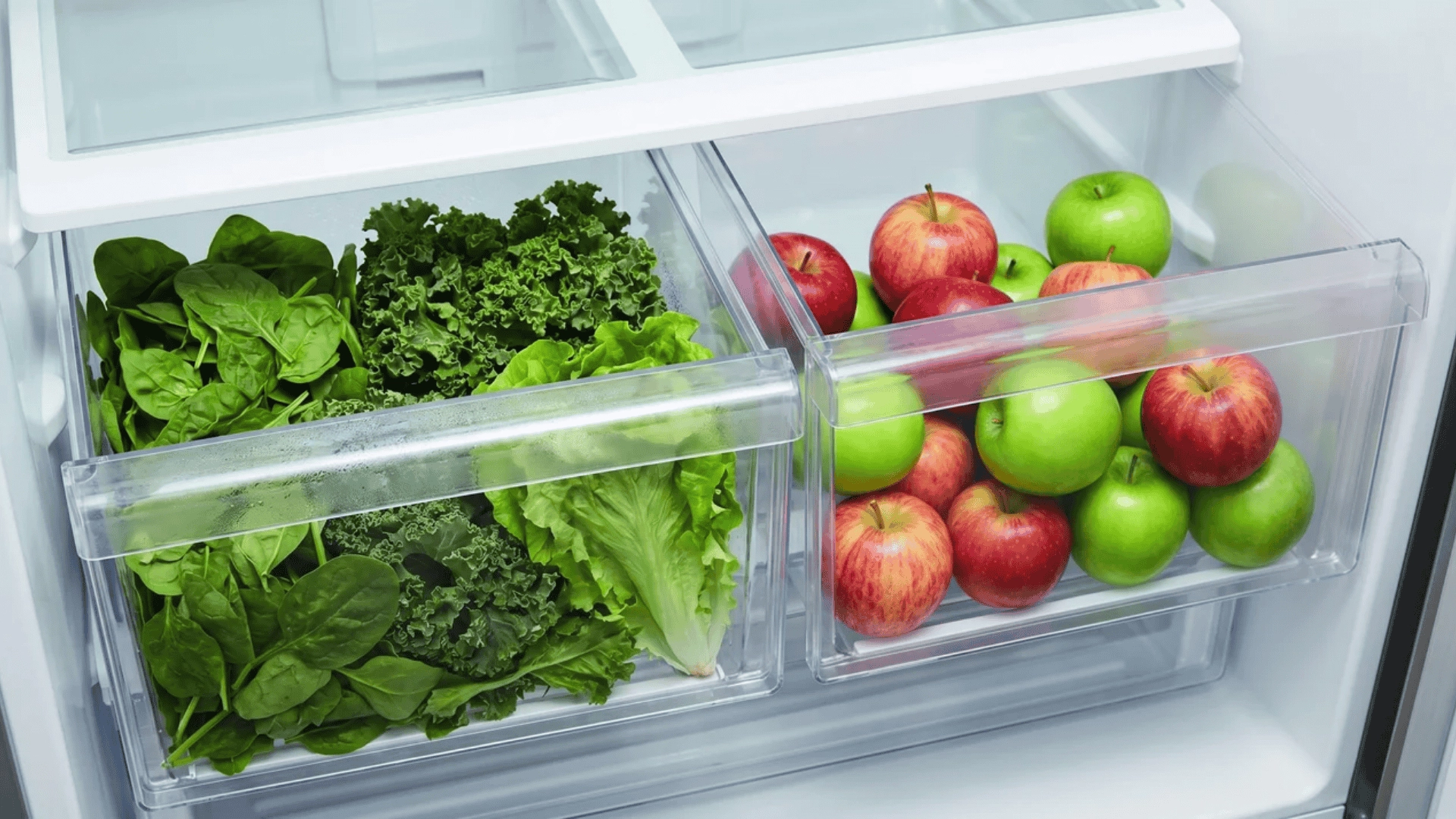
Crisper drawers are designed to control moisture and airflow. Using them correctly extends the life of your fruits and vegetables.
Store leafy greens, herbs, and thin-skinned produce in high-humidity drawers. Place apples, pears, avocados, and stone fruits in low-humidity drawers to reduce ethylene gas buildup.
Ethylene gas speeds up ripening and decay. If ethylene-producing fruits are placed next to sensitive vegetables, spoilage occurs faster than expected.
Step 5: Use the Door Correctly
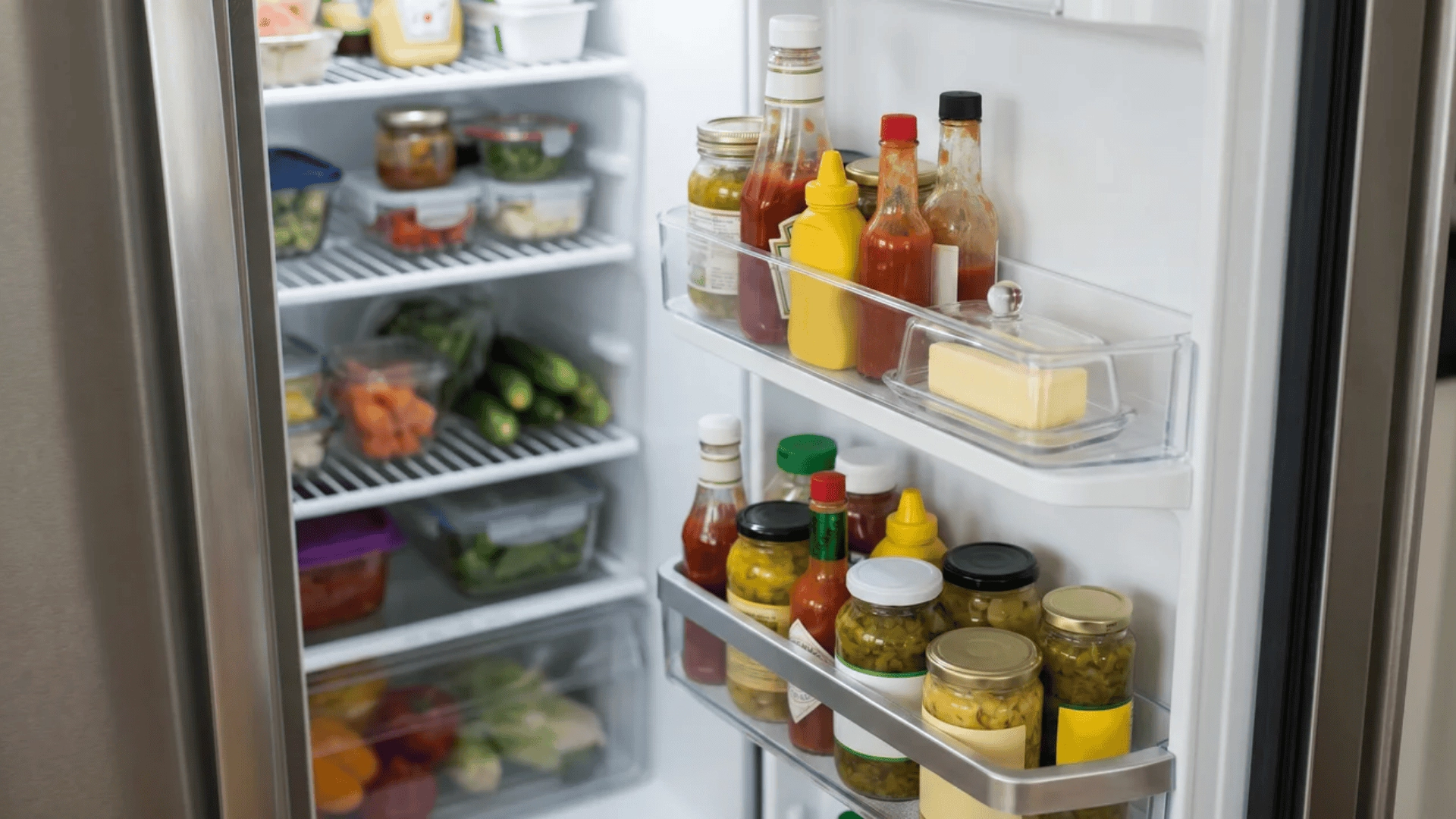
The fridge door is the least stable temperature zone. It should hold items that can tolerate small fluctuations.
Keep condiments, sauces, pickles, and similar items in the door shelves. Avoid placing milk there unless your fridge is specifically designed to keep door temperatures stable.
Each time the door opens, warm air enters, briefly raising the temperature. Sensitive dairy products spoil more quickly in this fluctuating environment.
Step 6: Create Visibility and Rotation
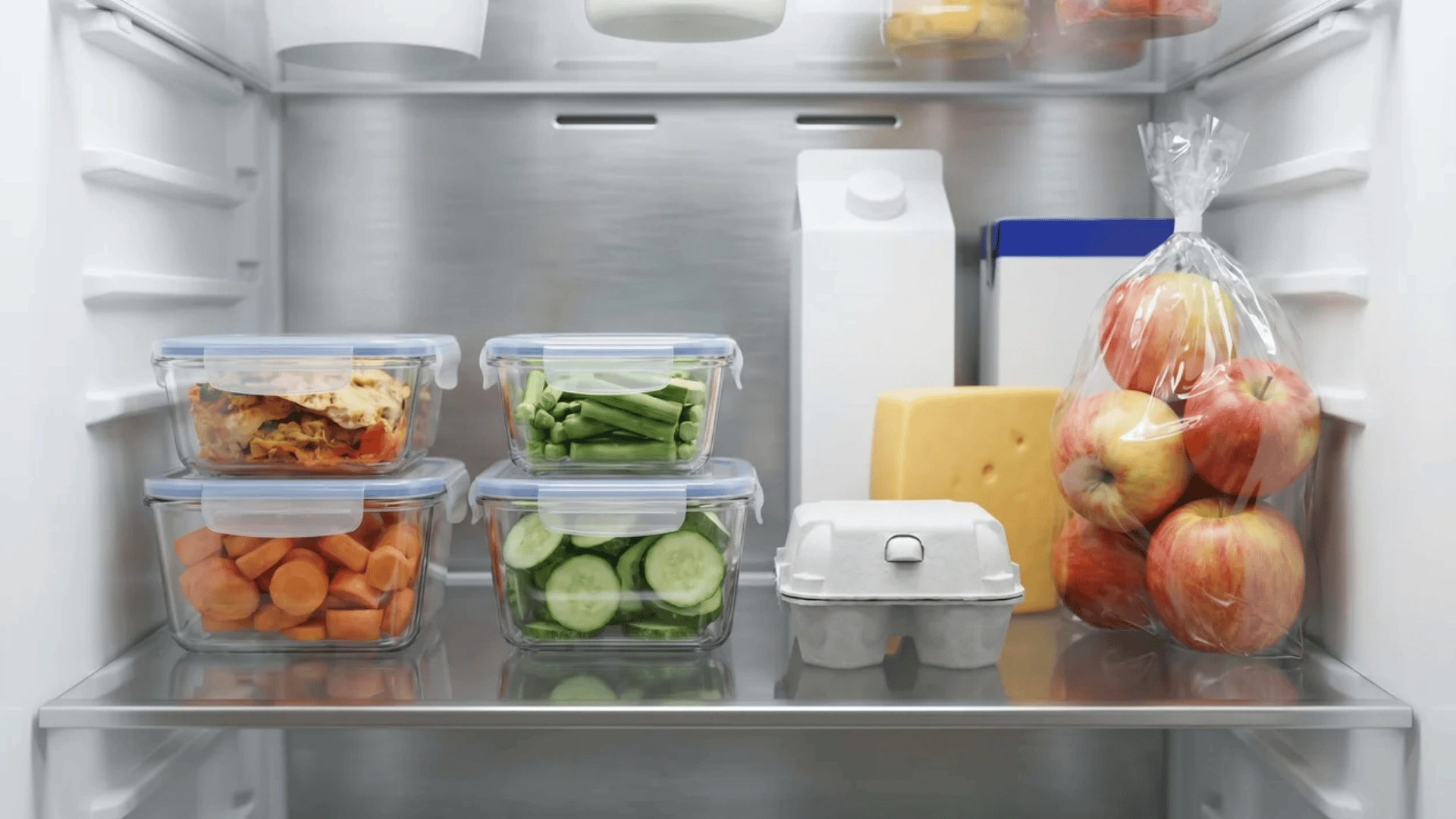
Food gets wasted when it disappears behind other items. A visible system encourages proper use before expiration.
Designate an “Eat First” area at the front of a shelf for items that need to be used soon. Practice First-In, First-Out rotation by placing new groceries at the back and older items at the front.
Visibility influences behavior. When older food stays in sight, you are more likely to use it rather than let it go to waste.
Step 7: Prevent Airflow Blockage
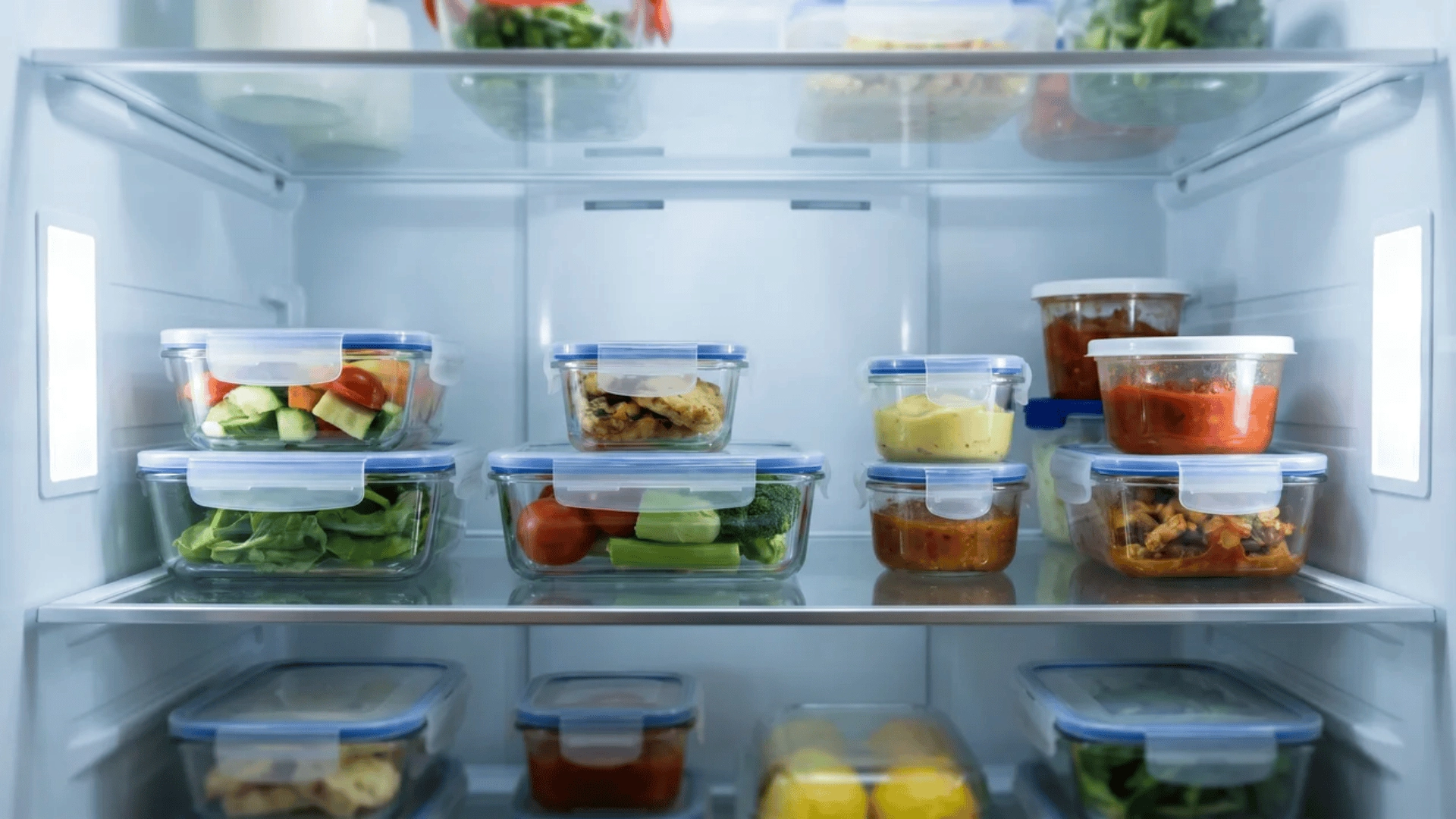
Air circulation keeps your fridge evenly cooled. Blocking airflow leads to uneven temperatures and faster spoilage.
Avoid packing shelves tightly and leave small gaps between containers. Aim for a fridge that is about three-quarters full to balance cooling efficiency and airflow.
Refrigerators rely on circulating cold air to maintain stable temperatures. When overpacked, warm pockets form and food spoils sooner than expected.
How to Organize Leftovers So They Don’t Get Forgotten?
Leftovers often turn into waste when storage habits are inconsistent. A few small tweaks keep them visible, traceable, and ready to use before they go bad.
- Store in shallow, clear containers for full visibility
- Dedicate one upper shelf strictly for leftover meals
- Skip tall stacks that create blind spots on shelves
- Treat freezer storage as a tracked system, not a dumping ground
- Portion large batches before storing for quicker reuse
A little structure around leftovers turns yesterday’s meal into tomorrow’s easy win instead of tomorrow’s trash.
How to Organize a Small Fridge?
Small fridges require tighter systems because every inch matters. The goal is to increase usable space without blocking airflow or hiding food.
Use Vertical Zoning
When shelf width is limited, building upward is the smartest way to gain space without overcrowding.
- Stackable Containers: Use uniform, stackable containers to build up rather than spreading out across shelves.
- Shelf Dividers: Add simple dividers to create tiers so shorter items do not get buried behind taller ones.
- Preserve Air Gaps: Leave small spaces between stacks so cold air can circulate properly.
Why It Works: Vertical structure increases capacity while maintaining airflow.
Failure Risk: Solid container walls block circulation and create warm pockets.
Reduce Packaging
Retail packaging wastes valuable fridge space, especially in compact models.
- Remove Bulky Boxes: Take yogurt cups, drink cartons, and snack packs out of large retail packaging.
- Transfer to Compact Containers: Store loose items together in slim bins that fit the shelf depth.
- Eliminate Cardboard: Cardboard traps moisture and takes up unnecessary room.
Why It Works: Retail packaging is designed for shipping, not efficient refrigeration.
Outcome: More usable space and better visibility.
Use Pull-Out Zones
Deep shelves make small fridges harder to manage because items get hidden behind others.
- Turntables for Corners: Place small jars and condiments on a rotating tray to prevent items from getting lost in the back.
- Tray-Based Grouping: Group similar items on shallow trays that can slide out easily.
- Front-Loading Access: Keep frequently used items toward the front edge.
Why It Works: Deep shelves hide food behind other items. Pull-out systems bring everything into view.
Outcome: Faster access and fewer forgotten groceries.
Common Fridge Organization Mistakes
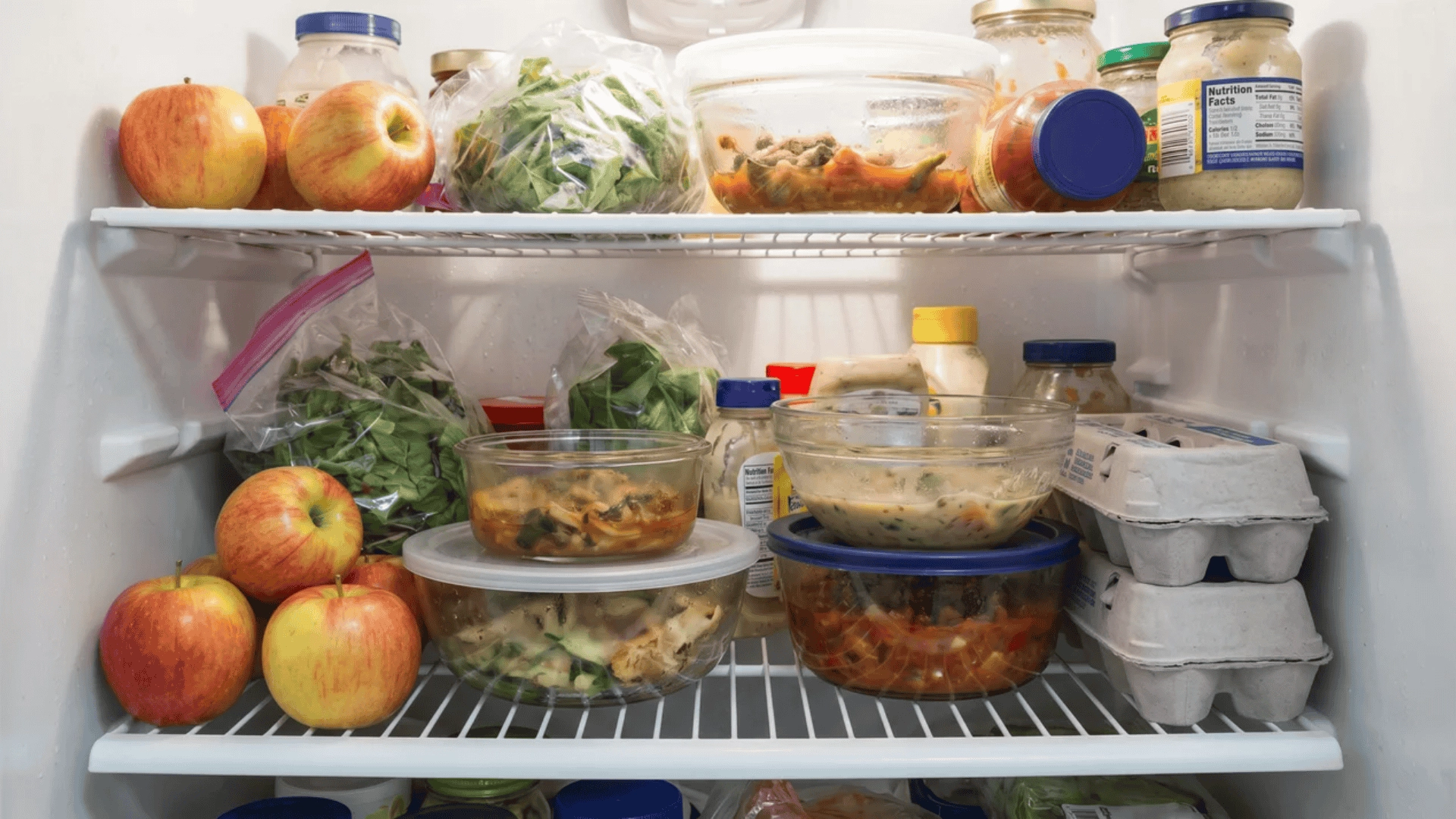
Even with a solid setup, certain habits quietly undo your efforts and shorten food life. Watch out for these common slip-ups that most households overlook.
- Cutting meat before storing: Exposed surfaces allow bacteria to multiply much faster than whole cuts.
- Storing eggs in the door: Constant temperature swings weaken shell quality and reduce overall freshness.
- Mixing ethylene fruits with greens: Ripening gases cause nearby vegetables to yellow and decay quickly.
- Treating the fridge like pantry overflow: Shelf-stable items block airflow and create warm pockets inside.
- Keeping the fridge overly cold: Extreme cold damages produce texture and freezes delicate items unintentionally.
Fixing these habits protects freshness, saves money, and keeps your fridge running the way it was designed to.
Maintenance Routine: Keeping Your Fridge Organized Long-Term
Consistency matters more than perfection. Spend five minutes each week clearing out anything past its prime and pulling older items forward.
Once a month, give shelves and drawers a quick wipe-down. Twice a year, schedule a deeper clean to reach the spots daily use tends to miss.
Revisit your zone setup whenever shopping or cooking habits shift, and the system keeps running smoothly.
Quick Reference Fridge Organization Table
Use this chart as a fast guide when restocking your fridge so every item goes into the correct temperature zone.
| Fridge Area | What To Store |
|---|---|
| Top Shelf | Ready-to-eat foods, leftovers, drinks |
| Middle Shelves | Dairy products, eggs |
| Bottom Shelf | Raw meat, poultry, fish (sealed) |
| Crisper (High) | Leafy greens, herbs, and thin-skinned produce |
| Crisper (Low) | Apples, pears, avocados, stone fruit |
| Door Shelves | Condiments, juice, butter |
| Front Zone | “Eat First” items nearing expiration |
Wrapping Up
Fridge organization works best when safety, airflow, and visibility guide every decision.
When each shelf has a purpose, food stays fresher and waste drops naturally.
By applying temperature zoning, proper produce storage, rotation habits, and routine maintenance, you build a system that supports daily use. Small adjustments create long-term consistency.
Now it is time to put this fridge organization method into action.
Reset your refrigerator today and build habits that keep it organized, efficient, and easy to manage every week.
Frequently Asked Questions
How Often Should I Adjust My Fridge Temperature?
Check and adjust your fridge temperature every few months or if food spoils quickly. Seasonal changes in kitchen temperature can affect internal cooling performance.
Should Hot Food Cool Before Going Into the Fridge?
Yes, let hot food cool slightly before refrigerating to avoid raising internal temperature and stressing the cooling system.
Is it Safe to Store Uncovered Food in The Fridge?
Uncovered food dries out faster and may absorb odors. Always cover food to maintain moisture and prevent cross-contamination.